The best road cycling routes around Signy-Avenex
4.6
(306)
13,285
riders
188
rides
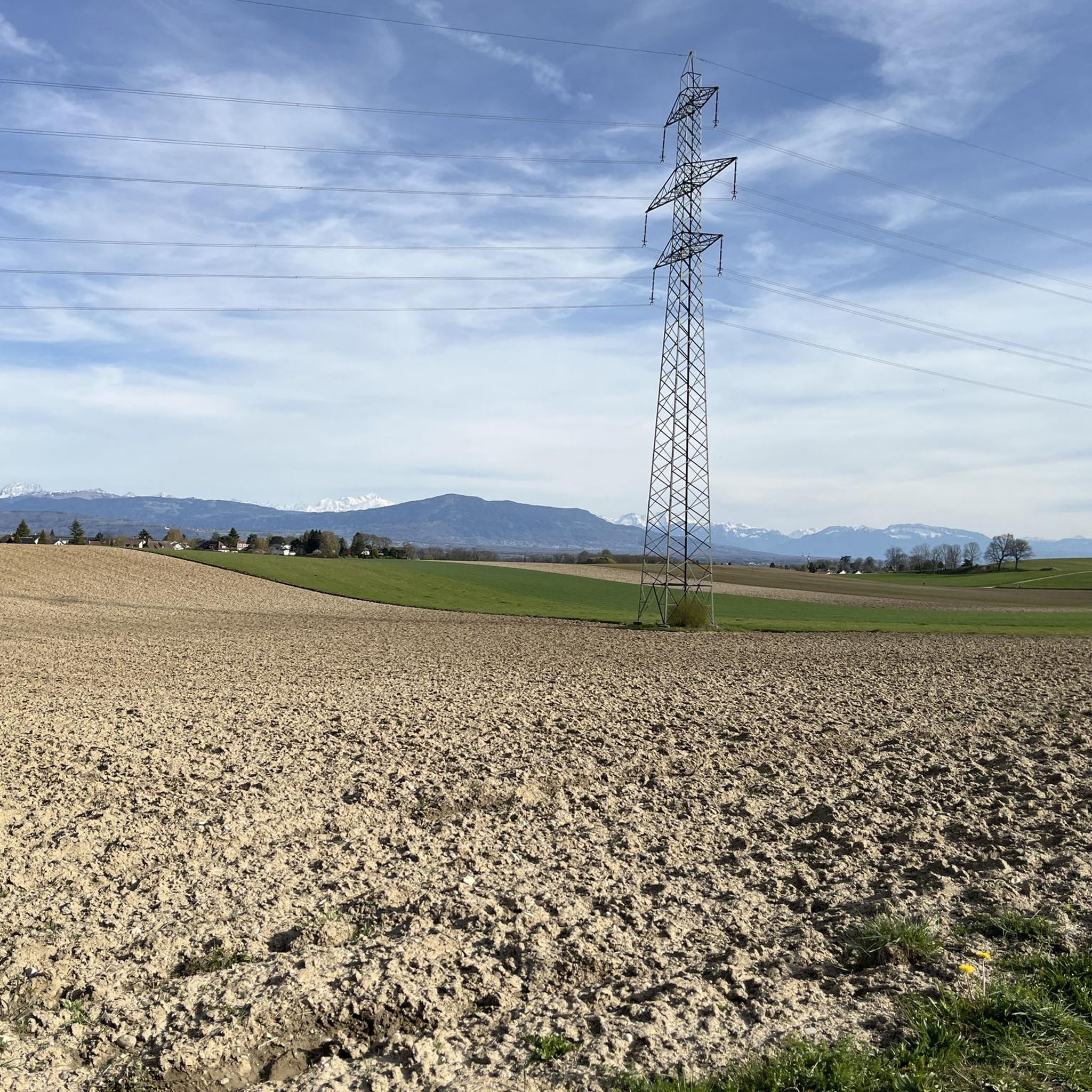
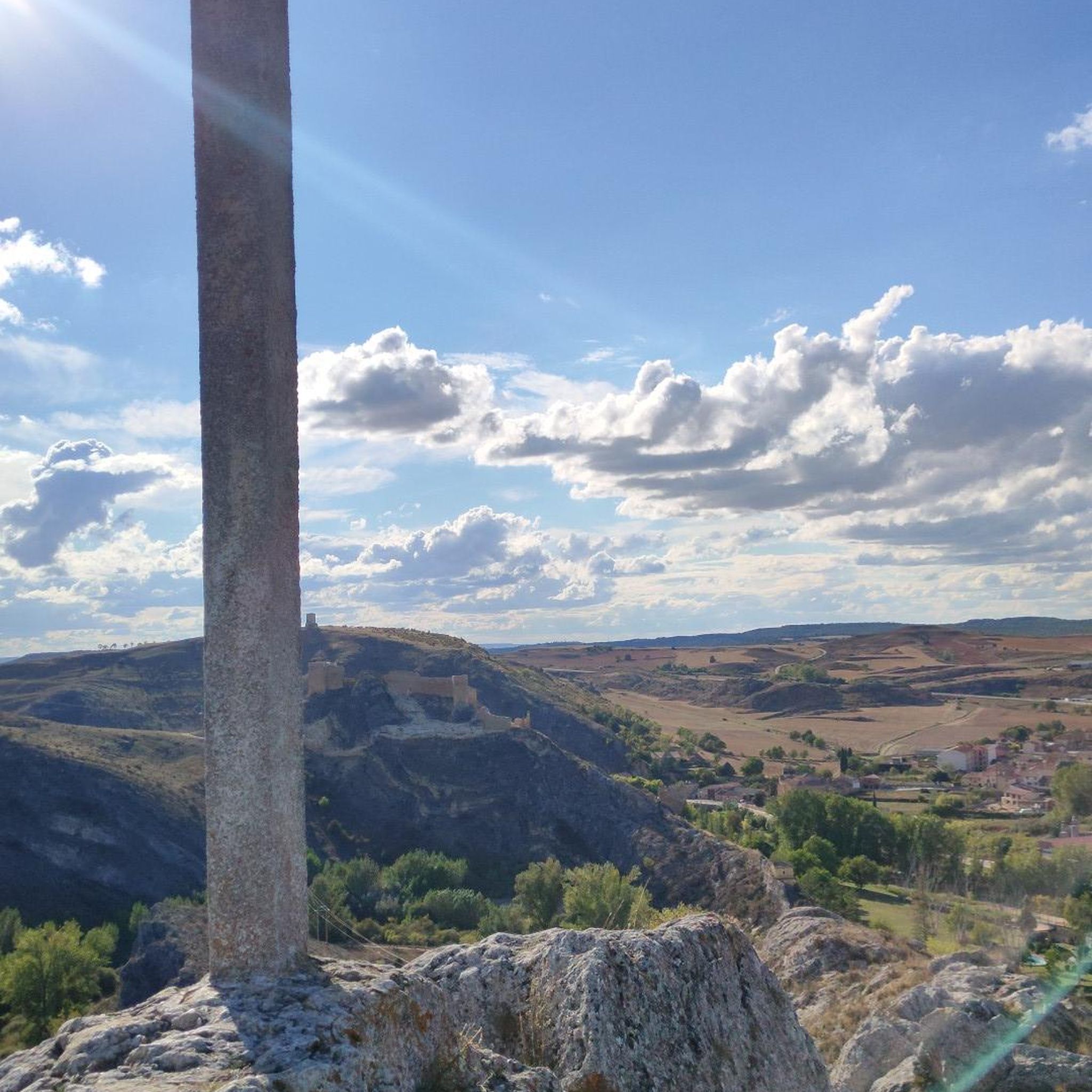
Road cycling routes around Signy-Avenex traverse a landscape characterized by rolling hills, dense forests, and views towards Lake Geneva. The region, situated near the Jura Vaudois, offers varied terrain for road cyclists. Elevations range from gentle ascents through villages to more challenging climbs towards mountain passes. This area provides a mix of scenic routes suitable for different fitness levels.
Best road cycling routes around Signy-Avenex
- The most popular road cycling route is Machefer Forest (Arnex) – Broken Chair Sculpture loop…
Last updated: October 10, 2026
4.4
(17)
476
riders
Moderate road ride. Good fitness required. Some segments of this route may be unpaved and difficult to ride.
4.5
(11)
396
riders
61.0km
03:20
1,210m
1,210m
Hard road ride. Very good fitness required. Mostly well-paved surfaces and easy to ride.

4.8
(8)
374
riders
41.7km
01:57
370m
370m
Moderate road ride. Good fitness required. Some segments of this route may be unpaved and difficult to ride.
4.6
(10)
292
riders
54.0km
02:44
800m
800m
Moderate road ride. Good fitness required. Mostly well-paved surfaces and easy to ride.
5.0
(2)
225
riders
Moderate road ride. Good fitness required. Mostly well-paved surfaces and easy to ride.
Get access to more routes and recommendations from other explorers.
Already have an account?
Our route recommendations are based on thousands of hikes, rides, and runs completed by other people on komoot.
Start today with a free account
Your next adventure awaits.
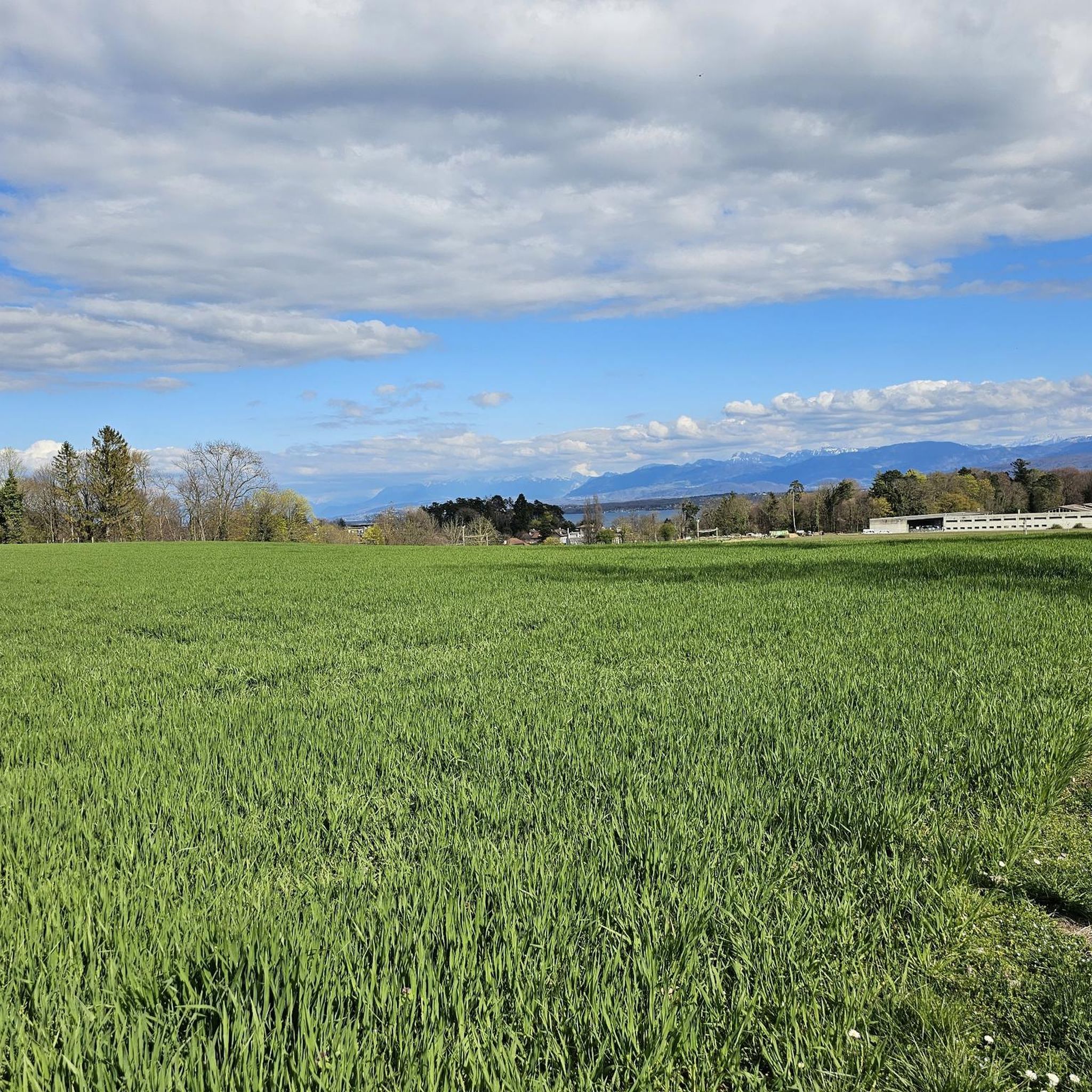
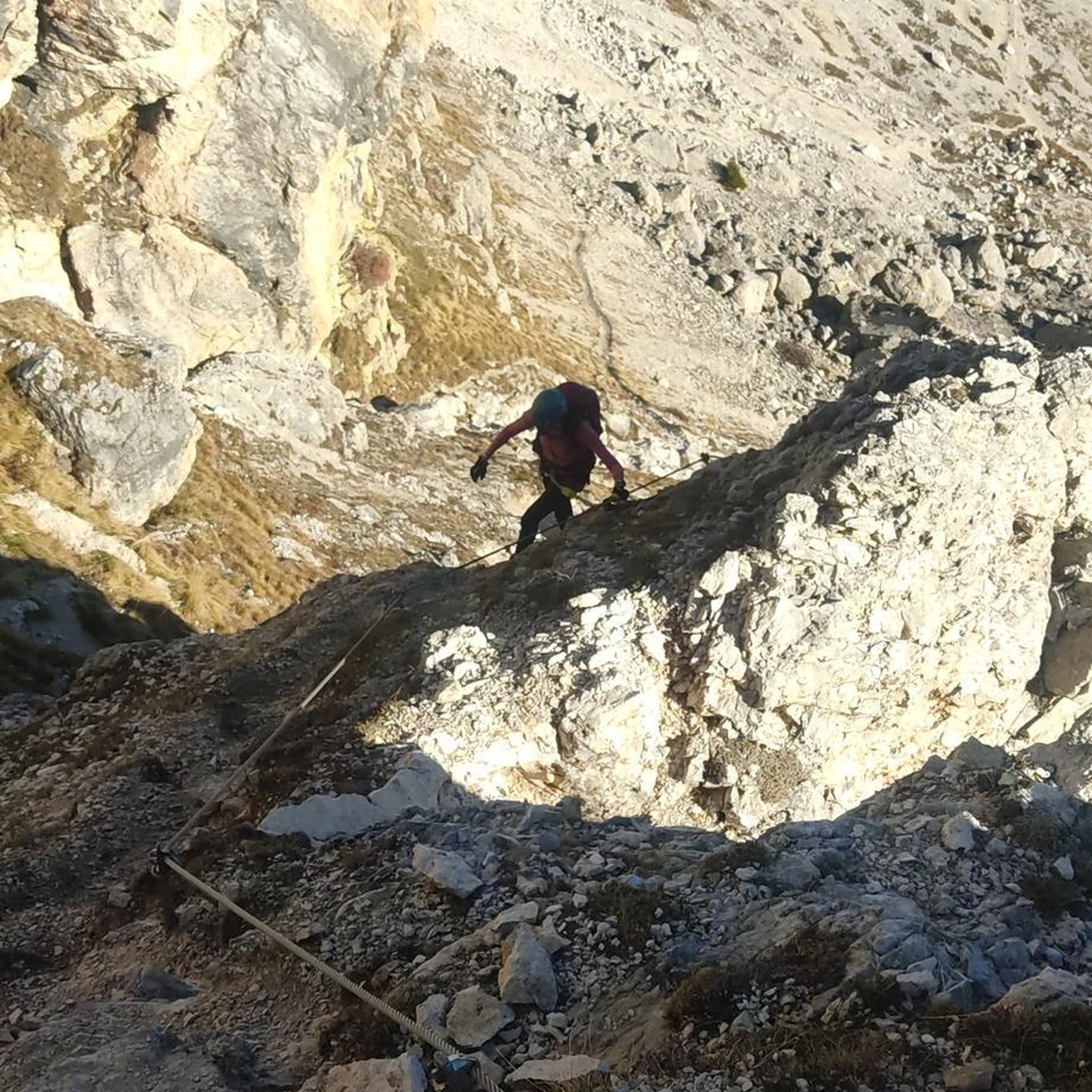
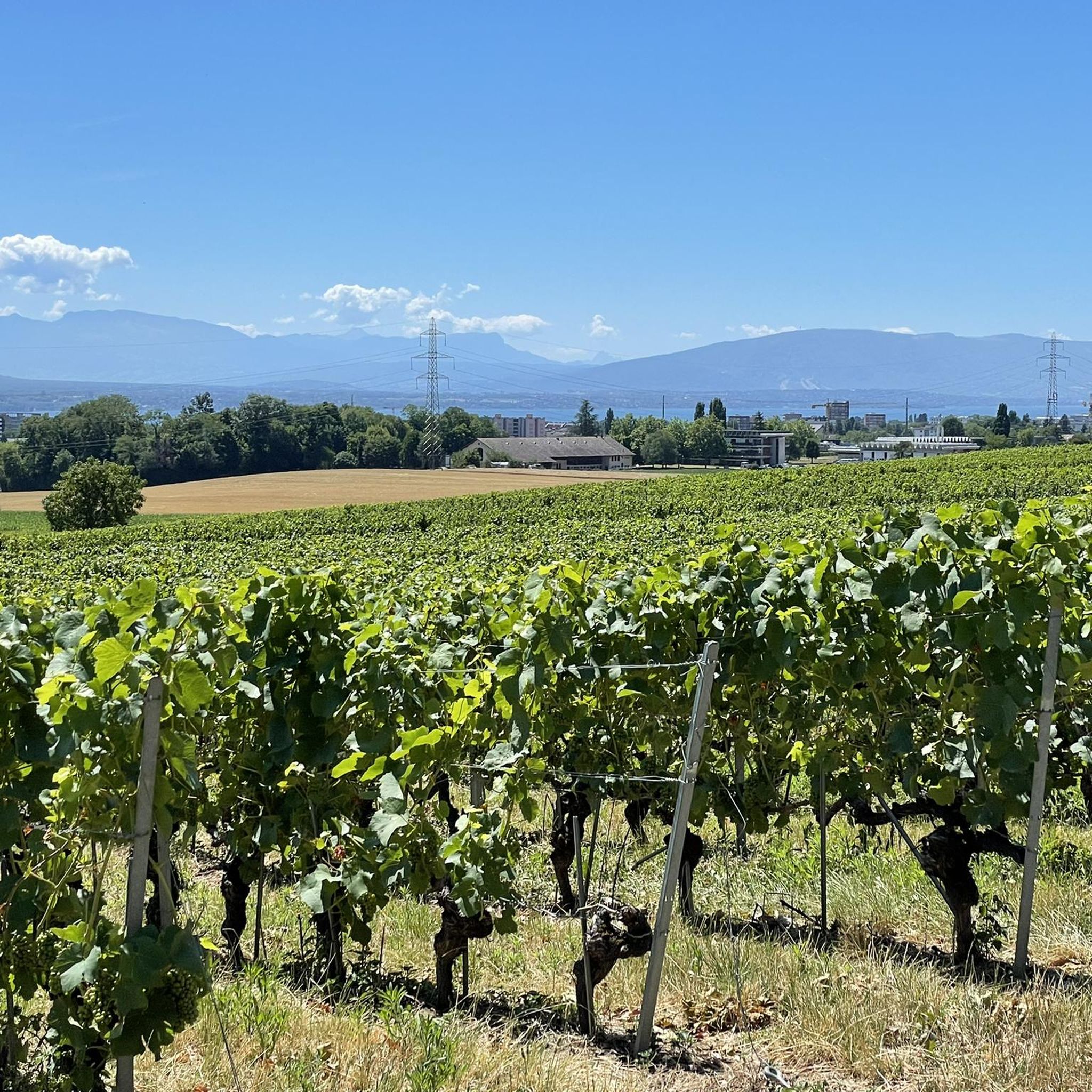
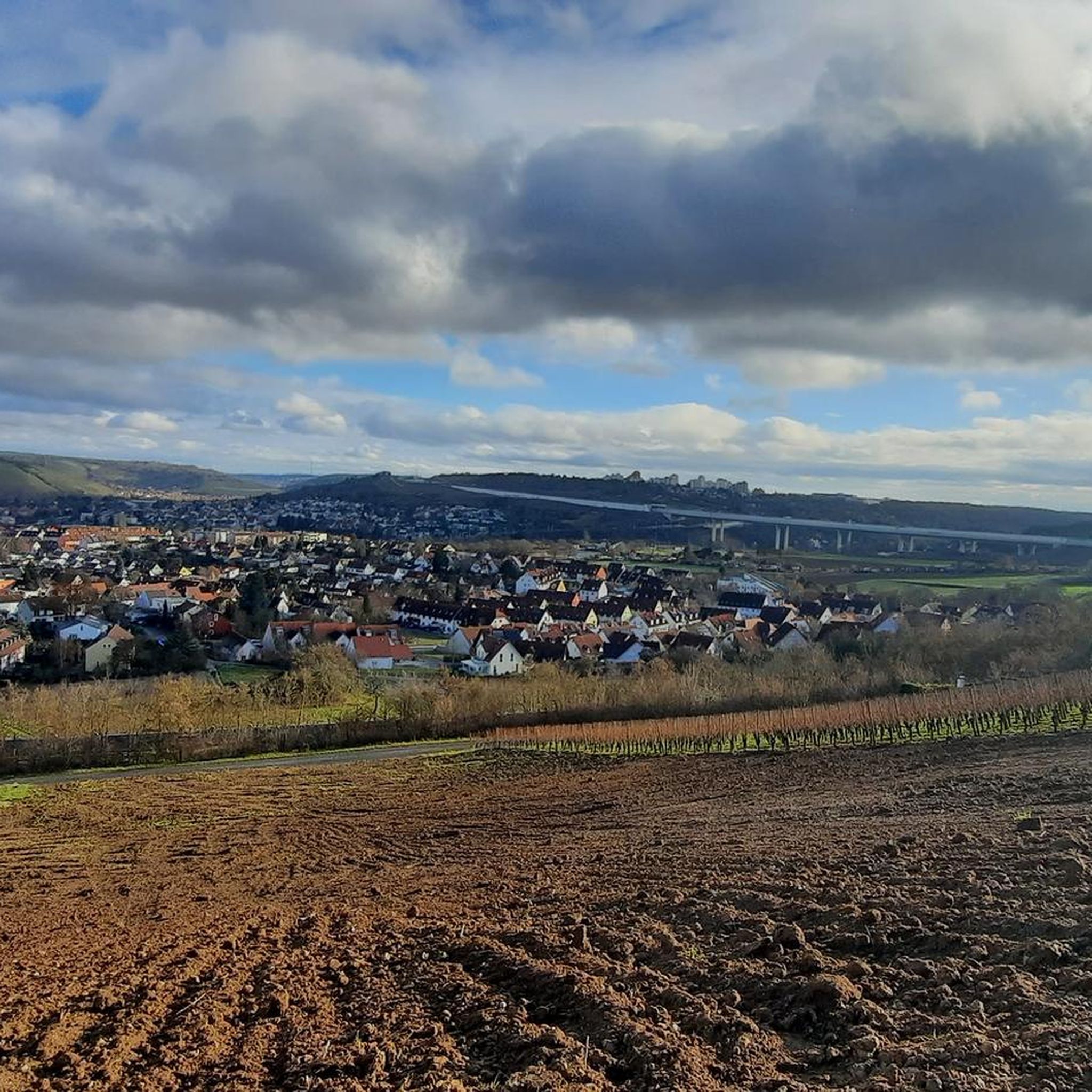
Tips from the Community

between the villas you sometimes even get to the lake ...
0
0

It is beautiful here
2
0

The route up from Biere on the Swiss side is a solid steady climb with a few 12% and 13% sections. Traffic is quite light and the road is excellent. The trees give some nice protection from the sun and wind. Crossing the col northwards takes you down to the Vallé de Joux on a pretty steep decent with great corners and some short straights. My brakes made sounds I have never heard before! I did this and Col de Mollendrux together for a great 80k / 1,500 m ride. Recommended.
2
0

Easy to access. There is a noticeboard nearby which had a list of events coming up.
0
0

Exceptional view of the lake and the mountains at Rolle. You can also admire the beautiful Rolle Castle - a medieval fortress built in the 13th century.
0
0
Frequently Asked Questions
How many road cycling routes are available around Signy-Avenex?
There are over 190 road cycling routes in the Signy-Avenex region, offering a wide variety of options for different skill levels and preferences. The komoot community has explored these routes over 11,000 times.
Are there easy road cycling routes suitable for beginners in Signy-Avenex?
Yes, Signy-Avenex offers 73 easy road cycling routes. These routes typically feature gentler ascents and allow riders to enjoy the rolling hills and forested sections without excessive challenge. Many of these routes are ideal for those new to road cycling or looking for a relaxed ride.
What are some challenging road cycling routes in the Signy-Avenex area?
For experienced road cyclists seeking a challenge, there are 30 difficult routes. A notable option is the Jura Vaudois – Col du Marchairuz (1,449 m) loop from Les Plantaz, which features significant elevation gain through the Jura Vaudois mountains, covering 37.9 miles (61.0 km).
Are there long-distance road cycling routes around Signy-Avenex?
Yes, the region offers several longer routes. For example, the Jura Vaudois – Col du Marchairuz (1,449 m) loop from Les Plantaz is 37.9 miles (61.0 km) long, and the Machefer Forest (Arnex) – Broken Chair Sculpture loop from Les Plantaz covers 35.1 miles (56.5 km).
What kind of scenery can I expect on road cycling routes near Signy-Avenex?
Road cycling around Signy-Avenex is characterized by diverse scenery. You'll encounter routes winding through dense forests, over rolling hills, and often providing stunning views towards Lake Geneva. The region's proximity to the Jura Vaudois also means picturesque mountain landscapes.
Are there circular road cycling routes available in Signy-Avenex?
Yes, many of the road cycling routes in Signy-Avenex are designed as loops, allowing you to start and finish at the same point. Examples include the Machefer Forest (Arnex) – Broken Chair Sculpture loop from Les Plantaz and the Aubonne Village and Castle – Rolle Castle loop from Les Plantaz.
What are some interesting landmarks or attractions I can see along the road cycling routes?
The routes often pass by historical sites and natural viewpoints. You can cycle past the historic Aubonne Village and Castle, or enjoy views of Lake Geneva. For broader exploration, consider visiting the La Dôle Summit or the medieval Yvoire Medieval Village, which are nearby attractions.
What do other road cyclists enjoy most about road cycling in Signy-Avenex?
The area is highly rated by the komoot community, with an average score of 4.6 stars from over 200 reviews. Reviewers often praise the varied terrain, from gentle ascents to challenging mountain passes, and the scenic beauty, including forested sections and views of Lake Geneva.
What is the best season for road cycling in Signy-Avenex?
The best season for road cycling in Signy-Avenex is typically from spring through autumn (April to October), when the weather is milder and roads are clear. Summer offers warm conditions, while spring and autumn provide pleasant temperatures and vibrant scenery. Winter cycling can be possible on lower elevation routes, but higher passes may be affected by snow.
Are there routes that pass through historic villages or past castles?
Yes, the region is rich in history. The Aubonne Village and Castle – Rolle Castle loop from Les Plantaz is a prime example, leading through historic villages and past impressive castles, offering a cultural dimension to your ride.
How long do road cycling routes typically take in Signy-Avenex?
The duration varies significantly by route and your pace. For instance, the Aubonne Village and Castle – Rolle Castle loop from Les Plantaz, at 25.9 miles (41.7 km), is often completed in about 1 hour 57 minutes. Longer, more challenging routes like the Jura Vaudois – Col du Marchairuz (1,449 m) loop from Les Plantaz (37.9 miles / 61.0 km) can take around 3 hours 20 minutes.
Most popular routes around Signy-Avenex
Most popular attractions around Signy-Avenex

Get inspired with the komoot mobile app


Explore more
Browse the best Road cycling routes in other regions.
