The best walks and hikes around Palestro
4.4
(152)
543
hikers
61
hikes
Hiking trails around Palestro are primarily characterized by the flat, agricultural landscapes of the Piedmont region, featuring extensive rice paddies and the presence of the Sesia River. The terrain offers minimal elevation changes, making it suitable for accessible walks. The area provides a network of paths that traverse rural settings and follow riverbanks.
Best hiking trails around Palestro
- The most popular hiking route is From Orfengo to Granozzo through Piedmont rice paddies (Sentiero Novara Stage 4), a 9.7 miles…
Last updated: October 4, 2026
3.9
(13)
87
hikers
14.2km
03:36
0m
20m
Moderate hike. Good fitness required. Easily-accessible paths. Suitable for all skill levels.
12.4km
03:07
10m
10m
Moderate hike. Good fitness required. Easily-accessible paths. Suitable for all skill levels.

Moderate hike. Good fitness required. Easily-accessible paths. Suitable for all skill levels.
16.0km
04:04
40m
40m
Moderate hike. Good fitness required. Easily-accessible paths. Suitable for all skill levels.
16
hikers
6.21km
01:35
20m
20m
Easy hike. Great for any fitness level. Easily-accessible paths. Suitable for all skill levels.
Get access to more routes and recommendations from other explorers.
Already have an account?
Our route recommendations are based on thousands of hikes, rides, and runs completed by other people on komoot.
Start today with a free account
Your next adventure awaits.

Tips from the Community

This beautiful church was built in 1220, during a prosperous period. The style is a combination of Northern Gothic (vertical towers and octagonal bell tower) and the typical style from the Po Valley (triangular gable, arches and use of brick). The facade, a colorful whole of stone and marble, is flanked by high towers and has three vaulted porches; The tympanums are probably by sculptor Benedetto Antelami. The very massive bell tower (right) dates from the 15th century. The sober interior with three naves has a choir with wooden inlay and the funerary monument (14th century) of Tomasso Gallo, first abbot of the basilica (second chapel in the right transept). The left aisle leads to the monastery buildings and to the cloister, which offers beautiful views of the complex.
8
0

In addition to the Basilica of Sant' Andrea and the Cathedral of Sant' Eusebio, also interesting are the Avogadro Tower, Piazza Cavour with its porticoes, the statue of Cavour and the nearby Torre dell'Angelo visible from the square.
2
0

The Basilica of Sant'Andrea is one of the most important and well-known monuments in Vercelli. It is the first Gothic monument in Piedmont, one of the earliest in Italy in this style, an example of Romanesque-Gothic architecture, in which local Romanesque and the novelties of Cistercian Gothic coexist. It has the dignity of a minor basilica. It was begun in 1219 by the will of Cardinal Guala Bicchieri and completed in 1227. Source: Wikipedia
4
0

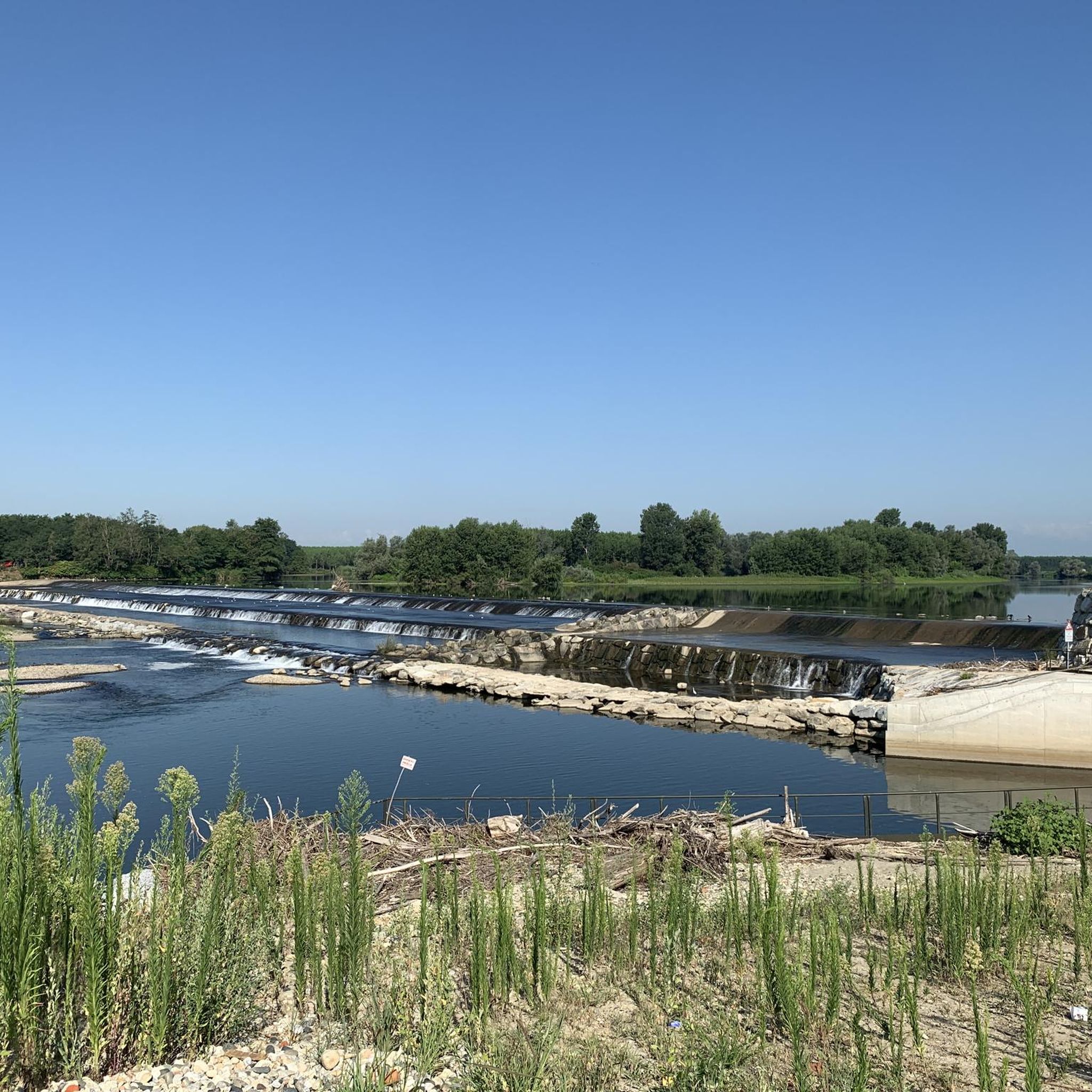
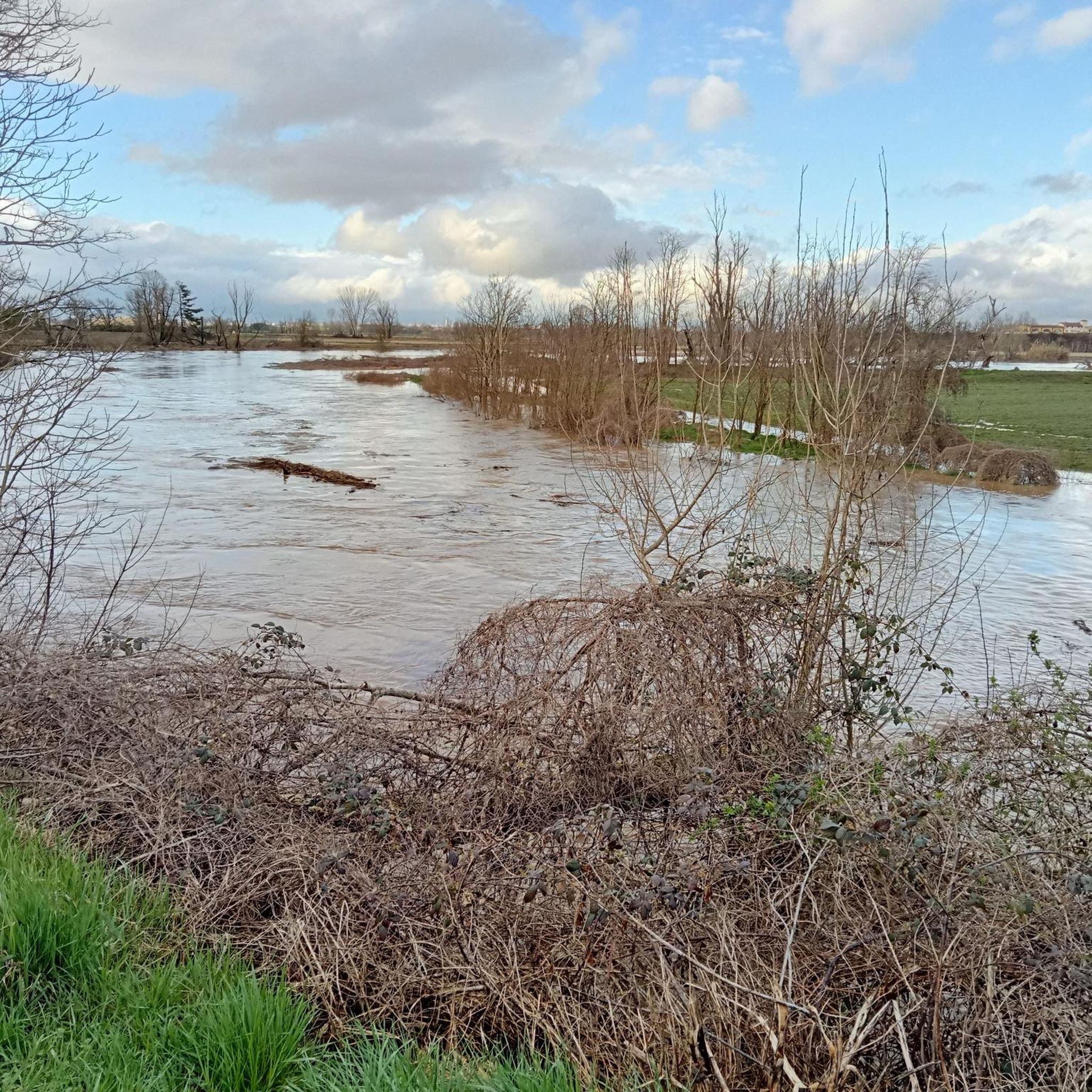
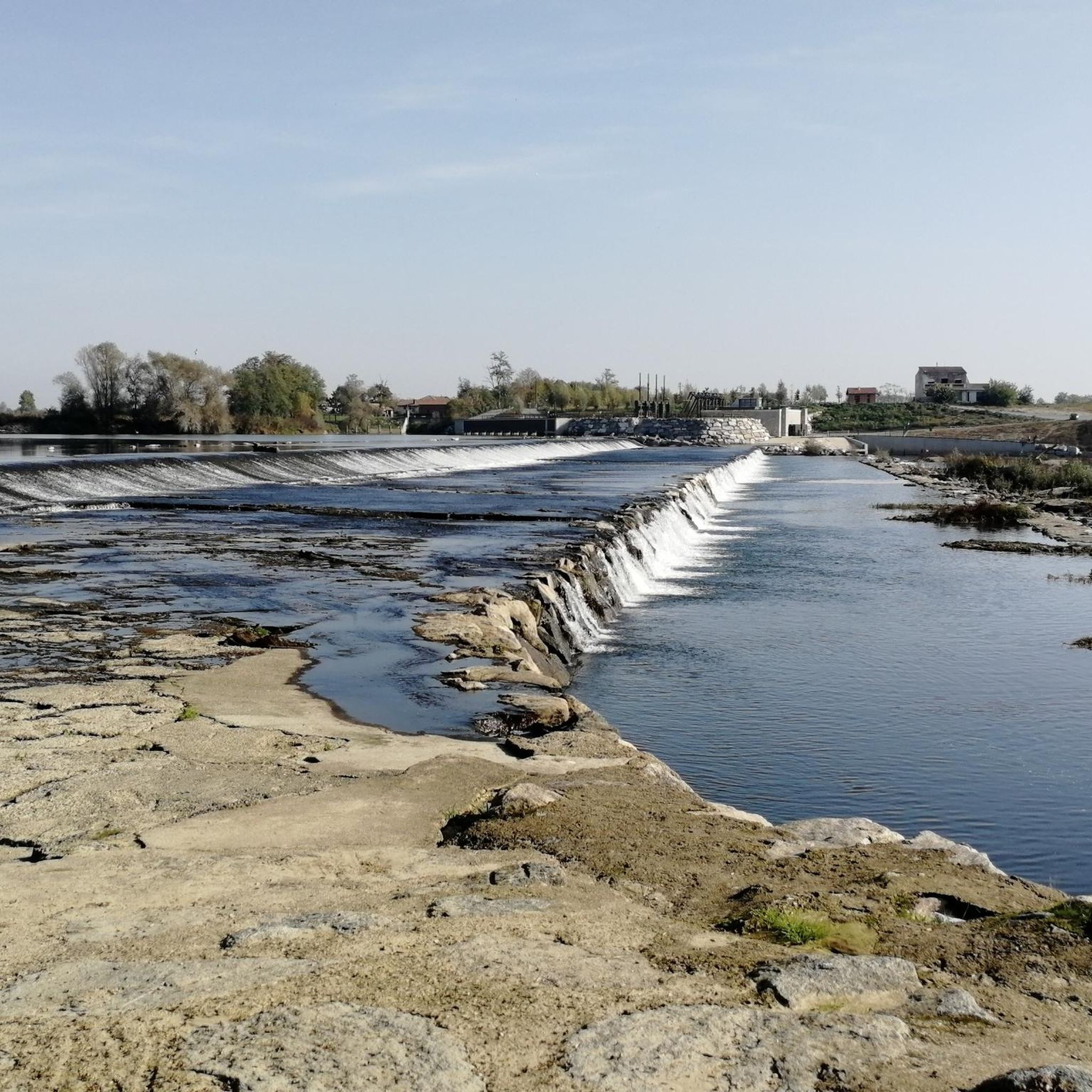
The Sesia (Walser German female: Seeschera) is a river in Italy. It rises in the glaciers of the Monte Rosa massif, in the upper Valsesia valley above the municipality of Alagna Valsesia. In the upper section, the Sesia bears the clear characteristics of a torrent. There it receives numerous smaller streams, most of which come from the Valgrande glaciers. It receives numerous inflows along its course; on the right side of the Valsesia are the streams Olen, Otro, Vogna, Artogna, Zorba and Egna; on the left the Torrente Sermenza and the Mastallone. The Sesia flows for a total of 138 kilometers through the towns of Borgosesia, Greggio and Vercelli before flowing into the Po. It forms the border between Piedmont and Lombardy. In the region around Arborio and Vercelli it serves as a source of water for rice cultivation. A minority language of Piedmont is Walser German - an Alemannic dialect spoken in the upper Sesia/Seeschera valley. Source: Wikipedia
2
0
The Basilica of Sant'Andrea is a Roman Catholic church in Vercelli in Piedmont, Italy. The former monastery church of the Archdiocese of Turin bears the title of a minor basilica. The basilica is the most important work of the transitional Romanesque-Gothic style in northern Italy, in which the local Romanesque and the innovations of the Cistercian Gothic coexist. Begun in 1219 by Cardinal Guala Bicchieri, it was completed in 1227. The detached campanile dates from the 15th century. The basilica was built between 1219 and 1227 on the initiative of Cardinal Guala Bicchieri. The cornerstone was laid on February 19, 1219 in the presence of Bishop Ugone. The cardinal had recently returned from England where, in his capacity as papal legate, he expressed the appreciation and gratitude of King Henry III. acquired, so that as a reward he received the perpetual annuities of Saint Andrew's Abbey at Chesterton, Cambridge. Due to the financial resources available, the cardinal summoned some canons of the Congregation of St Victor from Paris to Vercelli and gave them responsibility for the abbey to be built and the pilgrims' hospital, the construction of which began in 1224. It was probably these canons, and in particular the abbot Thomas Gallus - already a professor at the University of Paris - who brought to Vercelli the innovations in Gothic architecture that had emerged in the Île-de-France. Through his diplomatic skill, the cardinal succeeded in the following years, the possessions of the abbey through gifts and privileges from Pope Honorius III. and to protect and increase Emperor Frederick II (the protection diploma issued in 1226 comes from him). Cardinal Bicchieri died in Rome in 1227, the year the basilica was completed. Source: Wikipedia
2
0
Promenade, play and recreation avenue with residential area.
1
0

One of the symbols of Vercelli, the basilica of Sant'Andrea was completed in 1227; its architecture is Gothic-Romanesque
1
0

Basilica of San Andrea a symbol for the city of Vercelli
1
0
Frequently Asked Questions
How many hiking trails are available around Palestro?
There are over 45 hiking trails around Palestro, offering a variety of options for exploring the region's unique landscape.
What kind of landscape can I expect on hikes near Palestro?
Hikes around Palestro primarily feature flat, agricultural landscapes, including extensive rice paddies and paths along the Sesia River. The terrain has minimal elevation changes, making it suitable for accessible walks through rural settings.
Are there easy hiking trails suitable for beginners in Palestro?
Yes, Palestro offers many easy hiking trails perfect for beginners. About half of the routes are classified as easy, providing gentle walks through the flat agricultural areas and along riverbanks.
Are the trails around Palestro suitable for families with children?
Absolutely. The predominantly flat terrain and minimal elevation changes make many of the trails around Palestro ideal for families with children. They offer accessible walks through the scenic rice paddies and along the Sesia River.
Can I bring my dog on hikes in Palestro?
Yes, the rural and open nature of the trails around Palestro generally makes them suitable for walking with dogs. Always ensure your dog is under control and respect local regulations regarding pets in agricultural areas.
Are there any circular hiking routes in Palestro?
Yes, you can find circular routes around Palestro. For example, the Cathedral of Saint Eusebius – Amedeo Avogadro Monument loop from Billiemme offers a pleasant, easy circular walk.
What historical sites or attractions can I see while hiking near Palestro?
While hiking, you can explore several interesting sites. Nearby attractions include the Church of San Valeriano in Robbio and the historic Hospitale Sancti Eusebi. You might also encounter various castles in the wider area, such as Nibbiola Castle or Casalino Castle.
What is the best time of year to go hiking in Palestro?
The best time to hike in Palestro is typically during spring and autumn when the weather is mild and pleasant. Spring offers lush green landscapes, especially with the rice paddies, while autumn provides comfortable temperatures for walking.
Are there options for winter hiking in Palestro?
Yes, winter hiking is possible in Palestro due to the flat terrain. While it can be colder, the lack of significant elevation makes most paths accessible, offering a different perspective on the rural landscape.
How can I avoid crowded trails in Palestro?
To avoid crowds, consider hiking during weekdays or early mornings. The agricultural nature of the region means many trails are generally less frequented than mountain paths, offering a peaceful experience.
What do other hikers say about the trails in Palestro?
The trails in Palestro are highly rated by the komoot community, with an average score of 4.5 stars from over 100 reviews. Hikers often praise the peaceful rural settings, the unique views of the rice paddies, and the accessibility of the paths.
Are there any challenging hikes around Palestro?
While most trails are easy to moderate, there are a few longer options for those seeking a challenge. For instance, the Sesia River Crossing – View of Palestro loop from Vinzaglio is a difficult 21 km route that offers a more extensive exploration of the area.
Are there hiking trails with parking available near Palestro?
Many trailheads in the Palestro area are accessible by car, and you can often find parking in nearby villages or designated spots. It's advisable to check specific route details on komoot for parking information at your chosen starting point.
Most popular attractions around Palestro

Get inspired with the komoot mobile app


Explore more
Browse the best Hikes in other regions.
