Attractions and Places To See around Greggio - Top 20
Attractions and places to see around Greggio, a municipality in the Province of Vercelli, Italy, are characterized by their natural riverine environment and historical significance. The area is situated along the Sesia River, offering a landscape that contrasts with the surrounding rice monoculture. Visitors can explore natural areas, historical sites, and engineering marvels that reflect the region's agricultural and cultural heritage.
Best attractions and places to see around Greggio
- The most popular attractions is Confluence of the Cavour Canal and…
Last updated: October 4, 2026
Lame del Sesia Natural Park
Highlight • Natural
Translated by Google •
Tip by

Olcenengo
Highlight • Settlement
Translated by Google •
Tip by

Sign up now to discover places like this
Get recommendations on the best single tracks, peaks, & plenty of other exciting outdoor places.
Abbey of San Nazzaro
Highlight • Religious Site
Translated by Google •
Tip by

Confluence of the Cavour Canal and the Sesia River
Highlight • River
Translated by Google •
Tip by

Medieval Tower of Mandello Vitta
Highlight • Historical Site
Translated by Google •
Tip by

Sign up for free to discover even more attractions around Greggio.
Already have an account?
Start today with a free account
Your next adventure awaits.

Tips from the Community

The Abbey of San Nazzaro Sesia is a complex made up of structures from different historical periods. The oldest parts are the bell tower, built as a watchtower, and the two wings of the narthex preceding the façade, which are what remains of the quadriportico built around 1150, shortly after the abbey itself was founded (1040). The cuts resulting from the demolition of the other two sides are still clearly visible today. The narthex is almost entirely made up of stones from the Sesia river arranged in a herringbone pattern to increase its solidity. The mortar itself was obtained from materials found on site, near the Sesia river. It was probably originally used as a “hospitalis”, that is, it served as a place of rest and refreshment for travellers and pilgrims, who we know were very numerous in medieval times, and it also had the function of hosting catechumens.
0
0

Medieval tower located at the entrance to the town and dating back to the mid-12th century, it was a construction with military functions. Fairly well preserved, it still bears the visible coat of arms of the Caccia family.
1
0

Beautiful tower kept in excellent condition.
14
0

In the Middle Ages, Mandello Vitta was a free village: a town without duties and with toll functions. The toll tower dates back to around the 12th century. It is what remains of the fortification. It probably overlooked the ancient Via Biandrina; in fact, a large arch, now walled up, is still visible in the lower part.
0
0

The ancient village of Olcenengo is surrounded by the slow flow of its irrigation canals and shrouded in winter fog, dense and impenetrable guardian of landscapes with an ancient flavor. Agriculture is the main economic sector of Olcenengo, but in the shadow of the large farms, craft businesses related to the rice sector have developed: mechanical workshops, wooden products, pig farms with their own production of typical sausages, small family-run rice mills . The town hall, the small square with the fountain of the "sgorgia" and the "frog", the church are the most characteristic points of the city. Only a few parts of the castle, dating from 1100, are still used as a farm. The town hall is a compact building rising over two floors. The public fountain in Piazza Paietta has become the symbol of the city: a frog at the edge of the pool sprays a stream of water at a "sgorgia" (blue heron), the typical bird of the rice fields. https://www.viefrancigene.org/it/resource/poi/olcenengo/
7
0

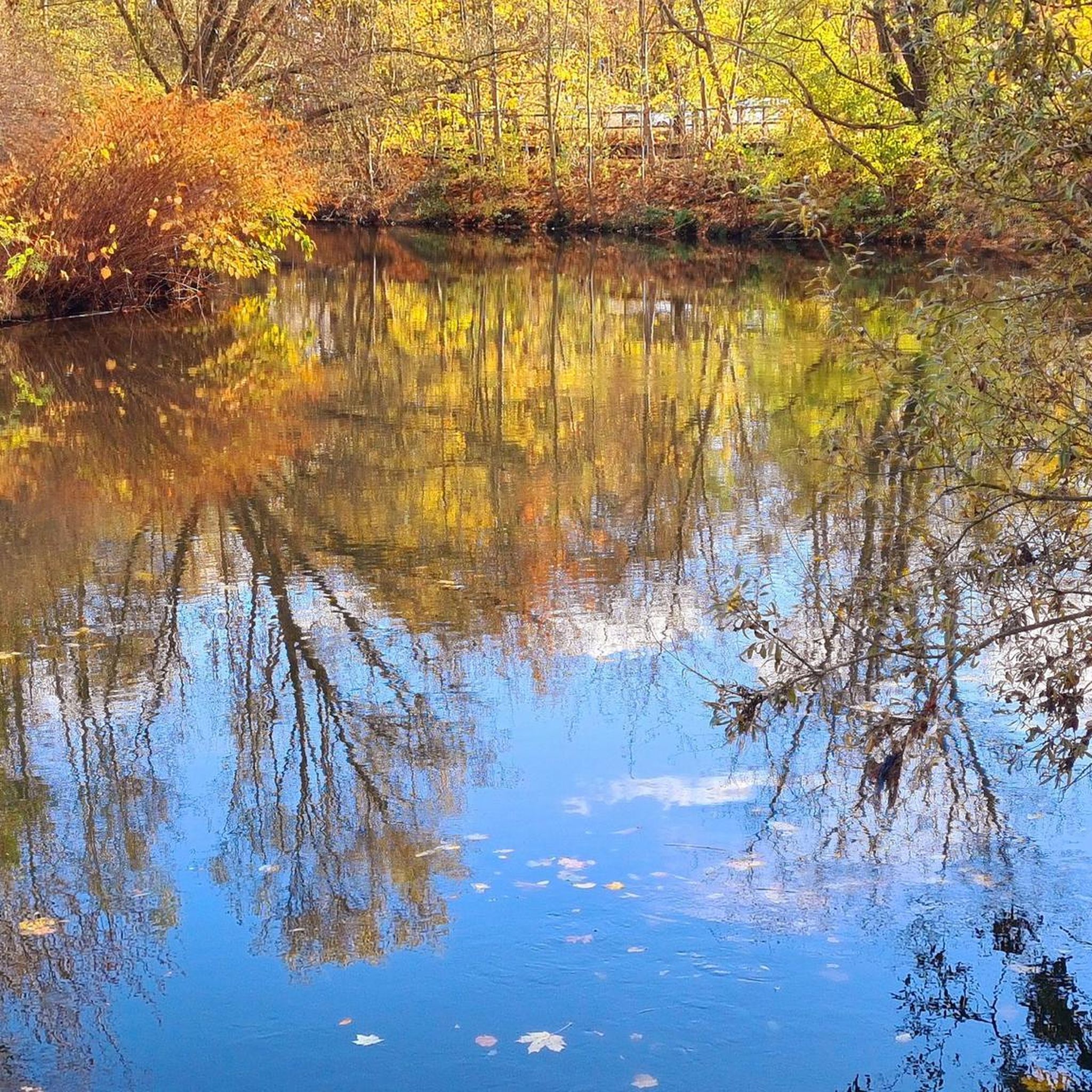
The Lame del Sesia park extends over an area of approximately 900 hectares along a stretch of almost 8 kilometers of the Sesia river, located between the provinces of Novara and Vercelli. The river environment, enriched by blades, meanders, bodies of water, woods, gravels and sands, constitutes an important natural oasis in stark contrast to the surrounding landscape characterized by rice monoculture.
3
0

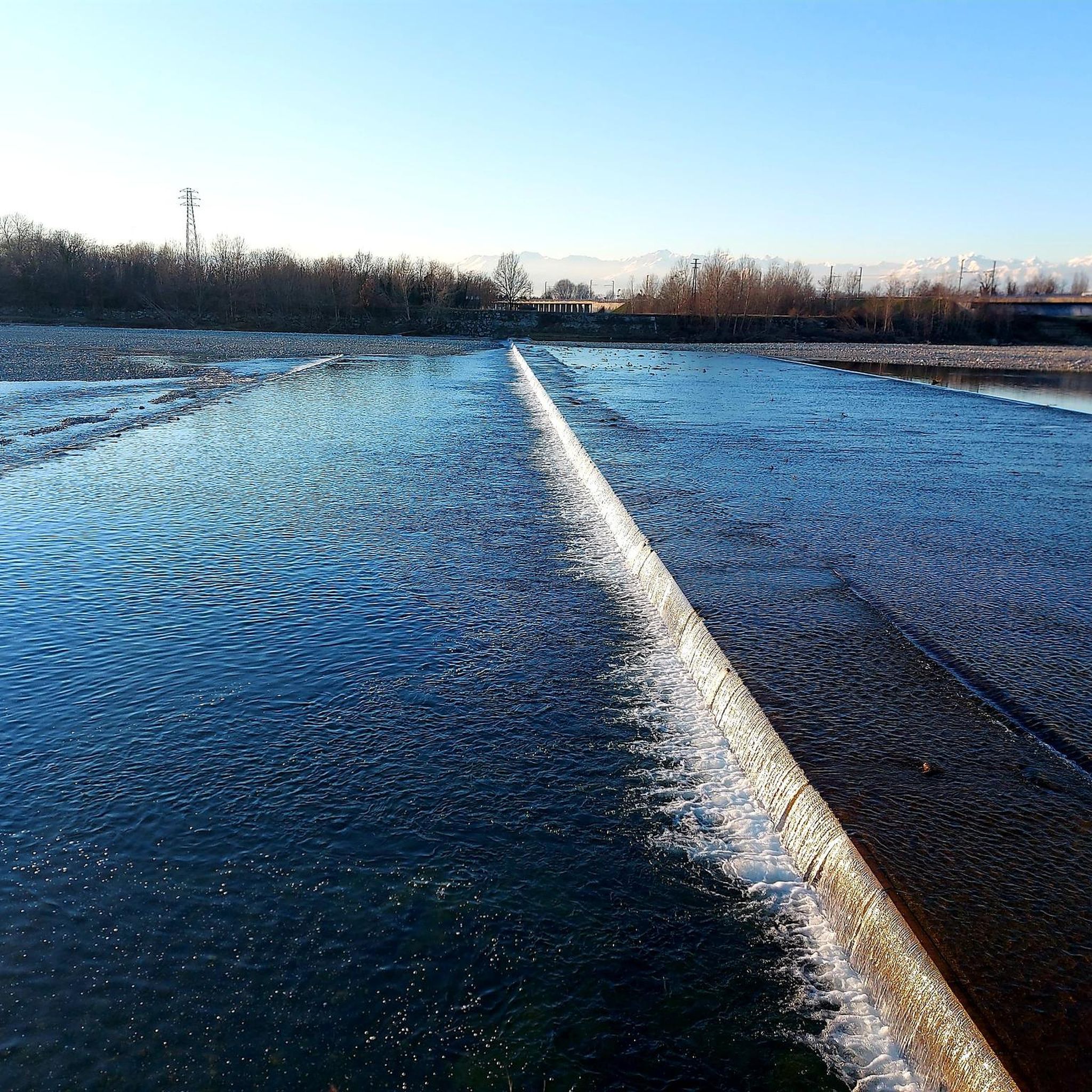
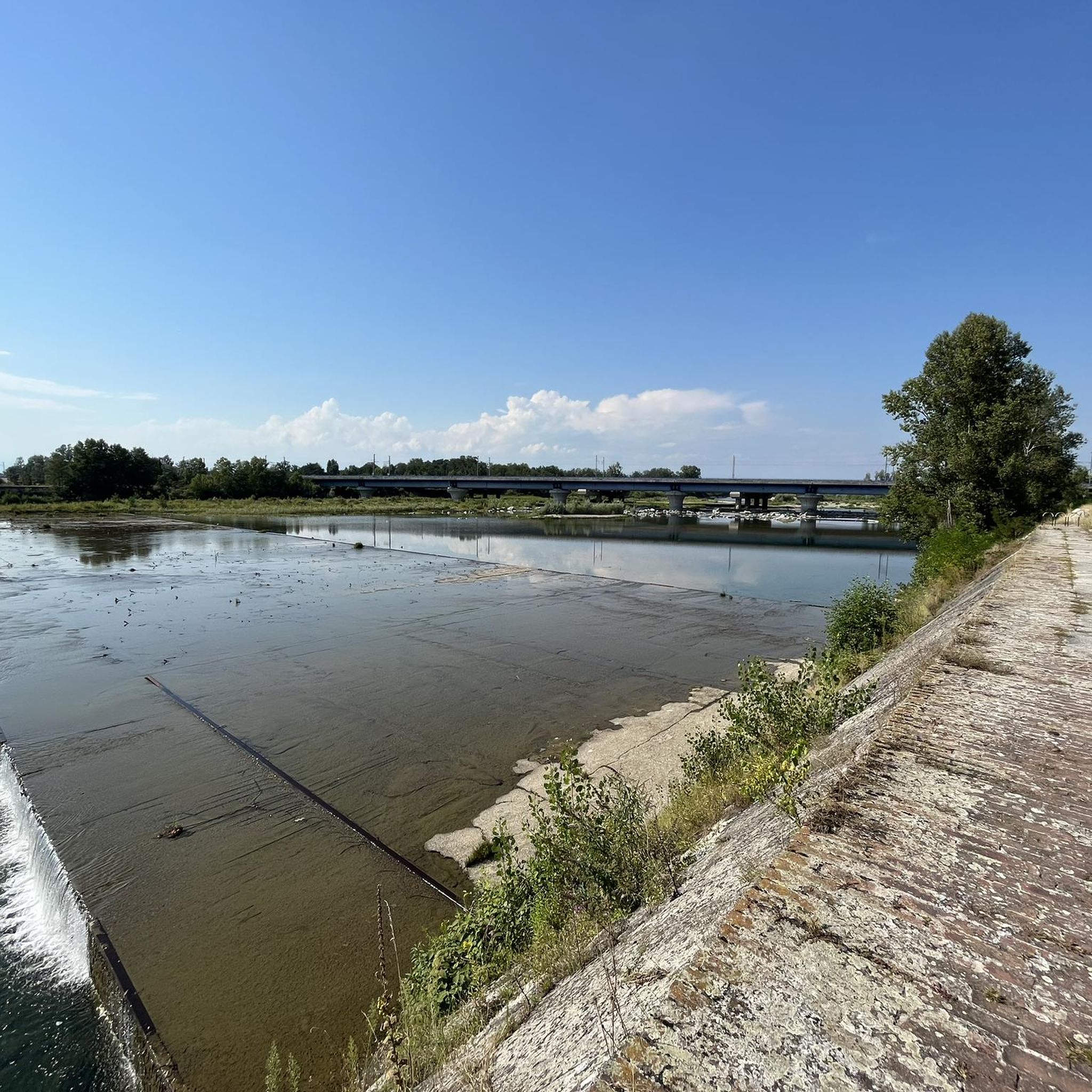
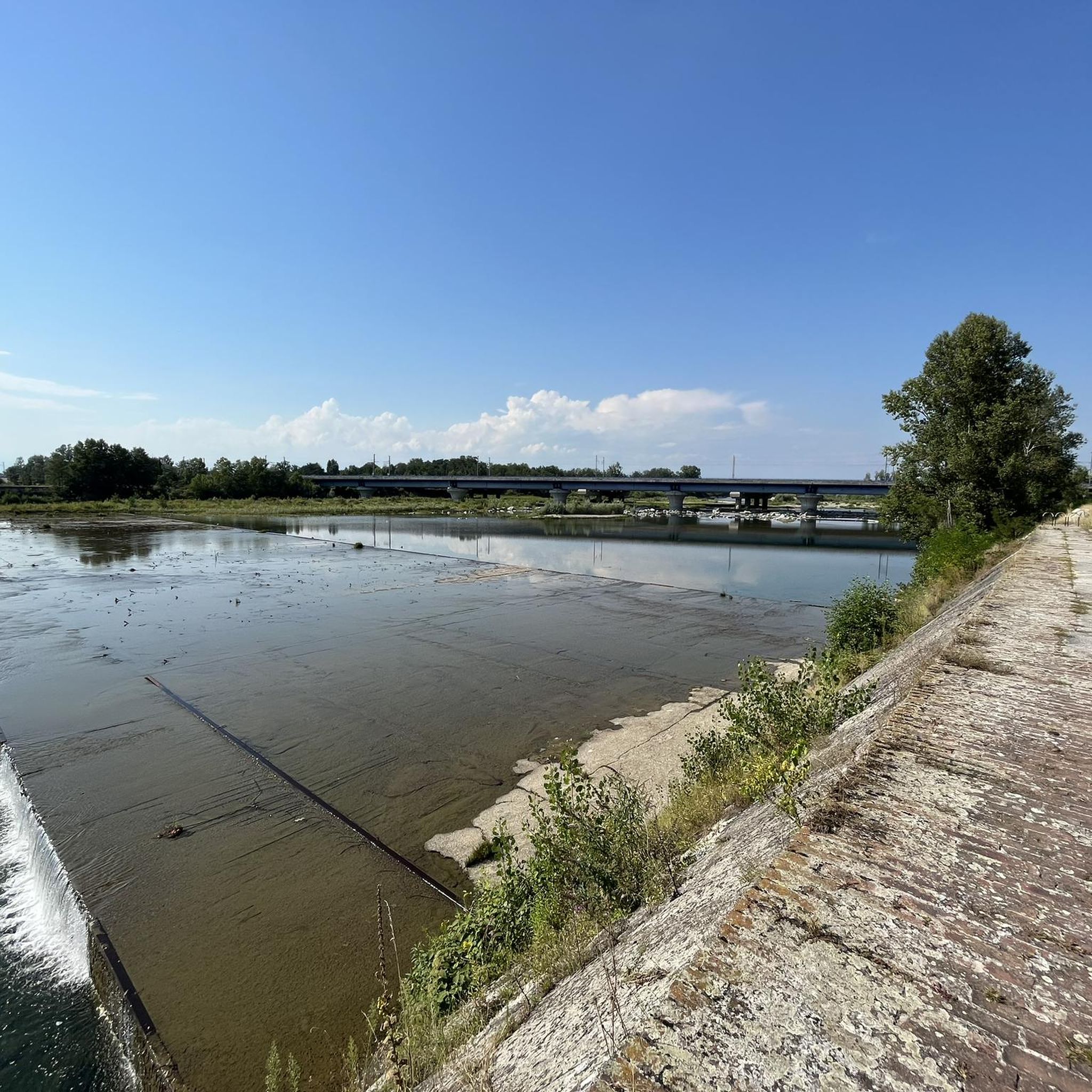
Canale Cavour is a nineteenth-century structure which served for Piedmontese agricultural development, in particular for the cultivation of rice
1
0
The park extends for approximately 900 hectares on a stretch of almost 8 kilometers of the Sesia river, straddling the border between the provinces of Novara and Vercelli. The environment of the Lame del Sesia park is typically fluvial with blades, meanders, bodies of water, woods, gravels and sands. A natural oasis in stark contrast to the surrounding landscape characterized by the predominance of rice monoculture. For info and visits: https://www.parcoticinolagomaggiore.com/it-it/aree-protette/servizi/parco-naturale-delle-lame-del-sesia
3
0
Frequently Asked Questions
What natural features can I explore near Greggio?
The area around Greggio is rich in riverine environments. You can visit the Lame del Sesia Natural Park, which offers a natural oasis with diverse fluvial environments, including meanders, water bodies, and woods along the Sesia River. Another significant spot is the Confluence of the Cavour Canal and the Sesia River, showcasing a remarkable hydraulic engineering work amidst the natural landscape.
Are there historical sites or ancient villages to visit near Greggio?
Yes, you can explore the ancient village of Olcenengo, known for its historical elements like a town hall, a distinctive public fountain, and remnants of a 12th-century castle. The Abbey of San Nazzaro is another historical gem, featuring structures from different periods, including a bell tower that once served as a watchtower. Additionally, the Medieval Tower of Mandello Vitta, dating back to the mid-12th century, offers a glimpse into the region's military past.
What outdoor activities can I do around Greggio?
The region offers various outdoor activities, particularly along the Sesia River and its surrounding landscapes. You can find numerous routes for hiking, mountain biking, and cycling. These routes often pass through natural parks, historical sites, and along the Cavour Canal, providing diverse experiences for all skill levels.
Are there family-friendly attractions near Greggio?
Absolutely. The Lame del Sesia Natural Park is an excellent choice for families, offering opportunities to explore nature, observe wildlife, and enjoy the river environment. The charming village of Olcenengo, with its historical elements and unique public fountain, also provides an engaging experience for all ages.
What is the significance of the Cavour Canal in this region?
The Cavour Canal is a crucial engineering marvel for the region's rice agriculture. You can witness its importance at the Confluence of the Cavour Canal and the Sesia River, where the canal intersects with the Sesia River. This 19th-century structure was vital for Piedmontese agricultural development, especially for rice cultivation, and its siphon is considered the most important hydraulic artifact on the canal.
Can I find easy hiking trails around Greggio?
Yes, there are hiking options suitable for various fitness levels. For an easy experience, consider routes like the 'Hiking loop from Albano Vercellese' which is approximately 7.5 km. You can find more details and other trails in the Hiking around Greggio guide.
What makes the Lame del Sesia Natural Park unique?
The Lame del Sesia Natural Park is unique because it preserves a rich fluvial environment along the Sesia River, featuring blades, meanders, water bodies, woods, gravels, and sands. This natural oasis stands in stark contrast to the surrounding landscape, which is predominantly characterized by rice monoculture, offering a vital habitat for diverse flora and fauna.
Are there any viewpoints to appreciate the landscape near Greggio?
While specific designated viewpoints are not highlighted, the Confluence of the Cavour Canal and the Sesia River offers a unique perspective on the interaction between natural river flow and significant hydraulic engineering. Exploring the trails within the Lame del Sesia Natural Park also provides scenic views of the river and its diverse environment.
What is the best way to experience the historical aspects of Olcenengo?
To best experience the historical aspects of Olcenengo, take a stroll through the ancient village. Pay attention to the town hall, the small square with the distinctive public fountain featuring a frog and a 'sgorgia' (blue heron), and the church. You can also look for the remnants of the 12th-century castle, which are still used as a farm today, offering a glimpse into its past.
What kind of cycling routes are available around Greggio?
The area around Greggio offers a variety of cycling routes, from easy to moderate. You can find routes that take you past historical sites like the Abbey of San Nazzaro or along the Cavour Canal. For example, there are easy loops like 'Abbey of San Nazzaro – Abbey of San Nazzaro loop from Biandrate' (approx. 25 km). More options are detailed in the Cycling around Greggio guide.
What do visitors enjoy most about the attractions near Greggio?
Visitors particularly appreciate the blend of natural beauty and historical significance. The serene river landscapes of the Lame del Sesia Natural Park and the impressive engineering of the Confluence of the Cavour Canal and the Sesia River are highly regarded. The charm of ancient villages like Olcenengo and the historical depth of sites like the Abbey of San Nazzaro also receive positive feedback for their unique character.
Most popular routes around Greggio
Most popular attractions around Greggio

Get inspired with the komoot mobile app


Explore more
Still not found the Highlight you’re looking for? See guides of the top attractions in other regions:
