The best road cycling routes around Crodo
4.8
(236)
6,016
riders
26
rides
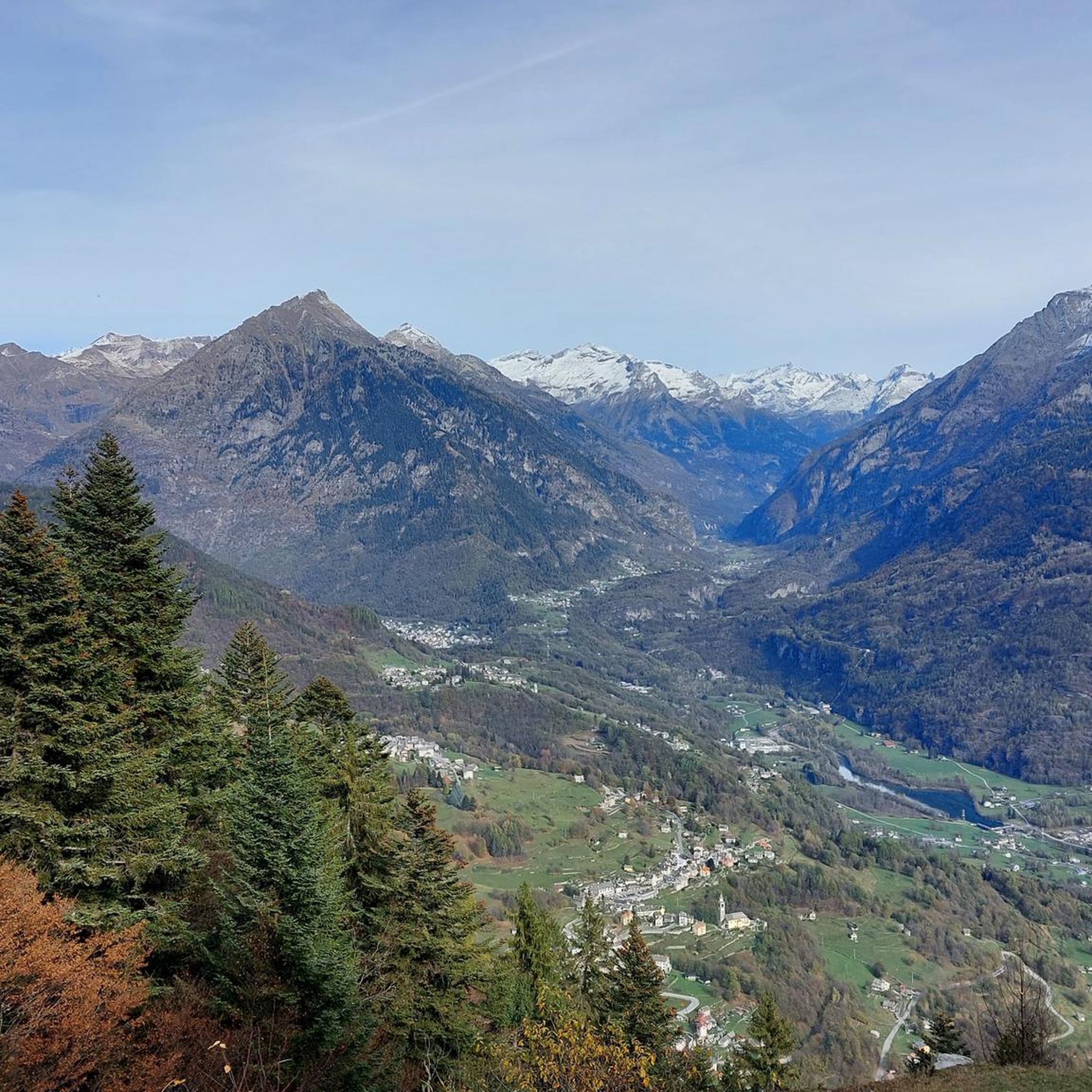
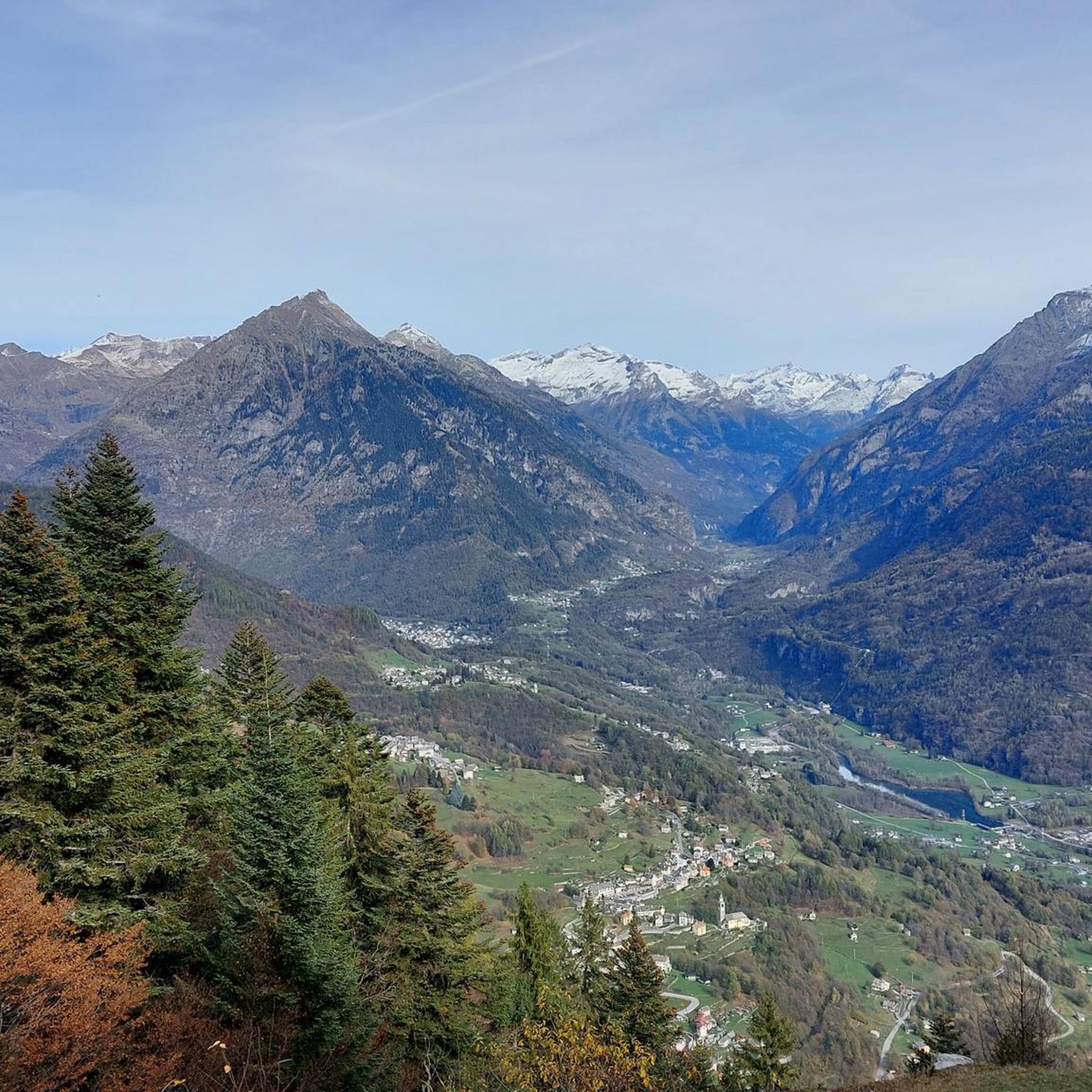
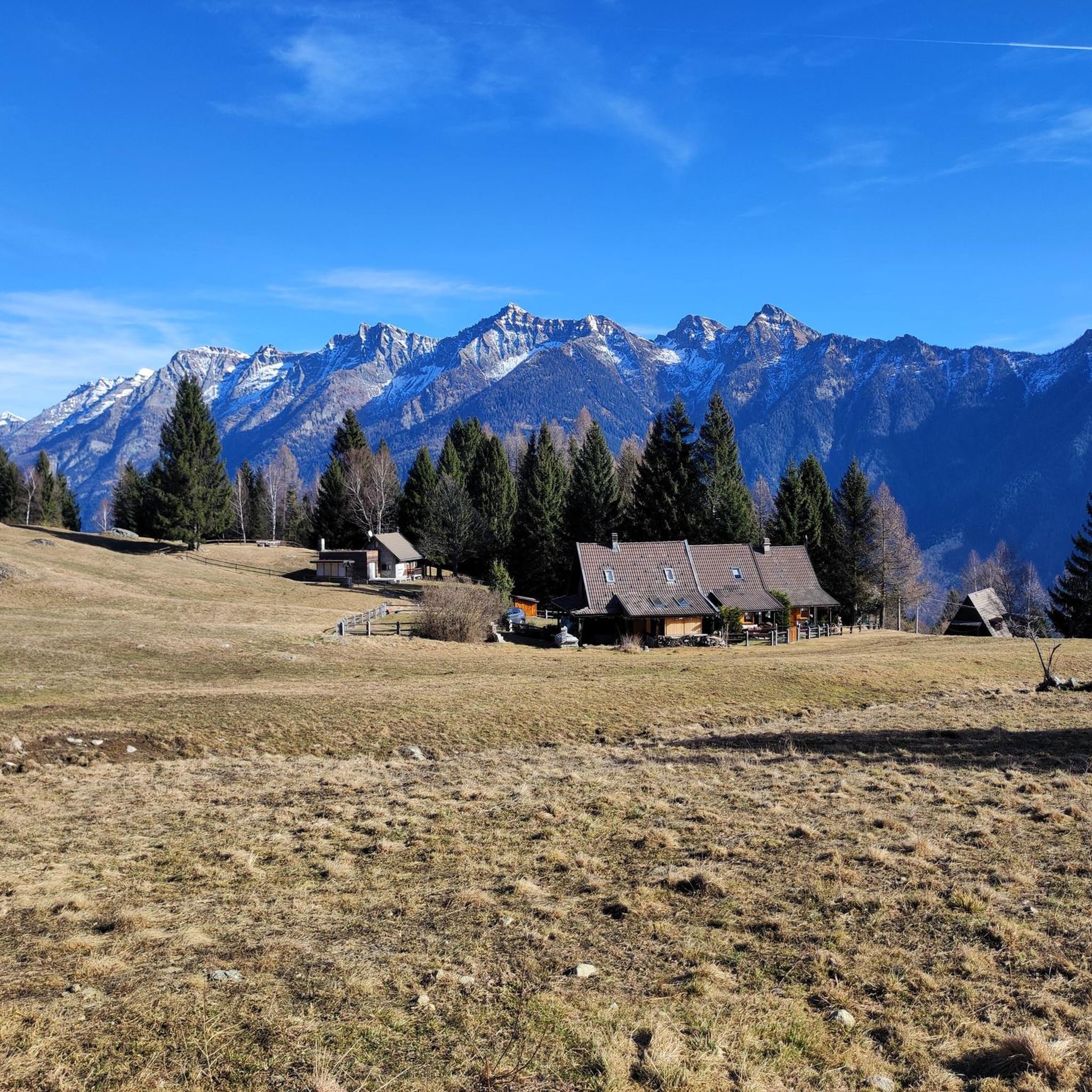
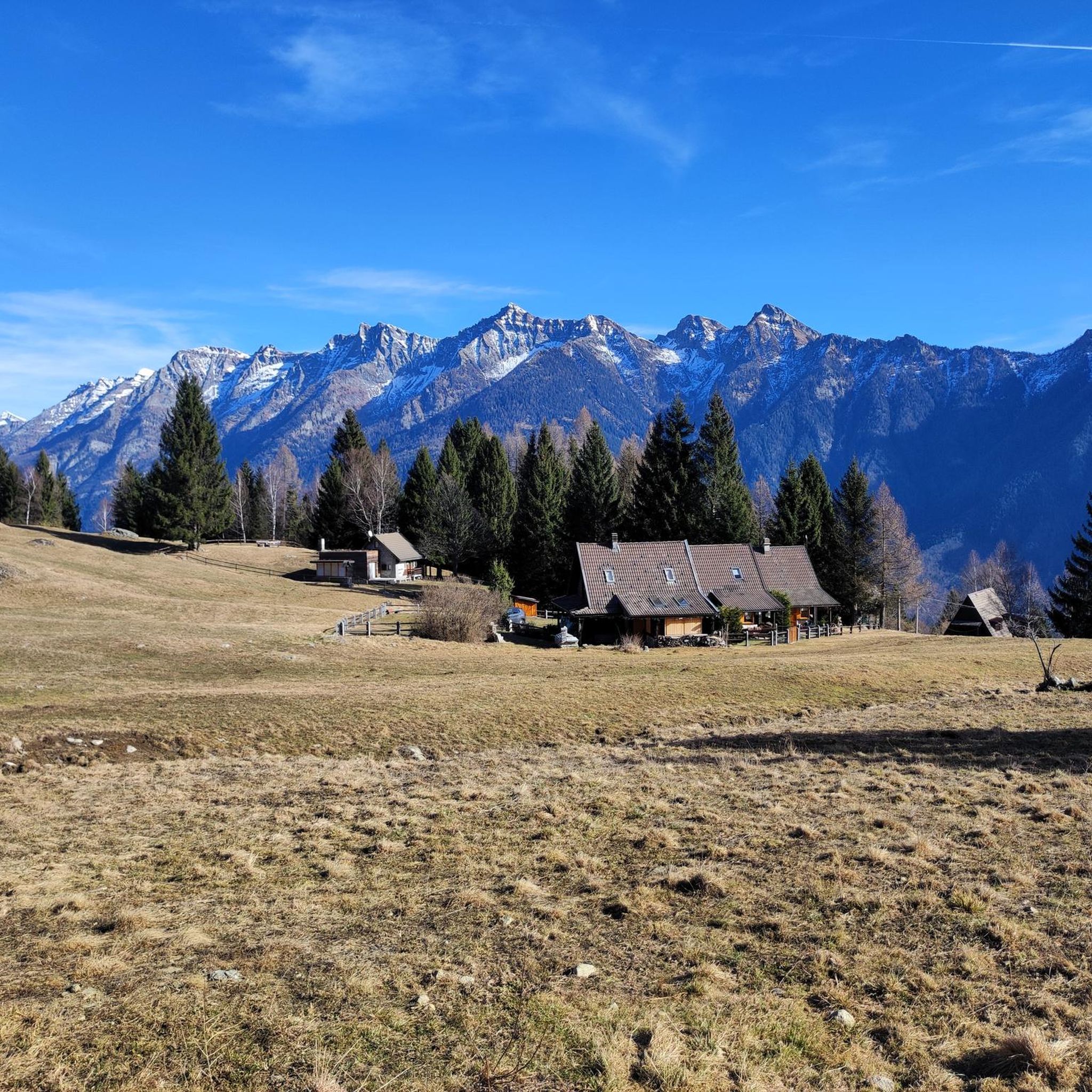
Road cycling around Crodo offers diverse terrain within Italy's Antigorio Valley, nestled in the Piedmontese Alps. The region features dramatic alpine scenery, with routes traversing long valleys, climbing through mountainous areas, and following the Toce River. Cyclists encounter unique geological formations like the Orridi di Uriezzo, carved by ancient glaciers. The area also includes "sun-kissed balconies" such as Maglioggio and Mozzio, providing elevated views and scenic rides.
Best road cycling routes around Crodo
- The most popular road cycling route is…
Last updated: October 8, 2026
5.0
(1)
12
riders
27.9km
01:53
900m
900m
This difficult 17.4-mile road cycling route from Varzo to Bugliaga climbs 2953 feet through the Divedro Valley, passing the Devil's Bridge.
9
riders
23.0km
01:43
920m
920m
Hard road ride. Very good fitness required. Mostly well-paved surfaces and easy to ride.

4.8
(4)
121
riders
74.6km
04:28
1,910m
1,910m
Hard road ride. Very good fitness required. Mostly well-paved surfaces and easy to ride.
5.0
(1)
46
riders
30.5km
01:34
530m
530m
Moderate road ride. Good fitness required. Mostly well-paved surfaces and easy to ride.
5.0
(1)
36
riders
31.3km
02:00
850m
850m
Moderate road ride. Good fitness required. Some segments of this route may be unpaved and difficult to ride.
Get access to more routes and recommendations from other explorers.
Already have an account?
Our route recommendations are based on thousands of hikes, rides, and runs completed by other people on komoot.
Start today with a free account
Your next adventure awaits.


Tips from the Community

As a cyclist you cannot take the tunnel and you must take this route to continue the descent into Domodossola. Komoot doesn't recognize this as a route because there's an interdiction due to rockfall danger. At the end of the descent the gate is closed with a lock but there is a small gap where you can pass with your bike.
1
0

Worth the visit, the hike, and the trip. A unique monument, definitely worth a visit with plenty of time.
0
0

Nice path, once you get to this point after the Orridi di Uriezzo you can continue straight on along a more comfortable route towards Crego and the Rifugio Monte Zeus or turn right, go through the Orrido di Balmasurda and go up a steep path with steps.
0
0

Perfect asphalt, very nice climb. Let's hope they open it to bikes only and no one will ever have to go through the tunnel again...
1
0

Imposing church in Baceno
0
1

Pleasant buildings in the town of Uriezzo.
0
0
Architecture At the center of the Romanesque stone façade of the monumental Church of San Gaudenzio stands the portal, surmounted by a rose window and flanked by the large fresco of San Cristoforo, painted in 1542. At the entrance, the breadth of the basilica church is highlighted, with five naves, divided by four series of different columns and characterized by a markedly sloping floor, composed of slabs of serizzo. The difference in height between the beginning of the nave and the base of the steps of the presbytery is about 90 centimeters. The side naves are made up of ten splendidly frescoed transepts; in addition to the imposing ciborium of the main altar, seven side altars dedicated respectively to: San Rocco, San Giovanni Battista, Santa Vittoria, the Blessed Virgin Mary, San Pietro, Sant'Antonio Abate and San Carlo Borromeo enrich the Church of San Gaudenzio. The oldest and most artistically valuable part of the building is the Chapel of the Madonna (now of the Rosary), built in 1326; it is located in the nave to the right of the altar, and its wonderful frescoes are dedicated to the life of Mary. In the presbytery, on the right, there is the large Crucifixion (1542), a work by Antonio Zanetti known as Bugnate, below the figures of Adam and Eve, while on the barrel vault the seven-headed dragon of the Apocalypse is depicted; the transept of the presbytery is enclosed by three arches finely frescoed with prophets and sibyls. At the end of the eastern nave you can admire the sixteenth-century Baptistery consisting of a pedestal in white Crevoladossola marble surmounted by a wooden ciborium containing the baptismal font. To the west of the church in 1628 the chapel of the Confraternity of the Blessed Sacrament was erected, today used as a winter chapel and intended to guard the Blessed Sacrament. The bell tower from 1522, 50 meters high, the 'new' sacristy and the wooden choir behind the high altar, dating back to the end of the 17th century. The architecture of the church is completed by the beautiful organ of Swiss-Valais manufacture by the organ builders Carlent and Walpen dating back to the first half of the 19th century.
0
1
Frequently Asked Questions
How many road cycling routes are available around Crodo?
There are 18 road cycling routes around Crodo, offering a diverse range of experiences for cyclists. These routes are rated by the komoot community with an average score of 4.6 stars from over 140 reviews.
What are the difficulty levels of road cycling routes in Crodo?
The routes around Crodo cater to various fitness levels. You'll find 2 easy routes, 9 moderate routes, and 7 difficult routes, ensuring there's a challenge for every cyclist.
What natural attractions can I see while road cycling near Crodo?
The Crodo area is rich in natural beauty. You can cycle past impressive geological formations like the Giant's Kettles of the Toce and the deep rock cavities of the Uriezzo South Gorge. The majestic Toce Waterfall, one of Europe's highest, is also within reach, offering a breathtaking spectacle.
Are there any historical or cultural landmarks along the routes?
Yes, beyond the natural wonders, the region offers cultural points of interest. Crodo is famous for its mineral springs, and you can visit the Terme di Crodo. The imposing "Devil's Wall" is an ancient megalithic structure adding historical intrigue, and the UNESCO site of Sacro Monte Calvario is also within reasonable distance.
What do other road cyclists say about the routes in Crodo?
The road cycling routes in Crodo are highly rated by the komoot community, with an average score of 4.6 stars. Cyclists often praise the dramatic alpine scenery, the varied valley and mountainous landscapes, and the well-maintained paved surfaces that make for a smooth riding experience.
What is the best time of year for road cycling in Crodo?
The summer months are generally ideal for road cycling in Crodo, offering pleasant weather to enjoy the alpine scenery. However, due to significant elevation gains on many routes, it's always wise to check local weather conditions, especially in spring and autumn when mountain passes can be unpredictable.
Are there any circular road cycling routes in Crodo?
Yes, there are several circular routes available. A popular option is the Lake Morasco – Toce Waterfall loop from Premia, which is a challenging 56.9 km ride through mountainous terrain.
Can I find routes that offer panoramic views?
Absolutely. Many routes in Crodo provide stunning panoramic views. For example, the route Admiring the view on Domodossola offers excellent vistas. Areas like Maglioggio and Mozzio are known as "sun-kissed balconies" providing elevated and scenic rides across the valleys.
Are there options for public transport to access routes around Crodo?
While specific public transport options directly to every trailhead might be limited, Crodo itself is accessible. For detailed information on regional bus or train services that might connect to starting points, it's best to consult local transport authorities or tourist information centers in advance.
Is parking available for road cyclists in Crodo?
Yes, parking is generally available in Crodo and surrounding towns like Varzo and Premia, which serve as common starting points for many road cycling routes. Look for designated parking areas, especially near town centers or trailheads.
Are there any family-friendly road cycling routes in Crodo?
While many routes in Crodo feature significant elevation, there are easier options suitable for families or beginners. Look for routes categorized as 'easy' or those that stick to flatter valley floors, such as sections along the Toce River, to ensure a more relaxed experience.
Where can cyclists find refreshments or accommodation in Crodo?
Crodo and the surrounding villages offer various amenities for cyclists. You'll find cafes, restaurants, and accommodation options ranging from hotels to guesthouses. The Terme di Crodo also provides a relaxing environment to unwind after a ride. For more information on local services, you can check resources like Visit Italy's Crodo page.
Most popular attractions around Crodo

Get inspired with the komoot mobile app


Explore more
Browse the best Road cycling routes in other regions.
