The best cycling routes around Crevoladossola
4.3
(263)
3,308
riders
16
rides
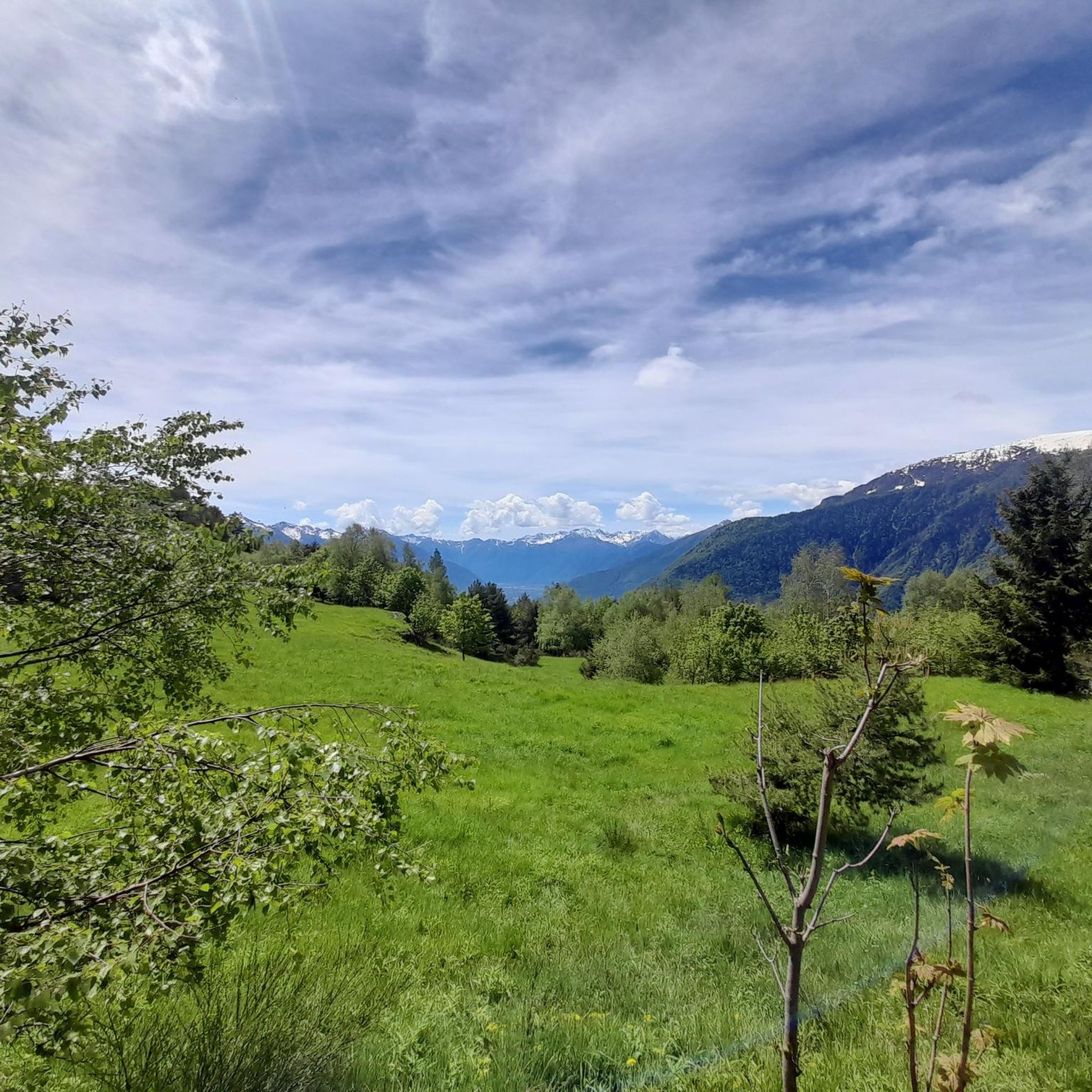
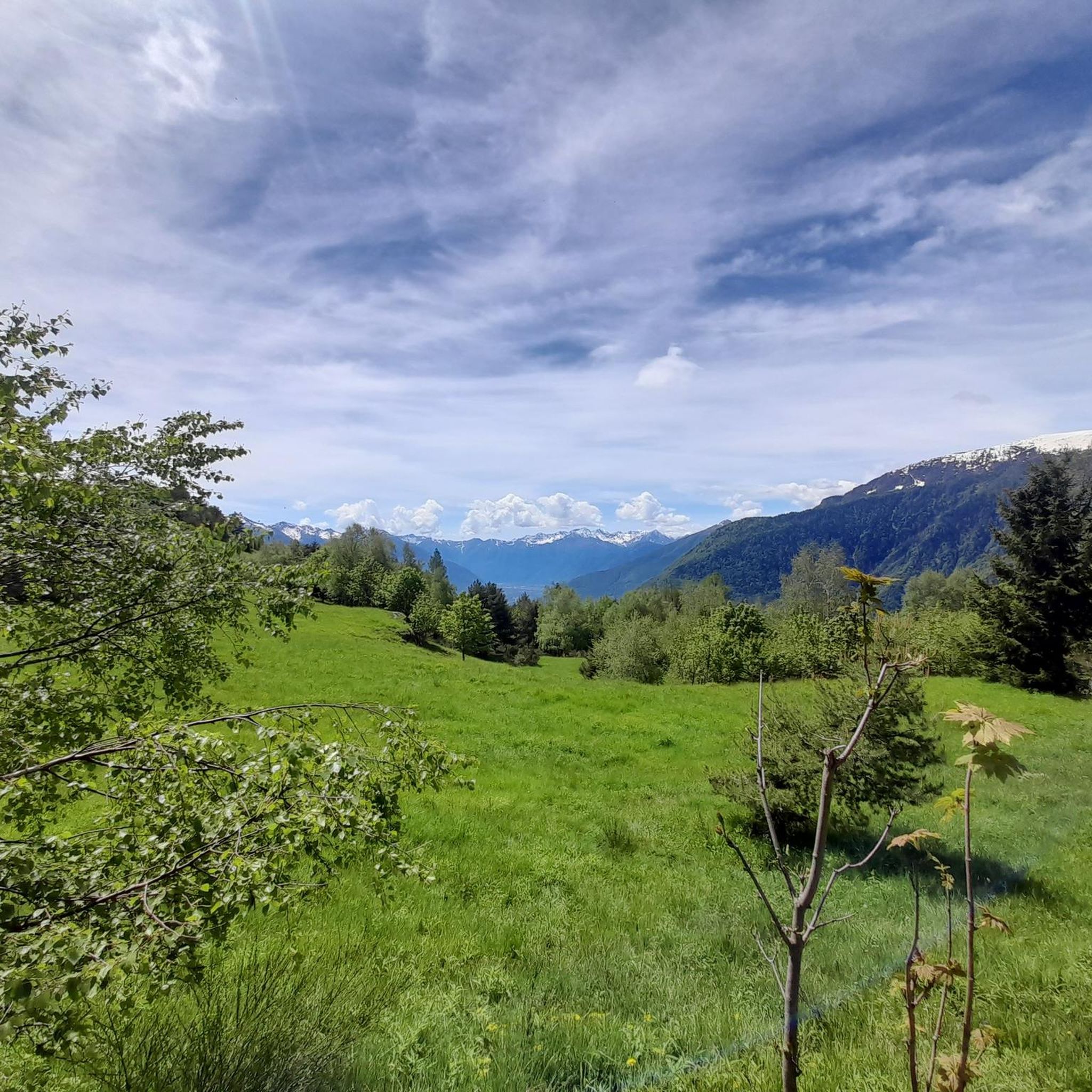
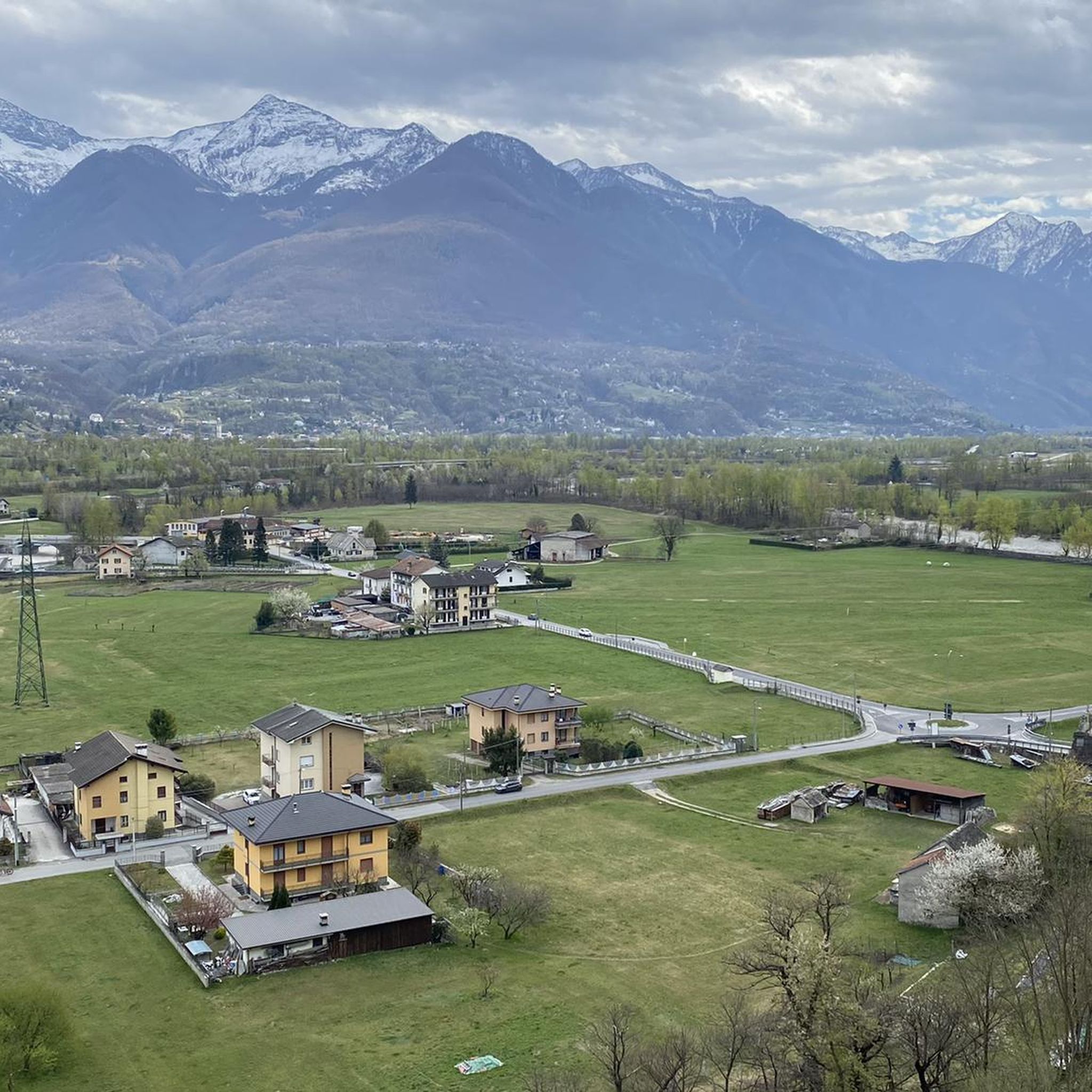
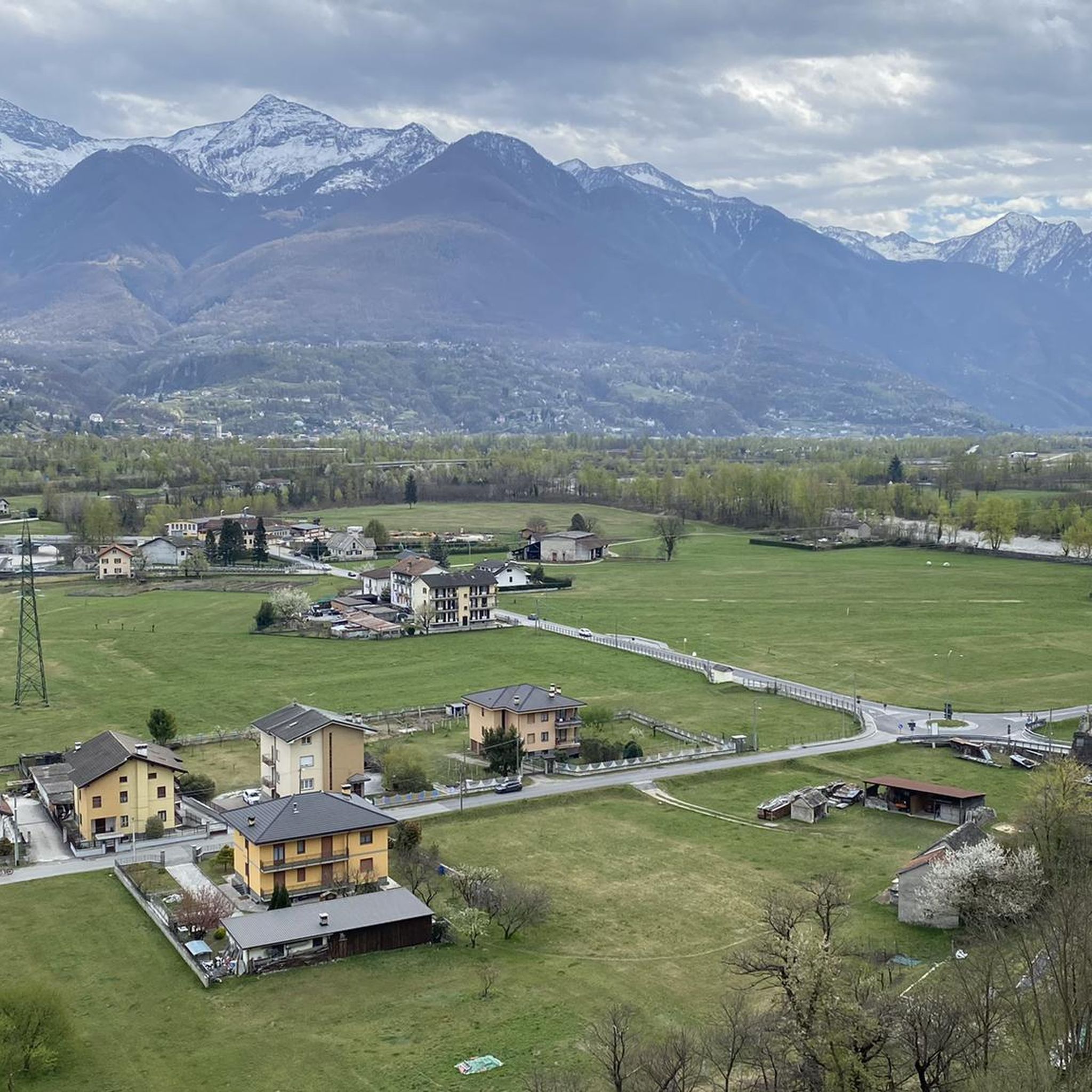
Touring cycling routes around Crevoladossola traverse the diverse landscapes of Italy's Ossola Valley, offering a mix of challenging mountain ascents and scenic, flatter paths. The region is characterized by the Ossola Alps, prominent valleys such as Antigorio Formazza and Valle Isorno, and the central River Toce. Glacial erosion has shaped features like the Orridi di Uriezzo and the Marmitte dei Giganti del Toce, providing a varied terrain for cyclists.
Best touring cycling routes around Crevoladossola
- The most popular touring cycling…
Last updated: August 28, 2026
3.9
(9)
108
riders
118km
09:28
3,410m
3,410m
Hard bike ride. Very good fitness required. Mostly paved surfaces. Suitable for all skill levels.
4.2
(10)
60
riders
53.1km
04:43
1,860m
1,860m
Hard bike ride. Very good fitness required. Mostly paved surfaces. Suitable for all skill levels.

Sign up for free
5.0
(1)
52
riders
Hard bike ride. Very good fitness required. Mostly paved surfaces. Suitable for all skill levels.
5.0
(1)
45
riders
56.9km
04:27
1,520m
1,520m
Hard bike ride. Very good fitness required. Mostly paved surfaces. Suitable for all skill levels.
5.0
(1)
19
riders
36.2km
02:34
720m
720m
Hard bike ride. Very good fitness required. Mostly paved surfaces. Suitable for all skill levels.
Get access to more routes and recommendations from other explorers.
Sign up for free
Already have an account?
Our route recommendations are based on thousands of hikes, rides, and runs completed by other people on komoot.
Start today with a free account
Your next adventure awaits.
Login or Signup


Tips from the Community

The name of the chapel is S. Gaudenzio, Sculptures are by Giancarlo Sangregorio (My oncle).
0
0

Worth the visit, the hike, and the trip. A unique monument, definitely worth a visit with plenty of time.
0
0

Rosswald lies on a relatively narrow ridge at 1,800 meters, high above Brig. The paved road ends in the center of the village, around which many chalets nestle. Two restaurants (Parkplatz and Adler) directly in the village and two more just outside (Fleschboden and Bortelhütte) offer stunning views of the Rhone Valley and the Bernese Alps opposite, inviting visitors to stop for a break before or after their ascent. As early as the 1950s, this sun-drenched village was made accessible by cable car. The artificial lake just above Rosswald is a popular spot, used in winter for artificial snowmaking on the ski slopes and in summer as a rest area. Several official mountain bike routes also pass through Rosswald, such as the Valais Panorama Bike (Route 81) and the Rosswald Bike Route 780.
0
0

"Kaspar Stockalper (* 14 July 1609 in Brig; † 29 April 1691 ibid) was a Swiss entrepreneur and politician. He invested the large dowry that his fiancée Magdalena Zumbrunn brought into the marriage in the expansion of the mule track over the pass, today Via Stockalper. He also organised the transport of goods and people over the Simplon. He managed to keep the pass out of the chaos of war, he made himself useful to both sides and expanded his influence in the Valais. His second marriage - Magdalena Zumbrunn died after three years - to Cäcilia von Riedmatten consolidated his position. In addition to the monopoly on larch resin, tinder fungus and snails, which were particularly sought after in France, Stockalper secured the monopoly on the transport of goods over the Simplon and, as a crowning achievement in 1648, the salt monopoly. He continued to increase his wealth through speculation and trade. He ensured that his family became related to other influential Valais families, whom he helped to advance in their careers and thereby created dependencies. He distributed offices and money in a calculating manner. At the French court he exchanged mercenaries and loans for trading privileges, acquired the assets of insolvent debtors and maintained his own mines in which he mined iron, lead, copper and gold. Among other things, he owned the Gondo gold mine, the old hospice on the Simplon Pass and the Stockalper Tower in Gondo as well as other extensive properties from Milan to Lyon. The backbone of his power continued to be the Simplon Pass with its bridges, customs stations, warehouses, inns and the Stockalper Canal, which, however, was not destined for long-term success. His trading empire stretched from the Adriatic to the English Channel and from southern Spain to northern Germany." (Source: Wikipedia)
0
0
An interesting building from a trading empire of the Baroque period, which you should at least take a little time to see, despite the quick descent from the Simplon Pass: "The Stockalper Tower in Gondo in the canton of Valais in Switzerland was built between 1666 and 1685 by Kaspar von Stockalper. It stands at the entrance to the Gondo Gorge. The entire transport of goods by the muleteers, which developed on the Stockalper Trail between Valais and Italy, passed by the Stockalper Tower. The Stockalper Tower was a warehouse and transshipment point for the goods that Stockalper had transported in large quantities over the pass. The muleteers found accommodation and supplies in the tower. In later years the tower served as a workshop, shop and warehouse. During the Alpine flood disaster on October 14, 2000, about half of the tower was torn away by a landslide; 13 people lost their lives in Gondo. With the help of the Swiss population, various institutions and the Stockalper Tower Foundation, it was possible to repair the collapsed part. of the five-story Stockalper Tower and to renovate the entire building." (Source: Wikipedia)
0
0

Imposing church in Baceno
0
1

Architecture At the center of the Romanesque stone façade of the monumental Church of San Gaudenzio stands the portal, surmounted by a rose window and flanked by the large fresco of San Cristoforo, painted in 1542. At the entrance, the breadth of the basilica church is highlighted, with five naves, divided by four series of different columns and characterized by a markedly sloping floor, composed of slabs of serizzo. The difference in height between the beginning of the nave and the base of the steps of the presbytery is about 90 centimeters. The side naves are made up of ten splendidly frescoed transepts; in addition to the imposing ciborium of the main altar, seven side altars dedicated respectively to: San Rocco, San Giovanni Battista, Santa Vittoria, the Blessed Virgin Mary, San Pietro, Sant'Antonio Abate and San Carlo Borromeo enrich the Church of San Gaudenzio. The oldest and most artistically valuable part of the building is the Chapel of the Madonna (now of the Rosary), built in 1326; it is located in the nave to the right of the altar, and its wonderful frescoes are dedicated to the life of Mary. In the presbytery, on the right, there is the large Crucifixion (1542), a work by Antonio Zanetti known as Bugnate, below the figures of Adam and Eve, while on the barrel vault the seven-headed dragon of the Apocalypse is depicted; the transept of the presbytery is enclosed by three arches finely frescoed with prophets and sibyls. At the end of the eastern nave you can admire the sixteenth-century Baptistery consisting of a pedestal in white Crevoladossola marble surmounted by a wooden ciborium containing the baptismal font. To the west of the church in 1628 the chapel of the Confraternity of the Blessed Sacrament was erected, today used as a winter chapel and intended to guard the Blessed Sacrament. The bell tower from 1522, 50 meters high, the 'new' sacristy and the wooden choir behind the high altar, dating back to the end of the 17th century. The architecture of the church is completed by the beautiful organ of Swiss-Valais manufacture by the organ builders Carlent and Walpen dating back to the first half of the 19th century.
0
1
MONUMENTAL CHURCH OF SAN GAUDENZIO IN BACENO ** TIMES FOR VISITING THE CHURCH From Monday to Saturday: morning, from 09.00 to 12.00 afternoon, from 15.00 to 17.30 Sunday and holidays: morning, from 09.00 to 10.15 afternoon, from 14.30 to 17.15 For group visits with a guide, arrange by calling 0324 / 62045 – (Elena, Albergo Vecchio Scarpone, tel. 0324 62023 for booking guided tours). BRIEF HISTORY OF THE CHURCH The first documents that testify to the existence of a primitive chapel date back to the early 1000s. In fact, Bascapè, bishop of Novara from 1593 to 1615, in his book "Novaria Sacra", highlights a document about the existence in Baceno of a "cappellam" donated to the canons of S. Maria di Novara by Gualberto, bishop of Novara from 1032 to 1039. The rectangular chapel was located where the presbytery is currently located. Built in Lombard Romanesque, it was dedicated to S. Gaudenzio, the first bishop of Novara (337-417). The first expansion dates back to between the 12th and 13th centuries. Since there was not enough space, the orientation was changed, north-south, building the part that is now the central nave (including the two aisles) and the Romanesque façade between the two pilasters. In 1326, where the access to the original chapel was located, the cleric Signebaldo de Baceno son of Giacomo erected the chapel of the Madonna. As Christianity spread more and more among the people of Antigorio, the need was felt for a new expansion and embellishment of the church with the addition of the current side naves. The occasion was given in 1486 by the marriage of Bernardino de Baceno, imperial vassal of Antigorio and Formazza, with the noblewoman Ludovica Trivulzio, daughter of Antonio Trivulzio, representative of the Duke of Milan in Ossola. Towards the end of the 15th century, work began on the construction of the side naves, thus highlighting the Gothic style, and at the same time the frescoes were painted, which were completed only in 1542 with the large Crucifixion on the right wall of the presbytery. Starting from the last decade of the 16th century, as a consequence of the new norms dictated by the Council of Trent, the interior of the church was subjected to new interventions that significantly modified its structure, with the consequent result that the Baroque was added to the Romanesque and Gothic.
0
0
Frequently Asked Questions
How many touring cycling routes are available around Crevoladossola?
There are over 19 touring cycling routes around Crevoladossola. These include 2 easy routes, 7 moderate routes, and 10 difficult routes, offering options for various skill levels.
Are there easy touring cycling routes suitable for beginners in Crevoladossola?
Yes, Crevoladossola offers 2 easy touring cycling routes. The region's Toce Cycle Track, for instance, provides a less strenuous option along the plain between Domodossola, Crevoladossola, Montecrestese, Masera, and Trontano, following five rivers. This route includes cycle paths, dirt tracks, and secondary paved roads, making it accessible for a moderate bike ride.
What are some challenging touring cycling routes for experienced riders?
For experienced cyclists seeking a challenge, the region offers several difficult routes. A notable option is the Simplon Pass – Rosswald Mountain Village loop from Preglia, a 73.1-mile (117.7 km) trail with a significant mountain ascent. Another demanding route is the Riale, Val Formazza – Morasco Lake loop from Preglia, which explores high-altitude landscapes including the scenic Morasco Lake.
Are there any family-friendly touring cycling routes in the area?
While specific family-friendly routes are not detailed in the provided data, the Toce Cycle Track, with its less strenuous profile and varied terrain including cycle paths and secondary roads, could be suitable for families looking for a moderate ride. Always check the route details for elevation and surface conditions to ensure it meets your family's needs.
What natural attractions can I see along the touring cycling routes?
The touring cycling routes around Crevoladossola offer access to impressive natural features shaped by glacial erosion. You can explore the Giant's Kettles of the Toce and the Uriezzo South Gorge. The region also features the River Toce, which creates picturesque spots, and Lake Tana, formed by a dam, which can be visited on some bike tours.
Are there any routes that feature waterfalls?
Yes, some routes in the area pass by waterfalls. For example, the Small waterfall towards Bognanco – Bognanco Fonti Spa loop from Preglia is a 33.0-mile (53.2 km) trail that leads through mountain valleys and includes a small waterfall. Additionally, the Le Caldaie del Diavolo is another waterfall highlight in the region.
Can I find circular touring cycling routes around Crevoladossola?
Yes, many touring cycling routes in Crevoladossola are designed as loops. Examples include the Simplon Pass – Rosswald Mountain Village loop from Preglia and the Small waterfall towards Bognanco – Bognanco Fonti Spa loop from Preglia. The Toce Cycle Track is also described as a circular route, offering diverse scenic experiences.
What historical sites or charming hamlets can I explore by bike?
Crevoladossola's strategic location means you can explore historical routes and charming hamlets. The region is dotted with restored rural villages like Canova, Oira, and Pontemaglio. The Parish Church of S.S. Pietro e Paolo in Crevoladossola, an artistic monument with Romanesque origins, is also a notable attraction. You can also find Traditional Stone Houses in Uriezzo.
What do other touring cyclists enjoy most about cycling in Crevoladossola?
The touring cycling routes in Crevoladossola are highly rated by the komoot community, with an average score of 4.6 stars from over 110 reviews. Cyclists often praise the diverse terrain, from high mountain passes to scenic river valleys, and the opportunity to explore historical hamlets and impressive natural formations like the Orridi di Uriezzo.
Are there any routes that offer panoramic views?
Yes, many routes in the Crevoladossola area provide lovely panoramic positions. The diverse scenery, with its stone, woods, and meadows, offers captivating views. Routes that ascend to higher elevations, such as those towards Simplon Pass or in Val Formazza, are particularly known for their expansive vistas of the Ossola Alps.
Is public transport available to access touring cycling routes in Crevoladossola?
Crevoladossola is located near Domodossola, a significant transport hub in the Ossola Valley. While specific public transport links to trailheads are not detailed, it's common for regional train and bus services in Italy to offer connections to towns and villages, which may serve as starting points for cycling routes. It's advisable to check local transport schedules for bike-friendly options.
Where can I find parking for touring cycling routes in Crevoladossola?
While specific parking locations for each trailhead are not provided, Crevoladossola and nearby towns like Preglia (a common starting point for many routes) typically offer public parking facilities. Look for designated parking areas in town centers or near popular attractions, and always check local signage for any restrictions or fees.
Most popular routes around Crevoladossola
Most popular attractions around Crevoladossola

Get inspired with the komoot mobile app


Explore more
Browse the best Cycling routes in other regions.
