The best cycling routes around Acqui Terme
4.3
(417)
3,117
riders
94
rides
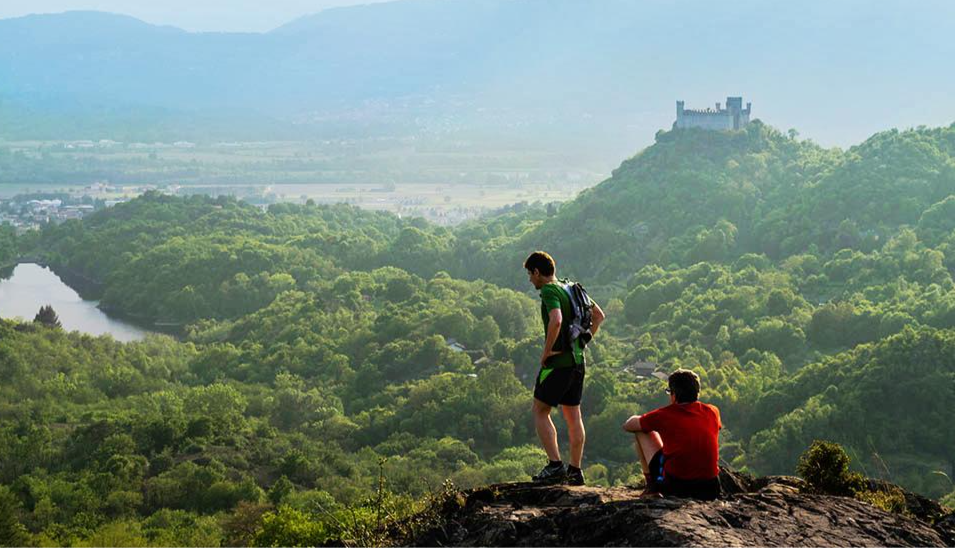
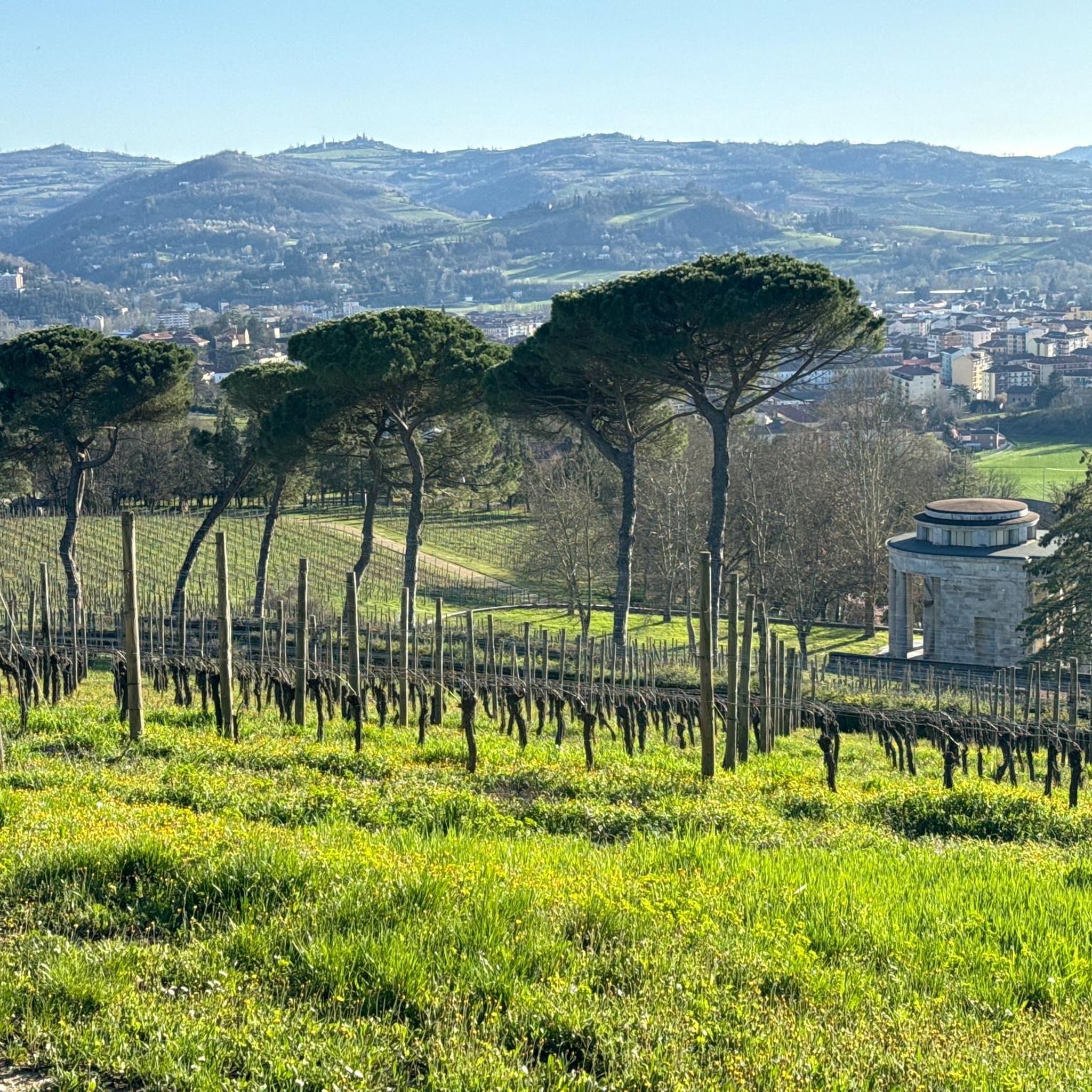
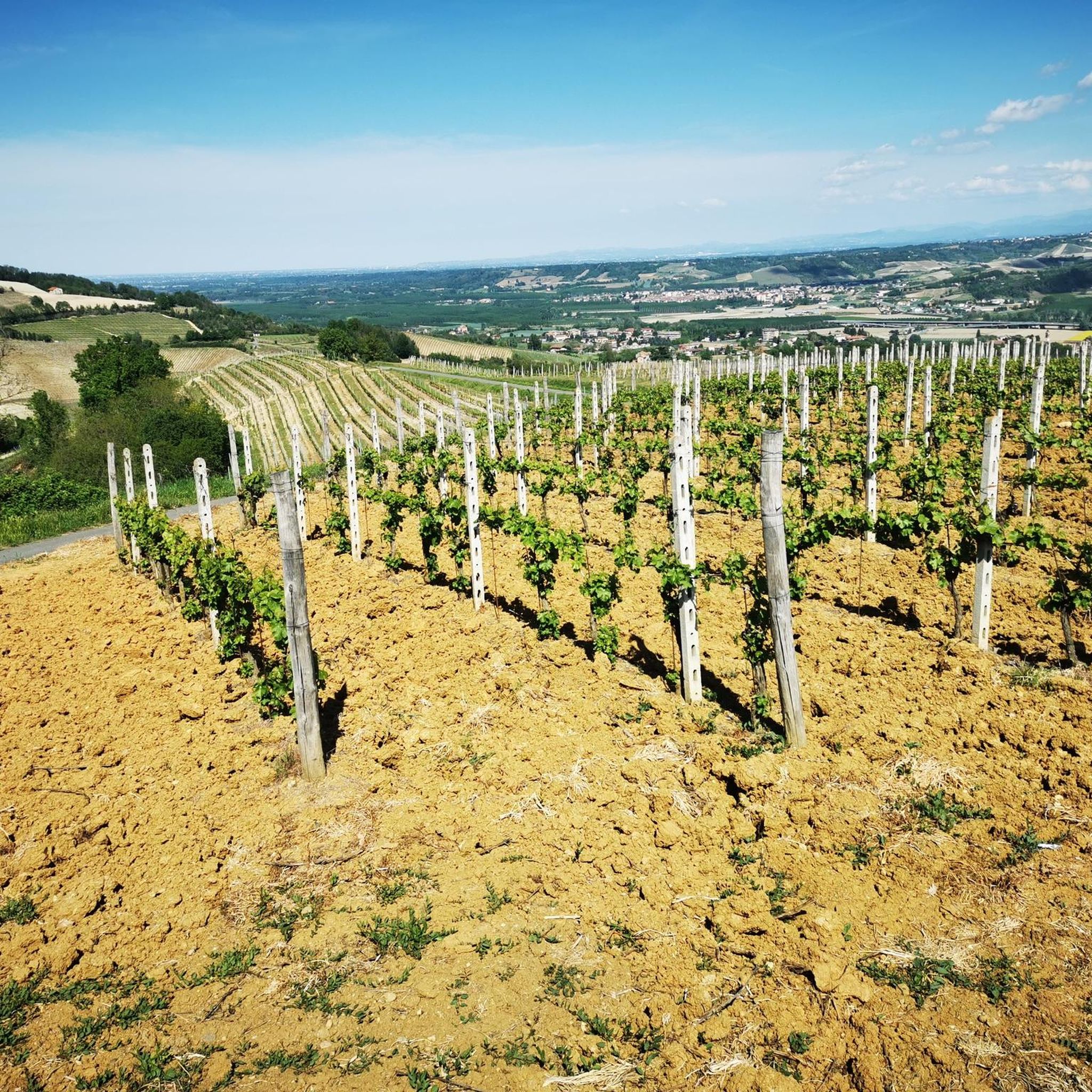
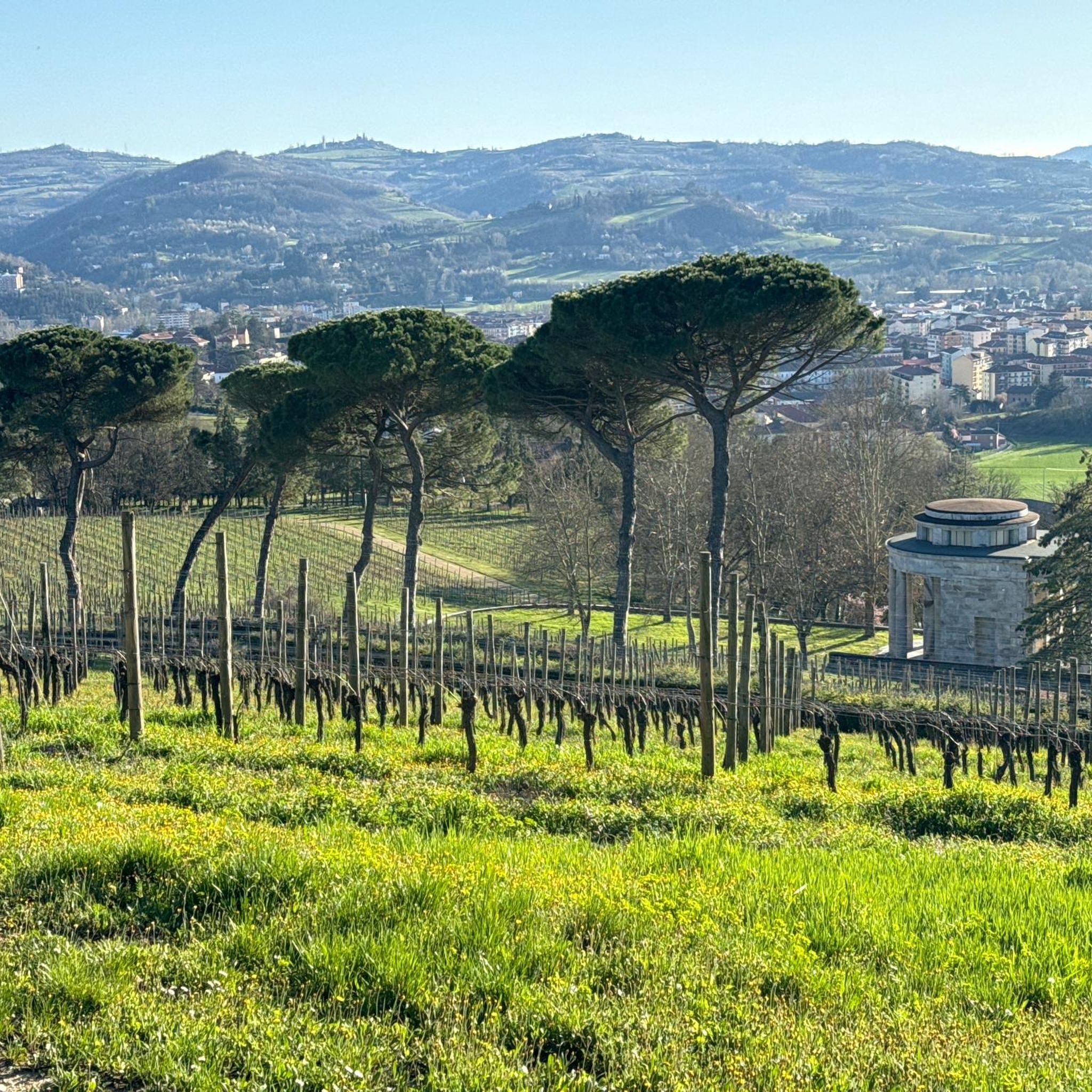
Touring cycling around Acqui Terme is characterized by a diverse landscape within Piedmont's Monferrato region. The area features a hilly terrain with extensive vineyard-clad hills, recognized as a UNESCO World Heritage Site. Routes often traverse the picturesque Bormida Valley and pass through historic medieval villages. The region also includes notable landmarks such as the ancient Roman Aqueduct.
Best touring cycling routes around Acqui Terme
- The most popular touring cycling route is Panoramic Ridge Road – Roman Aqueduct of Acqui Terme…
Last updated: October 4, 2026
4.6
(23)
73
riders
64.4km
04:42
1,430m
1,430m
Hard bike ride. Very good fitness required. Mostly paved surfaces. Suitable for all skill levels.
5.0
(3)
67
riders
66.4km
04:32
1,070m
1,070m
Hard bike ride. Very good fitness required. Mostly paved surfaces. Suitable for all skill levels.

4.7
(6)
26
riders
25.0km
01:44
450m
450m
Moderate bike ride. Good fitness required. Mostly paved surfaces. Suitable for all skill levels.
4.8
(5)
19
riders
Moderate bike ride. Good fitness required. Mostly paved surfaces. Suitable for all skill levels.
4.5
(2)
27
riders
53.1km
03:33
810m
810m
Hard bike ride. Very good fitness required. Mostly paved surfaces. Suitable for all skill levels.
Get access to more routes and recommendations from other explorers.
Already have an account?
Our route recommendations are based on thousands of hikes, rides, and runs completed by other people on komoot.
Start today with a free account
Your next adventure awaits.

Other adventures around Acqui Terme

Tips from the Community

Beautiful and well-maintained cathedral, definitely worth a visit. Inside, there is peace and quiet and a wealth of art, each telling its own story.
0
0

The Passo Bric Berton is a pass in the Ligurian-Piedmontese Apennines, on the border between the provinces of Alessandria and Savona, highly appreciated by cyclists for the generally light traffic and the wooded landscape.
11
0

Beautiful historic center, absolutely not to be missed if you are doing the Apennine bike tour.
2
0
The Sanctuary of Santa Maria delle Grazie in Cassinasco is one of the main Marian places of worship in the town, often also referred to by variants such as Madonna delle Grazie or Sanctuary of the Madonna delle Grazie.
14
0
The Church of Sant'Ilario in Cassinasco is a small but interesting religious building in the Asti Langhe, with a very ancient history and particular architectural features.
17
0
Alice Bel Colle, located in Alto Monferrato, is a historic village of medieval origin, a fief of the counts of Acquesana and then the Gonzaga, finally subjected to the Savoy in 1708. Known for its vineyards and UNESCO wine landscapes, the town boasts a strong winemaking tradition, represented by the Cantina Sociale founded in 1955.
16
0
The Langhe-Roero and Monferrato wine landscapes in Piedmont are made up of five distinct wine-growing areas and a castle: the Langa of Barolo, the Barbaresco hills, Nizza Monferrato and Barbera, Canelli and Asti Spumante, the Monferrato of the Infernot, and the Castle of Grinzane Cavour.
1
0
Places designed by nature made for cycling.
8
0
Frequently Asked Questions
What kind of terrain can I expect when touring cycling around Acqui Terme?
Acqui Terme is situated in Piedmont's Monferrato region, characterized by a diverse, hilly landscape. You'll encounter extensive vineyard-clad hills, recognized as a UNESCO World Heritage Site, and routes often traverse the picturesque Bormida Valley. Expect a mix of ascents and descents, with many routes offering significant elevation gain.
How many touring cycling routes are available in the Acqui Terme area?
There are nearly 90 touring cycling routes around Acqui Terme, catering to various skill levels. This includes 3 easy routes, 27 moderate routes, and 58 more challenging options for experienced cyclists.
Are there any family-friendly cycling routes in Acqui Terme?
While many routes in Acqui Terme involve significant elevation, there are 3 easy touring cycling routes available. These are generally more suitable for families or those looking for a relaxed ride. For specific recommendations, look for routes described as 'easy' on komoot.
What historical landmarks or natural features can I see along the cycling routes?
Many routes pass by significant landmarks. You can cycle past the ancient Roman Aqueduct of Acqui Terme, a remarkably well-preserved structure from the 1st century AD. The town also features the iconic La Bollente Hot Spring Fountain. Additionally, routes often wind through charming medieval villages and past historic castles like those near Monastero Bormida or Rocchetta Palafea.
Are there any circular touring cycling routes in the Acqui Terme region?
Yes, many of the touring cycling routes around Acqui Terme are designed as loops, allowing you to start and finish in the same location. An example is the challenging Panoramic Ridge Road – Roman Aqueduct of Acqui Terme loop from Acqui Terme, which covers 56.6 km with over 1,000 meters of elevation gain.
What do other touring cyclists say about cycling in Acqui Terme?
The area is highly rated by the komoot community, with an average score of 4.4 stars from over 90 reviews. Cyclists often praise the stunning vineyard landscapes, the historical sites like the Roman Aqueduct, and the variety of routes that cater to different fitness levels.
Can I find long-distance touring cycling routes around Acqui Terme?
Yes, for those seeking longer rides, there are routes that extend further into the region. For instance, the Historic Center of Sassello – Roman Aqueduct of Acqui Terme loop from Acqui Terme is a demanding 114.8 km route with significant elevation, offering an extensive exploration of the area.
Are there routes that pass through charming villages or offer cultural insights?
Absolutely. The region is dotted with medieval villages and historical sites. The route Roman Aqueduct of Acqui Terme – Historic Center of Sassello loop from Acqui Terme, for example, takes you through the historic center of Sassello, providing a glimpse into local culture and architecture.
What is the best time of year to go touring cycling in Acqui Terme?
Acqui Terme, being in Piedmont, generally offers pleasant cycling conditions from spring through autumn. Spring brings blooming vineyards, while autumn showcases vibrant fall colors. Summers can be warm, so early morning or late afternoon rides are often preferred during peak season.
Are there any routes that offer views of castles or palaces?
Yes, several routes provide opportunities to see historic castles. The Roman Aqueduct of Acqui Terme – Molare Castle loop from Acqui Terme is one such route that will take you past the impressive Cremolino Castle, offering scenic views and a touch of history.
Are there any routes that feature the UNESCO World Heritage vineyard landscapes?
Many routes in the Acqui Terme area traverse the rolling vineyard-clad hills of Monferrato, which are a UNESCO World Heritage Site. The 'Cycling across the UNESCO Vineyards and Big Benches' route, mentioned in regional research, specifically highlights these breathtaking views, often extending to the Alps.
What is the difficulty level of most touring cycling routes in Acqui Terme?
The majority of touring cycling routes in Acqui Terme are classified as difficult, with 58 out of nearly 90 routes falling into this category. These routes often feature significant elevation gains, such as the Roman Aqueduct of Acqui Terme – Grognardo Bell Tower loop from Acqui Terme, which includes nearly 800 meters of ascent over 44.8 km.
Most popular routes around Acqui Terme
Most popular attractions around Acqui Terme

Get inspired with the komoot mobile app


Explore more
Browse the best Cycling routes in other regions.
