Attractions and Places To See around Pontecurone - Top 20
Best attractions and places to see around Pontecurone include historical landmarks, cultural sites, and natural features. This rural town in Piedmont, Italy, is situated on the left bank of the Curone river and boasts a rich past shaped by its location along ancient routes like the Via Postumia. Visitors can explore structures reflecting its Roman origins and medieval history, set amidst cultivated fields. The area offers a blend of historical exploration and opportunities for outdoor activities.
Best attractions and places…
Last updated: October 9, 2026
Mural of Il Quarto Stato by Giuseppe Pellizza da Volpedo
Highlight • Monument
Translated by Google •
Tip by

Romanesque Parish Church of Santa Maria Assunta
Highlight • Religious Site
Translated by Google •
Tip by

Sign up now to discover places like this
Get recommendations on the best single tracks, peaks, & plenty of other exciting outdoor places.
Dongione of Carbonara Scrivia
Highlight • Castle
Translated by Google •
Tip by

Gomo Village and Castelletto
Highlight • Settlement
Translated by Google •
Tip by

Decorative Bicycles of Codevilla
Highlight • Structure
Translated by Google •
Tip by

Sign up for free to discover even more attractions around Pontecurone.
Already have an account?
Start today with a free account
Your next adventure awaits.

Tips from the Community

Traversing the Via Postumia, I crossed this square, only a copy of the original but still exciting.
1
0

A mandatory stop to return to childhood
1
0

"The Fourth Estate" (1901) by Giuseppe Pellizza da Volpedo is a famous oil on canvas depicting a march of laborers, set in Piazza Malaspina in Volpedo (Alessandria). A symbol of workers' struggle, the work combines Pointillist technique and social themes. It is now housed at the Museo del Novecento in Milan.
4
0

Small but evocative, this Romanesque parish church still retains part of its original medieval architectural structure.
0
0

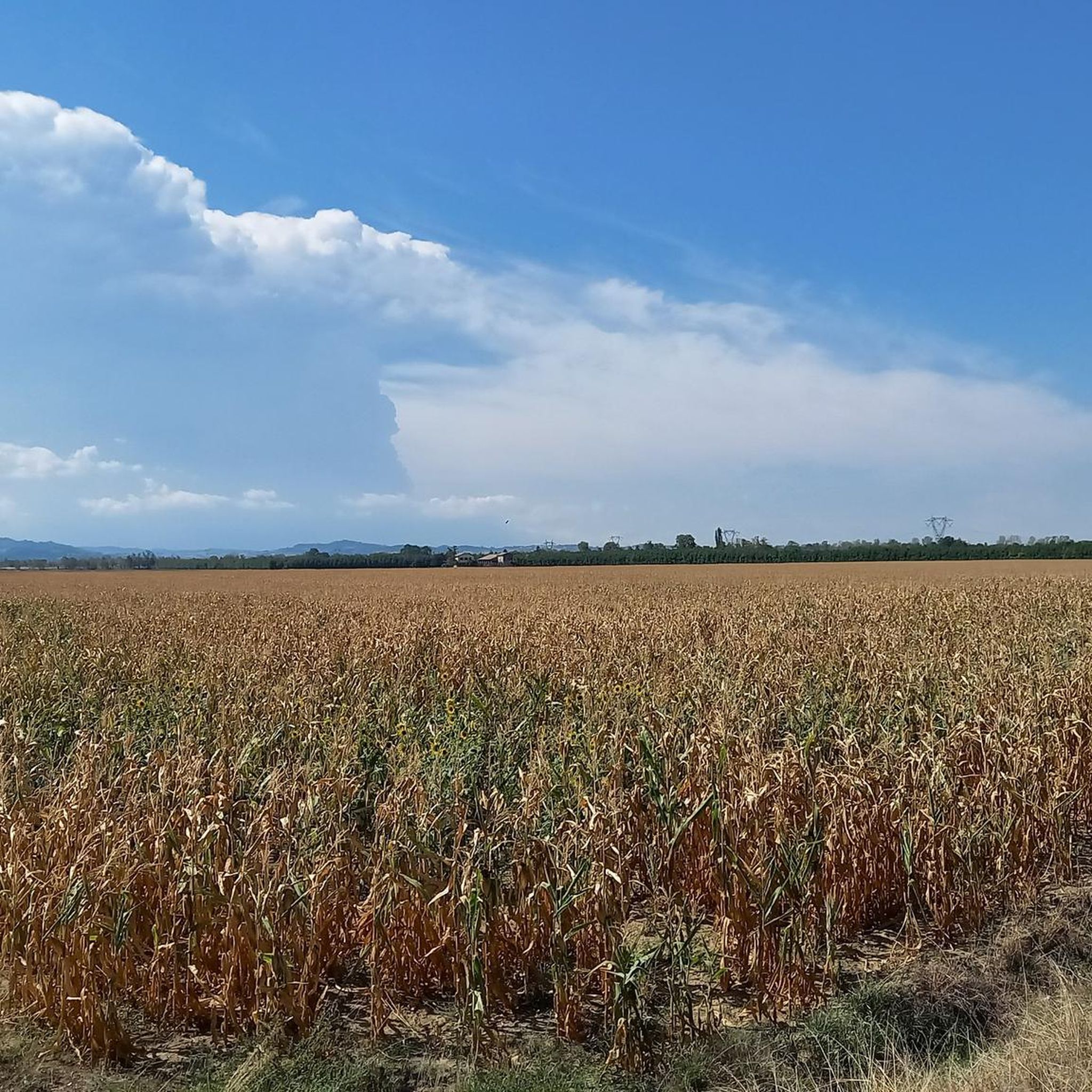
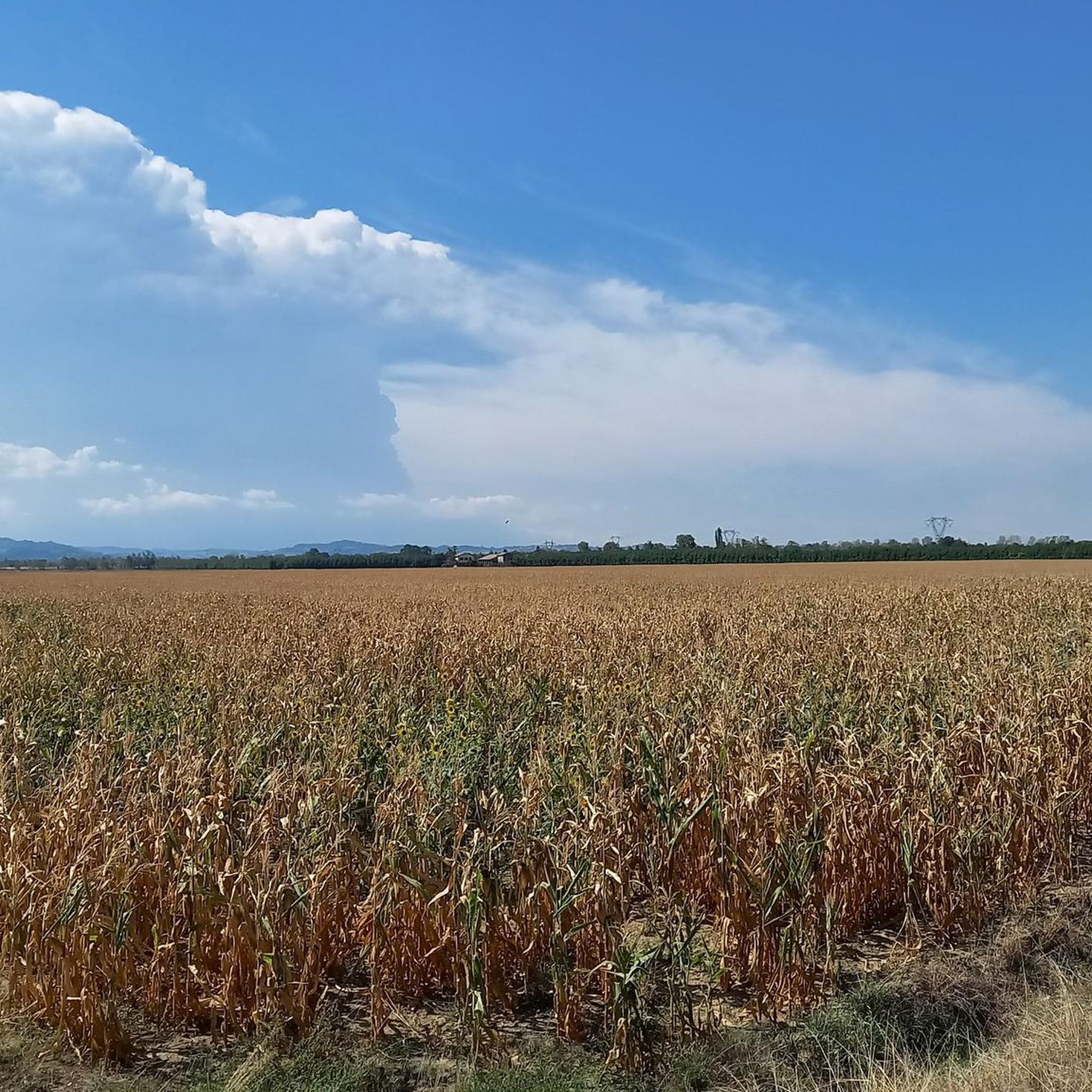
Codevilla, a small town in the province of Pavia, is located in the lower Staffora Valley, at the gates of the Oltrepò Pavese. Surrounded by vineyards and hills, it is a town characterized by an agricultural and wine-growing landscape typical of the area. The village offers picturesque views and rural tranquility, ideal for walks and bike rides to discover local traditions. Among the attractions, the Church of San Andrea, of medieval origin, represents one of the main historical and cultural landmarks of the town.
4
0

The castle of Carbonara Scrivia dates back to the 14th century or early 15th century, according to some documents found. The typical construction called "dongione" was built by Pierino Cameri on a previous property owned by the Curolo family, lords of Carbonara, who declined starting from 1246.
0
0
Quarto Stato Volpedo Square
2
0

Volpedo has been included in the club of the most beautiful villages in Italy. It is famous for being the birthplace of the painter Giuseppe Pellizza, author of the famous The Fourth Estate, which became a symbol of the workers' question, starting from the 19th century onwards with the second industrial revolution.
3
0
Frequently Asked Questions
What historical landmarks can I explore in Pontecurone?
Pontecurone boasts a rich history with several notable landmarks. You can visit the Torre Civica in Piazza Matteotti, a prominent brick tower with debated origins, possibly from a 13th-century castle or built by Gian Galeazzo Visconti. Another significant site is the Finestra Gotica del Barbarossa at Via Emilia 21, believed to be the last remnant of a house where Frederick Barbarossa resided. Nearby, the Romanesque Parish Church of Santa Maria Assunta, likely built in the 10th century, offers a fine example of Romanesque art and was a stop for pilgrims.
Are there any cultural sites or art-related attractions in the area?
Yes, culturally significant sites are available. In nearby Volpedo, you can find the Piazzetta Quarto Stato, the setting for Giuseppe Pellizza da Volpedo's famous painting 'Il Quarto Stato'. A life-size mural, Mural of Il Quarto Stato by Giuseppe Pellizza da Volpedo, is also located nearby, offering a visual representation of this iconic artwork.
What natural features or outdoor spaces can I enjoy around Pontecurone?
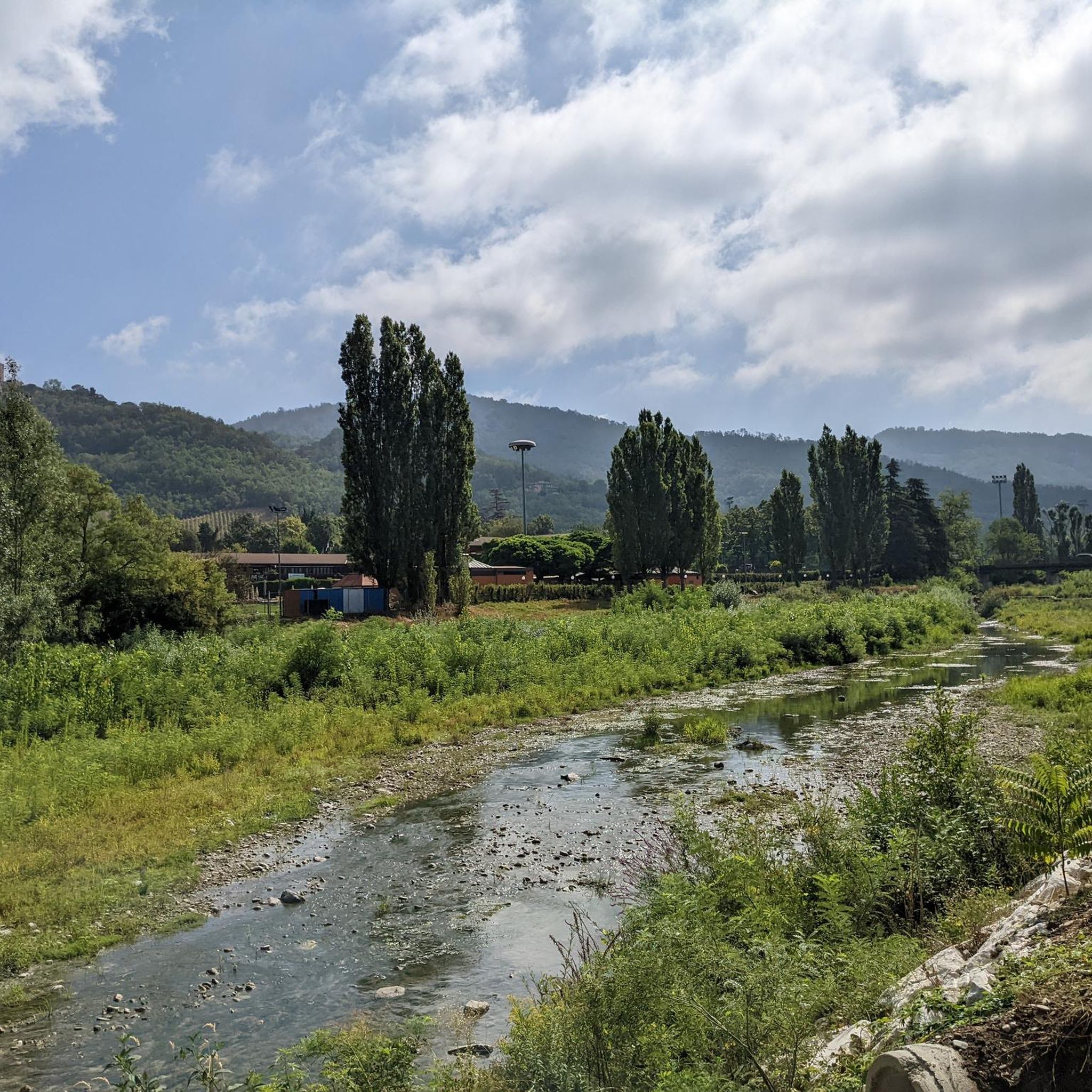
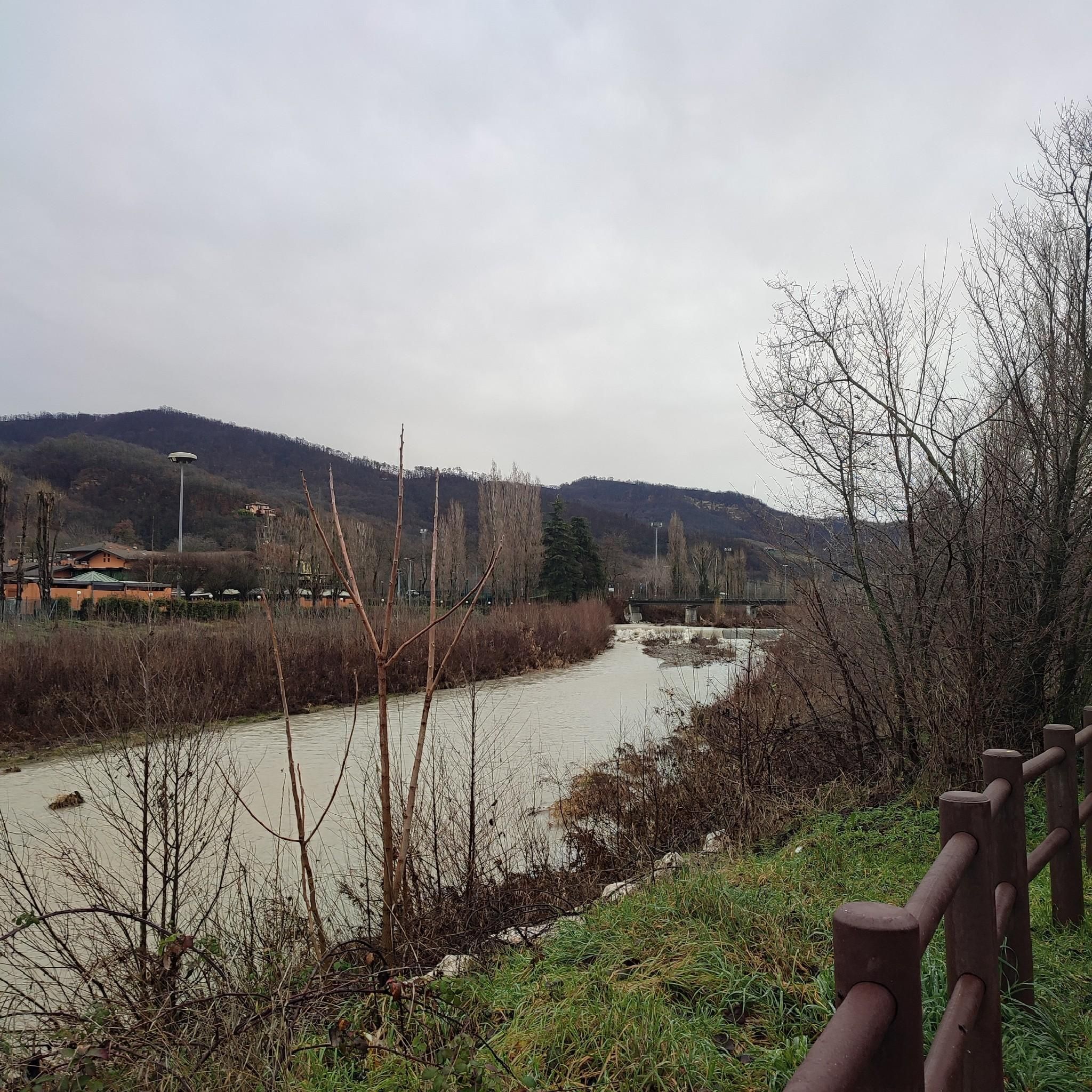
Pontecurone is a tranquil rural village surrounded by cultivated fields, situated on the left bank of the Curone river. For outdoor activities, the Greenway Voghera–Varzi: Voghera–Salice Terme Segment offers an excellent cycling path along an old railway line, perfect for enjoying the local landscape.
What kind of cycling routes are available near Pontecurone?
The area around Pontecurone offers various cycling routes. A popular option is the Greenway Voghera–Varzi: Voghera–Salice Terme Segment, which follows an old railway line. For more extensive cycling adventures, you can explore routes like the 'Ponte Nizza Cycle Path – Voghera–Varzi Greenway' or the 'Salice Terme train station – Castello di Montalfeo loop'. Find more details on these and other cycling tours on the Cycling around Pontecurone guide.
Are there any castles or fortresses to visit near Pontecurone?
Yes, the region has historical defensive structures. The Fortress of Montalfeo (Rocca di Montalfeo), an ancient settlement of the Malaspina Marquises, is a medieval-style castle perched on a hill. While generally open only for special events, it highlights the region's strategic importance. Additionally, the Dongione of Carbonara Scrivia, a 14th-century fortress with a prominent keep, is located nearby.
What is the best time of year to visit Pontecurone for sightseeing and outdoor activities?
Pontecurone, being a rural area, is pleasant to visit during spring and autumn when the weather is mild and the cultivated fields are vibrant. These seasons are ideal for exploring historical sites and enjoying outdoor activities like cycling on the Greenway without the intense heat of summer.
Are there any family-friendly attractions in Pontecurone?
Many attractions in the area are suitable for families. The Greenway Voghera–Varzi: Voghera–Salice Terme Segment is a family-friendly cycle path. Cultural sites like the Mural of Il Quarto Stato and Piazzetta Quarto Stato in Volpedo also offer engaging experiences for all ages.
Can I find any hiking or running trails near Pontecurone?
While the Greenway Voghera–Varzi is primarily for cycling, it can also be used for walking. For dedicated running trails, you can find various loops around the region, such as 'Running loop from Voghera' or 'Footbridge over the Grue loop from Viguzzolo'. More options are detailed in the Running Trails around Pontecurone guide.
What is the significance of Don Luigi Orione in Pontecurone?
Pontecurone is the birthplace of Saint Luigi Orione. His Casa natale di don Luigi Orione (Birthplace of Don Luigi Orione) is a site that preserves family memories and photographs related to him, offering insight into the life of this important religious figure.
Are there any attractions accessible for wheelchair users?
The Mural of Il Quarto Stato by Giuseppe Pellizza da Volpedo is listed as wheelchair accessible, making it a suitable cultural stop for visitors with mobility needs.
What is the historical background of Pontecurone?
Pontecurone has a deep historical background, dating back to the Augustan period. Its strategic location on ancient routes like the Via Postumia allowed it to flourish. Archaeological findings confirm human presence from the Middle Iron Age through Roman and Medieval times, shaping its urban layout and surviving structures like the Civic Tower.
What do visitors particularly enjoy about the attractions around Pontecurone?
Visitors appreciate the blend of historical exploration and natural beauty. The Romanesque Parish Church of Santa Maria Assunta is often described as 'small but evocative' and a 'splendid Romanesque monument' for its simplicity. The Mural of Il Quarto Stato is considered 'very suggestive' and a 'natural-size reproduction' that brings history to life. The Greenway Voghera–Varzi is praised as an 'excellent cycle path'.
Most popular routes around Pontecurone
Most popular attractions around Pontecurone

Get inspired with the komoot mobile app


Explore more
Still not found the Highlight you’re looking for? See guides of the top attractions in other regions:
