Attractions and Places To See around Occhieppo Inferiore - Top 20
Best attractions and places to see around Occhieppo Inferiore include historical sites, religious buildings, and natural features. This municipality in the Province of Biella, Piedmont, Italy, has Roman origins and maintains a rural character. Visitors can explore various landmarks that reflect its history and appreciate its position within the natural beauty of the Biellese region. The area offers a blend of cultural heritage and access to the surrounding agricultural landscape.
Best attractions and places to see around Occhieppo Inferiore
- The…
Last updated: May 9, 2026
Oropa Sanctuary
Highlight • Religious Site
Translated by Google •
Tip by

Oropa Sanctuary
Highlight • Religious Site
Translated by Google •
Tip by

Sign up now to discover places like this
Get recommendations on the best single tracks, peaks, & plenty of other exciting outdoor places.
Sign up for free
Bessa Gold Mining Archaeological Site
Highlight • Natural Monument
It is located between Biella and Ivrea, included in the municipalities …
Translated by Google •
Tip by

Gate Tower and Corner Tower of Piverone
Highlight • Historical Site
*Ancient shelter of which the access tower to the village (clock tower) and the north-east corner tower of the walls, from the 13th century, have …
Translated by Google •
Tip by

Footbridge over the Elvo River, Borriana
Highlight • Bridge
Translated by Google •
Tip by

Sign up for free to discover even more attractions around Occhieppo Inferiore.
Sign up for free
Already have an account?
Start today with a free account
Your next adventure awaits.
Login or Signup
Popular around Occhieppo Inferiore
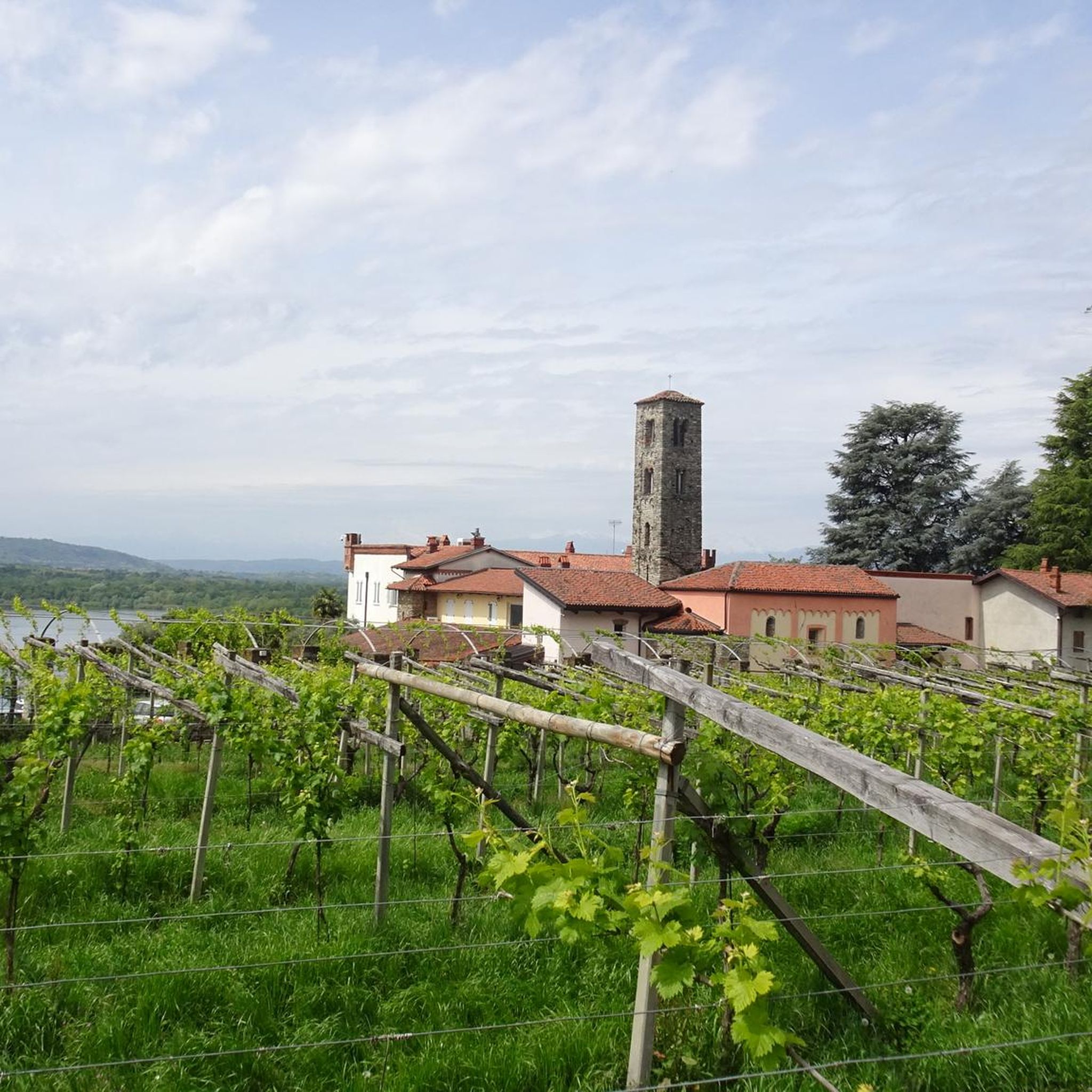
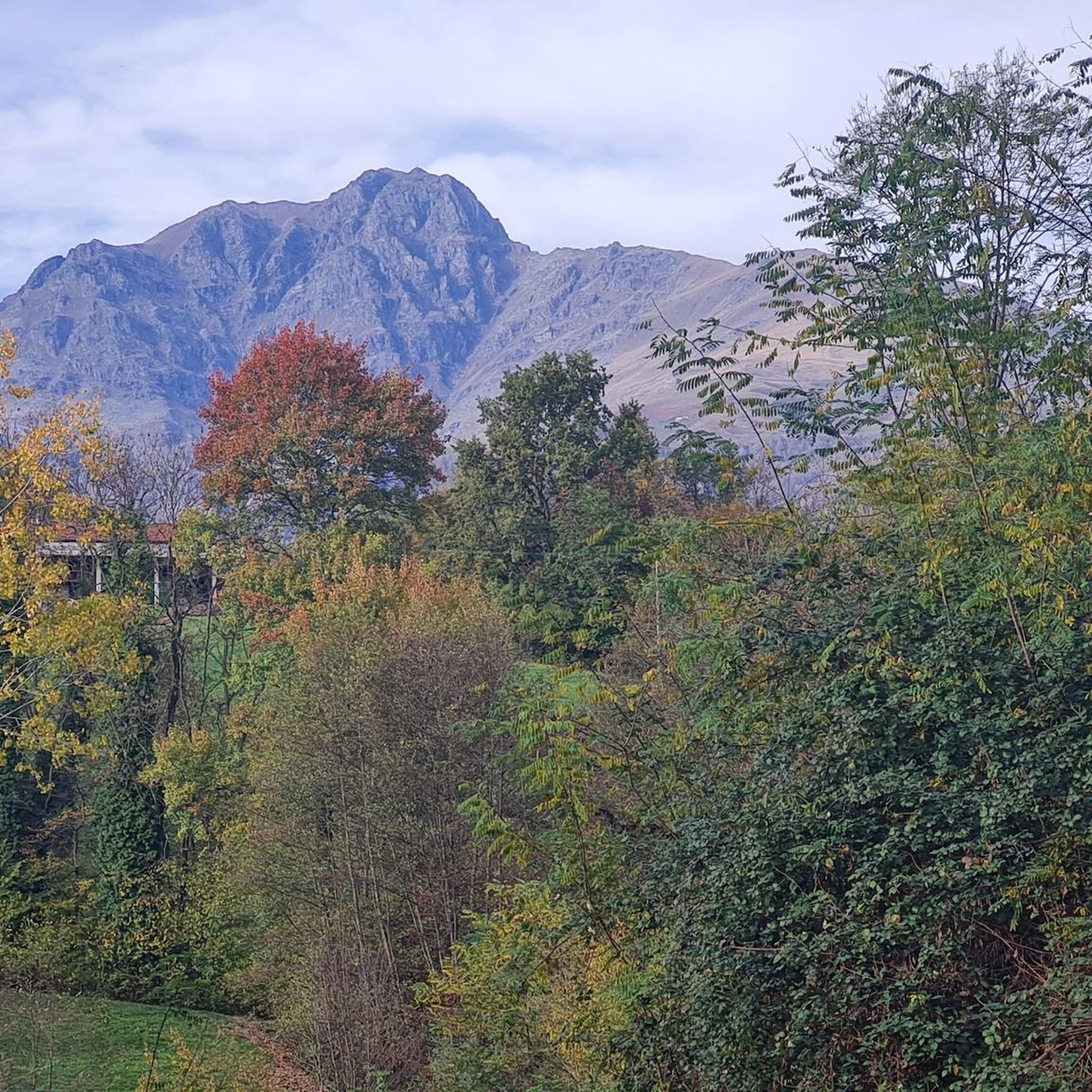
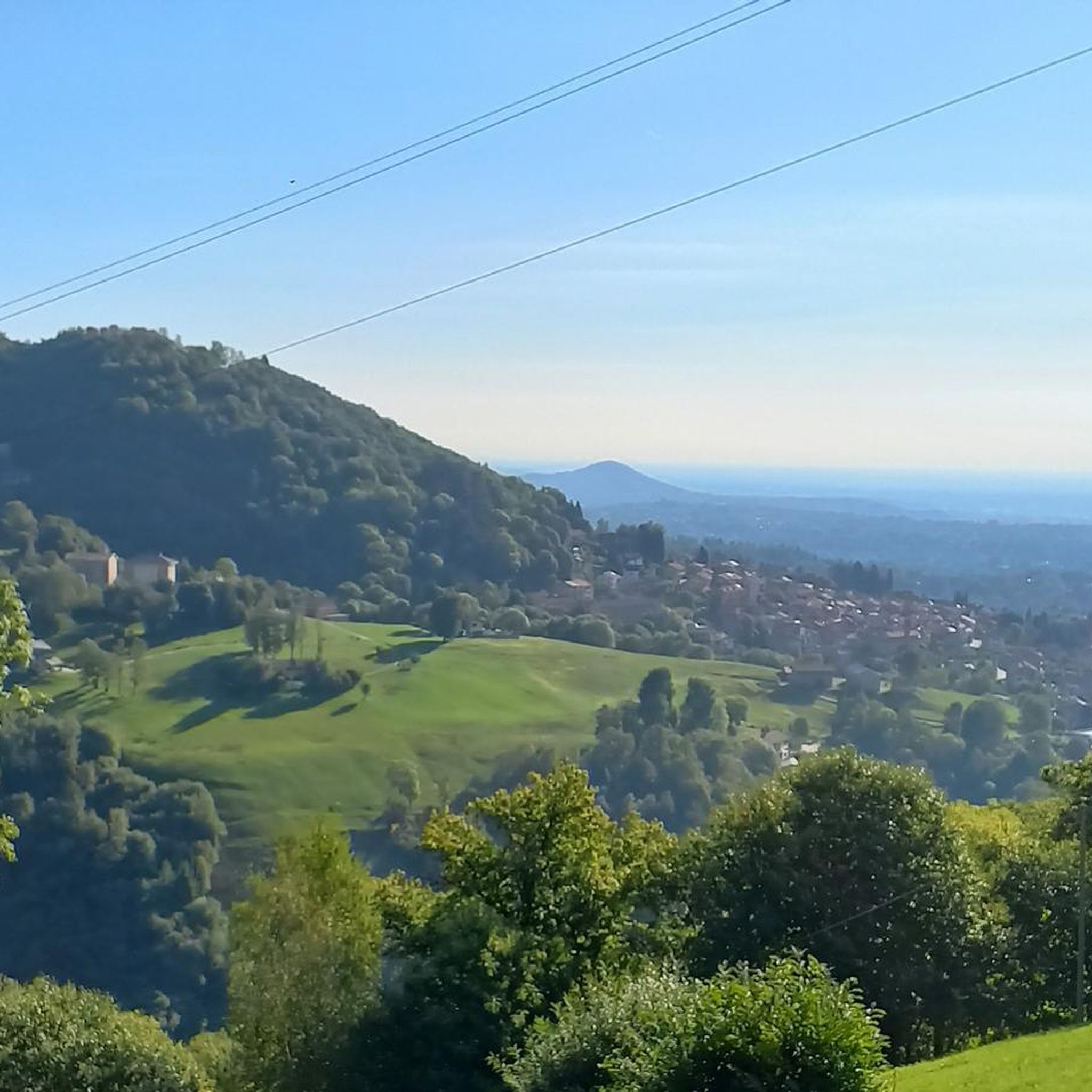
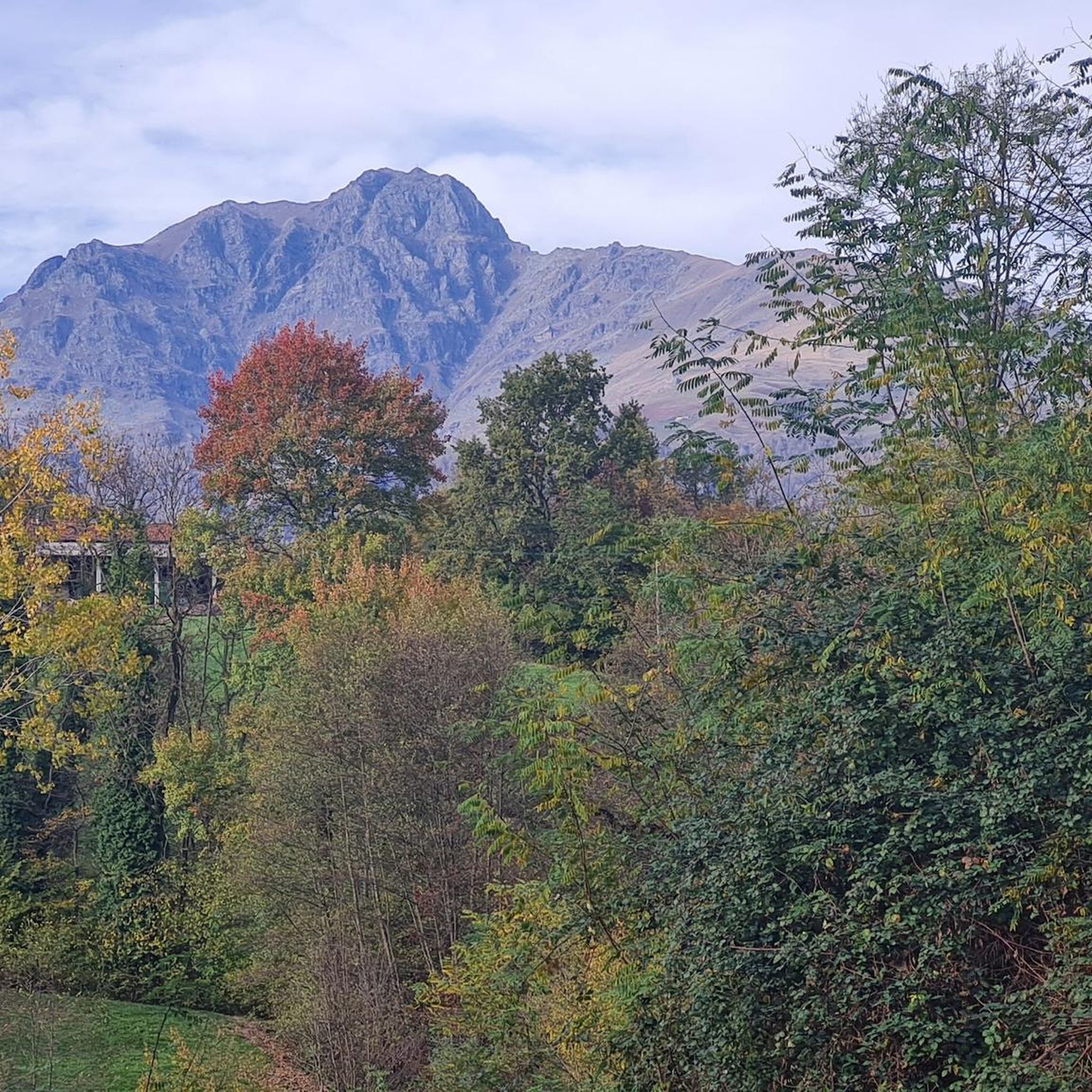


Tips from the Community

sanctuary about ten km above Biella, reachable by road bike along the only road from Biella, from Andrate, a town above Ivrea with the road called "Tracciolino" from Favaro, just above Biella by mountain bike along the route of the old train
0
0

The path to the Sanctuary of Oropa is a journey through nature, history, and spirituality: trails pass through ancient forests, hills, and charming villages, all the way up to the majestic Biella mountains. The itineraries, at times challenging, test your pace and endurance, but reward you with breathtaking views and the unique thrill of reaching one of Piedmont's most fascinating sacred sites.
2
2

Must do, at least once, interesting place.
1
0

The sanctuary of Oropa is a Marian sanctuary - dedicated to the Black Madonna - located a dozen kilometers north of the city of Biella, in the Oropa hamlet, at about 1,280 meters above sea level, in a natural amphitheater of mountains that surround the city below and are part of the Biella Alps. The sanctuary includes, in addition to a Sacred Mount (the Sacred Mount of Oropa), the original church built on the basis of an ancient shrine and the current sanctuary itself, equipped with various structures intended to accommodate the faithful and tourists. And it is also the Arrival of the Stage of the Giro d'Italia. The most famous one was in 1999 with the comeback of Marco Pantani who went on to win the Stage (Arrival dedicated to Him).
0
1

Oropa, definitely worth a visit. Not only is it fascinating in terms of history, but also because of the surrounding restaurants. And last but not least, the Black Madonna.
0
1

Magical place of Alpine spirituality
1
1

Monuments and places of interest: *Ancient shelter of which the access tower to the village (clock tower) and the north-east corner tower of the walls, from the 13th century, have been preserved *Church of Gesiùn, ruins of the ancient church of Livione, dating back to the 10th century *Romanesque bell tower of San Pietro di Subloco, dating back to the 10th century *Parish Church of Saints Peter and Lawrence
7
0

The gate tower dates back to the 13th century. Originally it had two passage arches, carriage and pedestrian, equipped with drawbridges operated by levers that emerged from the three obvious slits. The upper part was open and crenellated. Not far away, in the square, there is a contemporary corner tower of the medieval city wall. Some well-signposted circular pedestrian routes start from the adjacent square (we recommend the IV which passes through Gesiùn).
2
0
Frequently Asked Questions
What historical and cultural sites can I explore in Occhieppo Inferiore?
Occhieppo Inferiore boasts a rich history. You can visit the Parish Church of St. Antonino, built on the site of an ancient castle, and see a Roman cippus with an inscription from the time of Antoninus Pius near the old parish house. The Oratory of the Madonna of the Rosary features a beautiful brick façade, and the ancient Church of S. Clemente, dating back to the 10th-11th centuries, preserves 15th and 16th-century frescoes.
Are there any significant historical landmarks near Occhieppo Inferiore?
Yes, several significant historical landmarks are within easy reach. The Oropa Sanctuary is a UNESCO World Heritage site and the largest Marian sanctuary in the Alps. You can also visit the Gate Tower and Corner Tower of Piverone, which are preserved 13th-century structures, and the Ricetto of Candelo, a remarkably well-preserved medieval fortified village.
What natural attractions are there in and around Occhieppo Inferiore?
Occhieppo Inferiore is set within a picturesque agricultural landscape in the Elvo Valley. While the town itself offers scenic rural views, nearby natural attractions include the Bessa Gold Mining Archaeological Site, a unique nature reserve with a fascinating history. The Footbridge over the Elvo River, Borriana offers pleasant views of the river and connects to the Bessa area.
What outdoor activities can I do near Occhieppo Inferiore?
The region around Occhieppo Inferiore is excellent for outdoor activities. You can find various running trails, such as the 'Giant Bench loop from Camburzano' or 'Running loop from Occhieppo Superiore'. For cycling enthusiasts, there are road cycling routes like 'Cycling around Biella'. Mountain hikes are also popular, with options like 'Monte Camino – Rifugio Rosazza loop from Oropa'. You can find detailed routes and guides for these activities on the running trails, road cycling routes, and mountain hikes guides.
Are there family-friendly attractions or activities in the area?
Yes, many attractions around Occhieppo Inferiore are suitable for families. The Oropa Sanctuary, Gate Tower and Corner Tower of Piverone, Bessa Gold Mining Archaeological Site, Footbridge over the Elvo River, Borriana, and Ricetto of Candelo are all marked as family-friendly. The Bessa Gold Mining Archaeological Site, in particular, offers an engaging historical and natural experience for all ages.
What is the best time of year to visit Occhieppo Inferiore and its surrounding attractions?
The Biellese region, including Occhieppo Inferiore, is beautiful in spring and autumn. Spring, particularly May and June, is ideal for visiting the nearby Burcina Nature Reserve, famous for its rhododendron blooms. Autumn offers pleasant weather for hiking and cycling, with vibrant fall foliage. The historical sites and sanctuaries are generally accessible year-round, though specific opening hours may vary by season.
Can I find hiking trails directly in Occhieppo Inferiore?
While Occhieppo Inferiore itself is more focused on historical sites and rural charm, it serves as a great starting point for walks. The Footbridge over the Elvo River, Borriana is part of an easy route that connects to the Bessa area. For more extensive hiking, you'll find numerous trails in the broader Biellese region, accessible via the Mountain Hikes guide.
What is the significance of the Elvo Valley for Occhieppo Inferiore?
Occhieppo Inferiore is situated within the Elvo Valley, which contributes significantly to its rural character and natural beauty. The Elvo stream is a prominent natural feature, and the valley provides a scenic backdrop for the town. The Footbridge over the Elvo River in Borriana is a direct connection to this natural environment.
Are there any unique natural reserves or parks nearby?
Yes, the Bessa Gold Mining Archaeological Site is a unique nature reserve known for its historical significance as an ancient Roman gold mine and its distinctive landscape. Additionally, the Burcina Nature Reserve (Parco della Burcina) in Pollone is famous for its spectacular rhododendron blooms, especially from May to June. You can learn more about the region's natural areas on the Visit Piemonte website.
What makes the Ricetto of Candelo a must-see attraction?
The Ricetto of Candelo is a must-see because it is one of Italy's most beautifully preserved medieval fortified structures. This citadel was historically used to store goods and wealth, offering a fascinating glimpse into medieval life and architecture. Its excellent state of conservation makes it a unique historical experience.
What kind of cycling routes are available near Occhieppo Inferiore?
Near Occhieppo Inferiore, you can find a variety of cycling routes catering to different skill levels. Options range from easy rides like 'Cycling around Biella' to more challenging routes such as 'Waterfall in the Forest – Oropa Climb – Pantani Mountain loop from Biella Piazzo'. These routes explore the scenic hills and towns of the Biellese region. Detailed information can be found in the Road Cycling Routes guide.
What is the historical significance of the Bessa Gold Mining Archaeological Site?
The Bessa Gold Mining Archaeological Site is historically significant as one of the largest open-pit gold mines in the ancient world. It was exploited by the Romans, with the help of the Ictimuli people, between the 2nd and 1st centuries BC. The landscape still bears the marks of this immense work, with large mounds of discarded stones, offering a tangible connection to its Roman past.
Most popular routes around Occhieppo Inferiore
Most popular attractions around Occhieppo Inferiore

Get inspired with the komoot mobile app


Explore more
Still not found the Highlight you’re looking for? See guides of the top attractions in other regions:
