Attractions and Places To See around Frinco - Top 20
Attractions and places to see around Frinco, a municipality in Italy's Piedmont region, offer insights into its rich history and cultural heritage. The area is characterized by its formidable castle and proximity to Asti, providing access to a wider array of historical and cultural sites. Visitors can explore a variety of religious buildings and historical landmarks in the surrounding Asti province.
Best attractions and places to see around Frinco
- The most popular attractions is Church of Saints Nazarius and Celsus…
Last updated: May 11, 2026
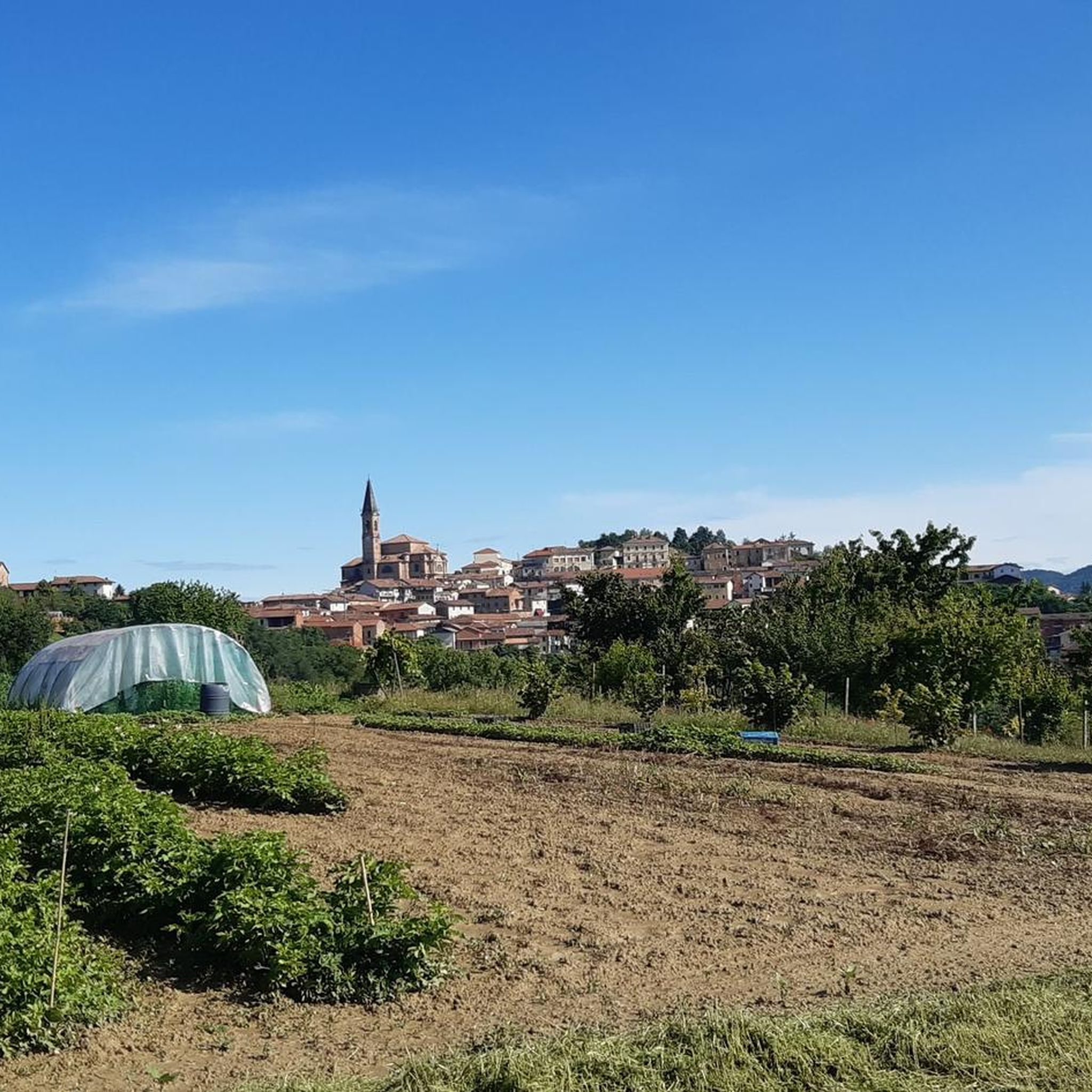
Viatosto Church and View of the Hills of Asti
Highlight • Religious Site
Translated by Google •
Tip by

Church of Saints Nazarius and Celsus
Highlight • Religious Site
Translated by Google •
Tip by

Sign up now to discover places like this
Get recommendations on the best single tracks, peaks, & plenty of other exciting outdoor places.
Sign up for free
Piazza San Secondo
Highlight • Settlement
Translated by Google •
Tip by

San Secondo Church, Cortazzone
Highlight • Religious Site
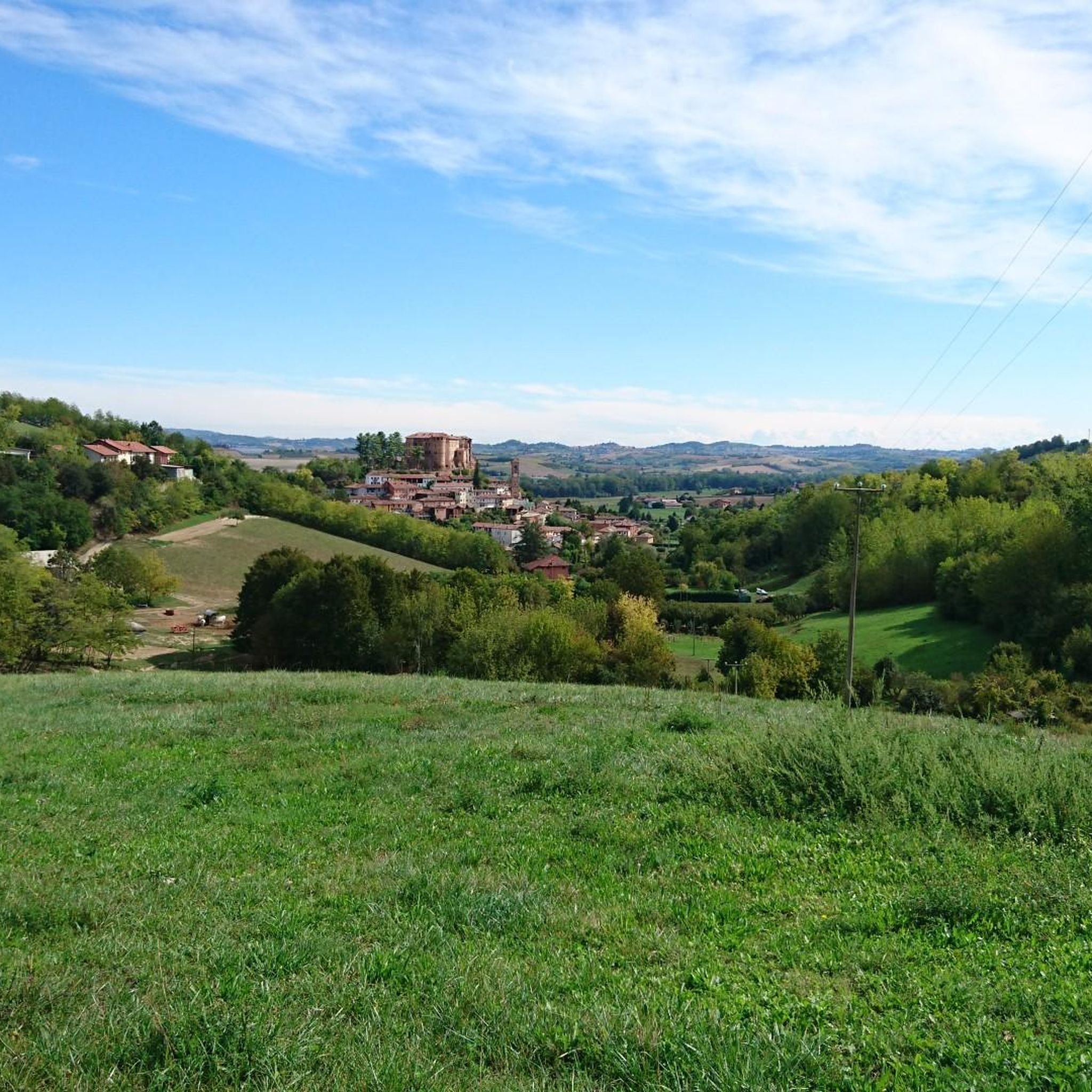
Located on a green hill, it is worth a stop, I have passed it several times …
Translated by Google •
Tip by

Cave Dwellings of Mombarone
Highlight • Cave
Translated by Google •
Tip by

Sign up for free to discover even more attractions around Frinco.
Sign up for free
Already have an account?
Start today with a free account
Your next adventure awaits.
Login or Signup

Tips from the Community

Unfortunately, the complete loop cannot be done because you have to go through a private road and the owner is not really available to let you pass, so just after the houses you have to take a road that goes back, shortening the route by quite a bit.
0
0

Romanesque style church near the Mongiglietto area, one km from the municipality of Cortazzone. On a notice board it is written where you can collect the keys to visit it internally
0
0

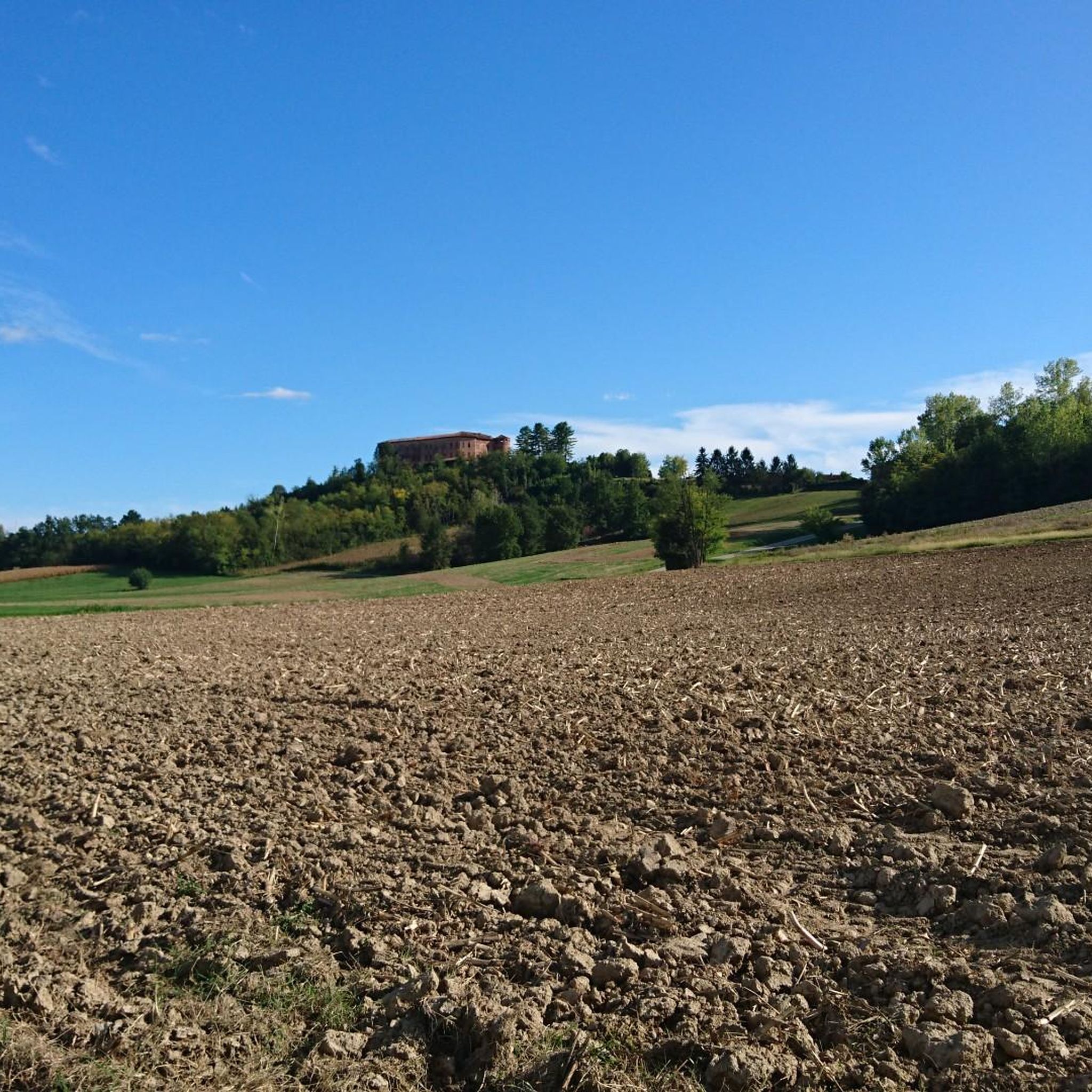
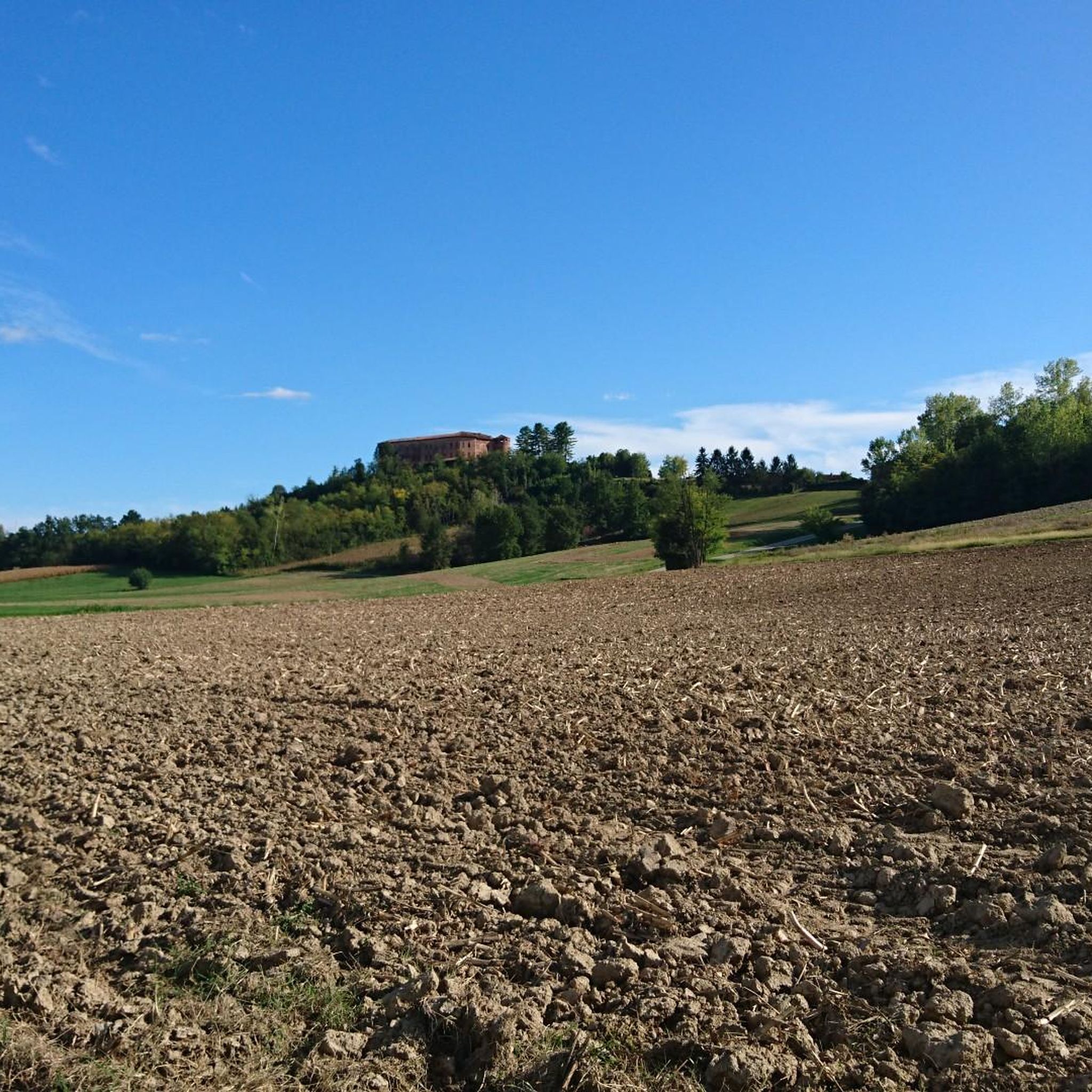
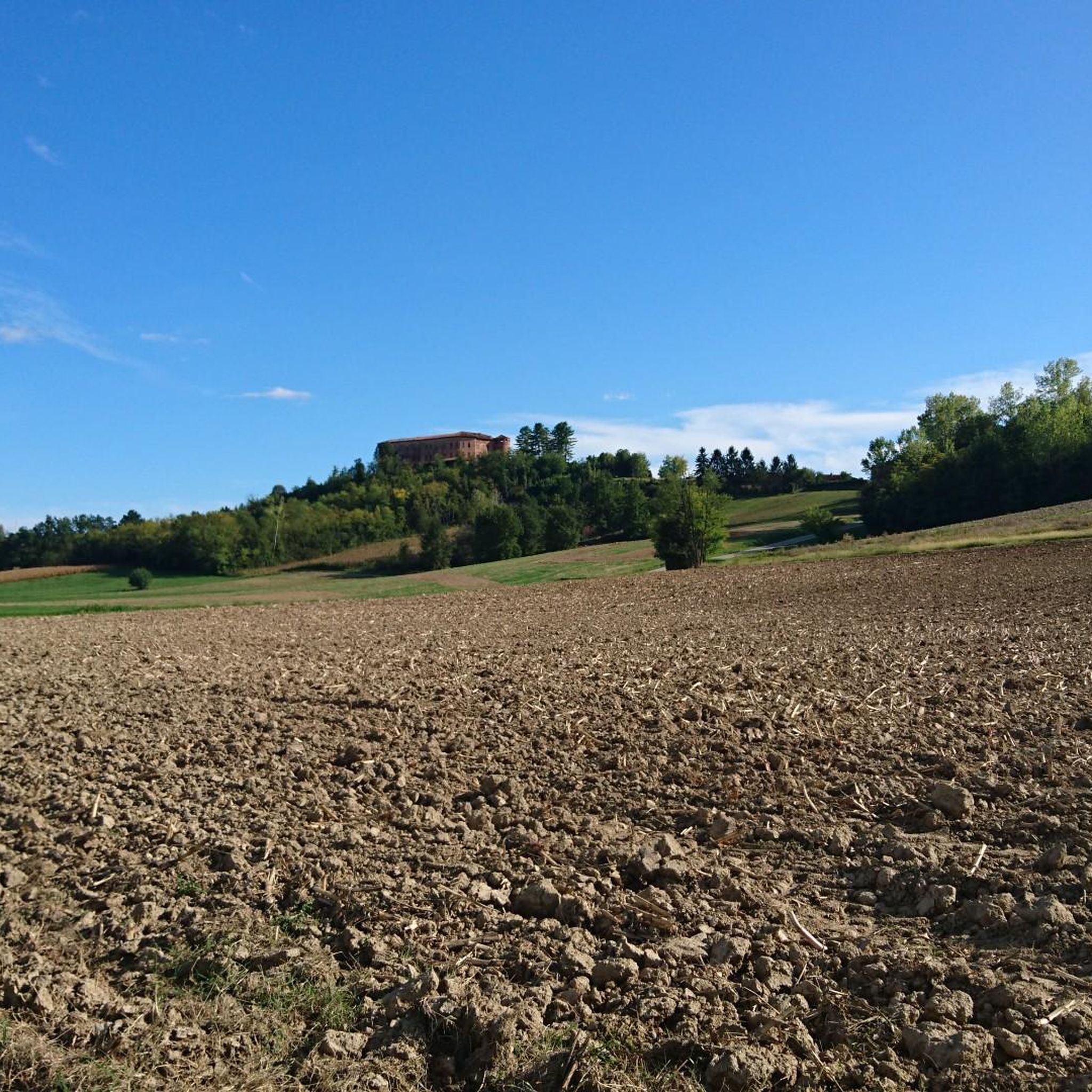
The Romanesque Church of San Secondo is located about one km away. from Cortazzone. Located on a green hill, it is worth a stop, I have passed it several times and I am always happy to stop, I found it open only once and visited the interior, the naves and capitals are of interest. Outside on the lawn there are benches and a fountain for water supply.
2
0

The Collegiate Church of San Secondo is one of the oldest Gothic churches in Asti. With the adjacent municipal seat and opposite the square of the same name, it forms the heart of the city. Dedicated to San Secondo, patron saint of the city, it was built according to tradition on the site of his martyrdom and burial. The exact time of its foundation is not known, the oldest document mentioning the church dates from August 1, 880. Don't forget to visit the Crypt: Interpretation: The pre-Romanesque layout of the church cannot be reconstructed in any way, except by the presence of the crypt; the oldest part dates from the 6th/7th century, consisting of four small columns surmounted by Corinthian imitation capitals with a double order of leaves. Two side walls and two wrought iron gates border the "cella confessionis", within which is located the sixteenth century reliquary, in silver, with the bones of the martyr from Asti.
2
1

Heart of ancient Asti, characterized by the medieval church of San Secondo next to the eighteenth-century town hall (the building is actually sixteenth-century, but the façade was rebuilt in the eighteenth century by the architect Benedetto Alfieri). In one corner there is the Palazzo del Podestà, the seat of civil power in the Middle Ages. A short distance away are Piazza Alfieri, Via Cavour with its towers and churches from different eras, and Corso Alfieri, the backbone of the ancient city.
5
0

Strada Mazzola in its (almost) final part before the outlet on the Valmanera road.
0
0
Image taken from the top of the first micro-tear that comes after the square. Viatosto is and will always remain a perfect place for those who love walking or cycling.
0
0
After the small square of the bar, take the road that goes up. There are actually two strappetti, one after the other in sequence but short and feasible, after which the road forks and if you keep to the right, you take strada Mazzola. Within 1.5 km you return to the foot of the small hill for Viatosto. Nice little street, very very quiet.
0
0
Frequently Asked Questions
What historical landmarks can I explore in Frinco and its surroundings?
Frinco is dominated by its formidable Frinco Castle, a complex defensive building with origins dating back to 1288. While parts are undergoing restoration, its history is significant. Nearby, in Asti, you can visit the ancient Collegiate Church of Saint Secondo, dating back to at least 880 AD, and the Cave Dwellings of Mombarone, unique 18th-century homes carved into the hills.
Are there any significant religious sites to visit near Frinco?
Yes, the area is rich in religious heritage. The Church of Saints Nazarius and Celsus is an important testimony to Romanesque architecture from the 12th century, known for its high bell tower. Other notable sites include the Viatosto Church, which combines Romanesque and Gothic elements, and the Romanesque San Secondo Church in Cortazzone. Further afield, the Cattedrale di Santa Maria Assunta e San Gottardo in Asti is the largest church in Piedmont.
Where can I find scenic views or natural spots around Frinco?
For scenic views, the churchyard of Viatosto Church offers a wonderful panorama of the city of Asti and the surrounding hills. The Church of Saints Nazarius and Celsus also provides spectacular views from its isolated hill. For a natural escape, the Oasi Urbana la Bula, an urban oasis spanning about 20 hectares within Asti, is a great spot for nature observation, especially for birdwatching.
What kind of outdoor activities are available near Frinco?
The area around Frinco is excellent for various outdoor activities. You can explore numerous routes for hiking, cycling, and gravel biking. Popular hiking routes include the 'Castell'Alfero - Frinco Trail' and the 'Tonco and Monferrato Hills Loop'. Cycling options range from moderate to difficult, with routes like the 'Bike loop from Callianetto' and the 'Cardona – Moncalvo loop'.
Are there family-friendly attractions in the Frinco area?
Yes, several attractions are suitable for families. The Viatosto Church and View of the Hills of Asti and the San Secondo Church, Cortazzone are both categorized as family-friendly, offering historical interest in pleasant settings. The Oasi Urbana la Bula also provides a peaceful natural environment for families to enjoy.
Can I find unique historical dwellings or cultural insights near Frinco?
Absolutely. The Cave Dwellings of Mombarone are a unique historical insight, featuring 18th-century cave houses, some partially restored and furnished. In Asti, the Museo Ebraico, housed within an 18th-century Synagogue, offers a deep dive into the history and culture of Asti's Jewish community since the 14th century.
What is the best time of year to visit Frinco and its attractions?
The Piedmont region, including Frinco, is generally pleasant to visit from spring to early autumn (April to October). Spring offers blooming landscapes, while summer provides warm weather for outdoor activities. Autumn is particularly beautiful with changing foliage and is also harvest season for local wines. Winters can be cold, but some attractions remain accessible.
What are some notable architectural sites in the Asti area, close to Frinco?
Beyond Frinco, the nearby city of Asti boasts impressive architecture. The Cattedrale di Santa Maria Assunta e San Gottardo, built in Romanesque-Lombard style, is the largest church in Piedmont. The Torre Rossa, an architectural symbol of Asti, dates back to the 1st century BC. Also, the Abbazia di Santa Maria di Vezzolano, built between the 13th and 14th centuries, features stunning Romanesque architecture.
What do visitors enjoy most about the attractions around Frinco?
Visitors frequently appreciate the historical significance and the serene beauty of the religious buildings. For instance, the Church of Saints Nazarius and Celsus is praised for its spectacular views and Romanesque architecture. The San Secondo Church in Cortazzone is valued for its peaceful setting on a green hill, with benches and a fountain available for visitors.
Are there any palaces or historic residences to visit in the vicinity?
Yes, in Asti, you can visit the Palazzo Gazelli di Rossana. This ancient 13th-century palace features original furnishings, typical decorations, and frescoes depicting city life. It also boasts a historic and botanically interesting garden, offering a glimpse into aristocratic life of the past.
Can I find places for cycling near Frinco?
The region around Frinco is well-suited for cycling. There are various cycling routes available, ranging from moderate to difficult. Examples include the 'Bike loop from Callianetto' and more challenging routes like the 'Cardona – Romanesque Church of Scandeluzza loop from Tonco', offering diverse terrain and scenic landscapes for cyclists.

Get inspired with the komoot mobile app


Explore more
Still not found the Highlight you’re looking for? See guides of the top attractions in other regions:
