The best cycling routes around Rocchetta Belbo
4.5
(232)
2,049
riders
113
rides
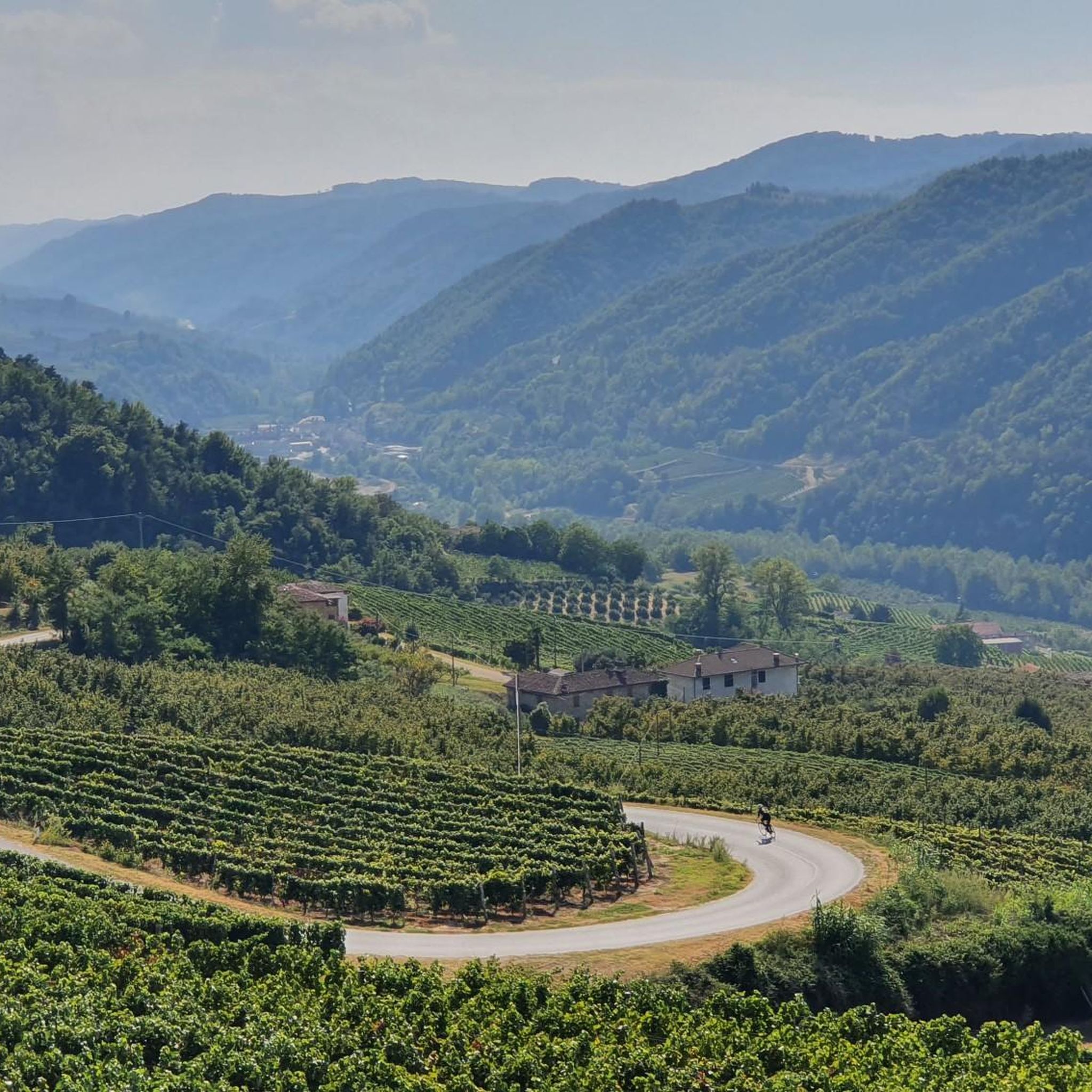
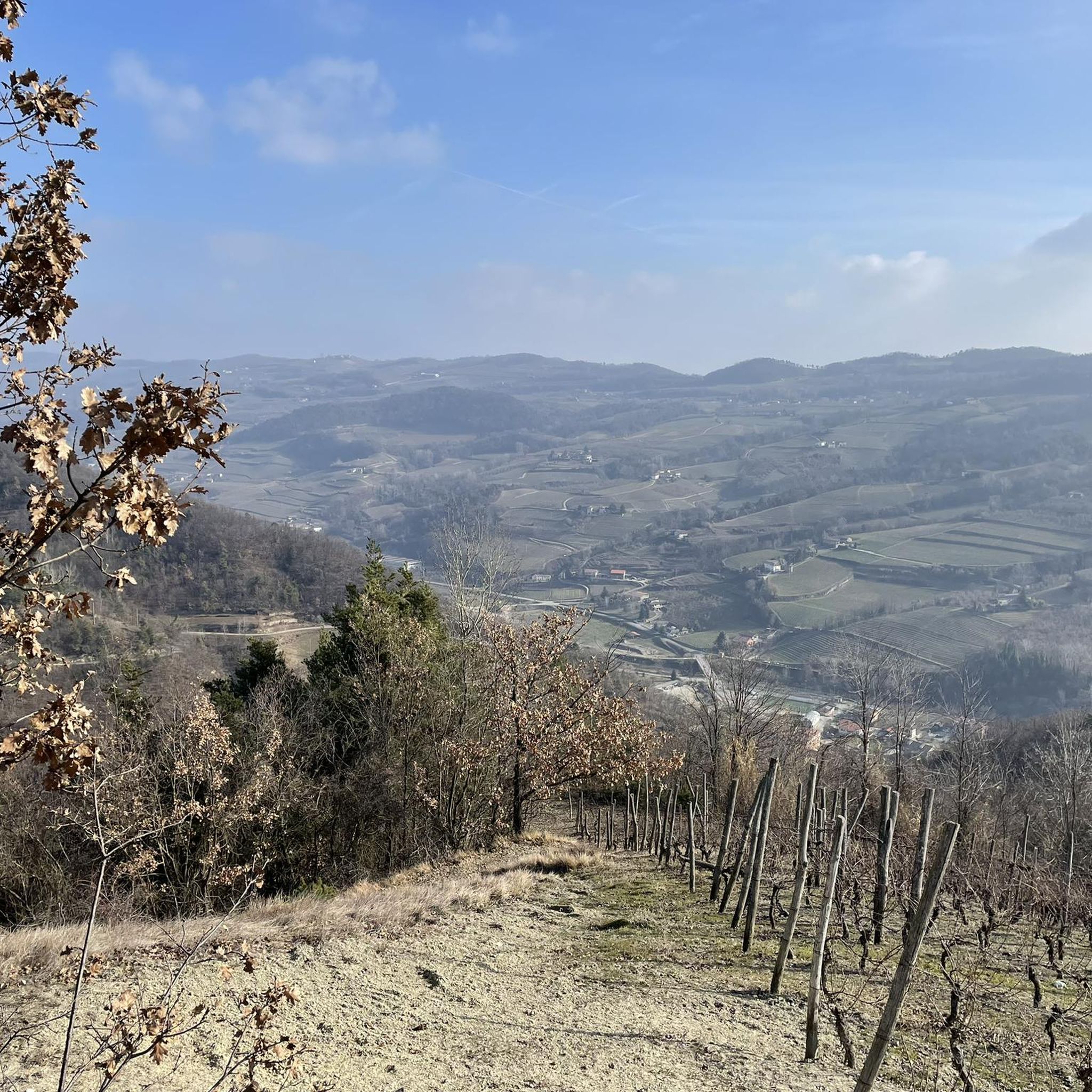
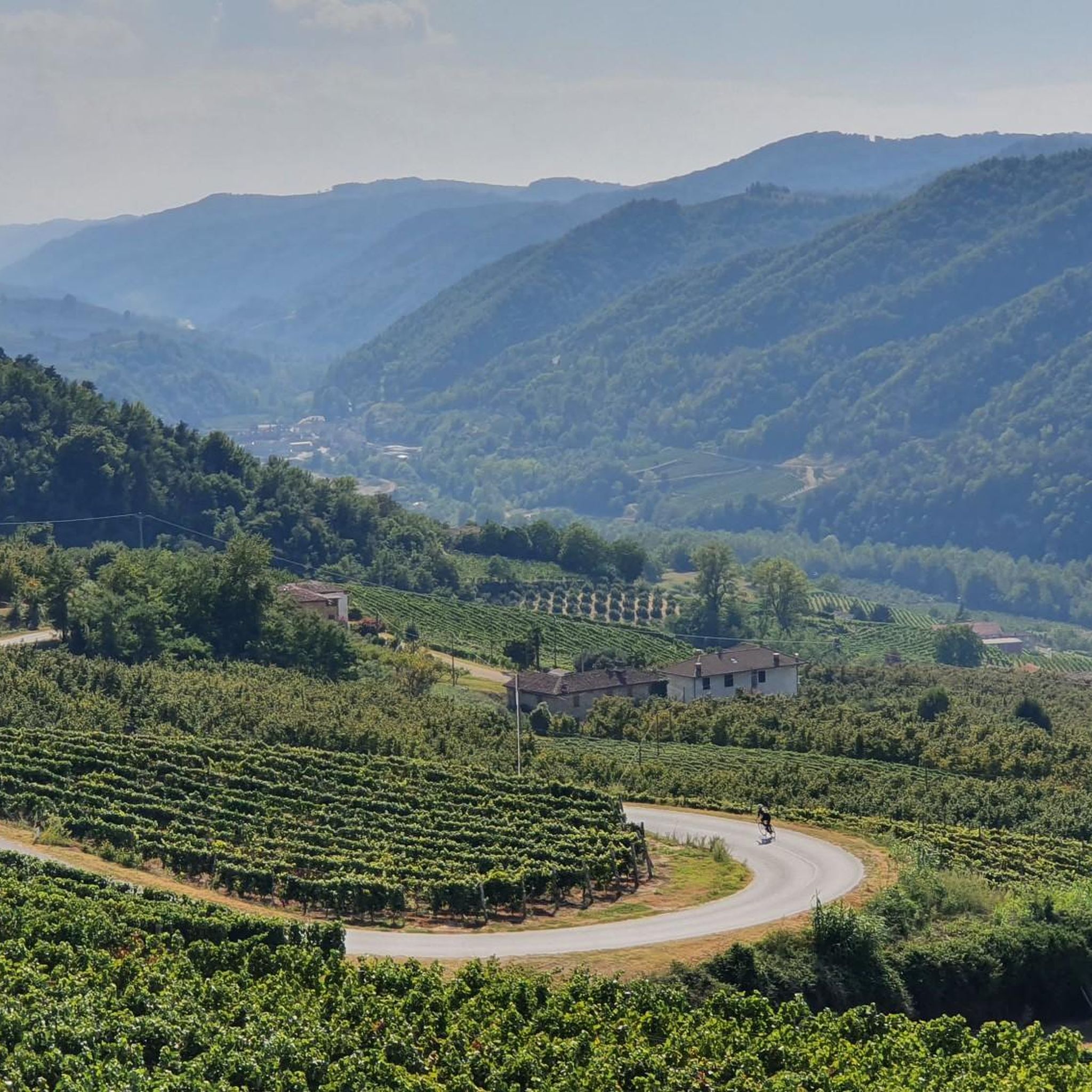
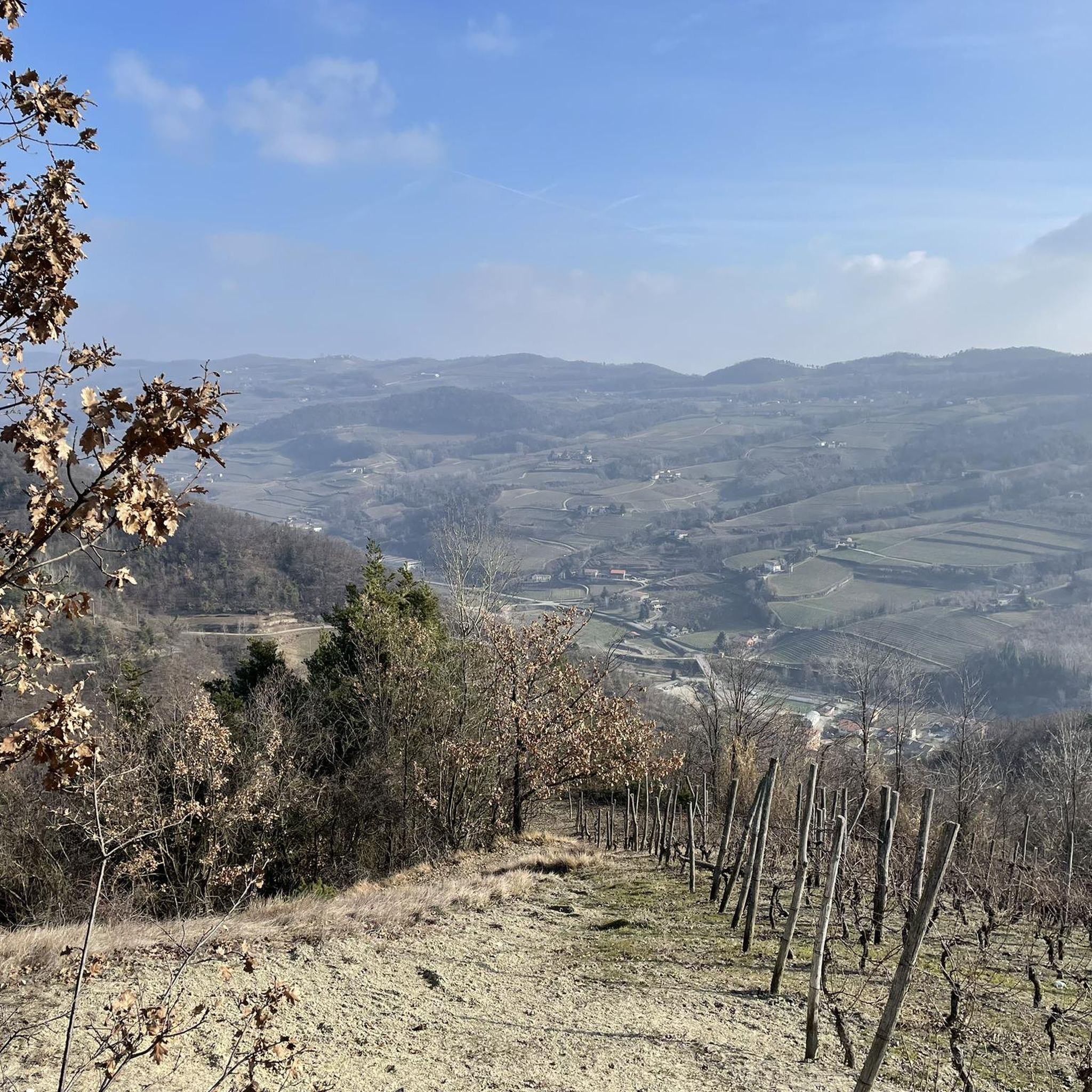
Touring cycling around Rocchetta Belbo is characterized by the rolling Moscato hills, adorned with extensive vineyards and hazelnut groves. The region features continuous ascents and descents, offering expansive views of the surrounding agricultural landscape and the winding Belbo valley. This area, part of the broader Langhe region, provides diverse terrain for active exploration.
Best touring cycling routes around Rocchetta Belbo
- The most popular touring cycling route is Mombarcaro – View of the Bormida Valley loop from Rocchetta Belbo, a…
Last updated: October 18, 2026
4.3
(3)
37
riders
72.9km
05:20
1,600m
1,600m
Hard bike ride. Very good fitness required. Mostly paved surfaces. Suitable for all skill levels.
5.0
(1)
11
riders
47.6km
03:30
1,070m
1,070m
Hard bike ride. Very good fitness required. Mostly paved surfaces. Suitable for all skill levels.

5.0
(2)
12
riders
34.8km
02:51
1,020m
1,020m
Hard bike ride. Very good fitness required. Mostly paved surfaces. Suitable for all skill levels.
5.0
(1)
12
riders
58.6km
04:26
1,460m
1,460m
Hard bike ride. Very good fitness required. Mostly paved surfaces. Suitable for all skill levels.
4.0
(1)
9
riders
25.8km
01:51
530m
530m
Hard bike ride. Very good fitness required. Mostly paved surfaces. Suitable for all skill levels.
Get access to more routes and recommendations from other explorers.
Already have an account?
Our route recommendations are based on thousands of hikes, rides, and runs completed by other people on komoot.
Start today with a free account
Your next adventure awaits.

Tips from the Community

Monastero Bormida is a charming Italian medieval village located in the province of Asti, in Piedmont, nestled in the picturesque landscapes of the Langa Astigiana. The village was founded around the year 1050, when a group of Benedictine monks was called by Marquis Aleramo to clear and repopulate the lands devastated by Saracen raids.
0
0
Roccaverano is a charming and authentic Italian municipality located in the province of Asti, in Piedmont. With an altitude of about 800 meters, it rises on the hill that divides the Bormida valleys and is the highest inhabited center in the entire Asti area. This picturesque medieval village is internationally famous for two main reasons: its rich historical heritage and the production of the renowned Robiola di Roccaverano DOP.
0
0

The “Strada del Noccioleto” in Bosia is a rural and scenic route located in the surroundings of Bosia, a small municipality in the Langhe region of the province of Cuneo. It is not a proper urban road with an official city name, but rather a local itinerary through hazelnut groves and agricultural hills, very typical of this area.
12
0
Fast descent with asphalt in good condition
11
0
Valle Bormida is a valley in northwestern Italy that extends between Piedmont and Liguria, following the course of the Bormida river to its confluence with the Tanaro.
13
0
The Valle Bormida is a valley in northwestern Italy that extends between Piedmont and Liguria, following the course of the Bormida river, a tributary of the Tanaro.
12
0
The vineyards between Bubbio (Brachetto area) and Sessame are among the most characteristic of the Alto Monferrato, right in the heart of the production of Brachetto d’Acqui DOCG.
14
0

The Castle of Monastero Bormida was not originally built as a defensive structure but as a Benedictine monastery, founded around 1050 by monks from the Abbey of Fruttuaria, called by the Aleramici Marquises to reclaim the lands devastated by Saracen raids. The 27-meter tower still visible today was originally the bell tower, and the river flowing a few meters from the southern tower confirms the non-military nature of the building. In 1393, the Benedictines abandoned the monastery, and its feudal history began: the fief passed to the Del Carretto marquises, who in the 15th century added the first defensive structures, transforming it into a castle. The building is a quadrangular structure with an internal courtyard, protected by towers on multiple sides and connected to the former bell tower by a small suspension bridge. On the south facade, there is a two-arched Renaissance loggia with a small stone column. Inside, the rooms on the main floor—transformed in the 17th century—feature mosaic floors and sail and cross vaults with frescoes of floral and geometric motifs. The castle later passed to the Della Rovere family and subsequently to the Genoese Polleri family, finally becoming the property of the Municipality starting in 1880. Today it is open to visitors and is part of the regional circuit "Castelli Aperti".
1
0
Frequently Asked Questions
How many touring cycling routes are available in Rocchetta Belbo?
There are over 100 touring cycling routes around Rocchetta Belbo, offering a wide range of options for exploring the region's diverse landscapes. Most of these routes are considered difficult, with a smaller selection of moderate and easy paths available.
What kind of terrain can I expect on touring cycling routes in Rocchetta Belbo?
The terrain around Rocchetta Belbo is characterized by the rolling Moscato hills, featuring continuous ascents and descents through extensive vineyards and hazelnut groves. Routes often incorporate both paved and unpaved surfaces, providing varied terrain for touring cyclists. You can expect expansive views of the agricultural landscape and the winding Belbo valley, and on clear days, even glimpses of the snow-capped Alps.
Are there any circular touring cycling routes in Rocchetta Belbo?
Yes, many touring cycling routes in Rocchetta Belbo are circular. For example, the Mombarcaro – View of the Bormida Valley loop from Rocchetta Belbo is a challenging 73.8 km route offering extensive views. Another option is the Bergolo – Cravanzana Village and Castle loop from Castino, which traverses charming villages and historical structures.
What are some notable landmarks or villages I can explore while cycling in Rocchetta Belbo?
While cycling, you can explore charming historical villages such as Mango, situated at 520 meters above sea level. The area also features the Parish Church of San Nicolao in Rocchetta Belbo itself. You might also encounter cultural points of interest like those along the 'Sentiero del Partigiano Johnny', a route tracing locations from Beppe Fenoglio's novels. For specific attractions, consider visiting Cortemilia or the Bubbio Village and Church of San Grato.
What is the best time of year for touring cycling in Rocchetta Belbo?
The Piedmont region, where Rocchetta Belbo is located, is ideal for 'slow-active cycling' for much of the year. Spring and autumn generally offer pleasant temperatures and stunning scenery as the vineyards change colors. Summer can be warm, but the rolling hills provide varied conditions. Winter touring cycling is possible, but weather conditions should be checked for potential cold or snow, especially at higher elevations.
Are there any family-friendly touring cycling routes in Rocchetta Belbo?
While many routes in Rocchetta Belbo are rated as difficult due to the hilly terrain, there are a few easier options available. It's recommended to check the specific route details on komoot for elevation gain and distance to ensure it matches your family's fitness level. The region's focus on rolling hills means even 'easy' routes may have some ascents.
What do other touring cyclists enjoy most about cycling in Rocchetta Belbo?
The touring cycling routes around Rocchetta Belbo are highly rated by the komoot community, with an average score of 4.5 stars from over 160 reviews. Cyclists often praise the extensive views of the Bormida Valley and the Alpine Arc, the charming villages, and the unique experience of cycling through the region's famous vineyards and hazelnut groves.
Can I combine touring cycling with other activities, like wine tasting or exploring local cuisine?
Absolutely! The Rocchetta Belbo area is part of the renowned Langhe region, famous for its Moscato wine and hazelnuts. Cycling itineraries often include opportunities to taste local specialties and wines, making it a sensory experience that combines active exploration with gastronomic delights.
Are there any specific challenges for touring cyclists in this region?
The primary challenge for touring cyclists in Rocchetta Belbo is the continuous ascents and descents characteristic of the Moscato hills. Many routes are rated as difficult, requiring good fitness. For example, the Church of Langa – Piazzetta di Castino loop from Rocchetta Belbo, though shorter at 22.9 km, still involves significant elevation gain.
Where can I find information about parking or public transport access for cycling routes?
While specific parking details for individual routes are best checked on the komoot tour pages, Rocchetta Belbo is generally accessible by car. For public transport, regional bus services connect some villages, but direct access to trailheads might be limited. Planning your starting point in a village with amenities is often a good strategy.
Are there any specific viewpoints or scenic spots along the touring routes?
Many routes offer expansive views. The Barbaresco Tower – View of the Alpine Arc loop from Rocchetta Belbo is specifically highlighted for its views of the Alpine Arc. The rolling hills themselves provide numerous scenic vistas over the vineyards, hazelnut groves, and the Belbo valley.
What is the typical duration for a touring cycling route in Rocchetta Belbo?
Route durations vary significantly based on distance and difficulty. For instance, the Chiesa di San Rocco – Historic Center of Mango loop from San Donato is about 30.9 km and typically takes around 2 hours 14 minutes. Longer, more challenging routes like the Mombarcaro – View of the Bormida Valley loop from Rocchetta Belbo can take over 5 hours to complete.
Most popular routes around Rocchetta Belbo
Most popular attractions around Rocchetta Belbo

Get inspired with the komoot mobile app


Explore more
Browse the best Cycling routes in other regions.
