Attractions and Places To See around Cessole - Top 20
Attractions and places to see around Cessole, a comune in Italy's Province of Asti, offer a blend of historical sites and natural landscapes within the Piedmont region. The area provides insights into local heritage and access to the surrounding countryside. Visitors can explore medieval towns, historical buildings, and scenic routes. This Cessole tourism guide highlights key points of interest for those exploring the region.
Best attractions and places to see around Cessole
- The most popular attractions is Monastero Bormida,…
Last updated: October 9, 2026
Monastero Bormida
Highlight • Settlement
Translated by Google •
Tip by

Cortemilia
Highlight • Settlement
Translated by Google •
Tip by

Sign up now to discover places like this
Get recommendations on the best single tracks, peaks, & plenty of other exciting outdoor places.
Roccaverano
Highlight • Settlement
Translated by Google •
Tip by
Chapel of St. Mary the Virgin
Highlight • Religious Site
Translated by Google •
Tip by
Romanesque Bridge at Monastero Bormida
Highlight • Bridge
Translated by Google •
Tip by
Sign up for free to discover even more attractions around Cessole.
Already have an account?
Start today with a free account
Your next adventure awaits.
Tips from the Community

Monastero Bormida is a charming Italian medieval village located in the province of Asti, in Piedmont, nestled in the picturesque landscapes of the Langa Astigiana. The village was founded around the year 1050, when a group of Benedictine monks was called by Marquis Aleramo to clear and repopulate the lands devastated by Saracen raids.
0
0
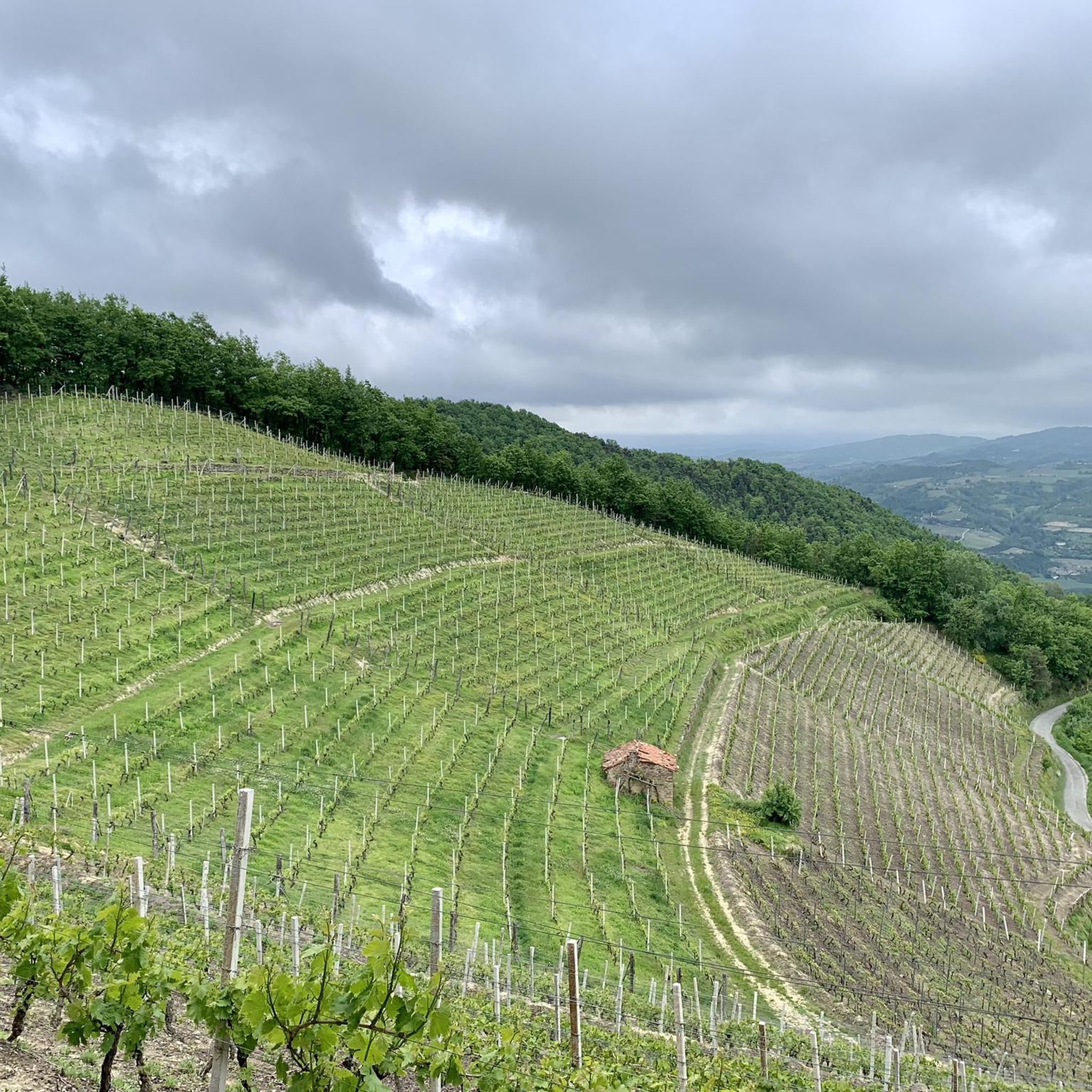
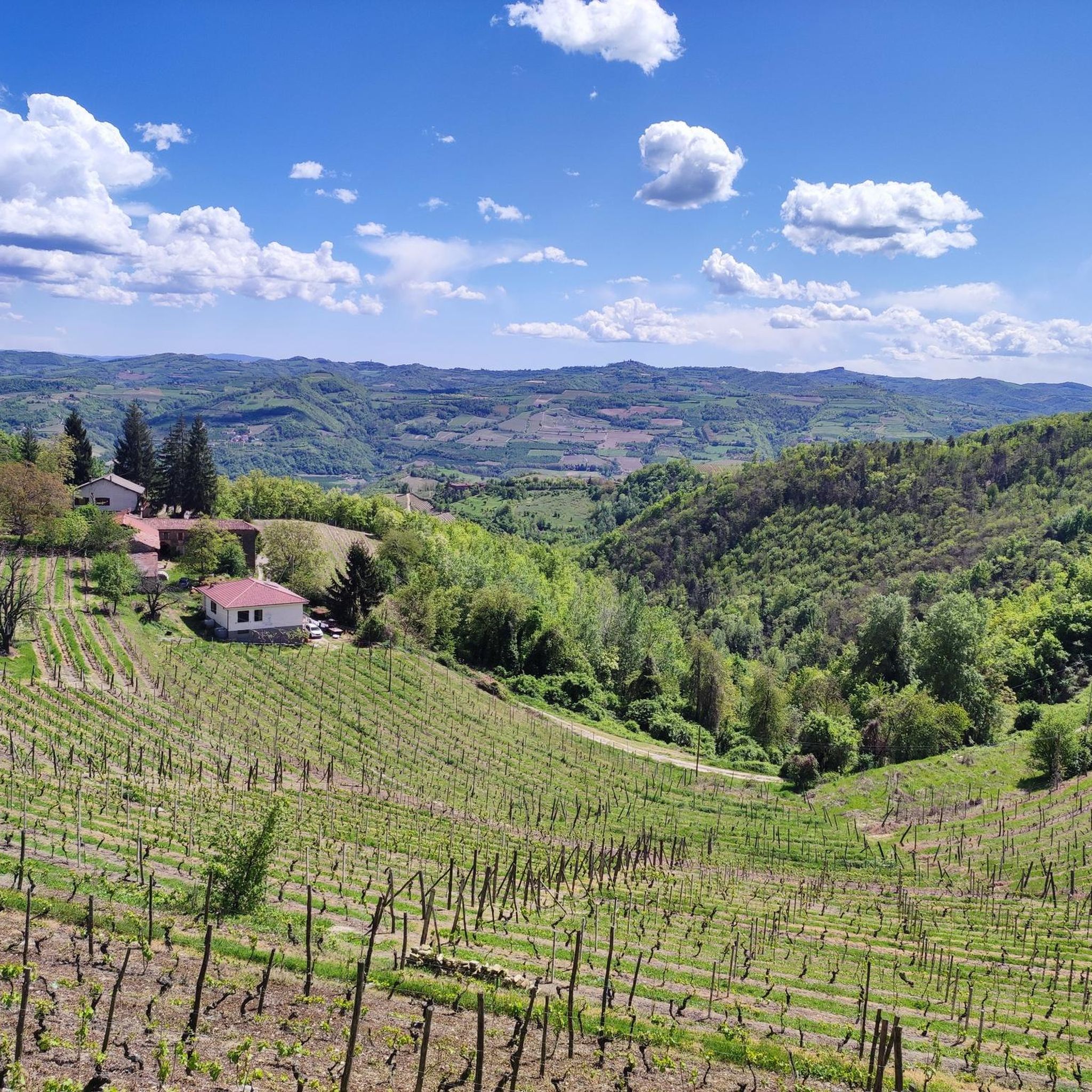
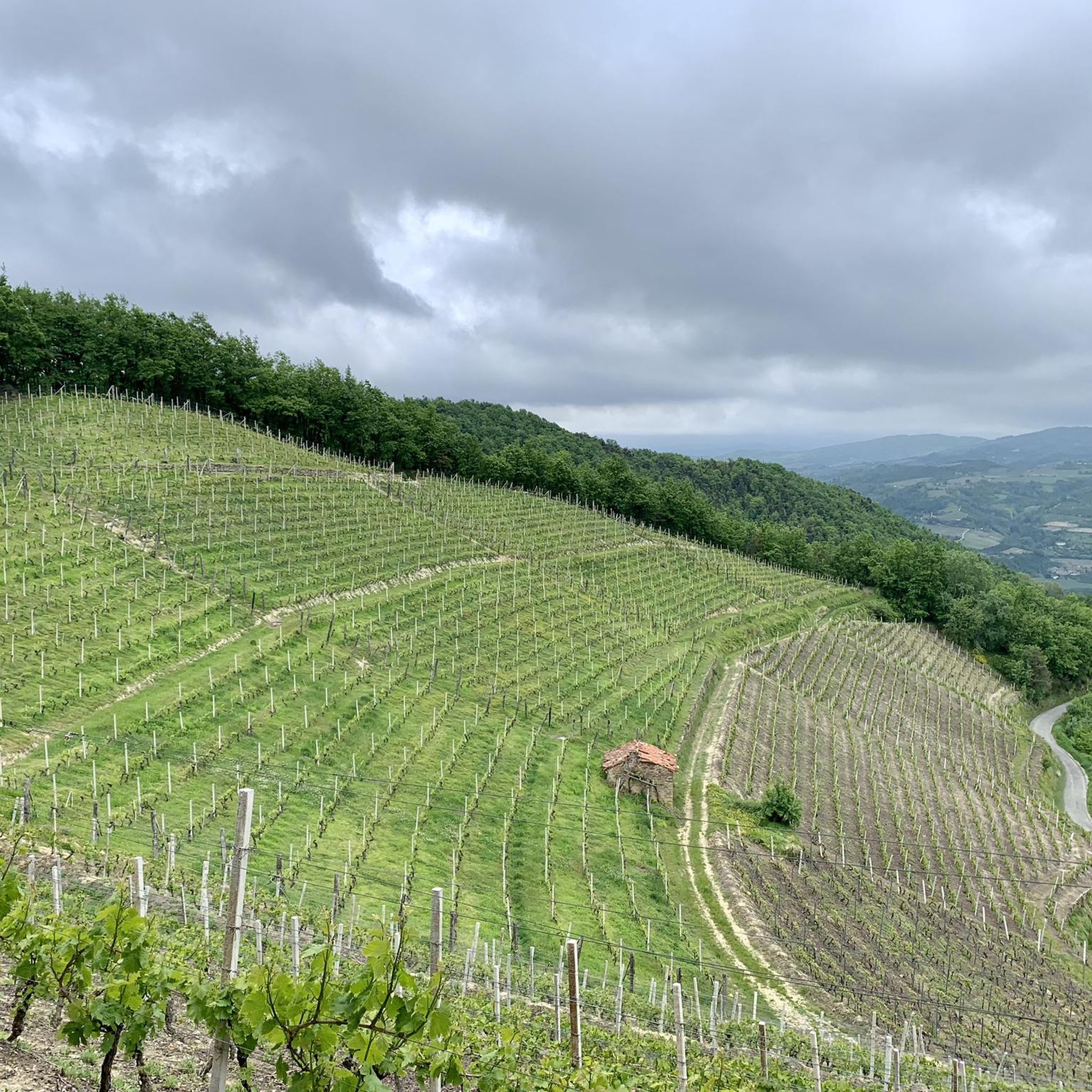
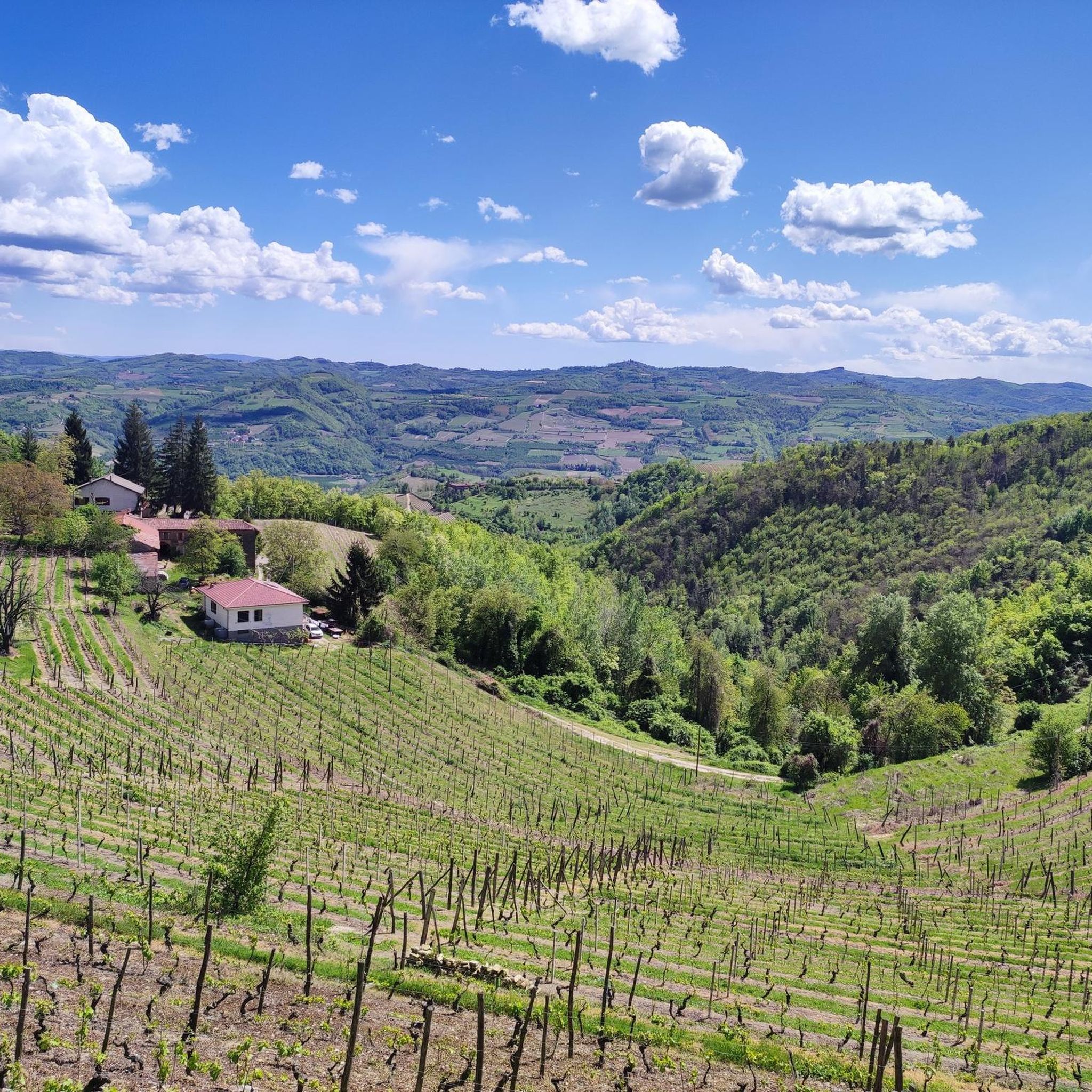
Roccaverano is a charming and authentic Italian municipality located in the province of Asti, in Piedmont. At about 800 meters above sea level, it stands on the hill that divides the Bormida valleys and is the highest inhabited center in the entire Asti region. This picturesque medieval village is internationally famous for two main reasons: its rich historical heritage and the production of the renowned Robiola di Roccaverano DOP
0
0

The Castle of Monastero Bormida was not originally built as a defensive structure but as a Benedictine monastery, founded around 1050 by monks from the Abbey of Fruttuaria, called by the Aleramici Marquises to reclaim the lands devastated by Saracen raids. The 27-meter tower still visible today was originally the bell tower, and the river flowing a few meters from the southern tower confirms the non-military nature of the building. In 1393, the Benedictines abandoned the monastery, and its feudal history began: the fief passed to the Del Carretto marquises, who in the 15th century added the first defensive structures, transforming it into a castle. The building is a quadrangular structure with an internal courtyard, protected by towers on multiple sides and connected to the former bell tower by a small suspension bridge. On the south facade, there is a two-arched Renaissance loggia with a small stone column. Inside, the rooms on the main floor—transformed in the 17th century—feature mosaic floors and sail and cross vaults with frescoes of floral and geometric motifs. The castle later passed to the Della Rovere family and subsequently to the Genoese Polleri family, finally becoming the property of the Municipality starting in 1880. Today it is open to visitors and is part of the regional circuit "Castelli Aperti".
1
0

The ROMANESQUE BRIDGE dates back to the 14th century. Through the characteristic Vicolo del Droc—where one of the city gates once stood and where the entrance to an ancient oven can still be seen—you reach the Romanesque bridge over the Bormida River, still in use. It represents one of the most interesting works of medieval civil engineering in the valley, and its counterpart, in Spigno, is the similar bridge at the Abbey of San Quintino. Both were built by Benedictine monks. It is a massive humpbacked structure with four spans. The Monastero bridge was the only one passable year-round from the lower valley: Acqui did not have one.
17
0

Beautiful old arched bridge.
4
1

Roccaverano is one of the highest elevations in the area, from the town you can enjoy a 360° panorama of both the surrounding hills and the mountains of the Alpine arc (guaranteed view, in good weather, from Monte Rosa to the Maritime Alps!) The road that goes up from Vesime is quite regular, with gradients that almost never exceed 9%, furthermore I found it pleasantly free of traffic (I went up on a Saturday) The central square is very beautiful, dominated by the remains of the castle and the eighteenth-century church, the bar/restaurant is also strategic, perfect for a beer or a snack. An ideal place for a stop, before taking the road back.
1
0

"Castle" of Monastero Bormida Place of tourist, historical, architectural and cultural interest Piazza Castello, 1, 14058 Monastero Bormida AT http://www.comune.monasterobormida.at.it/ 014488450
4
0
Very well cared for church.
23
0
Frequently Asked Questions
What historical and cultural sites can I explore near Cessole?
The region around Cessole is rich in history. You can visit Monastero Bormida, a settlement founded by Benedictine monks, featuring a castle on the site of the original monastery. Another significant historical site is Cortemilia, known for its pre-Roman origins and visible portions of its medieval fortress walls. Don't miss Bubbio Village, a fortified area with old houses, a castle, and the octagonal Church of San Grato. The area also boasts other charming medieval towns like Vesime, Loazzolo, and Roccaverano.
Are there any notable religious buildings or viewpoints near Cessole?
Yes, the Chapel of St. Mary the Virgin is a beautiful religious building situated in the open countryside, offering panoramic views over the Moscato hills, extending towards Monviso. In Bubbio Village, the octagonal Church of San Grato is also a point of interest.
What kind of cycling opportunities are available around Cessole?
Cessole is a great base for cyclists. For a challenging experience, you can tackle The Champions' Climb "Marco Pantani", a 6.8-kilometer route with gradients up to 14%. The area also offers various road cycling and touring bicycle routes. You can find more detailed routes and guides for road cycling and general cycling around Cessole.
Are there mountain biking trails near Cessole?
Absolutely! For mountain biking enthusiasts, there are several trails available. You can explore routes like the 'Cancello dell'Acqua Trail – Pedalanghe Climb loop' or trails around Bike Park Il Falchetto. For a comprehensive list of options, check out the MTB Trails around Cessole guide.
What natural features or parks can I visit in the Cessole area?
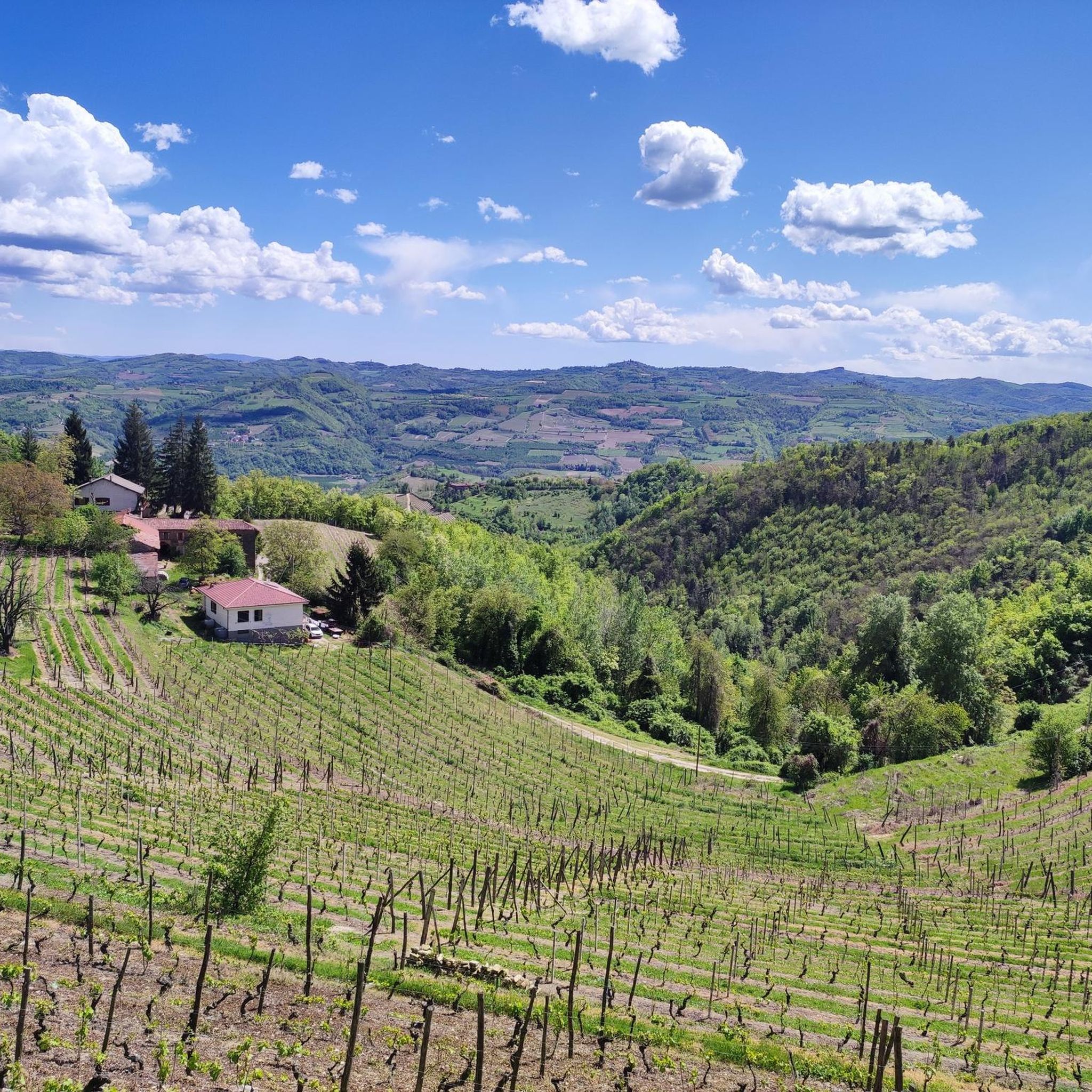
Cessole is nestled in the picturesque Piedmont wine region, famous for its vineyards and wines like Barolo and Moscato. While exploring, you'll encounter rolling hills and scenic landscapes. For a leisurely outdoor experience, Cascina San Martino Park offers walking paths, a small pond, and a three-hole practice golf course.
Are there family-friendly attractions around Cessole?
Many of the historical settlements and religious sites around Cessole are suitable for families. Monastero Bormida, Cortemilia, and Bubbio Village are all considered family-friendly and offer interesting historical insights. The Chapel of St. Mary the Virgin also provides a pleasant outing with its panoramic views.
What is the best time of year to visit Cessole for outdoor activities?
The Piedmont region generally offers pleasant weather for outdoor activities from spring through autumn. Spring (April-May) brings blooming landscapes, while autumn (September-October) is ideal for wine tasting and enjoying the harvest season. Summers can be warm, perfect for cycling in the mornings or evenings. Always check local weather forecasts before your visit.
What is the Museo Bocchino and Cantine Contratto?
The Museo Bocchino is located within the cellars of the Contratto winery, known for its grappa production. It showcases historical materials used for distilling grappa, offering a fascinating look into the region's viticultural traditions. The cellars themselves are also an impressive sight.
What do visitors enjoy most about the attractions around Cessole?
Visitors particularly appreciate the blend of historical charm and natural beauty. The medieval bridge view of Monastero Bormida is often highlighted, as are the well-preserved historical elements of Cortemilia. The panoramic views from the Chapel of St. Mary the Virgin are also a favorite, offering stunning vistas over the Moscato hills.
Are there any hidden gems or less-known spots worth visiting near Cessole?
Beyond the main highlights, exploring the smaller medieval towns like Vesime, Loazzolo, and Roccaverano can reveal charming, less-crowded spots. The octagonal Church of San Grato in Bubbio Village, with its unique architecture and surrounding landscape, is also considered a local gem.
What kind of terrain and elevation can I expect when exploring around Cessole?
The Cessole area, being part of the Piedmont region, features a diverse landscape of rolling hills, vineyards, and valleys. You can expect varied terrain, from gentle slopes suitable for leisurely walks to more challenging climbs, such as The Champions' Climb "Marco Pantani", which has significant elevation gains and steep gradients.
Most popular attractions around Cessole

Get inspired with the komoot mobile app


Explore more
Still not found the Highlight you’re looking for? See guides of the top attractions in other regions:
