Attractions and Places To See around Mango - Top 20
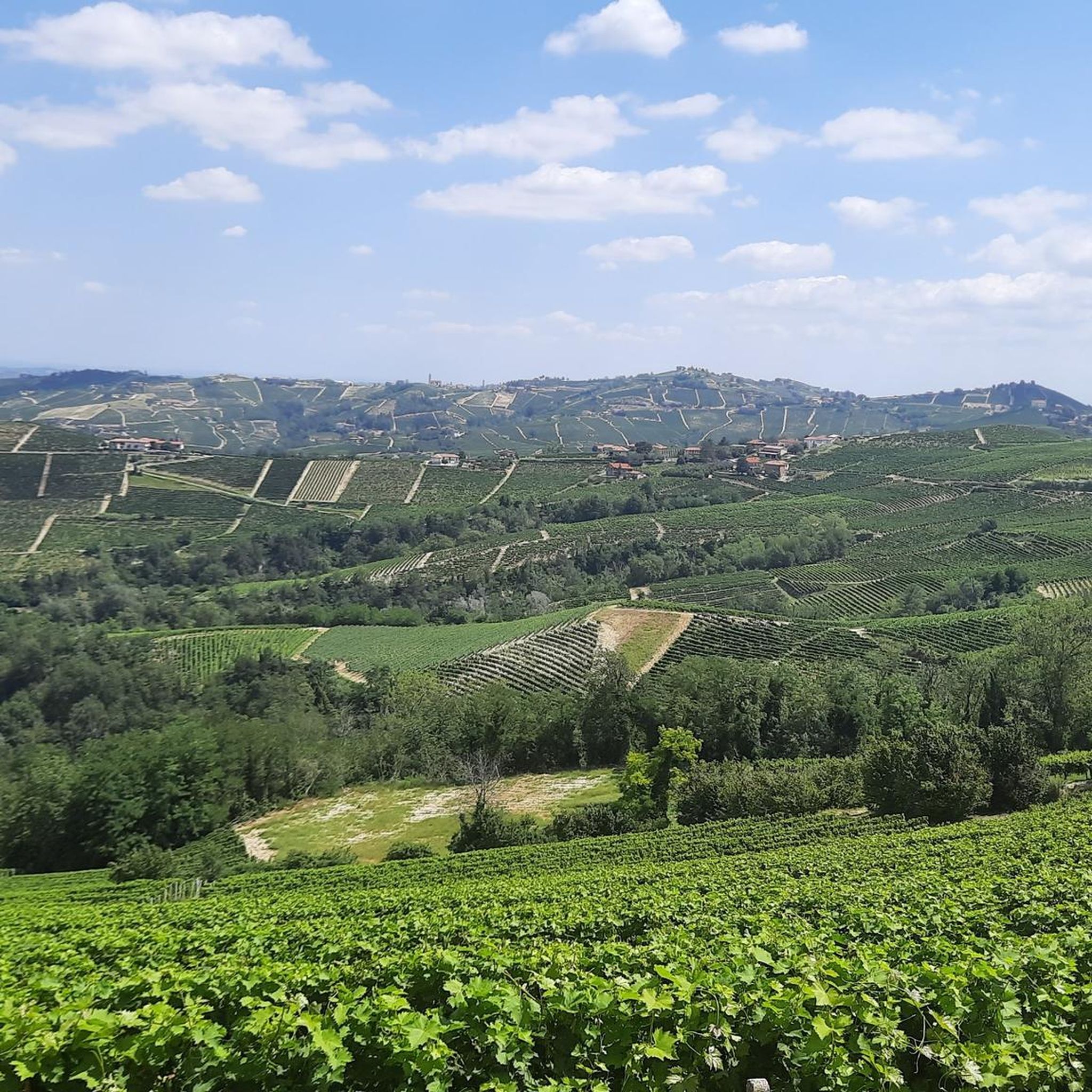
Attractions and places to see around Mango, located in the Langhe region of Piedmont, Italy, offer a blend of historical sites, cultural experiences, and scenic landscapes. This area, part of the UNESCO heritage since 2014, is renowned for its vineyards and wine production. Visitors can explore ancient towns, impressive castles, and enjoy panoramic views across the rolling hills of this Italian region.
Best attractions and places to see around Mango
- The most popular attractions is Historic Center of Alba,…
Last updated: August 16, 2026
Barbaresco Tower
Highlight • Monument
Translated by Google •
Tip by

Historic Center of Alba
Highlight • Historical Site
Translated by Google •
Tip by

Sign up now to discover places like this
Get recommendations on the best single tracks, peaks, & plenty of other exciting outdoor places.
Sign up for free
Costigliole d'Asti Castle
Highlight • Castle
Translated by Google •
Tip by

Cortemilia
Highlight • Settlement
Translated by Google •
Tip by

Bell Tower of the Duomo di San Lorenzo
Highlight • Monument
Translated by Google •
Tip by

Sign up for free to discover even more attractions around Mango.
Sign up for free
Already have an account?
Start today with a free account
Your next adventure awaits.
Login or Signup

Tips from the Community

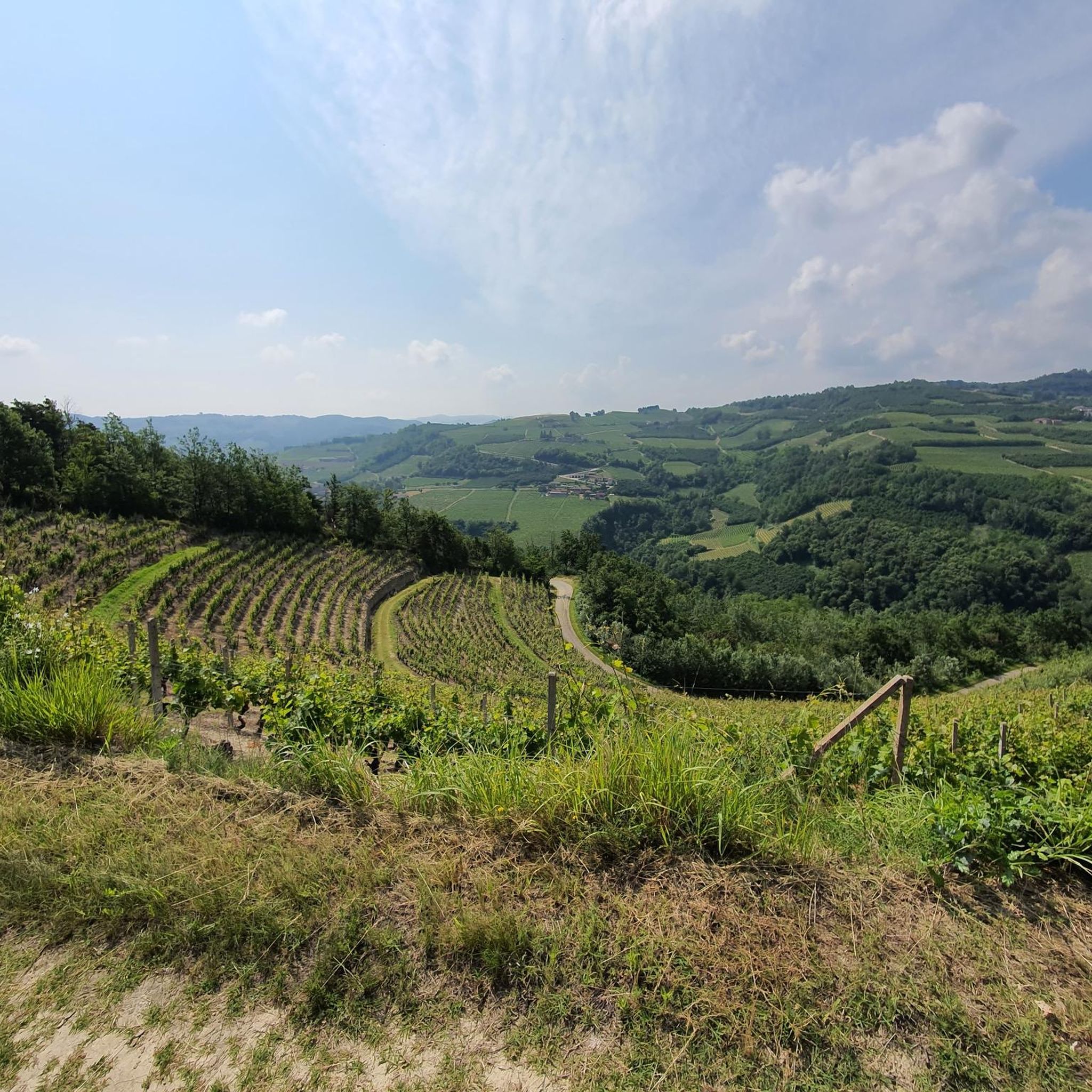
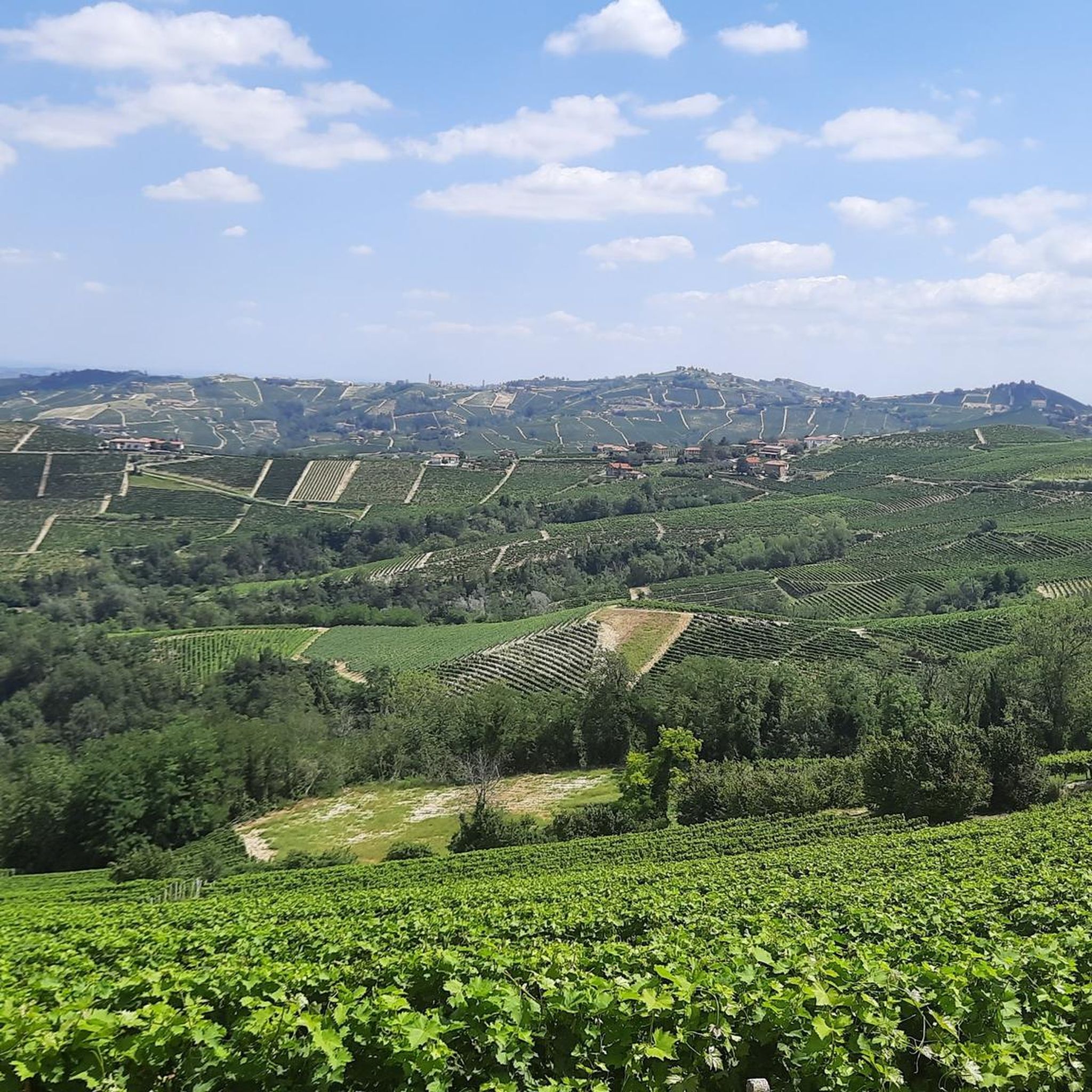
The small town of Barbaresco is famous for being the place of origin of the wine of the same name. The municipality is part of the Langhe, Roero and Monferrato area, which has been part of the UNESCO heritage since 2014.
3
0

The cathedral of San Lorenzo, commonly called the Cathedral of Alba, takes on the role of the main place of worship within the town of Alba, which also enjoys the nickname of "capital of the Langhe". On the occasion of a visit to the Piedmontese hills, recognized as a UNESCO heritage site, I highly recommend you contemplate the magnificence of this building. The streets and this square host important events, and a starred restaurant lends itself to delight your palate, offering an experience steeped in the historical and traditional essence of Piedmont. On the façade of the cathedral you will be able to spot the bas-reliefs of the symbols of the four evangelists that make up the initials of the city (angel, lion, ox, eagle).
4
0
The castle, configured in a single and imposing square volume, reveals evident architectural stylistic differences, originating from the layout choices undertaken in the 17th century by the legitimate owners. Starting from 1625, the Asinari nobles shared the rank of "counts of Costigliole" with the noble Verasis family. This complex was therefore divided between two feudal lords, who, with autonomous determination, gave rise to transformations and embellishments on subjective bases. The northern part of the manor, pertaining to the Asinari, retains the appearance derived from the interventions of the second half of the eighteenth century, duly inspired by the architectural canons propagated by Benedetto Alfieri. At the same time, the external aspect of the southern part, pertaining to the Verasis, constitutes an interesting example of neo-medieval stylistic re-proposition, dating back to the first decades of the 19th century.
5
0
The castle of Costigliole d'Asti, built in medieval times and subject to restoration over the centuries, is an important stage in the "Castelli Aperti" circuit of Lower Piedmont. In 1041, Arrigo III officially conferred possession on the Church of Asti. Subsequently, the castle passed under the authority of Bonifacio del Vasto. In 1198, it was Asti that took possession of the castle, establishing statutory regulations. Built on top of the Costigliole fortress, this mighty quadrangular castle, with a base of 60 meters on each side and a height of 25 meters, is one of the grandest in the Asti area.
8
0

Really very nice castle, Worth a visit
3
0

On the road that connects Neive to Barbaresco. Paradise
2
0

The cathedral overlooks one of the most important squares in Alba.
5
0

The cathedral is dedicated to San Lorenzo, a martyr from the 4th century AD. C., patron saint of the Diocese of Alba. Built on the site of an ancient public building of Roman origin, the church has undergone several processes of reconstruction and restoration over the centuries. Currently, San Lorenzo has a Latin cross plan and is characterized by a mix of styles ranging from Gothic Revival to Baroque, with interiors where you can admire evocative effects of dark and half-light. Source and more info at: https://langhe-net.translate.goog/sight/cattedrale-san-lorenzo-martire/?_x_tr_sl=it&_x_tr_tl=nl&_x_tr_hl=nl&_x_tr_pto=sc
5
0
Frequently Asked Questions
What kind of attractions can I find around Mango, Italy?
The area around Mango, located in the Langhe region of Piedmont, Italy, is rich in historical sites, impressive castles, and religious buildings. It's also renowned for its vineyards and offers numerous panoramic viewpoints across the rolling hills. You can explore ancient towns like Alba, visit the Costigliole d'Asti Castle, or experience the wine culture at the Barbaresco Tower.
Are there any family-friendly attractions near Mango?
Yes, several attractions around Mango are suitable for families. The Historic Center of Alba offers a vibrant atmosphere with its historical sites and events. The Barbaresco Tower provides an engaging experience with an elevator to a roof terrace and educational content on its mezzanine floors. Additionally, the Costigliole d'Asti Castle and the Church of St. John the Baptist (Diano d'Alba) are also considered family-friendly.
What historical sites should I visit in the Mango area?
The region boasts a rich history. A must-visit is the Historic Center of Alba, the capital of the Langhe, known for its ancient towers and the Cathedral of San Lorenzo. The Costigliole d'Asti Castle, with its medieval origins and imposing structure, is another significant historical landmark. You can also explore the Barbaresco Tower, located in a UNESCO heritage wine village.
Where can I find the best panoramic views around Mango?
For breathtaking panoramic views, head to the Barbaresco Tower. An elevator takes you 30 meters high to a spacious roof terrace, offering stunning vistas of the surrounding vineyards and the Langhe region. Another excellent spot is the Bell Tower of the Duomo di San Lorenzo in Alba, which you can climb for a 360-degree view over the city.
Are there opportunities for hiking near Mango?
Absolutely! The area around Mango offers various hiking opportunities through its scenic landscapes and vineyards. You can find routes ranging from easy to difficult. For example, an easy loop tour is 'La Madonna del Carmine di Caozzolo', while the 'Moscato Vineyard Trail to Coazzolo' offers a moderate challenge. For more options, explore the Hiking around Mango guide.
What kind of cycling routes are available around Mango?
Mango is an excellent base for cyclists, offering both mountain biking and road cycling routes. For road cycling, you can find moderate routes like 'Castagnole delle Lanze – Mango loop' or 'Mango – View of the Langhe Vineyards loop'. Mountain bikers can tackle challenging trails such as the 'Prince Trail – Discesa Romildo MTB Trail loop'. Detailed routes are available in the Road Cycling Routes around Mango and MTB Trails around Mango guides.
What is special about the <a href="https://www.komoot.com/highlight/196018" target="_blank" rel="noopener">Barbaresco Tower</a>?
The Barbaresco Tower is a unique attraction in the famous wine village of Barbaresco. It's an old siege tower that has been modernized with an elevator taking visitors 30 meters up to a spacious roof terrace, providing stunning views. The mezzanine floors are designed as an educational space, offering insights into the region's wine culture.
What is the <a href="https://www.komoot.com/highlight/131043" target="_blank" rel="noopener">Historic Center of Alba</a> known for?
The Historic Center of Alba is the vibrant capital of the Langhe region, often called the 'city with a hundred towers'. It's famous for hosting the annual Truffle Fair from October to December. Key landmarks include the magnificent Cathedral of San Lorenzo and the museum dedicated to writer Beppe Fenoglio. The city's streets and squares are central to many important events.
Can I visit a castle near Mango?
Yes, the impressive Costigliole d'Asti Castle is a prominent attraction nearby. This mighty quadrangular structure, with medieval origins and a base of 60 meters on each side, is one of the grandest in the Asti area. It has undergone various restorations and transformations over the centuries, reflecting different architectural styles.
What religious buildings are notable around Mango?
Beyond the Cathedral of San Lorenzo in Alba, the Church of St. John the Baptist (Diano d'Alba) is a significant religious site. First mentioned in 1325, it features a striking facade with round arches, a huge nave, and a neo-baroque bell tower, making it well worth a visit.
What do visitors enjoy most about the attractions around Mango?
Visitors particularly appreciate the blend of history, culture, and natural beauty. The stunning views from places like the Barbaresco Tower and the historical depth of sites like the Historic Center of Alba are frequently highlighted. The region's renowned wine culture and the opportunity to explore charming villages and vineyards also contribute to a highly satisfying experience.
Most popular attractions around Mango

Get inspired with the komoot mobile app


Explore more
Still not found the Highlight you’re looking for? See guides of the top attractions in other regions:
