Attractions and Places To See around Paùli/Monserrato - Top 20
Best attractions and places to see around Paùli/Monserrato include a blend of historical sites, cultural landmarks, and natural features. This town, also known as Monserrato, is situated in the metropolitan city of Cagliari, Sardinia. Its name, "Paùli," refers to marshland, reflecting the natural resources of the area. The region offers proximity to significant natural features like the Molentargius Lagoon and various historical and cultural sites.
Best attractions and places to see around Paùli/Monserrato
- The most popular attractions is Bastion of…
Last updated: July 6, 2026
Bastion of Saint Remy
Highlight • Monument
Translated by Google •
Tip by

Castello district, Cagliari
Highlight • Historical Site
Translated by Google •
Tip by

Sign up now to discover places like this
Get recommendations on the best single tracks, peaks, & plenty of other exciting outdoor places.
Sign up for free
Cathedral of Saint Mary of the Assumption and Saint Cecilia (Cagliari Cathedral)
Highlight • Religious Site
Translated by Google •
Tip by

Molentargius–Saline Regional Natural Park
Highlight • Natural
Translated by Google •
Tip by

Poetto Beach
Highlight • Beach
Translated by Google •
Tip by

Sign up for free to discover even more attractions around Paùli/Monserrato.
Sign up for free
Already have an account?
Start today with a free account
Your next adventure awaits.
Login or Signup
Tips from the Community

Cagliari's landmark is the imposing Cathedral of Santa Maria. It was built in the 13th century but has undergone numerous structural alterations over the years. It incorporates Romantic and Baroque styles, as well as the Pisan style. The current façade recalls the cathedral's original Romantic appearance, but the Baroque style still dominates the interior. A tour of the church reveals magnificent, detailed paintings on the ceiling, imposing sculptures, and a marble pulpit that once stood in Pisa Cathedral. In the crypt, you can marvel at around 300 burial chambers.
3
0

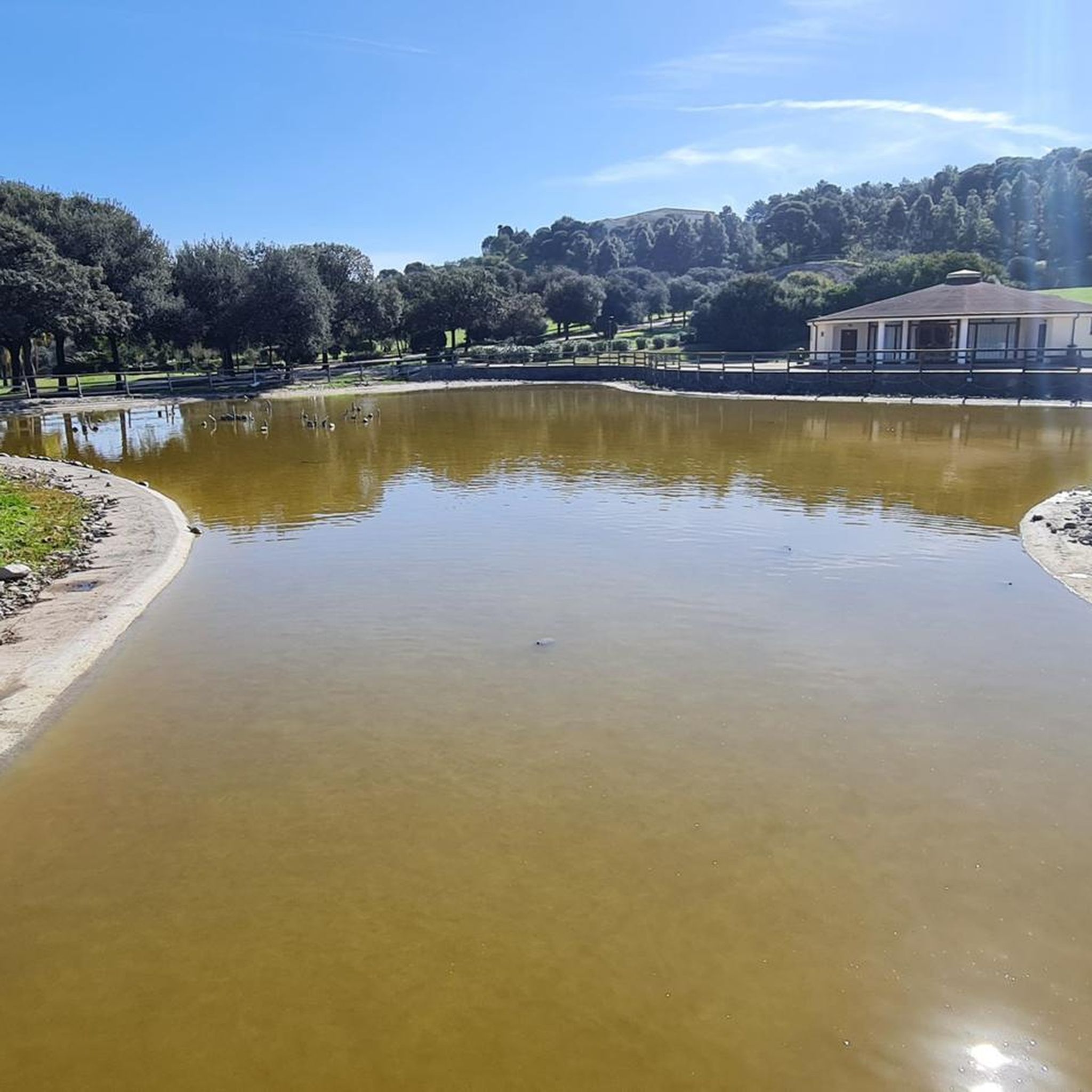
This place is a good example of how conservation can be overdone. Driving along the dam allows you to get closer to the flamingos than walking or cycling through the so-called park. I was disappointed. It's better to go to the zoo to see the flamingos.
0
0

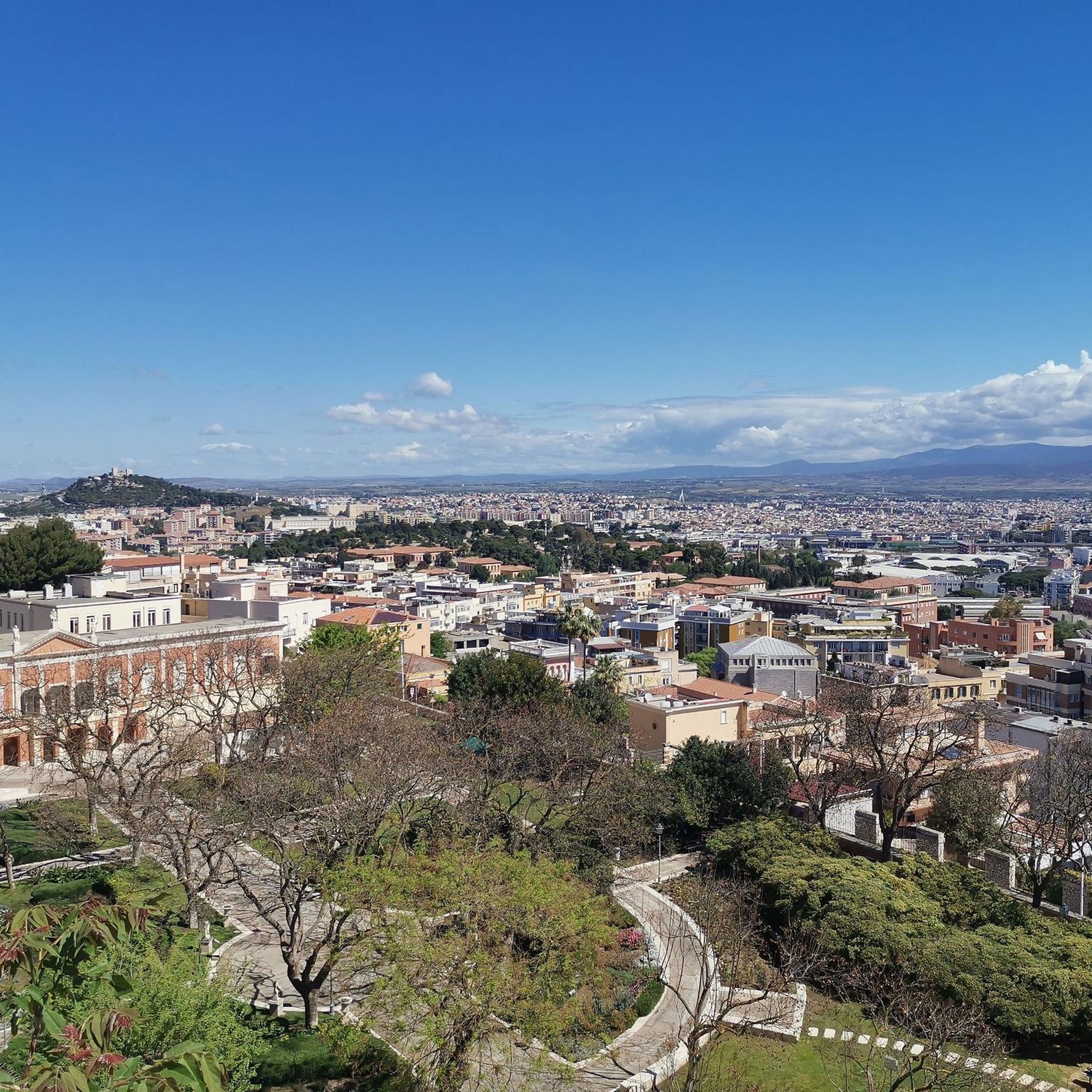
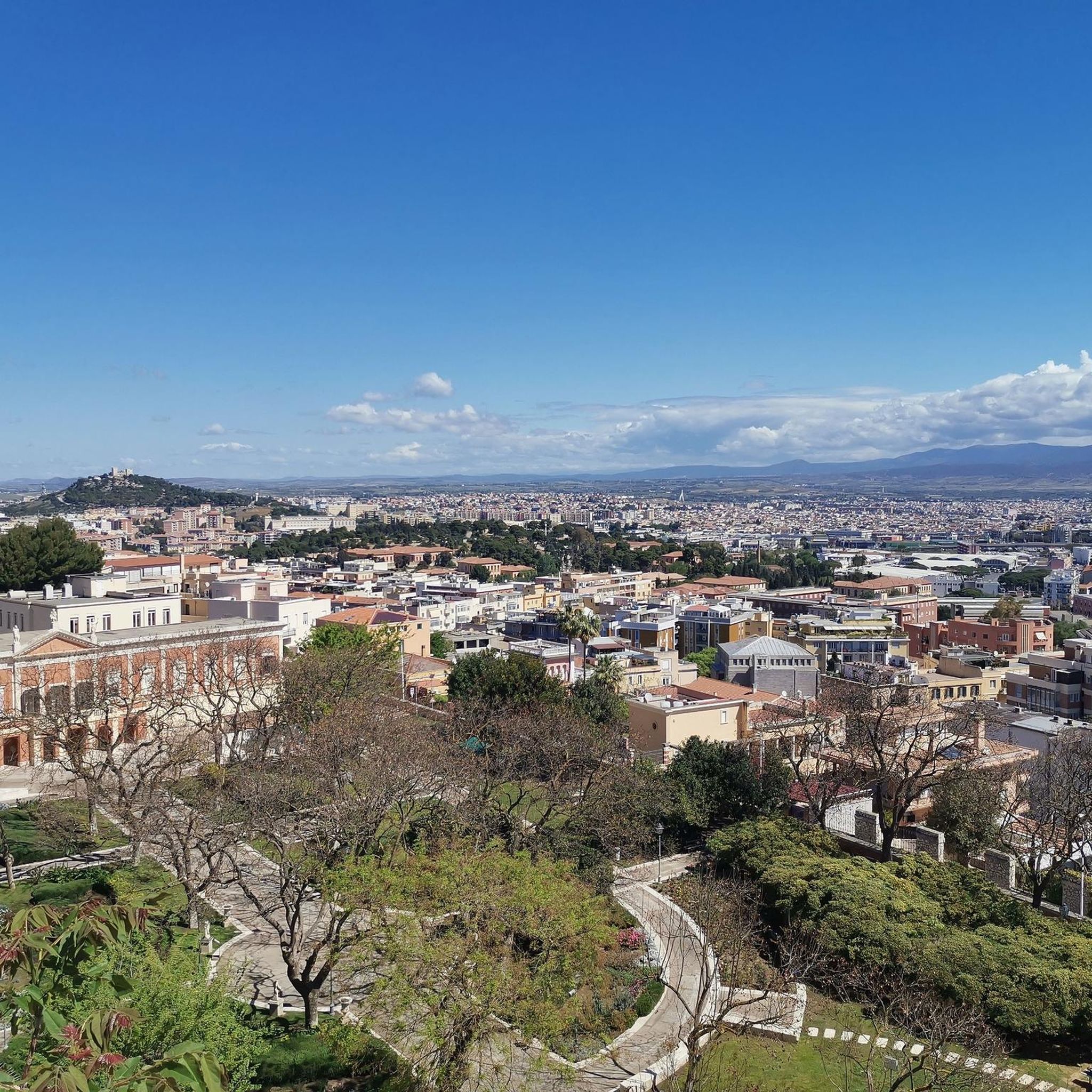
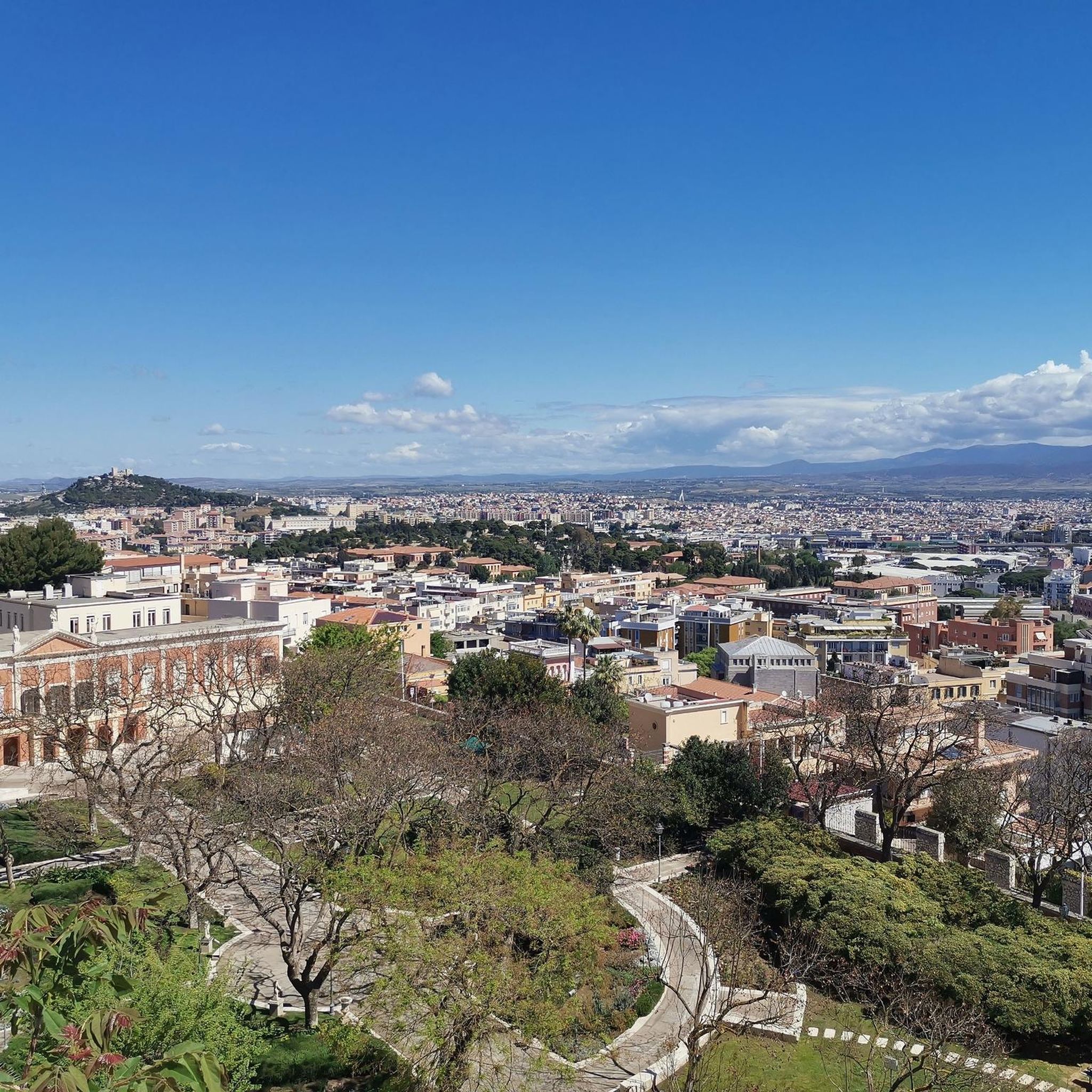
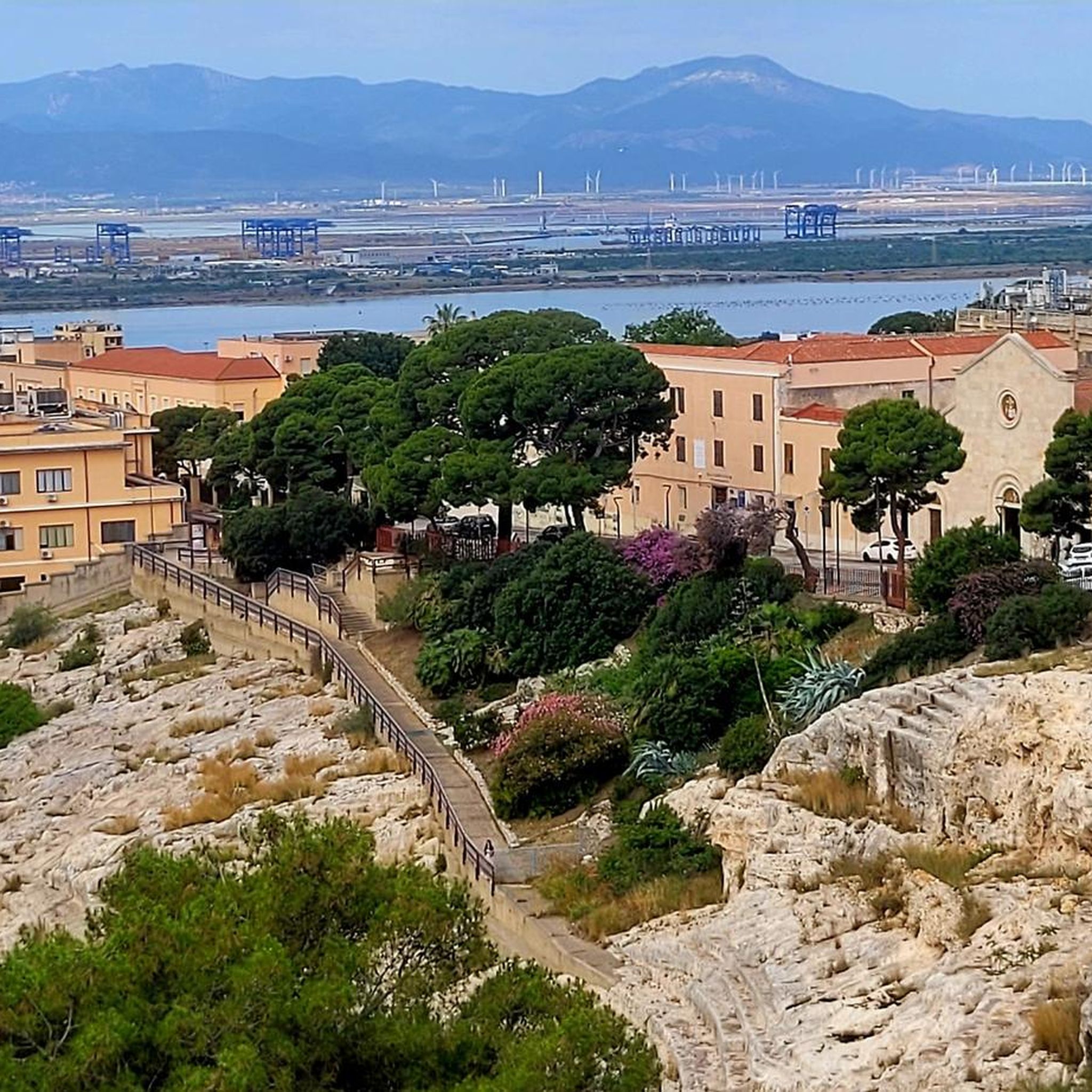
Called Krly by the Phoenicians, Cagliari has a very ancient history, chapters of which can still be discovered in the streets of the old city. About 120 years ago the places of city power were moved from the old Castello district to the more modern area near the port, but the historical part of the city is still of great charm.
2
1

Historic center of Cagliari
3
1
Nice place reachable by bike
0
0
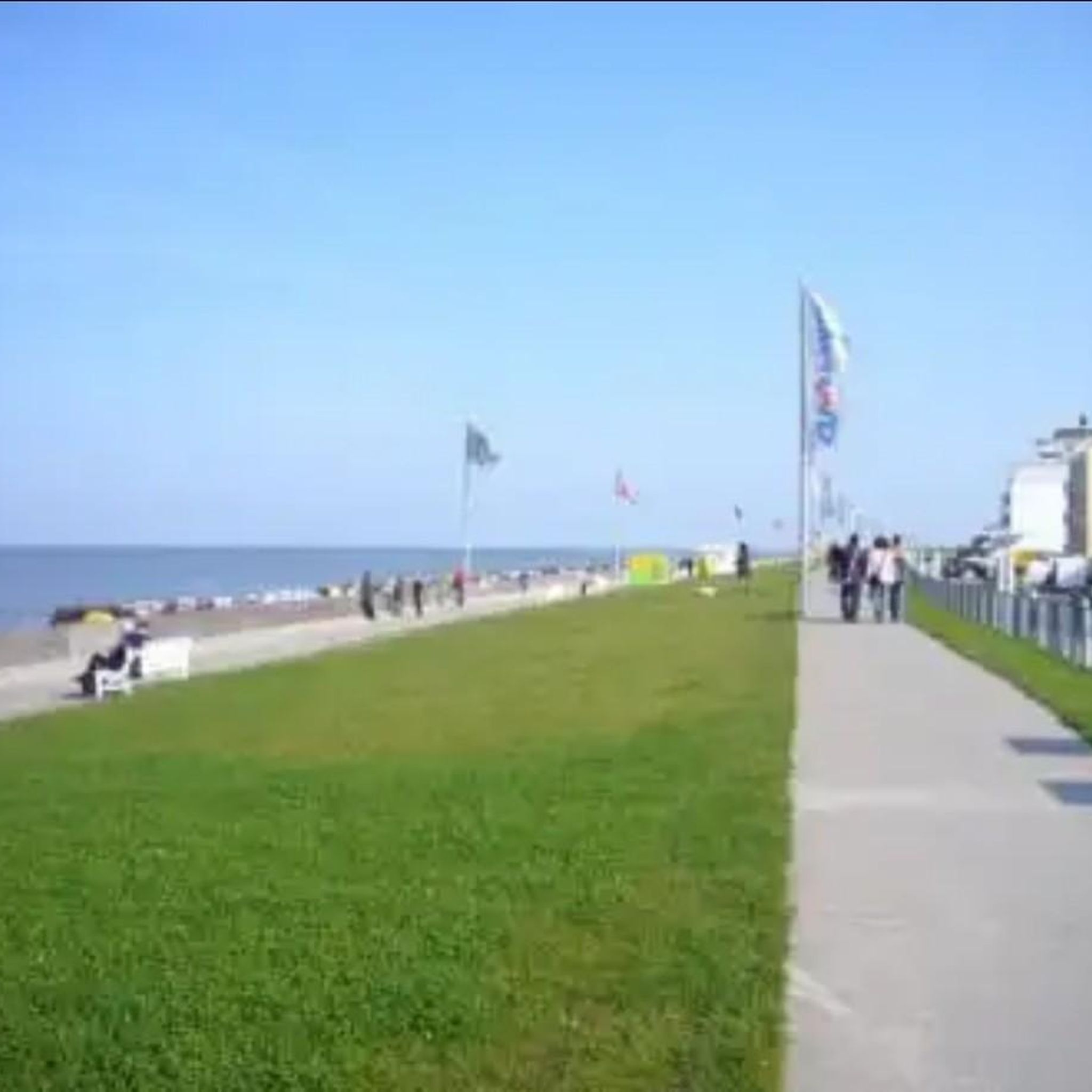
Beautiful cycle path next to the sea
0
0

The Bastione di Saint Remy is one of Cagliari's most iconic landmarks. Constructed between 1896 and 1902, it was built on the ancient defensive walls of the city and named after the first Piedmontese Viceroy, Baron of Saint Remy. The structure boasts a magnificent neoclassical design, featuring white and yellow limestone columns with Corinthian capitals, and it includes a monumental double-ramped staircase leading up to the Umberto I Terrace. The terrace offers stunning panoramic views of the city and the surrounding sea, making it a popular spot for both tourists and locals. The underlying gallery, known as Passeggiata Coperta, has served various purposes over the years—from an elegant banquet hall to a refuge for displaced people during World War II. The Bastione was severely damaged during the Allied bombings in 1943, which also destroyed many other significant buildings in Cagliari. After the war, the Bastione was carefully restored and continues to be a vital cultural and exhibition space in the city today.
4
1
Frequently Asked Questions
What historical and cultural sites can I explore in Paùli/Monserrato?
Paùli/Monserrato offers a rich history. You can visit the Church of Sant'Ambrogio, a 15th-16th century Gothic-Catalan church with unique diagonal buttresses. Another significant site is the Church of Santa Maria de Pauli, dating back to the 12th century, known for its Greek cross layout and only open in September for celebrations. The historic center itself, with its narrow streets and traditional Campidanese houses, provides a glimpse into the past. For a broader historical perspective, the Castello district, Cagliari, is also nearby, offering ancient buildings and views over the bay.
Are there natural parks or features to visit near Paùli/Monserrato?
Yes, Paùli/Monserrato is close to significant natural features. The most prominent is the Molentargius–Saline Regional Natural Park, which includes the Molentargius Lagoon and captivating salt flats. This park is ideal for observing wildlife, especially flamingos, and offers car-free paths for cycling. The park extends towards Poetto Beach, a long stretch of coastline perfect for relaxation.
What kind of outdoor activities, like cycling or MTB, are available around Paùli/Monserrato?
The area around Paùli/Monserrato is excellent for outdoor enthusiasts. You can find various routes for cycling, MTB, and gravel biking. For example, there are moderate MTB trails like the 'Arrideli Climb – Cuili Cuaddus Switchbacks loop from Monserrato' or easy cycling routes such as 'Viale Poetto – Poetto Beach loop from Redentore'. You can explore more options and detailed routes on the MTB Trails around Paùli/Monserrato, Cycling around Paùli/Monserrato, and Gravel biking around Paùli/Monserrato guide pages.
Where can I find family-friendly attractions in Paùli/Monserrato?
Several attractions in and around Paùli/Monserrato are suitable for families. The Bastion of Saint Remy offers great views that children might enjoy. The Molentargius–Saline Regional Natural Park is fantastic for families to cycle, walk, and spot flamingos. Additionally, Poetto Beach is a popular family destination for swimming and relaxing by the sea.
What is the best time of year to visit Paùli/Monserrato?
The best time to visit Paùli/Monserrato largely depends on your interests. September is a particularly vibrant month due to the 'Sagra della vendemmia' (Grape Harvest Festival) and the celebration of the Virgin of Montserrat at the Church of Santa Maria de Pauli. For outdoor activities and enjoying the natural parks and beaches, spring (April-June) and early autumn (September-October) offer pleasant temperatures.
Can I see flamingos or other wildlife near Paùli/Monserrato?
Yes, Paùli/Monserrato is uniquely positioned near the Molentargius–Saline Regional Natural Park, which is renowned for its rich birdlife. It's one of the best places in Sardinia to observe flamingos in their natural habitat, especially during certain seasons. The park also hosts various other bird species, making it a prime spot for wildlife spotting.
What are some unique or lesser-known attractions in Paùli/Monserrato?
Beyond the main highlights, Monserrato offers unique cultural insights. The Communal Winery (Cantina Sociale di Monserrato), established in 1924, is the oldest communal winery in Sardinia and showcases the town's enduring winemaking tradition. You can also find works by the illustrious local painter Cesare Cabras (1886-1968) displayed in the town hall, offering a glimpse into local art.
Is there a beach close to Paùli/Monserrato?
Yes, the popular Poetto Beach is very close to Paùli/Monserrato, stretching for about 8 km. It's the main beach of Cagliari and is easily accessible, offering a long sandy coastline perfect for swimming, sunbathing, and enjoying the sea. It's also adjacent to the Molentargius-Saline Regional Natural Park.
What is the significance of Monserrato's winemaking tradition?
Monserrato has a deep-rooted winemaking tradition, highlighted by the Communal Winery (Cantina Sociale di Monserrato), which is the oldest of its kind in Sardinia, founded in 1924. The town is known for producing local wines such as nuragus, monica, moscato, and nasco. This tradition is celebrated annually with the 'Sagra della vendemmia' (Grape Harvest Festival) at the end of September.
Are there any museums in Paùli/Monserrato?
Yes, within the Cittadella Universitaria complex in Monserrato, you can find several museums. These include the Museo Sardo di Antropologia ed Etnografia (Sardinian Museum of Anthropology and Ethnography) and the Museo delle Ferrovie della Sardegna, which is dedicated to the history of railway construction and operations, featuring old steam locomotives and vintage carriages.
What do visitors particularly enjoy about the attractions in and around Paùli/Monserrato?
Visitors frequently praise the stunning views from places like the Bastion of Saint Remy, especially at sunset. The charm of the Castello district, Cagliari, with its colorful streets and historic architecture, is also highly appreciated. Many enjoy the spiritual aura and intricate details of the Cathedral of Saint Mary of the Assumption and Saint Cecilia, particularly its colorful stone work. The opportunity to cycle through the Molentargius–Saline Regional Natural Park and spot flamingos is also a favorite among visitors.
Are there any scenic train rides departing from Monserrato?
Yes, Monserrato serves as a departure point for the Trenino Verde, a tourist service. This scenic train offers a journey through the Sardinian landscape, traveling to destinations like Mandas and Isili, providing a unique way to experience the region's natural beauty.
What architectural styles are prominent in Monserrato's historic buildings?
Monserrato's historic buildings showcase a blend of architectural styles. The Church of Sant'Ambrogio is a prime example of 15th-16th century Gothic-Catalan architecture. The historic center features traditional Campidanese houses built with 'ladiri' (mud-brick), often adorned with Spanish loggias and wooden portals, reflecting the region's historical influences.
Most popular routes around Paùli/Monserrato
Most popular attractions around Paùli/Monserrato

Get inspired with the komoot mobile app


Explore more
Still not found the Highlight you’re looking for? See guides of the top attractions in other regions:
