Attractions and Places To See around Casignana - Top 20
Best attractions and places to see around Casignana include a blend of historical sites, natural landscapes, and cultural points of interest. This village, situated between hills and the Ionian Sea in Calabria, Italy, is known for its significant archaeological sites and picturesque coastline. Visitors can explore ancient ruins, historic town centers, and enjoy the surrounding natural beauty. The area offers diverse opportunities for exploration, from archaeological discoveries to scenic natural features.
Best attractions and places to see around Casignana
- The…
Last updated: July 7, 2026
St. Peter's Rocks
Highlight • Natural Monument
Translated by Google •
Tip by

Pietra Cappa
Highlight • Natural Monument
Translated by Google •
Tip by

Sign up now to discover places like this
Get recommendations on the best single tracks, peaks, & plenty of other exciting outdoor places.
Sign up for free
Old Church of Natile Vecchio
Highlight • Religious Site
Translated by Google •
Tip by
Africo Cliffs
Highlight • Gorge
Translated by Google •
Tip by

Church of San Leo of Africo
Highlight • Religious Site
Translated by Google •
Tip by

Sign up for free to discover even more attractions around Casignana.
Sign up for free
Already have an account?
Start today with a free account
Your next adventure awaits.
Login or Signup

Tips from the Community

The Church of San Leo, in Africo Vecchio, is a jewel of Byzantine origin. Distinguished by its simple architecture and a marble statue from 1635, it was restored after the flood of '51 and has become a pilgrimage destination since 1972.
3
0

Magnificent cliffs overlooking the Ionian. Not to be confused with Africo Vecchio which is located quite a distance away on the slopes of the Aspromonte!
1
0

Of the architectural heritage that still exists in the area of the old town, the Church of San Leo is worth mentioning, with its simple architectural forms, with a single nave with a semicircular apse and a bell tower on the main front. The two bronze bells are preserved in the bell tower, probably from the time when the church was built. It has a dome with the marble statue of the saint from 1635 of local craftsmanship. Located in the Africo Vecchio region, it is certainly of Byzantine origin. Destroyed after the 1951 flood, it has been restored, but while the exterior still retains its original form, the interior is being completely redone. In 1972 the church became a pilgrimage destination. https://www.loquis.com/en/loquis/1081117/Afric
0
0

This is an interesting rock firmarion.
1
0
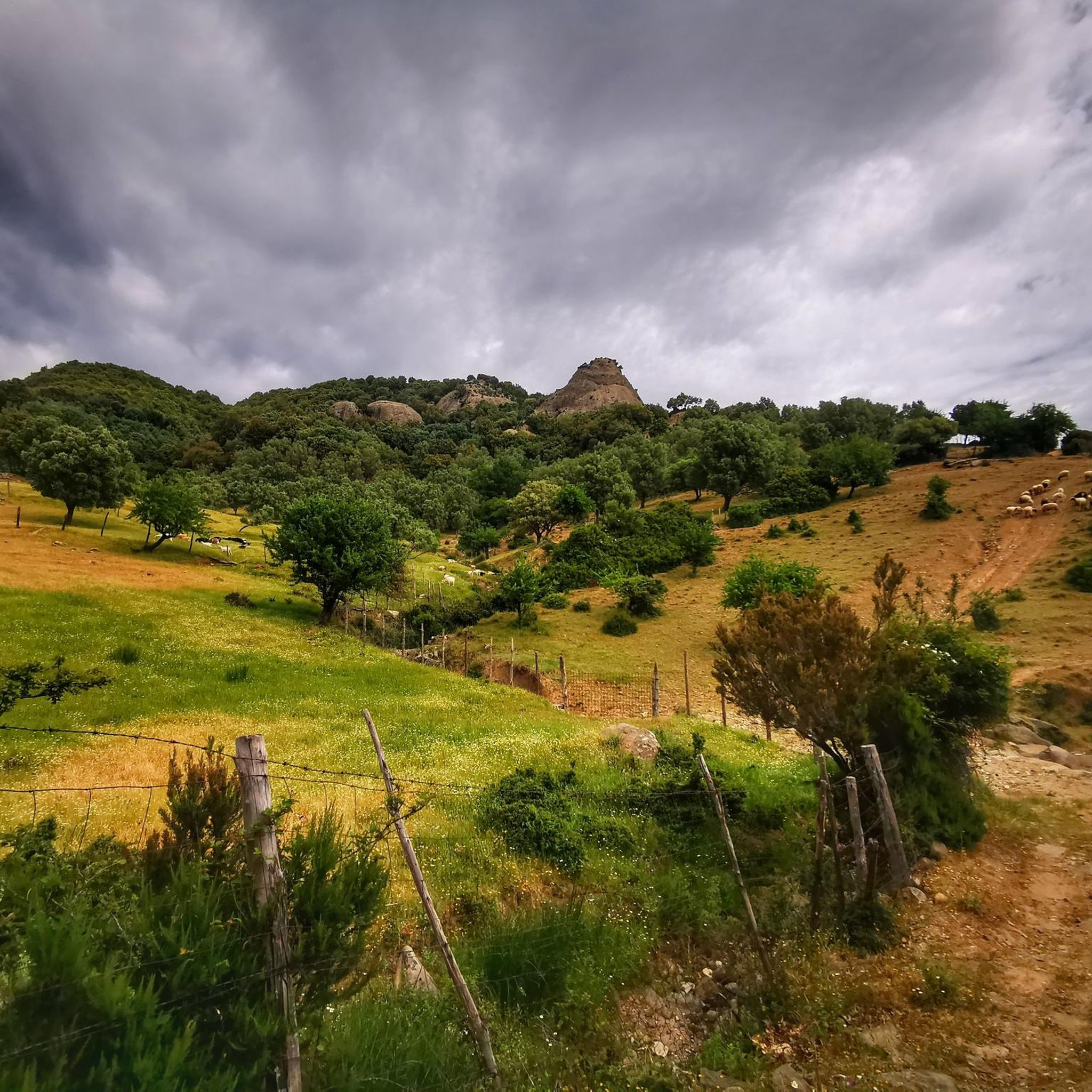
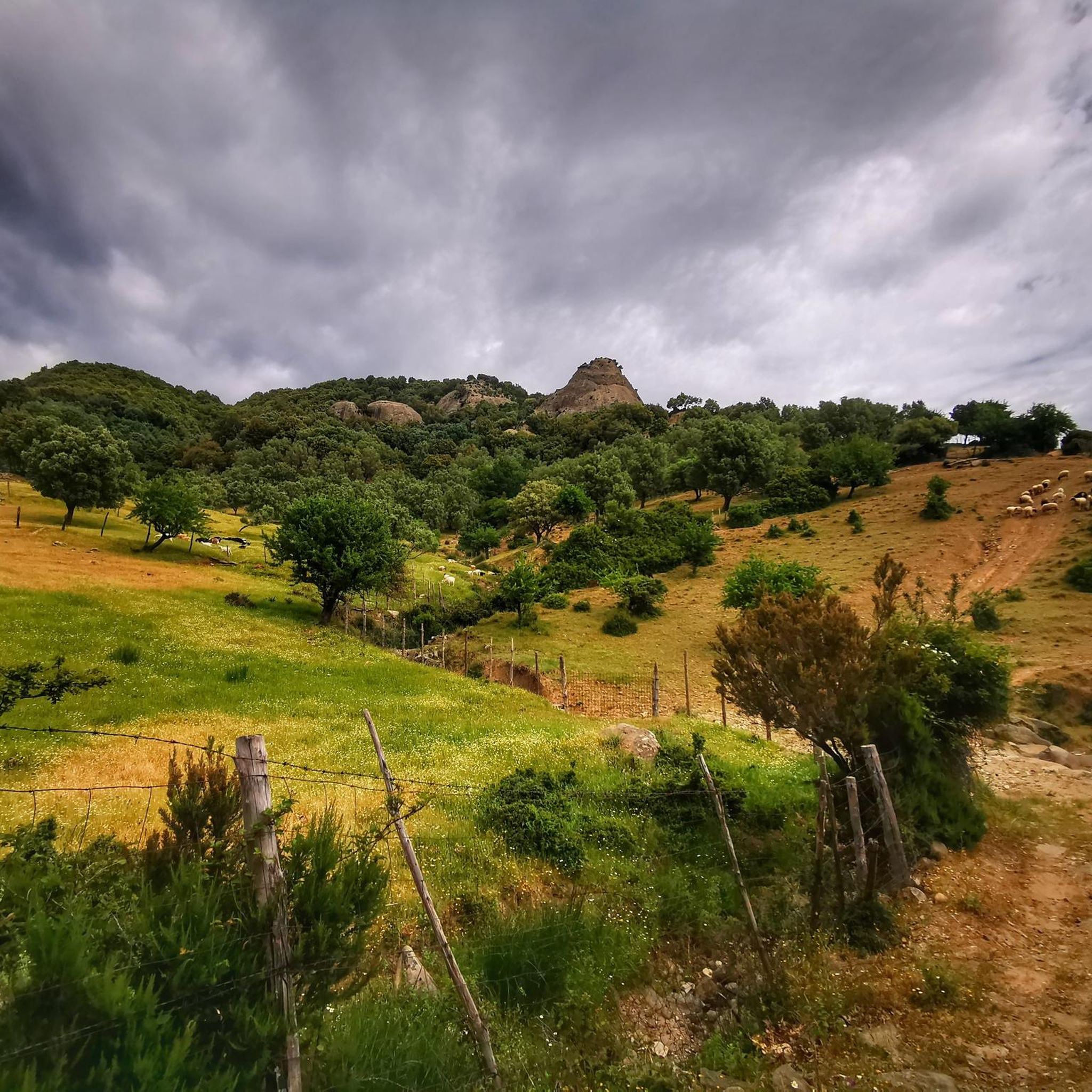
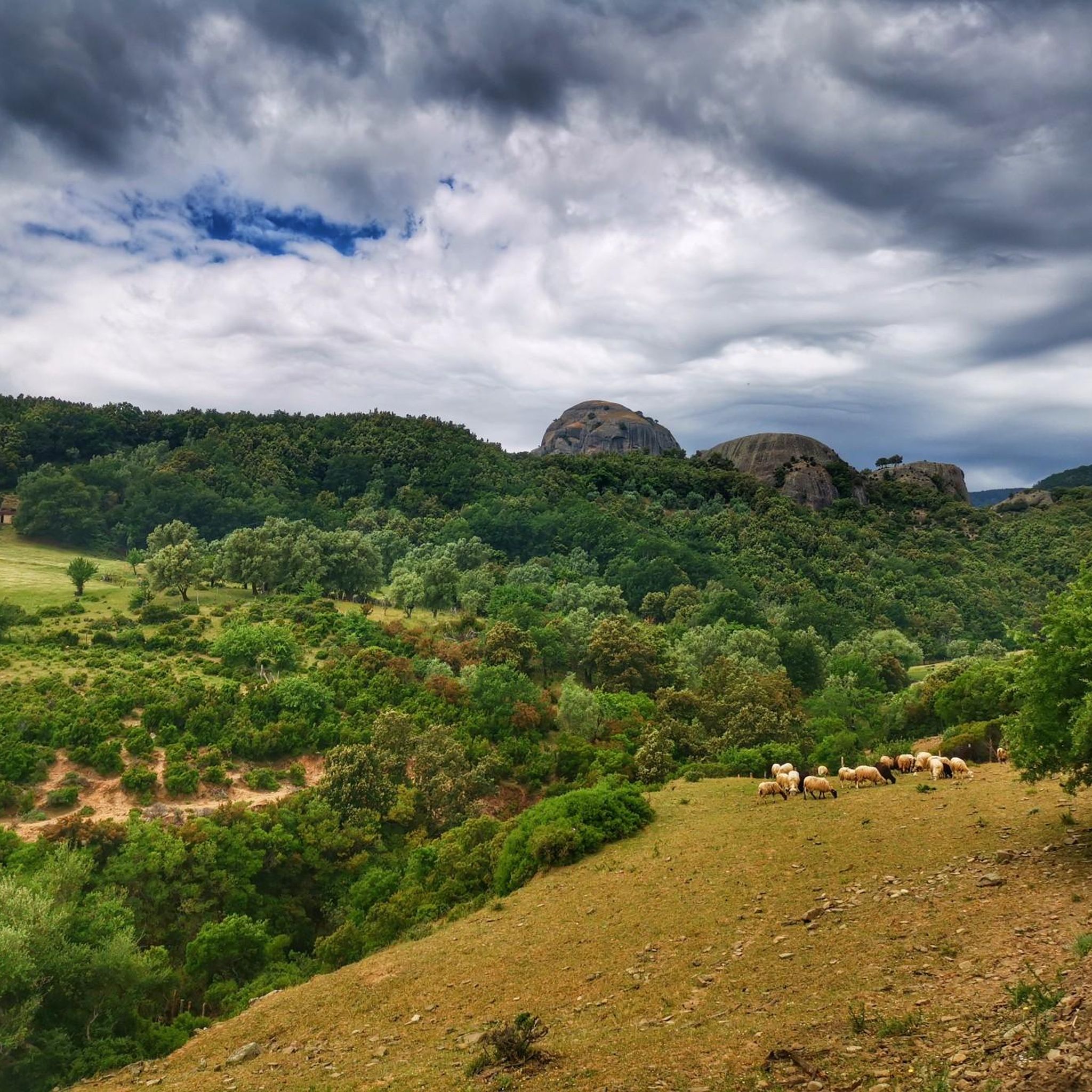
An impressive rock that looms mightily out of the wooded landscape below.
3
0
Natile Vecchio is a small village access to Pietra Cappa. The hike is definitely worth it.
1
0
Old ruin of a church in the middle of town
0
0
Frequently Asked Questions
What historical sites can I explore in Casignana?
Casignana is rich in history. The most significant site is the Roman Villa of Casignana, an extensive archaeological complex with remarkably preserved mosaics and thermal baths. You can also wander through the historic city center, observing aristocratic palaces and the Chiesa Matrice. Other notable historical churches include the Church of St. Rocco and the Church of the Santissima Annunziata.
Are there any ancient ruins or archaeological sites to visit?
Yes, the primary archaeological attraction is the Roman Villa of Casignana, dating back to the 1st century AD. It features splendid mosaics and well-preserved thermal baths. Additionally, the Contrada Varta Prehistoric Caves offer natural testimonials of the late Stone Age and early Metal Age, providing a glimpse into the region's ancient past.
Where can I find natural beauty and scenic views around Casignana?
The region offers diverse natural beauty. You can enjoy picturesque views along the Jasmine Coast (Costa dei Gelsomini) and from the hills surrounding the village. For impressive rock formations and panoramic vistas, visit St. Peter's Rocks and Pietra Cappa. The Africo Cliffs also provide magnificent views overlooking the Ionian Sea.
Are there any unique natural monuments to see?
Absolutely. St. Peter's Rocks is a natural monument featuring rock settlements and excavated rock used as dwellings and places of worship, offering magnificent views. Nearby, Pietra Cappa is an impressive rock formation that looms out of the wooded landscape, serving as a notable landmark.
What kind of cycling routes are available near Casignana?
Casignana offers a variety of cycling opportunities. You can find numerous road cycling routes, mountain biking trails, and general cycling tours. For detailed options, explore the guides for Road Cycling Routes around Casignana, MTB Trails around Casignana, and Cycling around Casignana.
Are there hiking or walking trails near these attractions?
Yes, the unspoiled nature surrounding Casignana provides many trails. The area around St. Peter's Rocks and Pietra Cappa, part of the Valley of the Great Stones, is popular for walks. You can also find trails leading from the village to natural springs like Favate Spring.
What is the best time of year to visit Casignana?
The region enjoys a Mediterranean climate. Spring and early autumn are generally ideal for visiting, offering pleasant temperatures for exploring archaeological sites and enjoying outdoor activities without the intense heat of summer. August is notable for the Feast of St. Rocco, a significant local festival.
Are there family-friendly activities around Casignana?
Exploring the Roman Villa of Casignana can be an educational experience for families, especially with its impressive mosaics. The natural landscapes, such as the Jasmine Coast and the trails leading to natural springs, offer opportunities for family walks and enjoying the outdoors. Local festivals, like the Feast of St. Rocco in August, can also be a vibrant experience for all ages.
What local products or culinary experiences should I look for?
The area is renowned for producing Greco di Bianco wine, an ancient variety with Greek origins. During local festivals, such as the Feast of St. Rocco, you can often find traditional products like "Maccheroni con sugo di capra" (macaroni with goat sauce), "Capocollo," and local bread.
Can I find cafes or restaurants near the main attractions?
While specific cafes directly adjacent to every attraction might be limited, the historic city center of Casignana and nearby villages will offer options for dining and refreshments. Local festivals are also a great opportunity to sample traditional food.
What is the Old Church of Natile Vecchio?
The Old Church of Natile Vecchio is a historic religious building, now a ruin, located in a small village that serves as an access point to Pietra Cappa. It's an interesting historical site to visit as part of a hike in the area.
What is the significance of the Church of San Leo of Africo?
The Church of San Leo of Africo, located in Africo Vecchio, is a jewel of Byzantine origin. It features simple architectural forms and houses a marble statue from 1635. Restored after a flood, it has been a pilgrimage destination since 1972, making it a significant historical and religious landmark.
Most popular attractions around Casignana

Get inspired with the komoot mobile app


Explore more
Still not found the Highlight you’re looking for? See guides of the top attractions in other regions:
