Attractions and Places To See around Uras - Top 20
Attractions and places to see around Uras offer a blend of historical landmarks, natural beauty, and cultural insights within the Province of Oristano, Sardinia, Italy. This municipality is characterized by its rural traditions and ancient heritage, with origins tracing back to the 3rd millennium BC. The area features significant Nuragic sites, historic churches, and the natural landscapes of Monte Arci, plains, and rivers. Uras also holds historical importance as a Punic city and a Roman outpost.
Best attractions and places to see around Uras
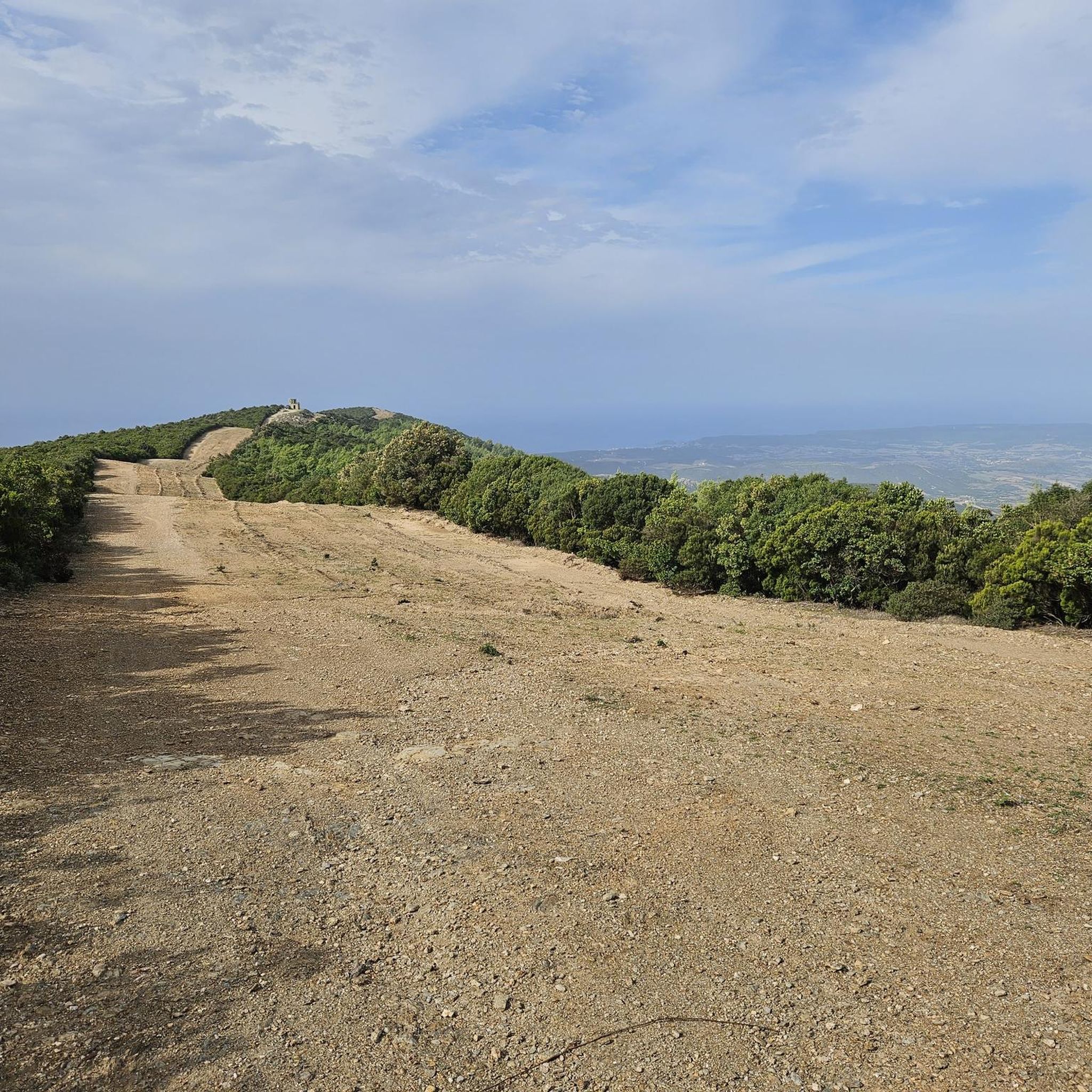
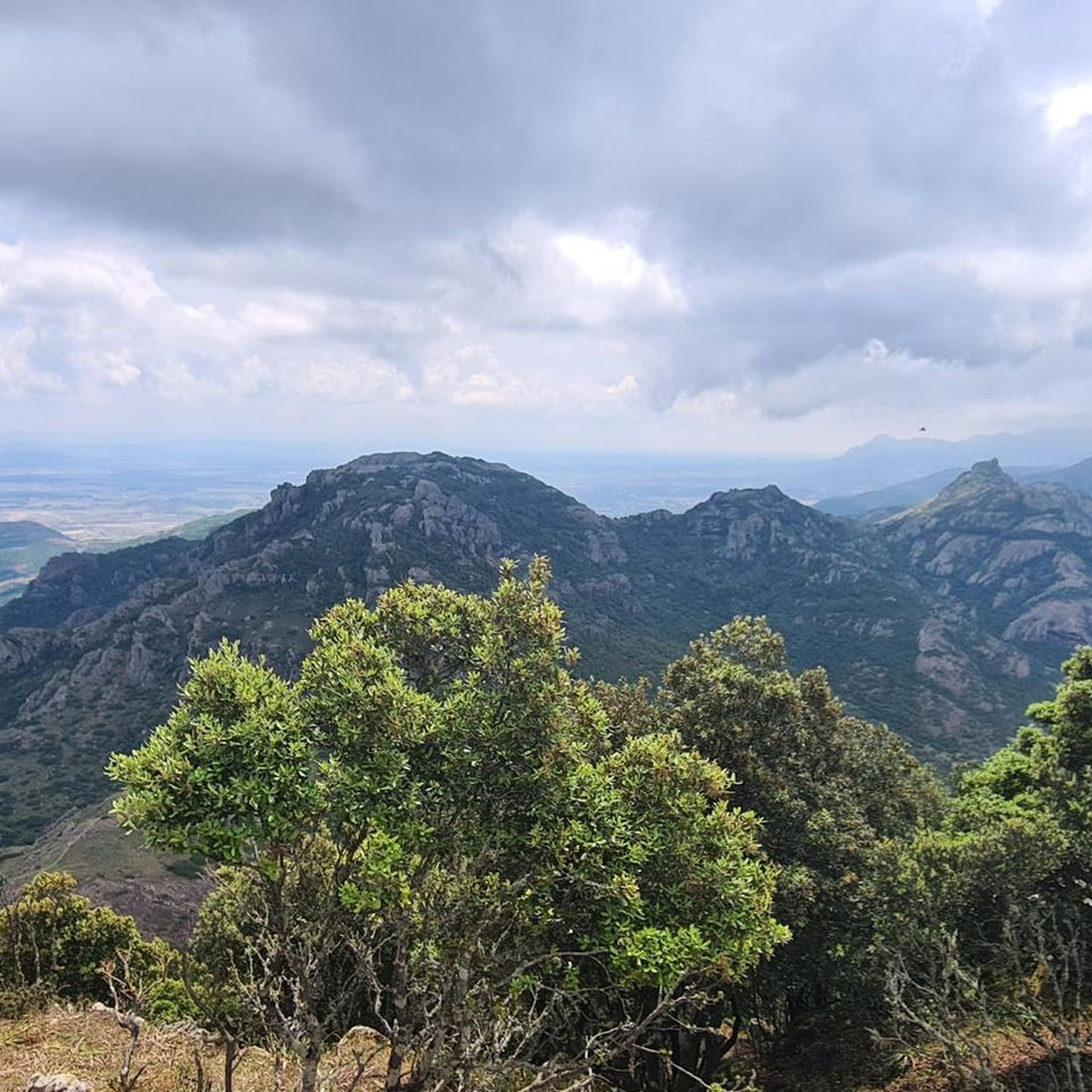
- The most popular attractions is Monte Arci - Trebina Longa, a summit that represents the highest point of Monte Arci at 812 m above sea level, a large basaltic rock. It offers challenging routes to its summit through a wooded setting.
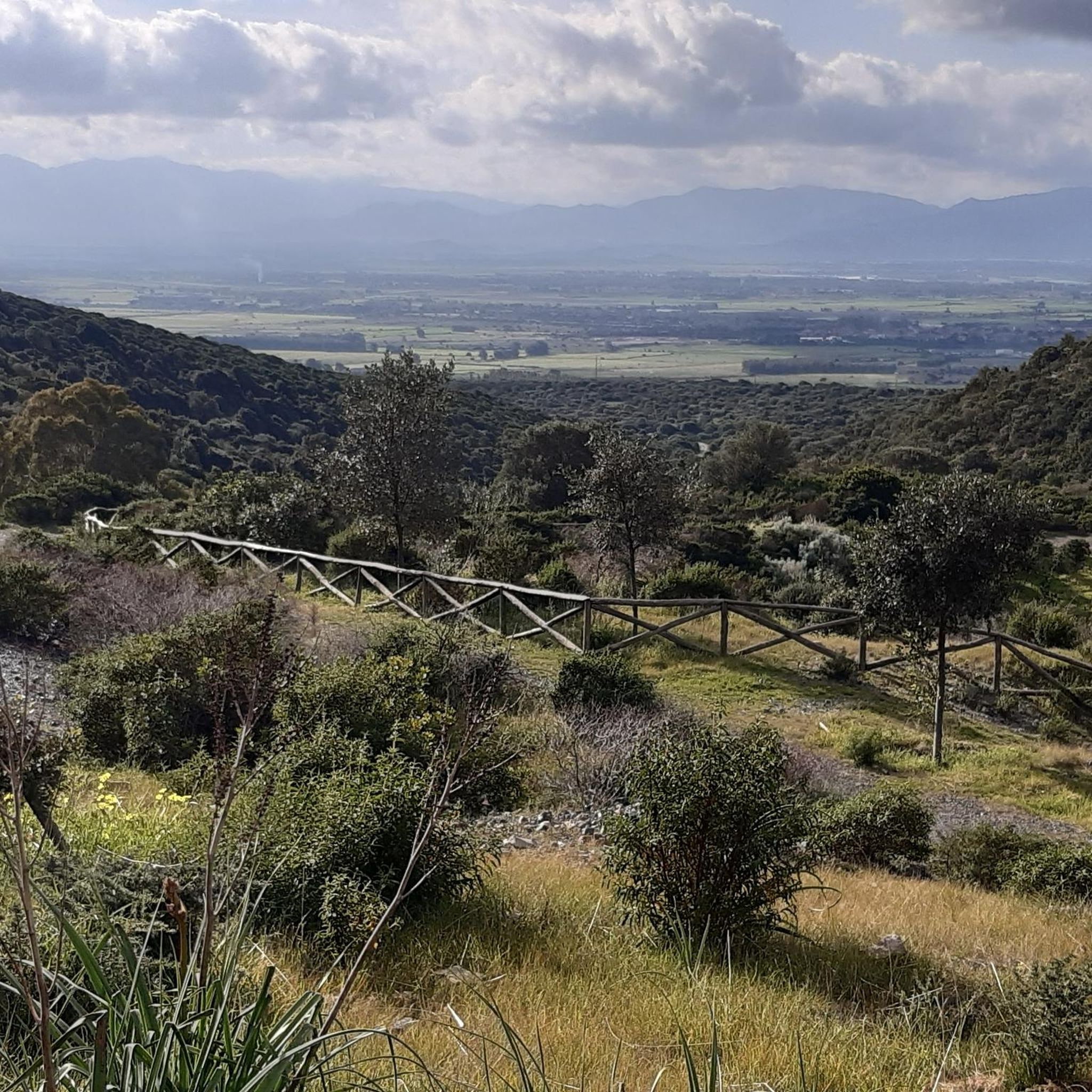
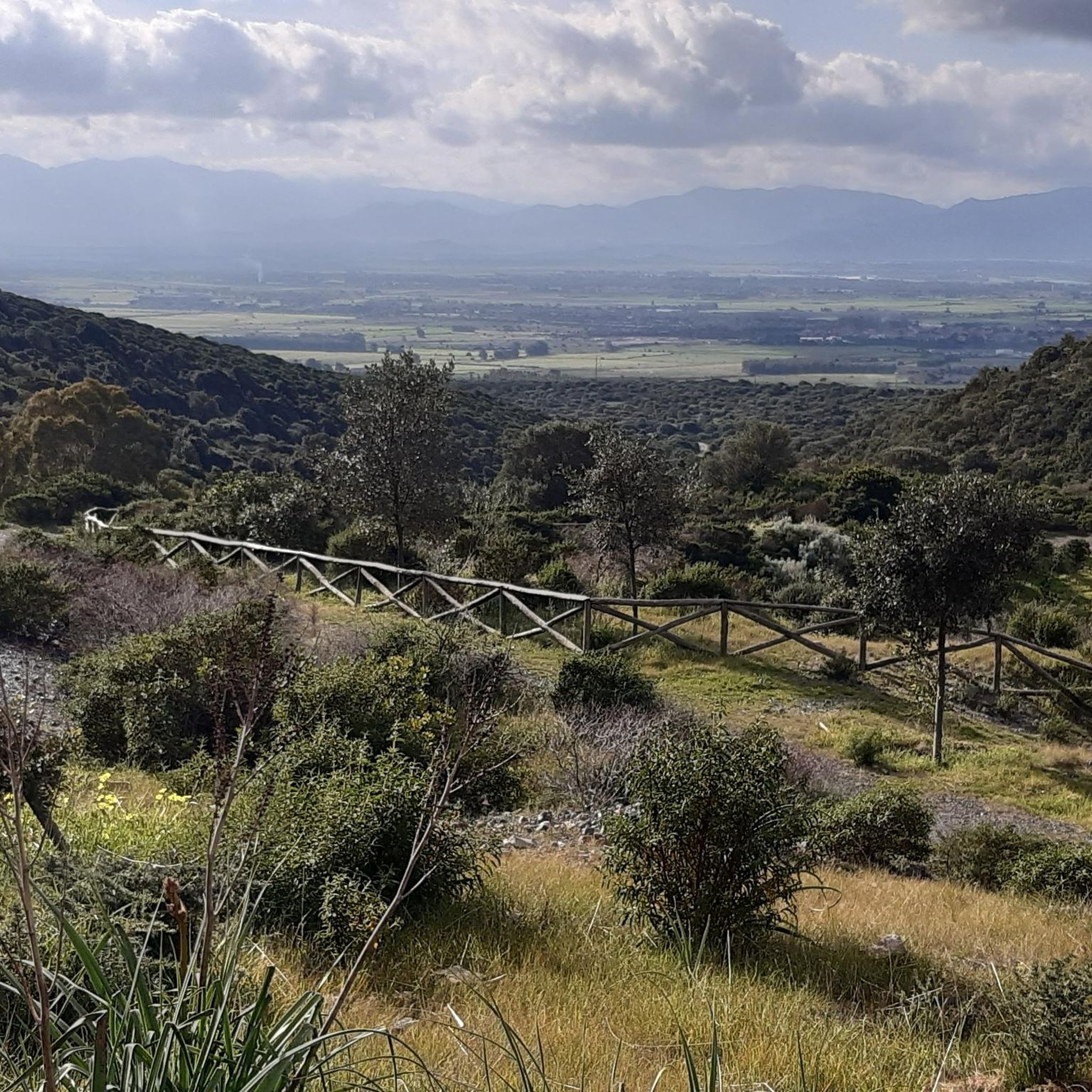
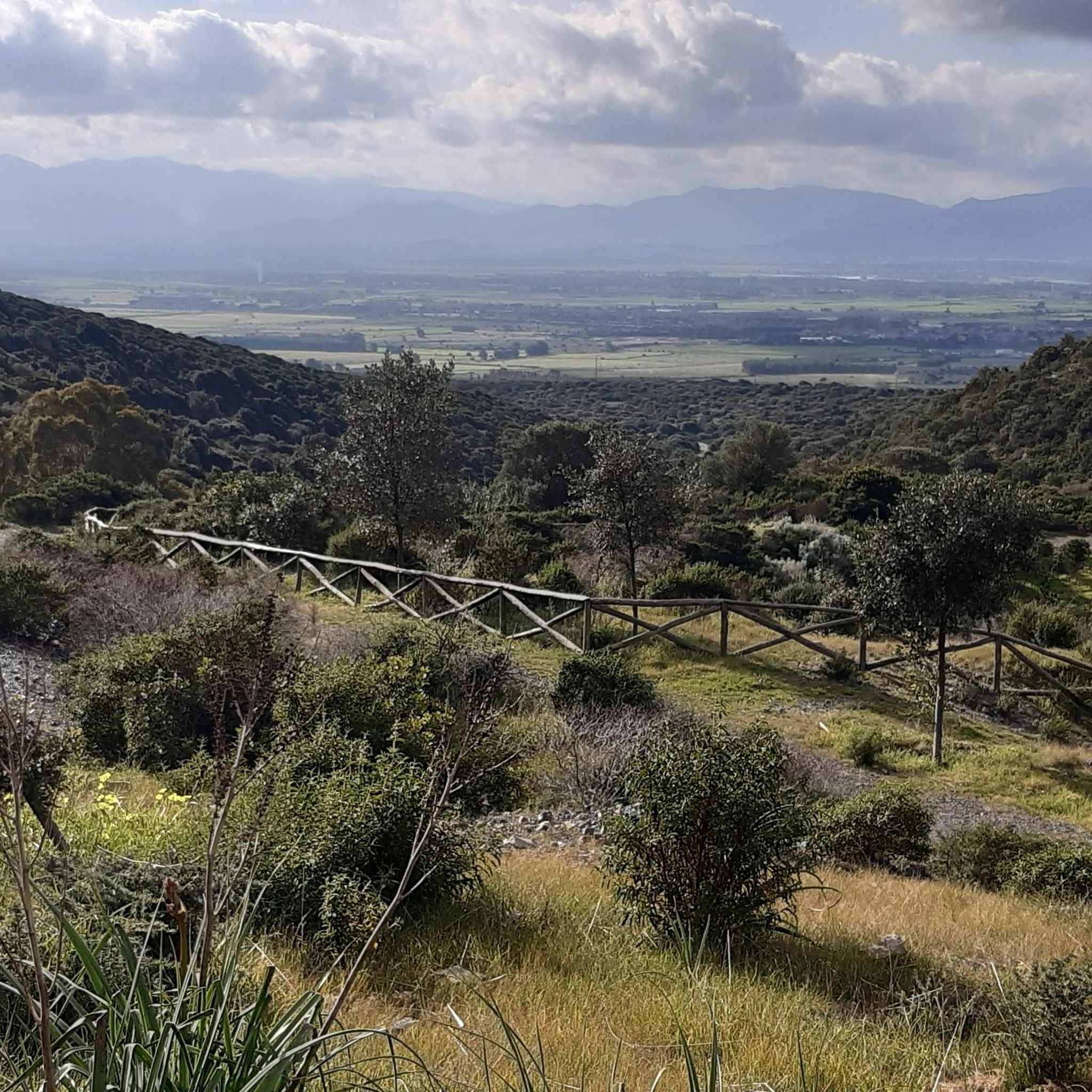
- Another must-see spot is Monte Arci - Beda Manca Viewpoint (approx. 600 m a.s.l.), a viewpoint located at approximately 600 m above sea level. From here, visitors can enjoy extensive views of the entire Gulf of Oristano.
- Visitors also love Arborea (Oristano - Sardinia), a settlement known for its high-quality Sardinian milk production. This planned town, founded in the late 1920s, features Fascist architectural influences and an orthogonal street structure.
- Uras is known for its historical landmarks, natural features, and cultural sites. The area offers a variety of experiences, from ancient Nuragic sites and historic churches to the natural beauty of Monte Arci.
- The attractions around Uras are appreciated by the komoot community, with more than 25 upvotes and 10 photos shared.
Last updated: October 10, 2026
Arborea (Oristano - Sardinia)
Highlight • Settlement
Translated by Google •
Tip by

Monte Arci - Beda Manca Viewpoint (approx. 600 m a.s.l.)
Highlight • Viewpoint
Translated by Google •
Tip by

Sign up now to discover places like this
Get recommendations on the best single tracks, peaks, & plenty of other exciting outdoor places.
Monte Arci - Trebina Longa
Highlight • Summit
Translated by Google •
Tip by
Murals and Church of San Nicolò d'Arcidano
Highlight • Settlement
Translated by Google •
Tip by

Road Through the Fields
Highlight • Cycleway
Translated by Google •
Tip by
Sign up for free to discover even more attractions around Uras.
Already have an account?
Start today with a free account
Your next adventure awaits.
Tips from the Community


The view of the Oristano valley from Monte Arci is spectacular
1
0
Volcanic black stone, highest point of Monte Arci
1
0

Very long roads with many crossings, use a gps
0
0

Small town in the province of Oristano. The murals representing bucolic scenes and the church of San Nicolò are beautiful.
1
0

Arborea, an honorary town in the Veneto region, boasts a vast network of breeders affiliated with one of the most important national companies in the production of vaccine products and more. This is the 3AAA that processes and transforms 100% Sardinian milk.
2
0

This internal road in the cultivated fields internally runs along the sea and arrives directly at the lagoon.
5
0
Arborea produces high quality Sardinian milk with an authentic and genuine taste, starting from proprietary farms that preserve all the goodness of the Sardinian production chain. Stopping is a must.
7
0
Frequently Asked Questions
What historical sites can I explore in Uras?
Uras boasts a rich history, with significant sites including the massive Nuragic complex of Nuraghe Sa Domu Beccia, dating back to between the 15th and 11th centuries BC. This complex features a five-lobed basalt building and remains of a large village with 150 circular huts. Additionally, the town's historic center showcases traditional buildings and ancient churches like the Baroque Church of Santa Maria Maddalena and the Church of San Salvatore, which holds historical significance from a 1470 battle.
Are there any natural attractions or viewpoints near Uras?
Yes, Uras is situated at the foot of the beautiful Monte Arci park. You can visit Monte Arci - Beda Manca Viewpoint, located at approximately 600 meters above sea level, which offers extensive views of the entire Gulf of Oristano. For a more challenging experience, the highest point of Monte Arci is Monte Arci - Trebina Longa, an 812-meter basaltic rock with demanding routes to its summit through a wooded setting.
What kind of outdoor activities can I do around Uras?
The area around Uras offers various outdoor activities. You can explore the natural landscapes of Monte Arci, which provides challenging routes for hikers. For cycling enthusiasts, there are numerous road cycling routes, such as the 'Laguna di Marceddì – Coastal Road to Piscinas loop'. Runners can enjoy trails like the 'Nuraghe Domu Beccia loop', while mountain bikers have options like the 'Sunset over the Sardinian countryside loop'. You can find more details on these routes in the Road Cycling Routes around Uras, Running Trails around Uras, and MTB Trails around Uras guides.
Are there family-friendly attractions in the Uras area?
Absolutely. Families can enjoy visiting Arborea (Oristano - Sardinia), a unique planned town known for its high-quality Sardinian milk production and distinctive architecture. Another option is to explore the Murals and Church of San Nicolò d'Arcidano, which offers a glimpse into local art and history. Additionally, the Road Through the Fields provides an easy and scenic path suitable for family walks or bike rides, running along cultivated fields towards the sea and lagoon.
What is the significance of Monte Arci in the region?
Monte Arci is highly significant both naturally and historically. It was a crucial source of obsidian during the Neolithic Age, with mining sites like Roja Cannas on its slopes. Geologically, it's a volcanic massif, and its highest point, Trebina Longa, is an 812-meter basaltic rock. The area offers stunning viewpoints, such as Beda Manca, providing panoramic views of the Gulf of Oristano.
Can I learn about the Nuragic culture in Uras?
Yes, Uras is an excellent place to delve into Nuragic culture. The municipality was densely populated during this period, boasting 22 megalithic towers and two Giant tombs. The most prominent site is Nuraghe Sa Domu Beccia, a massive complex with a main tower, courtyard, and hexagonal outer wall, surrounded by the well-preserved remains of a large village with 150 circular huts and a Giant tomb.
What are some cultural insights or traditions of Uras?
Uras is deeply rooted in rural traditions and is known for its textile industry. The historic center itself reflects this heritage with traditional buildings constructed from rough unbaked clay bricks. The town also celebrates its patron saints with local feasts, such as the one for Santa Maria Maddalena in late July and Sant'Antonio in mid-June. The feast day for San Salvatore, held on the Tuesday after Easter Monday, even features equestrian jousts.
Are there any museums related to the area's history or geology?
While not directly within Uras, the nearby Monte Arci region hosts significant museums. The GeoMuseo Monte Arci and the Museo dell'Ossidiana are important for understanding the area's geological and archaeological past, particularly the historical importance of obsidian, which was mined extensively in Monte Arci during the Neolithic Age.
What is the best time to visit Uras?
Uras, like much of Sardinia, generally enjoys a Mediterranean climate. The spring (April-June) and autumn (September-October) months are often considered ideal for visiting, offering pleasant temperatures for exploring historical sites and engaging in outdoor activities without the intense heat of summer. Summer (July-August) can be very hot but is popular for coastal activities, while winter (November-March) is milder and suitable for cultural exploration, though some outdoor routes might be less accessible.
What is the historical significance of Arborea near Uras?
Arborea is a planned town of recent origin, founded in the late 1920s. It was established on reclaimed marshy areas and features distinct Fascist architectural influences, with buildings like La Casa del Fascio. The town's orthogonal street structure and numbered roads on its outskirts are also notable. It's also recognized for its high-quality Sardinian milk production.
Can I find easy walking trails around Uras?
Yes, for easier walks, consider exploring the Road Through the Fields, which is a scenic internal road running along cultivated areas towards the sea and lagoon. While specific 'easy walks' with durations aren't detailed, many of the running trails, particularly shorter loops like the 'Nuraghe Domu Beccia loop' (around 9 km), can be adapted for walking and offer a moderate challenge.
Most popular attractions around Uras

Get inspired with the komoot mobile app


Explore more
Still not found the Highlight you’re looking for? See guides of the top attractions in other regions:
