The best road cycling routes around Pescia
4.3
(560)
14,478
riders
35
rides
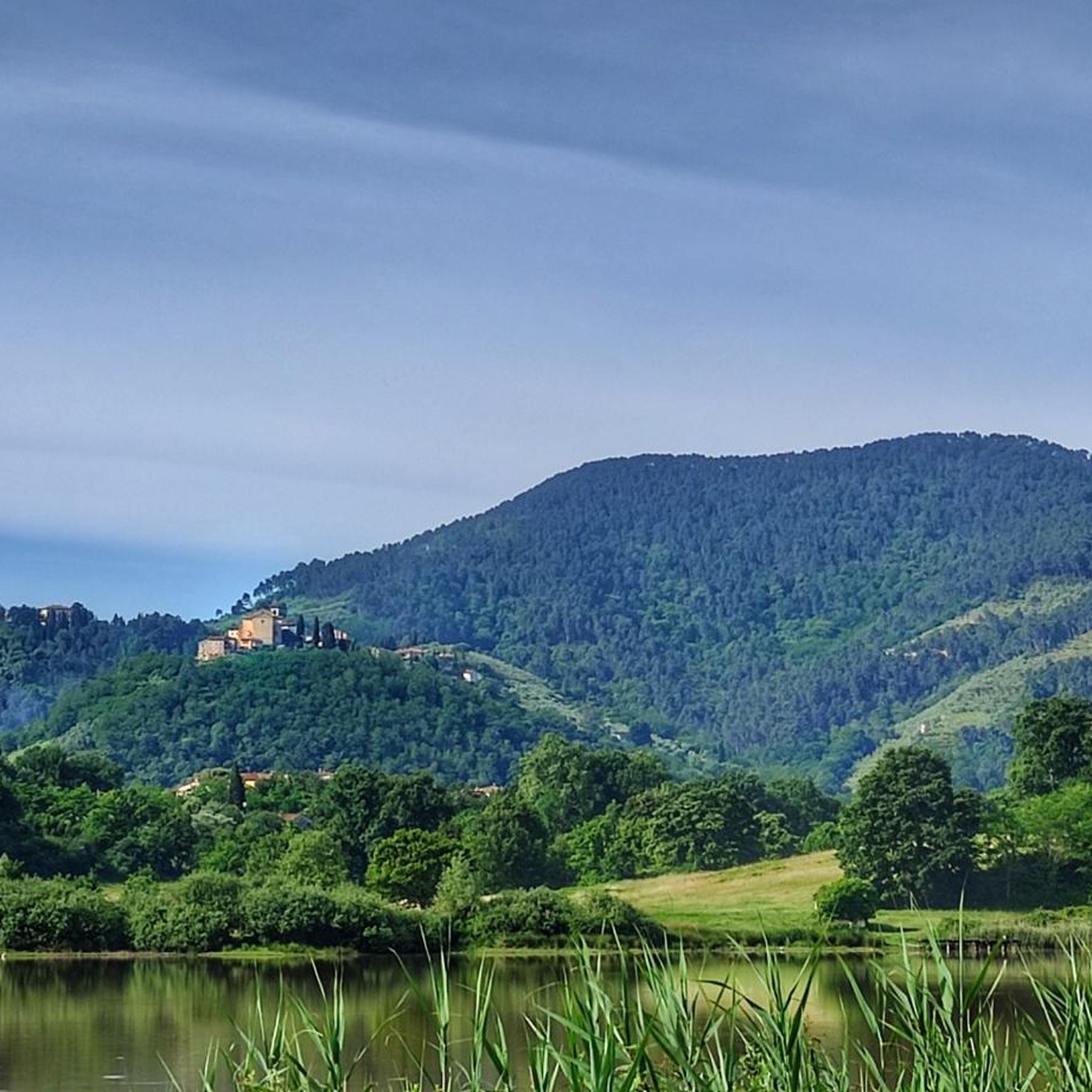
Road cycling routes around Pescia traverse a varied topography in the heart of Tuscany. The region features significant elevation changes with hilly and mountainous terrain, offering challenging climbs and panoramic views. Less demanding rides follow riverbanks and pass through picturesque villages, extending towards marshlands. The landscape also includes rolling Tuscan hills characterized by olive groves and vineyards.
Best road cycling routes around Pescia
- The most popular road cycling route is Walls of Lucca – Elisa Gate loop from Pescia, a 33.8 miles (54.4 km) trail that takes 2 hours 22 minutes to complete. This route connects Pescia with the historic Walls of Lucca, offering a ride through the Tuscan countryside.
- Another top favourite among local road cyclists is Royal Villa of Marlia – Panoramic View of Petrognano loop from Pescia, a moderate 25.9 miles (41.7 km) path. This route features a substantial climb and passes by the Royal Villa of Marlia, providing scenic views.
- Local road cyclists also love the Villa Bellavista – Piazza del Duomo of Pistoia loop from Pescia, a 33.9 miles (54.5 km) trail leading through rolling hills and towards the Piazza del Duomo of Pistoia, often completed in about 2 hours 24 minutes.
- Road cycling around Pescia is defined by hilly and mountainous terrain, riverine paths, and rolling Tuscan hills with olive groves and vineyards. The network offers options for various ability levels, from challenging ascents to more relaxed rides.
- The routes in Pescia are highly rated by the komoot community with an average score of 3.99 stars from over 40 reviews. More than 1,100 road cyclists have used komoot to explore Pescia's varied terrain.
Last updated: October 12, 2026
4.9
(8)
132
riders
55.2km
02:23
290m
300m
Moderate road ride. Good fitness required. Mostly well-paved surfaces and easy to ride.
4.0
(7)
165
riders
54.0km
02:25
490m
490m
Moderate road ride. Good fitness required. Mostly well-paved surfaces and easy to ride.

4.8
(4)
145
riders
53.4km
03:17
1,250m
1,250m
Hard road ride. Very good fitness required. Mostly well-paved surfaces and easy to ride.
3.8
(5)
99
riders
102km
04:45
1,160m
1,160m
Hard road ride. Very good fitness required. Mostly well-paved surfaces and easy to ride.
4.5
(2)
105
riders
75.7km
03:27
800m
800m
Moderate road ride. Good fitness required. Some segments of this route may be unpaved and difficult to ride.
Get access to more routes and recommendations from other explorers.
Already have an account?
Our route recommendations are based on thousands of hikes, rides, and runs completed by other people on komoot.
Start today with a free account
Your next adventure awaits.
Tips from the Community

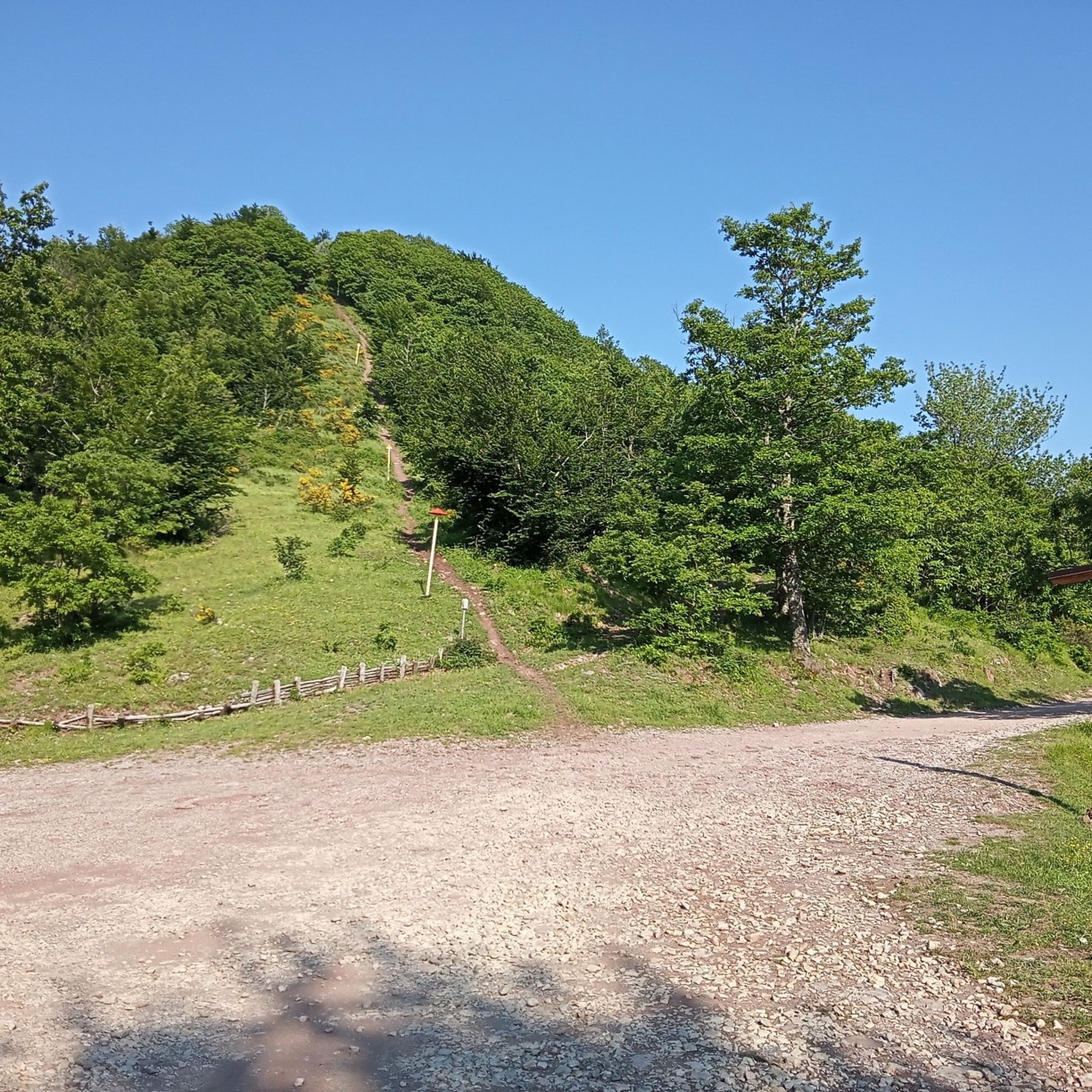
The summit of San Baronto is located at an altitude of 349 meters above sea level in the heart of Montalbano, in Tuscany. This hamlet of the municipality of Lamporecchio (PT) is considered the "homeland" and symbol of Tuscan cycling, a historic meeting point for both amateur cyclists and professionals in training. At the top of the climb, the local cycling tradition revolves around two fixed stages: the famous Fontanella (water refill point for bottles) and the passage in front of the Church or the bars at the pass for a classic slice of cake.
0
0
The scenic road connecting Vinci to San Baronto is one of Montalbano's most famous and spectacular routes, much loved by car drivers, motorcyclists, and cyclists for its harmonious curves and breathtaking views of the Tuscan hills. The main route follows the Strada Provinciale 13 (SP13), known in this stretch also as Via di San Donato, which climbs from Vinci, winding its way through centuries-old olive groves and vineyards, before joining the SP9 to reach the pass and the village of San Baronto.
0
0
The Passo di Pinone (or Valico del Pinone) is a mountain pass at an altitude of 425 meters above sea level, located on Montalbano, in Tuscany, between the provinces of Florence and Prato. It is a highly appreciated spot for road cycling, motorcycle touring, and hiking
0
0

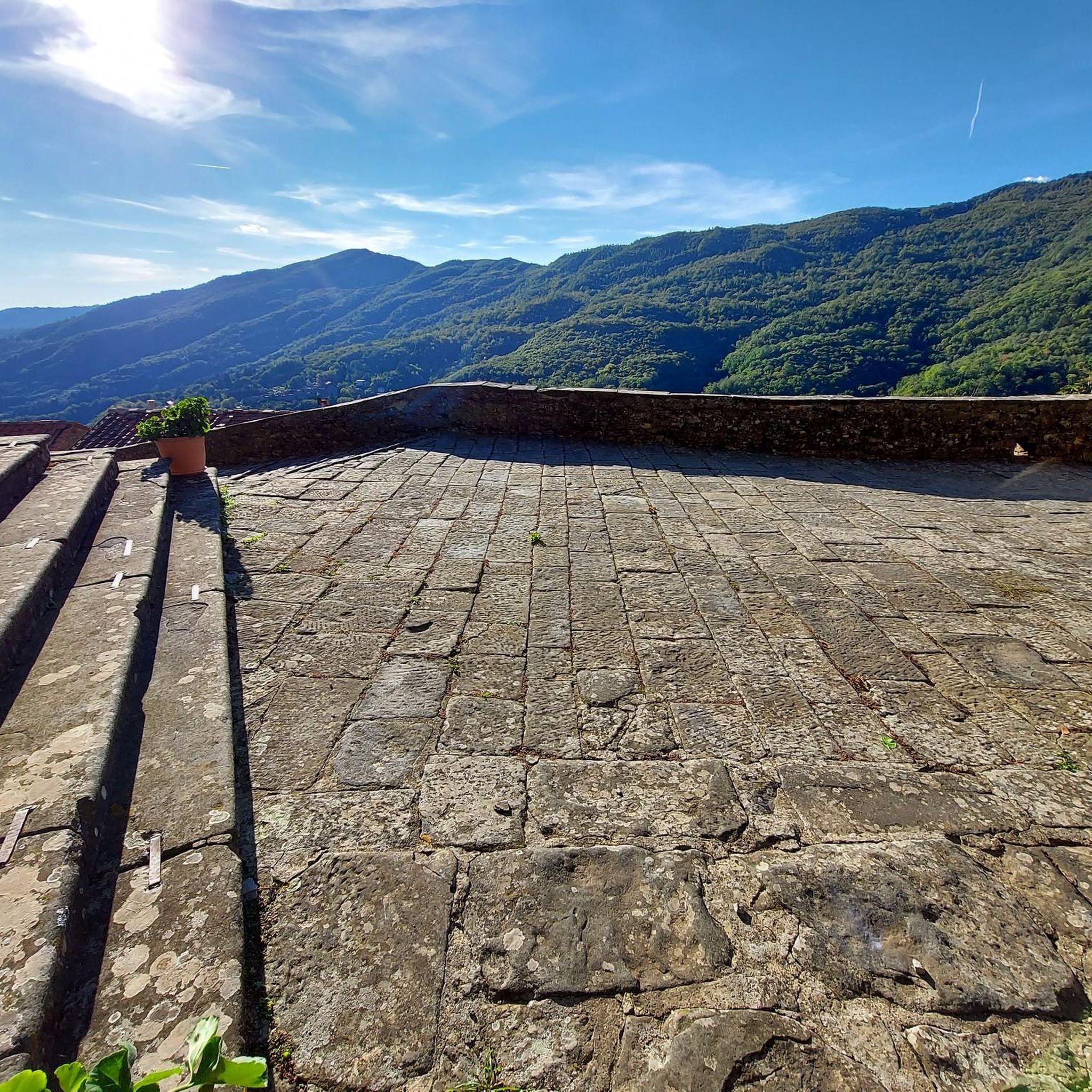
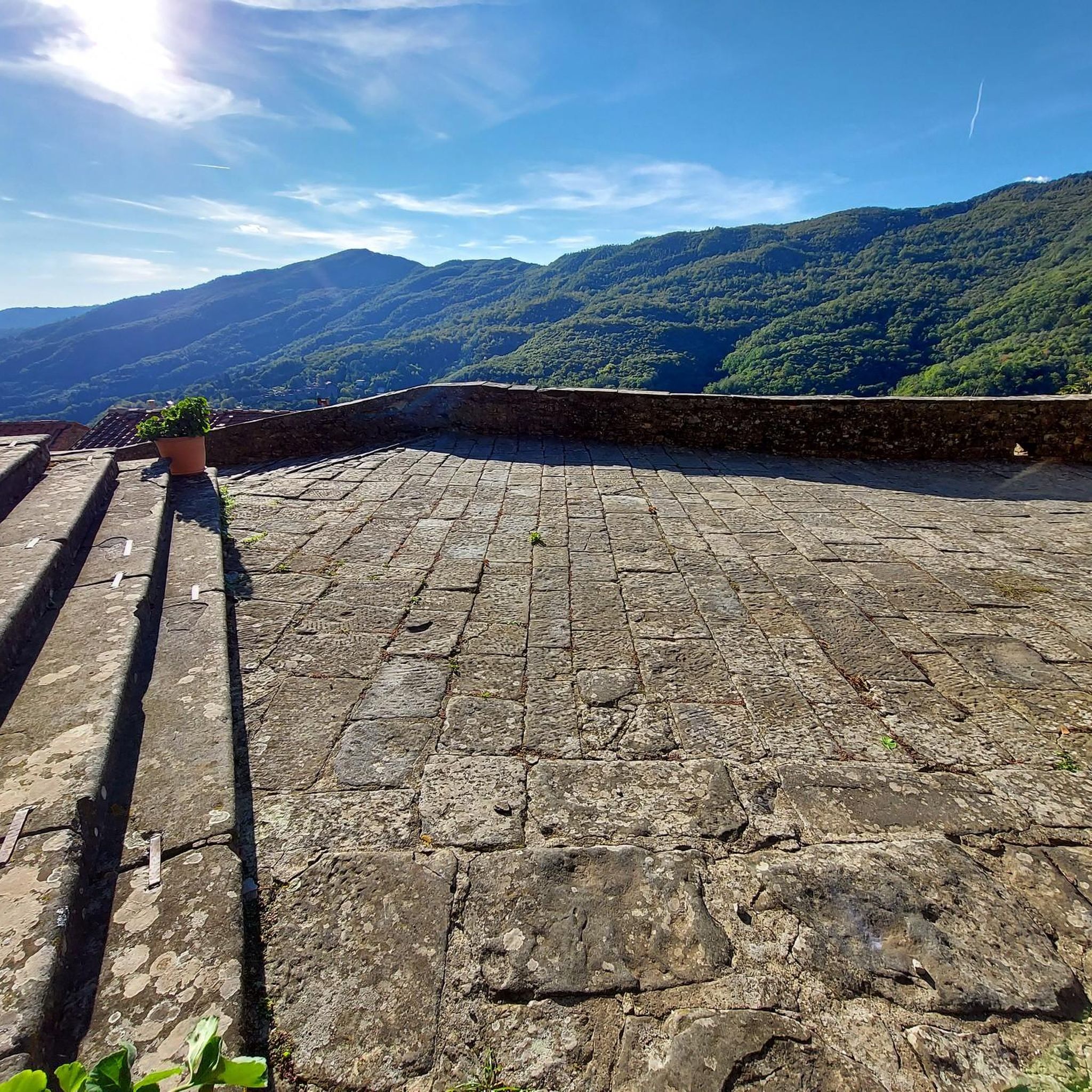
The Walls of Lucca are one of the most significant and best-preserved historical monuments in Europe, an imposing Renaissance ring of walls that has remained completely intact, entirely enclosing the historic center of the Tuscan city. Built between 1504 and 1648 primarily as a defensive deterrent, they were never used for warfare. In the early decades of the 19th century, by the will of Maria Luisa of Bourbon, they were converted into a splendid public promenade and elevated urban park.
1
0

The Porta Sant'Anna (officially Porta Vittorio Emanuele) is one of the newer city gates in Lucca's historic city walls. In contrast to the mighty Renaissance gates of the fortress, this is a modern, purely functional opening from the early 20th century.
0
0
The historic center of Lucca is one of the best-preserved medieval hearts of Europe, enclosed entirely by a splendid, intact Renaissance city wall from the 16th-17th century. Known as the city of "100 churches" for its extraordinary density of religious buildings, the center is a large pedestrian area full of cobbled streets, soaring medieval towers, and unique squares.
2
0
The Walls of Lucca are one of the most famous historical monuments in Italy, known worldwide for being the only Renaissance city walls to have survived completely intact to this day. Built between 1504 and 1648 mainly to defend against the expansionist ambitions of Florence, they completely surround the historic center of the city. During the 19th century, by the will of Maria Luisa of Bourbon, the military fortification was transformed into an immense elevated public park and a charming tree-lined promenade.
3
0
The Towers of Serravalle Pistoiese are the most evident medieval symbols of the fortified village of Serravalle Pistoiese, located in a strategic position that historically controlled the passage between the Pistoia plain and the Valdinievole. The village is famous for its fortifications which include two main nuclei placed at the two ends of the town.
1
0
Frequently Asked Questions
How many road cycling routes are available around Pescia?
Pescia offers a wide selection of road cycling routes, with over 30 tours available for exploration. These routes cater to various skill levels, from easy rides to challenging ascents.
What kind of terrain can I expect when road cycling in Pescia?
Road cycling in Pescia features a diverse topography. You'll find challenging climbs through hilly and mountainous terrain, serene rides along riverbanks towards marshlands, and classic Tuscan rolling hills characterized by olive groves and vineyards. This variety ensures options for all preferences.
Are there road cycling routes suitable for beginners in Pescia?
Yes, Pescia has several routes suitable for beginners. There are 5 easy road cycling routes that offer a gentler introduction to the region's beautiful landscapes, often following riverine paths or less demanding rolling hills.
What are some challenging road cycling routes for experienced riders in Pescia?
For experienced riders seeking a challenge, Pescia offers 4 difficult routes. One notable option is the Pescia – Vellano loop from Pescia, which features over 1,240 meters of elevation gain. Another demanding route is the Carmignano Town Center – Pinone Pass loop from Pescia, covering nearly 100 km with significant climbing.
What historical villages can I explore along road cycling routes in Pescia?
Many road cycling routes in Pescia pass through or near charming Tuscan villages such as Uzzano, La Costa, Buggiano, Colle, Cozzile, Stignano, Massa, Montecatini Alto, Monsummano Alto, and Montevettolini. These offer opportunities to pause and experience local life.
Are there any castles or viewpoints to see while cycling near Pescia?
Absolutely. The region boasts several historical sites and scenic viewpoints. You can visit the Cozzile Castle and the Clock Tower, or the Rocca del Cerruglio in Montecarlo. For panoramic views, consider stopping at the View of Montecarlo and the Valdinievole Valley or the Colle Serra Viewpoint.
What natural features can I discover on a road cycling tour in Pescia?
Beyond the rolling hills and vineyards, you can explore the scenic path along the Pescia River, which leads towards the Padule di Fucecchio marsh. This area includes vast poplar groves and the Monaca Nature Reserve, known for its bird species and tranquil environment.
What do other road cyclists enjoy the most about road cycling in Pescia?
The road cycling routes in Pescia are highly rated by the komoot community, with an average score of 3.99 stars from over 40 reviews. Cyclists often praise the varied terrain, which offers both challenging climbs and serene rides, as well as the integration of historical towns and natural beauty into the routes.
Are there any road cycling routes that connect to major Tuscan destinations?
Yes, some routes extend to significant cultural sites. For example, the Walls of Lucca – Elisa Gate loop from Pescia connects you to the famous Walls of Lucca. Another route, the Villa Bellavista – Piazza del Duomo of Pistoia loop from Pescia, leads to the historic Piazza del Duomo of Pistoia.
Can I find circular road cycling routes in Pescia?
Yes, many of the road cycling routes around Pescia are designed as loops, allowing you to start and finish in the same location. Examples include the Royal Villa of Marlia – Panoramic View of Petrognano loop from Pescia and the Pescia – Vellano loop from Pescia.
Is there a specific time of year recommended for road cycling in Pescia?
While Pescia offers cycling opportunities year-round, spring and autumn are generally considered ideal. The weather is milder, and the Tuscan landscape is particularly vibrant, making for comfortable and scenic rides. Summer can be hot, especially for challenging climbs, so early morning rides are recommended then.
Are there any routes that allow me to experience the region's viticultural heritage?
Yes, cyclists can explore the Montecarlo Wine Road, which offers a chance to experience the region's viticultural heritage and enjoy the scenic vineyards that characterize the Tuscan landscape.
Most popular attractions around Pescia

Get inspired with the komoot mobile app


Explore more
Browse the best Road cycling routes in other regions.
