The 6 Most Amazing Peaks around Dicomano
Best mountain peaks around Dicomano are found within the Apennine range, offering access to diverse landscapes. This region, located in the Metropolitan City of Florence, Italy, transitions from valley floors to hills and mountains covered with ancient forests. It provides opportunities for outdoor activities and exploration of natural features.
Best mountain peaks around Dicomano
- The most popular mountain peaks is Mount Falco, a summit that stands at 1,658 meters of altitude. It is the highest peak in the Tuscan-Romagnolo…
Last updated: May 10, 2026
Mount Falco
Highlight • Summit
Translated by Google •
Tip by

Monte Falterona
Highlight • Summit
Translated by Google •
Tip by

Sign up now to discover places like this
Get recommendations on the best single tracks, peaks, & plenty of other exciting outdoor places.
Sign up for free
Monte Giovi (992 m)
Highlight • Summit
The trails are poorly maintained, especially those descending into the Mugello, often eroded by rainwater and reduced to drainage ditches.
Now, …
Translated by Google •
Tip by
Mount Massicaia
Highlight • Summit
Translated by Google •
Tip by

Poggio agli Allocchi
Highlight • Summit
Translated by Google •
Tip by

Start today with a free account
Your next adventure awaits.
Login or Signup
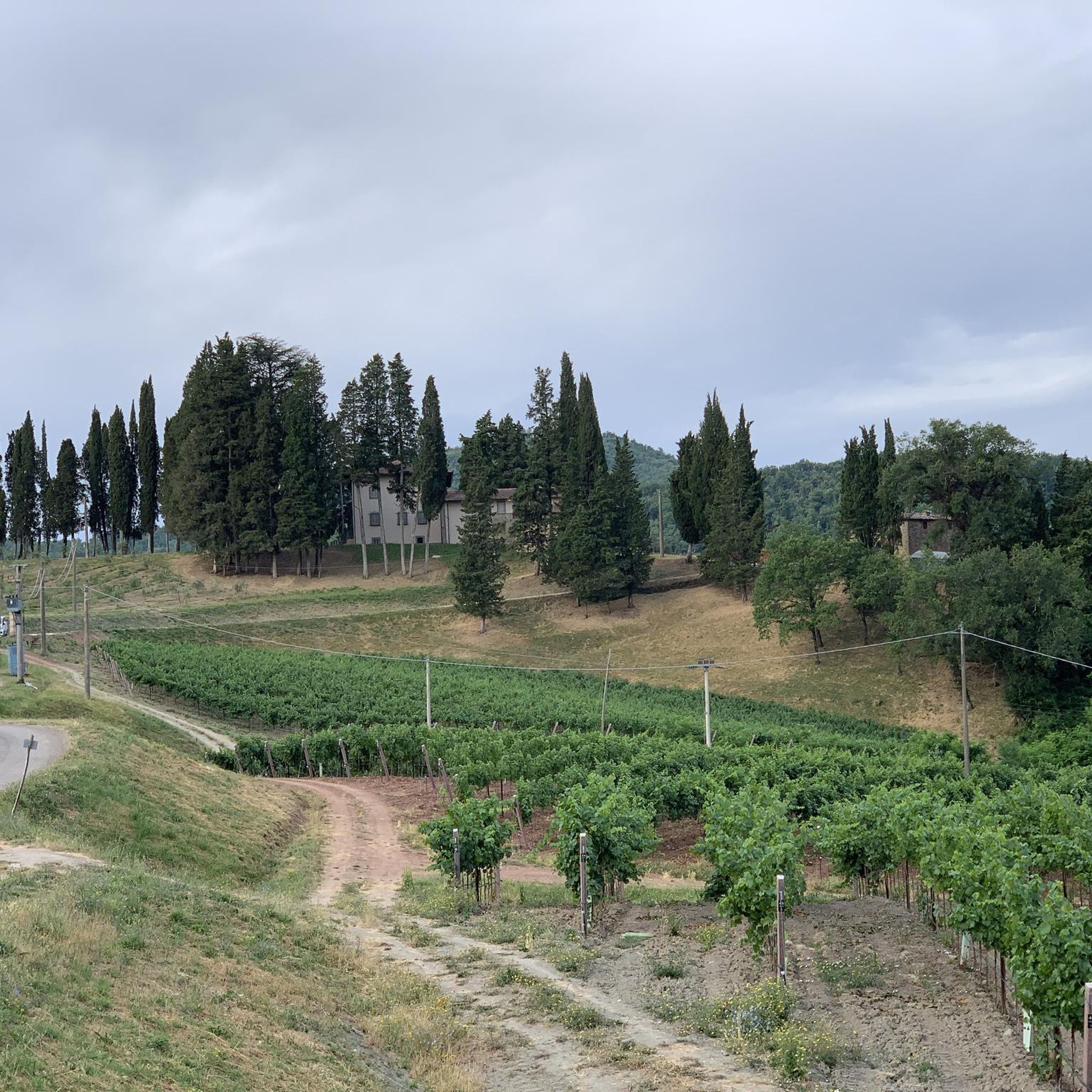
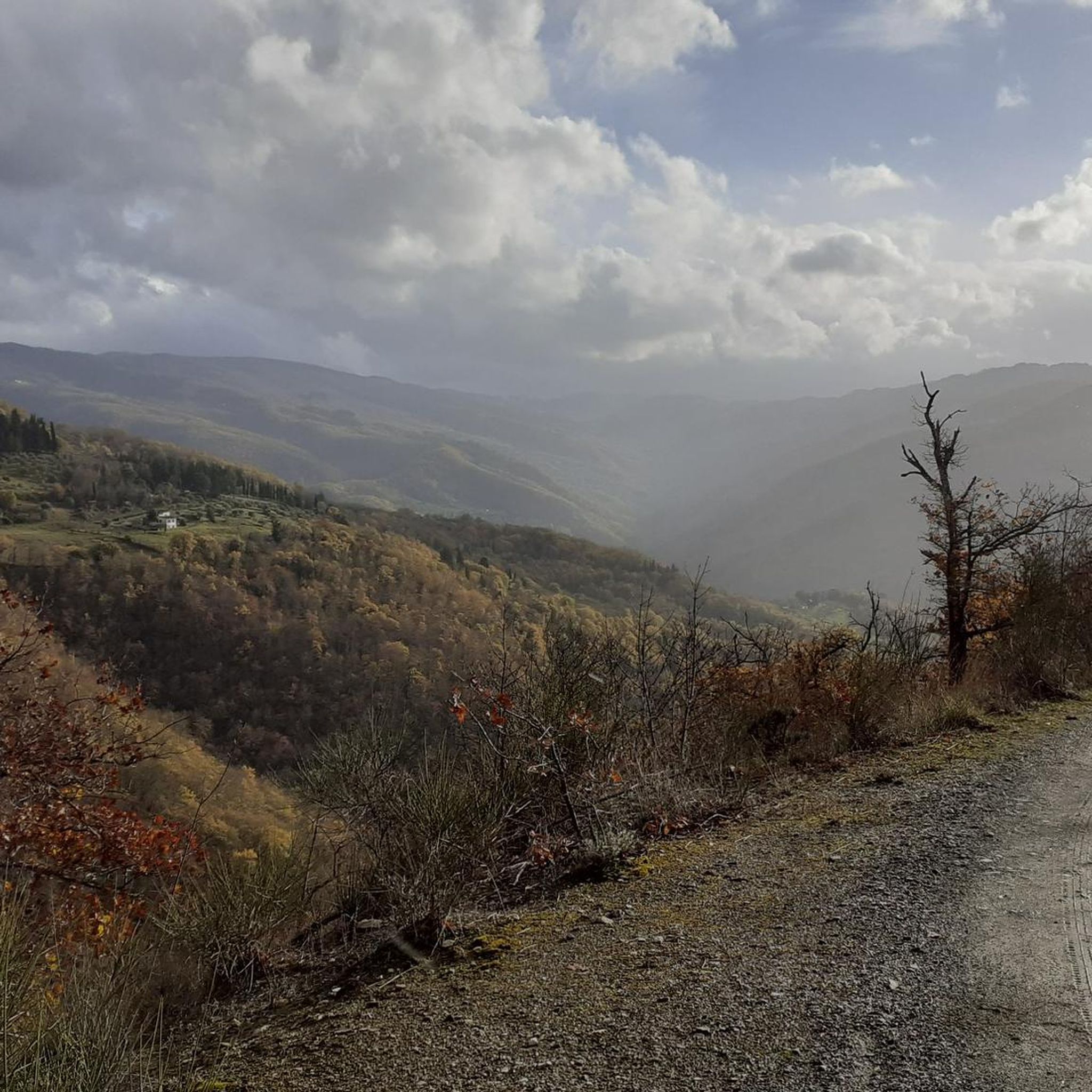
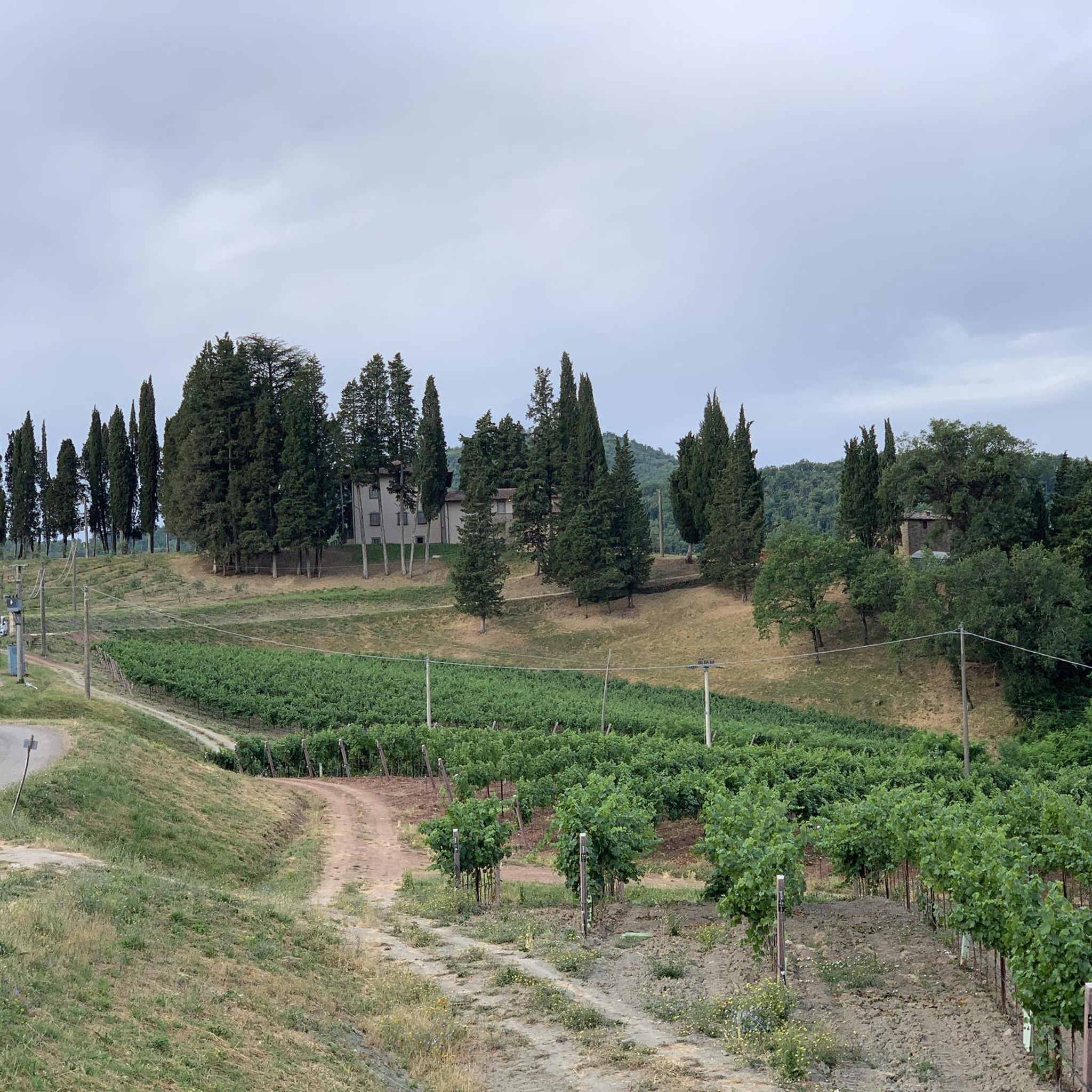
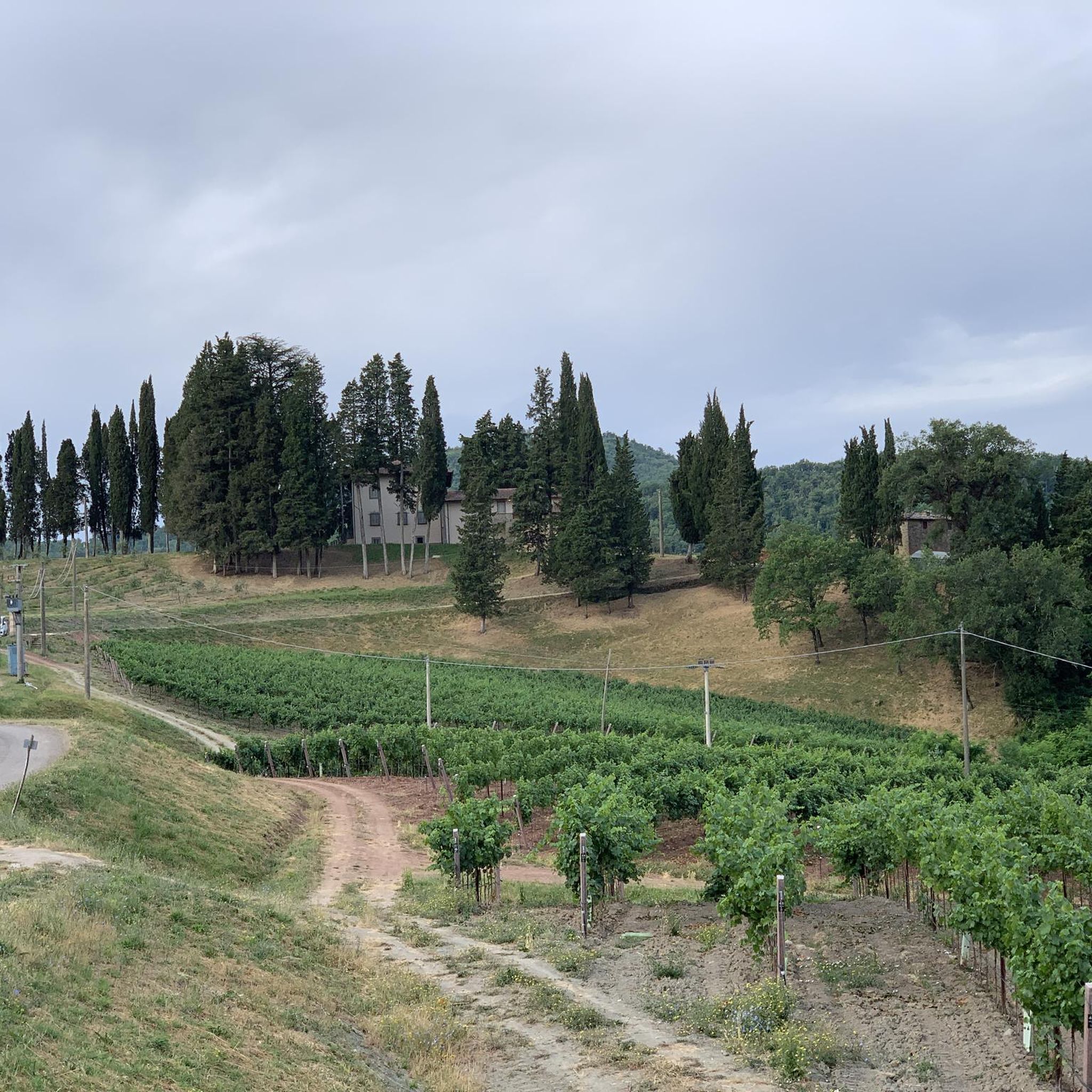

Tips from the Community

A peak a few meters lower than nearby Monte Falco, which is the highest point in the entire Casentino area. It's best known for its source, the Arno River, about 300 square meters below, on its southern slope. It offers a beautiful view of the surrounding valleys and mountains.
7
0
A panoramic mountain between the Sieve Valley and Mugello. The trails are poorly maintained, especially those descending into the Mugello, often eroded by rainwater and reduced to drainage ditches. Now, as in many other areas of Tuscany, the Path of the Gods, now popular with young people, has been removed and kept clean, and brambles and undergrowth are everywhere, often obscuring the old trails and making them inaccessible. A real shame! Because the views offered by the ridges and peaks deserve much greater attention, both politically (by local authorities) and socially (by volunteers).
4
0

A beautiful hiking trail from the source of the Arno to the summit: not too steep and through a beautiful, shady beech forest. From the summit, there are great views to the west.
1
0

A particularly beautiful destination in winter 🥰
1
0

Monte Giovi, also known as "Monte di Giove", stands at an altitude of 992 meters and is located on the Apennine ridge between the Morello and Senario mountains. Its slopes are dotted with paths perfect for walking or mountain biking, also thanks to themed routes, including some that remember and celebrate the Resistance.
0
0

Monte Falco at 1658 m above sea level, is the highest peak of the Tuscan-Romagnolo Apennines. Alongside its second (Monte Falterona for only 4 meters less) it marks the border between Tuscany and Emilia-Romagna. Near the Capo d'Arno source and various refuges and restaurants, it offers an excellent view of the valleys, lush forests and numerous routes suitable for everyone. Non-exposed paths. Be careful on the steepest and most rugged sections. Definitely recommended.
0
0

Mount Falco stands on the border between Arezzo and Florence and is also known as the "Roof of the Casentinesi Forests". With its 1,658 meters of altitude, it is the highest peak in the Tuscan-Romagnolo Apennines, exceeding the adjacent Mount Falterona by just four metres. To protect the alpine and subalpine vegetation present here, which is rare for these areas, an integral nature reserve has been established in this area.
3
0

Frequently Asked Questions
What are the most popular mountain peaks around Dicomano?
The most popular mountain peaks around Dicomano include Mount Falco, known as the highest peak in the Tuscan-Romagnolo Apennines, and Monte Falterona, famous as the source of the Arno River. Another favorite is Monte Giovi (992 m), which offers moderate trails and historical significance.
What makes Mount Falco a significant peak to visit?
Mount Falco stands at 1,658 meters, making it the highest peak in the Tuscan-Romagnolo Apennines. It's often called the 'Roof of the Casentinesi Forests.' An integral nature reserve protects its rare alpine and subalpine vegetation, offering a challenging ascent for hikers and a unique experience for nature enthusiasts.
What is special about Monte Falterona?
Monte Falterona is renowned as the source of the Arno River, which begins just below its southern slope. This peak offers expansive panoramic views of the surrounding valleys and mountains. Hiking trails lead through beautiful shaded beech forests, providing a compelling destination with both natural beauty and historical significance.
Are there any historical sites or trails on the mountain peaks near Dicomano?
Yes, Monte Giovi (992 m) is particularly notable for its historical trails. Its slopes feature themed routes that commemorate the Resistance, adding a cultural dimension to the natural beauty of the area. It's a place of both history and nature.
What kind of natural features or vegetation can be found on the mountain peaks near Dicomano?
The region boasts diverse natural features. Mount Falco is home to rare alpine and subalpine vegetation, protected within an integral nature reserve. Monte Falterona features shaded beech forests. Generally, the mountains around Dicomano are covered with ancient forests, offering stunning natural beauty.
What are the typical difficulty levels for hiking the peaks around Dicomano?
Hiking difficulties vary. Peaks like Mount Falco offer challenging ascents. Monte Falterona also involves significant climbs. For a more moderate experience, Monte Giovi (992 m) provides paths suitable for walking or mountain biking, making it more accessible.
What kind of views can I expect from the mountain peaks around Dicomano?
The peaks around Dicomano offer expansive panoramic views. From Monte Falterona, you can see the surrounding valleys and mountains. Monte Giovi (992 m) provides panoramic vistas between the Sieve Valley and Mugello. Even lesser-known peaks like Mount Massicaia offer beautiful glimpses of the landscape.
What outdoor activities can I do near these mountain peaks?
Beyond hiking, the area around Dicomano offers various outdoor activities. You can explore numerous cycling routes, including road cycling and touring bicycle options. There are also gravel biking opportunities. For detailed routes, you can check out guides like Road Cycling Routes around Dicomano, Cycling around Dicomano, and Gravel biking around Dicomano.
Are there family-friendly mountain walks around Dicomano?
While some peaks offer challenging ascents, Monte Giovi (992 m) provides a more moderate hiking experience with paths suitable for walking, which can be more accessible for families. The diverse landscape allows for choosing trails that match different fitness levels.
What do visitors enjoy the most about Dicomano's mountain peaks?
Visitors particularly enjoy the stunning natural beauty and the diverse experiences offered by Dicomano's mountain peaks. The panoramic views, the historical significance of sites like the Arno River source at Monte Falterona, and the unique flora on Mount Falco are highly appreciated. The trails, whether challenging or moderate, provide a deep connection with nature and history.
What is the best time to visit the mountain peaks around Dicomano?
The region offers beauty across seasons. While specific recommendations depend on the desired activity, the Fall Foliage period is particularly recommended for Monte Falterona, as it brings truly special colors. Generally, spring and autumn offer pleasant temperatures for hiking, while summer can be ideal for higher altitudes. Winter can also be beautiful, especially with snow.
Most popular attractions around Dicomano

Get inspired with the komoot mobile app


Explore more
See even more amazing summits around Dicomano with these guides:
