The best walks and hikes around Rufina
4.4
(966)
3,442
hikers
16
hikes
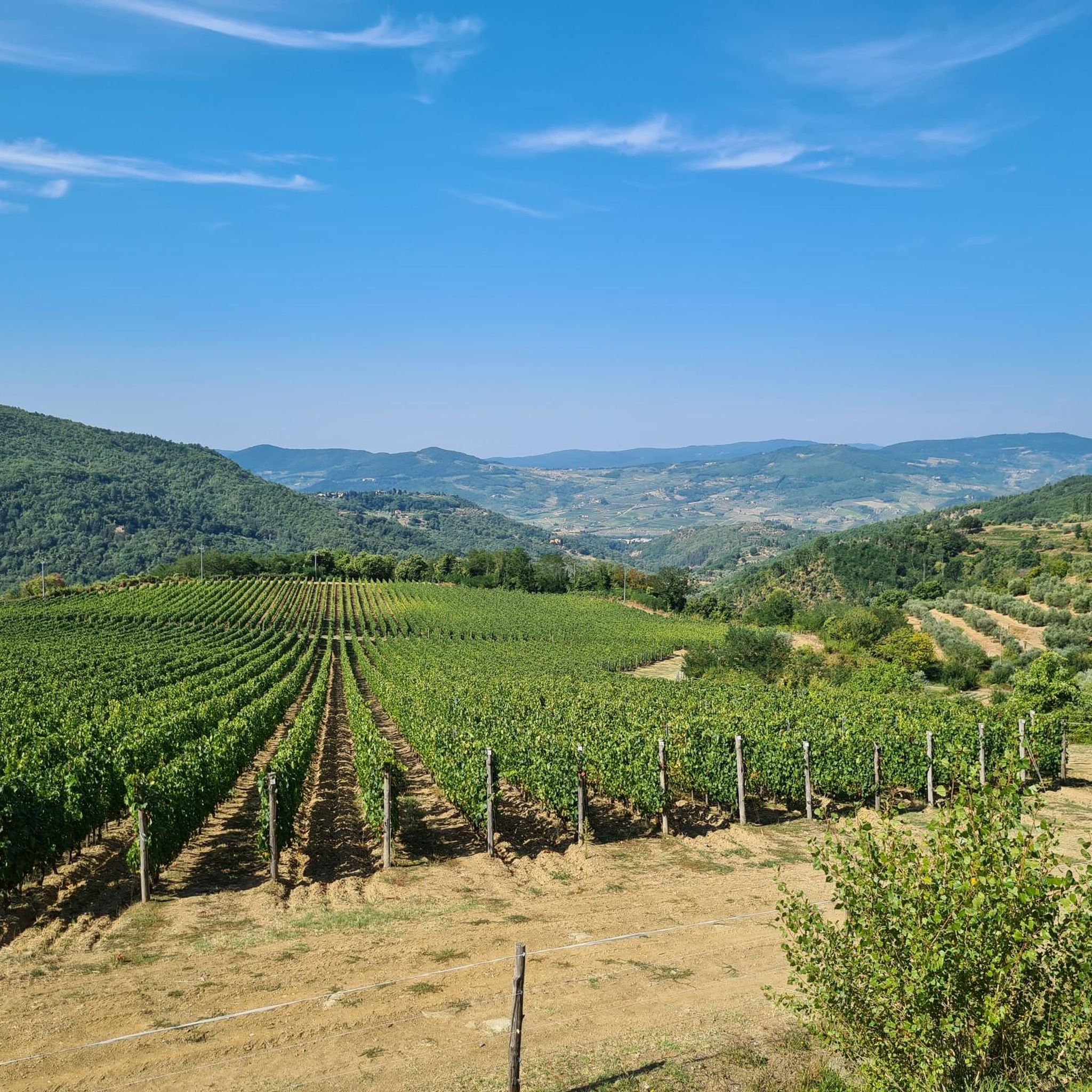
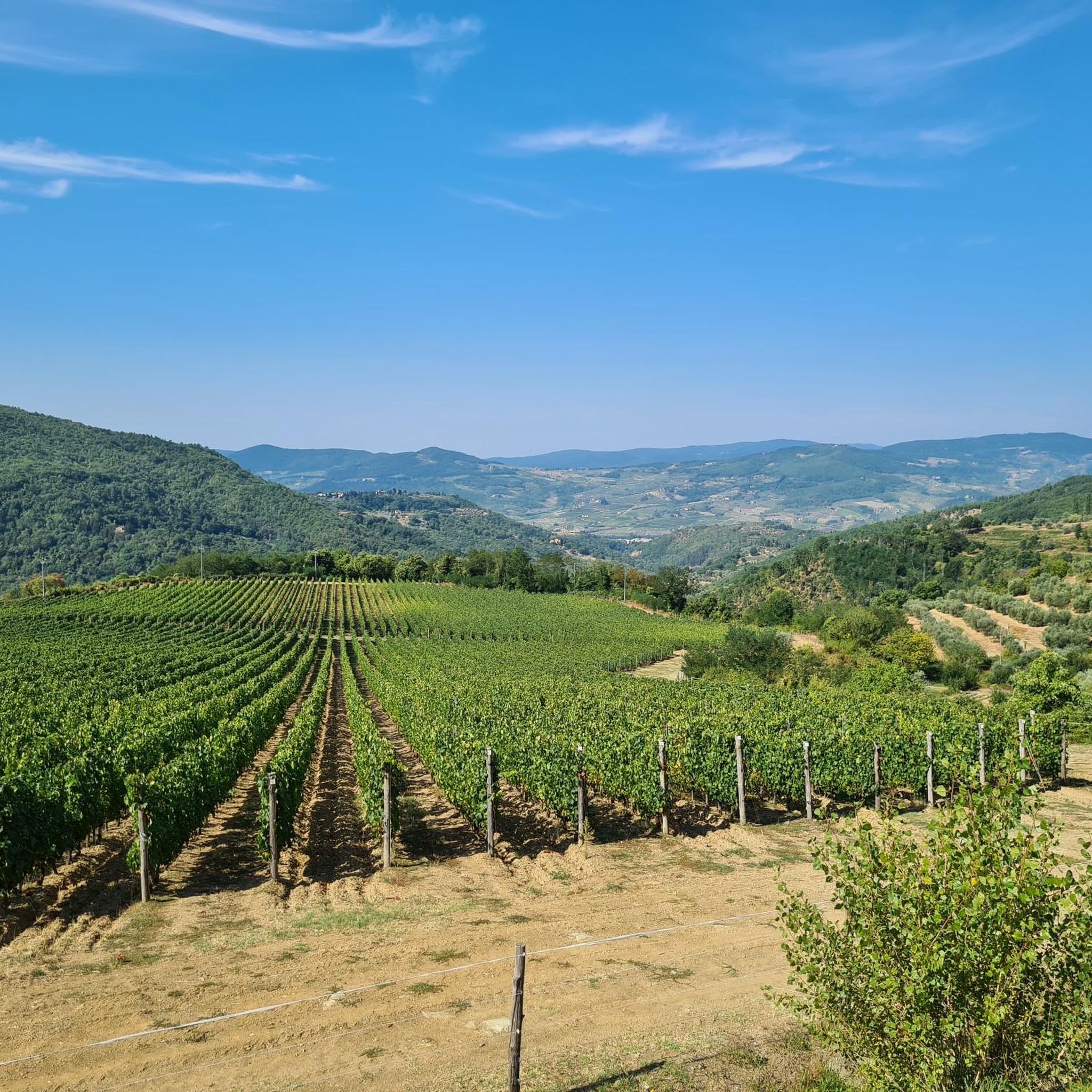
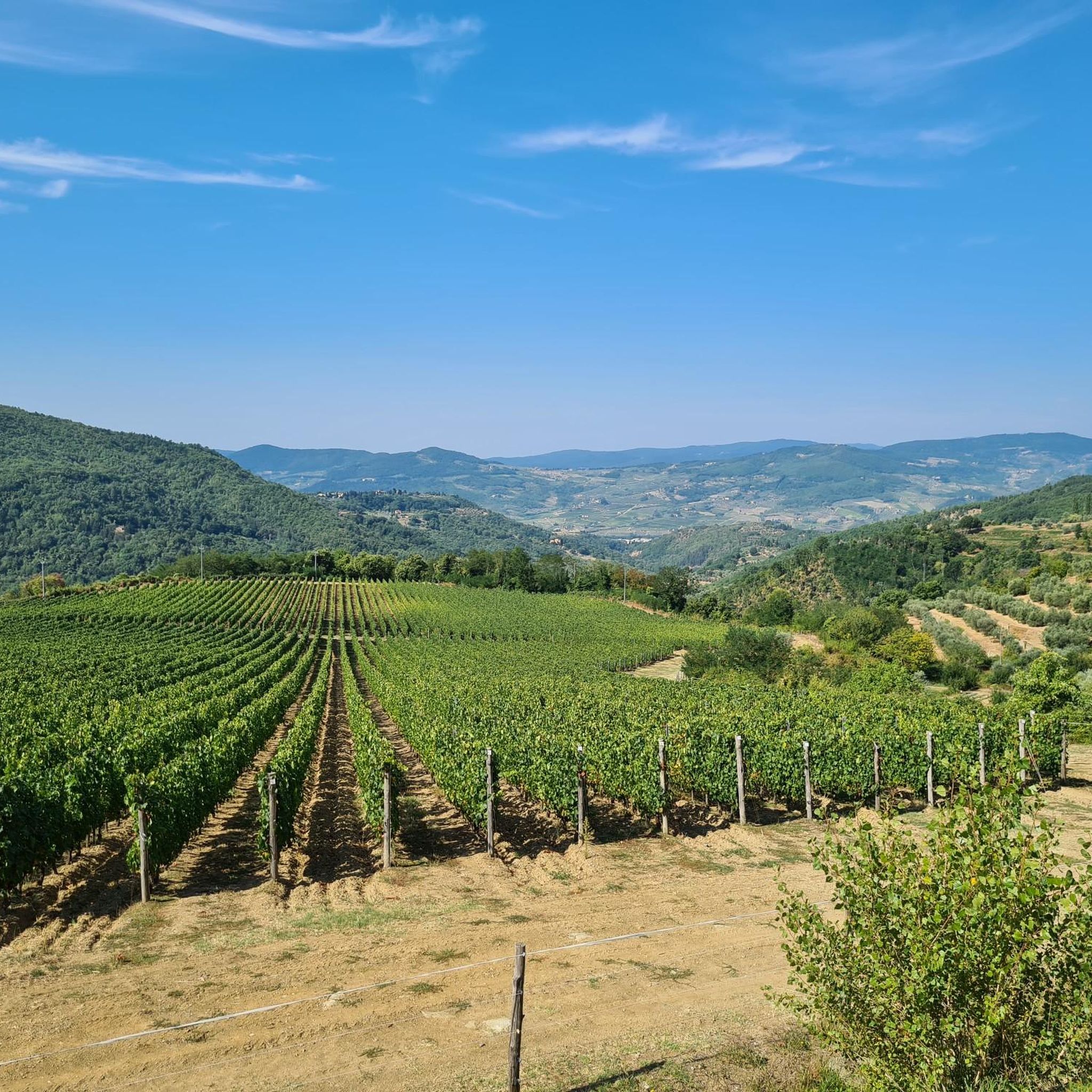
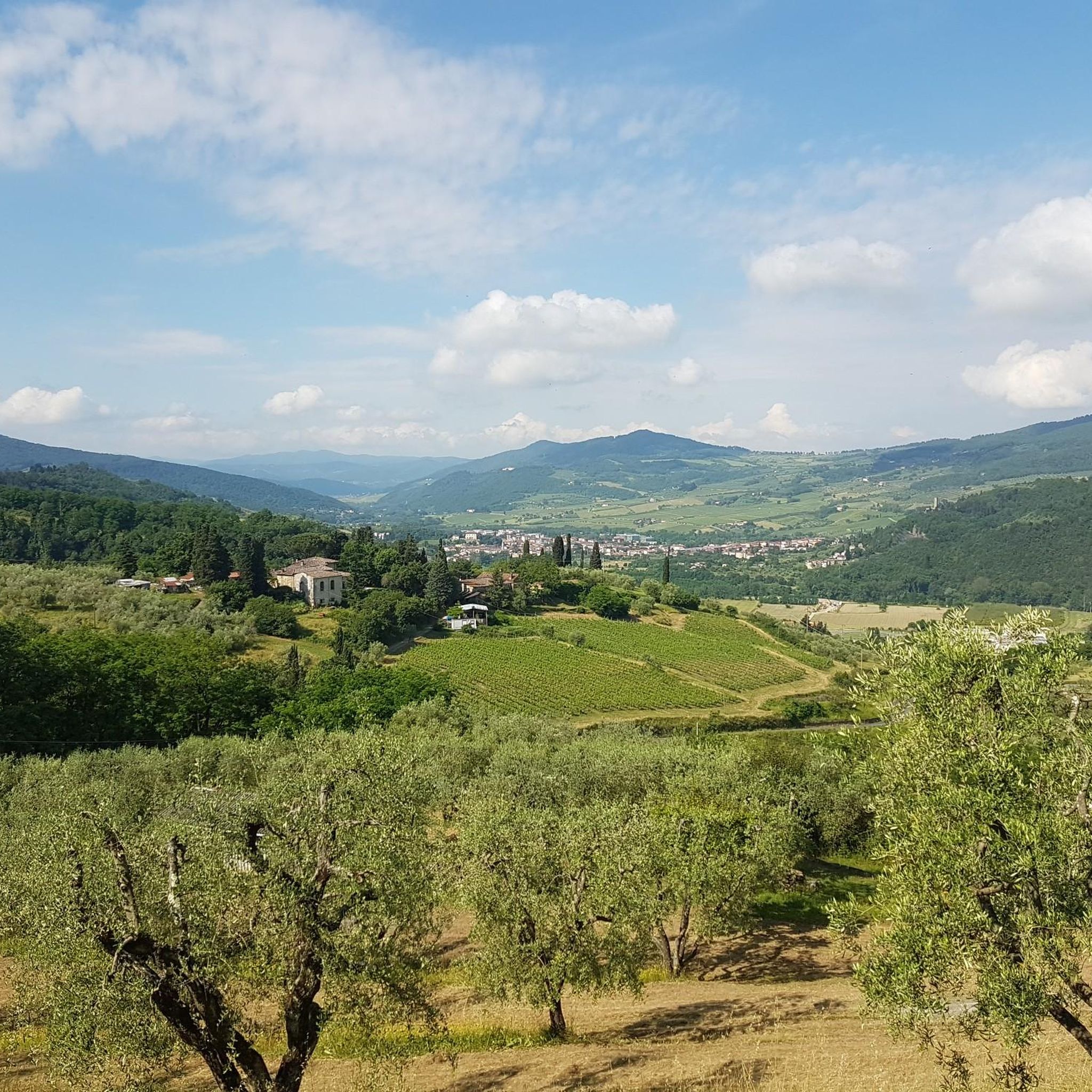
Hiking around Rufina offers diverse landscapes for outdoor enthusiasts, characterized by rolling hills, vineyards, and olive groves. The region features lush woods set against the backdrop of the Apennine mountains, including the serene Sieve Valley. Hilly terrain provides varied challenges, from gentle walks through agricultural areas to ascents in the Pratomagno Apennines, with dense forests like those around Vallombrosa Abbey offering shaded paths. Higher elevations, such as the Consuma Pass, provide views of the Tuscan mountains and the Casentinesi Forest National Park.
Best hiking trails around Rufina
- The most popular hiking route is Ospitale di San Domenico – Delicatessen loop from La Castellaccia, a 4.8 miles (7.7 km) trail that takes 2 hours 9 minutes to complete. This moderate route explores the local area with varied scenery.
- Another top favourite among local hikers is Consuma Village – Ospitale di San Domenico loop from Zona di Protezione Fontemassi, a moderate 8.7 miles (14.0 km) path. This trail includes ascents and offers views of the surrounding hilly terrain.
- Local hikers also love the Bridge Over the Sieve – Vineyard and Olive Grove Walk loop from Rufina, a 6.4 miles (10.4 km) trail leading through vineyards and olive groves, often completed in about 2 hours 54 minutes.
- Hiking around Rufina is defined by vineyards, olive groves, and dense woods, offering varied terrain suitable for different skill levels. The network includes paths through the Sieve Valley and into the Apennine foothills.
- The routes in Rufina are highly rated by the komoot community with an average score of 4.4 stars from over 900 reviews. More than 3000 hikers have used komoot to explore Rufina's varied terrain.
Last updated: May 2, 2026
4.3
(11)
39
hikers
7.69km
02:10
160m
160m
Moderate hike. Good fitness required. Easily-accessible paths. Suitable for all skill levels.
4.5
(4)
21
hikers
14.0km
04:12
440m
440m
Moderate hike. Good fitness required. Easily-accessible paths. Suitable for all skill levels.

Sign up for free
10
hikers
15.4km
04:29
390m
390m
Moderate hike. Good fitness required. Easily-accessible paths. Suitable for all skill levels.
4.2
(5)
15
hikers
10.4km
02:54
200m
200m
Moderate hike. Good fitness required. Easily-accessible paths. Suitable for all skill levels.
5.0
(2)
12
hikers
Hard hike. Very good fitness required. Easily-accessible paths. Suitable for all skill levels.
Get access to more routes and recommendations from other explorers.
Sign up for free
Already have an account?
Our route recommendations are based on thousands of hikes, rides, and runs completed by other people on komoot.
Start today with a free account
Your next adventure awaits.
Login or Signup

Tips from the Community

It is a place where you feel welcome. Everything a hiker/pilgrim needs is there. After a strenuous hike (more than 1000 m altitude difference), this is a place where you can regenerate and exchange with other pilgrims. Elena and her warm-hearted nature are the good spirits of this accommodation. Thank you
0
0

A beautiful 16th-century villa, located on the Poggioreale hill, commonly known locally as Villa Pantellini. The Duke of Tuscany also stayed there, and it changed hands many times. It also belonged to the Vallombrosan Friars, who between the 16th and 17th centuries reclaimed the marshy Rufina plain, building bastions on the banks of the Sieve River, only partially visible today.
1
0

The Tuscan town of Consuma was born along an ancient road that connected the Casentino with Florence and Valdarno, precisely at a height of 1050 meters above sea level. ... The name of Consuma probably derives from the Consumi family, originally from Ferrara, expelled from that city for political reasons. The small church of Consuma was built in 1932 based on a design by the architect Father Franci, over an old chapel that dated back to 1500. This church has a modern Romanesque style, with three naves, with two rows of columns. (Source: https://www.prolocopelago.it/art2/territorio/consuma.asp)
0
0
The Church of Consuma, dedicated to San Domenico, commissioned by Don Oreste Veneri and designed by the architect Father Raffaello Franci, was consecrated by Mons. Settimio Peroni on October 1, 1932. The large fresco in the apse, created in 1994, is the work of the painter Luciano Guarnieri. The restoration of the bell tower and the façade, made urgent by the fall of some stones on the road, was possible thanks to the contribution ... of the diocese of Fiesole, and the offerings of numerous and generous benefactors. (Source: https://www.parrocchiaconsuma.org/chiesa )
0
0

In the center of Pontassieve, in Piazza Vittorio Emanuele II, stands one of the most important monuments of the town, namely the town hall, also called Palazzo Sansoni Trombetta.
0
0

quiet village in casentino
0
0

nice walk with some altitude meters
0
0

I had a great time there. The room in the back is really nice, silence and cool. The host cooked a great meal and had a lot of tips for the pelgrimmage.
0
0
Frequently Asked Questions
What kind of terrain can I expect on hikes around Rufina?
Hiking around Rufina offers a diverse landscape characterized by rolling hills, extensive vineyards, and olive groves, particularly in the serene Sieve Valley. You'll also find lush woods and more challenging ascents into the Pratomagno Apennines. The area features dense forests, such as those surrounding Vallombrosa Abbey, providing shaded paths and varied natural environments.
Are there any easy hiking options suitable for beginners or casual walkers in Rufina?
While many routes are moderate, Rufina offers paths suitable for casual walkers. For instance, the Bridge Over the Sieve – Vineyard and Olive Grove Walk loop from Rufina is a moderate 10.4 km trail that takes you through picturesque vineyards and olive groves, offering a gentler experience of the region's agricultural beauty.
What are some challenging hikes available in the Rufina area?
For those seeking a more demanding experience, Rufina offers several challenging routes. The Old Bridge of Pontassieve – Florentine Gate (Pontassieve) loop from Rufina is a difficult 20 km trail that includes significant elevation changes. The region's hilly terrain and ascents into the Pratomagno Apennines also provide opportunities for strenuous treks with rewarding views.
Are there any circular hiking routes around Rufina?
Yes, many of the hiking trails around Rufina are designed as loops, allowing you to start and end at the same point. Examples include the moderate Ospitale di San Domenico – Delicatessen loop from La Castellaccia (7.7 km) and the longer Consuma Village – Ospitale di San Domenico loop from Zona di Protezione Fontemassi (14 km).
What kind of historical sites or landmarks can I see while hiking in Rufina?
Rufina's hiking trails often pass by significant historical sites. You can encounter landmarks such as the ancient Vallombrosa Abbey, a Benedictine monastery nestled in the forests. Other notable points of interest include the Tonda Tower of Ragnaia and various castles and villas mentioned in the region's history, such as the Castello of Rufina or Villa Busini.
Are there good viewpoints along the hiking trails in Rufina?
Absolutely. Higher elevations in the Rufina area, particularly around the Consuma Pass and during ascents into the Pratomagno Apennines, offer panoramic views. From these vantage points, you can enjoy sweeping vistas of the Tuscan mountains, the Sieve Valley, and even parts of the Casentinesi Forest National Park.
What is the best time of year to go hiking in Rufina?
The best time to hike in Rufina is generally during spring (April to June) and autumn (September to October). During these seasons, the weather is mild, the landscapes are vibrant with blooming flowers or rich fall colors, and the temperatures are comfortable for outdoor activities. Summer can be hot, especially in July and August, while winter can bring cooler temperatures and occasional snow at higher elevations.
Can I bring my dog on the hiking trails in Rufina?
Many trails in the Rufina region are suitable for dogs, especially those traversing through woods and open countryside. It's always advisable to keep your dog on a leash, especially near agricultural areas or wildlife, and to check for any specific local regulations or protected areas that might have restrictions.
What do other hikers enjoy most about the trails in Rufina?
The komoot community highly rates the trails around Rufina, with an average score of 4.4 stars from over 900 reviews. Hikers often praise the diverse scenery, which seamlessly blends vineyards, olive groves, and dense woods. The well-maintained paths and the opportunity to explore both natural beauty and historical sites are frequently highlighted as key attractions.
Are there any natural monuments or unique natural features to discover while hiking?
Yes, the Rufina area is rich in natural beauty. You can explore the dense forests around Vallombrosa Abbey, home to majestic trees and even the Douglas Fir Giants of Vallombrosa. Other natural highlights include the Faggio Santo (Sacred Beech Tree) and the tranquil Lake of the Idols.
Is public transport available to reach hiking trailheads near Rufina?
Rufina is connected by local public transport, primarily buses, which can help you reach various villages and starting points for hikes. For specific trailheads, it's recommended to check local bus schedules and routes in advance, as some more remote areas might require a car for access.
Are there any family-friendly hiking options in Rufina?
While specific 'easy' routes are not explicitly listed, many of the moderate trails through vineyards and olive groves, especially those with shorter distances, can be suitable for families with older children. The varied terrain ensures there are options for different fitness levels, and the scenic beauty makes for an enjoyable outing.
Most popular attractions around Rufina

Get inspired with the komoot mobile app


Explore more
Browse the best Hikes in other regions.
