The 6 Most Amazing Peaks around San Potito Sannitico
Best mountain peaks around San Potito Sannitico are found within the Matese Massif, a significant mountain range in the southern Apennines. This region provides access to diverse natural landscapes, including rugged mountains, deep valleys, and karst formations. San Potito Sannitico serves as a base for exploring the Matese mountain range and its regional park. The area is known for its varied terrain, offering numerous opportunities for outdoor activities.
Best mountain peaks around San Potito Sannitico
- The most popular mountain peaks…
Last updated: July 1, 2026
La Gallinola Summit
Highlight • Summit
Translated by Google •
Tip by

Mount Mutria
Highlight • Summit
Translated by Google •
Tip by

Sign up now to discover places like this
Get recommendations on the best single tracks, peaks, & plenty of other exciting outdoor places.
Sign up for free
Punta Giulia (Anticima della Gallinola)
Highlight • Summit
Translated by Google •
Tip by

Pianellone Karst Plateau
Highlight • Natural Monument
Translated by Google •
Tip by
Sanctuary of Monte Calvario with views over Cusano Mutri
Highlight • Religious Site
Translated by Google •
Tip by
Sign up for free to discover even more peaks around San Potito Sannitico.
Sign up for free
Already have an account?
Start today with a free account
Your next adventure awaits.
Login or Signup

Other adventures around San Potito Sannitico

Tips from the Community

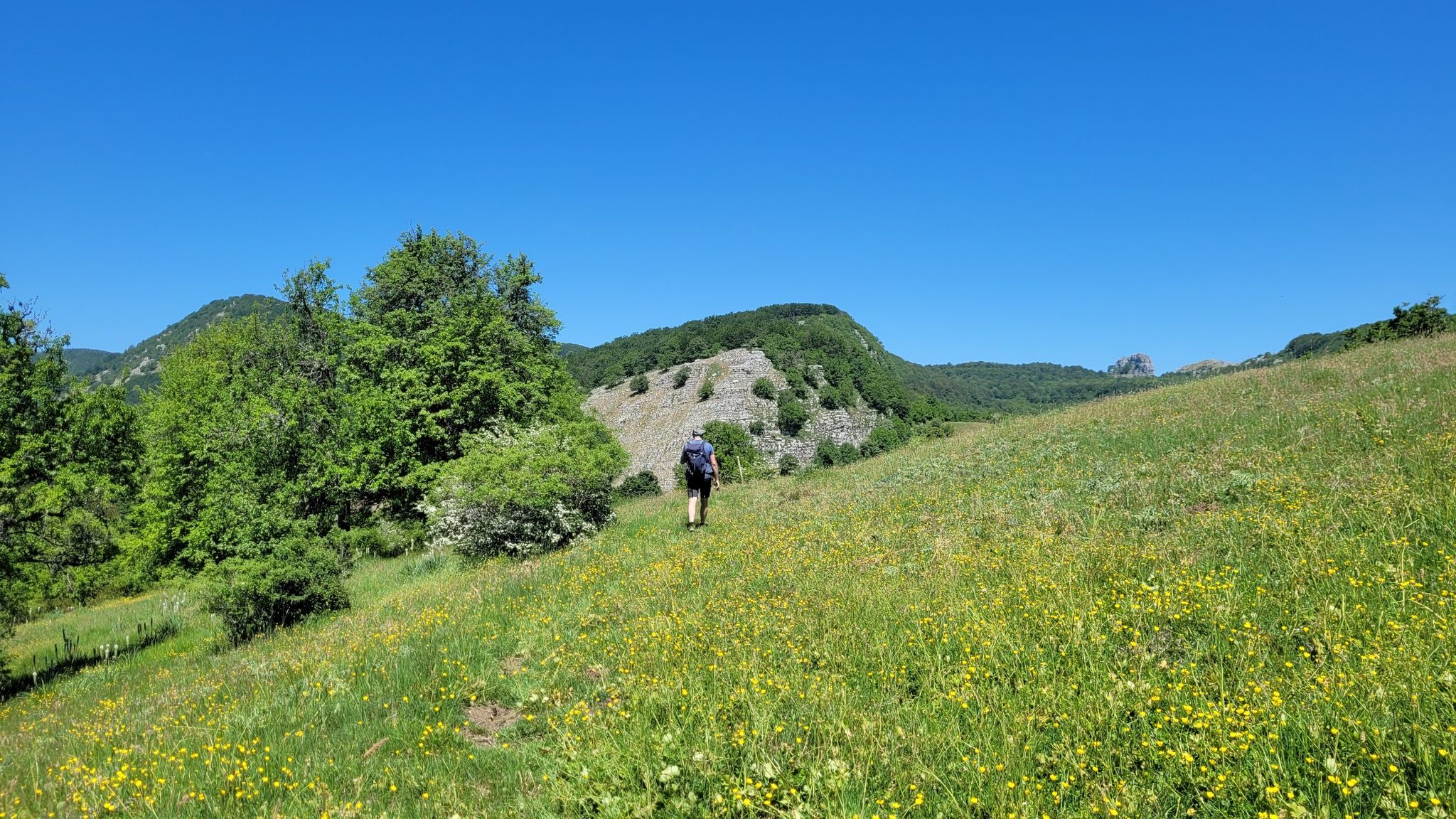
Gallinola (1,923 m above sea level) is the second highest peak in the Matese range and is located in Molise. It can be reached from Campitello Matese via a 5.5 km hike and an elevation gain of just under 500 meters. The view from the summit is spectacular, stretching from the Maiella to the Tyrrhenian Sea, clearly visible in good weather.
1
0

Challenging route with a difference in altitude of about 600m, starting from the Ecocamous refuge located in the Santa Maria valley. During the route you will encounter woods, valleys and a beautiful view of Lake Matese. The route leads to the highest peak in Campania, La Gallinola (1923m)
0
0

Getting there from the Santa Maria refuge was a slog but when you admire the view you understand that it's worth it
3
0

Monte Mutria is the highest peak of the Guardiaregia-Campochiaro Regional Reserve, with its 1823 meters of altitude. Near the top is the chapel of Sant'Antonio, built in the 1990s and a destination for summer pilgrimages. The panorama extends over the great mountains of the Apennines, and on the clearest days you can even see the sea.
2
0

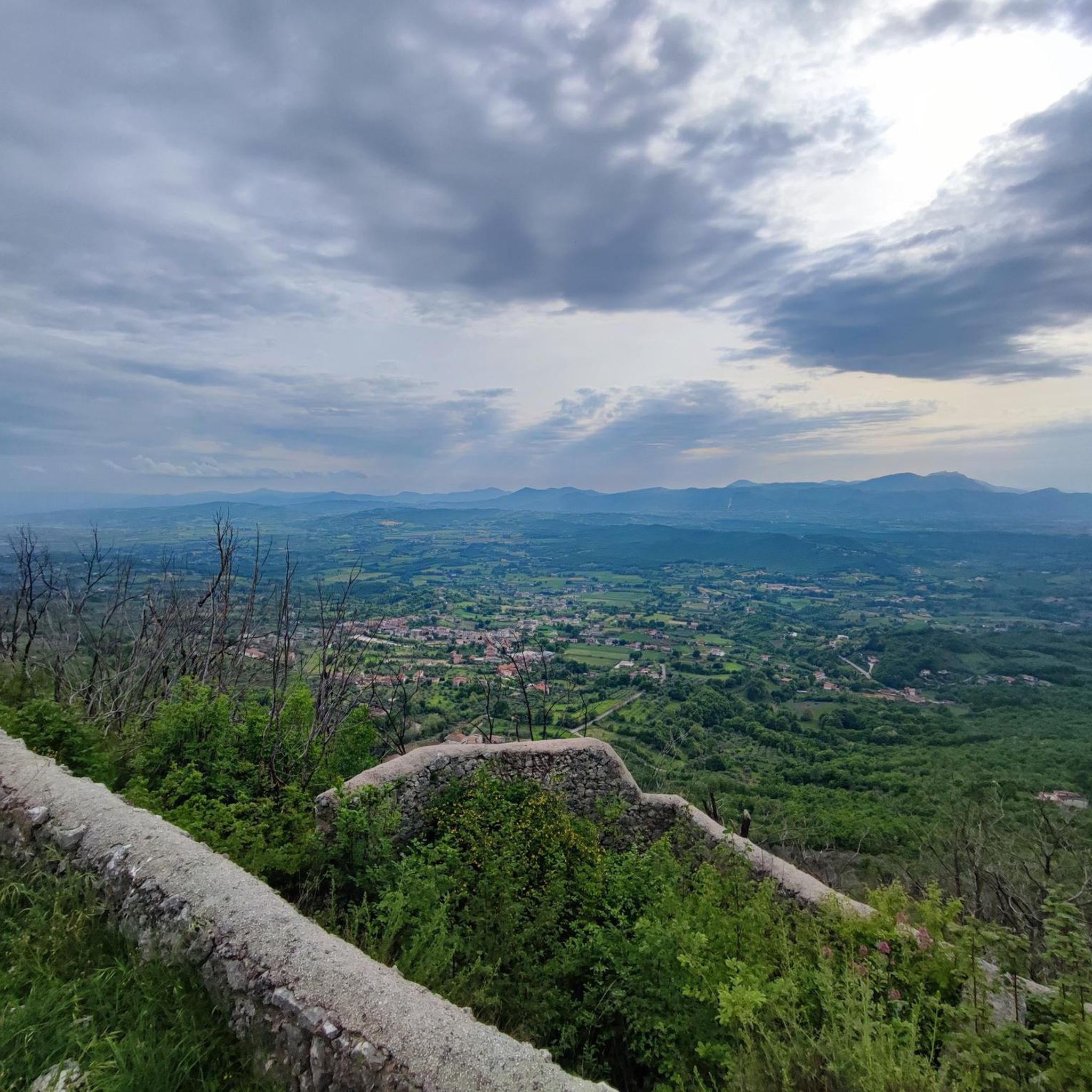
Monte Calvario is located at 545 meters and offers a beautiful view of Cusano Mutri and its surroundings.
1
0
Gallinola is part of the Matese massif, and with its 1923 meters it is the highest point in Campania. From here the breathtaking panorama is guaranteed.
4
0
The Pianellone is located at an altitude of 1390 meters. It is one of the largest karst basins in the Matese area.
1
0

Not really a place to bike but if there's no one why not :) It has a great view on top of the hill
0
0
Frequently Asked Questions
What are some of the most notable mountain peaks to explore near San Potito Sannitico?
The region around San Potito Sannitico, nestled in the Matese Massif, offers several significant peaks. Among them is La Gallinola Summit, the highest point in Campania at 1923 meters, known for its challenging routes and panoramic views. Another prominent peak is Mount Mutria, standing at 1823 meters, offering expansive views over the Apennines and Lake Matese. You can also explore Punta Giulia (Anticima della Gallinola), which reaches 1917 meters.
What kind of terrain can I expect when hiking the mountain peaks in the Matese Massif?
The Matese Massif features a diverse landscape. Peaks like La Gallinola Summit are characterized by a karst environment with persistent grass and a lack of large trees at higher elevations. The broader Matese Massif includes rugged mountains, deep valleys, and extensive beech woods, offering varied terrain from challenging ascents to more moderate paths through forests and plateaus.
Are there any historical or cultural sites located within the mountain areas near San Potito Sannitico?
Yes, the region combines natural beauty with historical significance. A notable site is the Hermitage of Sant'Egidio, an ancient religious building and monastery located at 1025 meters above sea level amidst beech woods. It dates back to the 9th-10th centuries and offers a peaceful retreat. Additionally, Monte Acero Dry Stone Walls feature three kilometers of dry stone walls from the 6th century BC, along with a statue dedicated to Jesus the Redeemer.
What natural features, beyond the peaks, can be found in the Matese region?
Beyond the impressive peaks, the Matese region is rich in natural wonders. You can discover the Pianellone Karst Plateau, one of the largest karst basins in the Matese area, located at 1390 meters. The Matese Massif also boasts serene lakes, including Lake Matese, which is the highest karst lake in Italy, and fascinating caving opportunities like the Lete caves with their waterfalls and unique geological formations.
What outdoor activities can I do near the mountain peaks around San Potito Sannitico?
The Matese Regional Park, encompassing these peaks, is a haven for outdoor enthusiasts. You can enjoy a wide array of activities such as hiking, mountain biking, and caving. In winter, the area is suitable for skiing and snowshoeing. For those seeking routes, there are numerous options like the 'Monte Mutria Summit Loop' for hiking, or 'San Gregorio Matese – Piedimonte Matese loop' for cycling. You can find more details on these activities in the hiking guide, cycling guide, and MTB trails guide for the area.
Are there challenging hiking routes available for experienced hikers?
Yes, the Matese Massif offers challenging routes, particularly to higher summits. The ascent to La Gallinola Summit, for instance, involves a significant altitude difference of about 600m, starting from the Ecocamous refuge. This route takes you through woods and valleys before reaching the summit, rewarding hikers with breathtaking views. Other challenging trails can be found in the hiking guide.
What is the best time of year to visit the mountain peaks near San Potito Sannitico?
The best time to visit largely depends on your preferred activities. Spring and autumn offer pleasant temperatures for hiking and exploring the natural landscapes. Summer is ideal for enjoying the high-altitude areas and longer daylight hours. For winter sports enthusiasts, the Matese Massif provides opportunities for skiing and snowshoeing during the colder months.
Can I find family-friendly options for exploring the mountains?
While some peaks offer challenging ascents, the broader Matese Regional Park provides diverse landscapes suitable for various activity levels. You can find more accessible natural features and trails that are less strenuous. For example, the 'Monte Mutria Summit Loop' is listed as an easy hiking route in the hiking guide, which might be suitable for families.
What kind of views can I expect from the mountain peaks?
The mountain peaks in the Matese Massif offer spectacular panoramic views. From La Gallinola Summit, on clear days, you can see between the Tyrrhenian and Adriatic Seas. Mount Mutria provides views over the great mountains of the Apennines, Lake Matese, and even the sea when visibility is good. These viewpoints are highly appreciated by visitors for their expansive vistas.
Are there any specific tips for visiting La Gallinola Summit?
When planning a visit to La Gallinola Summit, be prepared for a challenging route with a significant altitude gain. Many visitors recommend starting from the Santa Maria valley, near the Ecocamous refuge. The effort is well worth it for the breathtaking panorama from the highest point in Campania. Ensure you have appropriate gear for the varied terrain, which includes woods and valleys.
Where can I find accommodation or amenities near the mountain trails?
San Potito Sannitico itself serves as an excellent base for exploring the Matese region, offering various amenities. While specific cafes directly on mountain trails are not detailed, the town and surrounding villages provide accommodation options and places to eat. The Hermitage of Sant'Egidio, though not a peak, has a mountain refuge equipped with picnic tables and a spring, offering a spot for rest.
What is the highest peak in the Matese range?
The highest peak of the Matese range is Monte Miletto, reaching 2,050 meters. While La Gallinola Summit is the highest point in Campania at 1,923 meters, Monte Miletto surpasses it in overall elevation within the Matese Massif.
Most popular routes around San Potito Sannitico
Most popular attractions around San Potito Sannitico

Get inspired with the komoot mobile app


Explore more
See even more amazing summits around San Potito Sannitico with these guides:
