The best walks and hikes around Schöntal
4.6
(4379)
16,393
hikers
196
hikes
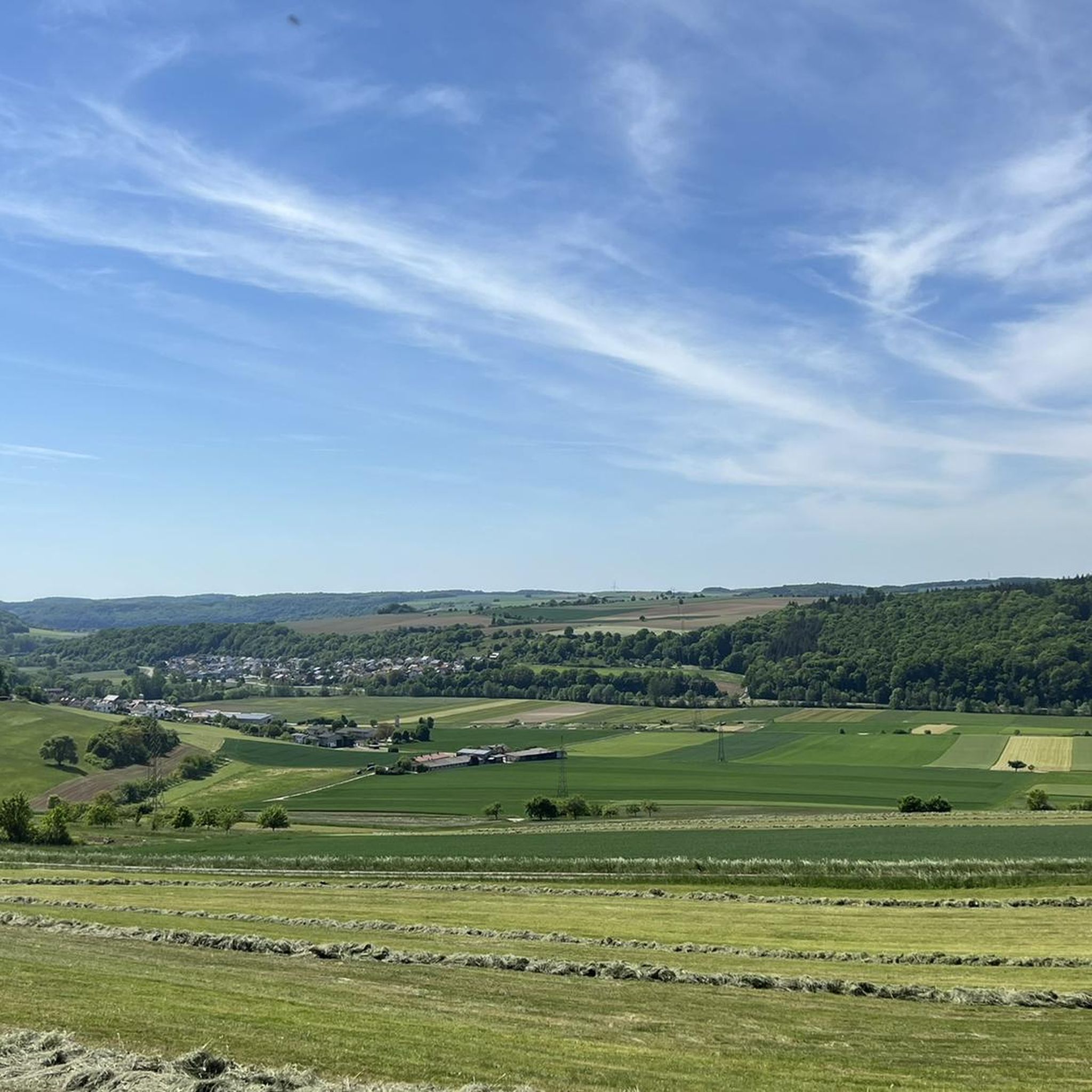
Hiking around Schöntal offers diverse terrain within the picturesque Jagst river valley, where the river carves loops through the landscape. The region features expansive meadows, unique limestone grasslands, vineyards, and humid ravine forests. Situated on the Kocher-Jagst plain and Kessach plateau, Schöntal provides varied elevations and natural features for outdoor exploration. These natural elements contribute to a varied hiking experience, from riverside paths to elevated viewpoints.
Best hiking trails around Schöntal
- The most popular hiking route is Hiking Trail to…
Last updated: July 9, 2026
4.7
(129)
482
hikers
6.79km
01:55
140m
140m
Easy hike. Great for any fitness level. Easily-accessible paths. Suitable for all skill levels.
4.6
(83)
310
hikers
10.6km
02:58
210m
210m
Moderate hike. Good fitness required. Easily-accessible paths. Suitable for all skill levels.

Sign up for free
4.8
(97)
411
hikers
Easy hike. Great for any fitness level. Easily-accessible paths. Suitable for all skill levels.
4.8
(19)
53
hikers
Moderate hike. Good fitness required. Easily-accessible paths. Suitable for all skill levels.
4.2
(26)
82
hikers
4.56km
01:13
50m
50m
Easy hike. Great for any fitness level. Easily-accessible paths. Suitable for all skill levels.
Get access to more routes and recommendations from other explorers.
Sign up for free
Already have an account?
Our route recommendations are based on thousands of hikes, rides, and runs completed by other people on komoot.
Start today with a free account
Your next adventure awaits.
Login or Signup
Other adventures around Schöntal

Tips from the Community

Great view of a great motif
0
0

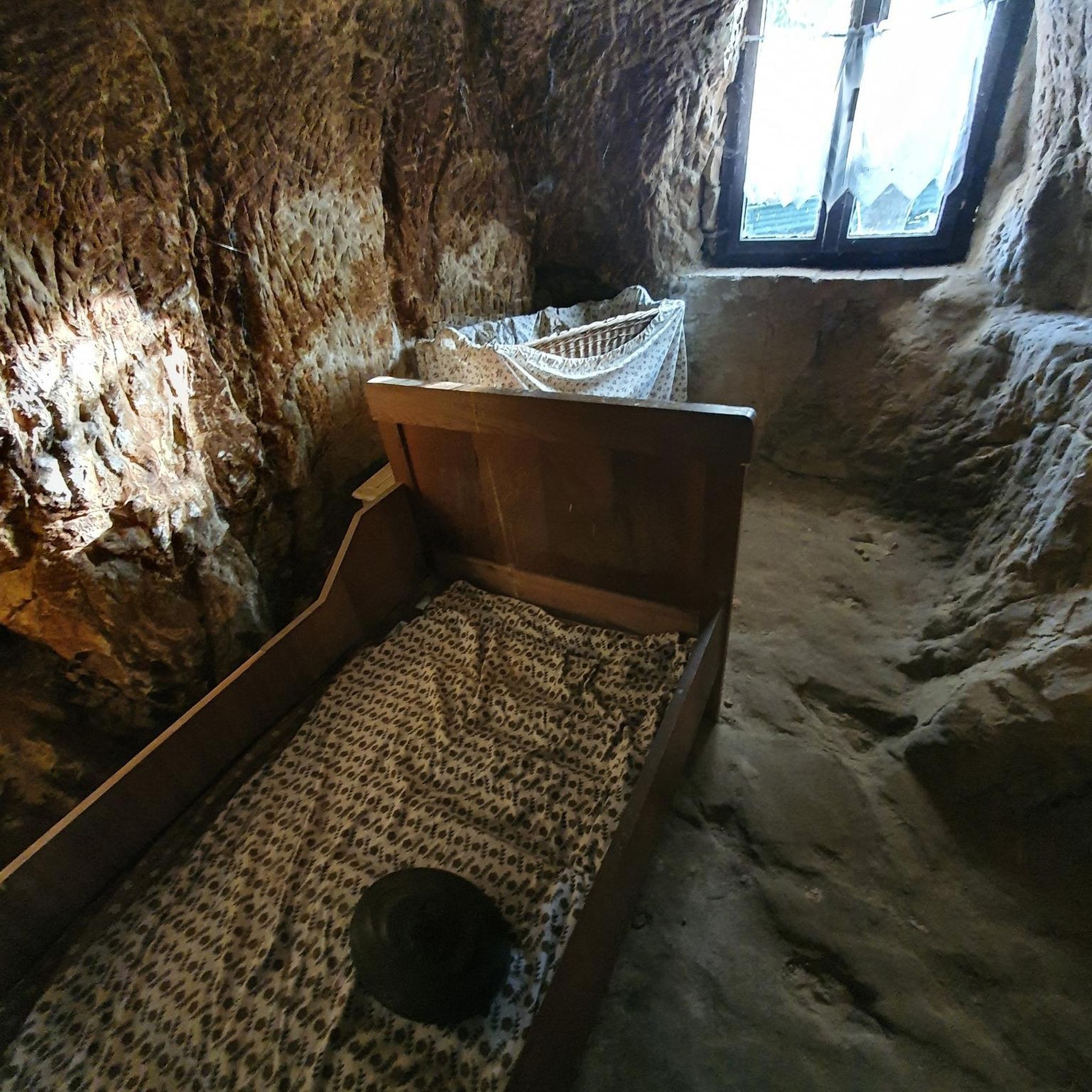
Like from a lost places catalog...
0
0

Lime tree with a massive, arched trunk and pronounced root flares. The tree is said to have originated from three closely planted lime trees that grew together over time. At sacred sites, such as near pilgrimage churches, three trees were often planted close together as a symbol of the Christian Trinity. The trunk opening was stabilized with iron bars. Its current age is estimated to be approx. 500 years.
7
0
North of the pilgrimage church is the Heiligenbrünnlein. It was refitted in 1667. The spring emerges in a "grotto" where a Madonna statue is located. A stone is embedded in the ceiling. By touching the stone and eyes with water from the spring and reciting the prayer: "Maria hilf, dass ich besser sehen kann" (Mary, help me to see better), the water is attributed a healing effect. Neusaß lies lonely and idyllic on the heights of Schöntal between meadows and fields. Nearby are several fish ponds of the monastery. Immediately next to it is the forester's lodge (Forsthaus).
5
0
A linden tree, a forester's lodge, and a chapel form Neusaß above Schöntal Monastery. Historical speculations, stories, and tales give the place its very own significance. It cannot be precisely determined when a chapel has existed in Neusaß. As stated in a booklet on the history of the place, the first reference to a pilgrimage dates back to the year 1395. The chapel itself shows late Gothic features. The pilgrimage tradition has endured to this day.
3
0
Larger biotope with two smaller lakes from which the Honigbach stream originates, located directly on the hiking trail or Jakobsweg.
5
0
Beautiful natural hiking trail in the shade and along a small stream as a wonderful connection from the Neusaß pilgrimage church to the Schöntal monastery.
7
0
Frequently Asked Questions
How many hiking trails are available in Schöntal?
Schöntal offers a wide variety of hiking experiences, with over 190 routes available. These trails cater to different preferences, including easy riverside strolls and more challenging routes with varied elevations.
What kind of terrain can I expect on hikes around Schöntal?
The region is characterized by the picturesque Jagst river valley, featuring diverse terrain. You'll find expansive meadows, unique limestone grasslands, vineyards, and humid ravine forests. The landscape also includes the Kocher-Jagst plain and Kessach plateau, offering varied elevations and scenic vistas.
Are there easy hiking trails suitable for beginners or families in Schöntal?
Yes, Schöntal has plenty of options for easy hikes, with over 100 trails rated as easy. These routes are perfect for beginners or families looking for a relaxed outdoor experience. For example, the Tyrolean Lake – Upper Tiroler Lake loop from Tiroler Seen is an easy 4.5 km path, or the Albert Fuchs Oak – Giant Sequoia by the Lake loop from Muthof Abzweig offers another gentle 5.1 km option.
What are some notable historical or natural landmarks to see while hiking in Schöntal?
Schöntal is rich in both natural beauty and historical sites. A prominent landmark is the impressive Schöntal Abbey, known for its Baroque architecture and idyllic setting by the Jagst river. You can also explore historical castles like View of Götzenburg, Jagsthausen (Old Castle) or Götzenburg Castle (Jagsthausen), and the charming Möckmühl Old Town. For natural features, look out for gorges such as the Hergstbach Valley or Deubach Gorge.
Are there any circular hiking routes in Schöntal?
Yes, Schöntal offers numerous circular hiking routes, including local trails around Schöntal Abbey that lead through fields, pastures, and former vineyards. The "Paths of Silence" are also circular routes in the middle Jagst valley, designed for quiet contemplation amidst natural beauty and historical sites.
What do other hikers enjoy most about hiking in Schöntal?
The hiking trails in Schöntal are highly regarded by the komoot community, with an average rating of 4.6 stars from over 700 reviews. Hikers frequently praise the blend of natural beauty, such as the wildflower meadows and river valley views, with cultural landmarks like Schöntal Abbey. The varied terrain and well-maintained paths also receive positive feedback.
Can I bring my dog on the hiking trails in Schöntal?
Many trails in Schöntal are suitable for dogs, allowing you to explore the scenic Jagst river valley and its diverse landscapes with your canine companion. It's always recommended to keep dogs on a leash, especially in areas with wildlife or near livestock, and to check specific trail regulations if available.
Are there any long-distance hiking trails that pass through Schöntal?
Yes, Schöntal is part of several significant long-distance routes. A section of the historic Jakobsweg (Way of St. James) passes through the area, offering a journey through wildflower-filled meadows. Additionally, the Limes Hiking Trail (HW6), part of the German Limes, allows for exploration of historical Roman frontier landscapes, and the extensive Kocher-Jagst-Trail also winds through the Hohenlohe region.
What is the best time of year to go hiking in Schöntal?
Schöntal is beautiful throughout the year, but spring and autumn are particularly popular for hiking. In spring, the meadows are vibrant with wildflowers, and the weather is mild. Autumn offers stunning foliage colors along the river valleys and vineyards. Summer is also pleasant, especially for riverside walks, while winter can provide a serene, quiet hiking experience, though some paths might be less accessible.
Are there opportunities for parking near the trailheads in Schöntal?
Yes, many popular trailheads and attractions in Schöntal, such as Schöntal Abbey, offer designated parking areas. It's generally advisable to check local signage for specific parking regulations and availability, especially during peak seasons.
Are there any trails that offer views of the Jagst river?
Absolutely. The Jagst river is a central feature of the region, and many trails follow its course, offering picturesque views. The "Natura Trail" along the Jagst is particularly noted for its varied scenery, including sun-exposed dry slopes and orchid-rich limestone grasslands, all with the river as a constant companion.
What is the difficulty level of most hikes in Schöntal?
The majority of hikes in Schöntal are rated as easy to moderate. Out of nearly 200 routes, over 100 are considered easy, and about 80 are moderate. There are only a few difficult trails, making the area very accessible for most hikers. The difficulty often depends on the elevation changes as you traverse the Kocher-Jagst plain and Kessach plateau.
Most popular routes around Schöntal
Most popular attractions around Schöntal

Get inspired with the komoot mobile app


Explore more
Browse the best Hikes in other regions.
