The best cycling routes around Schönermark
4.6
(1026)
3,830
riders
171
rides
Touring cycling around Schönermark benefits from a predominantly flat landscape, shaped by glacial activity, making it ideal for relaxed rides. The region is characterized by an extensive network of cycle paths winding through numerous groove lakes, forests, and agricultural lands. This varied terrain offers a harmonious blend of nature and active recreation, with gentle undulations in some forested areas.
Best touring cycling routes around Schönermark
- The most popular touring cycling route is Meseberg Palace – Gudelack Lake in Lindow loop…
Last updated: May 1, 2026
4.9
(45)
155
riders
60.2km
04:00
220m
220m
Moderate bike ride. Good fitness required. Mostly paved surfaces. Suitable for all skill levels.
4.9
(23)
76
riders
57.9km
03:26
240m
240m
Moderate bike ride. Good fitness required. Mostly paved surfaces. Suitable for all skill levels.

Sign up for free
3.9
(7)
30
riders
Easy bike ride. Great for any fitness level. Mostly paved surfaces. Suitable for all skill levels.
4.5
(6)
23
riders
Moderate bike ride. Good fitness required. Mostly paved surfaces. Suitable for all skill levels.
5.0
(3)
23
riders
Moderate bike ride. Good fitness required. Mostly paved surfaces. Suitable for all skill levels.
Get access to more routes and recommendations from other explorers.
Sign up for free
Already have an account?
Our route recommendations are based on thousands of hikes, rides, and runs completed by other people on komoot.
Start today with a free account
Your next adventure awaits.
Login or Signup
Tips from the Community

The mill was first documented in 1530 and originally belonged to the Lindow convent (later the Lindow ladies' convent and office). It is one of the last remaining water and windmills in the region. In the Middle Ages, it served the monastery, which was one of the richest in the March of Brandenburg. Fires destroyed parts of the complex in 1805 and 1846; it was rebuilt afterwards. The current two-story main building dates from 1848 (or reconstruction after 1846) and is an example of Prussian rural architecture.
0
0
Originally it was a classic water mill. Today it is decommissioned as a grain mill, but still possesses complete milling technology (formerly with a turbine). Since about 1928/1936 it has been operated electrically. The preserved water wheel (an undershot Straub wheel) still turns occasionally for demonstration purposes or lies in the flow.
0
0

Viticulture is probably not typical in this area around Gransee, but where a count or today the government resides, a vineyard is also established. It is certainly idyllic to look at and we enjoyed it.
0
0
Today, the Ruppiner Tor is used for art exhibitions. The key is available at the neighboring local history museum during opening hours.
0
0

A lively little town with history. A beautiful church on the market square; there's also Cafe Reinhold: a good breakfast on the terrace.
0
0

In the Ruppiner Land region, several cycle paths run parallel to forestry roads, which are a joy to ride in the first few years. Unfortunately, most cycle paths are laid as a rather thin asphalt surface directly on the sandy soil after the topsoil has been removed. This leads to the first signs of root growth after just a few years, and after a longer period, such paths develop a washboard surface. Unfortunately, these paths are unsuitable for racing bikes or riders with correspondingly high speeds.
0
0
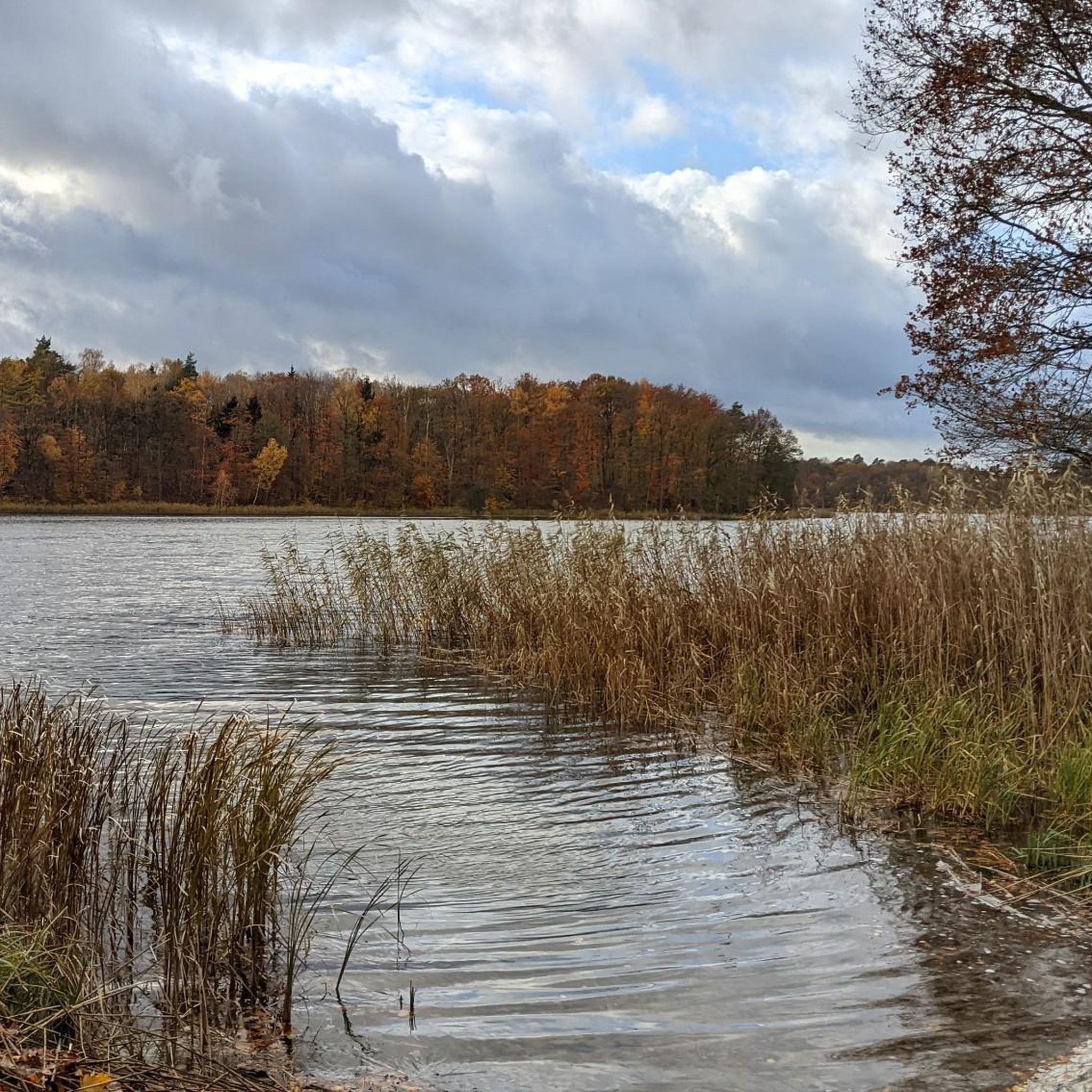
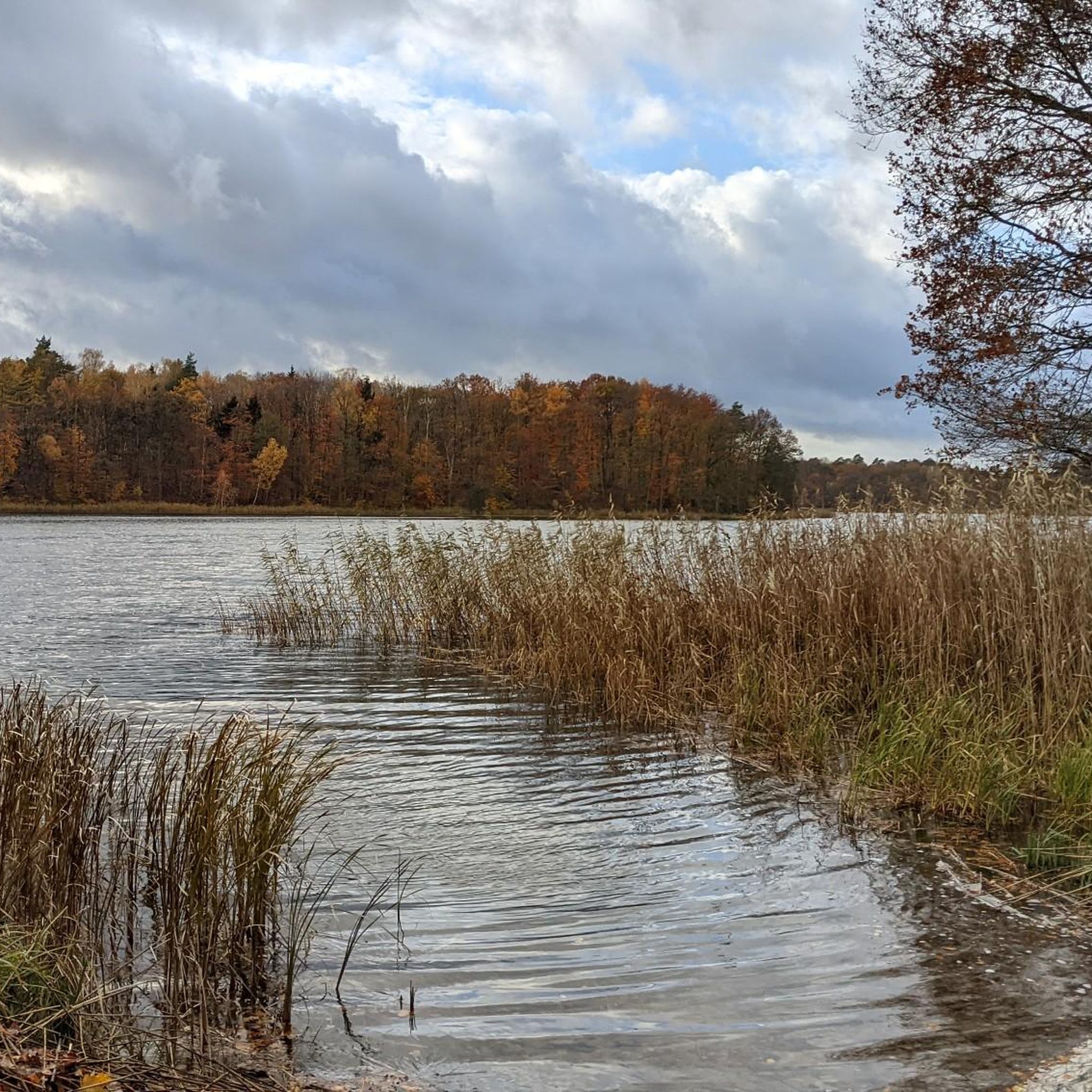
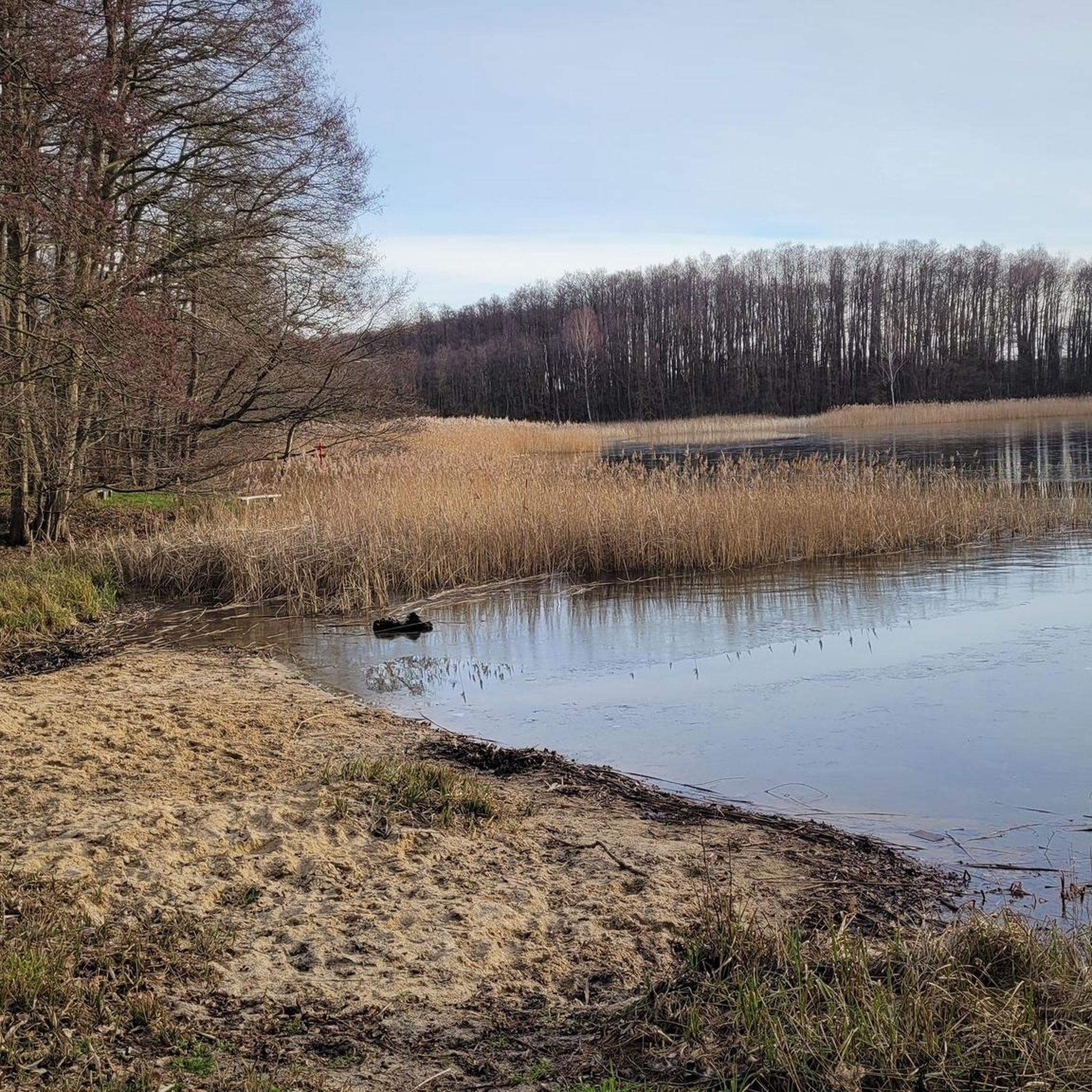
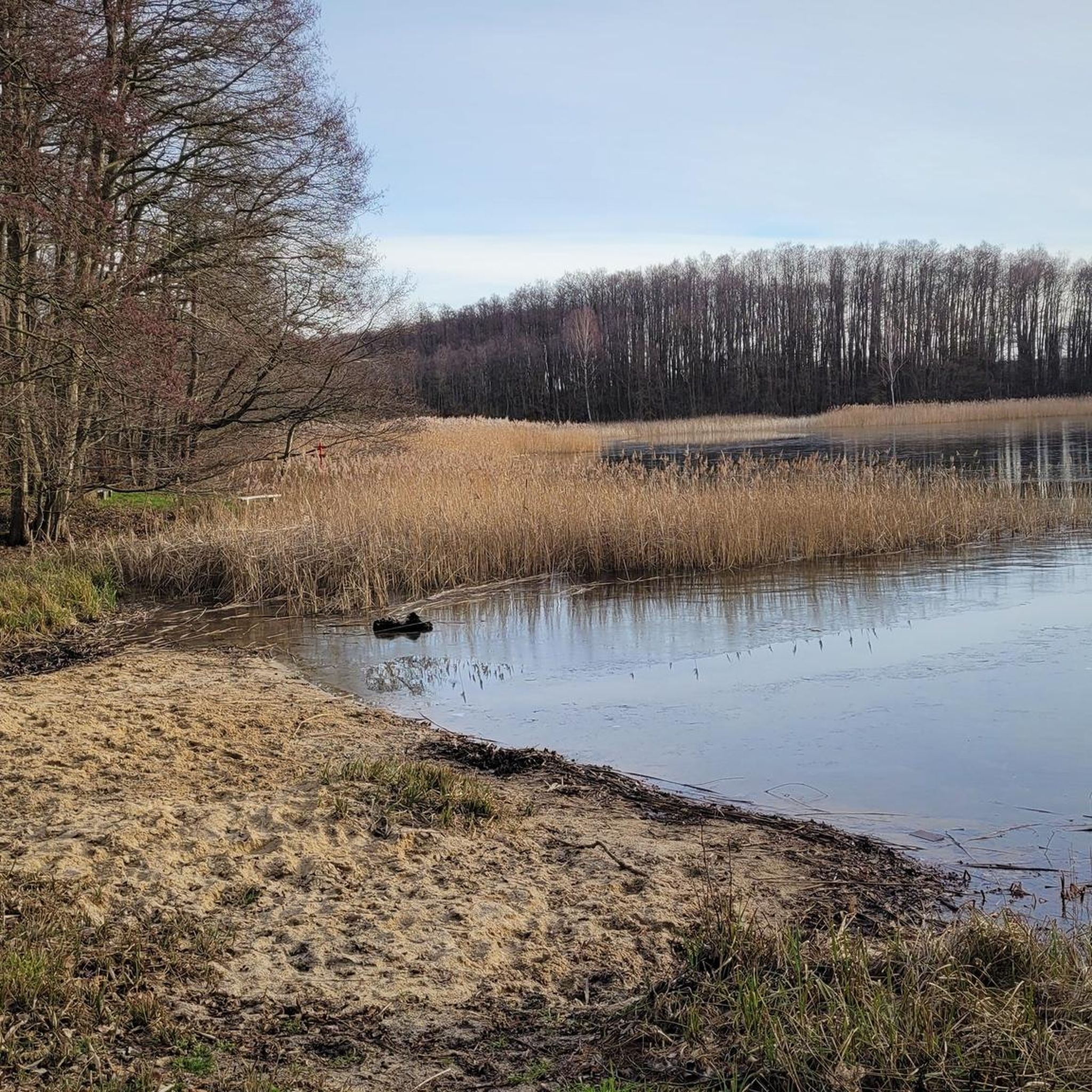
Most of the lakes in the Ruppiner Land region are worth a visit. They are surrounded by pine forests and, in good weather, reflect the typical North German sky.
0
0

St. Mary's Church is the Protestant town church in Gransee and was a St. James's Church before a change of patronage. Built from brick in the third quarter of the 14th century, the hall church, incorporating parts of a previous building from the 13th century, dominates the town skyline with its two unequal spires. https://de.wikipedia.org/wiki/St._Marien_(Gransee)
0
0
Frequently Asked Questions
How many touring cycling routes are available around Schönermark?
The Schönermark region boasts over 170 touring cycling routes, providing a wide array of options for cyclists of all abilities. These routes are highly rated by the komoot community, with an average score of 4.6 stars.
What is the typical terrain like for touring cycling in Schönermark?
The landscape around Schönermark is predominantly flat, shaped by glacial activity, making it ideal for relaxed touring. You'll find extensive networks of cycle paths winding through numerous groove lakes, forests, and agricultural lands. While generally flat, some forested areas may feature gentle undulations, offering a varied experience.
Are there any easy or beginner-friendly touring cycling routes in the area?
Yes, Schönermark is very welcoming for beginners and those seeking easier rides. Approximately 80 of the routes are classified as easy. An excellent option is the Meseberg Palace – Statue of the white nun Amelie loop from Schloss Meseberg, an 11.8-mile (19.0 km) trail that takes you through agricultural lands and past historical sites.
What kind of natural attractions can I expect to see along the cycling routes?
The region is rich in natural beauty, characterized by its glacial landscape. You can expect to cycle past numerous clear lakes, such as those found in the Uckermark Lakes Nature Park, and through extensive forests. Notable natural highlights include the Glambecksee Lakeside Area and Gehron Lake, offering picturesque views and opportunities for refreshing stops.
Are there any historical or cultural landmarks to visit while cycling?
Absolutely. Many routes combine natural scenery with cultural exploration. You can visit impressive historical sites like Meseberg Palace, the Lindow Monastery Ruins, or Hoppenrade Castle. The Schönermark Cycle Path – Gransee loop from Gransee is a great example of a route that offers a blend of nature and access to local towns.
Are there any circular touring cycling routes available?
Yes, many of the touring cycling routes around Schönermark are designed as loops, allowing you to start and end at the same point. For instance, the Meseberg Palace – Gudelack Lake in Lindow loop from Schloss Meseberg is a popular 37.4-mile (60.2 km) circular route that showcases significant lakes and rural scenery.
What is the best time of year for touring cycling in Schönermark?
The region is generally best enjoyed from spring through autumn. The predominantly flat terrain makes it accessible for most of the year, but spring offers blooming landscapes, and autumn provides beautiful foliage. Summer is ideal for combining cycling with dips in the numerous lakes. While cycling is possible in winter, some natural paths might be less accessible due to conditions.
Can I bring my dog on the touring cycling routes?
Many of the natural paths and cycle routes in the Schönermark area are suitable for cycling with dogs, especially those that traverse forests and open fields. Always ensure your dog is well-behaved, on a leash where required, and that you carry water for them. Check local regulations for specific nature reserves or parks you plan to enter.
How accessible are the touring cycling routes by public transport?
The Uckermark region has connections to public transport, which can facilitate access to various starting points for cycling routes. While Schönermark itself is a smaller municipality, nearby towns and larger hubs often have train or bus services that can get you closer to the extensive cycle path network. It's advisable to check specific public transport schedules and bike carriage policies for your chosen starting location.
Are there options for longer, more challenging touring cycling routes?
While the region is known for its flat terrain, there are moderate routes for those seeking a longer ride. For example, the Himmelpfort Lock – Bredereiche Lock loop from Rauschendorf is a moderate 36.0-mile (57.9 km) path that explores river catchment areas and forested sections. There are 48 moderate and 44 difficult routes in total, offering variety for more experienced cyclists.
Where can I find information about cafes or places to stop along the routes?
The Uckermark region, including areas around Schönermark, is well-equipped with amenities for cyclists. Many towns and villages along the cycle paths offer cafes, restaurants, and guesthouses. It's recommended to plan your route in advance and check for available services in the specific villages you'll pass through. The Uckermark Lakes Nature Park, for instance, has several charming stops.
What makes touring cycling in Schönermark unique?
Schönermark's uniqueness for touring cycling lies in its harmonious blend of nature, culture, and active recreation. The predominantly flat, glacial landscape with its numerous lakes and extensive forests provides a serene backdrop, while a well-developed network of cycle paths connects to significant nature parks and historical sites. This allows for relaxed rides and the opportunity to cover longer distances without significant exertion, making it accessible for all.
Most popular attractions around Schönermark

Get inspired with the komoot mobile app


Explore more
Browse the best Cycling routes in other regions.
