Attractions and Places To See around Frigento - Top 14
Attractions and places to see around Frigento include a variety of historical sites and panoramic viewpoints. This town in Campania, Italy, is situated atop a hill at 911 meters above sea level, offering expansive vistas across multiple regions. Frigento is recognized for its rich history and cultural heritage, making it a notable destination for explorers.
Best attractions and places to see around Frigento
- The most popular attractions is Abbey of Goleto, a religious building and historical site built in…
Last updated: October 4, 2026
Abbey of Goleto
Highlight • Religious Site
it was built at the behest of San Guglielmo da Vercelli in 1133.
Translated by Google •
Tip by

Historic Center of Fontanarosa
Highlight • Historical Site
Translated by Google •
Tip by
Sign up now to discover places like this
Get recommendations on the best single tracks, peaks, & plenty of other exciting outdoor places.
Mefite of Valle d'Ansanto
Highlight • Natural Monument
Translated by Google •
Tip by
Strada Statale del Formicoso
Highlight (Segment) • Cycleway
Translated by Google •
Tip by

Morra De Sanctis
Highlight • Settlement
Translated by Google •
Tip by

Sign up for free to discover even more attractions around Frigento.
Already have an account?
Start today with a free account
Your next adventure awaits.

Tips from the Community

Worth the detour, truly unique and impressive
0
0

It can be reached either from Ofantina, from the Sant'Angelo - Industrial Area junction there is a fast-flowing road, or from the state road that connects Lioni to Sant'Angelo or Torella d.L. If you choose, coming from Lioni, the junction for Nusco-Bagnoli (turn left immediately before the petrol station) there are roads with little traffic and with the scenic complex of the Picentini mountains on the left.
0
0
A place out of time, an oasis of peace as the sign in the internal entrance says ("respect this place of peace". Entering it by bike, silent and discreet, is a gesture of respect in the wake of the pilgrims on the path of San Guglielmo, patron saint of Irpinia.
0
0

Incredibly suggestive place, it is undoubtedly worth a visit. Presence of toilets with drinking water to fill water bottles
0
0

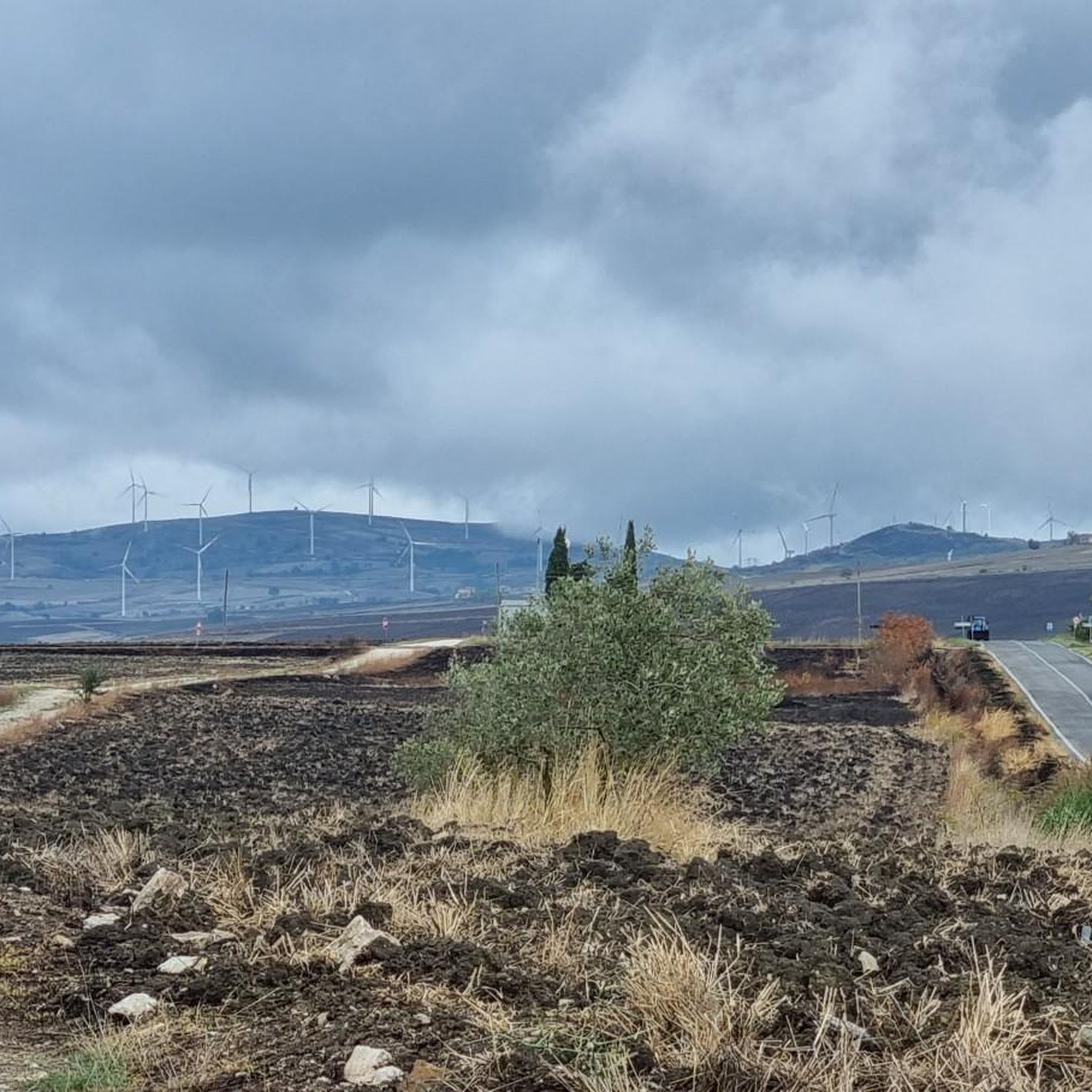
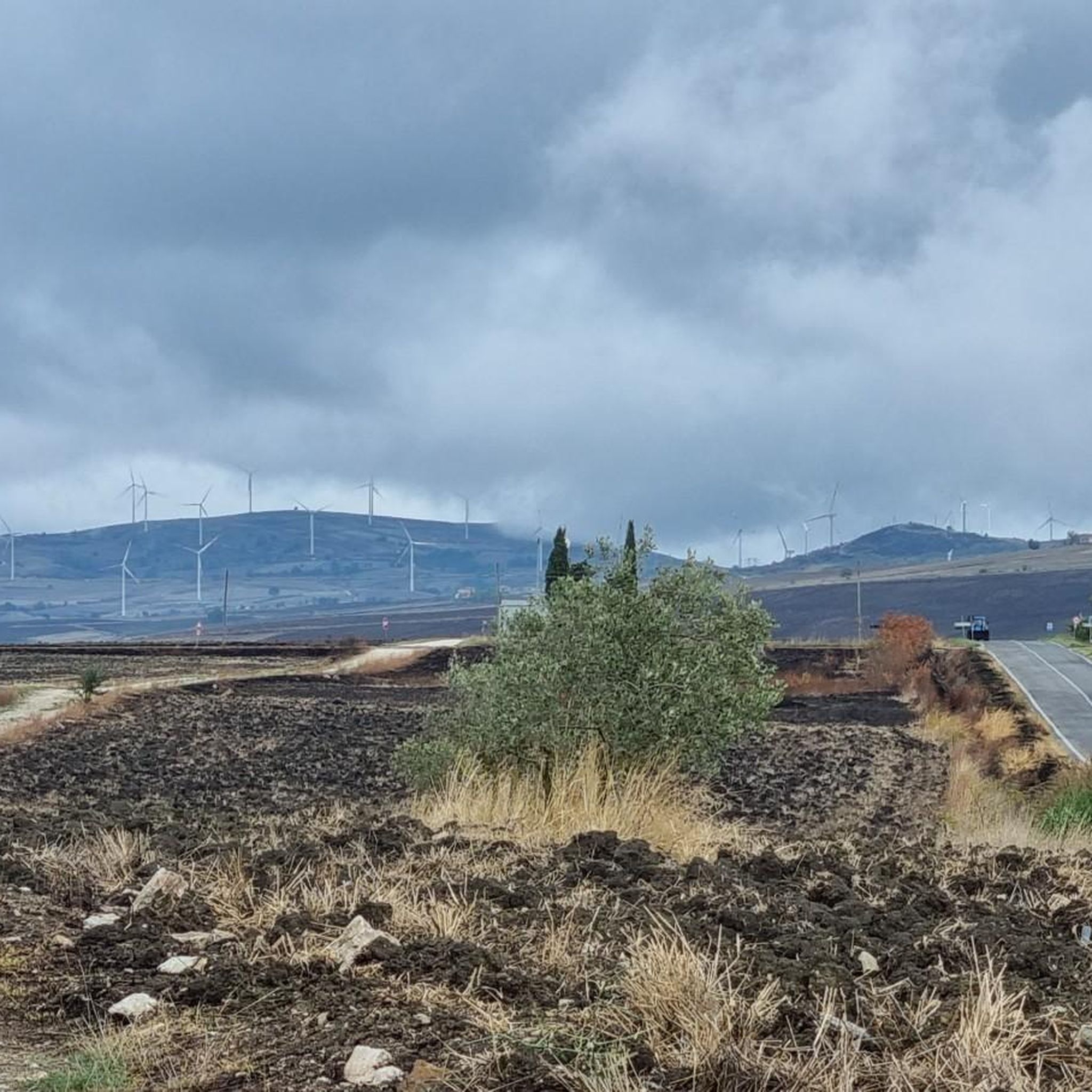
The road that connects Sant'Angelo dei Lombardi to Bisaccia is not very busy but the asphalt is not exactly the best. Numerous wind turbines along the way.
1
0

The town was once called Morra Irpina, but was renamed in 1934 in honor of Francesco de Sanctis, an Italian intellectual and author of the famous work "History of Italian literature" (1870). De Sanctis was born here in 1817.
0
0


Rich in splendid 17th-18th century stone portals and several 16th-century loggias, it is a very characteristic historic center made mainly of limestone extracted on site
3
0
Frequently Asked Questions
What historical sites can I explore in Frigento?
Frigento offers a rich array of historical sites. You can visit the perfectly preserved 1st-century BC Roman Cisterns, explore the charming Historic Town Centre (Centro Storico di Frigento) with its elegant palaces, or see the ruins of a medieval castle at Ruderi di Sant'Angelo al Pesco. Further afield, the monastic citadel of Abbey of Goleto, built in 1133, is an incredibly suggestive place worth visiting. The Historic Center of Fontanarosa is also notable for its 17th-18th century stone portals and 16th-century loggias.
Where can I learn about the local history and culture of Frigento?
To delve into Frigento's history and culture, head to Palazzo De Leo, which serves as a cultural hub. It houses the Civic Library, the Archaeological Museum of Frigento (tracing the village's history from Palaeolithic times), and the "Pina Famiglietti" Civic Art Collection. The Archaeological Museum, also known as "Tales of grain in the wind," highlights the area's agricultural vocation and Roman past.
What religious sites are notable in Frigento?
Frigento features several significant religious sites. The former Cathedral, the Church of Santa Maria Assunta in Cielo, stands on ancient foundations, with restored remains of an 8th-9th century building visible in its hypogeum. The Church of San Marciano, dedicated to the patron saint, also has archaeological findings suggesting older origins. Additionally, the Madonna del Buon Consiglio Sanctuary in the hamlet of Pagliara is a pleasant destination for pilgrims.
Where can I find the best panoramic views in Frigento?
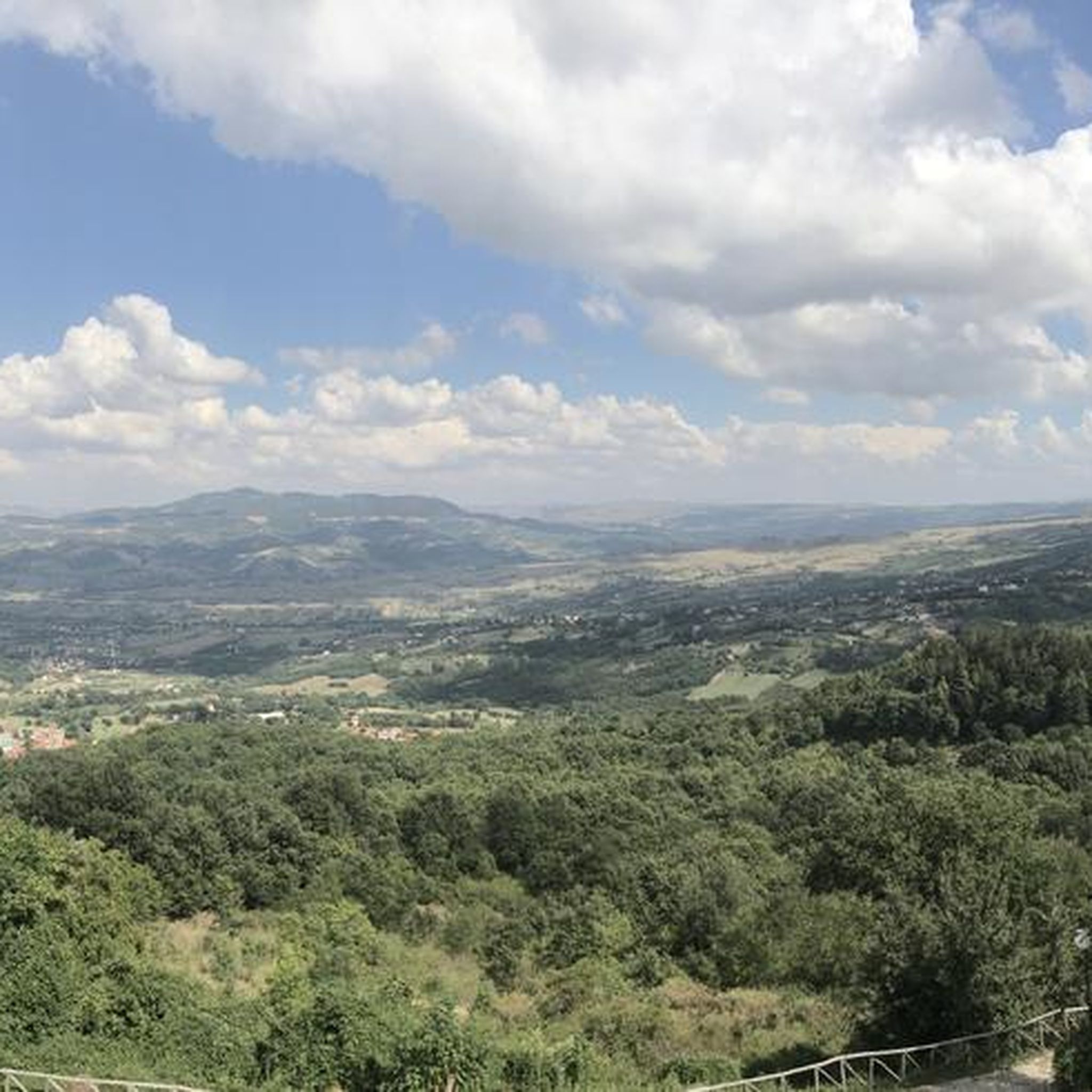
Frigento is known as the "Balcony of Irpinia" for its stunning vistas. The Panoramica Limiti Urban Park offers an ideal path for nature lovers, with the "Via Panoramica Limiti" providing spectacular views across up to five regions: Campania, Puglia, Basilicata, Molise, and Abruzzo. You can also find excellent viewpoints along Strada Statale del Formicoso.
Are there any urban parks or natural areas for a stroll in Frigento?
Yes, the Panoramica Limiti Urban Park is an excellent choice. It encompasses the historic center and a wooded area, offering a scenic path for leisurely strolls and enjoying the natural surroundings. The "Via Panoramica Limiti" within the park is particularly recommended for its views.
What outdoor activities are available near Frigento's attractions?
The area around Frigento offers various outdoor activities. You can find numerous routes for road cycling, running, and mountain biking. For detailed information on these activities, explore the Road Cycling Routes around Frigento, Running Trails around Frigento, and MTB Trails around Frigento guides.
Are there family-friendly attractions in Frigento?
Many of Frigento's historical and cultural sites are suitable for families. The Historic Town Centre offers a pleasant environment for exploration, and the Panoramica Limiti Urban Park provides space for outdoor activities. The Abbey of Goleto and the Historic Center of Fontanarosa are also considered family-friendly.
What is the best time of year to visit Frigento for sightseeing?
Frigento's hilltop location and panoramic views are enjoyable throughout much of the year. Spring and autumn generally offer pleasant temperatures for exploring the historic center and outdoor areas like the Panoramica Limiti Urban Park. Summer can be warm, but the elevation provides some relief, making it suitable for evening strolls and enjoying the views.
What is the significance of Morra De Sanctis?
Morra De Sanctis is a settlement with significant historical importance. Originally called Morra Irpina, it was renamed in 1934 to honor Francesco de Sanctis, a renowned Italian intellectual and author of "History of Italian literature," who was born there in 1817.
Can I visit a castle near Frigento?
Yes, you can visit the Ariano Irpino Castle, a Norman castle located in the highest part of Ariano Irpino. It stands as a testament to the antiquity of the area and is surrounded by greenery, offering historical insights and views.
What makes the Historic Center of Fontanarosa unique?
The Historic Center of Fontanarosa is particularly unique for its architectural details. It is rich in splendid 17th-18th century stone portals and features several 16th-century loggias, all made mainly from limestone extracted locally, giving it a very characteristic appearance.
Are there cycling routes near Frigento's attractions?
Yes, the region around Frigento is popular for cycling. You can find various road cycling routes, including those that pass by landmarks like Strada Statale del Formicoso with its wind turbines. For detailed routes and difficulties, refer to the Road Cycling Routes around Frigento guide.

Get inspired with the komoot mobile app


Explore more
Still not found the Highlight you’re looking for? See guides of the top attractions in other regions:
