Attractions and Places To See around Palma Campania - Top 20
Best attractions and places to see around Palma Campania include a mix of natural landmarks and cultural sites within the broader Campania region. The area is situated near significant geological features like Mount Vesuvius and offers access to various regional parks. Visitors can explore historical structures and religious sites that reflect the local heritage. The landscape provides opportunities for outdoor activities, with diverse environments ranging from volcanic terrain to forested areas.
Best attractions and places to see around Palma Campania
…Last updated: October 9, 2026
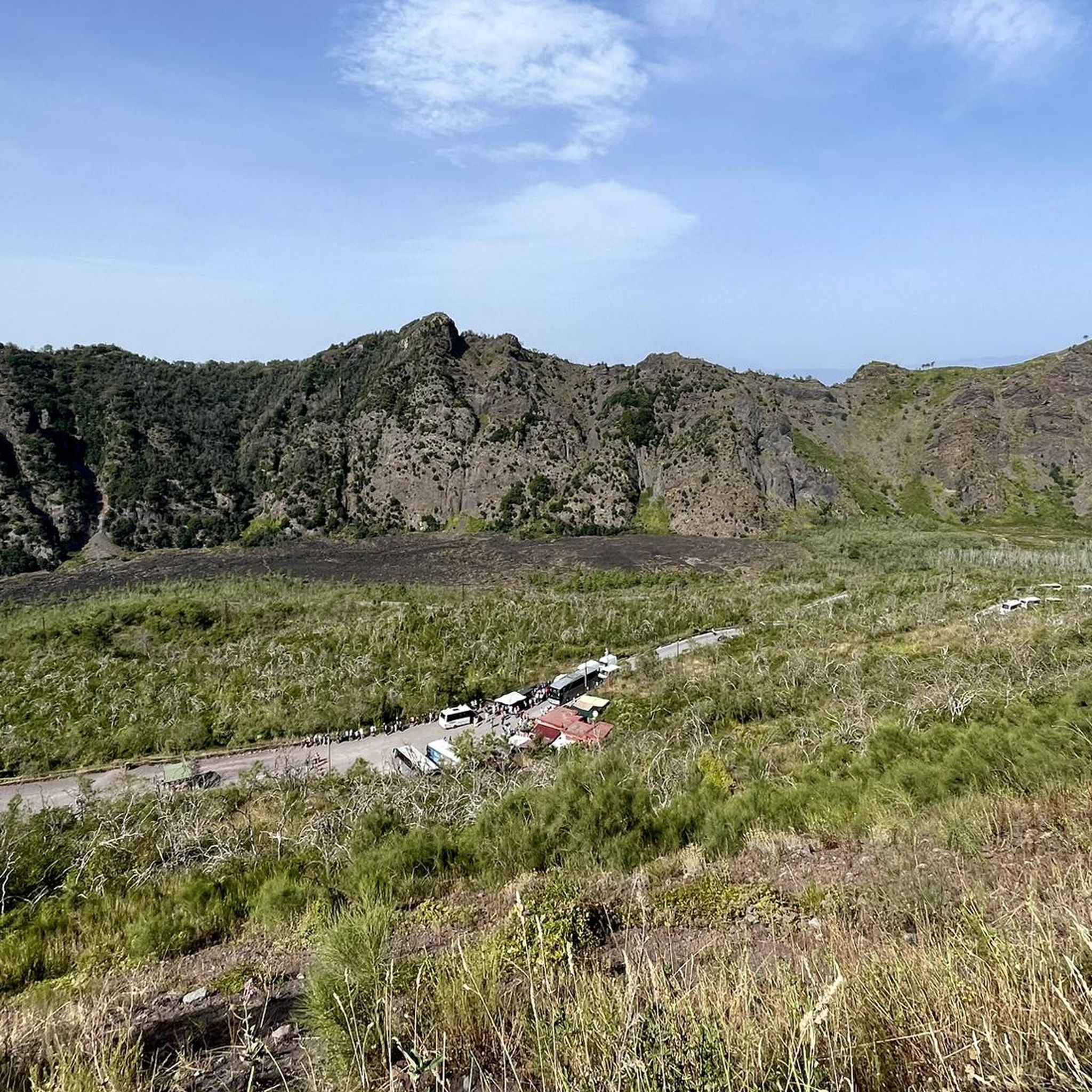
Crater of Mount Vesuvius
Highlight • Volcano
Translated by Google •
Tip by

Interior of the Pontifical Shrine of the Blessed Virgin of the Rosary of Pompei
Highlight • Religious Site
Translated by Google •
Tip by

Sign up now to discover places like this
Get recommendations on the best single tracks, peaks, & plenty of other exciting outdoor places.
Cognoli Summit and Valle dell'Inferno
Highlight • Summit
Translated by Google •
Tip by

Torre del Gatto
Highlight • Monument
Translated by Google •
Tip by
Campo Summo Plateau
Highlight • Natural
Translated by Google •
Tip by
Sign up for free to discover even more attractions around Palma Campania.
Already have an account?
Start today with a free account
Your next adventure awaits.
Tips from the Community

The Sanctuary of the Blessed Virgin of the Holy Rosary of Pompei is an important Catholic place of worship located in Pompei. It is dedicated to the Madonna of the Rosary and is one of the most important Marian shrines in the world. It was founded by Bartolo Longo in 1876, on land donated by Countess Marianna De Lellis di Palma. Inside there are wonderful frescoes of great artistic importance.
0
0

Torre Gatto – The Sentinel of Mystery Among the ruins hidden by the vegetation stands the Torre Gatto, an ancient bastion of uncertain origin, shrouded in silence and legend. According to popular tradition, the tower was guarded by a giant black cat, guardian spirit of the forest, who appeared only to those who disturbed the peace of the place. Other stories tell that the tower was an observatory of monks, or a Lombard watchtower, placed to guard the paths towards the valley. Today only a part of its walls remains, but the atmosphere is intact: a fascinating point where history and nature intertwine in the silence of time.
0
0

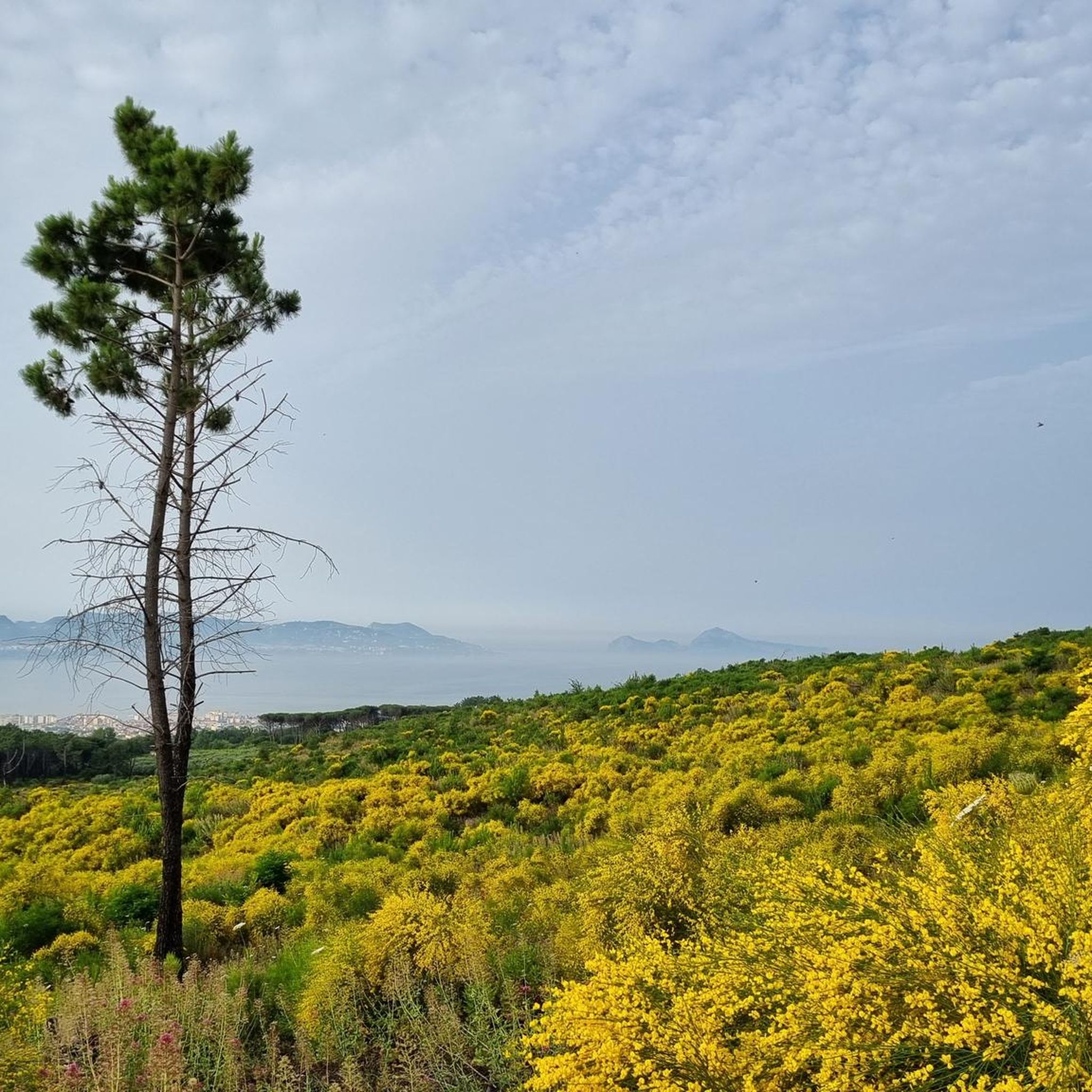
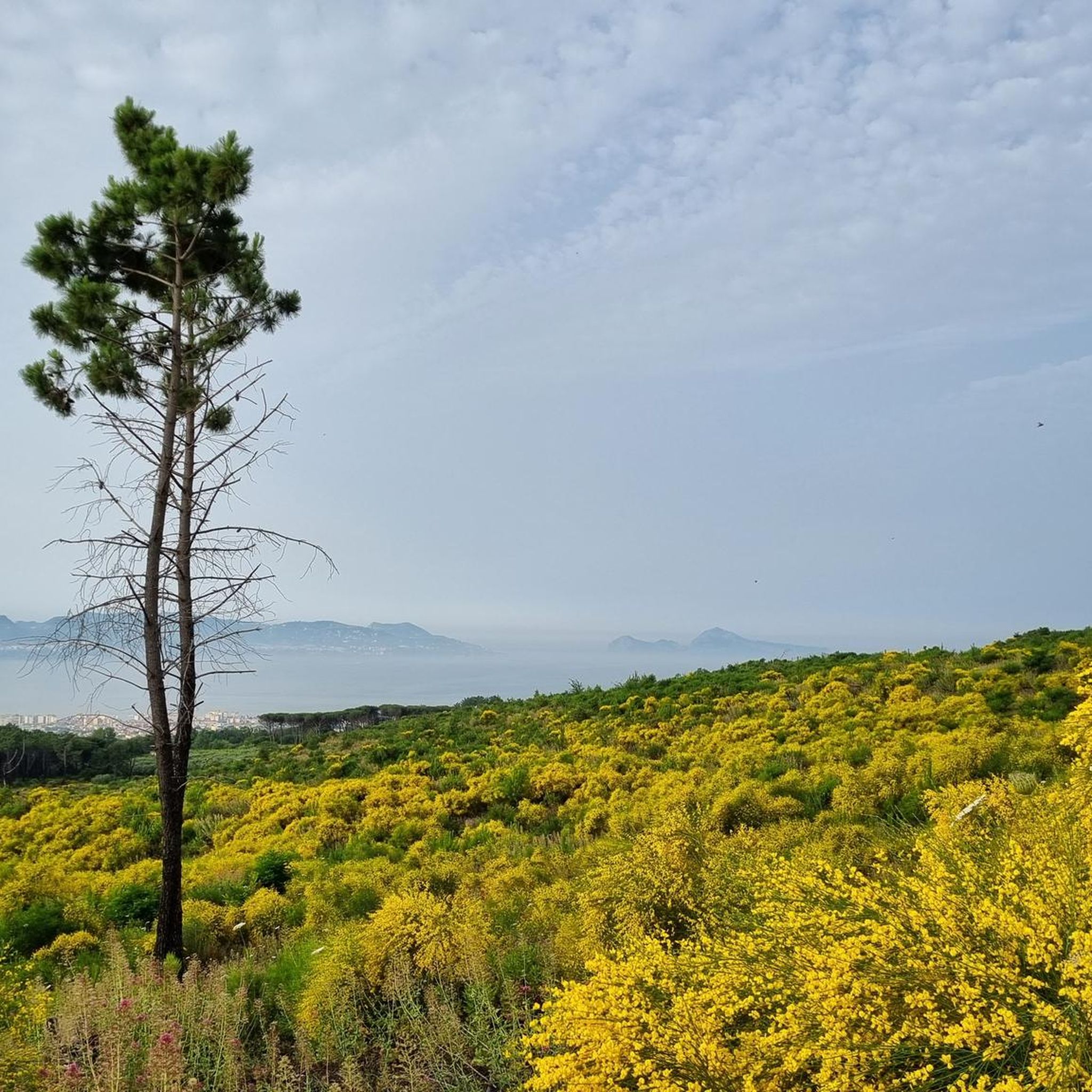
The splendor of colors is overwhelming. If it weren't for Katharina, I would have walked past it today.
0
0


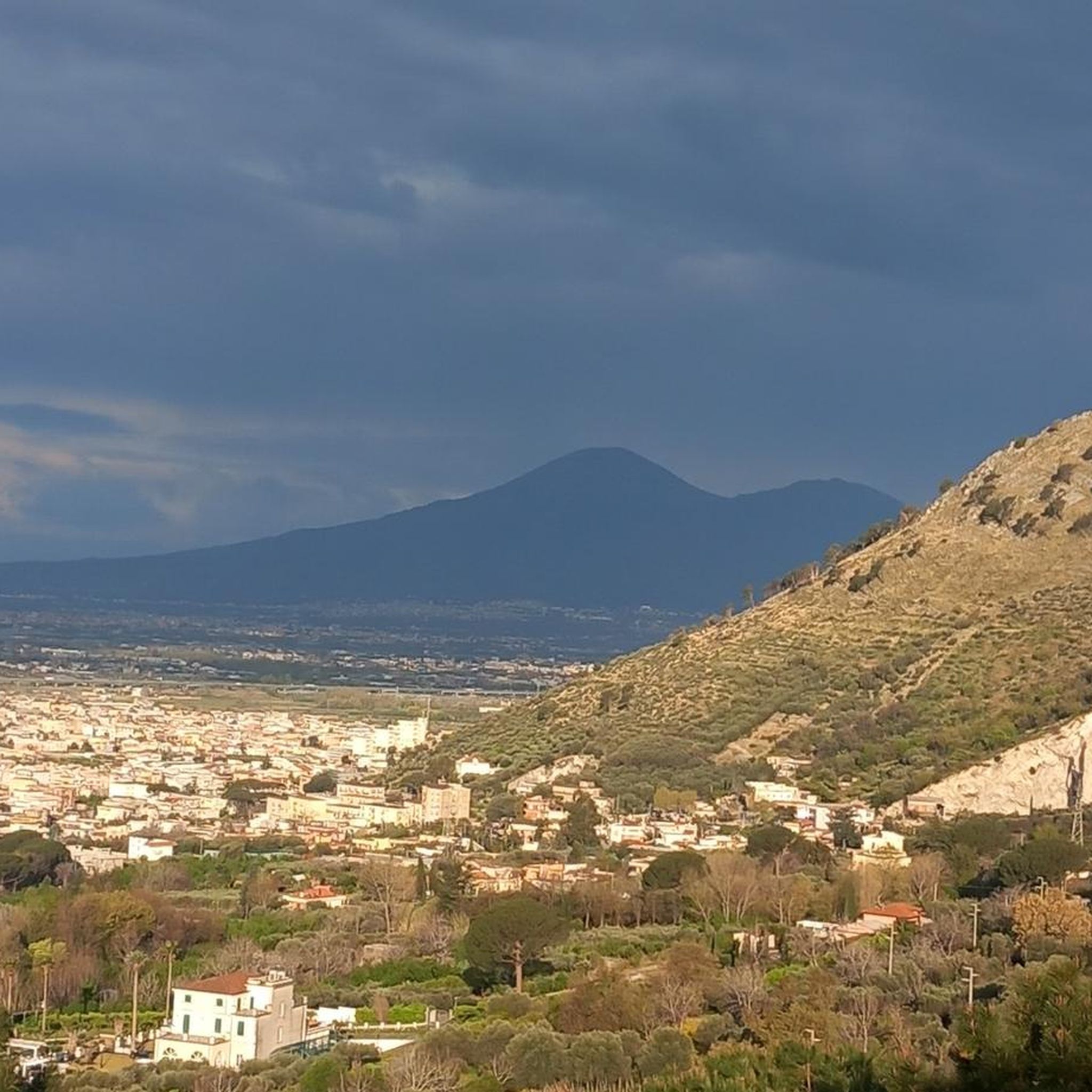
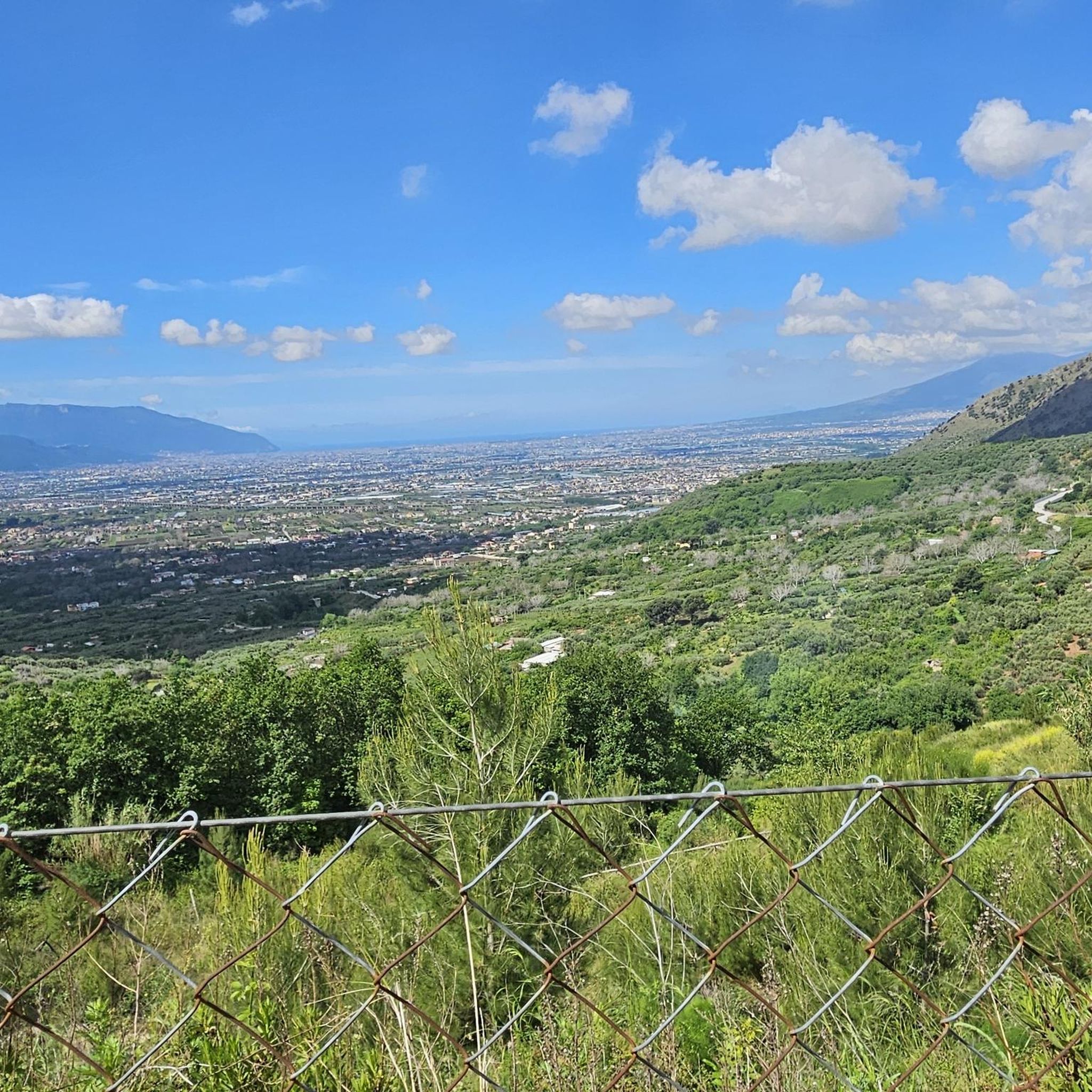
The very panoramic itinerary allows you to enjoy the most suggestive and wild scenery of Somma-Vesuvius, crossing forest environments, scrubland up to bare lava rock. The starting point is located along the road that from the Medici Palace of Ottaviano continues towards the volcanic complex. A barrier prohibiting vehicular traffic marks the beginning of the route, the first stretch of the path, common with path no. 1, winds along asphalted hairpin bends, and then turns into a dirt path. The plant landscape consists initially of a thick pine forest of stone pine and then in a mesophilous forest, with essences such as chestnut, Neapolitan alder, Neapolitan maple, holm oak, black locust. Among the nesting birds, the minute lesser spotted woodpecker, rare and localized in Campania, has only recently colonized the Vesuvius Park. After more than 1 km of walking on a steep climb you reach Largo Angelo Prisco dedicated to the young financier murdered by poachers in 1995 which represents the closest destination. From the Largo, path no. 1 branches off to the left, while the itinerary continues on the right on a slight climb, entering, between twists and turns, into a shady chestnut grove where the numerous species of mushrooms present give off an intense and pleasant fragrance.
0
0


That of the Blessed Virgin Mary of the Holy Rosary is one of the most important sanctuaries in Italy.
0
0
Frequently Asked Questions
What natural features can I explore near Palma Campania?
The region around Palma Campania offers several significant natural attractions. You can visit the impressive Crater of Mount Vesuvius, a still-active volcano and a prominent symbol of Naples. The area is also part of the Vesuvius National Park, which features 11 trails totaling 54 kilometers, preserving diverse plant and animal species. Other natural highlights include the Campo Summo Plateau, known for its scenic beauty, and the Cognoli Summit and Valle dell'Inferno, which offer panoramic views and varied forest environments.
Are there hiking trails suitable for different skill levels around Palma Campania?
Yes, there are various hiking opportunities. The Vesuvius National Park offers a network of trails, including circular nature trails and educational paths. For specific routes, you can explore options like the 'Valle dell'Inferno and Cognoli di Ottaviano Loop' or the 'Terzigno Pine Forest and Profica Valley Loop', both considered moderate. More challenging routes like the 'Cognoli di Ottaviano Trail' are also available. You can find more details on these and other routes in the Hiking around Palma Campania guide.
What historical or cultural sites are worth visiting near Palma Campania?
Near Palma Campania, you can visit the Torre del Gatto, a historic tower built in the early 1800s that also serves as a landscape viewpoint. The Pontifical Shrine of the Blessed Virgin of the Rosary of Pompei is a significant religious and historical site, known for its rich decorations. Additionally, the Chiesa Parrocchiale di San Girolamo in Palma Campania itself showcases interesting architectural design.
Is there a significant religious site near Palma Campania?
Absolutely. The Interior of the Pontifical Shrine of the Blessed Virgin of the Rosary of Pompei is a major Catholic place of worship and one of Italy's most important Marian shrines. Its history is deeply linked to its founder, Bartolo Longo, and it features richly decorated interiors with mosaics, frescoes, and sculptures depicting the mysteries of the rosary. The shrine attracts millions of visitors annually.
Where can I find panoramic views near Palma Campania?
For breathtaking views, consider visiting the Crater of Mount Vesuvius, which offers expansive vistas from its summit. The Torre del Gatto also provides a landscape point. Additionally, the Cognoli Summit within the Vesuvius National Park and the peaks of Montevergine in the Partenio Regional Park are known for their panoramic outlooks over the Somma-Vesuvius landscape.
Are there any family-friendly attractions around Palma Campania?
Yes, the region offers options for families. The Vesuvius National Park, with its network of trails, can be explored by families, offering opportunities to learn about local flora and fauna. The Shrine of Our Lady of the Rosary of Pompei is also listed as family-friendly and is wheelchair accessible, making it suitable for all ages. Grassano Park, though a bit further, features extensive greenery, Roman ruins, and medieval castles, which can be an engaging experience for families.
What kind of cycling routes are available near Palma Campania?
Cyclists can find a variety of routes around Palma Campania, ranging from easy to difficult. Options include the 'Nola Town Hall loop from Palma-San Gennaro' for an easier ride, or more challenging routes like the 'Bike loop from Palma Campania' and the 'Montevergine Sanctuary loop'. These routes offer diverse landscapes for touring bicycles. More details can be found in the Cycling around Palma Campania guide.
Can I find mountain biking trails in the area?
Yes, there are several mountain biking trails near Palma Campania, catering to various skill levels. You can explore routes such as the 'Tribucchi Forest Ranger Station – Salita delle Pezze loop' or the 'Statue in the Park – Monte Faito Antennas loop', both offering challenging rides. A moderate option is the 'Statue in the Park – Monte Donico Hut loop'. For a comprehensive list, refer to the MTB Trails around Palma Campania guide.
What is the best time of year to visit Palma Campania for outdoor activities?
The spring and autumn months are generally ideal for outdoor activities around Palma Campania. During these seasons, the weather is typically mild and pleasant, making it comfortable for hiking, cycling, and exploring natural parks like Vesuvius National Park, where you can observe diverse plant life including pine forests, chestnut trees, and holm oaks.
Are there any wheelchair-accessible attractions near Palma Campania?
Yes, the Shrine of Our Lady of the Rosary of Pompei is noted as wheelchair-accessible, allowing visitors with mobility needs to experience this significant religious and cultural site. Its publicly accessible viewing platform on the campanile also offers views.
What kind of plant and animal life can I expect to see in the natural areas?
In natural areas like the Vesuvius National Park, you can encounter diverse flora such as pine forests, chestnut trees, Neapolitan alder, Neapolitan maple, holm oak, and black locust. The park is also home to various animal species, including the minute lesser spotted woodpecker, a rare bird in Campania that has recently colonized the Vesuvius Park.
Are there any hidden gems or less-known outdoor spots to discover?
While not strictly 'hidden,' the Grassano Park, located a bit further in the Benevento area, is a natural gem covering 120,000 square meters. It features the crystal-clear Rio Grassano and is surrounded by Roman ruins, medieval castles, and quaint villages, offering a unique blend of nature and history away from the more prominent attractions.
Most popular routes around Palma Campania
Most popular attractions around Palma Campania

Get inspired with the komoot mobile app


Explore more
Still not found the Highlight you’re looking for? See guides of the top attractions in other regions:
