Attractions and Places To See around Serre - Top 20
Best attractions and places to see around Serre include historical sites and natural landscapes in the Campania region of Italy. This area, located in the Piana del Sele near the Gulf of Salerno, is known for its ancient Greek and Roman heritage. Visitors can explore archaeological parks and enjoy the natural beauty of the Sele River. The region offers a blend of cultural exploration and outdoor experiences, situated north of the Cilento, Vallo di Diano and Alburni National Park.
Best…
Last updated: August 17, 2026
Paestum: walk along Via Magna Grecia
Highlight (Segment) • Historical Site
Translated by Google •
Tip by

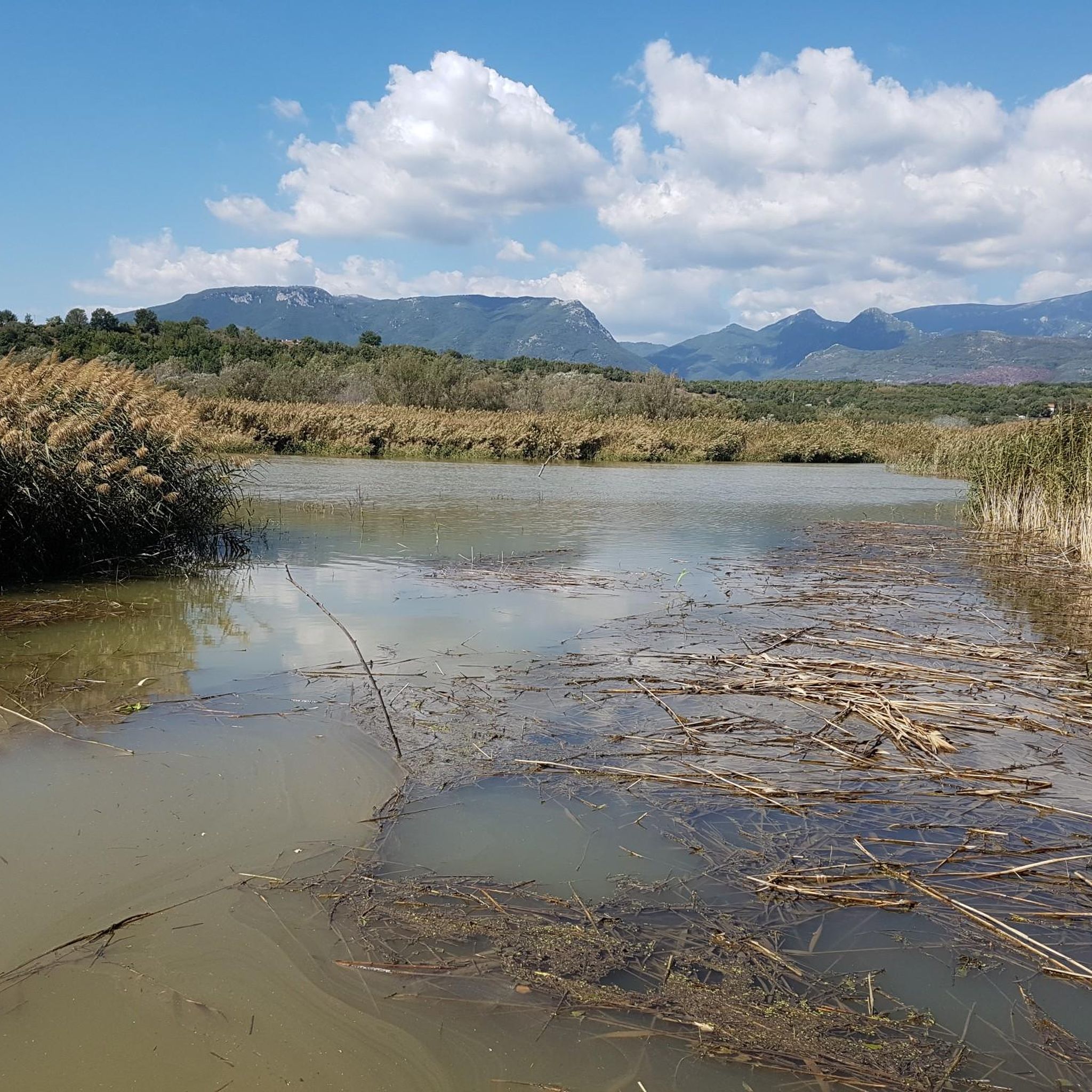
Mouth of the Sele River
Highlight • River
Translated by Google •
Tip by

Sign up now to discover places like this
Get recommendations on the best single tracks, peaks, & plenty of other exciting outdoor places.
Sign up for free
Temple of Hera II (known as the Basilica)
Highlight • Historical Site
Translated by Google •
Tip by

Comitium
Highlight • Historical Site
Translated by Google •
Tip by
Early Christian Basilica of Paestum
Highlight • Religious Site
More information basilicapaleocristianapaestum.it
Translated by Google •
Tip by
Sign up for free to discover even more attractions around Serre.
Sign up for free
Already have an account?
Start today with a free account
Your next adventure awaits.
Login or Signup

Tips from the Community

It's worth a stop (especially in summer to break the heat) if you happen to be cycling through the area. Keep in mind that admission is free on the first Sunday of every month!
1
0


In the comitium popular assemblies were held and local magistrates were elected. The building of the 3rd century BC lost its role in the 2nd century BC in favor of the nearby forum and was partly absorbed by the temple of mens bona, a deity who embodied the debt of gratitude of the former slaves towards their former masters and in this case of the inhabitants of Pestum towards Rome.
2
0
Better known as Basilica, from the name given to it by eighteenth-century scholars due to the almost total disappearance of the walls of the cella, the pediment and the trabeation. It is actually dedicated to Hera, wife of Zeus and the main divinity of Poseidonia. It is a Peripteral with nine columns on the fronts and eighteen on the sides (24.35 x 54 m), the cella has a well-preserved pronaos, corresponding to the odd number of columns on the front and is separated by a central colonnade, partly preserved and intended to support the peak of the roof. At the back of the cella is the adyton, a space inaccessible to the faithful and home to the temple's treasury.
2
0

This application was made by @Reborn
4
1

In the archaeological park of Paestum it is possible to admire the remains of the ancient city of Magna Graecia called Poseidonia in honor of the God of the sea. The name Paestum was then given by the Romans in the III century. B.C. Today the archaeological site is distinguished by the perfect state of conservation of temples and monuments.
3
0

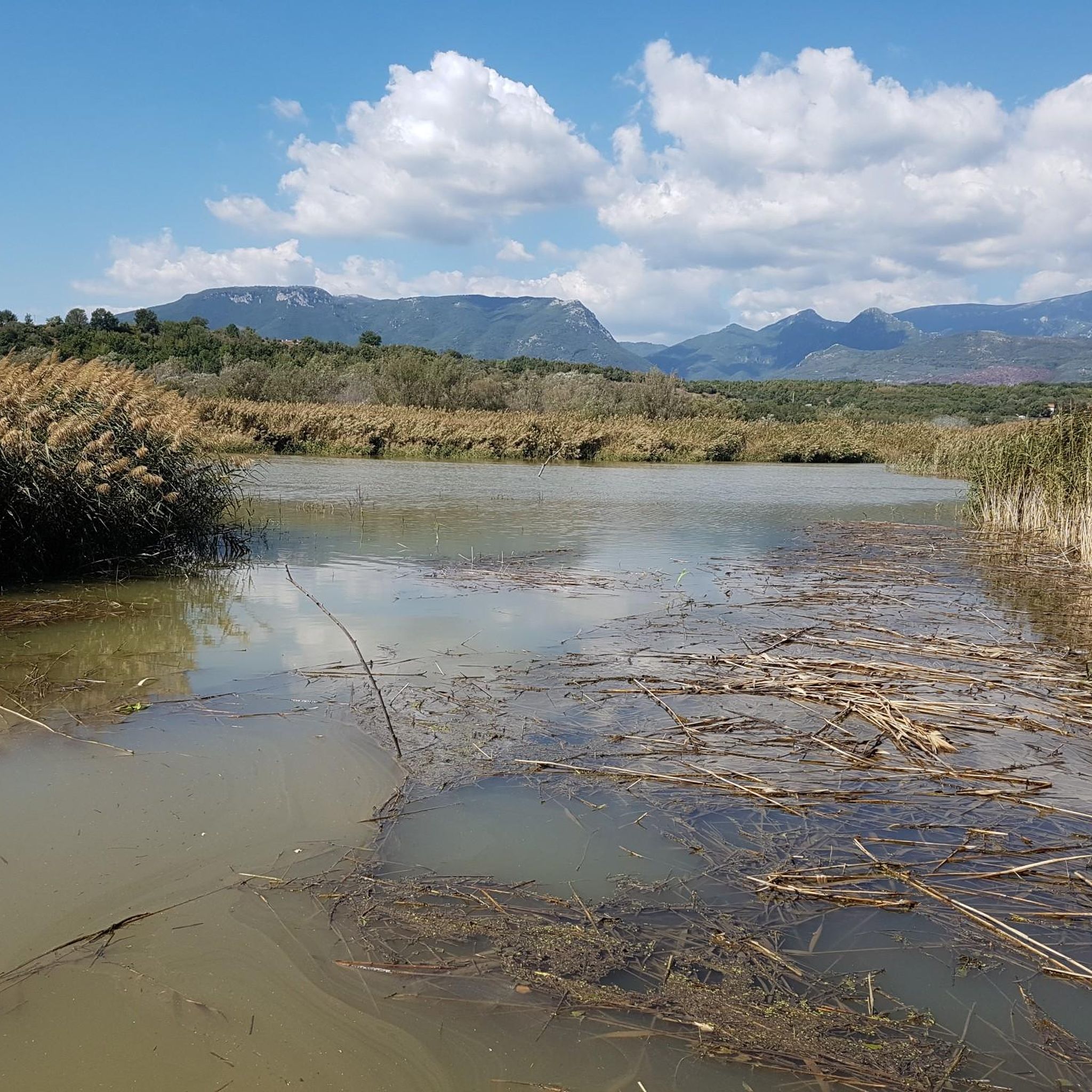
A single shot, a single passage and view of the mouth of the Sele River https://it.wikipedia.org/wiki/Sele
1
0

The second most important river in Campania, after 64 km it flows between Paestum and Campolongo.
13
0
Frequently Asked Questions
What historical sites can I explore around Serre?
The Serre area is rich in ancient history, particularly known for the archaeological site of Paestum. You can walk along Via Magna Grecia, explore the Early Christian Basilica of Paestum, and visit the ancient Comitium, where popular assemblies were once held. Another significant structure is the Temple of Hera II, often referred to as the Basilica, dedicated to Hera, the main divinity of ancient Poseidonia.
Are there any ancient Roman or Greek ruins to visit?
Yes, the primary attraction for ancient Roman and Greek ruins is Paestum, an ancient city of Magna Graecia. Originally called Poseidonia, it later became Paestum under Roman rule. Its inhabited area, enclosed by Greek walls modified in Lucanian and Roman times, is still clearly recognizable today. Key sites include the temples and the forum area.
What natural attractions are there near Serre?
Near Serre, you can discover the unique natural scenario of the Mouth of the Sele River. The Sele is the second most important river in Campania, flowing between Paestum and Campolongo, offering scenic views and a tranquil environment. The region is part of the Piana del Sele, a plain near the Gulf of Salerno.
Are there opportunities for outdoor activities like running or cycling?
Absolutely! The area around Serre offers various routes for outdoor enthusiasts. For running, you can find trails like the 'Archaeological Park of Paestum loop' or 'Paestum seafront loop'. Road cycling options include routes like 'Fontana del Vescovo – Le Croci di Acerno loop'. You can explore more options on the Running Trails around Serre and Road Cycling Routes around Serre guide pages.
Where can I find trails for mountain biking?
Mountain biking enthusiasts will find several trails near Serre. Routes such as 'Ponticelli Singletrack – Bridge over the Tusciano River loop' and 'Monte Sant'Elmo loop' offer varying difficulty levels. For a comprehensive list and details, refer to the MTB Trails around Serre guide page.
Are there family-friendly attractions in the Serre area?
Yes, several attractions around Serre are considered family-friendly. The archaeological site of Paestum, including the walk along Via Magna Grecia and the Temple of Hera II, is suitable for families. Additionally, the Mouth of the Sele River offers a natural setting that families can enjoy.
What do visitors particularly enjoy about the attractions around Serre?
Visitors highly appreciate the rich historical significance and the well-preserved ancient sites, especially Paestum. The ability to immerse oneself in the Archaeological Park of Paestum, even with a smartphone app for audio and video guides, is a popular feature. The natural beauty of the Sele River mouth also receives positive feedback for its unique scenario.
How can I enhance my visit to the archaeological sites?
To enhance your visit to the Archaeological Park of Paestum, you can download the smartphone app "Archaeological Park of Paestum." This application provides audio and video guides, allowing you to literally immerse yourself in the historical area, whether you're walking through the ruins or exploring from home.
What is the best time of year to visit Serre for outdoor activities and sightseeing?
The Campania region, where Serre is located, generally enjoys a Mediterranean climate. Spring (April to June) and early autumn (September to October) are often considered the best times to visit. During these periods, the weather is pleasant for exploring archaeological sites and engaging in outdoor activities like running, cycling, and mountain biking, avoiding the intense heat of summer.
What kind of terrain can I expect when exploring the Serre region?
The Serre region is situated in the Piana del Sele, a flat plain, but it is also near the Gulf of Salerno and north of the Cilento, Vallo di Diano and Alburni National Park. This means you can expect a mix of flat riverine landscapes, coastal areas, and proximity to more mountainous terrain, offering varied scenery for exploration.
What is the significance of the Early Christian Basilica of Paestum?
The Early Christian Basilica of Paestum, also known as the church of SS. Annunziata, is a significant religious building located within the archaeological site of Paestum. It stands near the Archaeological Museum of Paestum and borders the eighteenth-century Palazzo Vescovile, showcasing a later layer of history within the ancient Greek and Roman city.
Can I learn about the ancient political life in Paestum?
Yes, by visiting the Comitium in Paestum. This ancient structure, dating back to the 3rd century BC, was where popular assemblies were held and local magistrates were elected. Although its role diminished in the 2nd century BC in favor of the nearby forum, it remains an important site for understanding the political and social life of the ancient city.
Most popular attractions around Serre

Get inspired with the komoot mobile app


Explore more
Still not found the Highlight you’re looking for? See guides of the top attractions in other regions:
