Top 6 Mountain Passes around Lugo Di Vicenza
Best mountain passes around Lugo Di Vicenza are accessible from this town, which is situated in a flatter area known for its Palladian villas. Lugo Di Vicenza serves as a base for exploring several mountain passes and historic routes within the wider Vicenza province. These passes offer a mix of historical significance and challenging terrain. The region provides diverse options for hikers, cyclists, and history enthusiasts.
Best mountain passes around Lugo Di Vicenza
- The most popular mountain pass is Bocchetta…
Last updated: July 10, 2026
Col d'Astiago
Highlight • Mountain Pass
Translated by Google •
Tip by

Granezza British Military Cemetery
Highlight • Monument
Translated by Google •
Tip by
Sign up now to discover places like this
Get recommendations on the best single tracks, peaks, & plenty of other exciting outdoor places.
Sign up for free
Bocchetta Paù Viewpoint
Highlight • Viewpoint
Translated by Google •
Tip by

At Passo Vezzena
Highlight (Segment) • Mountain Pass
Relatively little traffic, hardly any major inclines, small road, sometimes beautiful views.
First on the SP349 (in Veneto), later on …
Translated by Google •
Tip by

Bocchetta Granezza Climb
Highlight (Segment) • Climb
Translated by Google •
Tip by

Sign up for free to discover even more mountain passes around Lugo Di Vicenza.
Sign up for free
Already have an account?
Start today with a free account
Your next adventure awaits.
Login or Signup
Popular around Lugo Di Vicenza
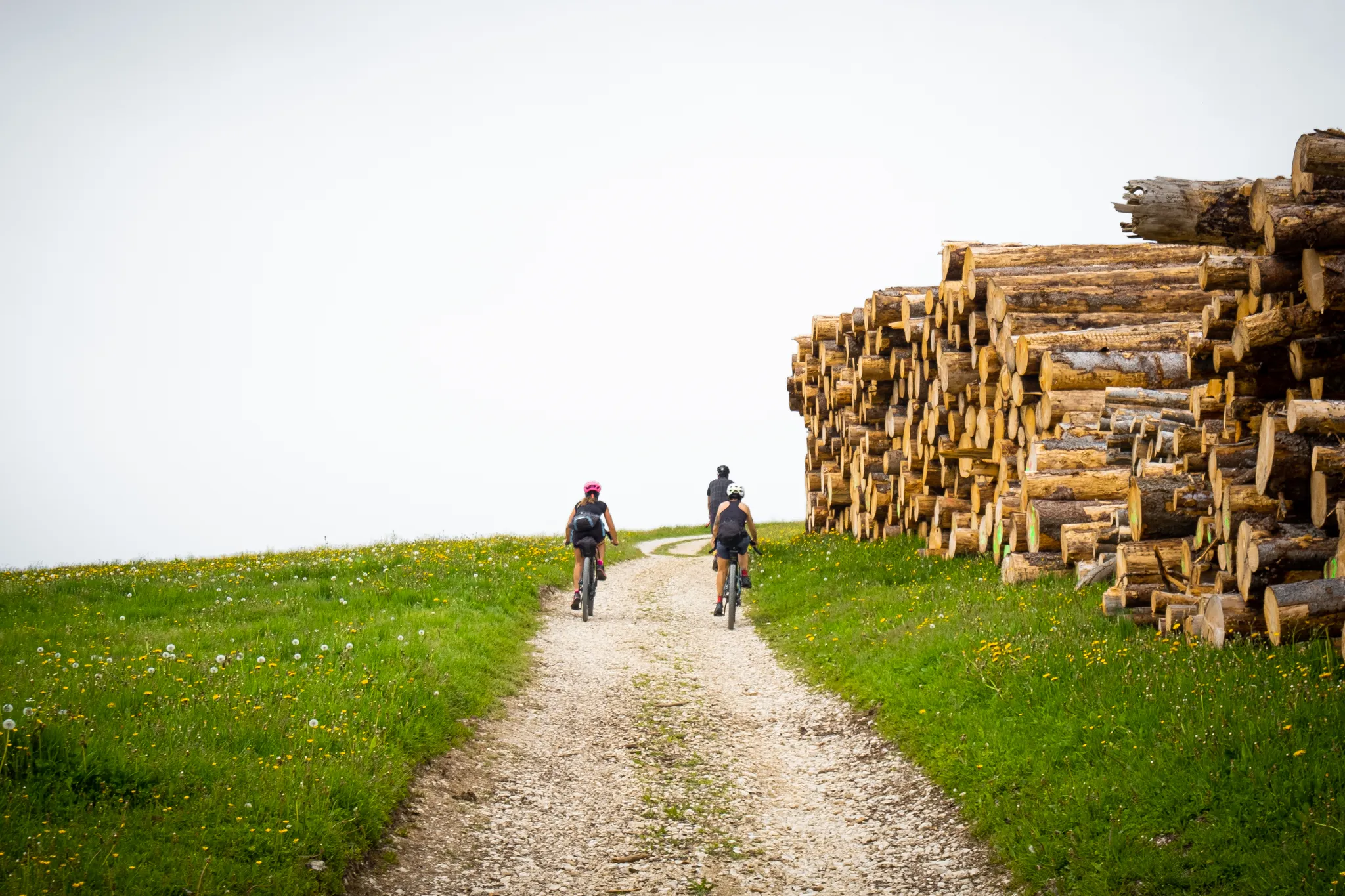
Via delle Prealpi – On the way with the MTB in the Venetian Prealps
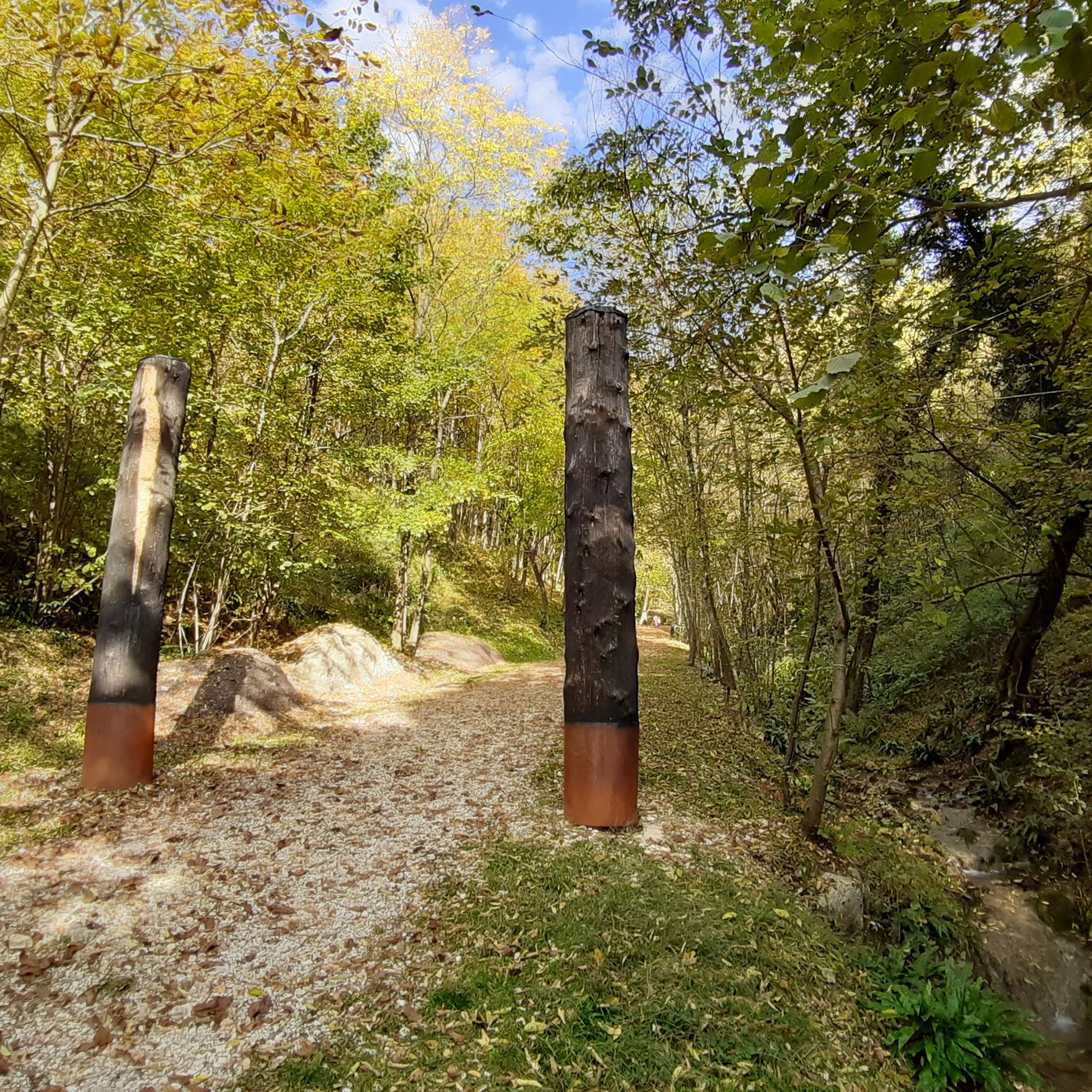
Hiking around Lugo Di Vicenza
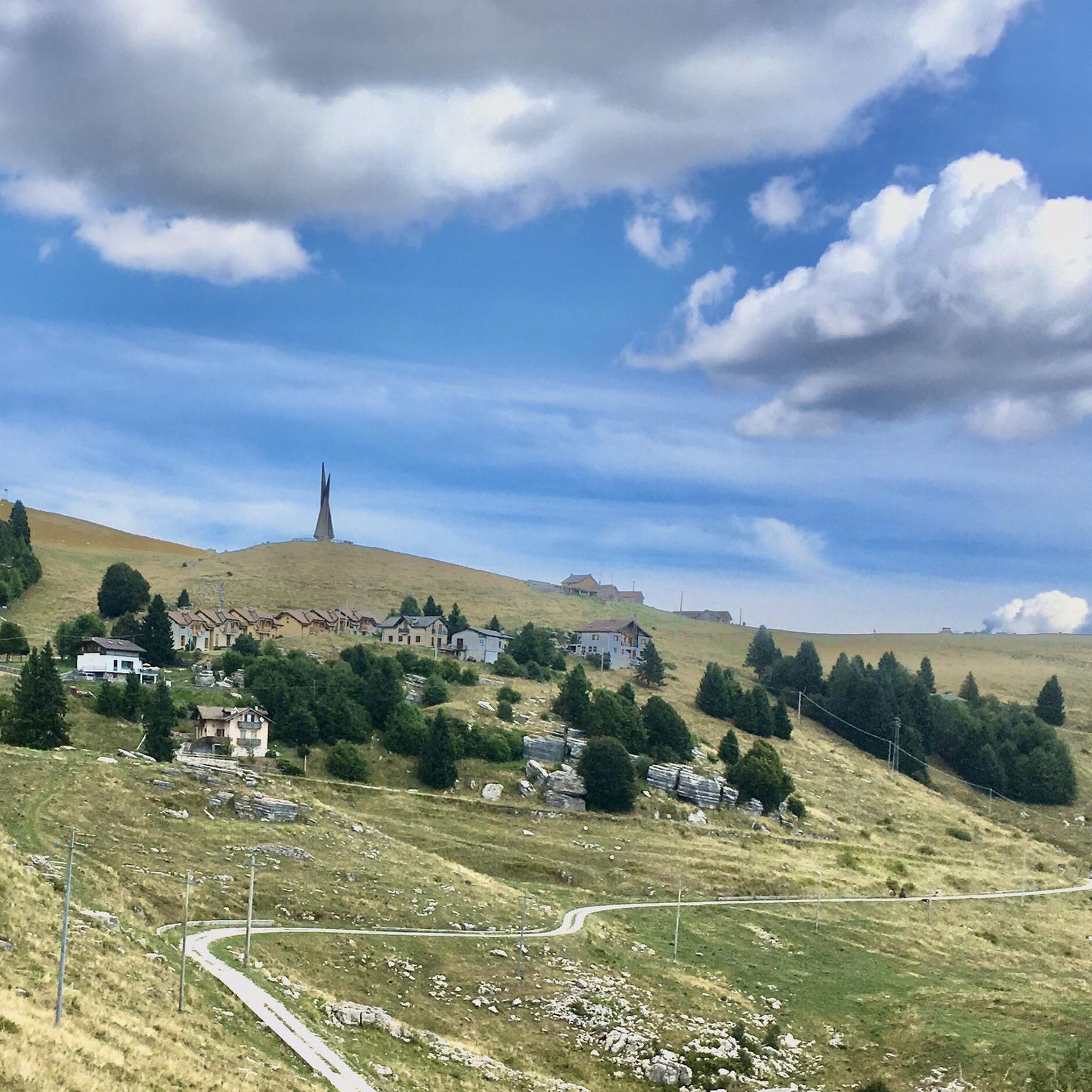
MTB Trails around Lugo Di Vicenza
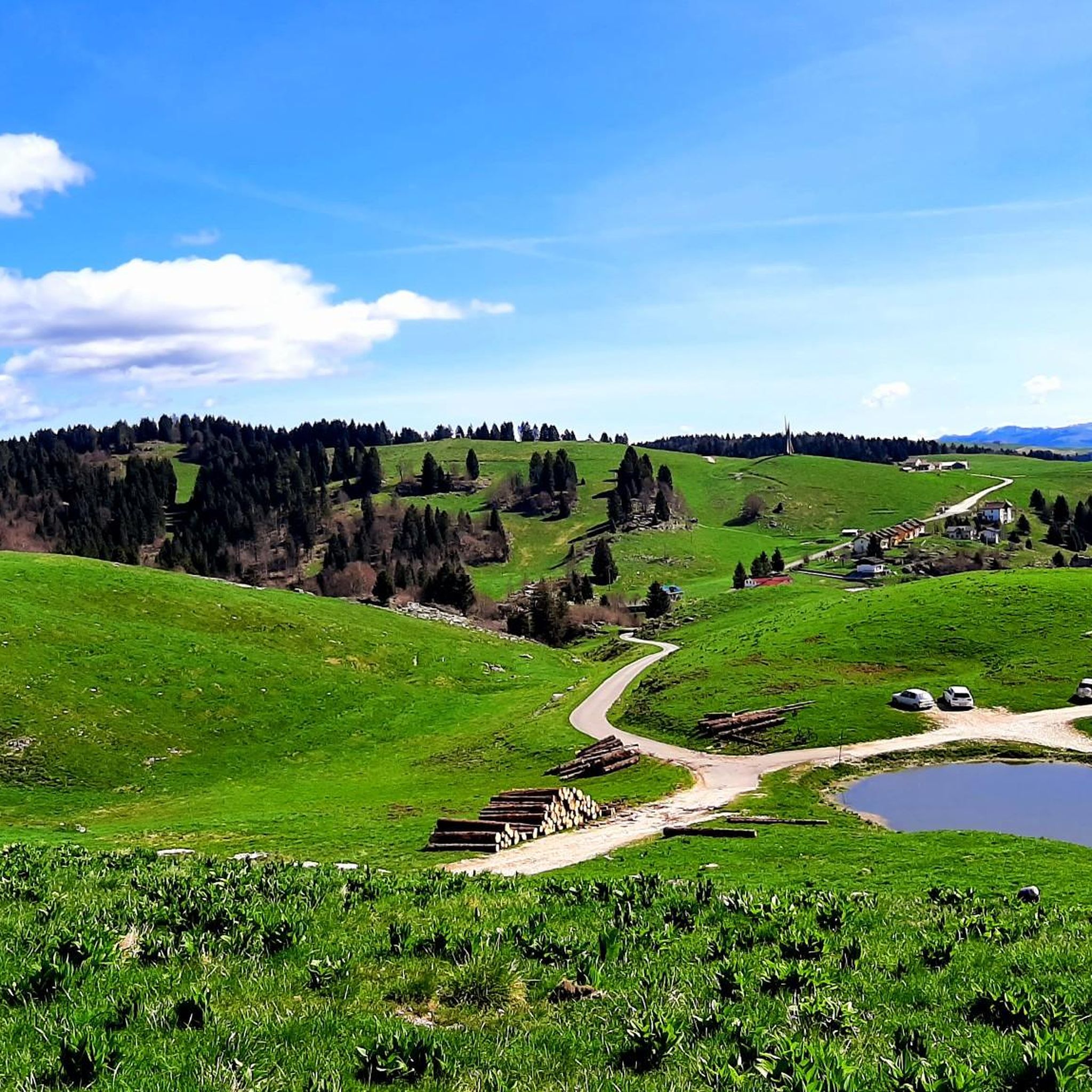
Running Trails around Lugo Di Vicenza
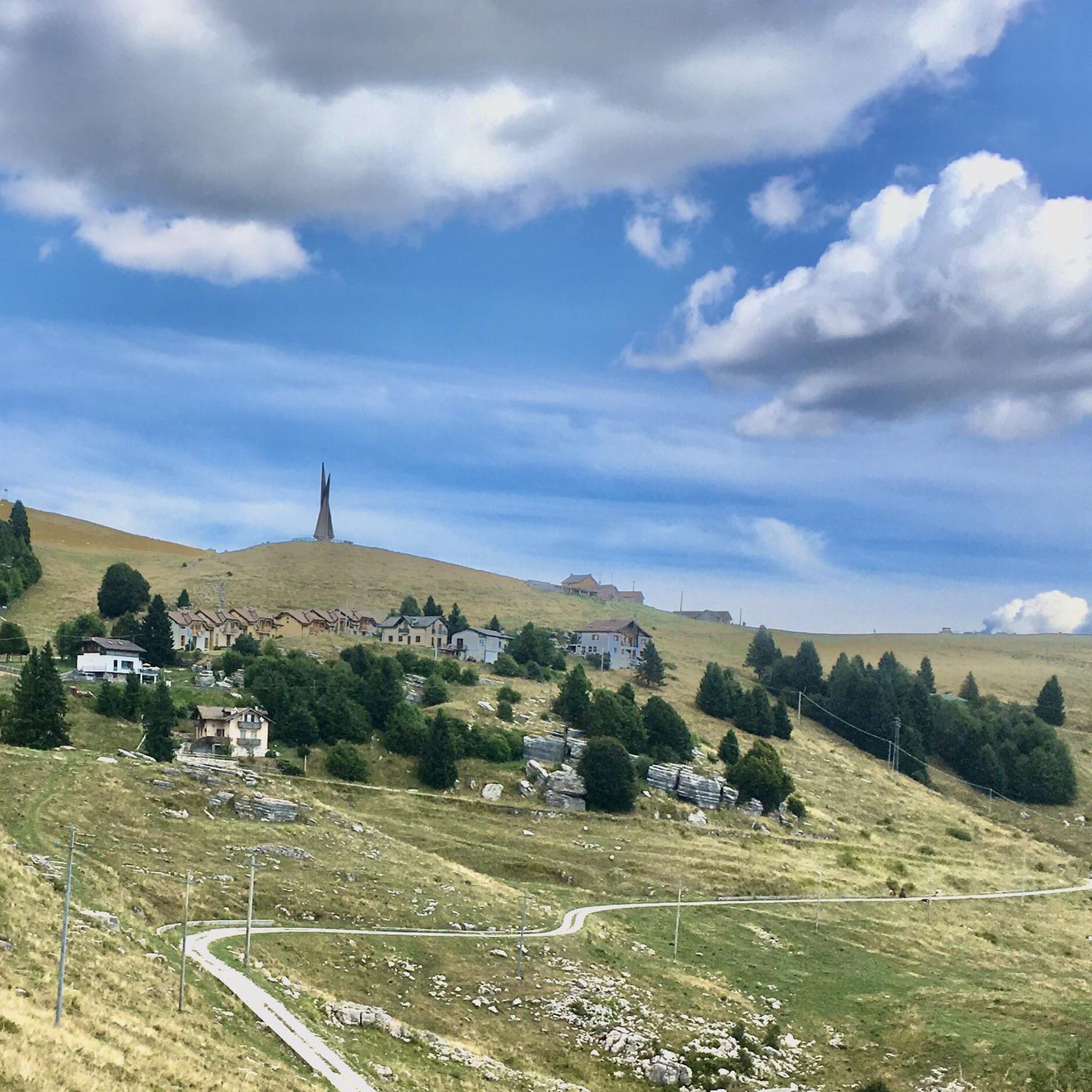
Road Cycling Routes around Lugo Di Vicenza
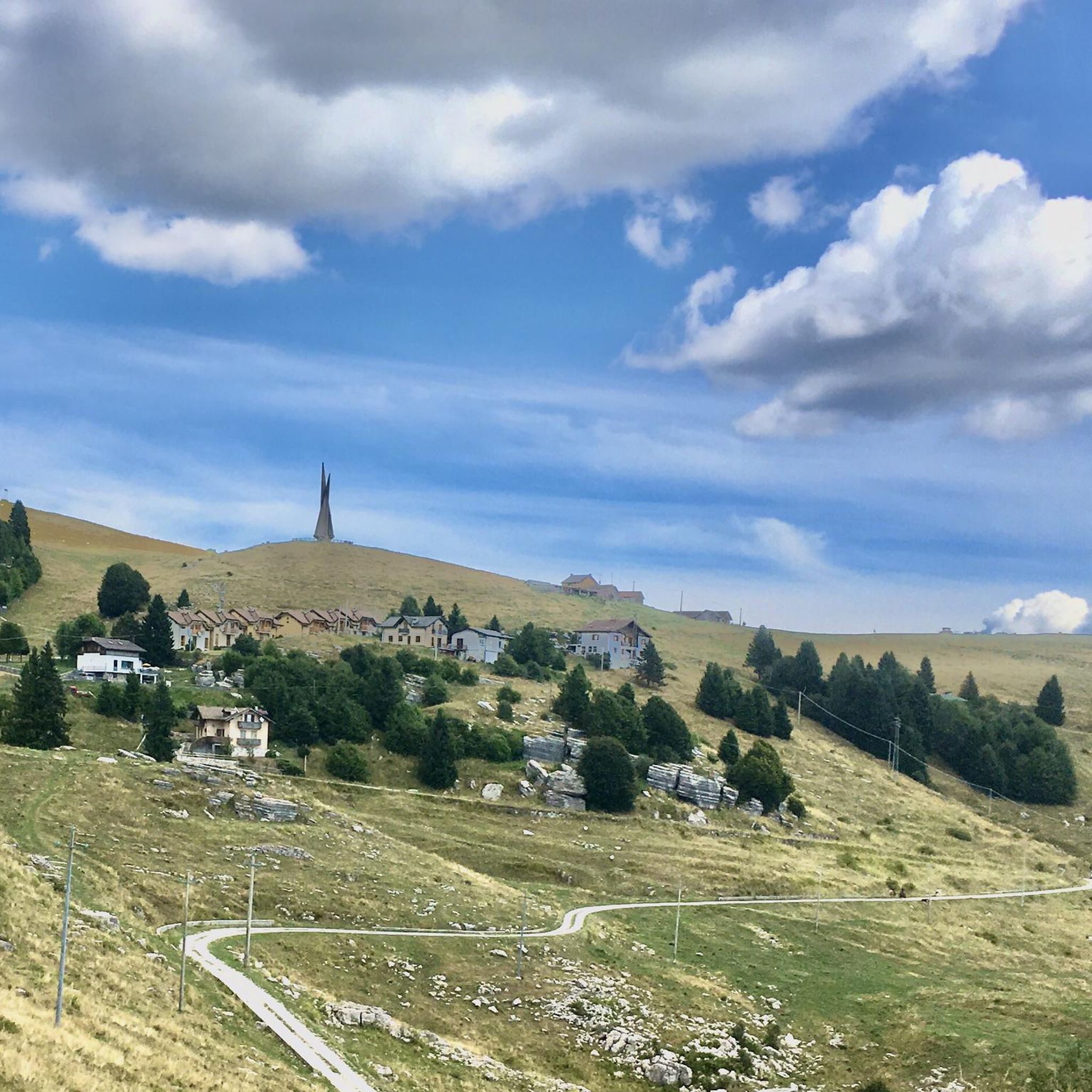
Cycling around Lugo Di Vicenza
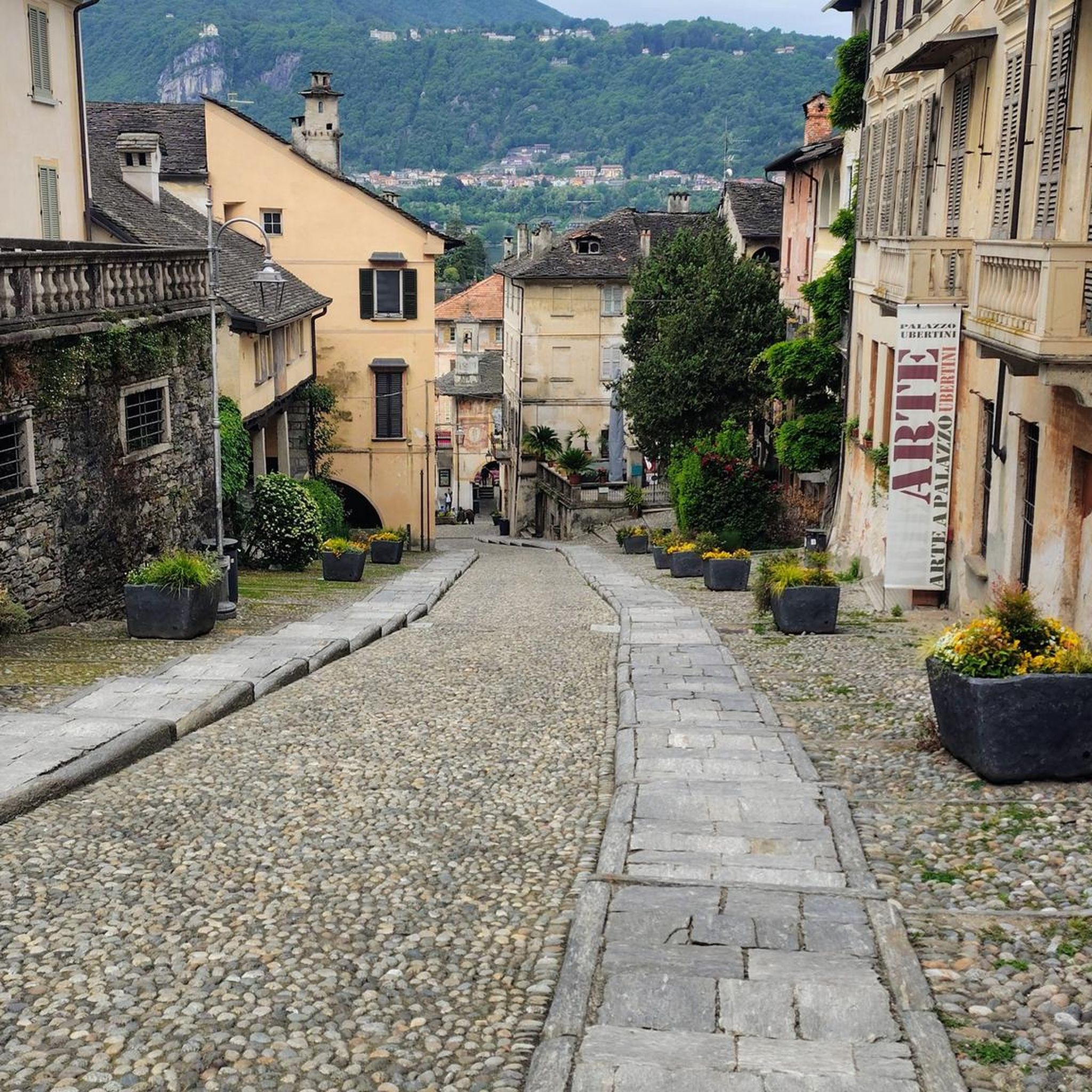
Gravel biking around Lugo Di Vicenza

Mountain Hikes around Lugo Di Vicenza
Other adventures around Lugo Di Vicenza

Tips from the Community

In memory of the English battalion that participated in the fighting alongside the Italians. The cemetery's territory is the property of the English crown.
0
0

Col d'Asiago offers a beautiful and privileged panoramic point on the underlying Canale del Brenta, or the narrow and deep terminal part of Valsugana. But the view extends over the Asiago Plateau and the entire skyline of mountains that border it to the north, the Grappa Massif to the east and the mouth of Val Brenta. In the distance, the Piccole Dolomiti, the Pale di San Martino and the Vette Feltrine. Precisely because of its strategic position, during the First World War it was a strongly armed Italian defensive bastion and decisive in various phases of the conflict. The peak is also known locally by the ancient and dialect toponym 'Col del S-ciavo', dating back to the time of the Serenissima: on the slopes of the hill in fact the 'schiavoni' (i.e. the non-Latin inhabitants of the dominions of Dalmatia and the Venetian hinterland) cut wood for the naval fleet; the trunks (especially beech trees) were lowered down the valley through the famous and nearby Calà del Sasso; they were then loaded onto rafts that went down the entire Brenta, until they reached the lagoon and the Arsenale of Venice. A large concrete cistern dominates the summit, collecting the water pumped from the Oliero Caves, 1000m further downstream, and distributing it to the Plateau.
0
0

Panoramic view, breathtaking
2
1
Lots of grazing animals and fantastic views
1
0


At times the road surface is a bit ruined, but in any case the climb is beautiful and the road is less wide and has more beautiful vegetation than the previous stretch which comes from Lusiana
2
0
Bocchetta Paù (1,286 m) is a small pass between Monte Paù and Cima Fàvaro, featuring a bucolic pasture with a grazing pond surrounded by woods. From the rocky promontory on the edge of the plateau, you can enjoy a spectacular and expansive view of the Veneto plain, the Astico Valley, and the Piccole Dolomiti (with neighboring Summano in the foreground). Interesting fact: the metal shrine on the rock is nicknamed the "Madonnina dei Sauerkraut" (Little Madonna of the Sauerkraut), because it was commissioned as a votive offering after a narrow escape by Mr. Zuccato, owner of the well-known Vicenza-based sauerkraut company of the same name!
3
1

Col d'Astiago is located in the south-eastern sector of the Asiago plateau. Wide panorama of the Brenta and towards Monte Grappa. Here is the pumping station of the aqueduct that brings water from the Oliero caves to the plateau.
3
0
Frequently Asked Questions
What are some popular mountain passes to visit near Lugo Di Vicenza?
Beyond the well-known spots, you can explore Col d'Astiago, which offers a wide panorama of the Brenta and Monte Grappa. Another excellent option is Bocchetta Paù Viewpoint, known for its stunning views of the Valdastico and its historical significance during World War I. For a pass with amenities, consider At Passo Vezzena, where you can find refreshments and accommodation.
What historical significance do the mountain passes around Lugo Di Vicenza hold?
Many passes in the region are steeped in World War I history. For example, the Strada degli Scarubbi is a historic military road built during WWI, offering a unique blend of history and natural beauty. Col d'Astiago was a strongly armed Italian defensive bastion during the conflict, and the Foza–Valstagna Hairpin Road was also built by WWI soldiers for supply purposes. The Bocchetta Paù Viewpoint also played a crucial role in stopping the Austro-Hungarian army.
Are there mountain passes with good viewpoints near Lugo Di Vicenza?
Absolutely. Bocchetta Paù Viewpoint is highly recommended for its stunning panoramic views of the Valdastico. Col d'Astiago provides a wide panorama of the Brenta and Monte Grappa. Additionally, Rifugio Generale Achille Papa, located at Porte del Pasubio, offers breathtaking views from its high-altitude position on Monte Pasubio.
What outdoor activities can I do near these mountain passes?
The region offers diverse outdoor activities. You can find numerous running trails, such as the 'Running loop from Rifugio Granezza' or the 'Monte di Grumo loop from Lugo di Vicenza'. For mountain hikes, consider routes like the 'Cima Summano loop' or the 'Monte Cengio – Osservatorio loop'. Cyclists will enjoy road cycling routes like the 'Marostica Castle loop' or the 'Monte Corno Ascent'. You can find more details on these activities in the Running Trails around Lugo Di Vicenza, Mountain Hikes around Lugo Di Vicenza, and Road Cycling Routes around Lugo Di Vicenza guides.
Are there family-friendly mountain passes or activities around Lugo Di Vicenza?
While many passes involve challenging terrain, some areas offer more accessible experiences. The Bocchetta Paù Viewpoint is listed as family-friendly, offering lovely views without extreme difficulty. When planning, look for routes described as having gentle slopes or shorter distances, and always check the specific trail conditions.
What is the best time of year to visit the mountain passes near Lugo Di Vicenza?
The summer season, generally from June to September, is ideal for visiting the mountain passes, as conditions are typically mild and trails are clear. Refuges like Rifugio Generale Achille Papa are open throughout this period. Weekends in October and November can also be pleasant, but it's essential to check weather conditions as temperatures can change significantly at higher altitudes.
Are there opportunities for cycling on these mountain passes?
Yes, the region is excellent for cycling. The Strada degli Scarubbi, though closed to private vehicles, is very popular for cycling, featuring gentle slopes and stunning views. The Foza–Valstagna Hairpin Road, also known as 'Piccolo Stelvio,' is highly recommended for cyclists looking for a scenic and challenging climb with manageable gradients and relatively little traffic. At Passo Vezzena also offers a pleasant gradient for cyclists.
Where can I find refreshments or accommodation near the mountain passes?
Several passes offer facilities. At Passo Vezzena, you can find refreshments and accommodation. Passo Xomo also has a refuge offering refreshments, making it a good starting point for excursions. Rifugio Generale Achille Papa, located at Porte del Pasubio, provides refreshments and overnight accommodation with about 60 beds during its open season.
What kind of terrain can I expect on the mountain passes?
The terrain varies. Passes like Passo Xomo are asphalted, making them accessible. Historic military roads like the Strada degli Scarubbi feature a gravel surface in most parts, with asphalted hairpin bends. Other climbs, like Bocchetta Granezza, might have sections where the road surface is a bit rougher. Always check specific route details for the most accurate information on terrain.
Are there any less-known or 'hidden gem' mountain passes worth exploring?
While not a hidden gem in the traditional sense, the Foza–Valstagna Hairpin Road, often called 'Piccolo Stelvio,' is a fantastic option for cyclists seeking a scenic and less-trafficked route. Its historical context and beautiful views make it a rewarding experience away from the most crowded spots.
What natural features can I see around the mountain passes?
The passes are nestled within the Venetian Prealps, offering expansive vistas of the Vicentine Alps. You'll encounter diverse landscapes, from the Val Leogra and the valley of Posina near Passo Xomo to the wide panoramas of the Brenta and Monte Grappa from Col d'Astiago. The region is characterized by mountainous terrain, forests, and stunning natural beauty.
Can I find parking near the mountain passes?
Specific parking information for each pass can vary. However, major starting points for excursions, such as Passo Xomo, typically offer parking facilities. When planning your visit, it's advisable to research parking options for your chosen pass or trailhead in advance.
Most popular routes around Lugo Di Vicenza
Most popular attractions around Lugo Di Vicenza

Get inspired with the komoot mobile app


Explore more
See even more epic mountain passes by checking out these guides around Lugo Di Vicenza:
