Attractions and Places To See around Pabillois/Pabillonis - Top 20
Best attractions and places to see around Pabillois/Pabillonis include a variety of historical, cultural, and archaeological sites. Located in the central-north of the Campidano plain in the Province of South Sardinia, Italy, the town is known for its ancient churches, Nuragic sites, and traditional pottery craftsmanship. The area's rich history is evidenced by numerous remains, including those from the Nuragic and Roman periods. Its position between the Flumini Mannu and Flumini Bellu waterways historically provided abundant clay, shaping its economy…
Last updated: October 9, 2026
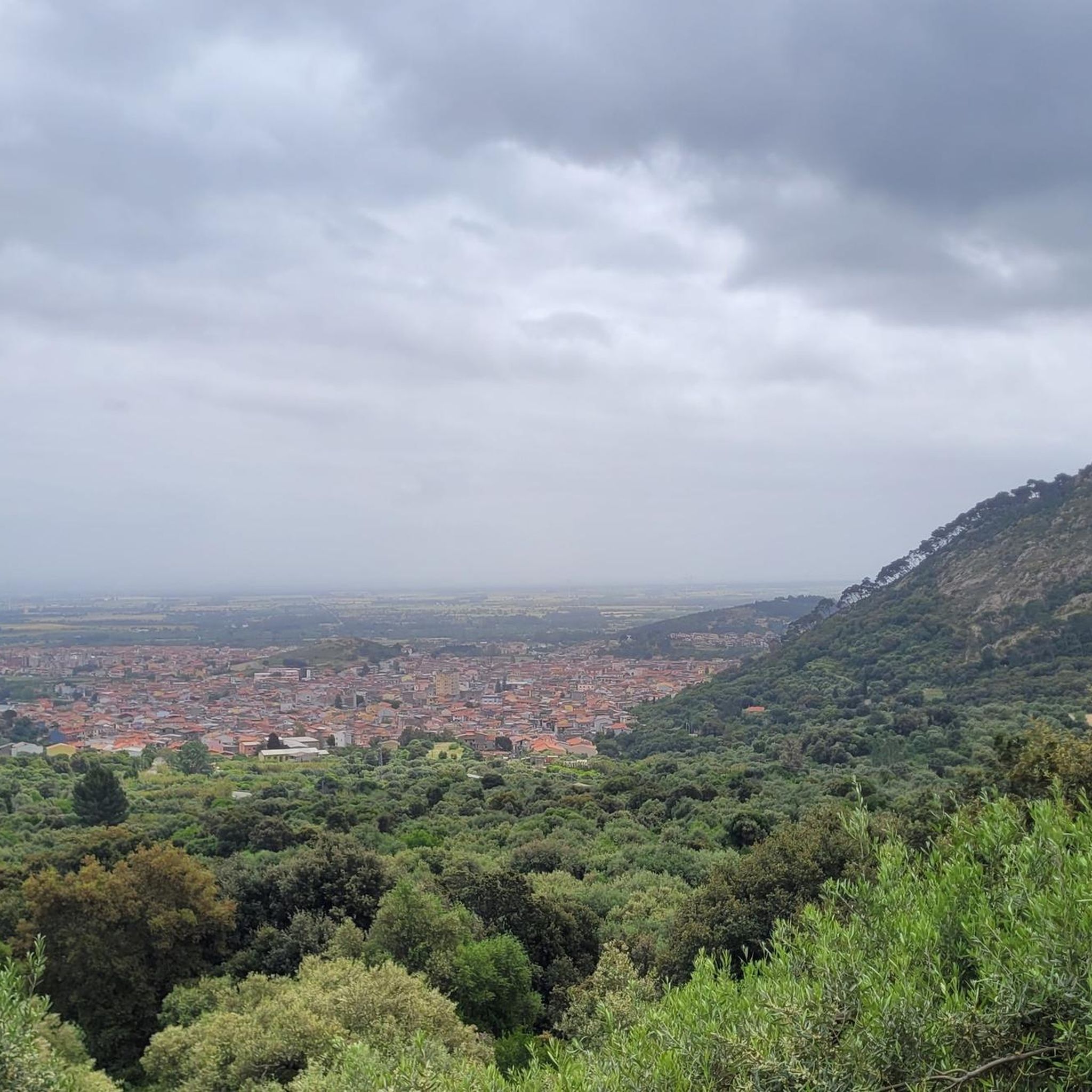
Gonnosfanadiga (South Sardinia, Italy)
Highlight • Settlement
Translated by Google •
Tip by

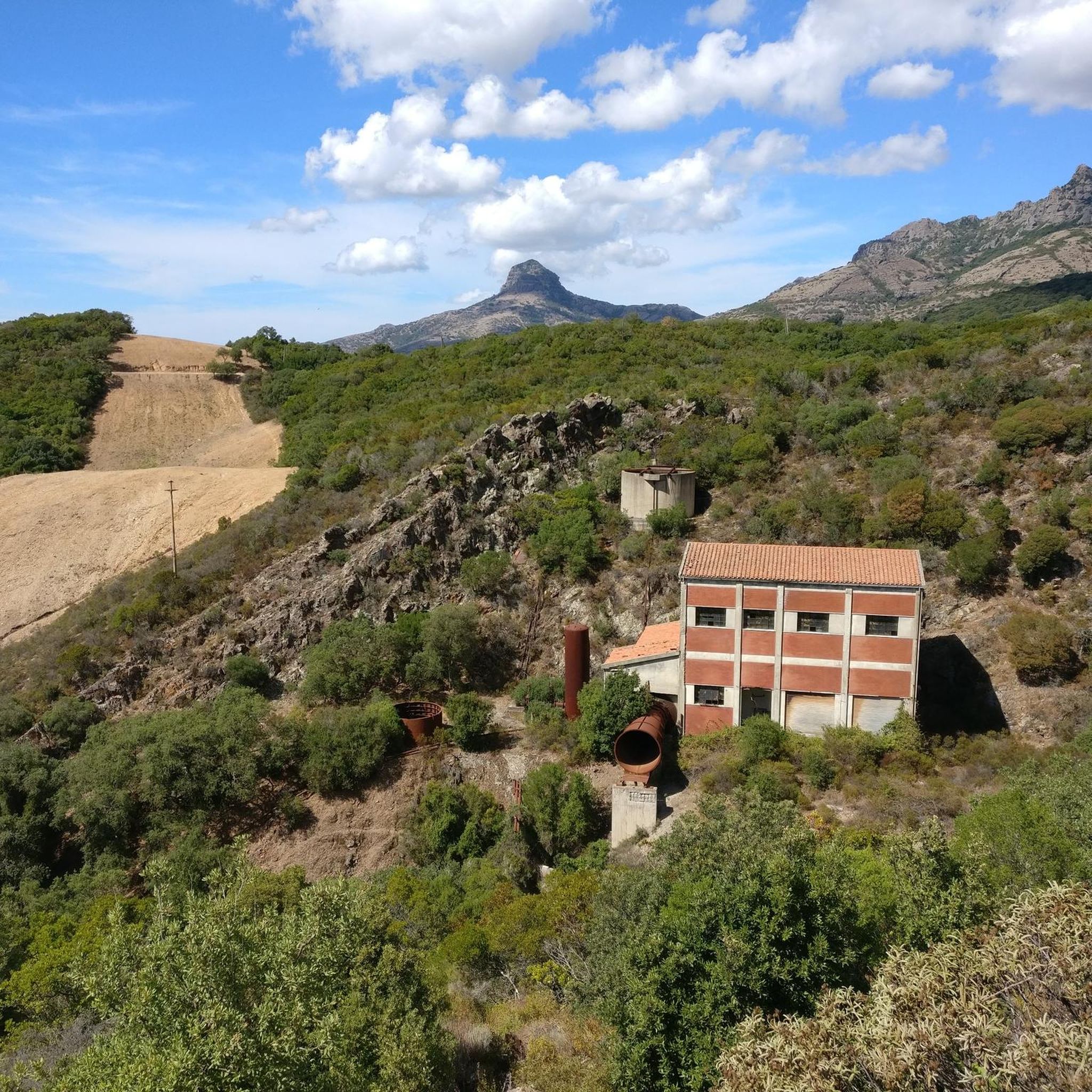
Arbus
Highlight • Settlement
Among other interesting things …
Translated by Google •
Tip by

Sign up now to discover places like this
Get recommendations on the best single tracks, peaks, & plenty of other exciting outdoor places.
Giant’s Tomb of Gonnosfanadiga
Highlight • Historical Site
Translated by Google •
Tip by

Murals and Church of San Nicolò d'Arcidano
Highlight • Settlement
Translated by Google •
Tip by

Colonnari basalts at the Cuccur'e Zeppara quarry
Highlight • Natural Monument
Translated by Google •
Tip by

Sign up for free to discover even more attractions around Pabillois/Pabillonis.
Already have an account?
Start today with a free account
Your next adventure awaits.

Tips from the Community

On the Cuccur'e Zeppara hill, now incorporated into the town of Guspini, you can admire a spectacular wall of basalt prisms up to twenty meters high, perfectly arranged like organ pipes. The formation, created by the slow cooling of lava from an ancient volcanic cone, is considered one of the clearest in Italy and Europe. Declared a natural monument, the quarry can be visited via a short trail that allows for a close-up view of this rare geological feature, similar in shape to be seen only in Sicily, Veneto, Iceland, and a few other places in the world.
1
0

This small but impressive archaeological site is located within private land. It can be reached with a short detour from the dirt road that connects Arbus to Gonnosfanadiga. Even though there are no signs, it is easy to locate its location.
1
0

Geological point of interest
0
0

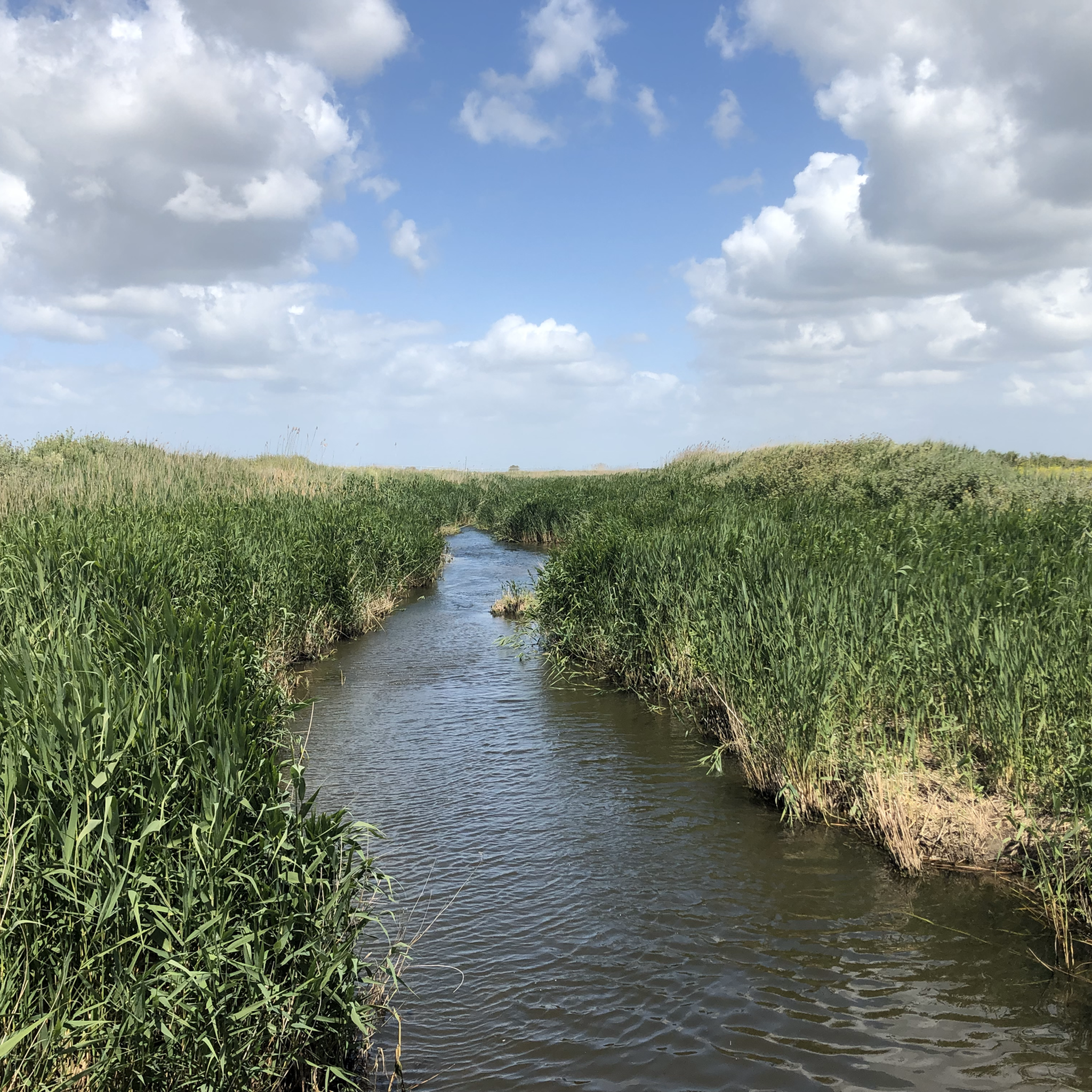
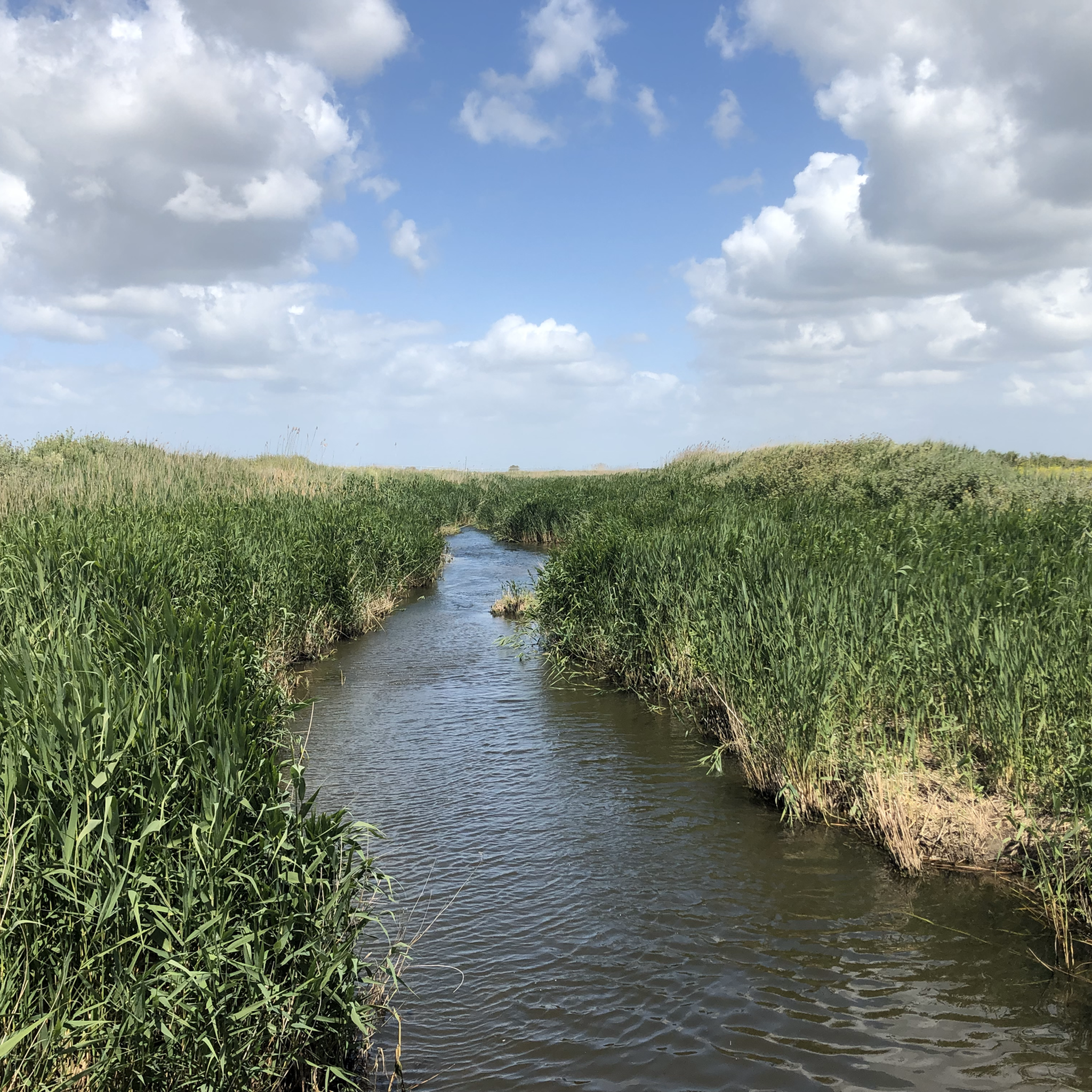
Small town in the province of Oristano. The murals representing bucolic scenes and the church of San Nicolò are beautiful.
1
0

For those who love history
1
1
There is also a dirt road that climbs the mountains of the village with the possibility of visiting some waterfalls.
0
0

Frequently Asked Questions
What historical and archaeological sites can I explore in Pabillonis?
Pabillonis is rich in history, offering several significant sites. You can visit the 16th-century Parish Church of Beata Vergine della Neve and the older, Romanesque-style Church of San Giovanni Battista. For ancient history, explore the Nuragic Complex of Santu Sciori, located beneath the Church of San Giovanni Battista, and the extensive Nuraxi Fenu complex. Don't miss Su Ponti da Sa Baronessa, a Roman bridge, which stands as evidence of the town's ancient origins.
What cultural traditions and craftsmanship is Pabillonis known for?
Pabillonis is famously known as 'Sa bidda de is pingiadas' (the town of pans) due to its long-standing tradition of exceptional terracotta craftsmanship. You can see this heritage reflected in the Is Pingiadas Pot Monument. The town also preserves traditional earthen dwellings like Casa Museo and Casa Matta, offering a glimpse into local architectural heritage. Additionally, Pabillonis is recognized for its pyrotechnic art, earning it the title 'the capital of Fireworks'.
Are there any unique local festivals or events in Pabillonis?
Yes, Pabillonis celebrates several unique traditions. These include the Fires of Sant'Antonio Abate in mid-January and Su Trigu Cotu (cooked wheat) on December 31st, where cooked wheat and sapa are distributed for good luck. The Feast Day of the patron saint of the Parish Church of Beata Vergine della Neve is celebrated in early August, and the Church of San Giovanni Battista hosts celebrations in late June and late August, featuring traditional 'carrus de s'àlinu' (decorated floats).
What outdoor activities are available around Pabillonis?
The area around Pabillonis offers various outdoor activities, particularly for cycling and hiking enthusiasts. You can find numerous road cycling routes, including loops around Gonnosfanadiga and Montevecchio Mines. For mountain biking, explore MTB trails like 'Il fiume Rosso e le dune di Piscinas'. Hikers can discover hiking trails such as the Montevecchio Mines loop or routes leading to the View from Castle of Sanluri.
What are some significant attractions located near Pabillonis?
Just a short distance from Pabillonis, you can visit the Montevecchio Mines, a significant historical site representing Sardinian industrial archaeology. This UNESCO-recognized park offers guided tours to explore its preserved facilities. Another important nearby site is the Giant’s Tomb of Gonnosfanadiga, an impressive archaeological site providing insight into ancient burial practices.
Are there any family-friendly attractions or activities in the area?
While specific family-friendly activities are not detailed, the town of Gonnosfanadiga, a nearby settlement, is noted as family-friendly in its highlight description. Exploring the traditional earthen dwellings in Pabillonis or visiting the Montevecchio Mines with guided tours could also be engaging for families interested in history and culture.
What is the best time of year to visit Pabillonis for outdoor activities?
Given the Mediterranean climate, spring (April-May) and autumn (September-October) generally offer the most pleasant weather for outdoor activities like hiking and cycling around Pabillonis, with milder temperatures and less intense heat than the summer months.
Where can I learn more about the ancient history of the region?
The region's ancient history, particularly its Nuragic and Roman periods, is well-documented through various archaeological finds. Artifacts discovered in Pabillonis, such as vase fragments, lanterns, and Roman coins, are housed in the Archaeological Museum of Sardara, which offers a deeper insight into the area's past.
What makes the Montevecchio Mines a significant place to visit?
The Montevecchio Mines are a prime example of Sardinian industrial archaeology and part of the UNESCO-recognized Geo-mining Historical and Environmental Park of Sardinia. Operating from 1848 to 1991, it was a major European center for lead and zinc production. Visitors can take guided tours to explore the preserved washeries, shafts, workshops, and miners' quarters, learning about the daily life and technological evolution of the mining industry.
What kind of natural features can I expect to see around Pabillonis?
Pabillonis is situated in the central-north of the Campidano plain, nestled between the Flumini Mannu and Flumini Bellu waterways. While not known for dramatic natural landscapes within the immediate town, the nearby Monte Linas massif, mentioned in the context of Gonnosfanadiga, offers more rugged terrain and natural beauty for exploration.
What do visitors enjoy most about the attractions near Pabillonis?
Visitors particularly appreciate the rich historical and archaeological significance of the area, with sites like the Montevecchio Mines and the Giant’s Tomb of Gonnosfanadiga receiving positive feedback for their historical depth. The cultural insights provided by traditional craftsmanship and local festivals also contribute to a unique visitor experience.
Most popular routes around Pabillois/Pabillonis

Get inspired with the komoot mobile app


Explore more
Still not found the Highlight you’re looking for? See guides of the top attractions in other regions:
