Top 20 Castles around Morciano Di Romagna
Best castles around Morciano Di Romagna are found in the historic Conca valley, a region known for its medieval market towns and rich Romagna hinterland. While Morciano di Romagna itself was historically a market town, the surrounding area is home to numerous fortifications. Many of these structures are associated with the powerful Malatesta family, offering insights into the region's past. The area provides a blend of historical significance and scenic landscapes.
Best castles around Morciano Di Romagna
- The most popular castles is Montescudo, a settlement with historical sites, a castle, and a viewpoint. This village of Malatesta origins is situated on a small hill, offering a wonderful view of the sea.
- Another must-see spot is San Clemente Historic Center, a historical site with a castle. Dating back to the Malatesta era, its walls and bastions are still well preserved, enclosing the center of the village.
- Visitors also love Mondaino, a settlement featuring a castle and historical sites. Its fortress was a fundamental piece of the Malatesta Lordship's defensive line, strategic for controlling nearby castles and troop movements.
- Morciano Di Romagna is known for medieval fortresses, fortified villages, and historical settlements. The region offers a variety of castles to see and explore, from military strongholds to residential palaces.
- The castles around Morciano Di Romagna are appreciated by the komoot community, with more than 100 upvotes and 20 photos.
Last updated: June 24, 2026
Gradara
Highlight • Castle
The imposing structure is protected by two city walls, the extreme being almost 800 meters long. Particularly striking is the view of the rock and the underlying historic village at night.
The castle is state owned and is one of the most visited attractions in the region. The castle is the scene of a museum and various musical and artistic events.
Translated by Google •
Tip by

Tavoleto Castle
Highlight • Castle
It was subsequently sold to a private individual who transformed it into a restaurant in the more recent 1960s and renovated it according to the standards of those years. The current owners instead purchased it with the intention of bringing it back to its origins. Today it is home to receptions and ceremonies.
Translated by Google •
Tip by

Sign up now to discover places like this
Get recommendations on the best single tracks, peaks, & plenty of other exciting outdoor places.
Sign up for free
San Clemente Historic Center
Highlight • Historical Site
Translated by Google •
Tip by

Saludecio
Highlight • Settlement
Translated by Google •
Tip by

Montescudo
Highlight • Settlement
Translated by Google •
Tip by
Sign up for free to discover even more castles around Morciano Di Romagna.
Sign up for free
Already have an account?
Start today with a free account
Your next adventure awaits.
Login or Signup

Tips from the Community

The castle preserves original furnishings, 15th-century frescoes, and a chapel with terracotta altarpieces. The structure is famous for its connection to the story of Paolo and Francesca, the two lovers mentioned by Dante in the Divine Comedy. The village is known for its double ring of walls and drawbridge, examples of medieval military architecture. The interior houses the courtyard of honor, the torture chambers, and the room attributed to the betrayal of the two young people.
1
0

Entering the medieval village of Gradara has its own charm...
1
0

Saludecio is registered in the Italian Association of Painted Villages because of the 50 splendid murals that color its streets.
0
0

Dating back to the Malatesta era and still well preserved today, the village of San Clemente is one of the best destinations in the Romagna hinterland. The walls and bastions are clearly visible, enclosing the center of the village as they once did. Not far away is also Castelleale, commissioned in 1388 by Leale Malatesta, bishop of Rimini.
0
0

The village of San Clemente dates back to the Malatesta era and its origins are still clearly visible today. The walls enclose, as in the past, the heart of the historic center and the complex known as Castelleale. It is one of the rare examples remaining in the Rimini area of a building that is both a large farm and a fortified villa, built in 1388 by Leale Malatesta, bishop of Rimini.
0
0
The construction of the castle took place by the family of Sigismondo Malatesta in the early 1300s and was disputed between the Malatesta and Montefeltro families in the battles for the acquisition of the territory. It was thus lost and reconquered five times, until Federico da Montefeltro finally conquered Tavoleto in 1458. Federico ordered the demolition of the castle and then rebuilt it under the work of the architect Francesco di Giorgio Martini who finished it before 1474. In 1631 it became the direct domain of the Papacy, but in 1885 it was donated to the Lawyer Petrangolini at the same time as the assignment of the title of count and the subjugation of the surrounding territories. It was subsequently sold to a private individual who transformed it into a restaurant in the more recent 1960s and renovated it according to the standards of those years. The current owners instead purchased it with the intention of bringing it back to its origins. Today it is home to receptions and ceremonies.
0
0
A hamlet of the Montescudo-Monte Colombo municipality, Montescudo was an autonomous municipality until 31 December 2015. A village of Malatesta origins, the local potato festival is particularly famous, a typical variety which is harvested in the month of August.
1
0

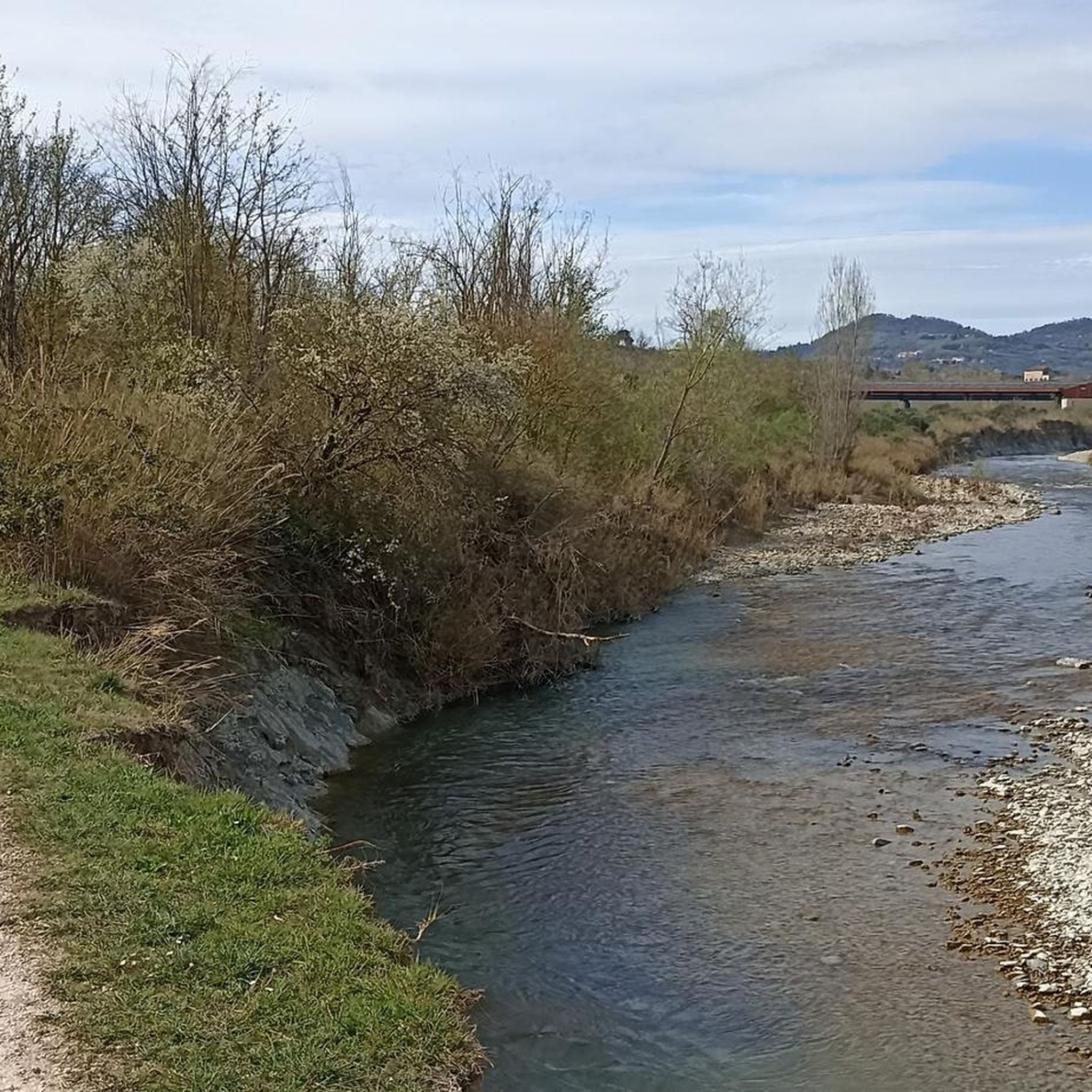
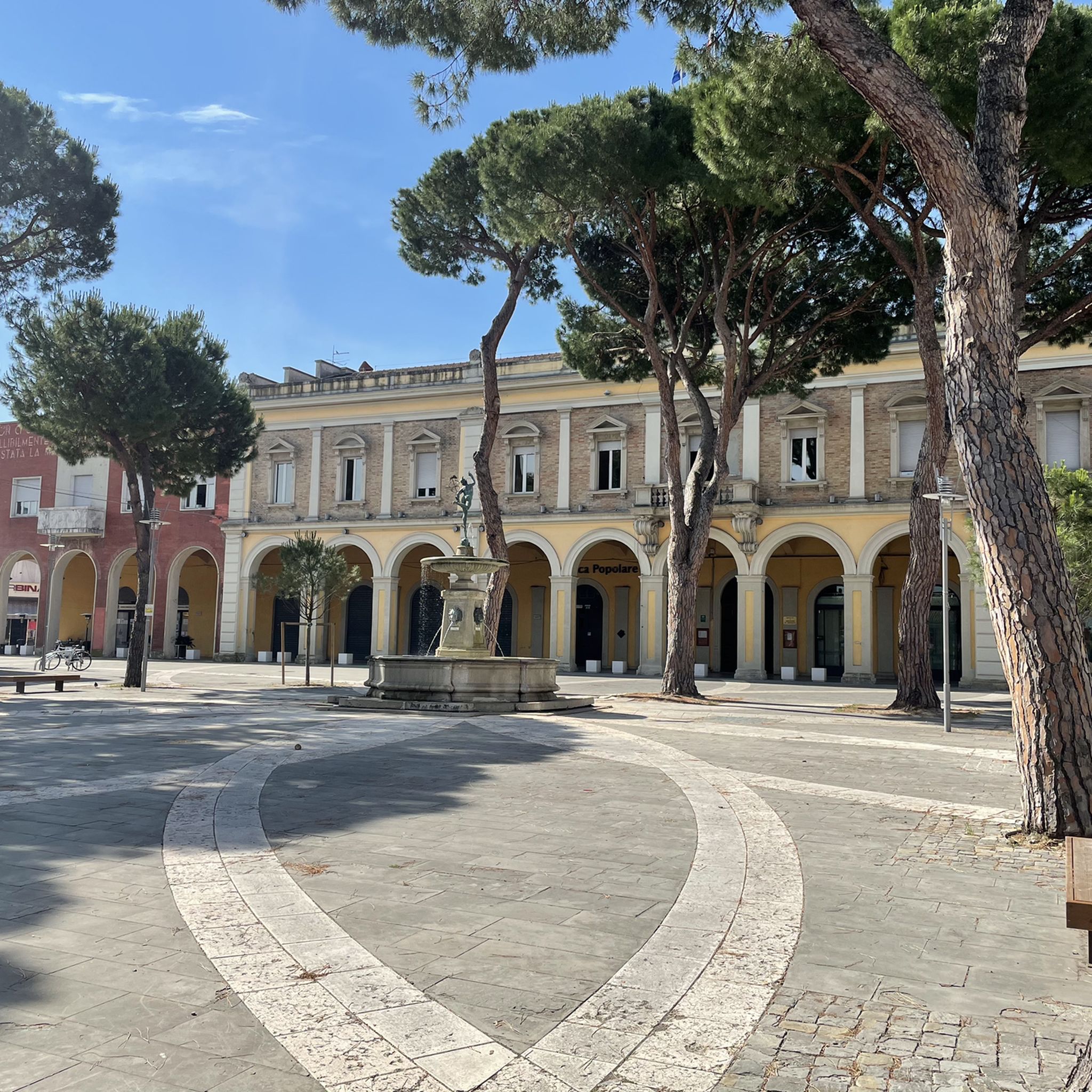
The town has a characteristic medieval aspect, but different from the other towns in the hinterland of the province of Rimini. In the times of the Malatesta noble family, the area was not very contested and so it was not necessary to make a fortress out of the village. Among the sights of the municipality is the central church that can be seen in the photo, the historic center and Piazza Mazzini. In the districts of Agello and Castelleale there are some country houses and farms that have a medieval character and were built in the 14th century, such as the Fattoria fortificata di Castelleale.
1
0
Frequently Asked Questions
What are some of the most historically significant castles near Morciano di Romagna?
The region around Morciano di Romagna is rich in history, particularly with fortifications linked to the powerful Malatesta family. Notable examples include the Montescudo, a village of Malatesta origins with a well-preserved defensive wall and watchtower. San Clemente Historic Center also dates back to the Malatesta era, with its walls and bastions still visible. Further afield, Verucchio Castle and the Malatestiana Fortress in Montefiore Conca are prime examples of Malatesta strongholds, offering deep insights into medieval history.
Which castles offer the best panoramic views of the region?
Several castles in the area boast stunning panoramic views. The Rocca Malatestiana in Verucchio, also known as 'Sasso Fortress,' offers breathtaking views of the Valmarecchia and the Adriatic Sea from its Mastio Tower. Similarly, the Malatestiana Fortress in Montefiore Conca provides unparalleled 360-degree views of the Romagna coast, the surrounding valley, and even San Marino. Montescudo, situated on a small hill, also offers a wonderful view of the sea and surrounding landscapes.
Are there any castles with unique legends or stories?
Yes, Montebello Castle, also known as Azzurrina Castle, is famous for the legend of Azzurrina, a young girl who mysteriously disappeared within its walls in 1375. Her ghost is said to still be heard within the castle. The Malatestiana Fortress in Montefiore Conca also has a romantic legend of forbidden love between Costanza Malatesta and the knight Ormanno, whose souls are believed to roam its corridors.
What are some well-preserved medieval villages with castle features?
The region features several charming medieval villages that retain their historic castle-like structures. Montegridolfo is a meticulously restored medieval village designed as a rectangular fortress, with its original high walls and clock tower still intact. Saludecio, a former Malatesta stronghold, still reveals its medieval structure with a maze of alleys, walls, and monumental access gates. San Clemente Historic Center also preserves its Malatesta-era walls and bastions.
What role did the Malatesta family play in the castles around Morciano di Romagna?
The Malatesta family was instrumental in shaping the defensive landscape of the Romagna hinterland. Many of the castles and fortified villages in the area, such as Verucchio Castle, the Malatestiana Fortress in Montefiore Conca, Montescudo, San Clemente Historic Center, Saludecio, and Mondaino, were either built, expanded, or heavily influenced by this powerful family. They served as strategic military strongholds and often as elegant residential palaces, controlling the territory and defending against rivals like the Montefeltro family.
Are there family-friendly castles to visit near Morciano di Romagna?
Yes, several castles and historic sites in the area are suitable for families. Tavoleto Castle, San Clemente Historic Center, Saludecio, and Mondaino are all categorized as family-friendly highlights. Montebello Castle also offers both daytime and nighttime guided tours, which can be an engaging experience for families, especially with its famous legend.
What is the best time of year to visit the castles in this region?
The spring and autumn months are generally ideal for visiting the castles around Morciano di Romagna. During these seasons, the weather is typically mild and pleasant for exploring, and the landscapes are particularly beautiful, whether with spring blooms or autumn foliage. Summer can also be a good time, though it can be warmer, especially in July and August. Visiting during the off-peak seasons might also mean fewer crowds.
Is parking available at the castles?
While specific parking details for each castle are not provided, most historic sites and villages in the Romagna hinterland typically offer designated parking areas for visitors, often within walking distance of the main attractions. It is advisable to check local signage or official websites for specific parking information when planning your visit to individual castles like Verucchio, Montefiore Conca, or San Leo.
What outdoor activities can I do near these castles?
The area around Morciano di Romagna offers various outdoor activities that can be combined with castle visits. You can find numerous cycling routes, including challenging rides like the "Mondaino – Saludecio loop" or more moderate options like the "Crest Road Between Agriturismi – Cascata di Morciano loop." For hiking enthusiasts, there are trails such as the "Conca Stream – Conca River Ford loop" or the "Artificial waterfall – Conca River Ford loop." You can explore more options on the Cycling around Morciano Di Romagna or Hiking around Morciano Di Romagna guide pages.
Are there hiking trails that incorporate castle visits?
While specific circular walks directly incorporating multiple castles are not detailed, many of the castles are located within or near historic villages that serve as excellent starting points for walks. For instance, you could explore the historic center of Saludecio or Mondaino and then venture onto nearby trails. The Hiking around Morciano Di Romagna guide offers various routes in the surrounding natural landscape that can be combined with visits to nearby historical sites.
What do visitors enjoy most about the castles and historic sites in this region?
Visitors frequently appreciate the rich history and well-preserved medieval atmosphere of the castles. The stunning panoramic views from fortresses like Verucchio and Montefiore Conca are often highlighted. The unique legends, such as that of Montebello Castle, also add to the appeal. Many enjoy exploring the charming historic centers of villages like Saludecio and San Clemente Historic Center, which offer a glimpse into the past with their ancient walls and architecture.
Are there any less crowded or 'hidden gem' castles to visit?
While popular sites like San Leo and Verucchio attract many visitors, exploring the smaller, well-preserved villages and their fortifications can offer a more intimate experience. Montegridolfo, for example, is a meticulously restored medieval village that provides a charming atmosphere without the large crowds. Tavoleto Castle, now used for receptions, also offers a glimpse into history away from the main tourist routes.
Most popular routes around Morciano Di Romagna
Most popular attractions around Morciano Di Romagna

Get inspired with the komoot mobile app


Explore more
Looking for the best castles somewhere else? Discover other guides around Morciano Di Romagna:
