Top 20 Castles around Saludecio
Best castles around Saludecio are found in Italy's Emilia-Romagna region, a historic area known for its medieval villages and defensive strongholds. The region features a landscape characterized by hills and valleys, offering panoramic views. Saludecio itself functions as a fortified complex, reflecting its past as a Malatesta possession. The area provides insights into medieval architecture and historical conflicts between powerful families.
Best castles around Saludecio
- The most popular castle is Fiorenzuola di Focara, a settlement that offers views of…
Last updated: June 24, 2026
Fiorenzuola di Focara
Highlight • Settlement
Translated by Google •
Tip by

Gradara
Highlight • Castle
The imposing structure is protected by two city …
Translated by Google •
Tip by

Sign up now to discover places like this
Get recommendations on the best single tracks, peaks, & plenty of other exciting outdoor places.
Sign up for free
Tavoleto Castle
Highlight • Castle
Translated by Google •
Tip by

San Clemente Historic Center
Highlight • Historical Site
Translated by Google •
Tip by

Saludecio
Highlight • Settlement
Translated by Google •
Tip by

Sign up for free to discover even more castles around Saludecio.
Sign up for free
Already have an account?
Start today with a free account
Your next adventure awaits.
Login or Signup

Tips from the Community

The castle preserves original furnishings, 15th-century frescoes, and a chapel with terracotta altarpieces. The structure is famous for its connection to the story of Paolo and Francesca, the two lovers mentioned by Dante in the Divine Comedy. The village is known for its double ring of walls and drawbridge, examples of medieval military architecture. The interior houses the courtyard of honor, the torture chambers, and the room attributed to the betrayal of the two young people.
1
0

Entering the medieval village of Gradara has its own charm...
1
0

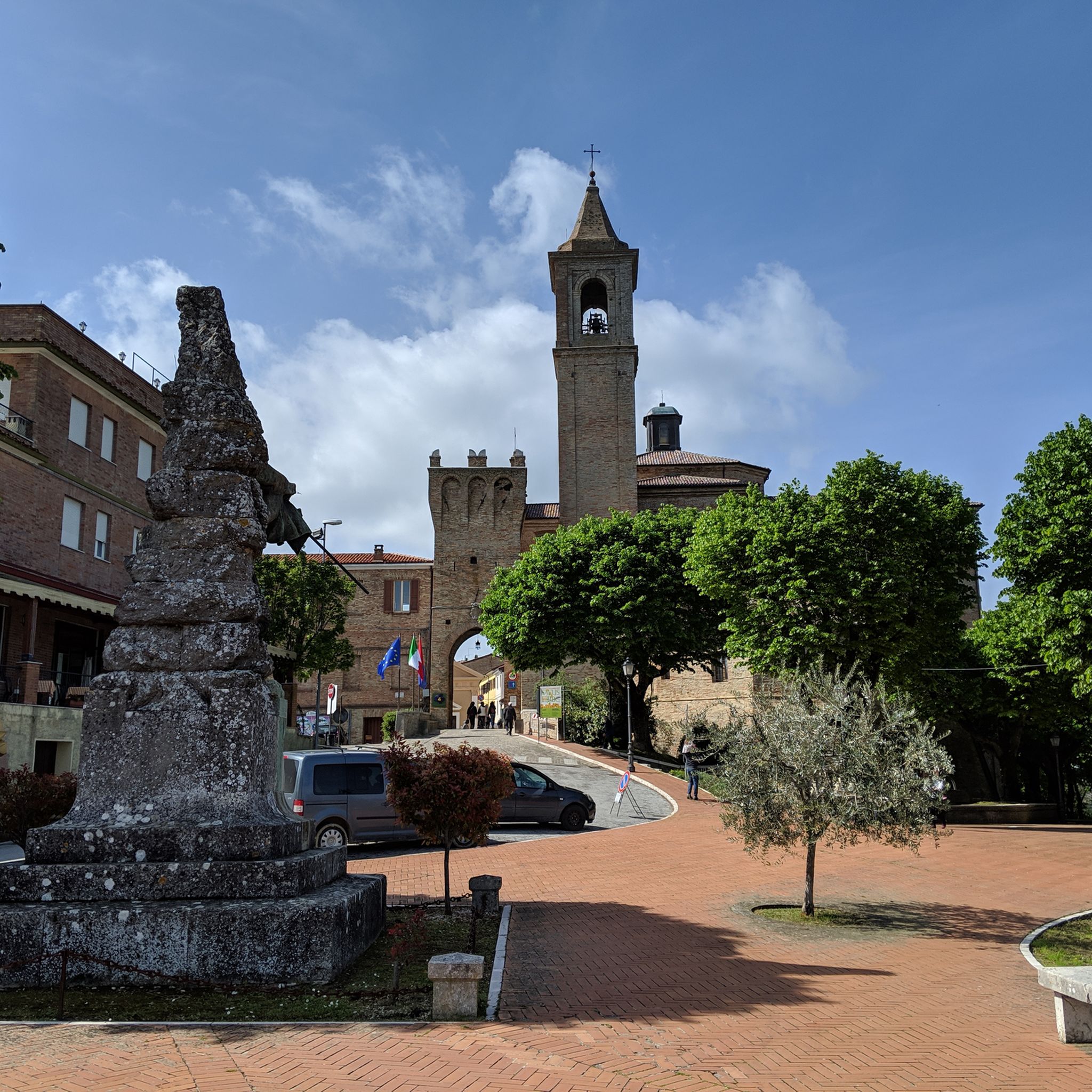
Saludecio is registered in the Italian Association of Painted Villages because of the 50 splendid murals that color its streets.
0
0

Dating back to the Malatesta era and still well preserved today, the village of San Clemente is one of the best destinations in the Romagna hinterland. The walls and bastions are clearly visible, enclosing the center of the village as they once did. Not far away is also Castelleale, commissioned in 1388 by Leale Malatesta, bishop of Rimini.
0
0

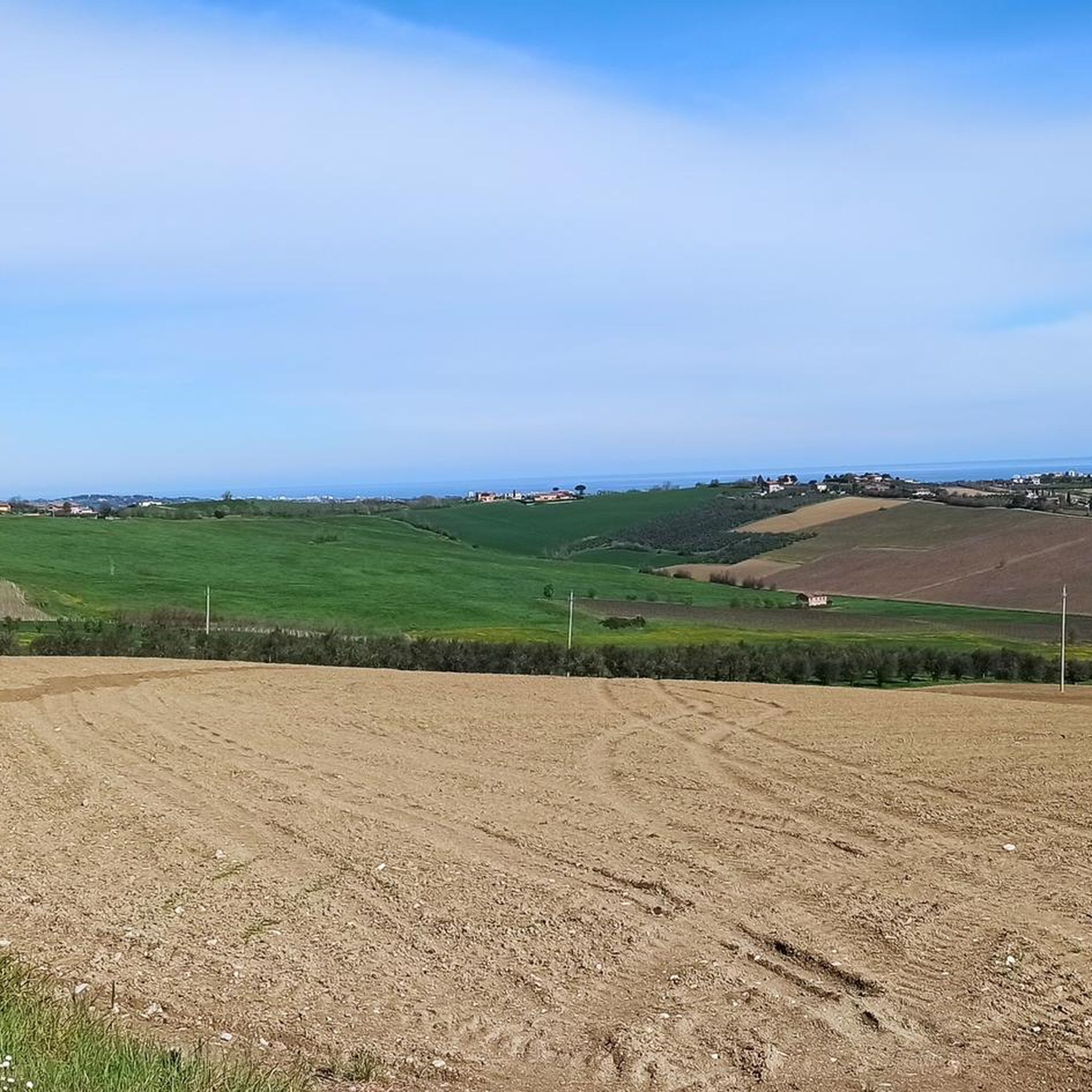
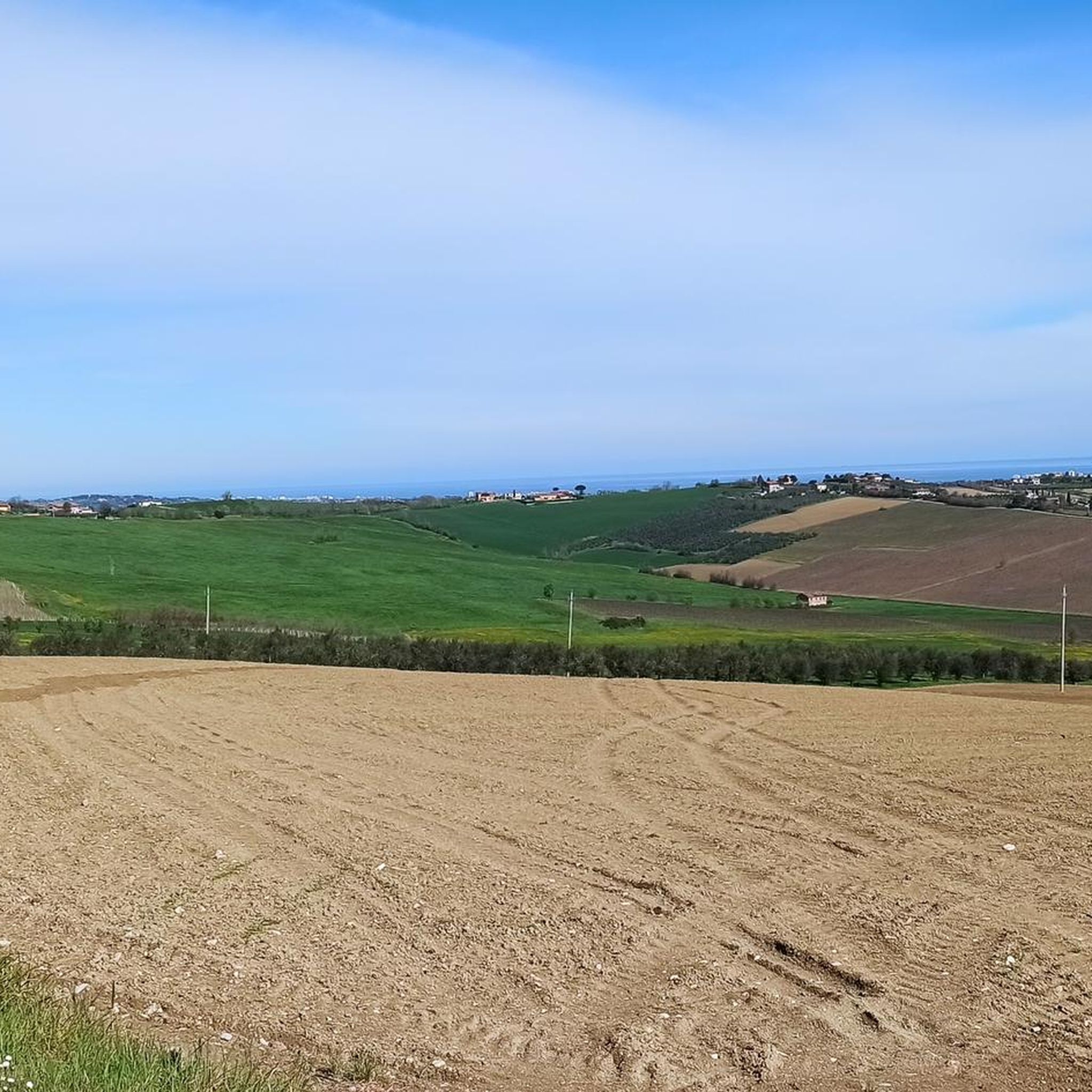
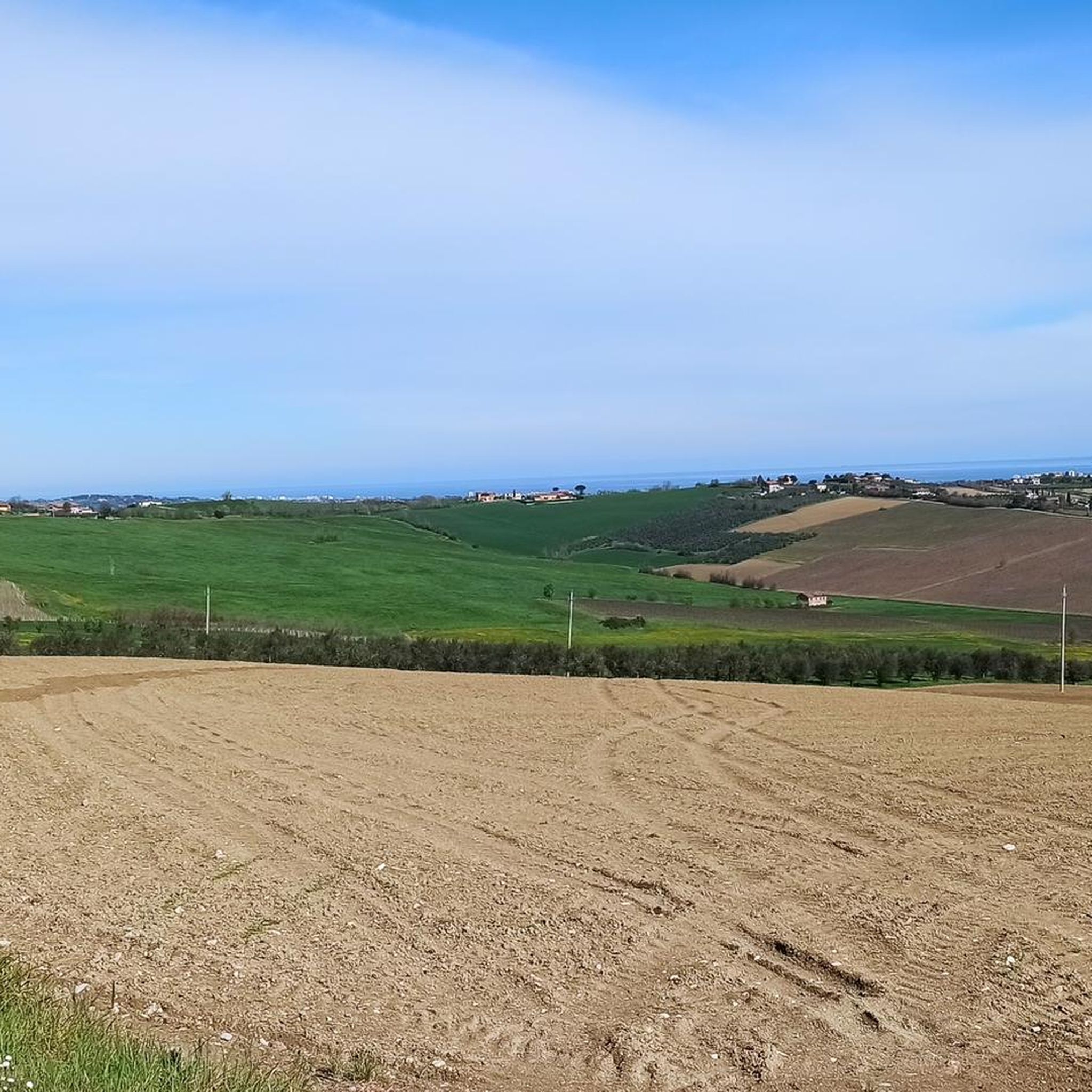
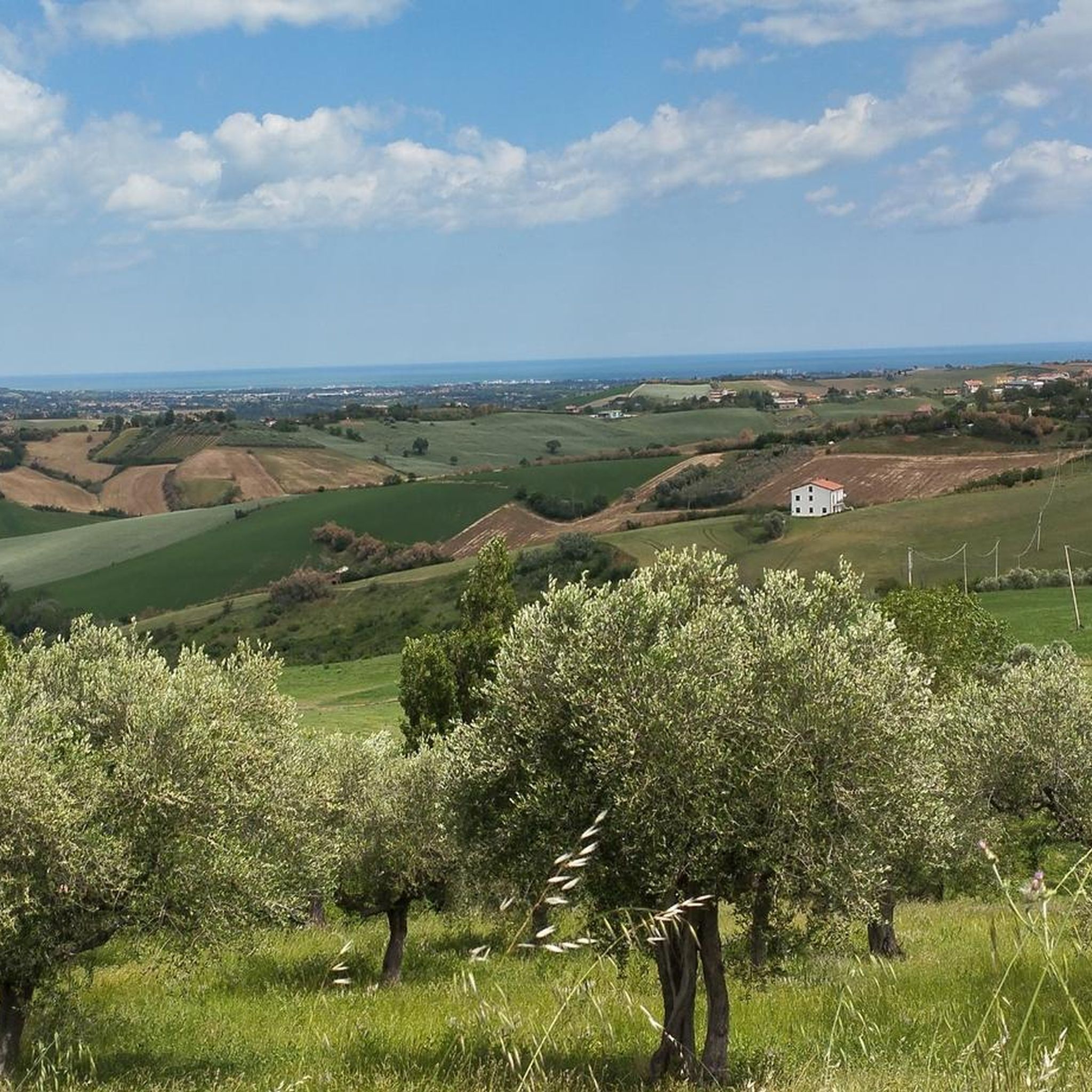
Small village overlooking the sea
0
0

Beautiful village not far from the sea
0
0

It is one of the four castles (together with Casteldimezzo, Gradara and Granarola) built between the 10th and 13th centuries, in order to constitute an organic defensive system for the control of the Siligata pass, in the border area between the Church of Ravenna and the Pesaro Church first, and then between the Malatestas of Rimini and those of Pesaro. The village, originally called Fiorenzuola, took on the specification of Focara in 1889, probably due to the presence in ancient times of fires that signaled the position to sailors, or due to the presence of "fornacelle" where bricks and terracotta were cooked (from the Romagna dialect fuchèr or fughèr, i.e. fire to cook bricks). (Source: https://www.parcosanbartolo.it/luoghi/fiorenzuola-di-focara/ )
0
0

The village of San Clemente dates back to the Malatesta era and its origins are still clearly visible today. The walls enclose, as in the past, the heart of the historic center and the complex known as Castelleale. It is one of the rare examples remaining in the Rimini area of a building that is both a large farm and a fortified villa, built in 1388 by Leale Malatesta, bishop of Rimini.
0
0
Frequently Asked Questions
What are some of the most notable fortified sites and castles to visit around Saludecio?
Beyond Saludecio itself, which is a significant fortified village, you can explore several other historical sites. These include the medieval village of Fiorenzuola di Focara, known for its Adriatic Sea views, and the San Clemente Historic Center with its well-preserved Malatesta-era walls. Another important site is Mondaino, featuring a fortress with a strong defensive structure.
What makes Saludecio itself a significant historical site?
Saludecio served as a crucial Malatesta defensive stronghold for three centuries. Its medieval structure is still evident, with ancient walls, a maze of alleys, and two monumental access gates: Porta Marina and Porta Montanara. The Civic Tower and the Palazzo Comunale, carved from an ancient Malatesta fortress, further highlight its rich history as a fortified village.
Are there any smaller, lesser-known castles or fortified villages worth visiting nearby?
Yes, a few kilometers from Saludecio, you can find Meleto Castle and the village of Cerreto. Meleto Castle, though only visitable from the outside, offers stunning views over the Tavollo and Foglia valleys. Cerreto is an attractive rural village with visible medieval fortifications and a civic tower, recognized as one of Italy's 'ghost villages' due to its dwindling population, offering a unique glimpse into a bygone era.
What kind of views can I expect from the castles and fortified villages in the Saludecio area?
The fortified sites around Saludecio often boast panoramic views. For instance, Fiorenzuola di Focara offers splendid views of the Adriatic Sea. Saludecio itself provides panoramic views over the Conca Valley, and Meleto Castle is known for its 'wonderful balcony on the Adriatic Sea' overlooking the Tavollo and Foglia valleys.
Are there family-friendly options among the castles and historical sites?
Many of the historical sites and fortified villages in the area are considered family-friendly. Fiorenzuola di Focara, San Clemente Historic Center, and Mondaino are all categorized as family-friendly. Exploring the medieval streets and walls can be an engaging experience for all ages.
What outdoor activities can I do near these castles?
The region around Saludecio offers various outdoor activities. You can find numerous hiking trails, such as the 'Cerreto and San Teodoro Loop Trail' or 'In the countryside of Mondaino and San Teodoro – loop from Saludecio'. For cycling enthusiasts, there are gravel biking routes like the 'Casteldimezzo loop from Pozzo Alto'. You can explore more options on the hiking guide, gravel biking guide, and running trails guide for Saludecio.
Are there specific hiking trails that incorporate castle visits or offer views of them?
Yes, several hiking routes allow you to explore the fortified landscapes. For example, the 'Cerreto and San Teodoro Loop Trail' will take you near the medieval traces of Cerreto. Other trails like 'In the countryside of Mondaino and San Teodoro – loop from Saludecio' offer opportunities to see the surrounding fortified villages and their historical settings. You can find detailed information on these routes in the hiking guide for Saludecio.
What is the historical significance of the castles in this region?
The castles and fortified villages around Saludecio are deeply rooted in the history of the Malatesta family, who controlled the area for centuries. These strongholds, including Saludecio itself, were crucial defensive points during conflicts with rival families like the Montefeltro. They represent a significant period of medieval power struggles and architectural adaptation in the Emilia-Romagna region.
What unique cultural aspects can be found in Saludecio beyond its fortifications?
Beyond its historical fortifications, Saludecio is known for its unique 'open-air museum' of murals. These artworks adorn the houses' walls throughout the village and depict 19th-century inventions, adding a vibrant and artistic layer to the historic setting. This blend of ancient history and modern art makes Saludecio a distinctive cultural destination.
What do visitors particularly enjoy about exploring the castles and fortified villages near Saludecio?
Visitors frequently appreciate the opportunity to step back in time and experience the well-preserved medieval structures. The panoramic views, especially of the Adriatic Sea from places like Fiorenzuola di Focara, are highly praised. The historical context, combined with the charm of the villages and the artistic murals in Saludecio, creates a memorable experience.
Is there public transport available to reach the castles and fortified villages?
While specific public transport routes directly to every castle might be limited, Saludecio itself is accessible. For detailed information on public transport options to Saludecio and surrounding villages, it is advisable to check local bus schedules or regional transport websites. For broader travel information about the region, you can visit Italia.it's page on Saludecio.
Are there any cafes or restaurants near the fortified sites for visitors?
Yes, Saludecio, being a lively village, offers cafes and restaurants within its fortified walls. Similarly, other larger fortified villages like Mondaino and San Clemente Historic Center will have local establishments where visitors can enjoy refreshments and meals.
Most popular routes around Saludecio
Most popular attractions around Saludecio

Get inspired with the komoot mobile app


Explore more
Looking for the best castles somewhere else? Discover other guides around Saludecio:
