Attractions and Places To See around Longiano - Top 20
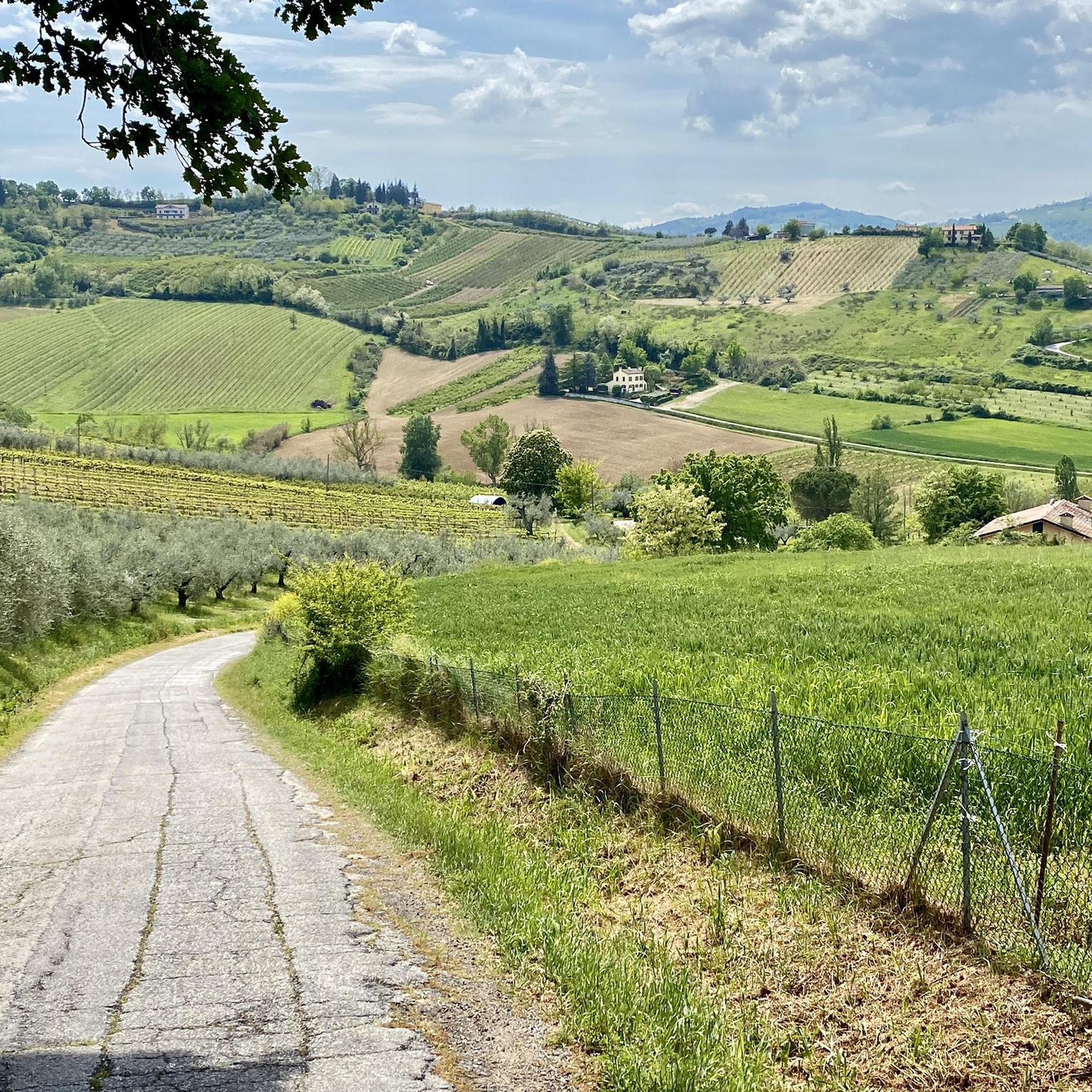
Best attractions and places to see around Longiano include a variety of historical sites, charming villages, and natural landscapes in the Romagna region. This medieval village, nestled in the hills between Cesena and Rimini, is recognized for its quality tourism and environment. The area features rolling hills with vineyards and olive groves, offering scenic views that extend to the Adriatic Sea. Longiano provides a blend of cultural heritage and opportunities for outdoor exploration.
Best attractions and places to see around…
Last updated: October 11, 2026
Sogliano al Rubicone
Highlight • Settlement
Translated by Google •
Tip by

Piazza Ganganelli, Santarcangelo di Romagna
Highlight • Settlement
Translated by Google •
Tip by

Sign up now to discover places like this
Get recommendations on the best single tracks, peaks, & plenty of other exciting outdoor places.
Longiano Castle
Highlight • Castle
More information: de.wikipedia.org/wiki/Longiano and de.wikipedia.org/wiki/Malatesta
Translated by Google •
Tip by

Roncofreddo Village Center
Highlight • Historical Site
Castle worth seeing.
More information: de.wikipedia.org/wiki/Roncofreddo
Translated by Google •
Tip by
Monteleone Medieval Village
Highlight • Settlement
Translated by Google •
Tip by
Sign up for free to discover even more attractions around Longiano.
Already have an account?
Start today with a free account
Your next adventure awaits.

Tips from the Community

I rode in Longiano last week and visited the tunnel as well as the castle.
0
0

very beautiful place and you should definitely see it
1
0

Romagna beautiful all year round
0
0
Romagna beautiful all year round
1
0


In the 13th century it was a possession of the Malatesta family, under whom the town managed to prosper until the abolition of feudalism at the dawn of the 19th century. After the brief Napoleonic period, the municipality passed to the Church in 1816, followed by the Risorgimento uprisings, the passage of Giuseppe Garibaldi and the annexation to the Kingdom of Italy. (Source: https://www.ilturista.info/guide.php?cat1=4&cat2=8&cat3=6&cat4=157&lan=ita)
1
0
The etymology of the name Roncofreddo is uncertain, as are the origins of the town. The first documented information dates back to the documents of the Bavarian Code (an ancient administrative register of the Church of Ravenna dating back to the 7th-10th centuries, currently kept in Munich) where in n.70 mention is made of the concession by an archbishop of Ravenna to Tybalt , son of Leone del Duca Orso, of an estate called Fundum Roncofrigido. (Source: http://www.comune.roncofreddo.fc.it/c040037/zf/index.php/servizi-aggiuntivi/index/index/idtesto/20041 )
1
0

and exact origins are not documented, it can be hypothesized that around the year 1000 the locality was a possession of the Ravenna church. For years disputed between the Church and the municipality of Rimini, a first fortified tower was probably built in the 13th century. The first real fortress, built by the municipality of Rimini, dates back only to the 14th century. Possession of the Malatesta family until 1335, it was conquered by Francesco degli Ordelaffi, lord of Forlì and subsequently ceded to the Montefeltro family, to then return under the control of the Holy See and subsequently in 1433 again of the Malatesta family. In 1485 it returned to the control of the archbishop of Ravenna and was enfeoffed to the Roverella family of Cesena who held it until 1745. Important expansions and the transformation from a castle to a summer residence date back to this period, and at the same time the construction of homes on the ancient wall circuit was encouraged, demolishing the previous ones closest to the palace and creating the hanging garden in their place. The Roverellas were succeeded in 1745 by the Guiccioli, a family that held the castle until 1960, the year in which it was sold to the current owners, the Volpe counts.
0
0
Frequently Asked Questions
What historical landmarks can I explore in Longiano?
Longiano is rich in history. You can visit the impressive Malatesta Castle, which offers panoramic views of the surrounding hills and the Adriatic Sea. Another significant site is the Teatro Petrella, a beautiful 19th-century neoclassical theater known for its acoustics. Don't miss the Collegiate Church of San Cristoforo, dating back before 1000 AD, and the Oratorio di San Giuseppe, which also houses the Museum of Sacred Art.
Are there any unique museums or cultural sites in Longiano?
Yes, Longiano offers several unique cultural experiences. Inside the Malatesta Castle, you'll find the Tito Balestra Foundation, showcasing a collection of 20th-century Italian and foreign art. The Italian Museum of Cast Iron, set in a deconsecrated church, displays fascinating urban furnishings. You can also explore the Ethnographic Museum, which illustrates local farming traditions, and the Gallery of Masks of Italian "Commedia dell'Arte".
What natural features and viewpoints can I enjoy around Longiano?
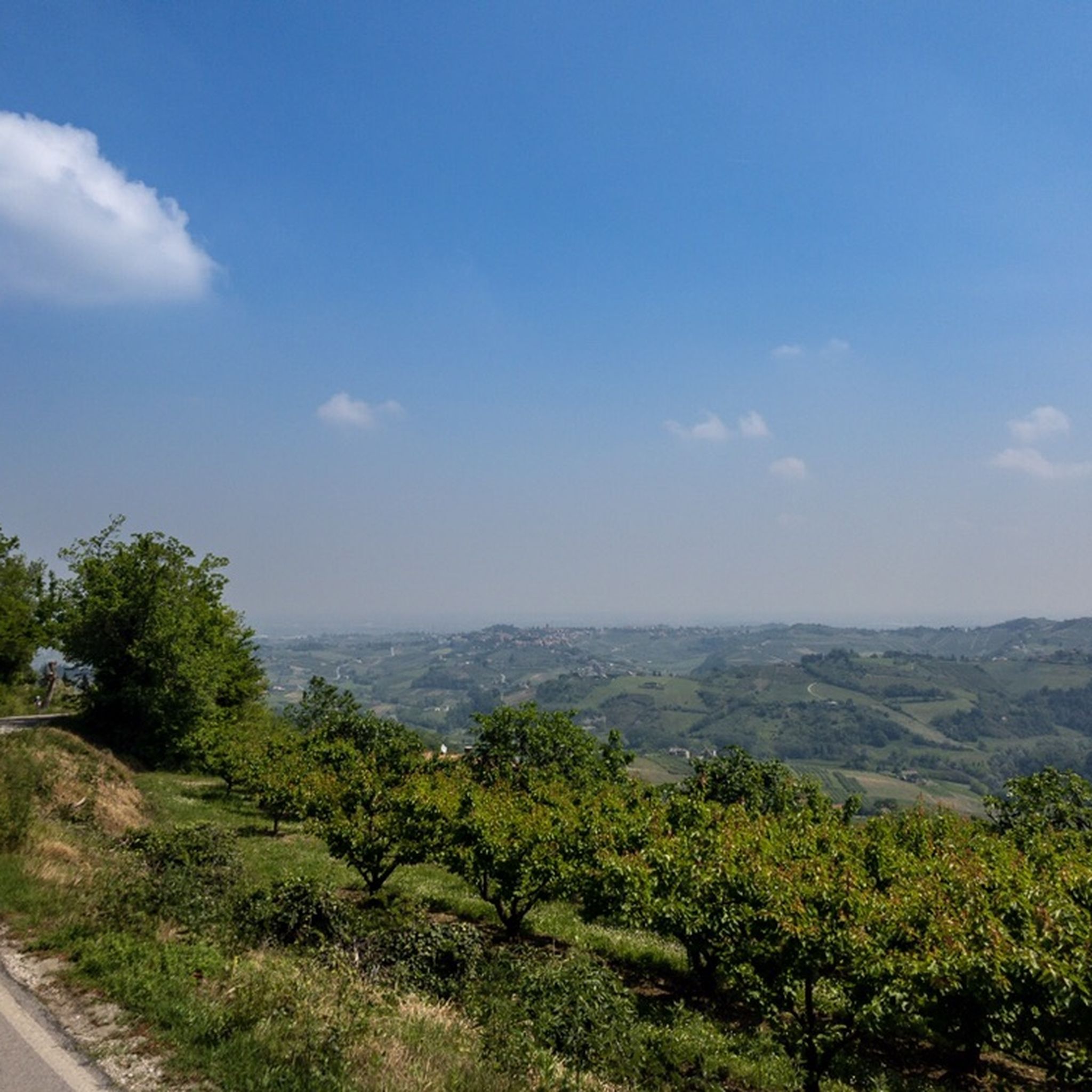
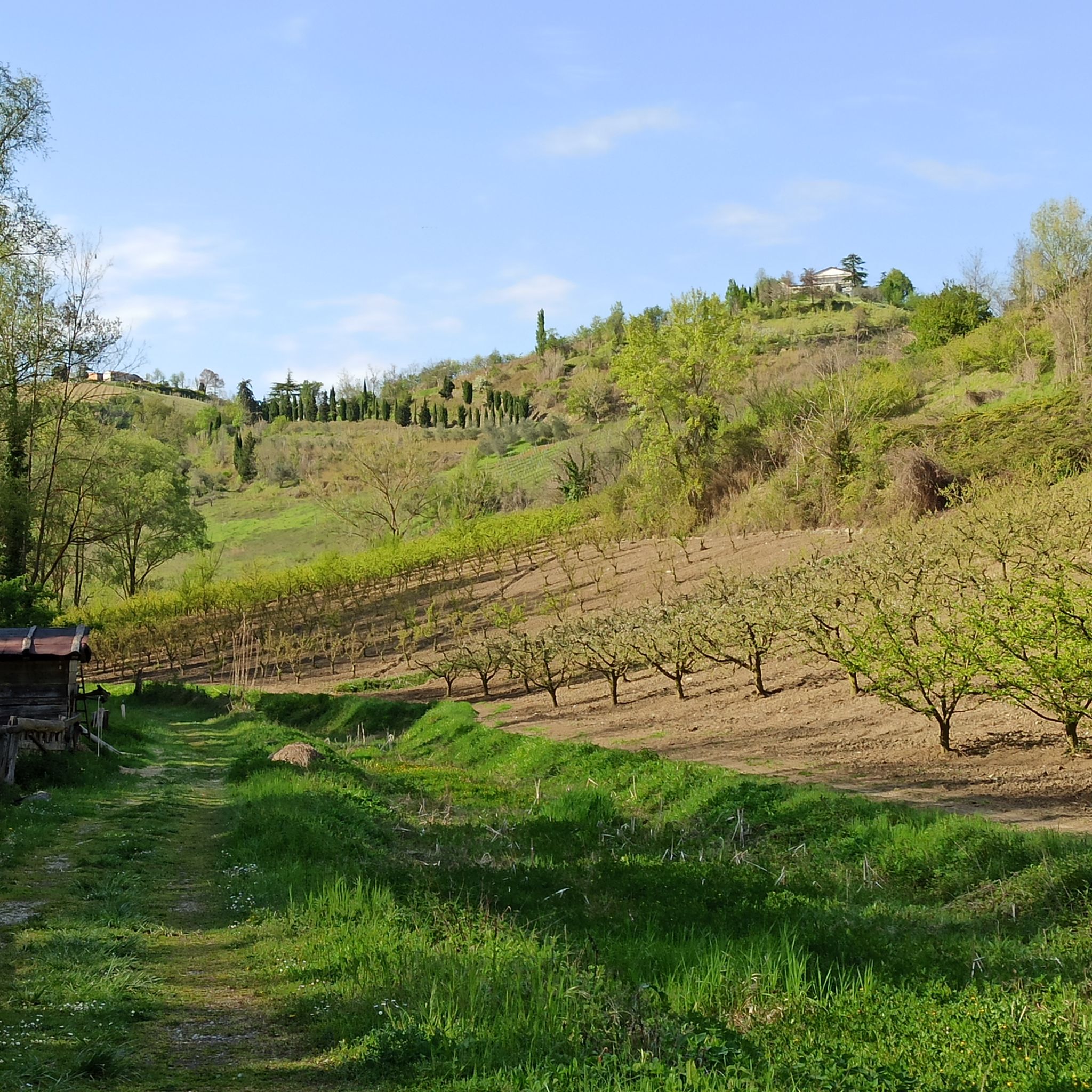
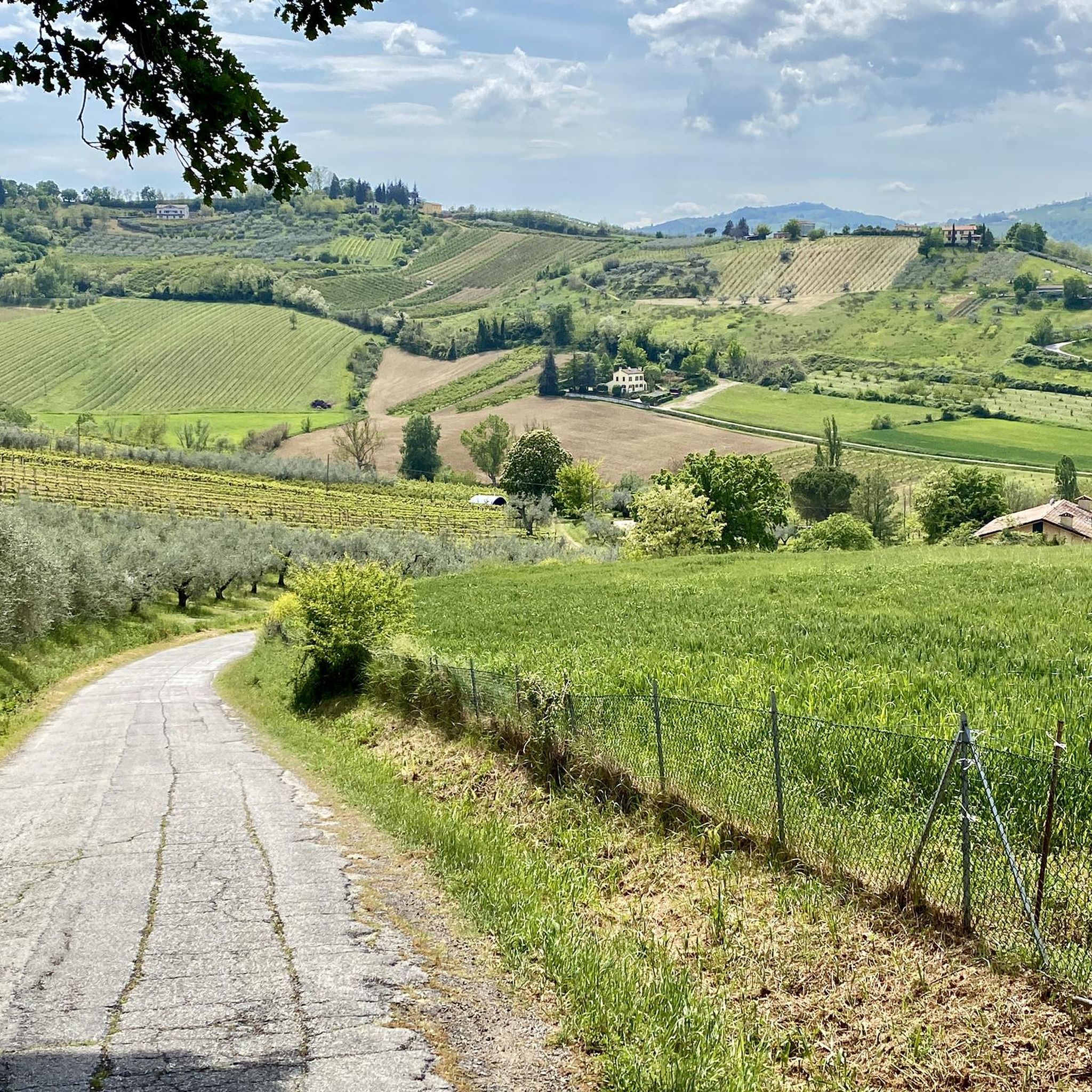
Longiano is nestled amidst rolling hills, offering picturesque landscapes with vineyards, olive groves, and orchards. These areas provide stunning panoramic views that stretch down to the Adriatic Sea. The town is immersed in the heart of the Rubicon Valley, where nature and history intertwine, perfect for enjoying scenic vistas and a slower pace of life.
What are some family-friendly activities or attractions in the Longiano area?
Families can enjoy exploring the medieval villages in the area, such as Sogliano al Rubicone and Roncofreddo Village Center, which often have historical sites and charming squares to discover. The surrounding hills offer easy walks suitable for all ages. During the Christmas period (early December to mid-January), the town transforms with Longiano dei Presepi, a route of over a hundred nativity scenes throughout the old town, which is a magical experience for families.
Can I find hiking or cycling trails near Longiano?
Absolutely. The Longiano area is ideal for outdoor activities, offering various trails for hiking and cycling through ridges, cultivated fields, and ancient farmhouses. Popular routes include the Santa Marina path and the Montilgallo ring. For more detailed routes, you can explore the Running Trails around Longiano, Road Cycling Routes around Longiano, and MTB Trails around Longiano guides.
What other charming medieval villages are worth visiting near Longiano?
Beyond Longiano itself, the region boasts several other captivating medieval villages. You can visit Sogliano al Rubicone, known for its historical significance and local fossa cheese. Another must-see is Malatesta Fortress of Verucchio, a well-preserved castle offering great views. Don't miss Roncofreddo Village Center with its notable castle, and the charming Monteleone Medieval Village, an Orange Flag awarded settlement.
What is the best time of year to visit Longiano for outdoor activities?
The Longiano area, with its mild climate, is generally pleasant for outdoor activities from spring through autumn. Spring (April-May) offers lush greenery and comfortable temperatures, while autumn (September-October) provides beautiful fall foliage and ideal hiking weather. Summer can be warm, but early mornings and late afternoons are still suitable for exploration. The Christmas period (early December to mid-January) is unique for the 'Longiano dei Presepi' event.
Are there any unique local traditions or events in Longiano?
Yes, Longiano is particularly famous for its annual Longiano dei Presepi event. From early December to mid-January, the entire old town transforms into a route featuring over a hundred nativity scenes, creating a festive and unique atmosphere. This tradition highlights the town's cultural vibrancy during the holiday season.
What kind of views can I expect from the Malatesta Castle in Longiano?
From the Malatesta Castle, perched atop the hilltop, you can expect breathtaking panoramic views. These vistas encompass the rolling hills of the Romagna region, the expansive plain stretching out below, and even the distant glimmer of the Adriatic Sea on clear days. It's a prime spot for photography and enjoying the regional landscape.
What is the significance of the War Refuge in Longiano?
The War Refuge (Rifugio Bellico) in Longiano is a significant historical site. It is a tunnel that traverses the town center, serving as a poignant reminder of the dramatic period of bombings during World War II. Exploring it offers a glimpse into the town's resilience and its past during wartime.
What is special about Piazza Ganganelli in Santarcangelo di Romagna?
Piazza Ganganelli in Santarcangelo di Romagna is a beautiful village square known for its charming atmosphere and great cafes. It's a lovely spot to relax and soak in the local ambiance, making it a popular stop for visitors exploring the Romagna region.
Most popular routes around Longiano
Most popular attractions around Longiano

Get inspired with the komoot mobile app


Explore more
Still not found the Highlight you’re looking for? See guides of the top attractions in other regions:
