Attractions and Places To See around Milo - Top 20
Attractions and places to see around Milo are centered on its location on the eastern slopes of Mount Etna in Sicily. This medieval village offers a blend of natural beauty, including diverse volcanic landscapes, ancient forests, and vineyards, alongside its rich history and cultural heritage. Milo is known for its connection to Europe's largest active volcano and its status as a "city of wine." The area provides a variety of experiences for visitors exploring its unique environment.
Best attractions and places to see around Milo
- The most popular attraction is Summit Craters of Mount Etna, a volcano that offers a unique "otherworldly" experience on Europe's largest active volcano. Reaching the summit craters provides a challenging yet rewarding exploration of the volcanic landscape.
- Another must-see spot is Laghetto Crater, a volcano offering a majestic sight. This spot is known for hikes from the mountain station to the upper craters, showcasing the vastness and forces of nature.
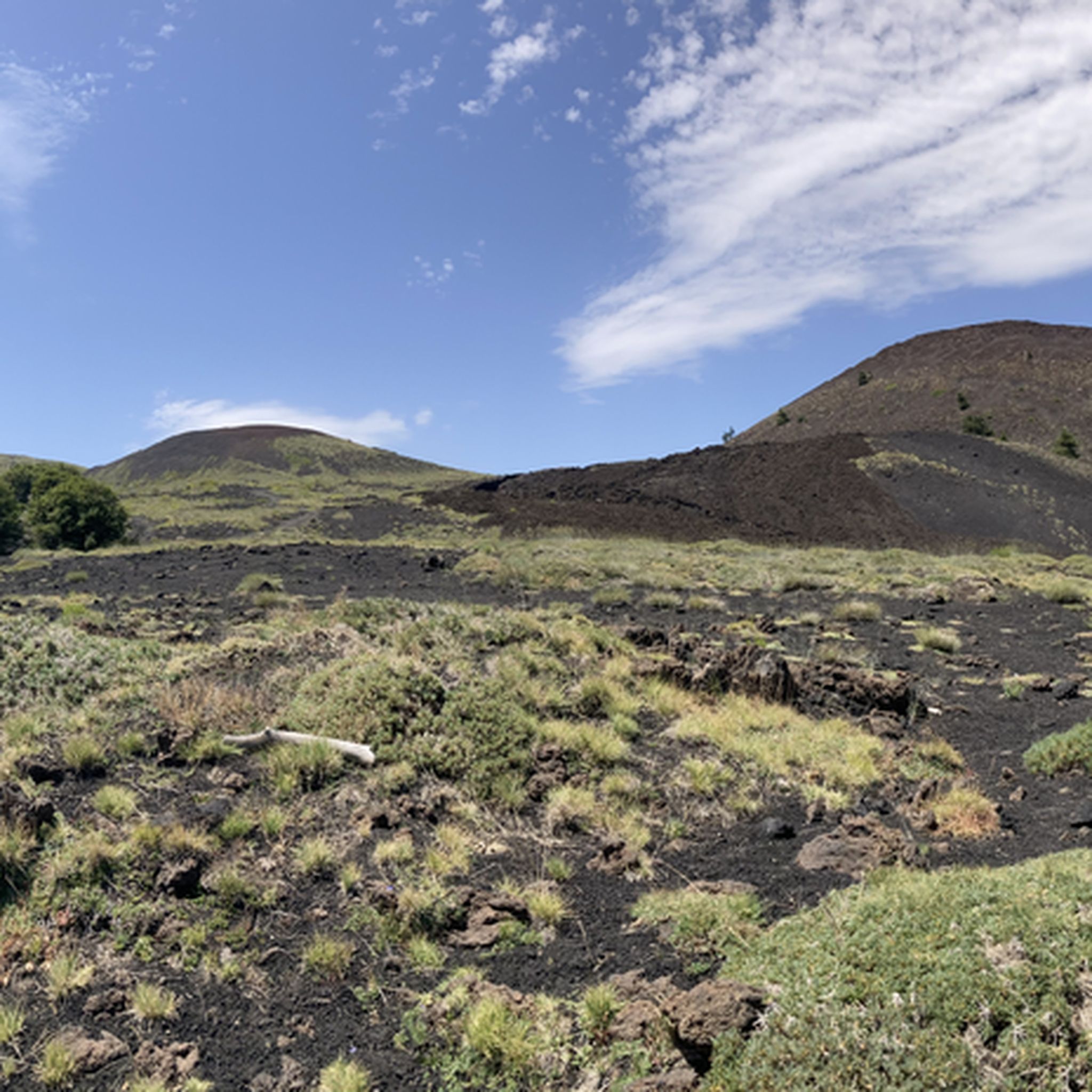
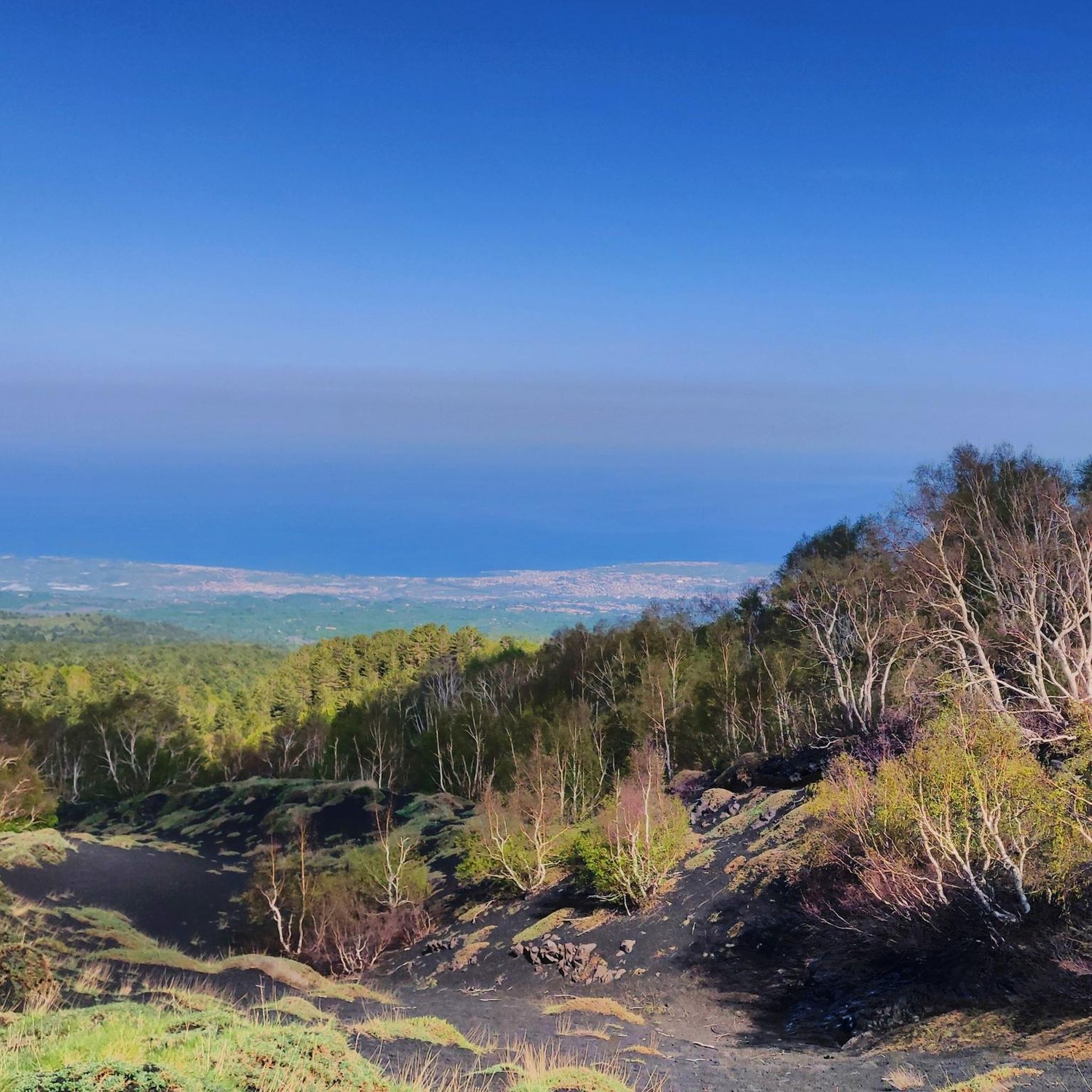
- Visitors also love Silvestri Inferior Craters, a volcano formed by the 1892 eruption. These craters are easily accessible from a large parking lot and display a wonderful interplay of colors between the ground and emerging vegetation.
- Milo is known for its volcanic landscapes, historical sites, and cultural landmarks. Visitors can explore a variety of attractions, from accessible craters to panoramic viewpoints and traditional village architecture.
- The attractions around Milo are appreciated by the komoot community, with more than 240 upvotes and 75 photos shared.
Last updated: October 9, 2026
Summit Craters of Mount Etna
Highlight • Volcano
Translated by Google •
Tip by

Piccolo Rifugio (Etna South)
Highlight • Volcano
The jeep tour oh up is highly recommended.
Attention: If it is 25 ° C on the beach, it is about 4 ° C at the top. So wear warm!
Translated by Google •
Tip by

Sign up now to discover places like this
Get recommendations on the best single tracks, peaks, & plenty of other exciting outdoor places.
Silvestri Inferior Craters
Highlight • Volcano
Not quite the raw, pristine experience of the steaming summit region, but with a wonderful interplay of colors between the ground and the emerging vegetation.
Translated by Google •
Tip by

Laghetto Crater
Highlight • Volcano
Translated by Google •
Tip by

Barbagallo Craters
Highlight (Segment) • Volcano
Whenever you visit, keep in mind that even in the summer months, winter can be cold up here.
Translated by Google •
Tip by
Sign up for free to discover even more attractions around Milo.
Already have an account?
Start today with a free account
Your next adventure awaits.


Tips from the Community

Sensational scenery and a sensational view. A must-see.
4
0

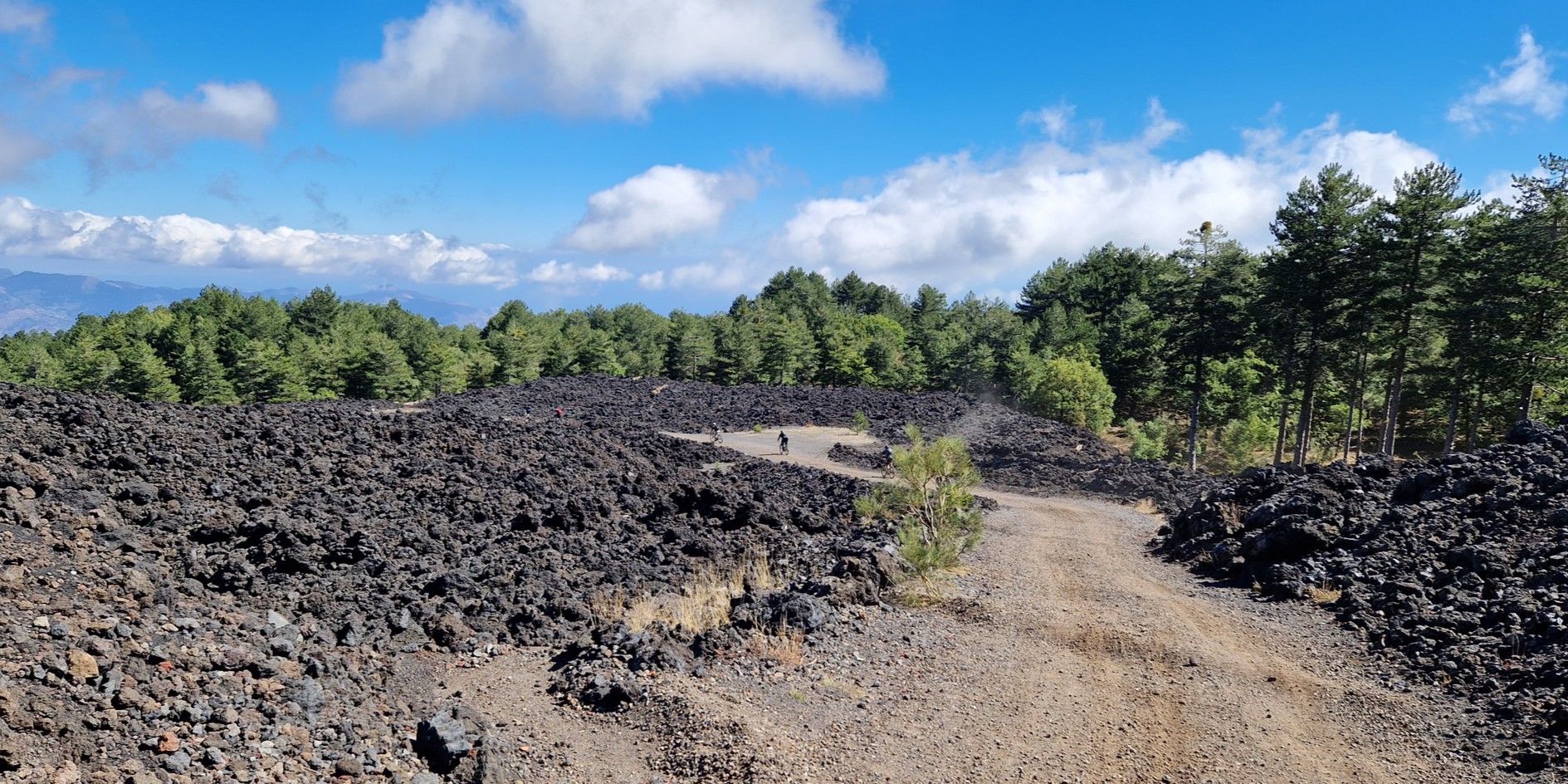
What is crazy is that the ground is still warm to hot 23 years after the eruption in 2001.
1
0


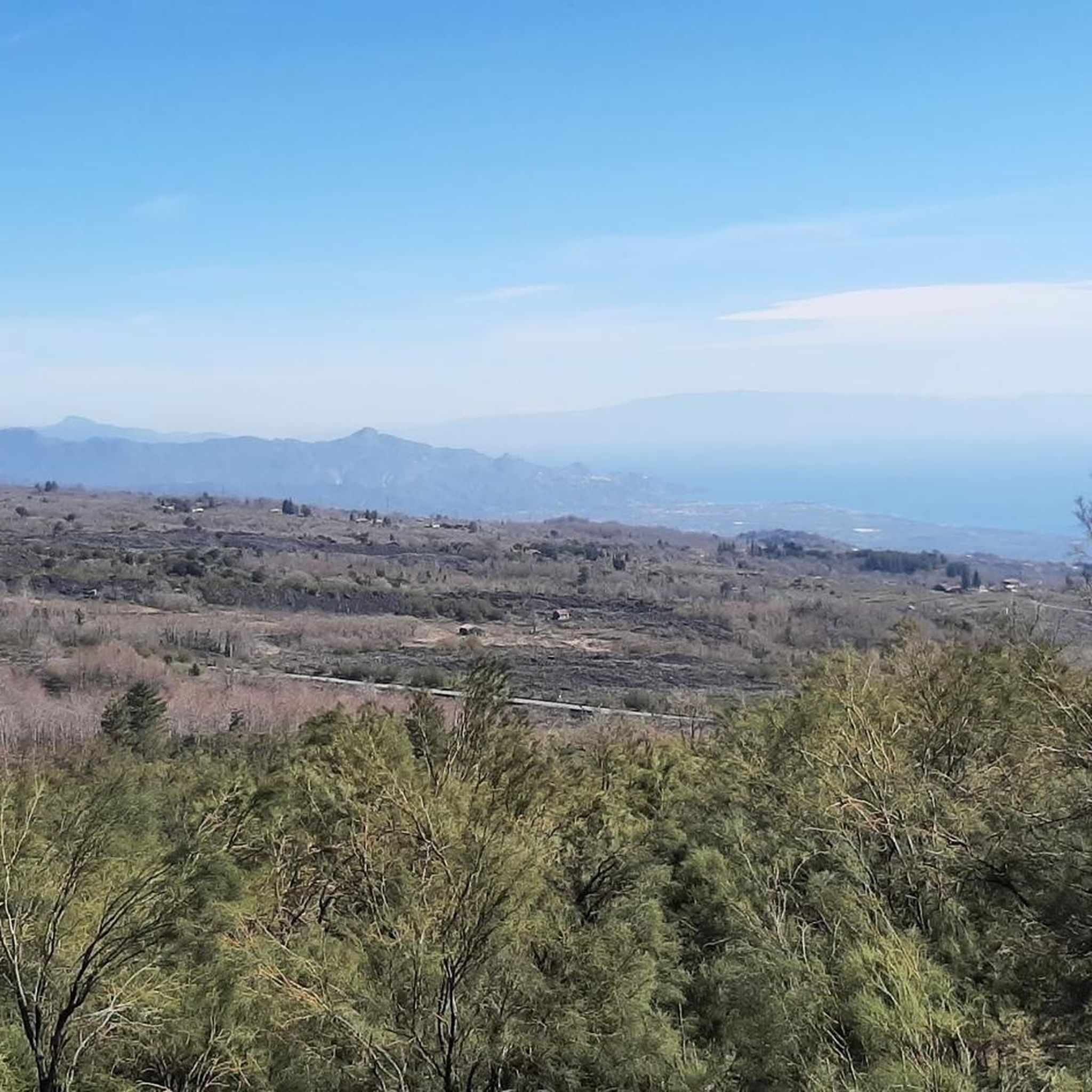
From here you have a great view of the surrounding area.
16
4
Beautiful! It's great that you can go there on your own initiative, without a guide or tour.
4
0

A must. Expensive, but worth it. Very impressive. Only with a mountain guide.
2
0
This is where the snowcats and Unimogs leave from.
2
0

Does anyone know how expensive a guide from Torre Filosofo to the crater is?
1
0
Frequently Asked Questions
What natural attractions can I explore around Milo?
Milo is ideally situated on the eastern slopes of Mount Etna, offering diverse volcanic landscapes and ancient forests. You can explore the Summit Craters of Mount Etna for an otherworldly experience, or visit the Laghetto Crater, known for its majestic views. The area also features thick chestnut woods, vineyards, and hazelnut groves.
Are there any historical or cultural sites to visit in Milo?
Yes, Milo boasts a rich history. The Mother Church (Chiesa Madre), built of lava stone and dating back to 1340, is a significant architectural site. You can also visit the Etna Chestnut Ecomuseum, explore the Ancient Watering Hole, or see the Milo Mill. The village's winding streets also offer traditional architecture and local shops.
What kind of outdoor activities can I do near Milo?
The region around Milo is perfect for various outdoor activities. You can find numerous mountain hikes through volcanic landscapes and woodlands. There are also dedicated road cycling routes and running trails that allow you to explore the area's natural beauty.
Are there family-friendly attractions around Milo?
Yes, the Silvestri Inferior Craters are considered family-friendly and easily accessible from a large parking lot. They offer a fascinating look at the volcano's impact with a wonderful interplay of colors between the ground and emerging vegetation. The traditional architecture and local shops in Milo's village center can also be enjoyable for families.
What are some accessible volcanic sites near Milo?
The Silvestri Inferior Craters are very accessible, located right next to the road and just a few meters from a large parking lot. These craters, formed by the 1892 eruption, provide an easy way to experience the volcanic landscape.
Can I hike to the craters of Mount Etna from Milo?
Milo serves as an excellent starting point for excursions to Mount Etna. While reaching the Summit Craters of Mount Etna is a challenging experience often requiring a mountain guide, other craters like Laghetto Crater and Barbagallo Craters offer diverse hiking opportunities. You can find various routes in the Mountain Hikes around Milo guide.
What is the best time of year to visit Milo for outdoor activities?
While specific weather conditions vary, the region around Mount Etna can be quite cold at higher altitudes even in summer. For hiking and exploring the volcanic landscape, spring and autumn generally offer milder temperatures. If visiting the craters, be prepared for significant temperature drops compared to the coast, and always check local weather conditions.
What are the unique characteristics of the hamlets around Milo?
Milo includes several charming hamlets. Fornazzo is the oldest settlement, known for its porcini mushrooms and vineyards, and features the Church of the Sacred Heart, which famously survived a lava flow. Caselle is recognized for its grape varieties, while Praino was a favored spot for musicians Lucio Dalla and Franco Battiato.
Where can I find panoramic views in Milo?
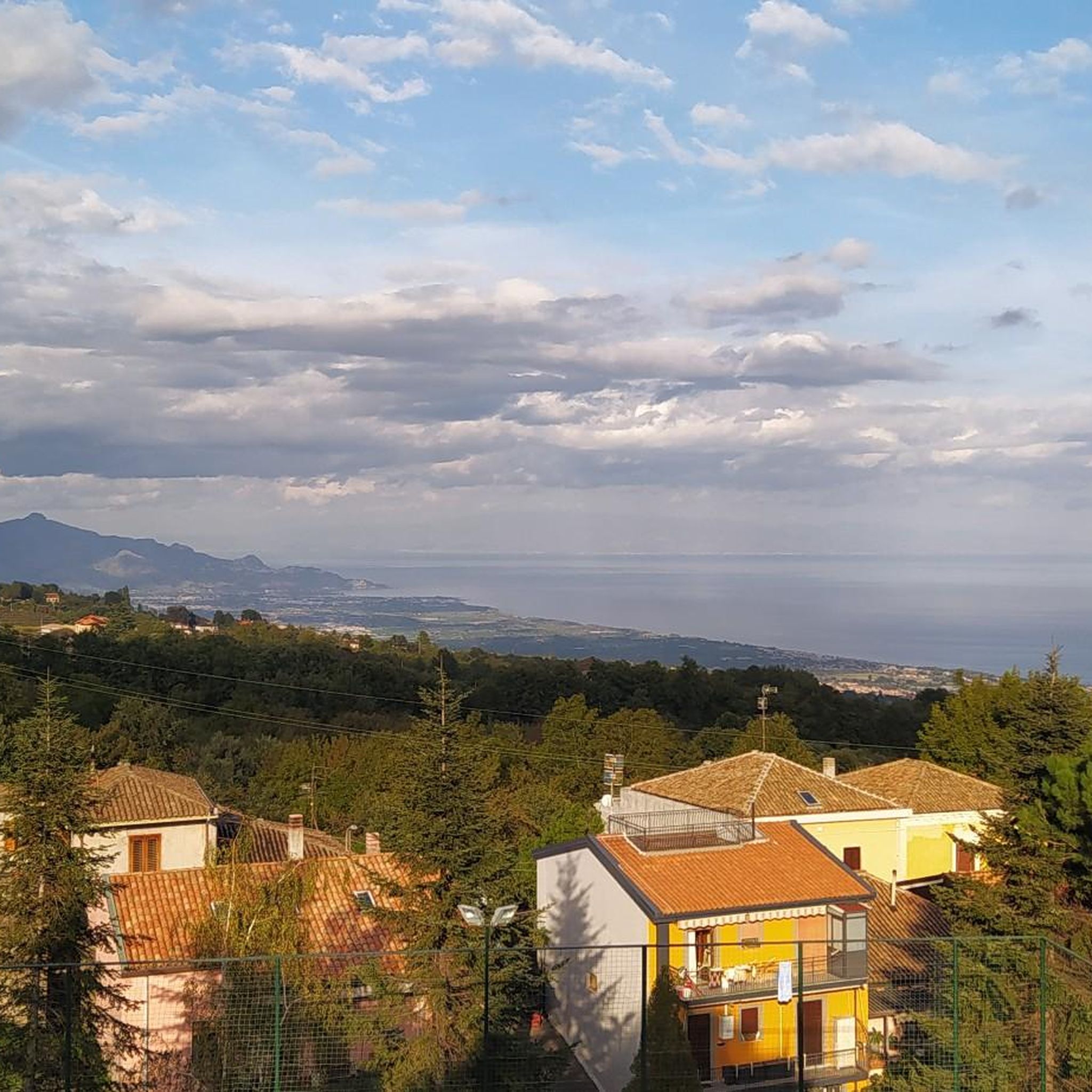
The Belvedere Square (Piazza Belvedere) in the historic center offers enchanting panoramic views that encompass the Ionian coast and the inland municipalities. Many viewpoints along the hiking trails on Mount Etna also provide breathtaking vistas.
What is Milo's connection to wine?
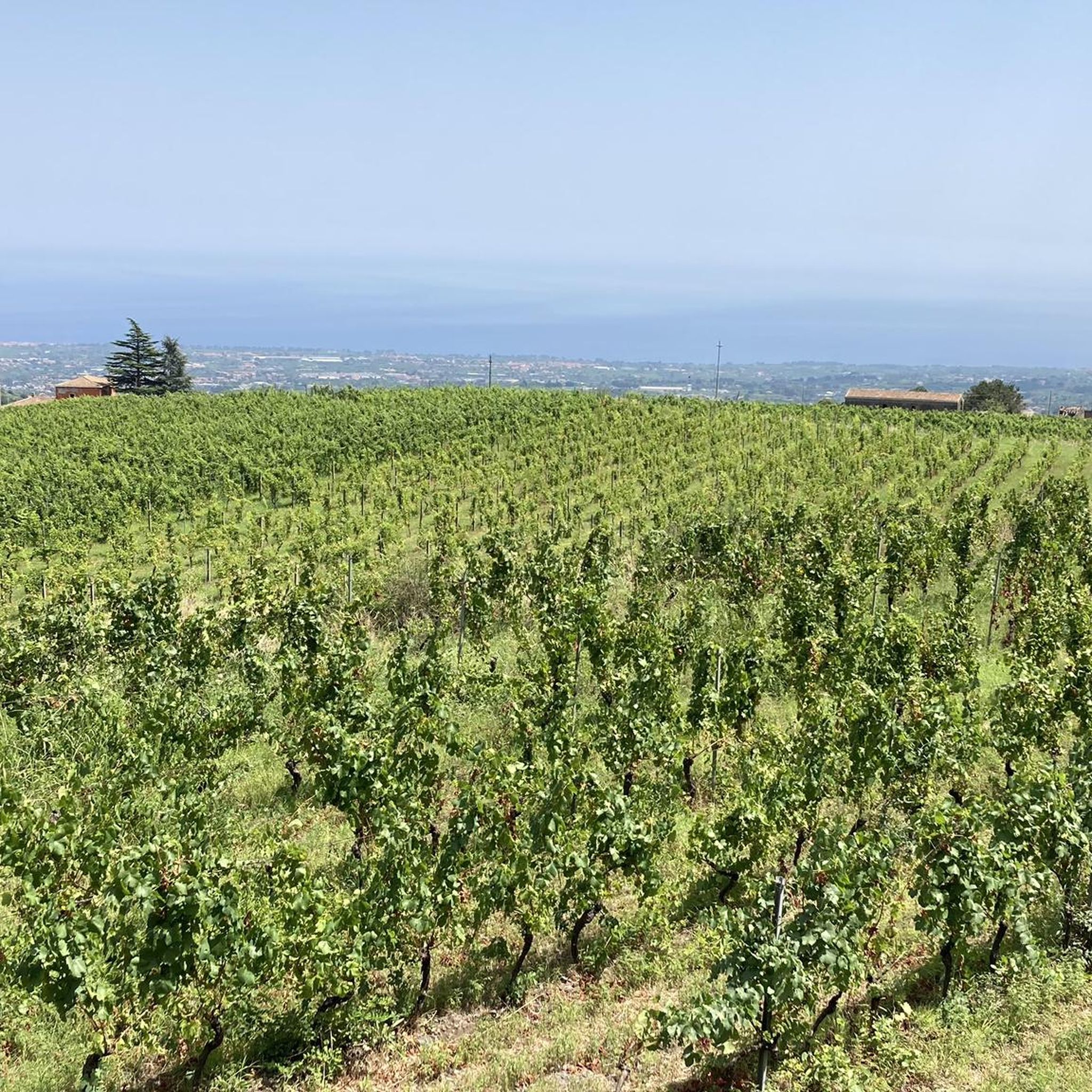
Milo is known as the 'city of wine' due to its significant wine production. The region's vineyards thrive on the volcanic soil, and festivals like Vinimilo celebrate the local wines. You'll find vineyards throughout the area, particularly in hamlets like Fornazzo and Caselle.
Are there any cultural events or tributes in Milo?
Milo has a strong connection to the renowned Italian singer-songwriter Lucio Dalla, who found inspiration in the village. The Amphitheater Named After Lucio Dalla features a monument dedicated to him, celebrating his legacy and love for Milo.
Most popular attractions around Milo

Get inspired with the komoot mobile app


Explore more
Still not found the Highlight you’re looking for? See guides of the top attractions in other regions:
