Attractions and Places To See around Lucca Sicula - Top 14
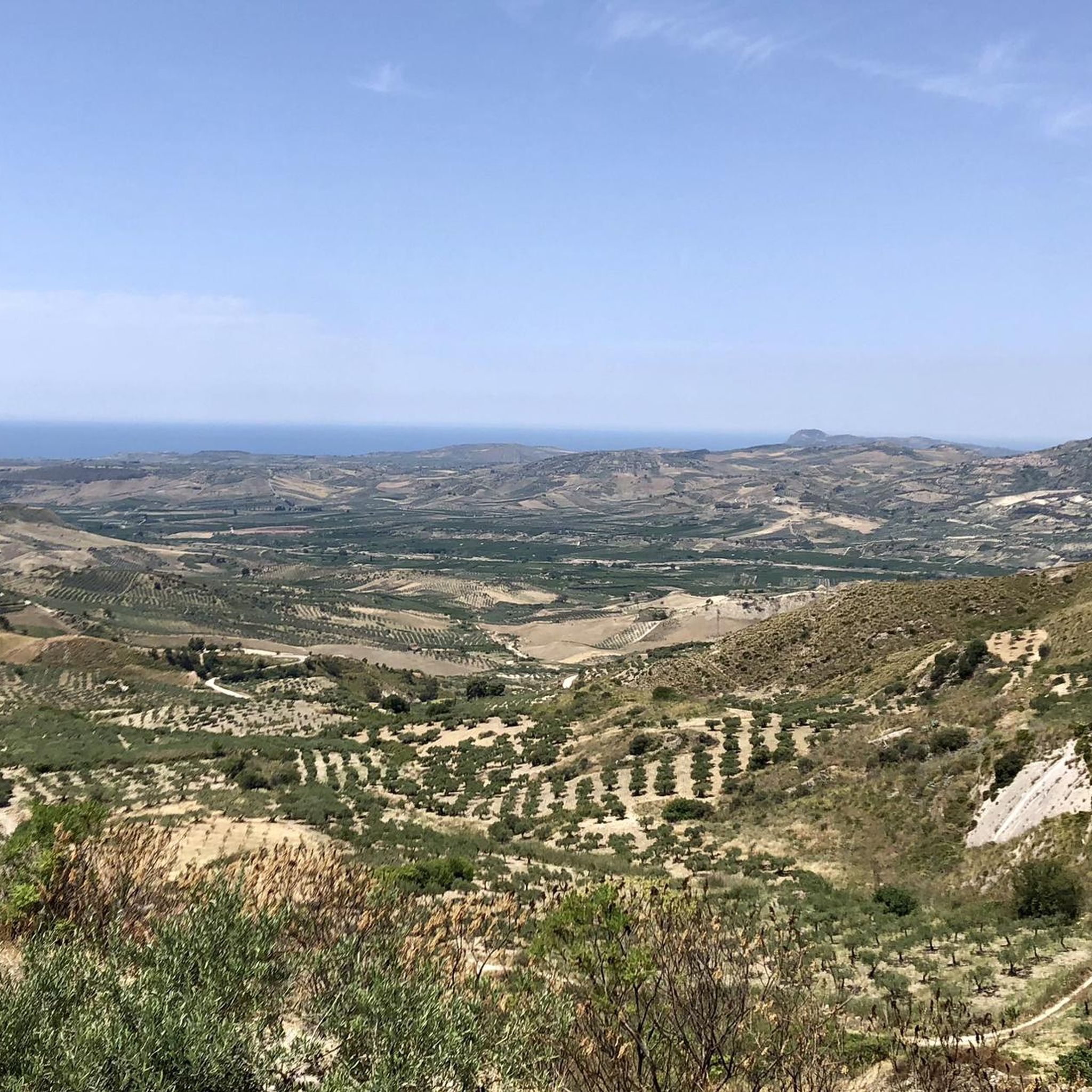
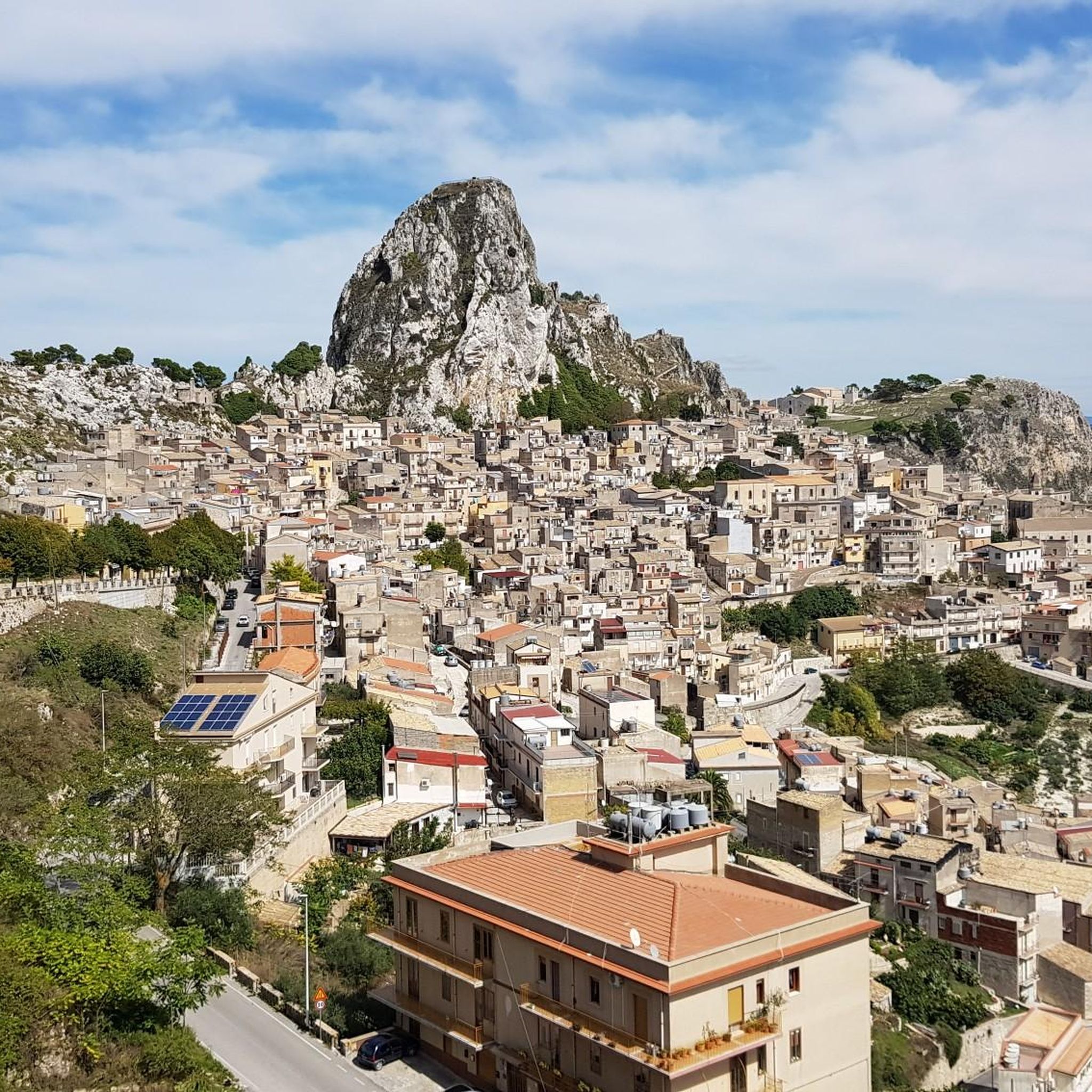
Attractions and places to see around Lucca Sicula include historical architecture, natural landscapes, and cultural sites. This town is situated on a hill in the lower Verdura valley in Sicily. Its seventeenth-century urban plan features octagonal axes, offering views over the Verdura river valley. The area is characterized by its agricultural identity, with olive groves and vineyards.
Best attractions and places to see around Lucca Sicula
- The most popular attractions is Caltabellotta Castle, a castle that served as a…
Last updated: June 22, 2026
Lake Magazzolo and Castello Dam
Highlight (Segment) • Lake
Translated by Google •
Tip by

Cathedral of Maria Santissima Assunta
Highlight • Religious Site
Translated by Google •
Tip by

Sign up now to discover places like this
Get recommendations on the best single tracks, peaks, & plenty of other exciting outdoor places.
Sign up for free
Caltabellotta Castle
Highlight • Castle
Translated by Google •
Tip by

San Pellegrino Convent
Highlight • Religious Site
Translated by Google •
Tip by

Sosio Gorge
Highlight (Segment) • Gorge
Translated by Google •
Tip by
Sign up for free to discover even more attractions around Lucca Sicula.
Sign up for free
Already have an account?
Start today with a free account
Your next adventure awaits.
Login or Signup
Tips from the Community

In the gorges, you have to look for the path a bit and cross the river several times by wading. No problem. Then, the path that allows you to leave the gorges is tricky to find in places but that's what makes the hike charming... 7km from the finish, we lost the path... a bit of off-roading to get back on it towards the picnic area with the straw hut. Quite a long descent to San Carlo.
0
0
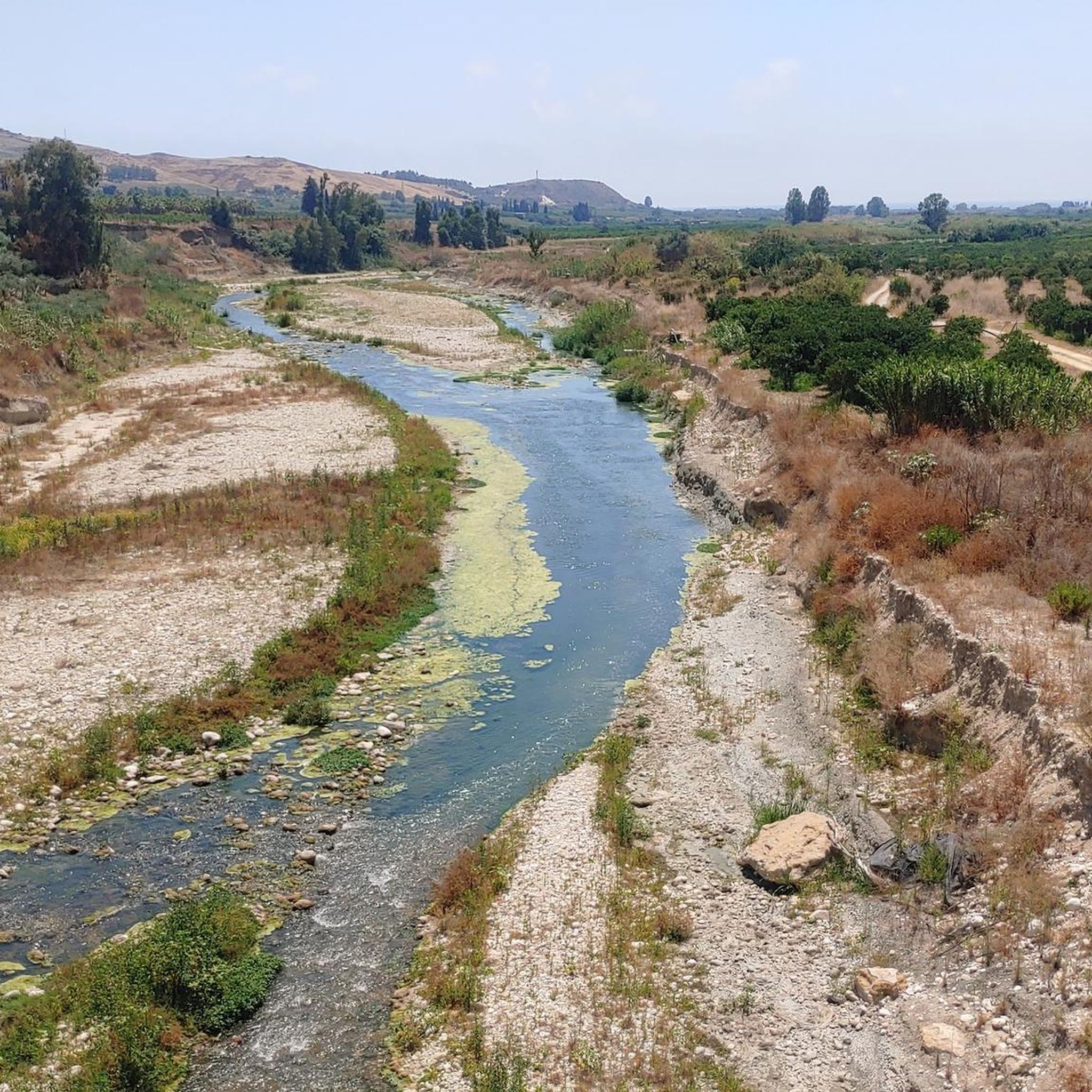
When the river has water (in winter), it cannot be crossed.
0
0

Opposite the street start the stairs to the castle ruins
0
0
Stairs are easy to climb and well maintained. But very steep.
1
0
It was closed for renovations when I visited, but the construction workers let me in.
0
0
The path is easy to walk but often runs along the riverbed. It is best to wear shoes that can get wet.
0
1

Fascinating cathedral, both for its unique position, located outside the city center and surrounded by a breathtaking landscape, and for its sober architecture. The tones of its facade blend harmoniously with the neighboring rocks.
1
0

The Convent of San Pellegrino, enlarged in the eighteenth century, stands on an original Norman foundation built on the remains of an Arab fortress on the site where the legend places the story of the triumph of the holy bishop over the devouring dragon.
0
0
Frequently Asked Questions
What historical sites can I explore in and around Lucca Sicula?
Lucca Sicula is rich in history. You can visit the Caltabellotta Castle, an ancient Arab-Norman fortress that once served as a refuge for Queen Sibyl. The San Pellegrino Convent, built on a Norman foundation and rumored to be on the remains of an Arab fortress, also offers a glimpse into the past. Within Lucca Sicula itself, the Mother Church, dedicated to the Immaculate Conception, is a significant 17th-century monument, and the Church of the Rosary dates back to the 19th century.
Are there any natural attractions or scenic viewpoints near Lucca Sicula?
Yes, the area boasts beautiful natural features. The Lake Magazzolo and Castello Dam is an artificial lake vital for the region, offering panoramic views. Lucca Sicula itself is situated on a hill with scenic views over the Verdura river valley. The broader territory also includes the Oriented Nature Reserve of the Sosio Valley, known for its high environmental value.
What religious buildings are notable in the area?
Beyond the Mother Church and Church of the Rosary in Lucca Sicula, you can visit the Cathedral of Maria Santissima Assunta. This fascinating cathedral is located outside the city center, with its facade blending harmoniously with the surrounding rocks. The San Pellegrino Convent is another significant religious site with a long history.
What kind of outdoor activities can I do near Lucca Sicula's attractions?
The region around Lucca Sicula offers various outdoor activities. You can find numerous hiking routes, such as the 'Caltabellotta and its secrets' or 'Monte Lucerto Loop'. For cycling enthusiasts, there are MTB trails like the 'Piana Grande Beach loop' and road cycling routes including the 'Tour of the Sicani Mountains'. For more details on these and other routes, check out the hiking guide, MTB guide, and road cycling guide for the area.
Are there family-friendly attractions around Lucca Sicula?
Yes, the Lake Magazzolo and Castello Dam is categorized as family-friendly, offering a pleasant spot for a visit. Exploring the historical town of Lucca Sicula itself, with its unique 17th-century urban plan, can also be an engaging experience for families.
What is the best time to visit Lucca Sicula for outdoor activities and festivals?
The region experiences a Mediterranean climate. For outdoor activities like hiking and cycling, spring (April-May) and autumn (September-October) generally offer pleasant temperatures. If you're interested in cultural events, consider visiting in September for the Feast of SS. Crucifix, or in the third ten days of October for the annual Olive Oil Festival. Holy Week also features significant cultural celebrations.
What cultural traditions and festivals are celebrated in Lucca Sicula?
Lucca Sicula is known for its vibrant traditional festivals. The Feast of SS. Crucifix, held between September 11th and 13th, includes a cattle fair and a solemn procession. The annual Olive Oil Festival, typically in late October, celebrates the region's renowned extra virgin olive oil. Holy Week is also a significant cultural event, with the historic center transforming to recreate scenes of the Passion.
Are there any hidden gems or lesser-known spots worth visiting?
While not widely publicized, the Municipal Library in Lucca Sicula houses an impressive collection of over 8,200 historical documents and volumes, offering a quiet delve into the region's past. Palazzo Lo Cascio is another historical monument protected by the Superintendency of Cultural Heritage, indicating its importance, though it might be less frequented by tourists.
What is the significance of the Mother Church in Lucca Sicula?
The Mother Church, dedicated to the Immaculate Conception, is considered the monument of greatest artistic importance in Lucca Sicula. It was one of the first structures built when the village was founded in the 17th century, playing a central role in the town's early development and spiritual life.
Can I find information about the history of Lucca Sicula itself?
Yes, the town of Lucca Sicula has a fascinating history. It was founded in the 17th century by Francesco Lucchesi Palli, who named it Lucca after his hometown in Tuscany. The town's unique 17th-century checkerboard urban layout is still visible today. It was officially named Lucca Sicula in 1863 after the unification of Italy.
What is the purpose of Lake Magazzolo and Castello Dam?
The Lake Magazzolo and Castello Dam is an artificial lake created by damming the Magazzolo river between 1975 and 1985. Its waters are crucial for civil and agricultural use, supplying various municipalities in the province of Agrigento. It also serves as a leisure spot and a panoramic point for locals and visitors.

Get inspired with the komoot mobile app


Explore more
Still not found the Highlight you’re looking for? See guides of the top attractions in other regions:
