The best cycling routes around Bagnone
4.6
(188)
2,567
riders
200
rides
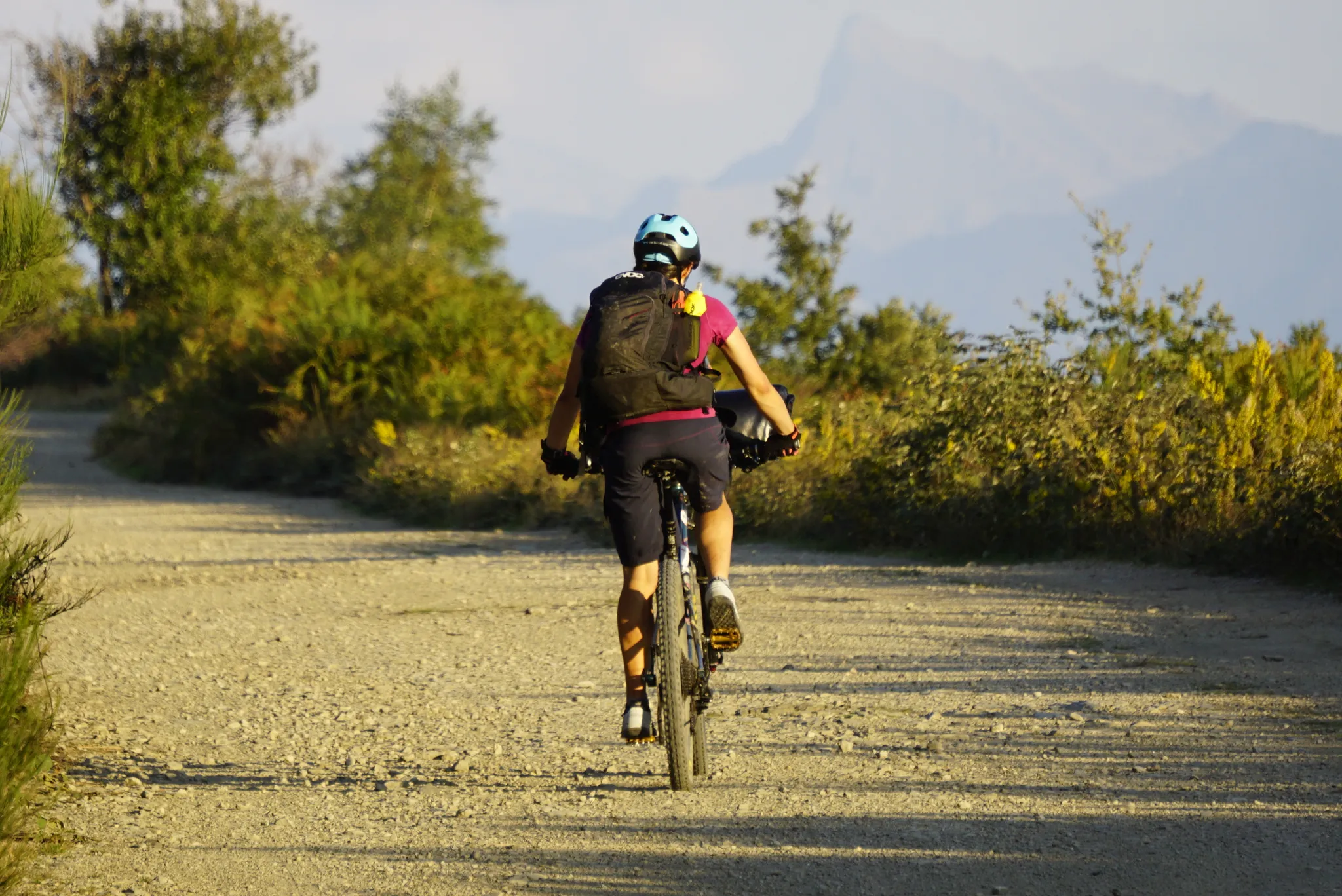
Touring cycling routes around Bagnone traverse the slopes of the Apennines in Lunigiana, characterized by rolling hills and cultivated countryside. The region features the Bagnone Valley, where the Bagnone torrent carves through rock, creating small waterfalls. Many routes follow mostly paved surfaces, passing through medieval villages and past historical castles.
Best touring cycling routes around Bagnone
- The most popular touring cycling route is Giogo Pass – Lagastrello Pass loop from Castello di Monti, a 29.3 miles (47.2 km) trail that takes 3 hours 34 minutes to complete. This route connects two mountain passes, offering challenging climbs and scenic views.
- Another top favourite among local touring cyclists is Historic Centre of Pontremoli – Cathedral of Pontremoli loop from Treschietto, a difficult 25.7 miles (41.4 km) path. This route leads through historical centers and past cultural landmarks.
- Local touring cyclists also love the Borgo di Virgoletta – Filattiera Nature Trail loop from Villafranca in Lunigiana, a 16.8 miles (27.0 km) trail leading through the Bagnone Valley, often completed in about 1 hour 51 minutes.
- Touring cycling around Bagnone is defined by the Apennine foothills, cultivated countryside, and medieval villages. The network offers options for different ability levels, from moderate rides to more challenging routes.
- The routes in Bagnone are highly rated by the komoot community with an average score of 4.5 stars from more than 170 reviews. More than 2700 touring cyclists have used komoot to explore Bagnone's varied terrain.
Last updated: June 30, 2026
5.0
(4)
27
riders
47.2km
03:35
1,180m
1,180m
Hard bike ride. Very good fitness required. Mostly paved surfaces. Suitable for all skill levels.
9
riders
23.9km
01:34
310m
310m
Moderate bike ride. Good fitness required. Mostly paved surfaces. Suitable for all skill levels.

Sign up for free
14
riders
68.9km
04:59
1,480m
1,480m
Hard bike ride. Very good fitness required. Mostly paved surfaces. Suitable for all skill levels.
5.0
(1)
13
riders
33.3km
03:20
1,100m
1,110m
Hard bike ride. Very good fitness required. Mostly paved surfaces. Suitable for all skill levels.
5.0
(1)
13
riders
28.8km
01:55
420m
420m
Moderate bike ride. Good fitness required. Mostly paved surfaces. Suitable for all skill levels.
Get access to more routes and recommendations from other explorers.
Sign up for free
Already have an account?
Our route recommendations are based on thousands of hikes, rides, and runs completed by other people on komoot.
Start today with a free account
Your next adventure awaits.
Login or Signup


Other adventures around Bagnone

Tips from the Community

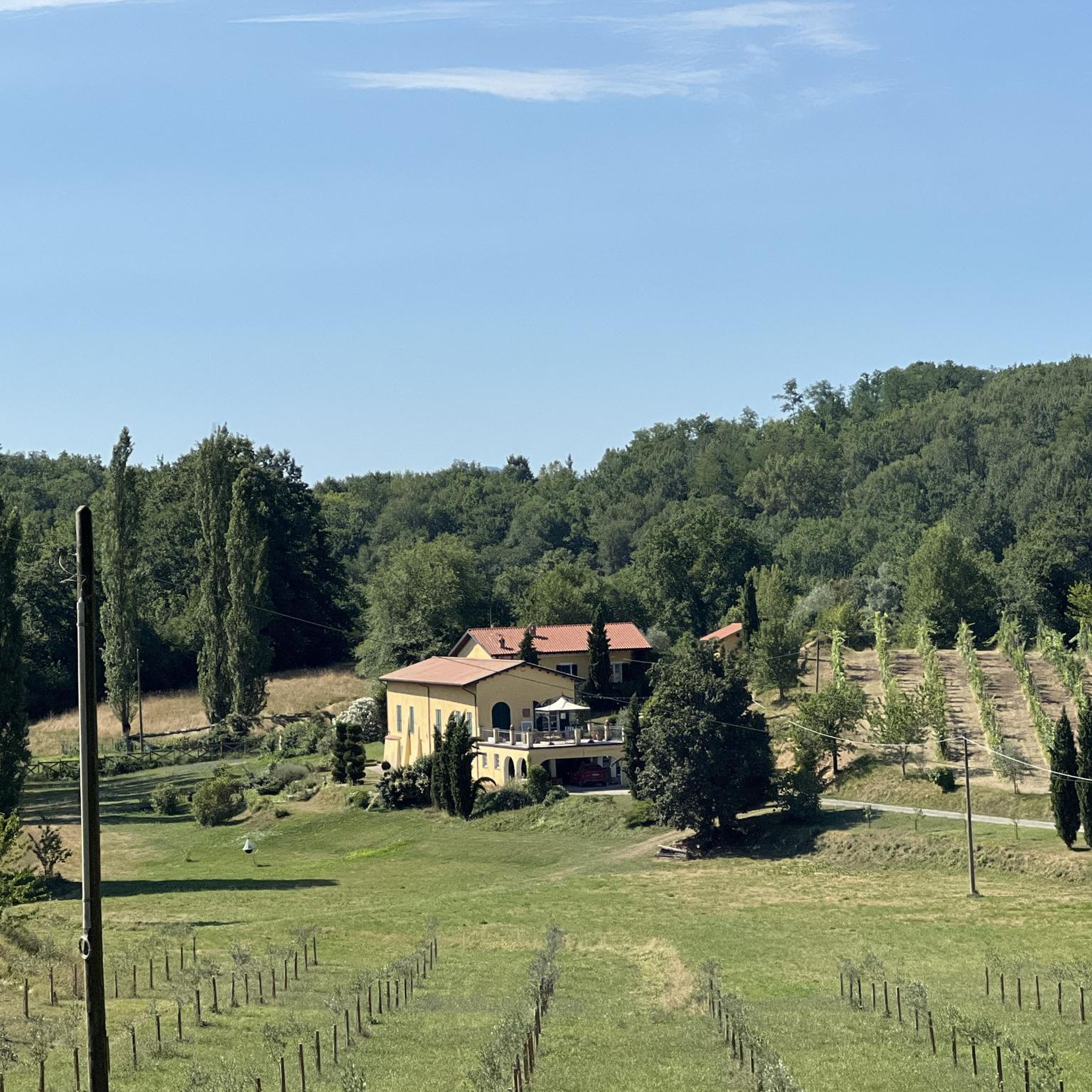
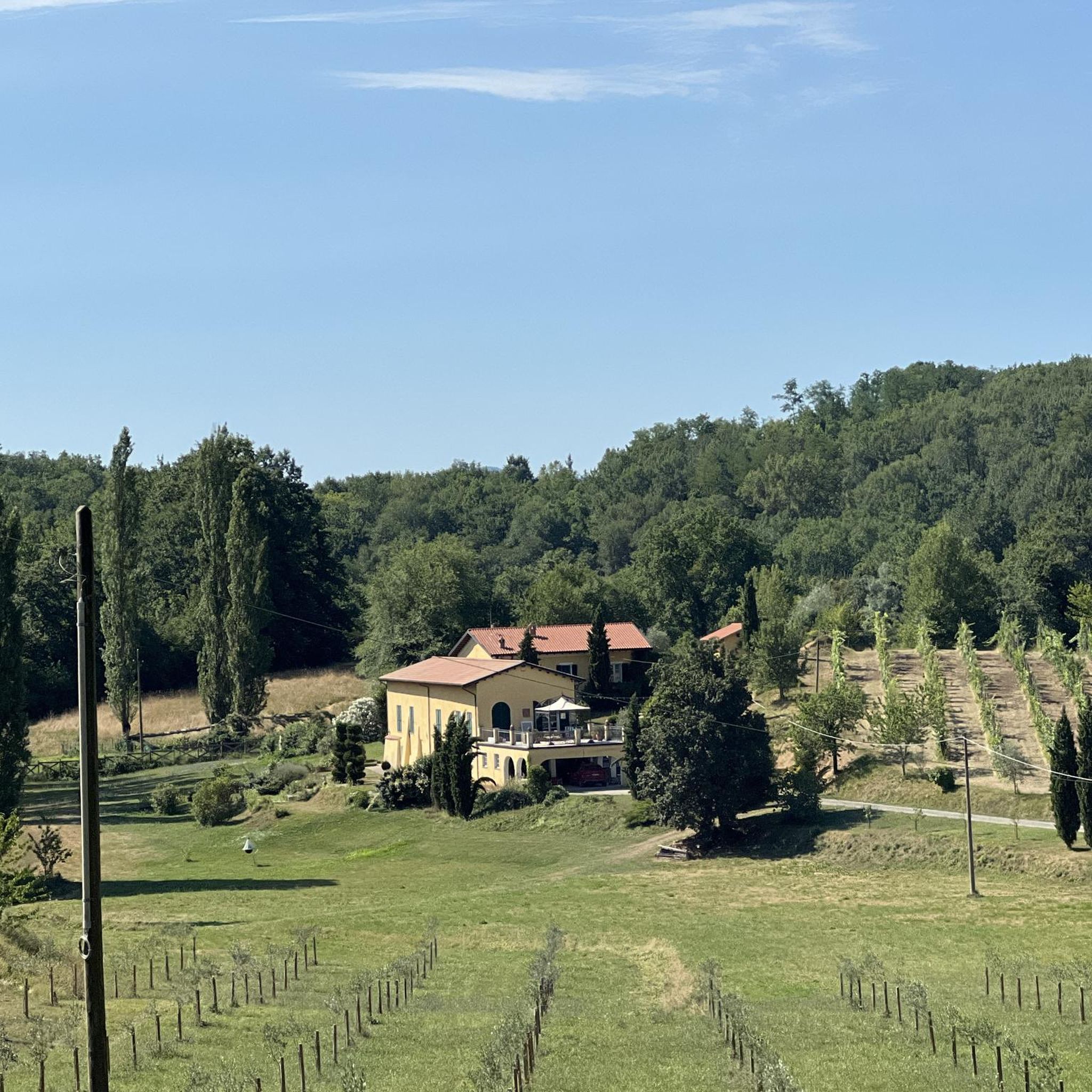
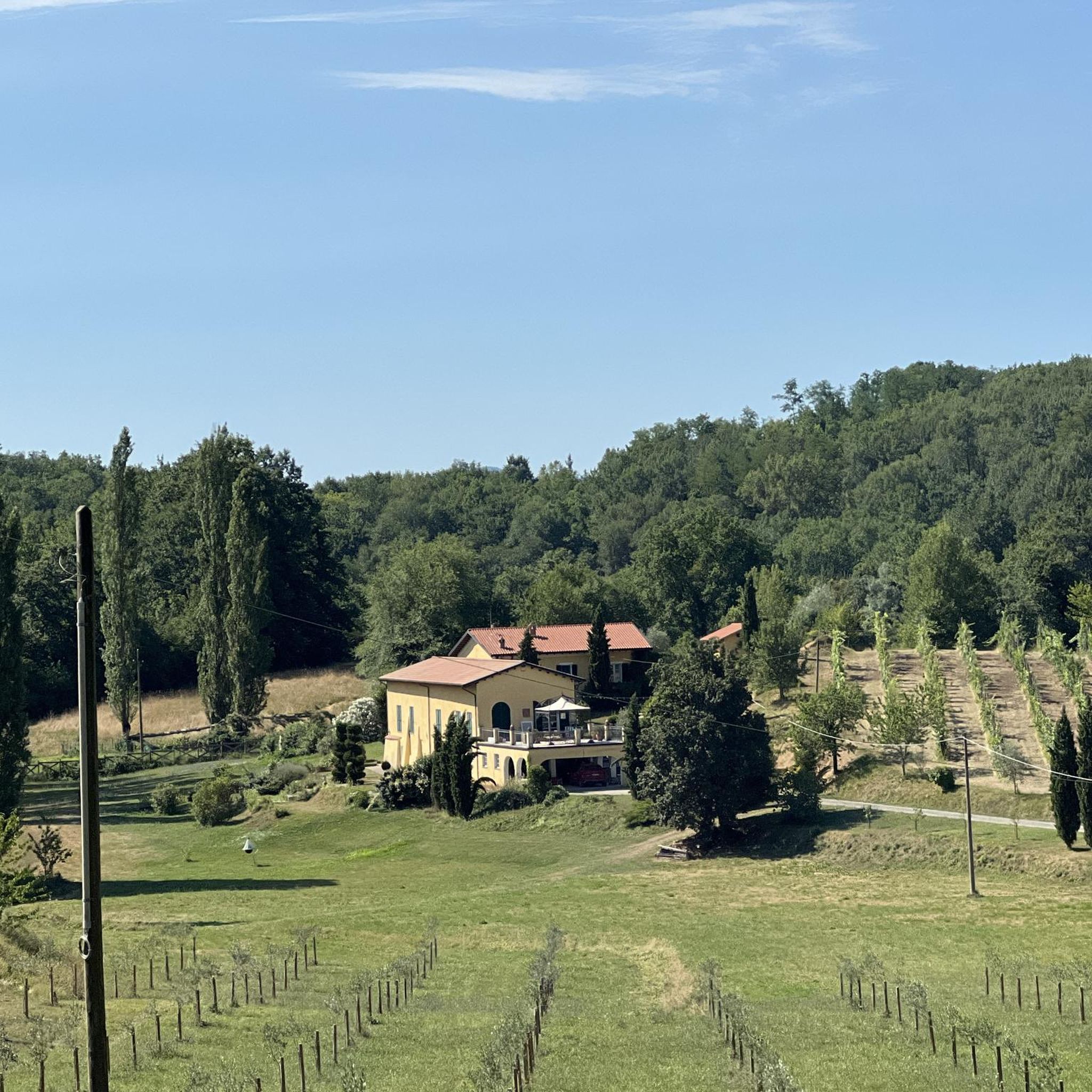
We parked there for a mountain bike ride. It's very picturesque, and there are even some picnic tables.
0
0

A very easy and pleasant ride. Much of the route follows secondary roads with very little traffic. Splendid views of Fosdinovo Castle, the mouth of the Magra River, and the Bay of La Spezia.
1
0

Perhaps the best preserved in Lunigiana, high on the hill overlooking the Magra plain. Still belonging to the Malaspina descendants, it has dominated the town since the 12th century and is at the center of numerous legends. With a quadrangular plan, it has four round towers, a semicircular bastion, two internal courtyards, patrol walkways from which you can see the sea and an outpost in the direction of the village. It was originally protected by a drawbridge. The fortress appears as a medieval structure, in fact expanded in the 14th century by Spinetta and Galeotto Malaspina and renovated several times over the centuries. The main entrance welcomes us with a marble shield depicting a dog with a flowering thorn in its mouth, symbol of the friendship between the Malaspina and the Scaligeri of Verona. From the top of the castle you can see the elongated structure of the village, arranged along the hill. There are many legendary stories about the castle of Fosdinovo: from Bianca Malaspina to the Marquise Cristina Pallavicini The Marquise Cristina Pallavicini, who governed the fiefdom for a long time after the death of her husband Ippolito, seems to have been an evil and lustful woman and had the habit of throwing her lovers from the trapdoor at the foot of the bed in her trap room with the torture chamber below. Another legend linked to the castle of Fosdinovo and much older than that of the Marquise Bianca Maria Aloisia, daughter of the Marquis Malaspina, who fell in love with the stableman of the castle and, because of this feeling, was walled up alive together with a wild boar, a symbol of rebellion against the family, and a dog, a symbol of loyalty towards the beloved. Legend has it that, walking through the castle, you can still perceive the presence of the unfortunate princess! Another reason to visit the Malaspina castle is the fact that tradition has it that the “great poet” Dante Alighieri stayed in its rooms, called to Lunigiana in 1306 by the Marquis Franceschino Malaspina.
0
0
Fosdinovo is located in the Lower Magra Valley, north of the Luni plain, on the border between Tuscany and Liguria. It probably owes its name to "Faucenova", new mouth, a probable reference to a new road that opened from the sea towards the interior. The village is a small treasure chest of art, always a gateway to the historic region of Lunigiana, among its streets you can perceive the air of the border: you can smell the sea, you can breathe the mountains. Since 2014 Fosdinovo, with its perfectly preserved castle-fortress, has been one of the Orange Flag villages of the Italian Touring Club. The undisputed symbol of Fosdinovo is the beautiful Malaspina Castle, which stands on top of the mountain and the town, establishing itself as one of the most beautiful and best preserved fortresses in Lunigiana
0
0
It is one of the most fantastic panoramic points. The place has been equipped as a Picnic Area and from there it extends over the historic village of Fosdinovo, the Gulf of La Spezia, Portovenere and Palmaria, the Cinque Terre, the Piana di Luni and the Bocca di Magra, with a view of the islands of the Tuscan Archipelago and Corsica.
0
0
The 12th century village built on the ancient “Strata Lizane” The village of Licciana, now the capital of the municipality of Licciana Nardi, dates back to the 12th century. It was built with the particular architecture of sandstone portals that distinguish it. The village is located in a particularly narrow part of the Taverone Valley. A place of primary importance for the direction of the valley floor transit already from the ancient “Strata Lizane” or “Via dei Linari” that connected the Apennines to the middle Val di Magra. The choice of the construction site was not accidental, the purpose of its construction was twofold: on the one hand the function of military barrier and on the other to act as a guard post for the Abbey of Linari.
0
0
The Borgo di Bagnone is a medieval village on the Tuscan-Emilian pre-Apennine hillsides. It is characterized by the waterfalls that flow on the right side of the village, formed in the rock by the flow of the Bagnone Torrent. The oldest part of the village stands on the left side of the Bagnone Torrent, from which it took its name. The circular tower located in this area of the village served to control the valley's traffic and was connected to other similar towers: Malgrate, Groppoli and Mulazzo.
0
0

Frequently Asked Questions
How many touring cycling routes are available around Bagnone?
There are over 190 touring cycling routes around Bagnone, offering a wide range of options for different skill levels. You'll find everything from moderate rides through the cultivated countryside to more challenging routes traversing the Apennine foothills.
Are there touring cycling routes suitable for families with children?
Yes, Bagnone offers several routes suitable for families. There are 11 easy touring cycling routes available. The region also promotes e-bike tours, which can make cycling more accessible for families. For example, the "Cycling in the Middle Ages in the Bagnone Valley" route is suitable for both e-bikes and conventional bikes with some medium-level stretches, offering a great way to explore the area. The Borgo di Virgoletta – Filattiera Nature Trail loop from Villafranca in Lunigiana is a moderate option that leads through the Bagnone Valley.
Can I find circular touring cycling routes in the Bagnone area?
Many touring cycling routes around Bagnone are designed as loops, allowing you to start and finish in the same location. For instance, the challenging Pontebosio Castle – Ripola Connection loop from Licciana Nardi offers scenic views and a good workout. Another option is the "Cycling in the Middle Ages in the Bagnone Valley", a 25 km loop that starts from the E-Bike Center at "Pieve di Sorano" Didactic Center in Filattiera.
What kind of terrain and difficulty can I expect on touring cycling routes near Bagnone?
The touring cycling routes around Bagnone vary significantly in difficulty and terrain. Many routes feature mostly paved surfaces, making them ideal for touring bikes. You'll encounter rolling hills and cultivated countryside, but also more challenging climbs as you venture into the Apennine foothills. The region has 11 easy, 51 moderate, and 128 difficult routes, ensuring options for all fitness levels. For example, the Fosdinovo Castle – Source of peace... loop from Licciana Nardi is a difficult route with significant elevation gain.
Are there any notable natural attractions like waterfalls along the cycling routes?
Yes, the Bagnone area is rich in natural beauty, including several waterfalls. The Bagnone torrent itself carves through rock, creating small jumps and waterfalls visible from ancient bridges. You can explore highlights such as the Piscio di Pracchiola Waterfall, Fiacciano Waterfalls, and Waterfall at the Mill Ruin. The Tuscan-Emilian Apennine National Park, accessible from Bagnone, also features natural waterfalls and verdant valleys.
What historical landmarks and castles can I see while cycling in Bagnone?
Bagnone and its surroundings are dotted with medieval castles and charming villages. The village of Bagnone itself boasts a 14th-century castle. Cycling routes often pass through or near other historical sites like the castles in Treschietto, Malgrate, and Corlaga. The "Ciclovia dei Castelli" is a notable route designed to guide cyclists through these medieval villages and past historical castles. You can also visit the Statue of the Madonna on Monte Orsaro.
What do other touring cyclists enjoy most about cycling in Bagnone?
The touring cycling routes in Bagnone are highly rated by the komoot community, with an average score of 4.5 stars from over 170 reviews. Cyclists often praise the diverse landscapes, from cultivated countryside to challenging mountain passes, and the opportunity to explore medieval villages and historical landmarks. The variety of routes caters to different abilities, making it a popular destination for many.
Is it possible to reach Bagnone and its cycling routes using public transport?
While specific public transport connections directly to all trailheads might be limited, Bagnone is generally accessible. For detailed information on public transport options to Bagnone, it's best to consult local transport schedules or regional tourism websites like Visit Tuscany for the most up-to-date information on bus or train services that connect to the area.
Are there specific parking areas for cyclists near the touring routes in Bagnone?
Bagnone, being a destination that promotes cycling, generally offers parking options within the village and near popular starting points for routes. While dedicated cyclist-specific parking might vary, you can typically find public parking areas in Bagnone and surrounding villages. For routes starting from specific centers, like the E-Bike Center at "Pieve di Sorano" Didactic Center in Filattiera, parking facilities are usually available.
What is the best season for touring cycling in Bagnone?
The best season for touring cycling in Bagnone is generally spring (April to June) and autumn (September to October). During these months, the weather is typically mild and pleasant, with less extreme heat than summer and fewer crowds. The natural landscapes are also particularly beautiful, with blooming flowers in spring and vibrant foliage in autumn. Summer can be enjoyable, but be prepared for warmer temperatures, especially on more exposed routes.
Are there any dog-friendly touring cycling routes in Lunigiana near Bagnone?
While many natural areas in Lunigiana are welcoming to dogs, specific regulations can vary. It's always recommended to keep dogs on a leash, especially in protected areas or near livestock. Many of the less technical, paved touring routes through the countryside and villages can be enjoyed with a well-behaved, leashed dog, particularly if you're using a bike trailer. Always check local signage for any restrictions in specific parks or nature reserves.
Where can I find cafes, pubs, or accommodation that are cyclist-friendly in Bagnone?
Bagnone and the surrounding Lunigiana region are increasingly cyclist-friendly. You'll find various cafes and restaurants in the villages that welcome cyclists, often with outdoor seating. For accommodation, look for agriturismos or hotels that advertise bike storage facilities or e-bike charging points. The region has actively promoted cycling tourism, so many local businesses are accustomed to catering to cyclists' needs. You can also explore local events like "Pedala and Degusta Bagnone" which combine cycling with local food and wine tastings.
Do I need any special permits to cycle on routes in Lunigiana or the Tuscan-Emilian Apennine National Park?
Generally, you do not need special permits for touring cycling on public roads or designated cycling paths in Lunigiana. However, if your route takes you into specific protected areas or the Tuscan-Emilian Apennine National Park, it's always wise to check for any specific regulations regarding cycling, especially off-road or on trails not explicitly marked for bikes. For general information about the region, you can visit Visit Lunigiana.
Most popular routes around Bagnone
Most popular attractions around Bagnone

Get inspired with the komoot mobile app


Explore more
Browse the best Cycling routes in other regions.
