The best cycling routes around Camporgiano
4.6
(768)
2,133
riders
16
rides
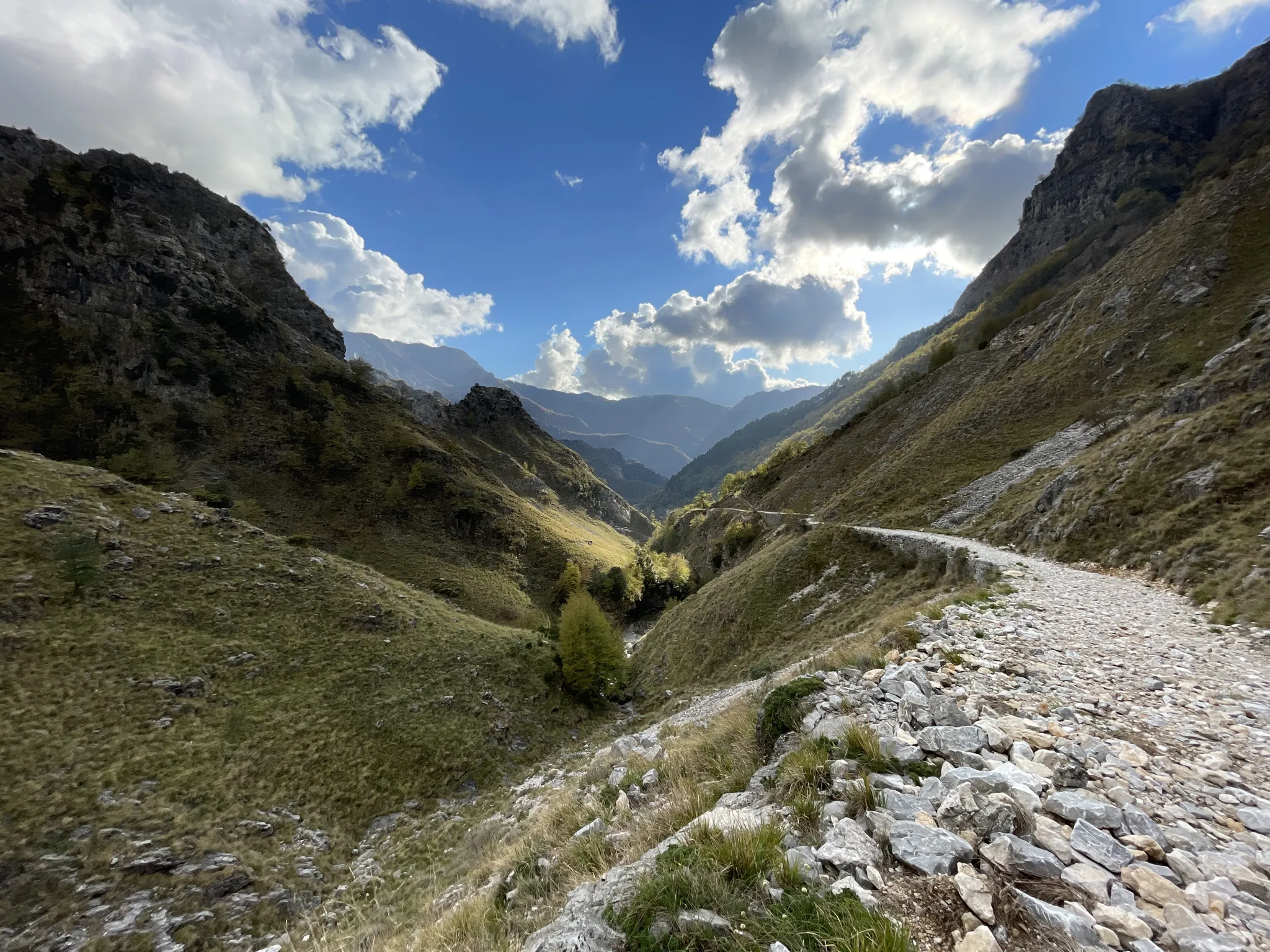
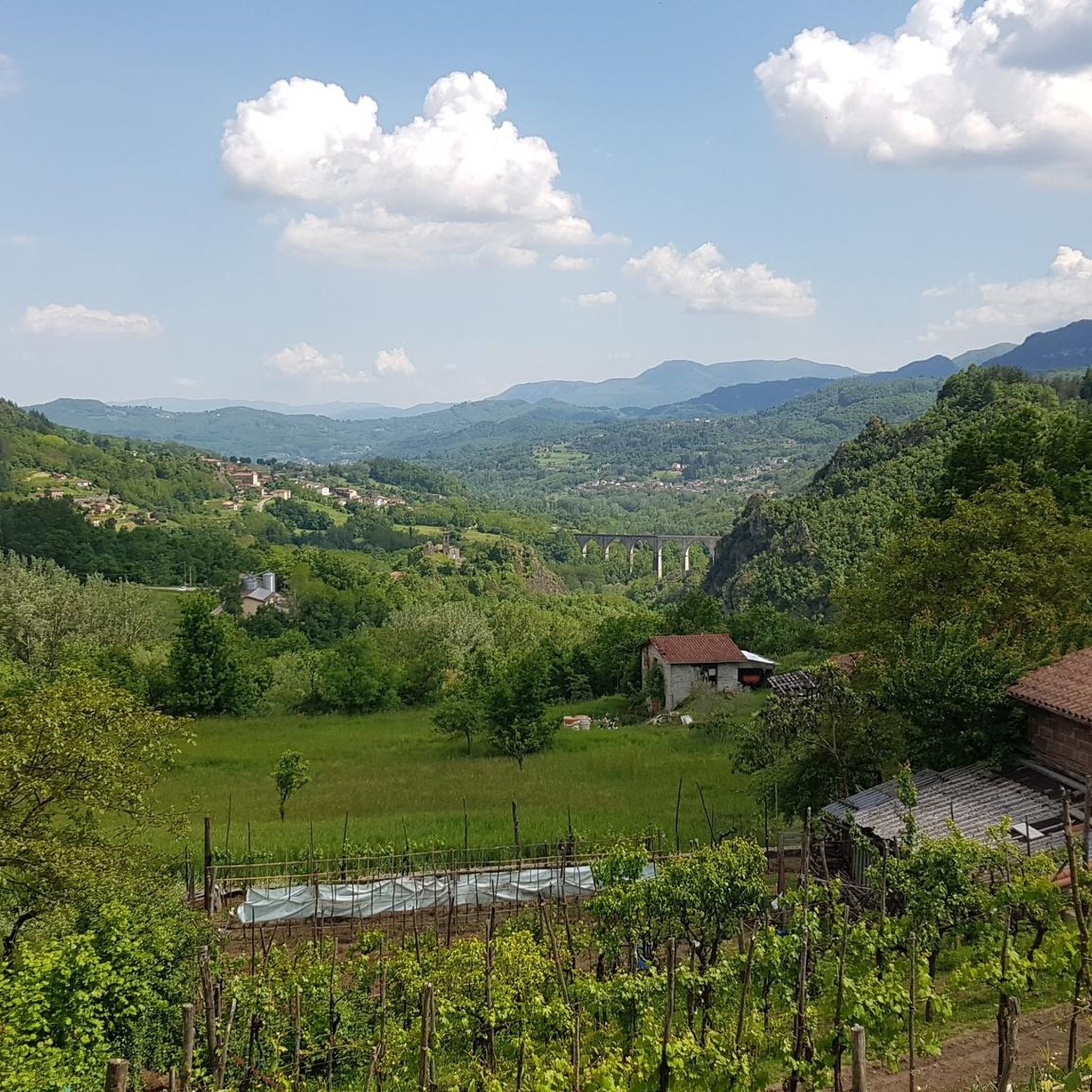
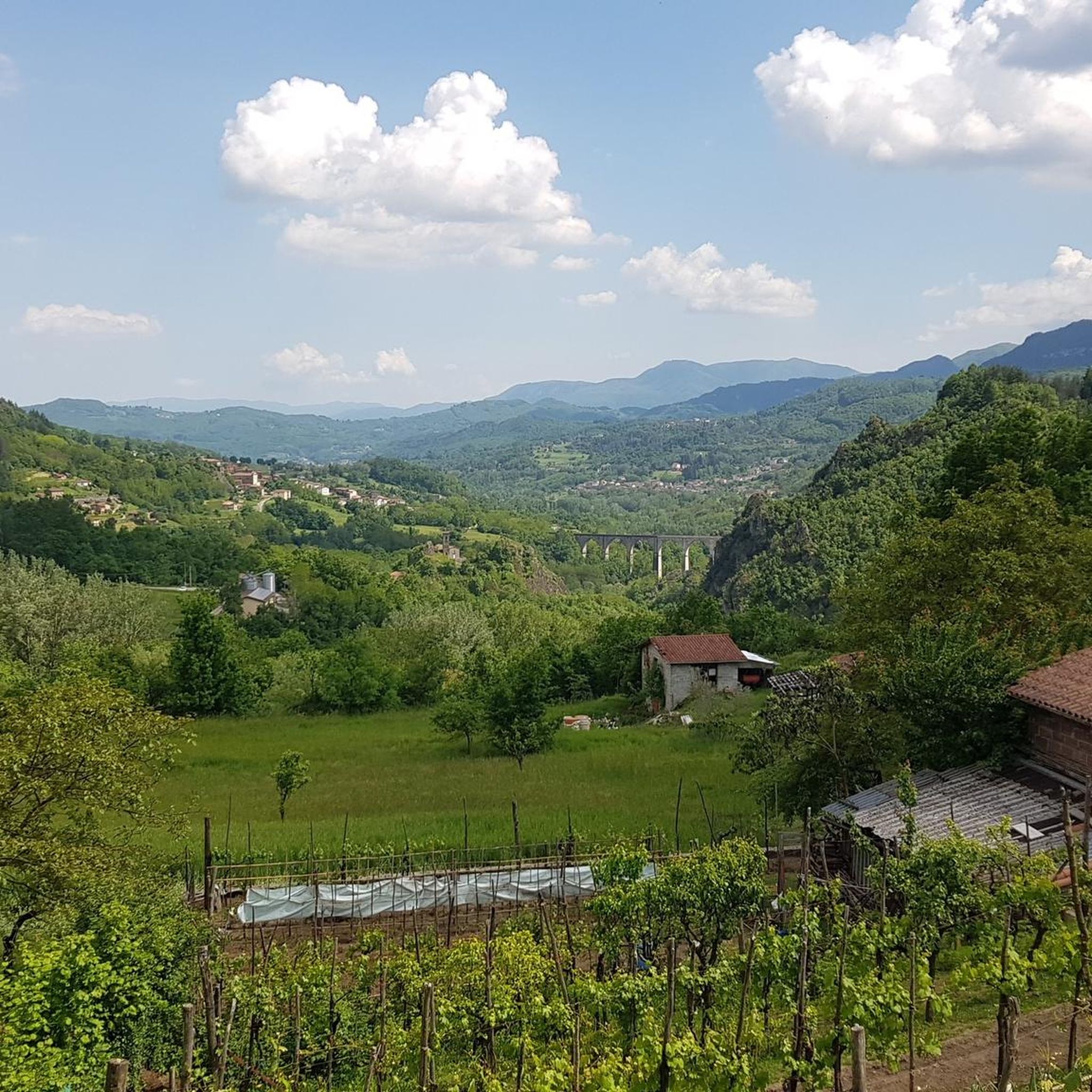
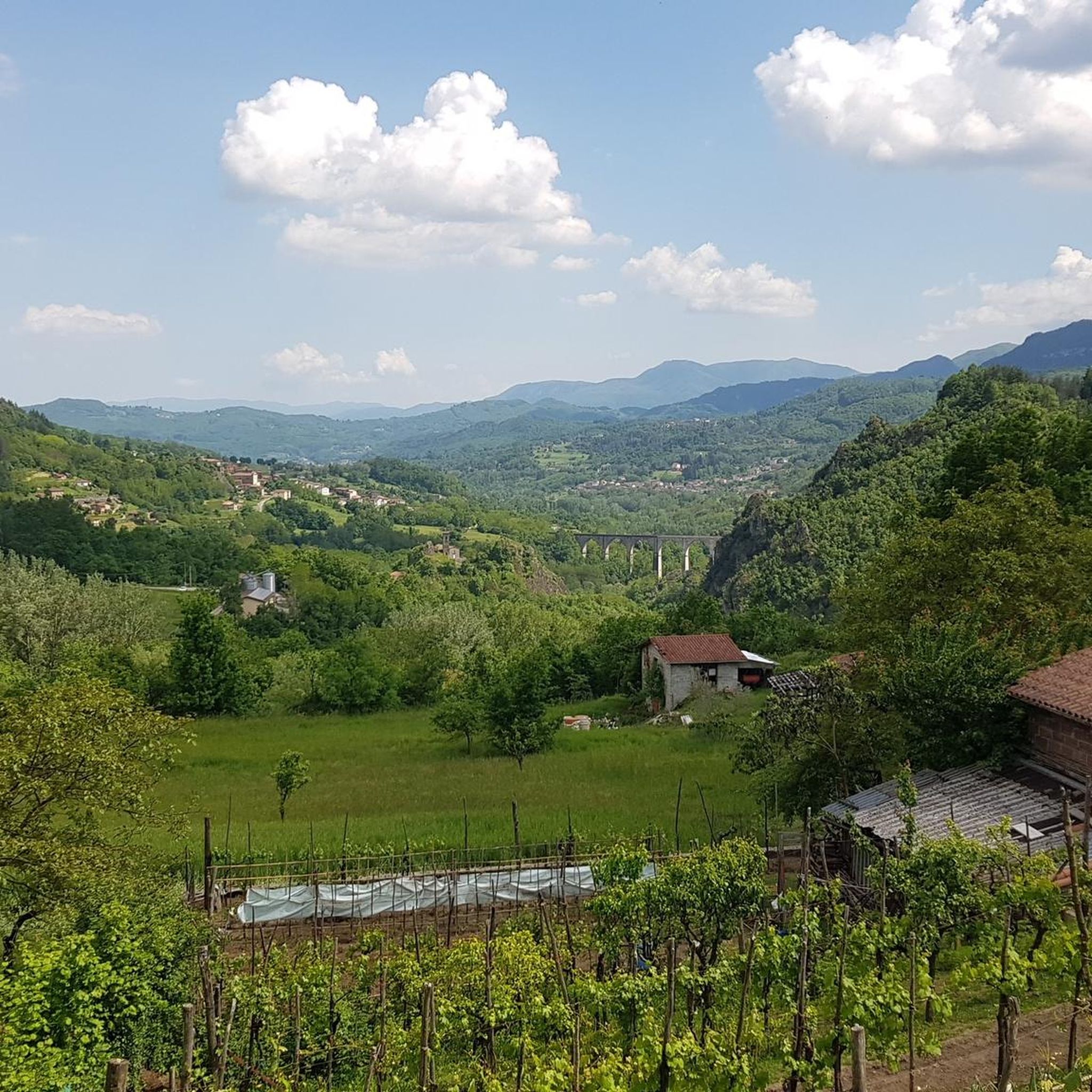
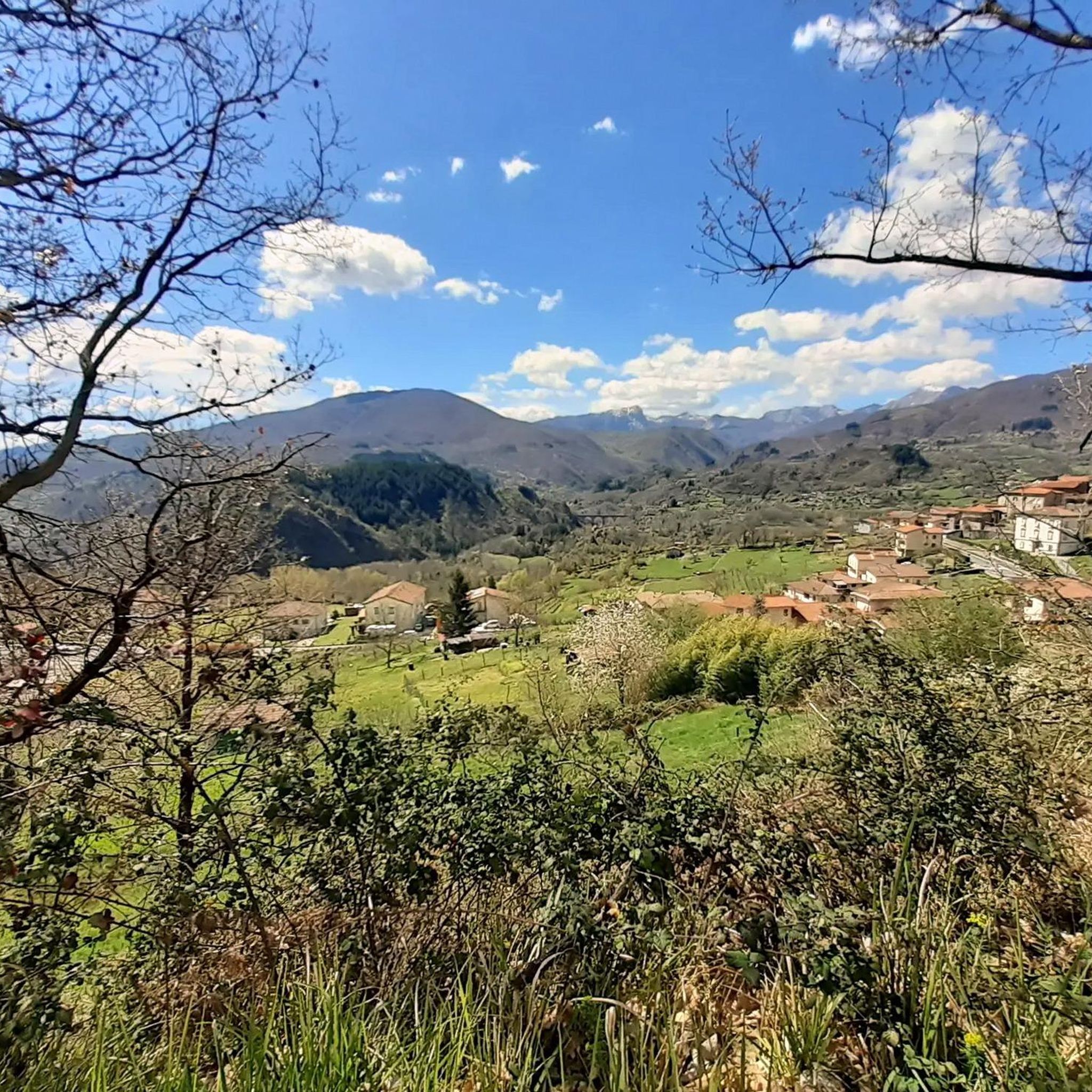
Touring cycling around Camporgiano offers diverse and dramatic landscapes in Italy's Garfagnana region. The area is characterized by the rugged peaks of the Apuan Alps and the verdant Apennine mountains, providing a varied terrain for cyclists. Lush green valleys, dense chestnut woods, and significant waterways like the Serchio River define the natural environment. Several lakes, including Lake Gramolazzo and Lake Vagli, add to the scenic beauty, offering picturesque routes.
Best touring cycling routes around Camporgiano
- The most popular touring cycling…
Last updated: June 30, 2026
4.5
(2)
52
riders
35.5km
02:22
550m
550m
Hard bike ride. Very good fitness required. Mostly paved surfaces. Suitable for all skill levels.
5.0
(2)
18
riders
18.8km
01:27
480m
480m
Hard bike ride. Very good fitness required. Mostly paved surfaces. Suitable for all skill levels.

Sign up for free
3.0
(2)
21
riders
43.0km
03:09
890m
890m
Hard bike ride. Very good fitness required. Mostly paved surfaces. Suitable for all skill levels.
5.0
(3)
18
riders
28.3km
01:56
490m
490m
Hard bike ride. Very good fitness required. Mostly paved surfaces. Suitable for all skill levels.
16
riders
53.7km
04:31
1,750m
1,750m
Hard bike ride. Very good fitness required. Mostly paved surfaces. Suitable for all skill levels.
Get access to more routes and recommendations from other explorers.
Sign up for free
Already have an account?
Our route recommendations are based on thousands of hikes, rides, and runs completed by other people on komoot.
Start today with a free account
Your next adventure awaits.
Login or Signup


Other adventures around Camporgiano

Tips from the Community

The Rocca Ariostesca is a medieval fortified military structure located in Castelnuovo di Garfagnana. The rocca is the symbol of the city and overlooks the central Piazza Umberto I. It owes its name to having been the seat of the Este government and to having hosted, from 1522 to 1525, as governor of the Garfagnana of the Este, the poet Ludovico Ariosto, who was succeeded in the following century by Fulvio Testi. A small outpost already existed on the site in the 10th century, but it can be said that the original structure of the Rocca as we know it today dates back to the 12th century; modified throughout the 13th century, it was significantly enlarged in the early 14th century by Castruccio Castracani, who determined an enlargement of the entire village walls. It was then Paolo Guinigi who ordered the construction of the imposing tower located in the center of the Rocca, adorned with the civic clock, which over time was also used as a prison. The terrace overlooking the square was erected in 1675, coinciding with the opening of the monumental arch of access to the city center. The internal furnishings have been lost, among which the tapestries that adorned the "Sala dei Principi" (Hall of the Princes) are known. The Rocca was damaged during the Second World War and subsequently restored. As a venue for exhibitions and cultural events, it houses the Archaeological Museum in its halls, which preserves numerous artifacts and testimonies from the prehistoric, Ligurian-Apuan, and Etruscan periods in Garfagnana.
0
0

Just a few steps through the cobbled alleys and sandstone houses are enough to understand that San Romano has a story to tell. The Ligures Apuani lived here first, then the Romans; and when the ancient Gherardinghi and Conti di Bacciano families abandoned the village, the town had its moment of pride, giving itself its own statutes before passing under Lucca and the Este family. The heart of the settlement beats around the church of San Romano Martire, where the saint is carved in wood in Roman legionary attire, topped by an imposing 18th-century organ. A few meters away opens the elegant Palazzo Pelliccioni-Marazzini, with its scenic arched terraces: today it houses the Archaeological Museum of the territory, with artifacts ranging from the Neolithic period to findings from the Fortezza delle Verrucole.
0
0
The small hamlet of Orzaglia, nestled on a plateau just outside the classic routes of Garfagnana, is surrounded by ancient chestnut groves and fields of spelt. Walking through these woods, you will encounter gnarled and imposing tree trunks, plants that have watched over the valley for hundreds of years and tell the story of those who cared for them generation after generation. For Garfagnana, the chestnut was never just a tree. For centuries, it was "the bread tree": its chestnuts, dried in metati (drying rooms) and ground in water mills, yielded neccio flour — today a PDO (Protected Designation of Origin) — that fed entire mountain communities during the hardest times. Masters of grafting and pruning, the people of Garfagnana have preserved dozens of different varieties over time, transforming these slopes into a true living safe of biodiversity.
0
0
The lake of Gramolazzo is a lake in the Apuan Alps located near the homonymous village in the municipality of Minucciano. Of artificial origin, it was created in the second half of the 1900s, together with the lake of Vagli by SELT Valdarno for the hydroelectric use of the Serchio river and its tributaries. The lake, which has a surface area of one square kilometer and a volume of 3.8 million cubic meters, has both the Serchio di Gramolazzo as its inflow and outflow, one of the two branches that, joining near Piazza al Serchio, form the Tuscan river. Another important stream that flows into the lake is the Acqua Bianca stream, which coming from Mount Pisanino crosses the village of Gorfigliano. A large part of the water, however, is fed through a channel on the left bank, near the dam, which with a maximum flow rate of 20 cubic meters per second discharges the waters captured from the Serchio into the Sillano valley. The waters of the lake of Gramolazzo feed the Fabbriche power plant which in turn discharges them into the lake of Vagli.
0
0

A fountain on the road leading to Radici is very useful for cyclists and hikers (especially in summer). The view is spectacular.
0
0
The place is cool and quiet during the week. Canoe rentals are available for lake excursions.
0
0

Frequently Asked Questions
What kind of terrain can I expect on touring cycling routes around Camporgiano?
The Camporgiano area, nestled between the Apuan Alps and the Apennine mountains, offers a diverse and dramatic landscape. You'll encounter rugged mountain ranges with challenging climbs, serene valleys, dense chestnut woods, and significant waterways like the Serchio River. Routes often feature a mix of traffic-free roads, trails, and dirt roads, providing varied terrain for touring cyclists.
Are there any easy touring cycling routes suitable for beginners in Camporgiano?
While many routes in Camporgiano are rated as difficult due to significant elevation changes, there are options for various ability levels. The region offers some easier circular tours on forest tracks, particularly around the lakes. For example, the Lake Gramolazzo – Lake Gramolazzo loop from Camporgiano is a popular option that provides scenic lakeside cycling.
What are some notable natural features or viewpoints I can see along the cycling routes?
Camporgiano's routes offer stunning natural beauty. You can cycle past picturesque lakes such as Lake Gramolazzo and Lake Vagli. The Apuan Alps provide spectacular, rocky peaks with panoramic vistas. The Orecchiella Nature Reserve, part of the Apennino Tosco-Emiliano National Park, also features beautiful beech woods and diverse wildlife. For specific viewpoints, consider routes that ascend to mountain passes like Tambura Pass or Valli Pass.
Are there any historical landmarks or cultural attractions accessible by touring bike?
Absolutely. The region is rich in history. You can cycle past charming medieval villages and numerous churches. The Rocca di Camporgiano, a 15th-century fortress, is a prominent landmark. Other historical sites include the Ariostesca Fortress and the Fortezza di Mont'Alfonso. The ancient Via del Volto Santo pilgrimage route also passes through the landscape, offering a historical journey.
What do other touring cyclists enjoy most about cycling in Camporgiano?
The area is highly rated by the komoot community, with an average score of 4.8 stars from over 270 reviews. Reviewers often praise the diverse and dramatic landscapes, the challenging climbs that lead to rewarding panoramic views, and the opportunity to explore historical villages and serene lakes. The blend of adventure and cultural immersion is a common highlight.
Are there any circular touring cycling routes around Camporgiano?
Yes, many of the touring cycling routes around Camporgiano are designed as loops. Popular circular routes include the Isola Santa Village – Lake Isola Santa loop from Poggio, which takes you through a charming village and alongside a scenic lake, and the Lake Vagli – Lake Vagli loop from Camporgiano.
Can I find family-friendly touring cycling routes in the Camporgiano area?
While many routes in the immediate Camporgiano area are rated difficult, the broader Garfagnana region offers options suitable for families. Look for easier circular tours on forest tracks or lakeside paths, such as those around Lake Gramolazzo. These often provide a more gentle experience away from challenging climbs, ideal for a family outing.
What is the best time of year to go touring cycling in Camporgiano?
The Garfagnana region, including Camporgiano, is generally best for touring cycling from spring through autumn. Spring offers lush greenery and pleasant temperatures, while autumn provides beautiful foliage. Summer can be warm, especially in the valleys, but higher elevation routes in the Apuan Alps offer cooler conditions. Always check local weather forecasts before heading out.
Are there options for mountain biking or e-bikes in addition to touring cycling?
Yes, the diverse terrain around Camporgiano is well-suited for various cycling disciplines. You'll find numerous trails and dirt roads perfect for mountain biking, and e-bikes are also popular for tackling the region's challenging climbs. Several local services offer mountain bike and e-bike rentals, sometimes with guides, to help you explore the area.
How many touring cycling routes are available in the Camporgiano area?
There are 16 touring cycling routes available around Camporgiano. These routes vary in length and difficulty, offering diverse experiences from scenic lakeside loops to challenging mountain passes.
Is public transport available for cyclists in Camporgiano?
Yes, the Lucca-Aulla train line serves the area, providing a convenient transport option for cyclists. This allows for longer itineraries where you might cycle one way and use the train for the return journey, or to access different starting points for your tours.
Where can I find places to eat or stay near the cycling routes in Camporgiano?
Camporgiano and the surrounding villages are dotted with charming establishments. You'll find cafes and pubs in the town centers, offering opportunities for refreshments. The region also has various accommodation options, from traditional guesthouses to hotels, catering to visitors exploring the Garfagnana area.
Most popular routes around Camporgiano
Most popular attractions around Camporgiano

Get inspired with the komoot mobile app


Explore more
Browse the best Cycling routes in other regions.
