The 20 Most Amazing Peaks around Piazza Al Serchio
Best mountain peaks around Piazza Al Serchio are found within the Garfagnana region of Tuscany. This area is characterized by the rugged Apuan Alps and the rolling Tuscan-Emilian Apennines. Several peaks exceed 2,000 meters in height, offering diverse landscapes. The region provides varied experiences for hikers and nature enthusiasts.
Best mountain peaks around Piazza Al Serchio
- The most popular mountain peaks is Tambura Pass, a mountain pass with historical significance. Between 1738 and 1751, a challenging road was constructed…
Last updated: July 6, 2026
Tambura Pass
Highlight • Mountain Pass
Translated by Google •
Tip by

Mount Sagro
Highlight • Summit
Translated by Google •
Tip by

Sign up now to discover places like this
Get recommendations on the best single tracks, peaks, & plenty of other exciting outdoor places.
Sign up for free
Mount Prado
Highlight • Summit
Translated by Google •
Tip by

Tambura Ridge
Highlight • Summit
Translated by Google •
Tip by

Pizzo d'Uccello Summit
Highlight • Summit
Translated by Google •
Tip by

Sign up for free to discover even more peaks around Piazza Al Serchio.
Sign up for free
Already have an account?
Start today with a free account
Your next adventure awaits.
Login or Signup
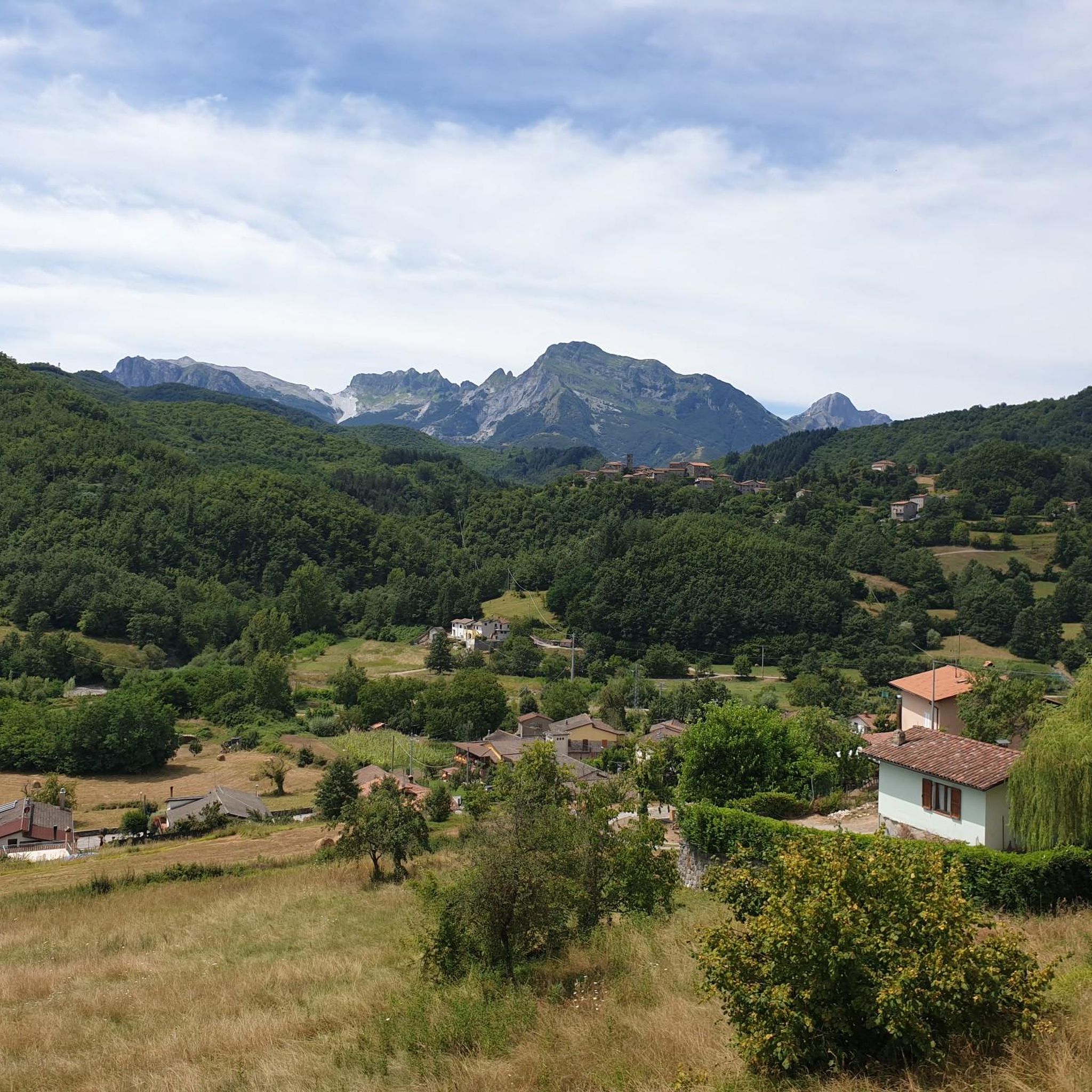
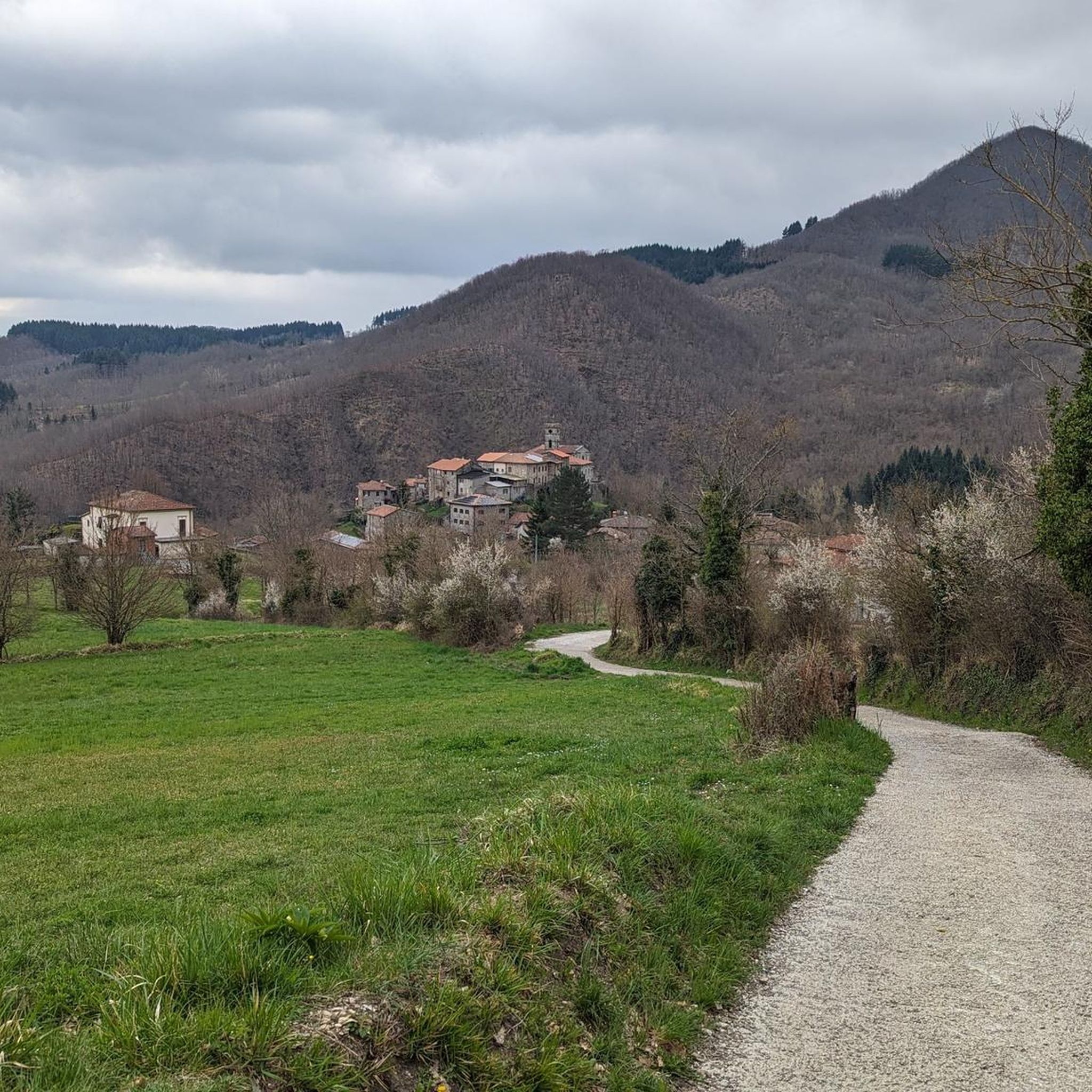
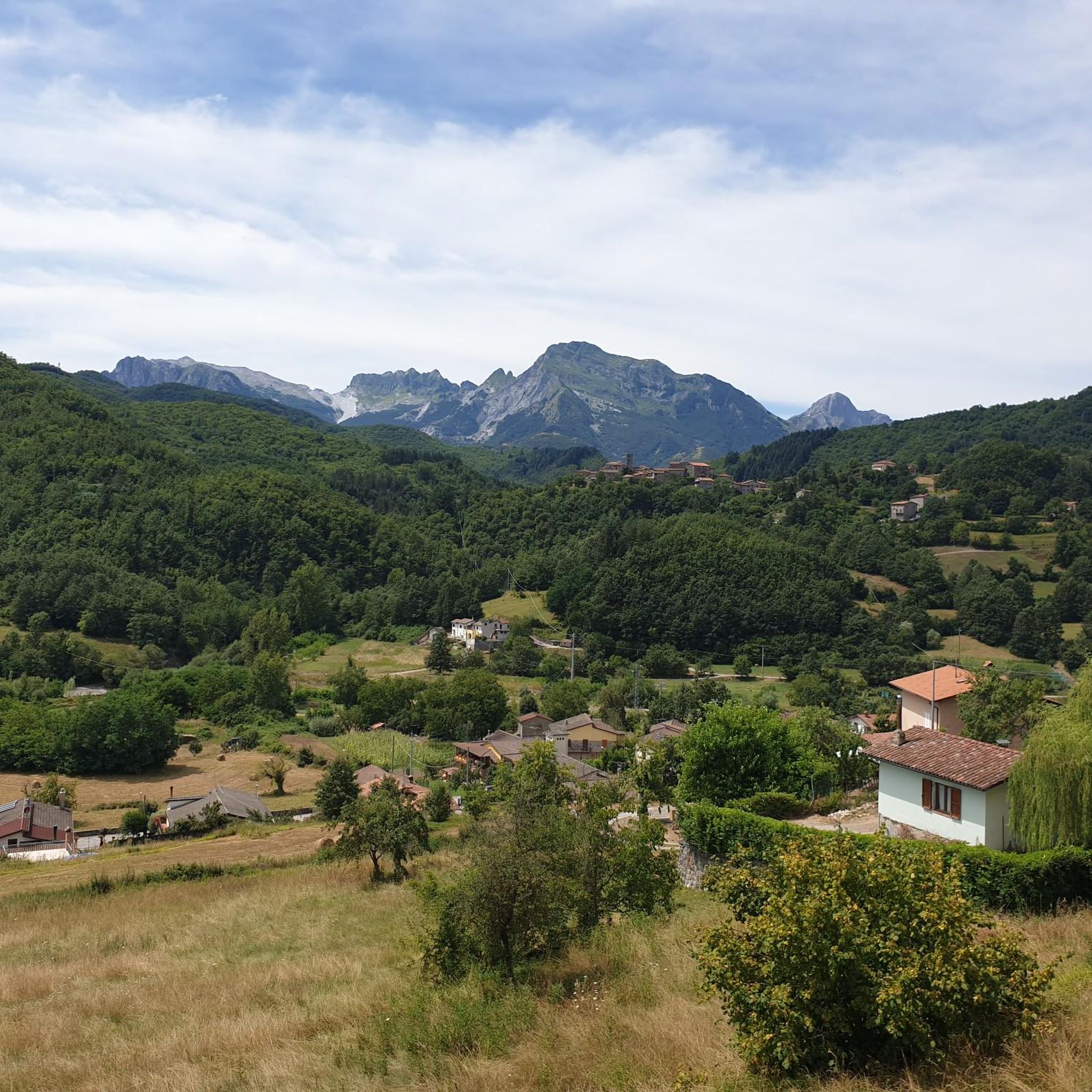
Tips from the Community

2054 meters of pure beauty from every angle you look
0
0

the closing of the ring has a challenging part, with some slightly dangerous parts and others not marked, at least as far as the route that the navigator makes you do is concerned
0
0


An easily reachable peak, at the top there is space to move, but always keep your attention high. The exposure on the slopes is remarkable at the top. The view of Versilia and the Apuan peaks is wonderful
0
0

Great view of Focoletta, Sella and Fiocca
0
0
Creste della Tambura, view of Focoletta, Sella and Fiocca
0
0

There are no words when you arrive at the Tambura pass, you see the sea on the horizon and your adrenaline goes through the roof!
0
0

Frequently Asked Questions
What are the main mountain ranges surrounding Piazza Al Serchio?
Piazza Al Serchio is nestled between two significant mountain ranges: the rugged Apuan Alps and the rolling Tuscan-Emilian Apennines. These ranges offer diverse landscapes and numerous peaks to explore.
Which mountain peaks offer the most impressive panoramic views?
For breathtaking panoramic views, consider these peaks:
- Mount Prado, the highest mountain in Tuscany, offers expansive 360-degree views across the Apuan Alps, the Tuscan and Emilia-Romagna regions, and even the distant Tyrrhenian Sea on clear days.
- Pizzo d'Uccello Summit provides a rewarding 360-degree panorama of the Apennines, the Apuan Alps, and the Tyrrhenian coast.
- Mount Sagro offers stunning views of Massa-Carrara, Versilia, the Tyrrhenian Sea, and the Gulf of La Spezia.
- The Tambura Pass also boasts exceptional 360-degree views.
Are there any historically significant sites among the mountain peaks?
Yes, the Tambura Pass is historically significant. Between 1738 and 1751, a challenging road with endless hairpin bends was constructed across it by engineer Domenico Vandelli, connecting the Duke of Modena's residence to the Tyrrhenian Sea. Today, this route is ideal for walking or cycling.
What kind of natural features can I expect to see on these mountain peaks?
The region's mountain peaks showcase a variety of natural features. On Mount Prado, you'll find a mix of green peaks, rocky sections, vast beech forests, and high-altitude meadows, particularly around Lake Bargetana. Monte Tambura is known for its distinctive karst landscape with numerous hollows and depressions. Many peaks also feature marble quarries, characteristic of the Apuan Alps.
What are the best times of year to visit the mountain peaks around Piazza Al Serchio?
The best time to visit depends on your activity. For hiking, late spring (May-June) and early autumn (September-October) offer pleasant temperatures and clear skies. Summer can be good for higher altitudes, but be prepared for warmer weather. Winter brings snow, making some routes suitable only for experienced mountaineers or snowshoeing.
Are there challenging routes for experienced hikers and mountaineers?
Absolutely. The ascent to Pizzo d'Uccello Summit, often called the 'Matterhorn of the Apuan Alps,' is considered a 'mountaineer's baptism' due to its technical passages and requires sure-footedness and alpine experience. For those seeking more excitement, the Via Ferrata Tordini-Galigani on Pizzo d'Uccello offers scrambling sections and cable protection.
What outdoor activities can I do near these mountain peaks?
Beyond hiking, the area around Piazza Al Serchio offers a range of outdoor activities. You can find numerous routes for mountain biking, running, and road cycling. For example, explore the MTB Trails around Piazza Al Serchio, enjoy the Running Trails around Piazza Al Serchio, or go Cycling around Piazza Al Serchio.
Are there any easy or accessible mountain peaks for less experienced hikers?
While many peaks offer challenging routes, the ascent to Monte Tambura is considered one of the more accessible summits in the Apuan Alps, often starting from the picturesque village of Campocatino. Mount Sagro is also noted as accessible for people even without extensive preparation.
What makes Monte Prado a unique destination?
Monte Prado is unique as it is the highest mountain in Tuscany, reaching 2,054 meters. It's located within the Apennino Tosco Emiliano National Park, a UNESCO Biosphere Reserve. Its slopes feature a diverse landscape of green peaks, rocky sections, beech forests, and high-altitude meadows, particularly around Lake Bargetana.
What is the significance of Monte Tambura in the Apuan Alps?
Monte Tambura is the second-highest peak in the Apuan Alps, standing at 1,891 meters. It's known for its distinctive pyramid shape and its North Face, Carcaraia, which features a unique karst landscape. The mountain is also part of the Natural Regional Park of the Apuan Alps and offers stunning panoramic views.
Can I find information about the Garfagnana region where Piazza Al Serchio is located?
Yes, Piazza Al Serchio is situated in the enchanting Garfagnana region of Tuscany. You can find more general information about this area on the official tourism website: visittuscany.com.
What do visitors particularly enjoy about the mountain peaks around Piazza Al Serchio?
Visitors frequently highlight the exceptional 360-degree views from peaks like Tambura Pass and Pizzo d'Uccello Summit. The diverse landscapes, from forests to rocky sections, and the sense of accomplishment from reaching summits like Mount Prado, are also highly appreciated. The area is praised for its natural beauty and the variety of trails available.
Most popular routes around Piazza Al Serchio
Most popular attractions around Piazza Al Serchio

Get inspired with the komoot mobile app


Explore more
See even more amazing summits around Piazza Al Serchio with these guides:
