The best walks and hikes around Pontremoli
4.5
(403)
1,731
hikers
91
hikes
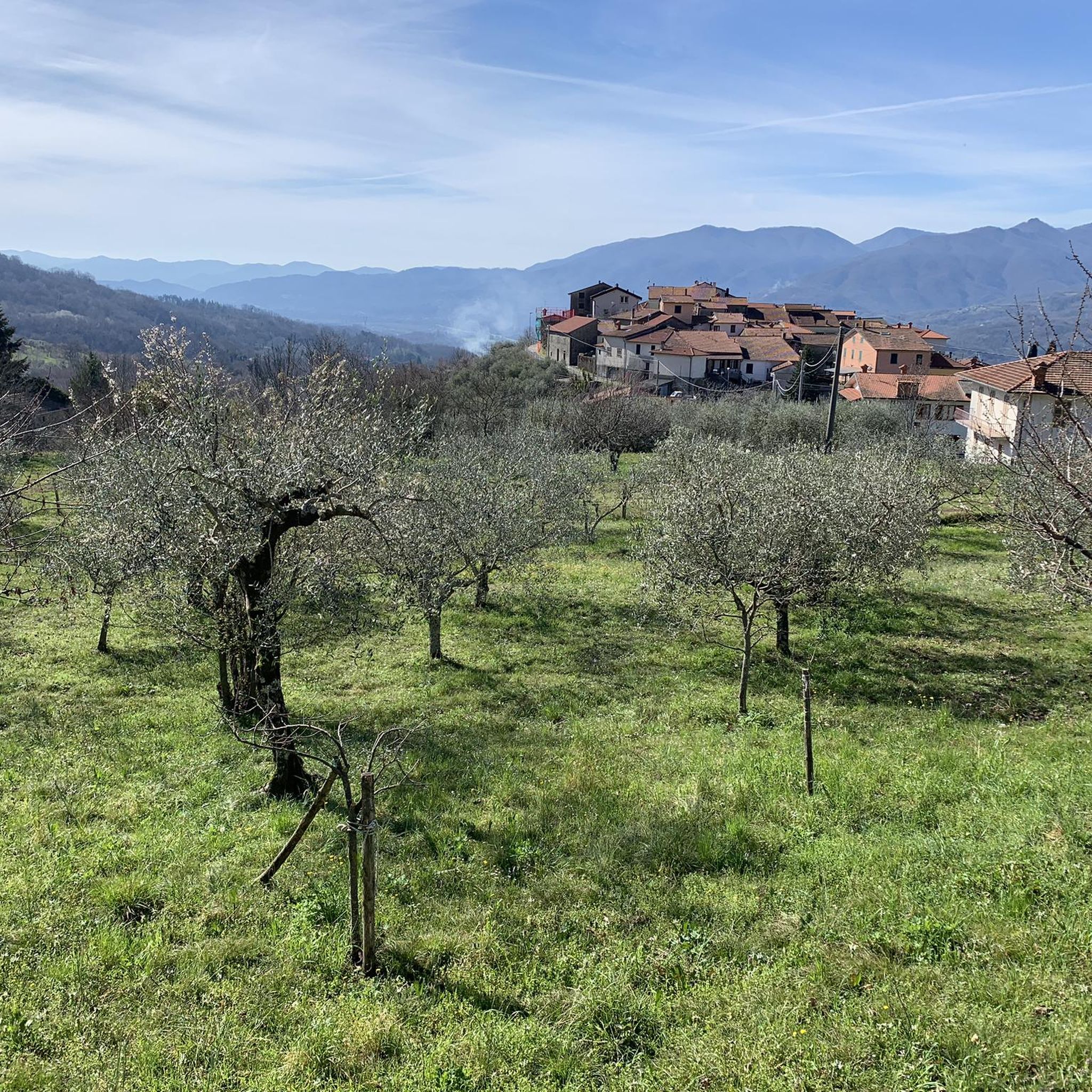
Hiking around Pontremoli offers access to diverse landscapes at the northern tip of Tuscany, within the Lunigiana region. The area is characterized by the rugged terrain of the Apennine Mountains and Alpi Apuane, featuring steep peaks and deep valleys. Rivers like the Magra and Verde converge here, creating significant river valleys and gorges, including the Stretti di Giaredo. Dense chestnut forests cover much of the region, providing varied environments for trails.
Best hiking trails around Pontremoli
- The most popular hiking route is The village and the Piscio di Pracchiola, a moderate 3.1 miles (5.1 km) trail that takes 1 hour 42 minutes to complete. This route explores local villages and natural water features.
- Another top favourite among local hikers is Castles of Lunigiana Cycleway, an easy 2.9 miles (4.7 km) path. This trail offers views of the region's historic castles and surrounding countryside.
- Local hikers also love the Via Francigena from Liguria to Tuscany (via Passo della Cisa), a 4.1 miles (6.5 km) trail leading through historical pilgrimage routes, often completed in about 1 hour 58 minutes.
- Hiking around Pontremoli is defined by the Apennine Mountains, ancient river valleys, and dense chestnut forests. The network offers options for various ability levels, from easy walks to more challenging mountain ascents.
- The routes in Pontremoli are highly rated by the komoot community with an average score of 4.5 stars from over 200 reviews. More than 1000 hikers have used komoot to explore Pontremoli's varied terrain.
Last updated: October 10, 2026
4.6
(28)
160
hikers
19.6km
06:27
530m
1,310m
Hard hike. Very good fitness required. Mostly accessible paths. Sure-footedness required.
4.4
(30)
156
hikers
32.5km
08:59
450m
640m
Hard hike. Very good fitness required. Easily-accessible paths. Suitable for all skill levels.

4.5
(26)
85
hikers
5.06km
01:42
170m
170m
Embark on a moderate hike to the Piscio di Pracchiola waterfall, covering 3.1 miles (5.1 km) with an elevation gain of 547 feet (167 metres). This route typically takes around 1 hour and 42 minutes to complete. You will start on a paved path, then transition to a dirt road, and finally a narrow, winding trail through dense forests of chestnut and bitter oak trees. The sound of the Magra River will accompany you as you traverse ancient mule tracks, leading to the impressive 30-meter waterfall and its natural pool.
This trail is generally considered accessible for most fitness levels and families, with some sections requiring careful footing due to minor streams and small winter landslides. It is highly recommended to wear appropriate trekking shoes to navigate the varied terrain, especially the rocky parts near the stream. Before you set out, you can fill your water bottles from fresh fountains within the charming village of Pracchiola, which serves as your starting point.
The village of Pracchiola itself is a highlight, nestled in the Valdantena and historically located along the medieval Via Longobarda trade route. Its well-preserved buildings, ornate stone portals, and vaulted passages offer a glimpse into ancient Italian rural life. The Piscio di Pracchiola waterfall is renowned as one of the most suggestive cascades in Alta Lunigiana, offering a tranquil escape into unspoiled nature. Its crystal-clear natural pool is an inviting spot for a refreshing dip during warmer months.
4.9
(9)
39
hikers
4.63km
01:14
50m
50m
Embark on an easy hike through the historic town of Pontremoli, where ancient architecture meets natural beauty. This route, despite its name, is a delightful hiking experience that covers 2.9 miles (4.6 km) with a gentle elevation gain of 155 feet (47 metres). You can expect to complete it in about 1 hour and 13 minutes. As you walk, you will discover picturesque scenery, including views of the Castello del Piagnaro, which provides sweeping vistas of the town and the broader Lunigiana region. The trail also guides you past ancient bridges, such as the Ponte della Cresa, gracefully spanning the Magra and Verde rivers, immersing you in a medieval atmosphere.
This easy route is perfect for a relaxed outing and is suitable for a wide range of hikers, including families looking for a pleasant stroll. While specific parking information is not detailed, Pontremoli is generally accessible, and the paths are straightforward to navigate. Consider using public transport to reach the town center, as the trail conveniently begins there. This approach allows you to start your adventure without worrying about parking.
The route offers a unique blend of historical exploration and scenic beauty, showcasing the medieval charm of Pontremoli. You will wander through narrow passageways and the historic town center, feeling transported back in time. The trail highlights the region's rich heritage, making it a notable choice for anyone interested in the cultural landscape of Lunigiana. It provides an accessible way to experience the area's historical significance and natural allure.
4.0
(1)
6
hikers
6.55km
01:58
210m
210m
Embark on an easy hike along a section of the Via Francigena, transitioning from Liguria into Tuscany. This route, covering 4.1 miles (6.5 km) with an elevation gain of 682 feet (208 metres), takes you through ancient beech forests and thick woods, often shrouded in a mystical mist. You can expect to complete this journey in about 1 hour and 57 minutes. The trail follows well-marked forest paths and ancient mule tracks, offering glimpses of wild nature and green landscapes. A notable landmark is the wooden arch inscribed "Porta Toscana della Francigena," signaling your symbolic passage into a new region. You will also pass the Santuario della Madonna della Guardia, a beautiful neo-Romanesque and neo-Gothic structure. This section of the trail feels both intimate and grand, connecting you to centuries of pilgrims who walked these same mountain paths.
Planning your visit to this historic trail is straightforward. The trailhead is easily accessible by car, with convenient parking options located near Passo della Cisa. Alternatively, you can reach nearby towns using public transport and then make your way to the starting point. The path is well-marked, with clear directional signs, such as those found at Tecchio dei Frassi, guiding you along the way. There are no specific permits or fees mentioned for this section, making it an accessible option for a spontaneous outing.
This segment of the Via Francigena holds significant historical importance, as Passo della Cisa has long been a crucial transit point for pilgrims, merchants, and travelers. It also serves as a natural watershed between the Ligurian and Tuscan-Emilian Apennines. As you hike, you'll traverse through green woods and small fortified villages, where time seems to stand still, preserving traces of a rich past. This trail offers a unique opportunity to connect with a thousand-year-old pilgrimage route, experiencing the same landscapes that countless others have journeyed through on their way to Rome.
Get access to more routes and recommendations from other explorers.
Already have an account?
Our route recommendations are based on thousands of hikes, rides, and runs completed by other people on komoot.
Start today with a free account
Your next adventure awaits.
Popular around Pontremoli
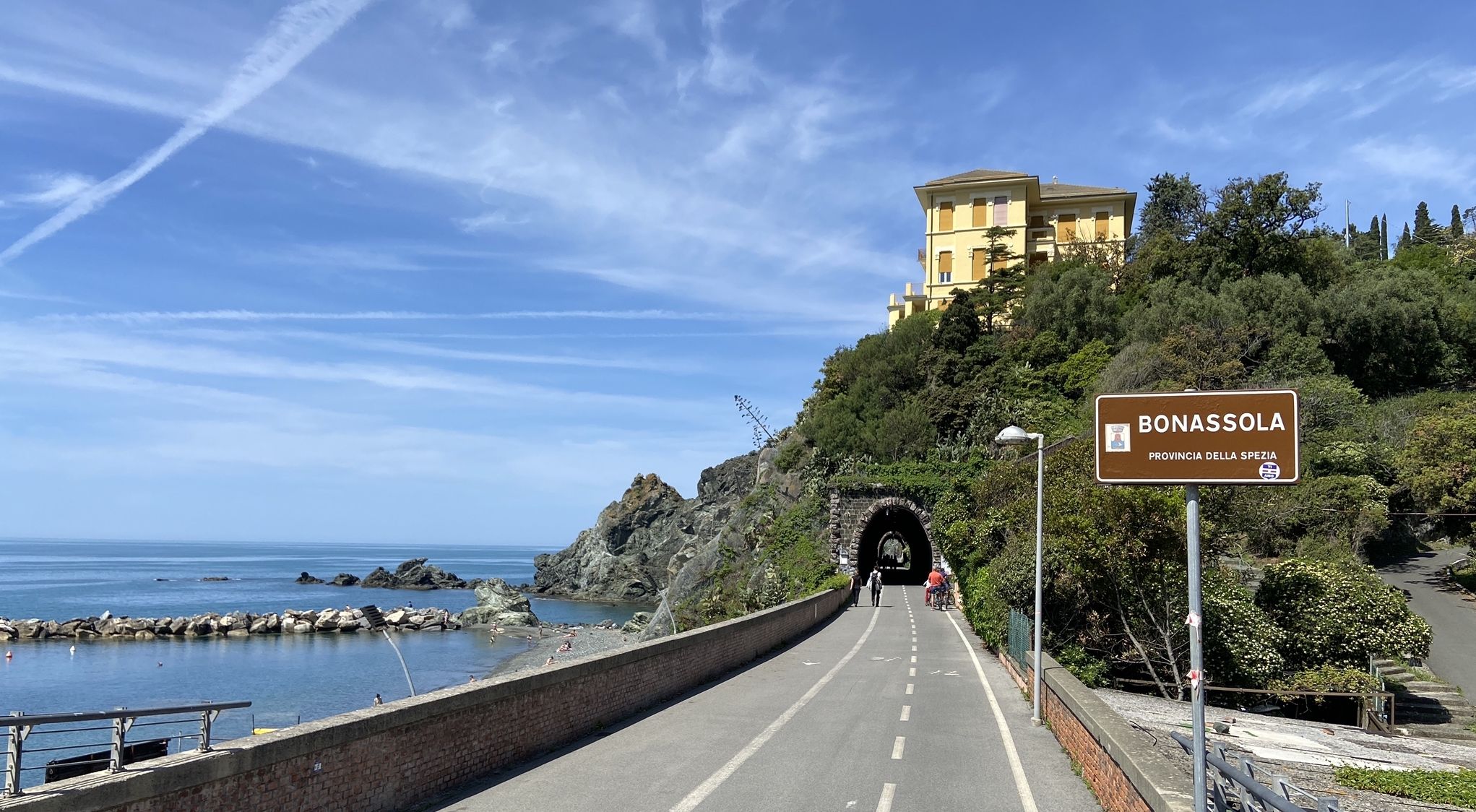
Pedalling to Portofino and the Cinque Terre — sea and mountains
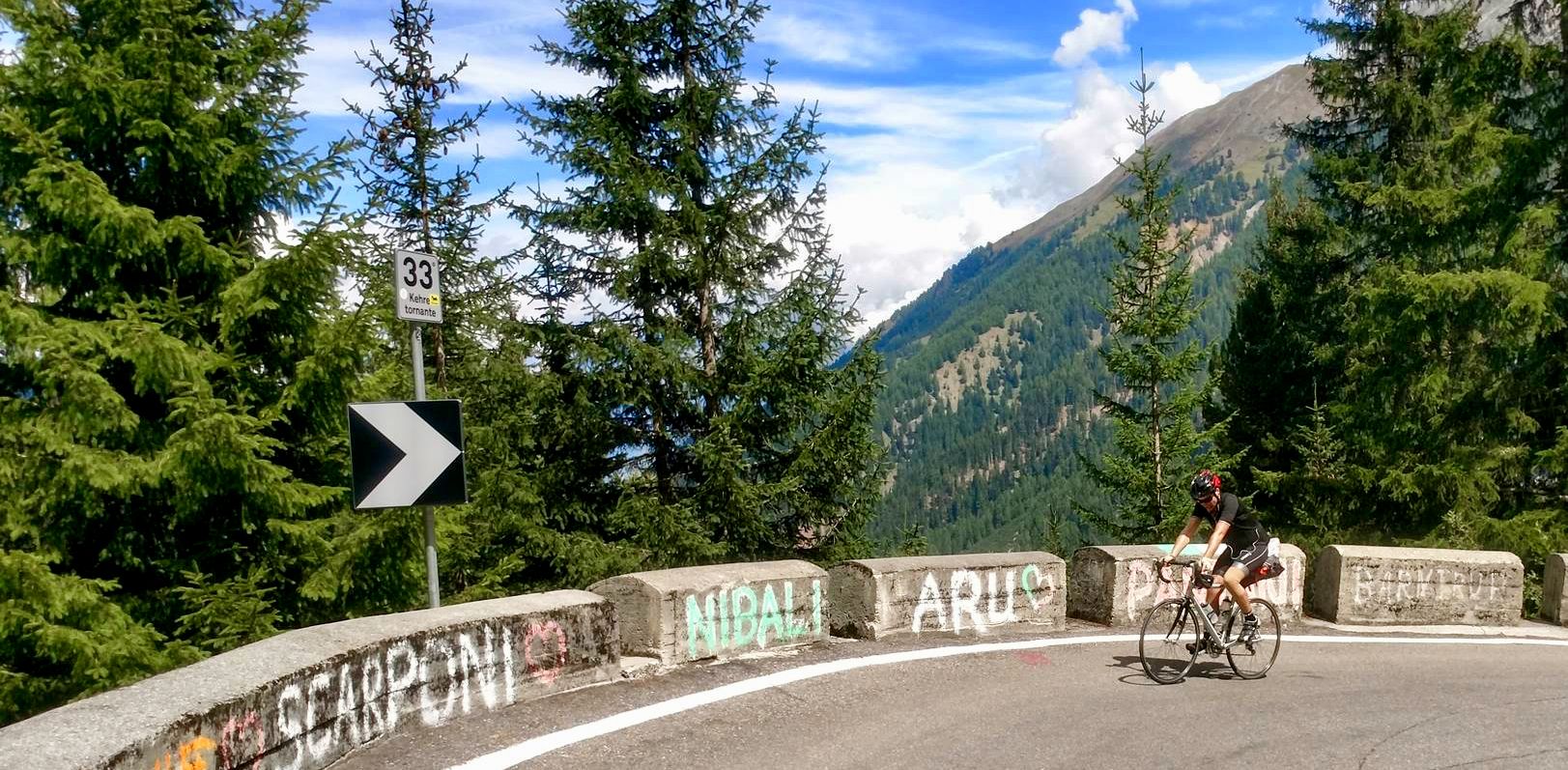
From the mountains to the sea — road cycling in Northern Italy
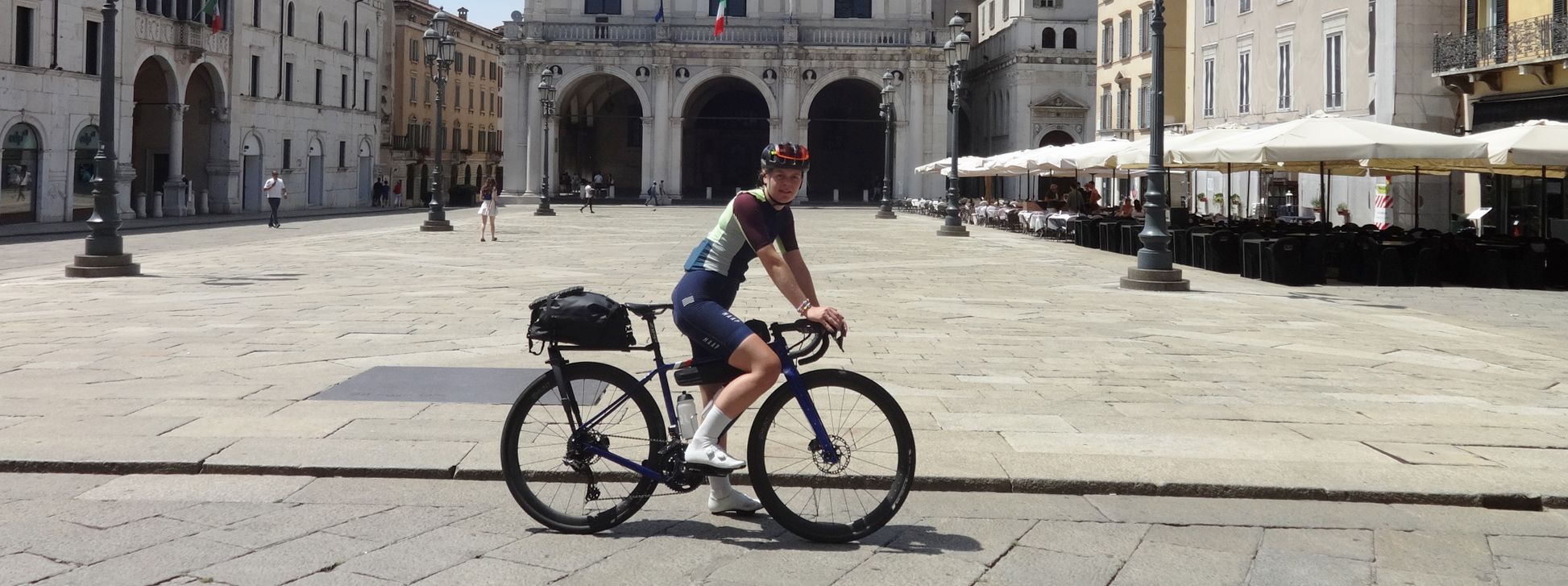
The Pizza Pilgrimage – Milan to Naples, fuelled by pizza
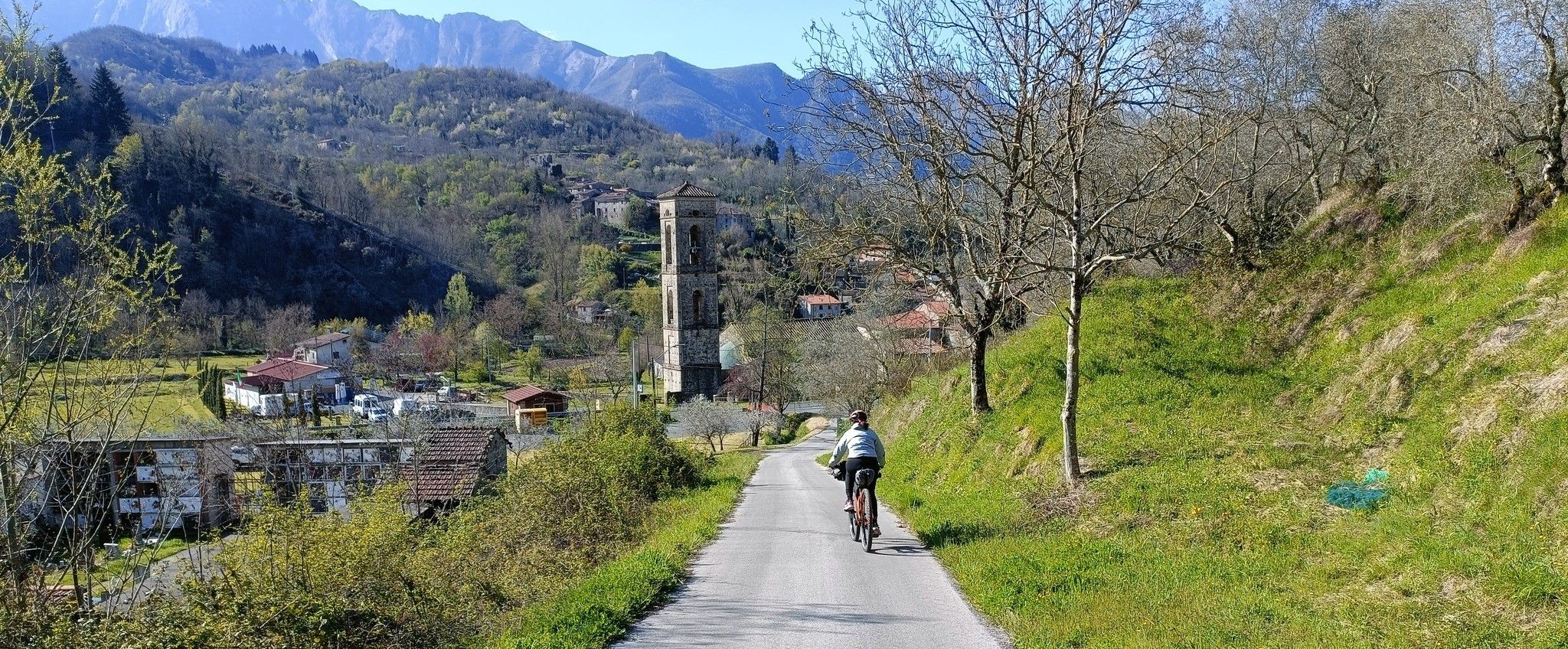
Mediaeval villages and sublime nature – Lunigiana Gravel
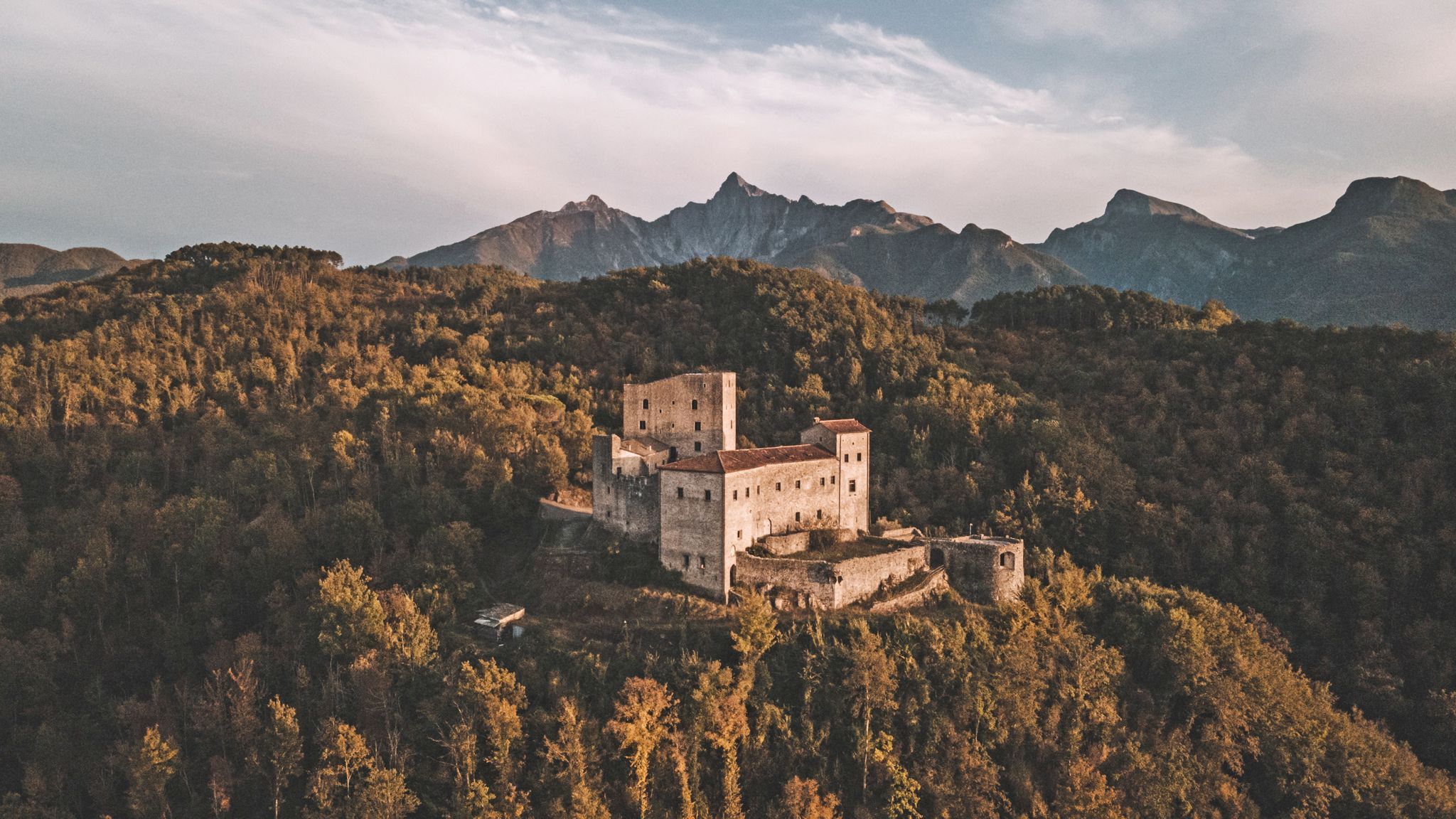
Through history between Lunigiana and Garfagnana – Via del Volto Santo by MTB

The land of 100 castles – Lunigiana Trail MTB
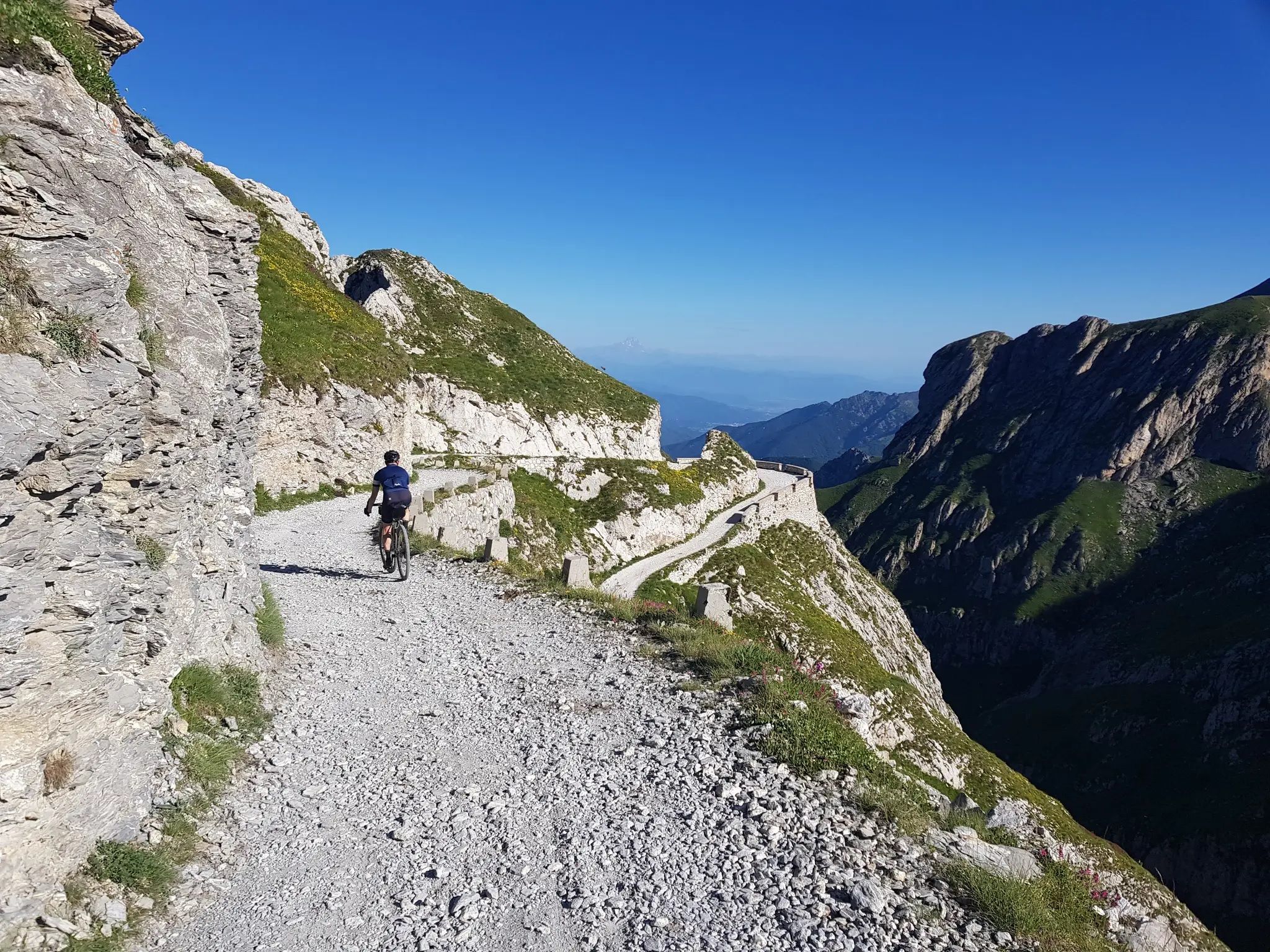
From the boot’s toe to the heel – the most beautiful cycling Tours in Italy
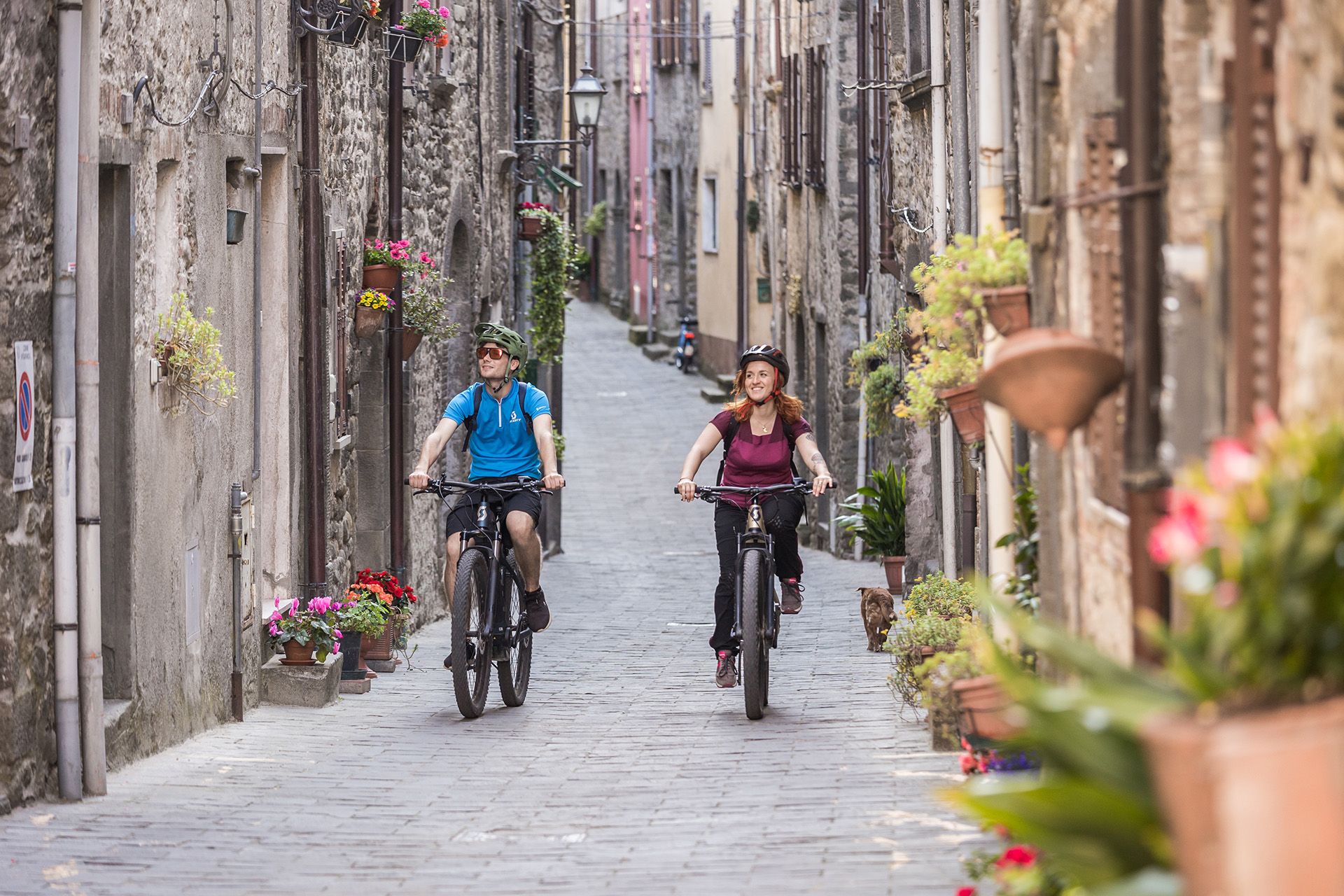
Tuscany by bike — nine Tours for every taste
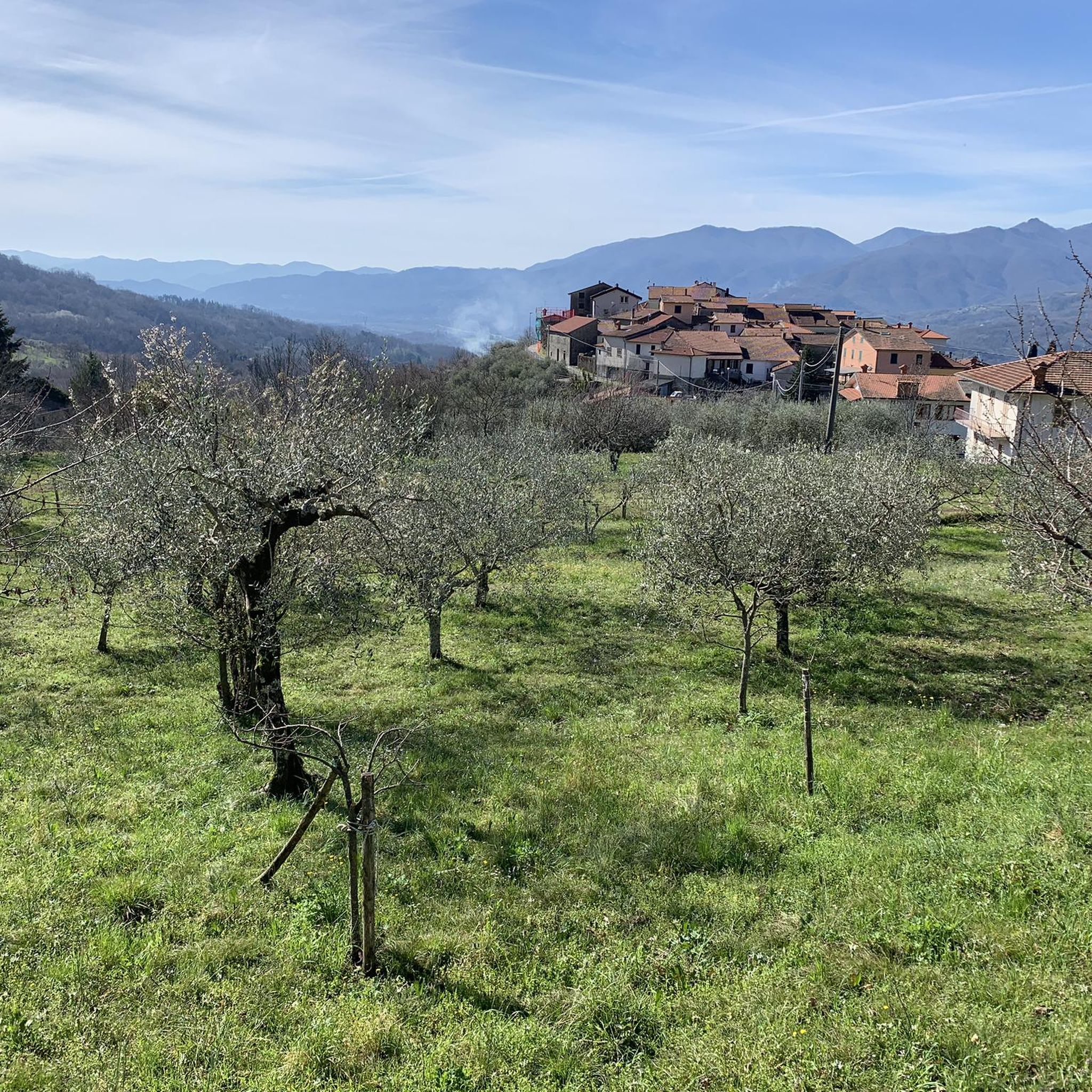
MTB Trails around Pontremoli
Cycling around Pontremoli
Other adventures around Pontremoli


Tips from the Community

The Castello del Piagnaro and the Museum of the Lunigianesi Stele Statues "Augusto Cesare Ambrosi" form one of the most fascinating historical and archaeological complexes in Tuscany. Located in Pontremoli (Massa-Carrara), this millennial site dominates the medieval village and holds a prehistoric enigma unique in Europe.
0
0
The Ponte del Casotto (also historically known as Ponte dei Seratti or Ponte di San Francesco di sotto) is one of the most important and characteristic medieval bridges in Pontremoli, located in the picturesque historical region of Lunigiana. Together with its tower, the structure has represented the official symbol imprinted on the coat of arms of the Municipality for centuries.
0
0
Il Ponte della Crësa is an ancient 14th-century stone bridge located in Pontremoli, Tuscany. It connects the medieval historic village and joins the Sommoborgo area to the Verde stream. It is also known as the San Francesco bridge Built in the 14th century (around 1219 as the original core near the church of San Francesco). Also called the San Francesco di sopra bridge because it leads to the nearby church of San Francesco. It united the ancient parts of the city divided by historical rivalries and served as access to the fortified village
0
0

Ponte della Colombara dating back to the 1400s. Enchanted place among the natural pools of the Magra river
0
0

The Statue Stele are anthropomorphic vertical stone sculptures, of variable size but generally between 2 and 3 meters in height. These mysterious works of art are testimonies to the culture and spirituality of the ancient peoples who inhabited Lunigiana. Their exact function remains a subject of debate among scholars. Some hypothesize that the Statue Stele could represent ancient gods or local deities, while others suggest they could be funerary symbols or commemorative monuments. The carved figures often feature enigmatic and abstract symbols, such as concentric circles, cupules, and linear engravings, which may have religious, astronomical, or ritualistic significance. The understanding of these symbols is still the subject of research and study by archaeologists and experts.
1
0

beautiful among the beech trees
1
0

The Piagnaro Castle is a fortress built in a strategic point to protect the Apennine passes and around which the first medieval nucleus was formed, built around the year 1000. For centuries it has been an integral part of the city's defensive system. In its thousand-year history it has undergone numerous destructions and subsequent reconstructions that have brought it to its current appearance. The Castle maintained its military function until the end of the 18th century. Its name derives from the so-called piagne, the gray sandstone slabs used in Lunigiana to cover the roofs of buildings, including that of the castle.
1
0
The Ponte della Cresa is a stone bridge built in the 14th century and despite the frequent flooding of the Verde river, it has maintained its original structure to this day. The bridge connects the new neighborhoods with the historic center. The bridge is located along the Verde river near Porta San Francesco. Under the arch of this bridge, on January 31, the characteristic fire of San Geminiano takes place. The Ponte della Cresa is considered by many to be the true symbol of the city of Pontremoli. It is also interesting to note that the name Pontremoli derives from the Latin 'Pons Tremulus', which means 'unsafe bridge'. This was a term used to describe the original conurbation of the city.
1
0
Frequently Asked Questions
How many hiking trails are available around Pontremoli?
There are nearly 80 hiking trails around Pontremoli, offering a wide range of options for different skill levels. You'll find everything from easy walks through historic villages to challenging mountain ascents in the Apennines.
What kind of landscapes can I expect to see while hiking in Pontremoli?
Pontremoli's hiking trails traverse incredibly diverse landscapes. You'll encounter the rugged peaks and deep valleys of the Apennine Mountains and Alpi Apuane, lush chestnut forests, and ancient river valleys formed by the Magra and Verde rivers. Notable features include the dramatic Stretti di Giaredo gorge and panoramic views from summits like Monte Gottero Summit.
Are there any family-friendly hiking options in the Pontremoli area?
Yes, Pontremoli offers several easy trails suitable for families. For instance, the Castles of Lunigiana Cycleway is an easy 4.7 km path that provides scenic views of historic castles and the countryside, perfect for a leisurely family outing.
Can I hike with my dog in Pontremoli?
Many trails in the Pontremoli region are dog-friendly, especially those through forests and along river paths. However, it's always recommended to keep your dog on a leash, especially in protected areas or near livestock, and to check specific trail regulations if entering national parks or private lands. Always carry water for your dog and clean up after them.
Are there any waterfalls or significant water features to see on hikes near Pontremoli?
Absolutely. The region is known for its natural water features. The The village and the Piscio di Pracchiola route explores local villages and natural water features, including the Pisciarotta waterfall. The dramatic Stretti di Giaredo gorge, with its towering walls and crystal-clear pools along the Gordana river, is another significant natural attraction.
What historical sites or landmarks can I explore while hiking?
Pontremoli is rich in history. You can hike sections of the ancient Via Francigena, a historic pilgrimage route that passes through the area. The town's own Castello del Piagnaro offers historical insights and panoramic views. Other notable landmarks include Passo della Cisa, a historically significant mountain pass, and the impressive Pontremoli Cathedral.
Are there any circular hiking routes available?
Yes, the diverse terrain around Pontremoli offers many opportunities for circular routes, particularly in the Apennine Mountains. While specific named circular routes aren't listed here, many trails can be combined to form loops, allowing you to return to your starting point without retracing your steps. Komoot's route planner can help you discover and create these.
What is the best time of year for hiking in Pontremoli?
The best time for hiking in Pontremoli is typically from spring to autumn (April to October). During these months, the weather is generally pleasant, and the trails are accessible. Spring brings blooming wildflowers, while autumn offers vibrant foliage in the chestnut forests. Summer can be warm, especially in the valleys, but higher elevations provide cooler temperatures.
What do other hikers say about the trails in Pontremoli?
The hiking routes in Pontremoli are highly rated by the komoot community, with an average score of 4.5 stars from nearly 250 reviews. Hikers often praise the region's diverse landscapes, from the challenging mountain paths to the serene forest trails, and appreciate the historical context provided by routes like the Via Francigena.
Are there any longer, more challenging hikes for experienced trekkers?
Yes, for experienced trekkers, Pontremoli serves as a gateway to the Tuscan-Emilian Apennine National Park, offering extensive and challenging ridge paths. Routes like From Rocca Sigillina to Passo del Cirone (via Trail 128) and Great Apennine Excursion: Passo della Cisa - Passo del Brattello provide moderate to difficult terrain with significant elevation changes, perfect for those seeking a greater challenge.
Is public transport available to reach hiking trailheads near Pontremoli?
Pontremoli is a regional hub, and while some trailheads might be accessible by local bus services, direct public transport to all remote trailheads can be limited. It's advisable to check local bus schedules in advance or consider using a car to reach more secluded starting points. The town itself is well-connected by train.
Where can I find parking for hiking trails in Pontremoli?
Parking is generally available in or near Pontremoli's town center, often with designated parking areas for visitors. For trailheads outside the town, smaller parking spots or roadside parking might be available, especially near popular starting points or villages. Always ensure you park legally and respectfully, avoiding blocking local access.
Most popular routes around Pontremoli
Most popular attractions around Pontremoli

Get inspired with the komoot mobile app


Explore more
Browse the best Hikes in other regions.
