Attractions and Places To See around Chiavenna - Top 20
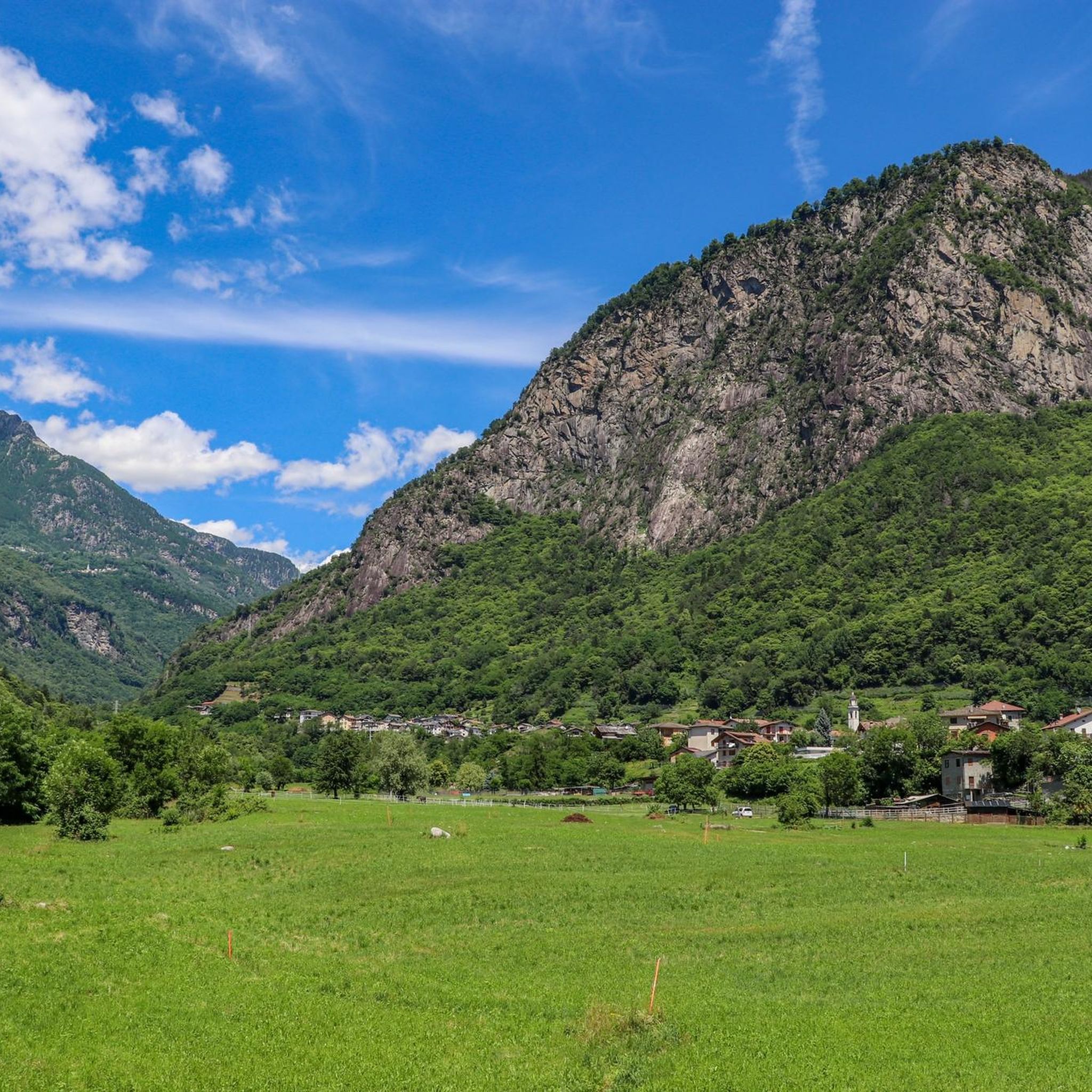
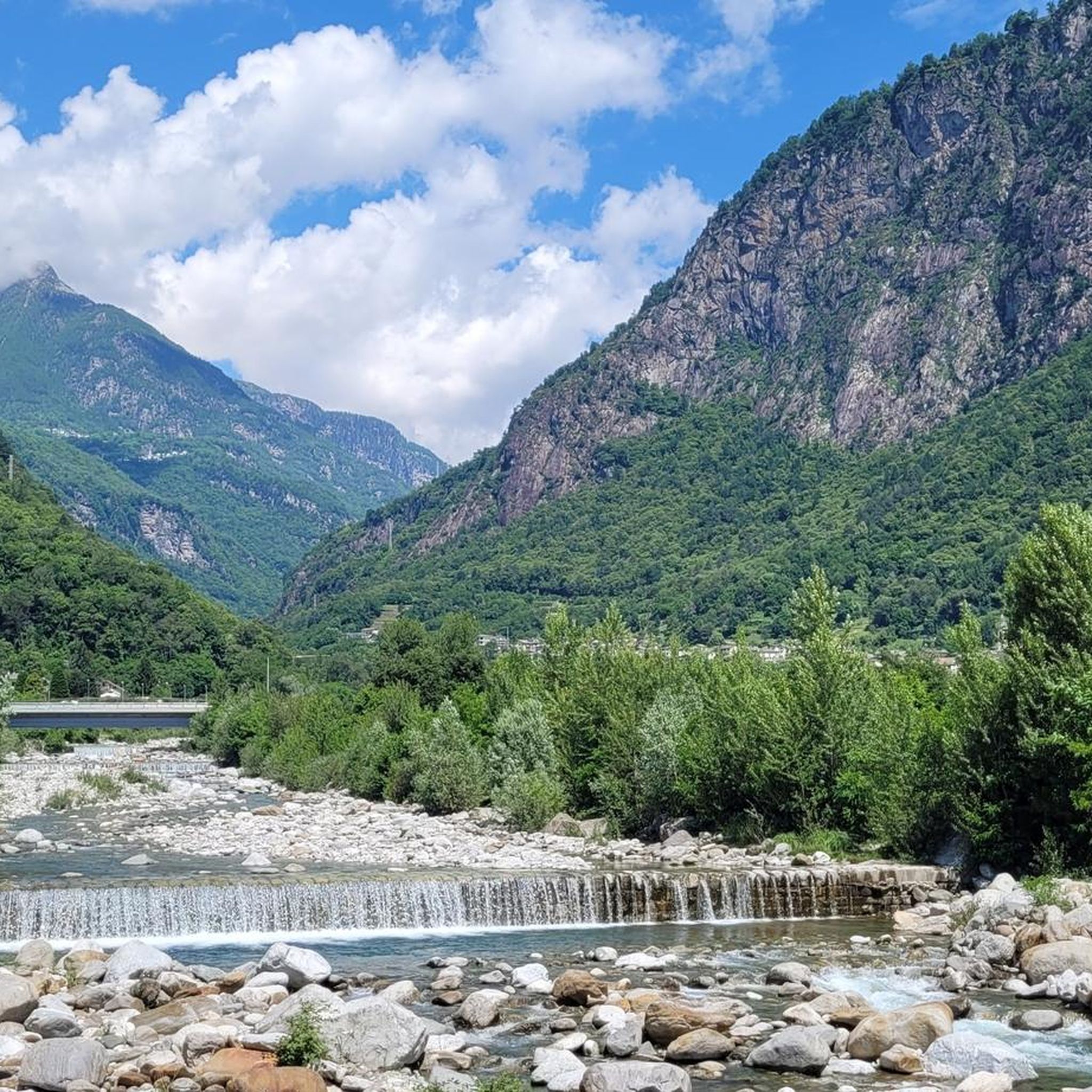
Attractions and places to see around Chiavenna include a rich blend of historical, cultural, and natural features. This charming town is nestled in the Lombardy region of Italy near the Swiss border, strategically located at the crossroads of ancient Alpine trade routes where the Liro and Mera rivers meet. The area is recognized for its peaceful atmosphere and its unique geomorphological features, including glacial formations and natural caves. Chiavenna serves as an excellent base for exploring the surrounding Valchiavenna region.
Best attractions and places to see around Chiavenna
- The most popular attraction is Soglio, a settlement that features stone-paved alleys and historical buildings like the church of San Lorenzo and Palazzo Salis. It is recognized for its well-preserved architecture and scenic location in the Bregaglia Valley.
- Another must-see spot is Savogno — Historic Village, a historical settlement accessible via a long staircase. Visitors can expect stone and wood houses with stone roofs, offering a glimpse into medieval village life.
- Visitors also love Porta di Santa Maria, Chiavenna, a historical site marking a city gate built in 1741. This monument reflects Chiavenna's rich history as a significant trade hub with central Europe.
- Chiavenna is known for its historical sites, natural waterfalls, and traditional villages. The region offers a variety of attractions to see and explore, from ancient churches to unique geological formations.
- The attractions around Chiavenna are appreciated by the komoot community, with more than 200 upvotes and over 100 photos shared by visitors.
Last updated: October 9, 2026
Soglio
Highlight • Settlement
Also noteworthy is Palazzo Salis and a restaurant with typical food.
Translated by Google •
Tip by

Savogno — Historic Village
Highlight • Settlement
The town was inhabited until the 1960s as an important transit point towards the Val di Lei, but with the progressive exodus towards the towns of the valley, it became almost uninhabited. Of the 400 original inhabitants, the last one abandoned the town in 1968. Currently, in addition to the managers of the refuge, only a few families return from time to time to their original home.
To reach Savogno there is no road, but a long staircase that climbs between the chestnut trees on the rugged side of the mountain. You go up for about ten minutes, always staying in the woods, in sight of the stream. A mule track then deviates towards the east and leads to a large, steeply sloping deforested space where minute vine terraces and meadows invaded by brambles surround numerous huts, partly built of wood. Traces of previous intensive agricultural use become increasingly evident as you climb the steep slope above the houses.
Translated by Google •
Tip by

Sign up now to discover places like this
Get recommendations on the best single tracks, peaks, & plenty of other exciting outdoor places.
Porta di Santa Maria, Chiavenna
Highlight • Historical Site
Located at the intersection of the Bergell and the Val San Giacomo, Chiavenna (formerly German Cläven, Kleven) is the center of the Valchiavenna, which together with the Valtellina makes up the present-day Italian province of Sondrio. Chiavenna, mentioned in the Itinerarium Antonini and in the Peutinger Table as Clavenna, was conquered by Augustus' troops in 16 BC and connected to Chur by two roads - one over the Splügen Pass, the other over the Septimer, Maloja and Julier Pass. The county probably came into being in the 10th century, at the beginning of the reign of Otto I, who in 960 assigned the Bergell from Villa upwards to the diocese of Chur and thus drew the border line between Italy and Switzerland that is still valid today.
Text / Source: Historical Dictionary of Switzerland (HLS)
hls-dhs-dss.ch/de/articles/007043/2015-05-07
Translated by Google •
Tip by

Acqua Fraggia Waterfalls
Highlight • Waterfall
valchiavenna.com/it/itinerari/Cascate-Acquafraggia.html
Translated by Google •
Tip by

Collegiate Church of St. Lawrence
Highlight • Religious Site
Translated by Google •
Tip by

Sign up for free to discover even more attractions around Chiavenna.
Already have an account?
Start today with a free account
Your next adventure awaits.
Popular around Chiavenna
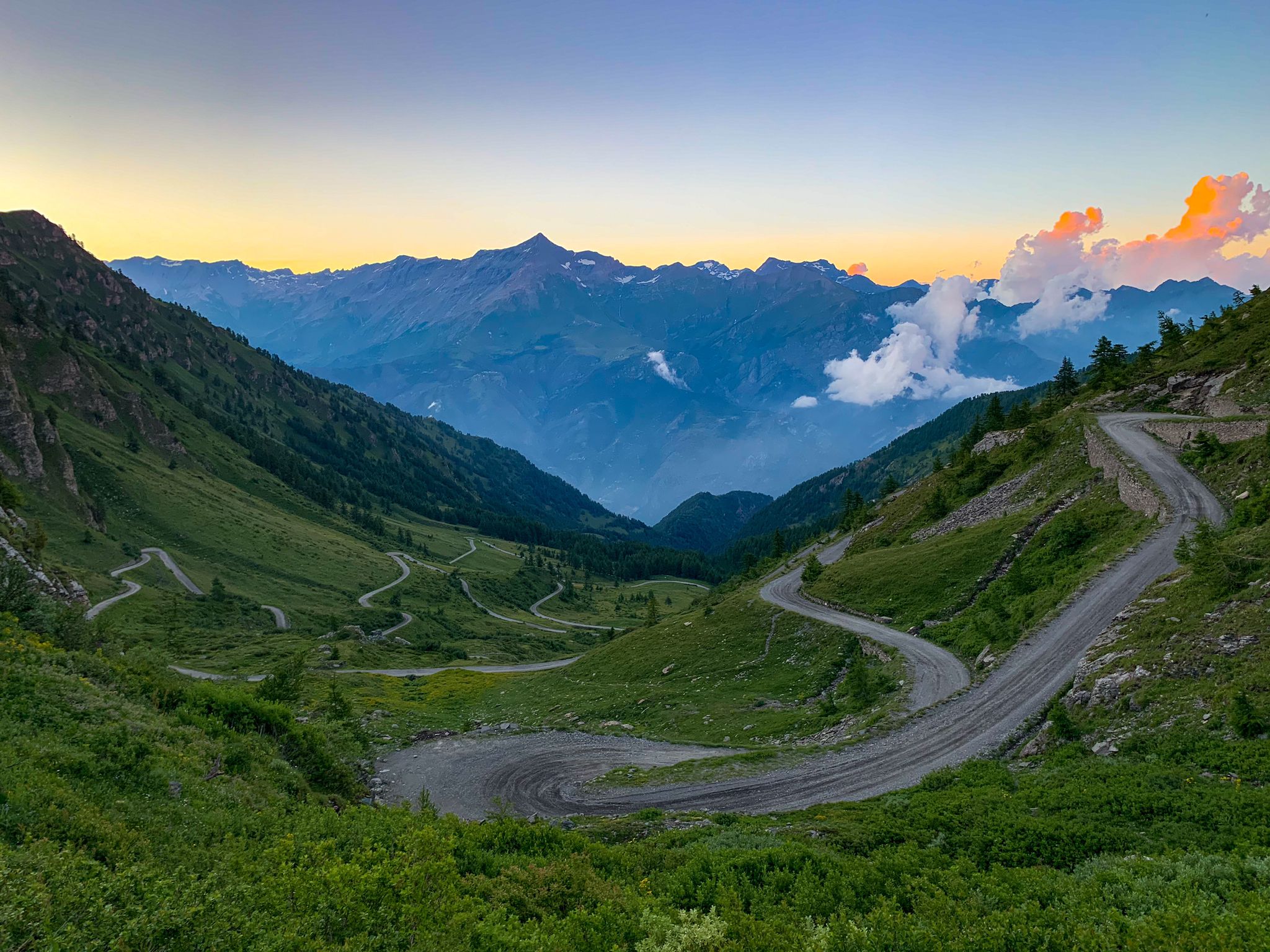
Chasing the sun across the Alps — unsupported solo
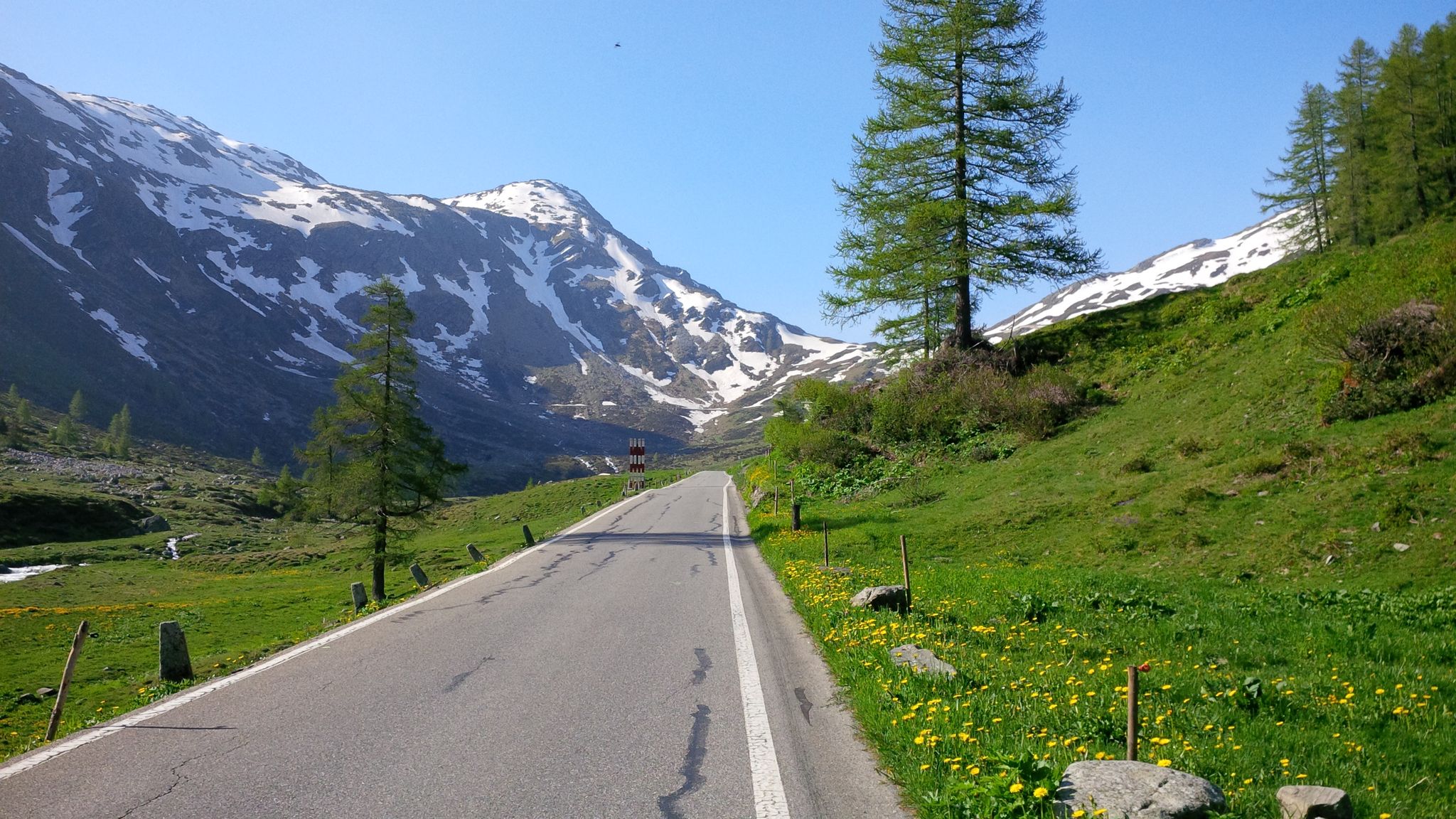
Effort tastes sweet – the most beautiful climbs in Italy’s Valchiavenna
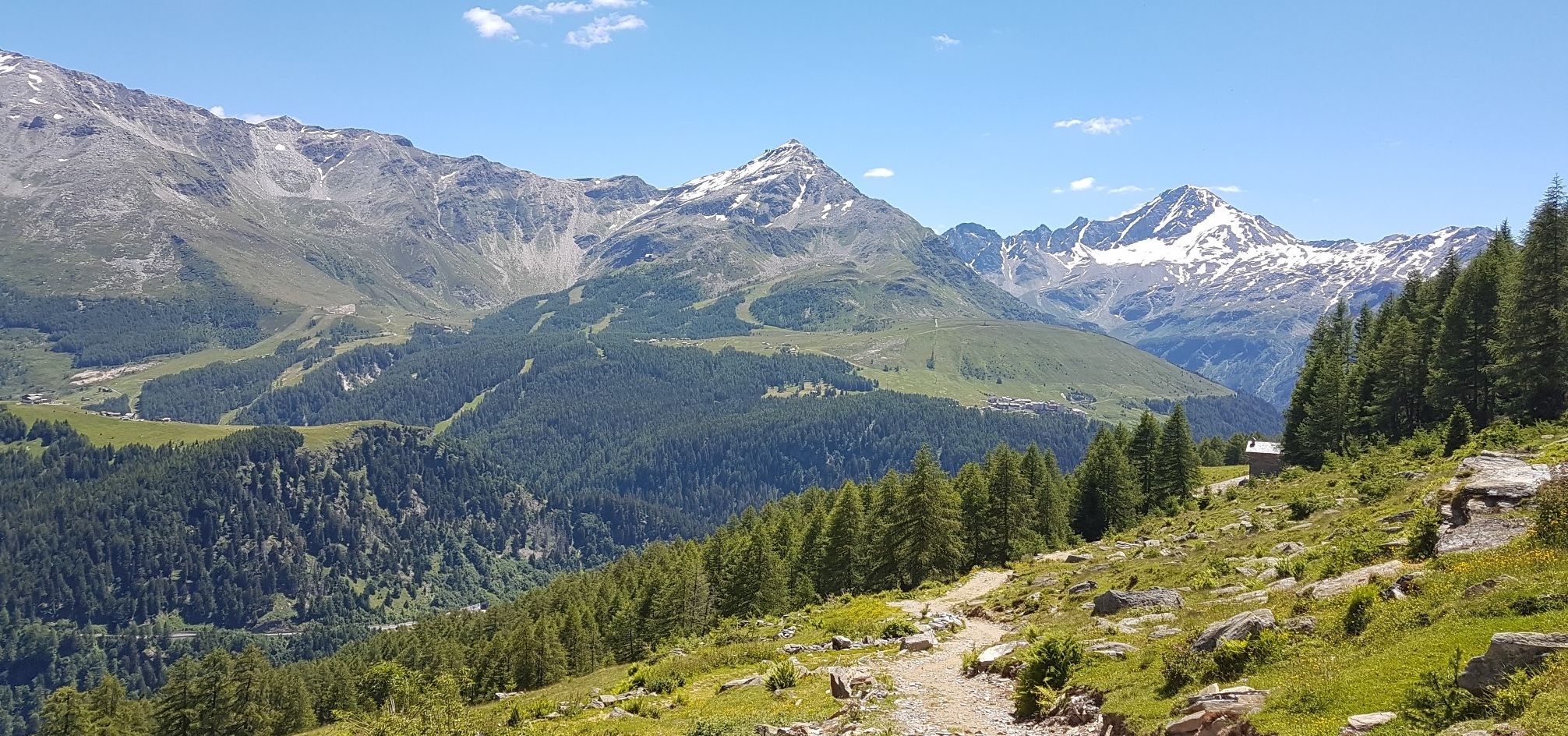
On Valchiavenna’s dirt roads – Gravel Marathon in Valle Spluga
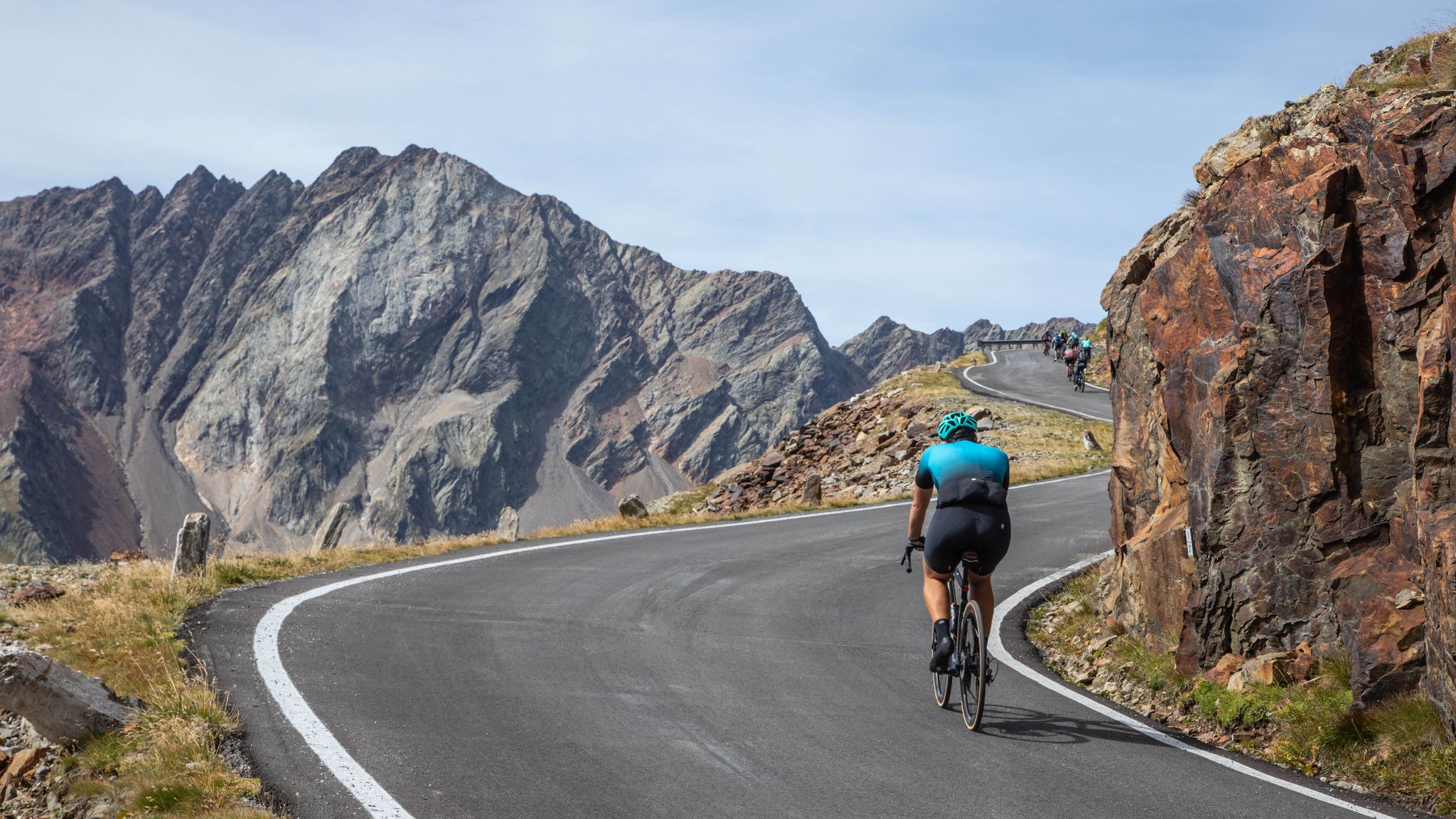
Valtellina: i grandi passi alpini
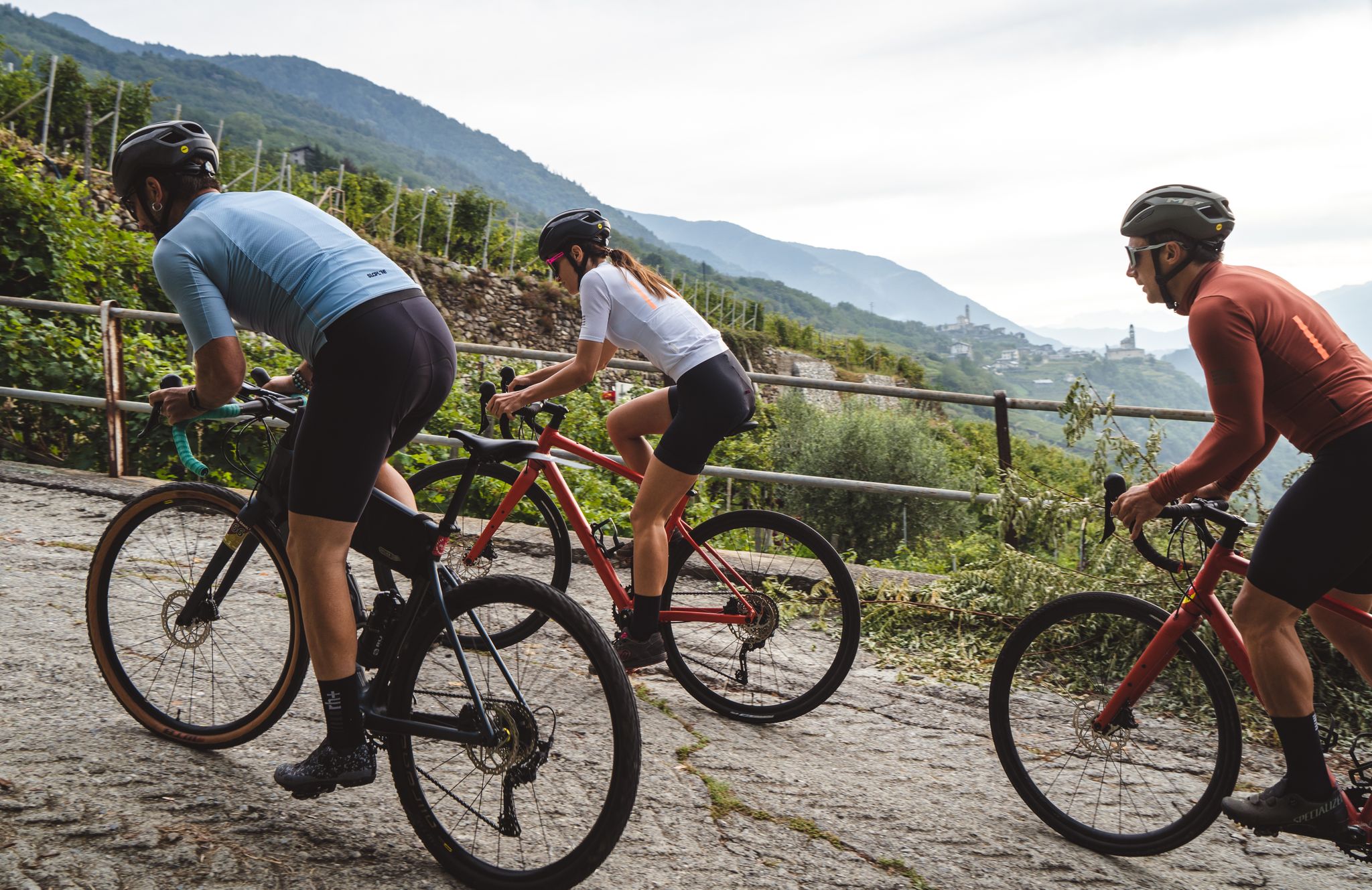
Valtellina: ai confini del Gravel
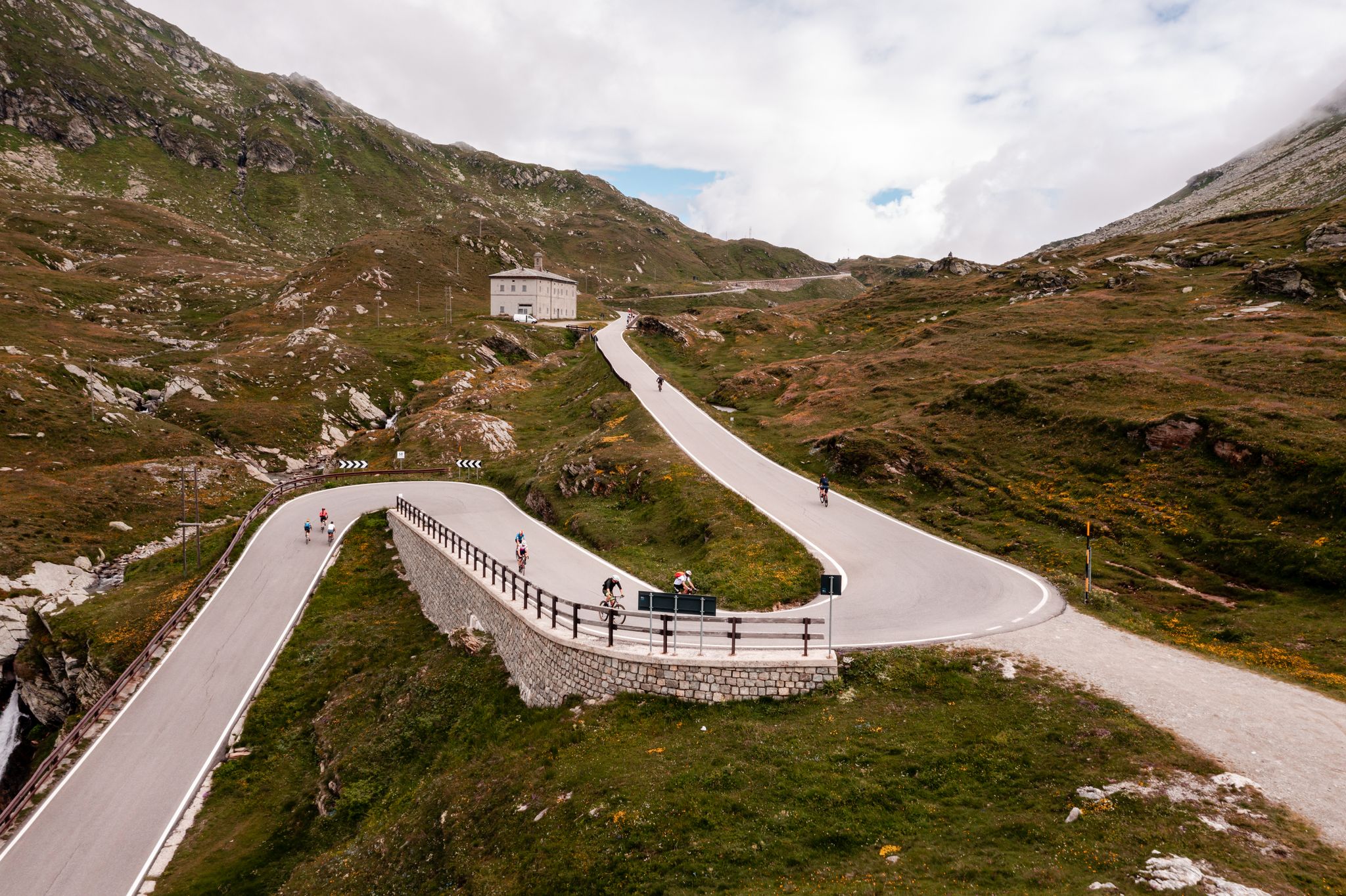
Passi alpini e tornanti a non finire – Tour BDC epici da Chiavenna
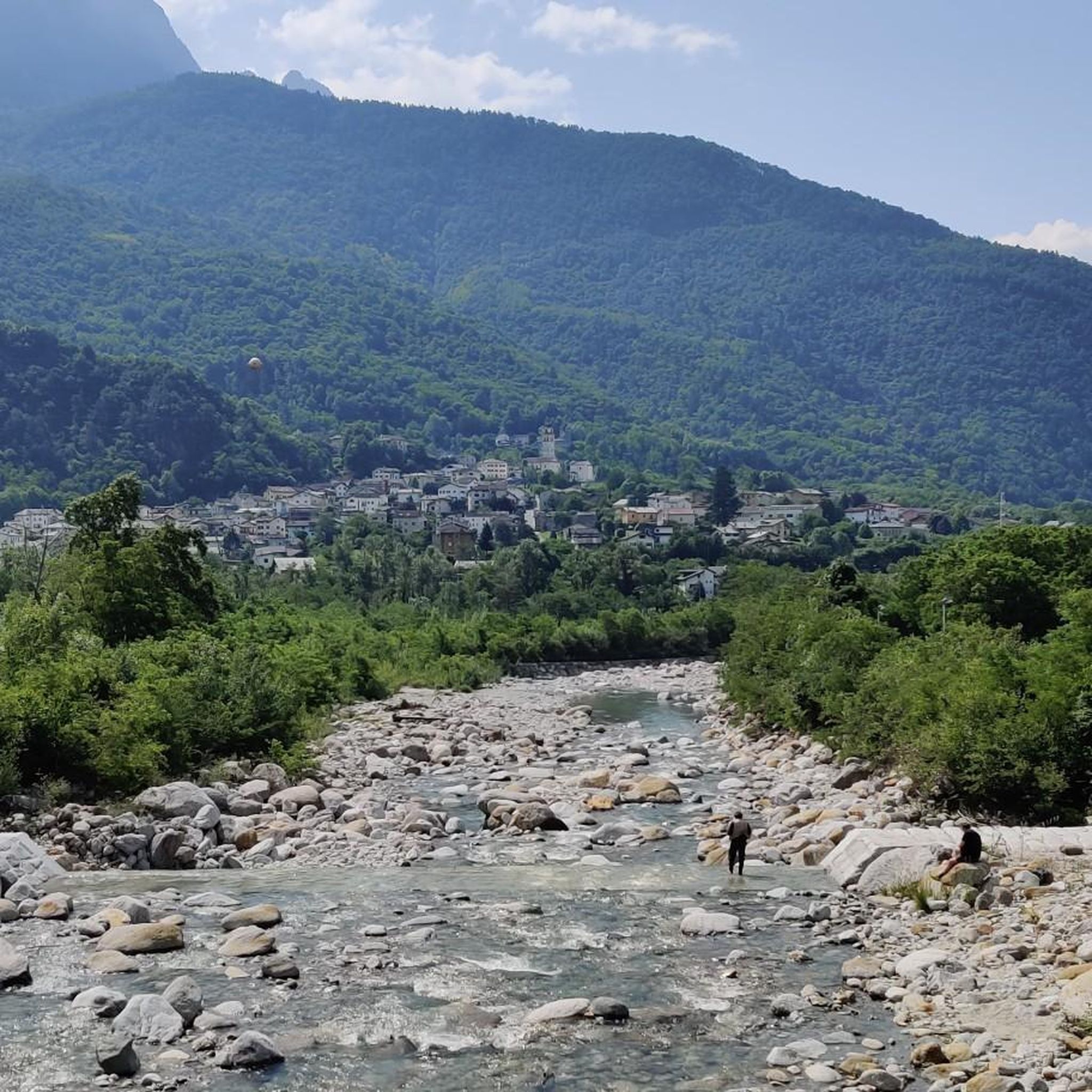
Cycling around Chiavenna
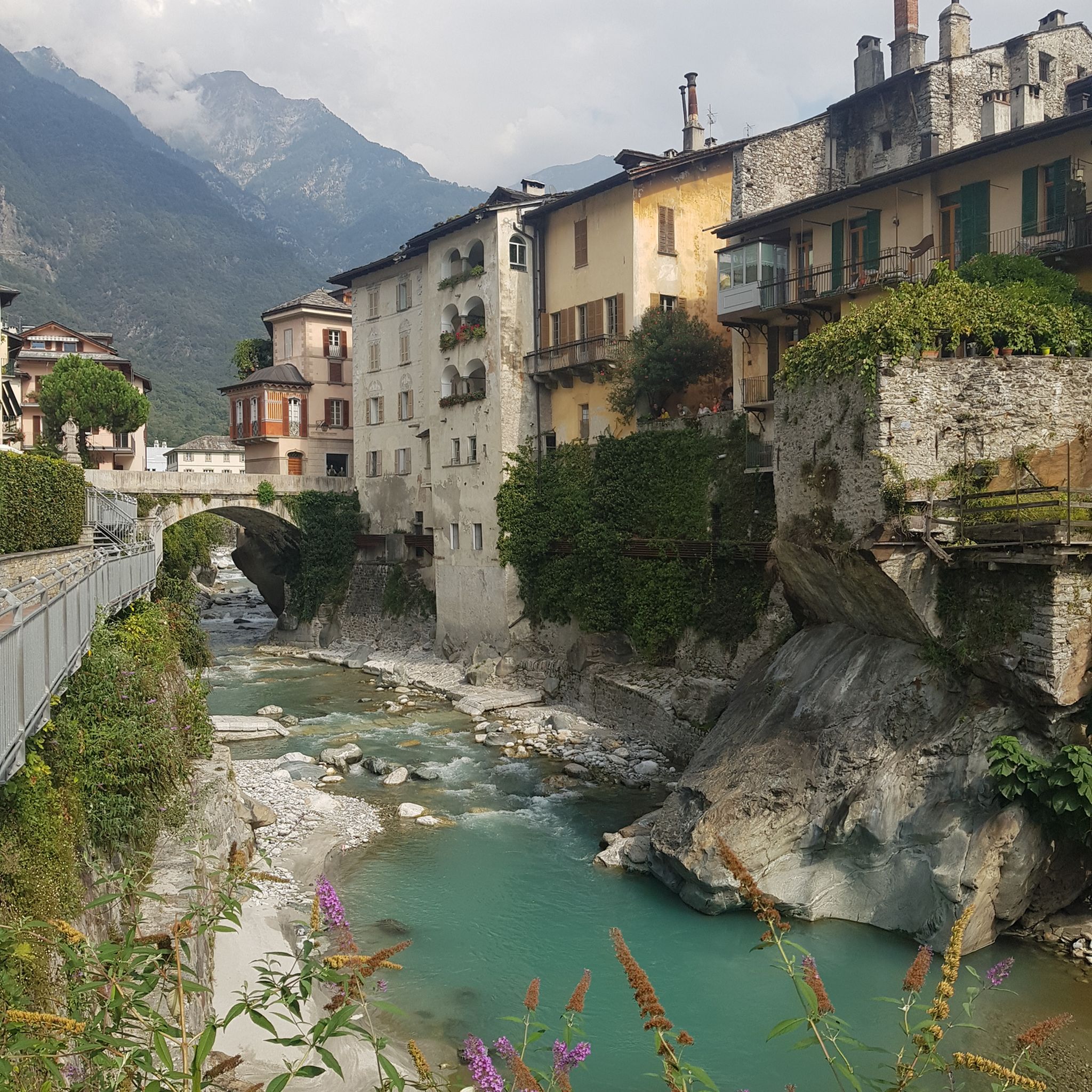
Hiking around Chiavenna
Road Cycling Routes around Chiavenna
MTB Trails around Chiavenna
Other adventures around Chiavenna


Tips from the Community

great place...a must I find
0
0

A true insider tip! The guide who welcomes visitors is extremely friendly and competent. An absolute must when visiting Chiavenna. The flair of Chiavenna is wonderful.
2
0
Beautiful campanile with a special baptistery and Romanesque baptismal font.
2
0

Portone di Santa Maria, Chiavenna since 1741 City gate (Portone), which was built in 1741 in honor of the Graubünden commissioner Ercole Salis Text / Source: wikivoyage.org https://de.wikivoyage.org/wiki/Chiavenna
10
0
Chiavenna Located at the intersection of the Bergell and the Val San Giacomo, Chiavenna (formerly German Cläven, Kleven) is the center of the Valchiavenna, which together with the Valtellina makes up the present-day Italian province of Sondrio. Chiavenna, mentioned in the Itinerarium Antonini and in the Peutinger Table as Clavenna, was conquered by Augustus' troops in 16 BC and connected to Chur by two roads - one over the Splügen Pass, the other over the Septimer, Maloja and Julier Pass. The county probably came into being in the 10th century, at the beginning of the reign of Otto I, who in 960 assigned the Bergell from Villa upwards to the diocese of Chur and thus drew the border line between Italy and Switzerland that is still valid today. Text / Source: Historical Dictionary of Switzerland (HLS) https://hls-dhs-dss.ch/de/articles/007043/2015-05-07/
12
0
Collegiata San Lorenzo – Chiavenna The Collegiate Church of San Lorenzo It is believed that in the fifth century the first Christian church in Chiavenna was built in connection with the evangelization of the area, but it was not until the ninth century, with the organization of parish churches in Carolingian times, that a larger and more functional building was built. Already in 973 the church was dedicated to the protomartyr San Lorenzo. In 1042 it was mentioned in documents as a parish church and in 1098 it was called a basilica. The first priest appears in 992 and in 1016 he is called archpriest. Already in 1107 important extension works are documented on the church, which was restored in 1176 and 1179. At the turn of the twelfth and thirteenth centuries a pronaos appears in front of the main entrance. In 1172 the bell tower, which was located in front of the left aisle, is mentioned for the first time. It was rebuilt between 1597 and 1603 in front of the main gate. In 1537 the oak timber-framed roof burned down, so the following year the vaults were demolished and the building raised. In 1698-99 the portico was added to the façade, which until then had retained its original features, and was built to protect the cemetery, but also for processions and to house noble tombs. On the side facing the church, it is worth mentioning a high relief depicting the Pietà, made in soapstone in May 1433 by Guglielmo de Catello and coming from the church of San Bartolomeo. To allow passage through the portico, the octagonal Romanesque church that housed the baptismal font was destroyed and rebuilt in the same shape but higher and further back, thus reusing the old monolithic soapstone basin with sculptures dating back to 1156. Text / Source: Museo del Tesoro - Piazza Don Pietro Bormetti 3 - 23022 Chiavenna https://www.museodeltesorochiavenna.it/la-collegiata-di-san-lorenzo/
10
0

Chiavenna is a particularly charming town - not only as a destination - the journey there is an experience
2
0

Frequently Asked Questions
What historical sites can I explore in Chiavenna?
Chiavenna offers a rich history. Beyond the prominent Porta di Santa Maria, you can visit the ancient Collegiate Church of St. Lawrence, which dates back to the 10th century and features a Romanesque baptismal font from 1156. The town's historic center, with its narrow cobbled streets and Renaissance buildings, is also a delight to explore.
Where can I learn about Chiavenna's cultural heritage?
To delve into Chiavenna's cultural heritage, visit the Museo del Tesoro, located next to the Collegiate Church of San Lorenzo. It houses a significant collection of religious artifacts, including the 11th-century 'Pace di Chiavenna,' a masterpiece of medieval goldsmithing. Additionally, the 16th-century Palazzo Vertemate Franchi, just outside Chiavenna in Piuro, offers a glimpse into the wealth and artistry of the era with its frescoes and original furnishings.
What are 'Crotti' and can I visit them in Chiavenna?
Crotti are natural caves formed in ancient landslides that maintain a constant cool temperature, ideal for aging cheese, wine, and cured meats. Many have been converted into traditional restaurants and taverns, offering a unique culinary experience with local specialties. Visiting a Crotto is a quintessential Chiavenna experience.
Are there any well-preserved historic villages near Chiavenna?
Yes, two notable historic villages are easily accessible. Soglio, recognized as one of Switzerland's most beautiful villages, features stone-paved alleys and historical buildings like Palazzo Salis. Another is Savogno — Historic Village, a settlement accessible via a long staircase, known for its stone and wood houses with stone roofs, offering a unique look into medieval village life.
What natural attractions are there to see around Chiavenna?
The region boasts impressive natural beauty. The Acqua Fraggia Waterfalls, admired by Leonardo da Vinci, cascade 170 meters and offer a specially equipped path to hike to the top. You can also explore the Parco delle Marmitte dei Giganti, a natural reserve with fascinating geomorphological features like deep cylindrical holes carved by glacial water.
Are there opportunities for hiking or walking near Chiavenna?
Absolutely. The Valchiavenna region is excellent for hiking. You can find various running trails, from moderate to difficult, such as the 'Prosto Village and Clock Tower loop' or the 'Chiavenna – Balbiani Palace loop'. For more options, explore the Running Trails around Chiavenna guide.
Can I go cycling in the Chiavenna region?
Yes, cycling is a popular way to explore the area. The Valchiavenna Cycle Path offers a sustainable route through beautiful landscapes. You can find various cycling routes, including the 'View of Lake Mezzola loop' or the 'Historic center of Chiavenna – Collegiate Church of St. Lawrence loop'. For detailed routes, check the Cycling around Chiavenna guide.
Are there any scenic viewpoints in the Valchiavenna area?
Many attractions in the region offer stunning views. The village of Soglio provides panoramic vistas of the Bregaglia Valley. Additionally, the Parco del Paradiso, an archaeological and botanical garden, includes the hills of Paradise and the Belvedere, offering both historical interest and enchanting natural views.
What activities are suitable for families with children in Chiavenna?
Chiavenna offers several family-friendly options. The Acqua Fraggia Waterfalls are a great natural attraction for all ages, with paths suitable for exploration. The Porta di Santa Maria is an accessible historical site. Exploring the Old Town's charming streets and enjoying local treats at a Crotto can also be fun for families.
What is the best time of year to visit Chiavenna for outdoor activities?
The spring, summer, and early autumn months (roughly April to October) are generally best for outdoor activities in Chiavenna. During these periods, the weather is milder, making it ideal for hiking, cycling, and exploring natural attractions like the Acquafraggia Waterfalls and the Parco delle Marmitte dei Giganti. Summer offers warmer temperatures for longer days of exploration.
Are there opportunities for gravel biking around Chiavenna?
Yes, the Valchiavenna region is well-suited for gravel biking, offering diverse terrain and scenic routes. You can find challenging routes like the 'Medium Route "Montespluga"' or the 'Extreme Route "Pian dei Cavalli"'. For more options and detailed maps, refer to the Gravel biking around Chiavenna guide.
What unique geological features can I explore near Chiavenna?
The Parco delle Marmitte dei Giganti is a must-see for unique geological features. This natural reserve showcases fascinating 'pots of the giants' – deep cylindrical holes carved into the rock by the erosive force of water during the last glaciation. It's an area of significant environmental importance and also features ancient rock carvings.
Most popular routes around Chiavenna
Most popular attractions around Chiavenna

Get inspired with the komoot mobile app


Explore more
Still not found the Highlight you’re looking for? See guides of the top attractions in other regions:
