The best road cycling routes around Busnago
4.4
(327)
11,565
riders
172
rides
Road cycling around Busnago is characterized by the flat to gently undulating terrain of the Lombardy plain, featuring agricultural fields and green spaces. The region offers access to the Naviglio Martesana Cycle Path, a well-regarded route along the Adda River. This landscape provides conditions for steady-paced rides with minimal elevation changes.
Best road cycling routes around Busnago
- The most popular road cycling route is Canale Muzza – Bridge over the Muzza loop from Trezzano Rosa, a 29.5 miles (47.5…
Last updated: July 3, 2026
4.5
(8)
163
riders
47.5km
01:50
110m
110m
Easy road ride. Great for any fitness level. Mostly well-paved surfaces and easy to ride.
103
riders
Moderate road ride. Good fitness required. Mostly well-paved surfaces and easy to ride.

Sign up for free
5.0
(3)
90
riders
52.3km
02:24
420m
420m
Moderate road ride. Good fitness required. Some segments of this route may be unpaved and difficult to ride.
4.0
(6)
70
riders
Moderate road ride. Great for any fitness level. Some segments of this route may be unpaved and difficult to ride.
4.0
(2)
58
riders
Moderate road ride. Good fitness required. Mostly well-paved surfaces and easy to ride.
Get access to more routes and recommendations from other explorers.
Sign up for free
Already have an account?
Our route recommendations are based on thousands of hikes, rides, and runs completed by other people on komoot.
Start today with a free account
Your next adventure awaits.
Login or Signup

Tips from the Community

Ponte San Michele (also known as Ponte di Paderno or Ponte Röthlisberger) is a masterpiece of industrial archaeology from the late 19th century, located in Lombardy, which spans a deep gorge of the Adda river, connecting the municipalities of Paderno d'Adda (Lecco) and Calusco d'Adda (Bergamo). It was inaugurated in 1889. It was calculated by the Swiss engineer Jules Röthlisberger and built by the Società Nazionale Officine di Savigliano. It has an overall length of 266 meters and rises a good 85 meters above the river level. It is a single-arch bridge entirely in iron, riveted and without welds, built in the same historical period as the Eiffel Tower.
0
0
The bridge over the Muzza Canal, located in Lavagna (a hamlet of the municipality of Comazzo in the province of Lodi), is a historical landmark for crossing this ancient artificial waterway. The Muzza is a branch of the Adda river, known for being one of the oldest canals in Europe. Lavagna Lodigiana is a small rural village immersed in the countryside that develops right next to the canal. The bridge area is frequented by cyclists and hikers who travel along the Muzza cycle path or the Muzza-Ponte di Lavagna route, enjoying the river landscape.
0
0
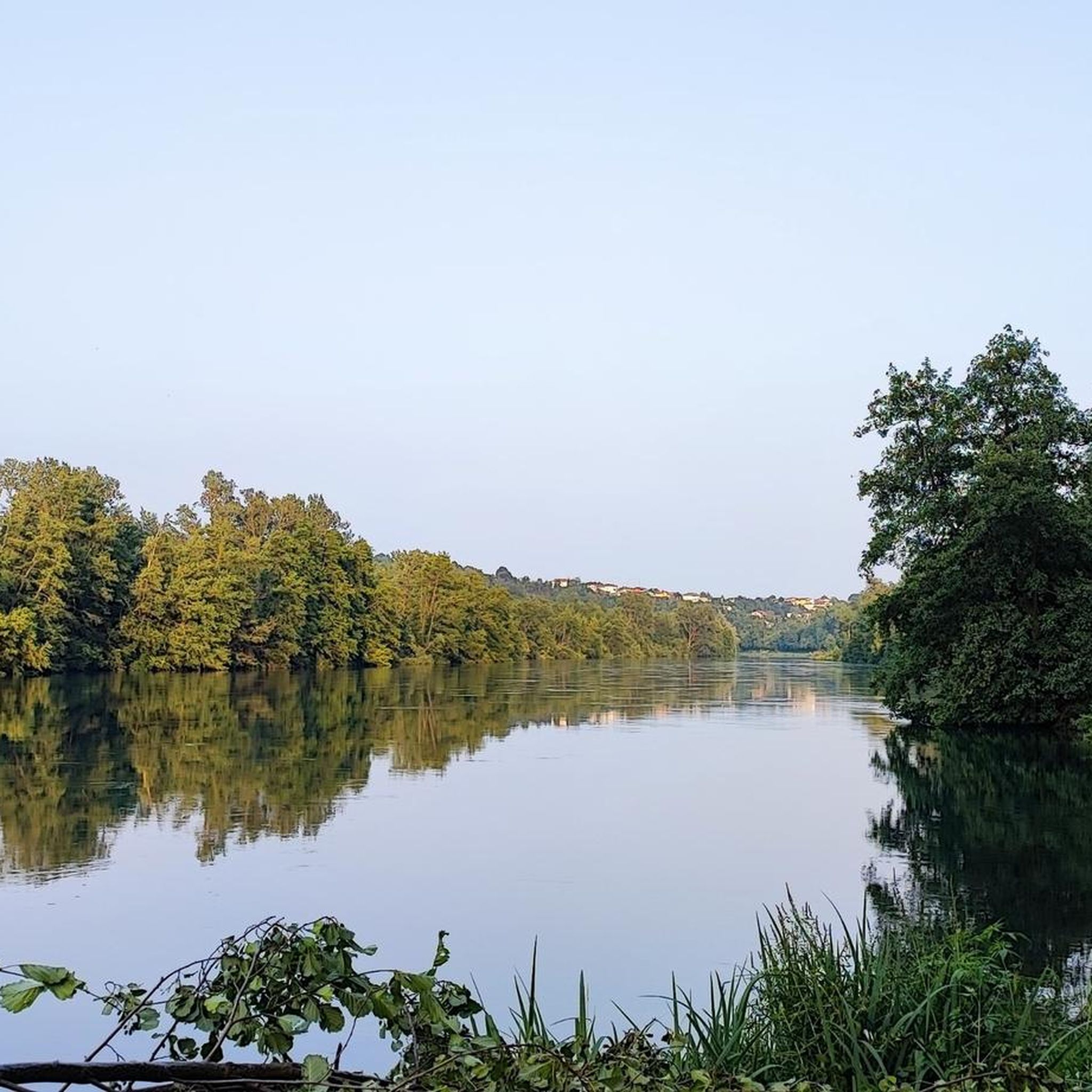
The Muzza Canal is one of the most important and oldest hydraulic engineering works in Europe. It is a large artificial branch of the Adda river that crosses the Lombard plain. For centuries, it has represented the main resource for irrigating the lands of the province of Lodi and southern Milan. It originates in Cassano d'Adda (Milan), drawing water directly from the Adda near the Visconti castle. It ends its course after about 39-40 kilometers (over 60 km considering the entire main network), rejoining the Adda at Castiglione d'Adda (Lodi).
0
0

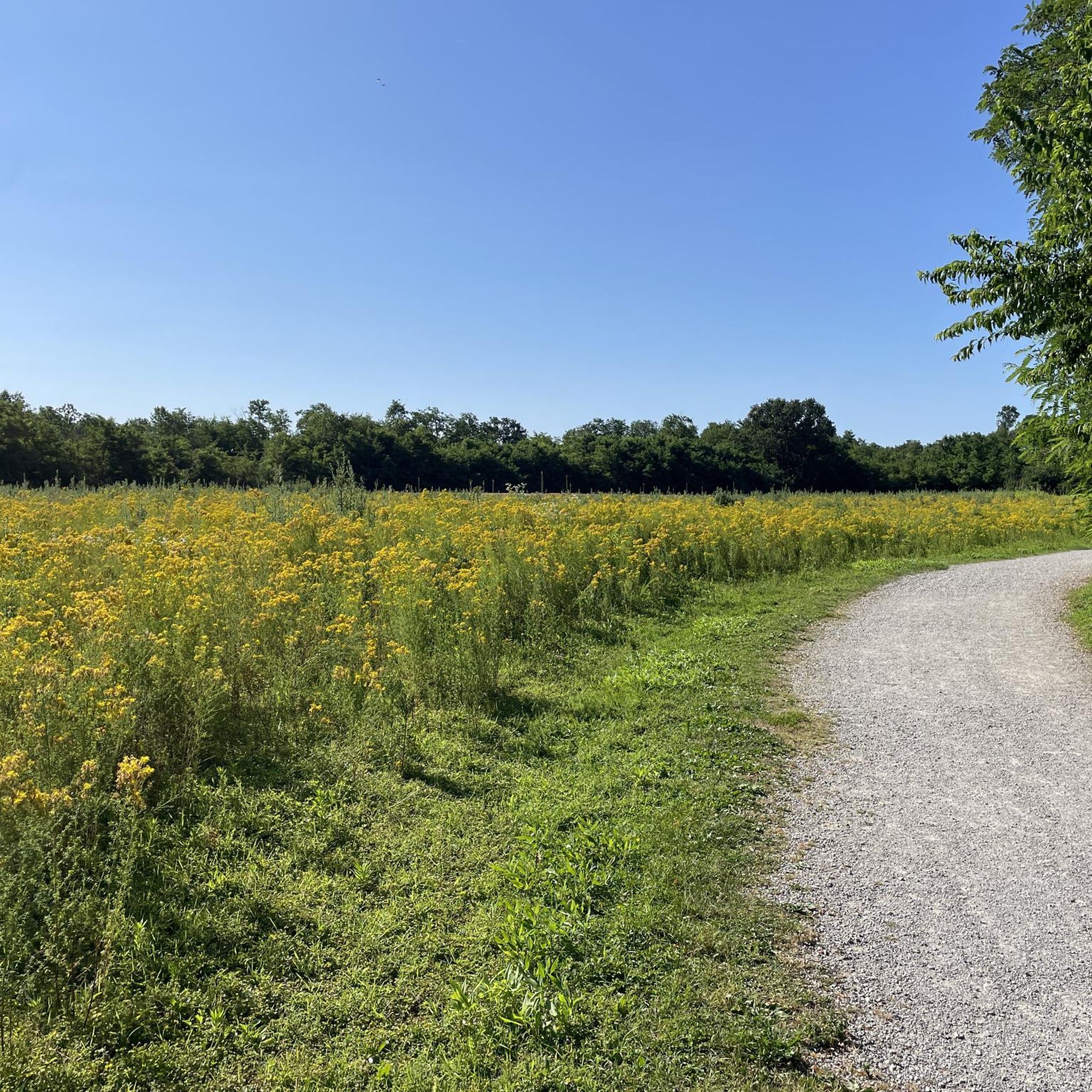
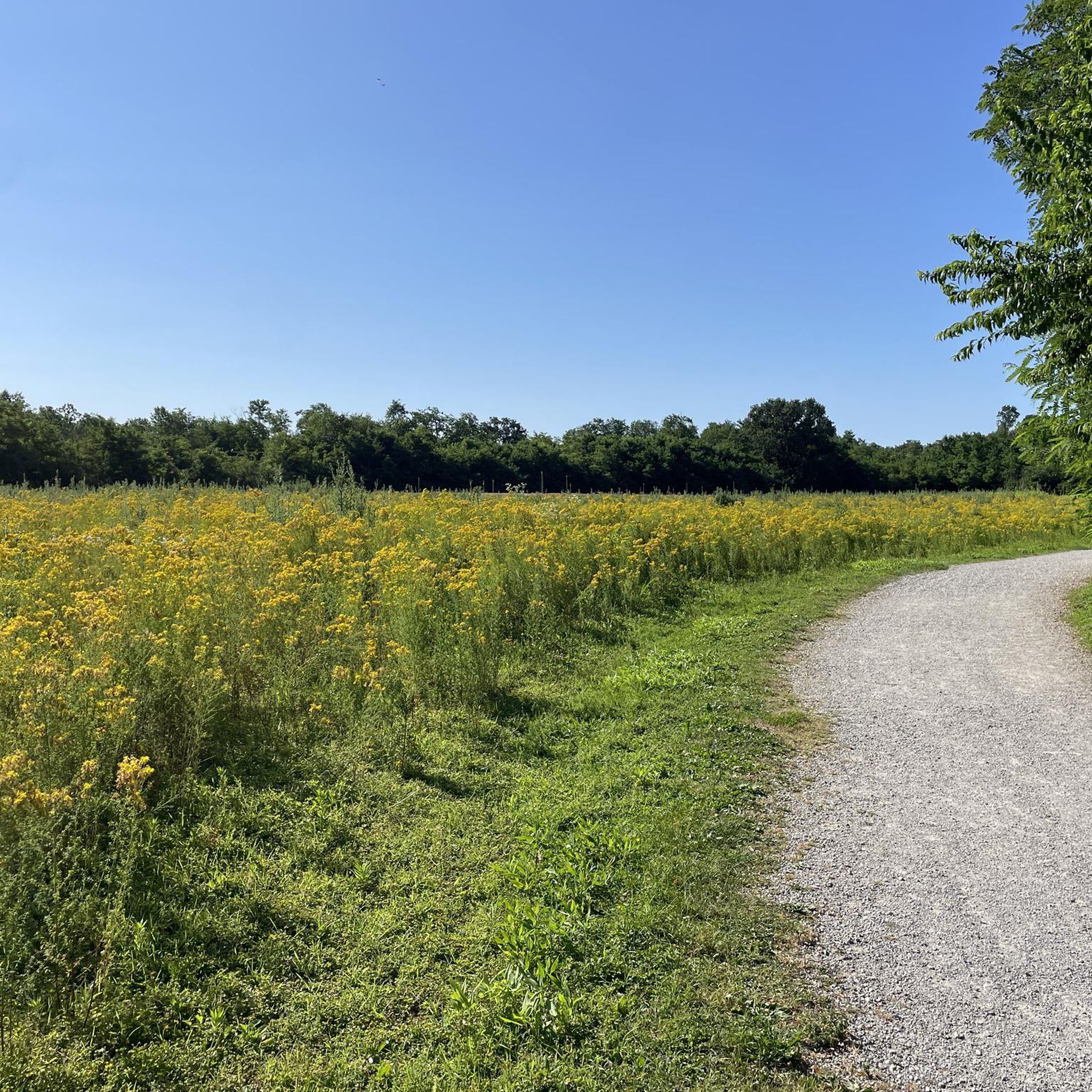
Unique wildlife oasis, perhaps the last of all ecosystems in urbanized areas. An environment to be respected and carefully maintained. I think of the devastation that routes D and C of the foothill highway will cause. Let's stop useless works and preserve what our territory still offers us.
0
0

The Muzza Canal is the oldest in Europe and this year, its 800th anniversary was celebrated by the Municipality of Paullo in collaboration with the Pro Loco and other Municipalities. Its origin dates back to the year 1220, when Frederick II of Swabia, crowned emperor of the Holy Roman Empire, issued an imperial edict that granted the people of Lodi the right to use the waters flowing through their territory. The current route, about 60 km long, receives the waters of the Adda at Cassano d’Adda, at an altitude of 120 m above sea level, crosses the Lodi territory for about 40 km up to near Castiglione d’Adda, at an altitude of 45 m above sea level, and here it releases them back into the Adda. It has a regulated water regime, with a flow rate, depending on the seasons, of about 200,000 liters of water per second; an initial width of 50 meters which reduces to a few meters at the end of its course and an average depth of 2 meters.
1
0
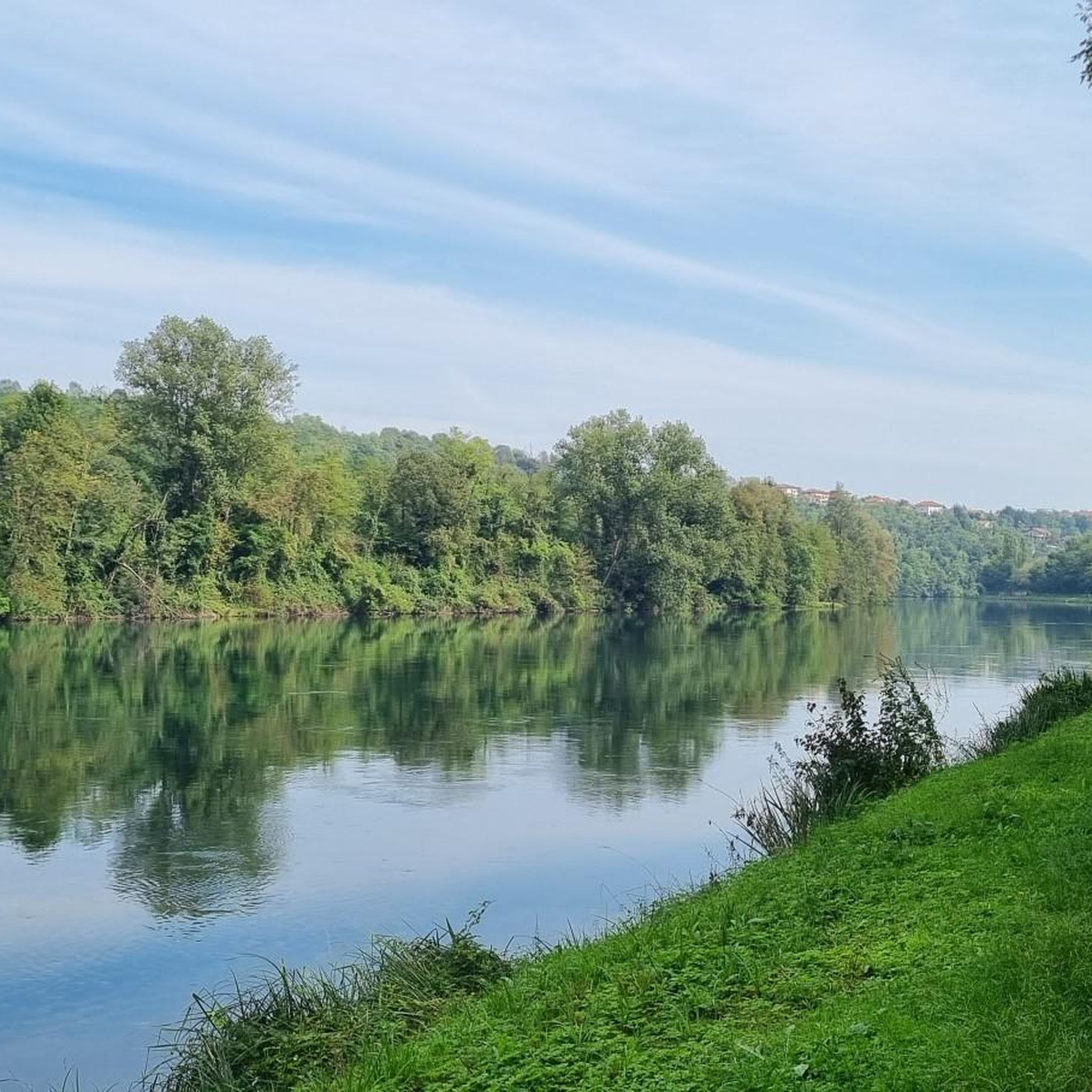
The Muzza canal (61 km long in total) is a branch of the Adda River and has recently celebrated its 800th anniversary, making it one of the oldest in Europe. Its name, with slight variations over the centuries, still recalls the Roman family Mutia who moved here in 90 BC, starting the first land reclamation works. Smaller watercourses branch off from the wide canal, winding through the countryside for a total length of about 1000 kilometers, mainly intended for agricultural irrigation. The surrounding landscape of countryside and farmhouses is evocative, with a succession of tree-lined rows and open fields. It is also very interesting from a naturalistic point of view as it attracts many aquatic birds that can be observed along the route.
1
0
Naviglio della Martesana is perhaps the least known of the ancient artificial canals connecting Milan to the great Lombard rivers. It originates from the Adda in Concesa, a hamlet of Trezzo d’Adda, crosses the Martesana sub-region, northeast of the provincial capital, and once in the city, it plunges underground beneath Via Melchiorre Gioia, at the height of Cassina de’ Pomm. It measures approximately 38 km in length, with a width varying from 9 to 18 meters. However, once upon a time, the Naviglio della Martesana continued in the open air all the way to the center, where a lock system centered on the Conca dell’Incoronata connected it to the short Naviglio di S. Marco and the urban network of the Navigli. The lock was inaugurated in 1496, utilizing lock gates designed by Leonardo da Vinci. The canal had been opened in 1471, under Francesco Sforza. By connecting it to the other Navigli, Leonardo laid the foundations for realizing a dream of the Sforzas: to travel by water from the Ticino, and therefore from Lake Maggiore, all the way to the Adda.
1
0

A valuable 17th-century monument of Lombard Baroque, but also a bulwark that rises in a panoramic position overlooking the Adda Valley in Imbersago, in the province of Lecco. A perfect blend of religious devotion, commemoration of a mystical past, and immersion in lush nature, a symbol of vitality and timeless beauty. The history of the Sanctuary of Imbersago is rooted in a past of apparitions and miraculous events. It all began on May 9, 1617, when three shepherds who were grazing their flock in the woods saw a celestial figure among dazzling lights and harmonious melodies on the three large chestnut trees that stood around the Sorgente del Lupo (so named for the animals that roamed there). At that point, Pietro, one of the children, with great wonder, spotted and picked up a ripe hedgehog, an unlikely event in the middle of spring. And for all the people, this represented the prodigious sign that the Blessed Virgin wished to be honored in that very place. From here, from this miraculous vision, began the devotion to the Madonna del Bosco, also known as Madonna del Riccio, referring precisely to the miracle just narrated, or Madonna dei Miracoli di Imbersago.
1
0
Frequently Asked Questions
How many road cycling routes are available around Busnago?
There are over 170 road cycling routes around Busnago documented on komoot, offering a wide range of options for different skill levels and preferences. These routes have been explored by more than 10,000 road cyclists.
What kind of terrain can I expect on road cycling routes near Busnago?
The immediate surroundings of Busnago, typical of the Lombardy plain, feature mostly flat to gently undulating terrain. You'll primarily encounter agricultural fields and green spaces, making for steady-paced rides with minimal elevation changes. For example, the Canale Muzza – Bridge over the Muzza loop from Trezzano Rosa is an easy route with low elevation gain.
Are there routes suitable for beginners or those seeking easy rides?
Yes, Busnago offers many easy road cycling routes. The flat terrain of the Lombardy plain and access to paths like the Naviglio Martesana make it ideal for beginners or those looking for a relaxed ride. Over 60 of the routes are classified as easy, such as the Park Fountain – Bellinzago Lombardo Locks loop from Trezzano Rosa.
What if I'm looking for a more challenging road cycling experience?
While the immediate area is largely flat, some routes incorporate more varied terrain, especially those along the Adda River. For example, the Brivio Bridge – Adda River at Trezzo sull'Adda loop from Trezzo sull'Adda is a moderate route with over 300 meters of elevation gain. The broader Lombardy region, particularly towards the pre-Alpine areas, offers more significant climbs for advanced cyclists, though these may require a short drive to reach.
What natural features or landmarks can I see while cycling near Busnago?
Many routes follow the Naviglio Martesana Cycle Path and the Adda River, offering scenic riverine landscapes. You can also pass through the Adda Nord Park, a protected natural area. Highlights include the Along the Adda River section and various small lakes and ponds like the Le Foppe Oasis of Cavenago Brianza.
Are there historical sites or cultural points of interest along the routes?
Absolutely. The Naviglio Martesana route is rich in history, passing through charming towns and historical sites. You can admire aristocratic mansions, old mills, and even the UNESCO World Heritage Site of Crespi Village. Nearby castles such as Trezzo sull'Adda Castle and the Visconti Castle of Cassano d'Adda are also accessible from some routes.
When is the best time of year to go road cycling around Busnago?
Lombardy generally experiences pleasant cycling weather in spring (April-May) and autumn (September-October) when temperatures are mild and the landscape is vibrant. Summer can be warm, but early mornings or late afternoons are still enjoyable. Winter can be cold and potentially foggy, making it less ideal for road cycling.
Is there convenient parking available for cyclists in Busnago or near the routes?
While specific parking areas for cyclists are not detailed, towns along the Naviglio Martesana and near popular route starting points like Trezzano Rosa or Trezzo sull'Adda typically offer public parking options. It's advisable to check local parking availability for your chosen starting point.
Are there family-friendly road cycling routes in the Busnago area?
Yes, the predominantly flat and well-maintained Naviglio Martesana Cycle Path is particularly suitable for families. Its largely paved surface and scenic, tranquil environment make it a great choice for cyclists of all ages. Many of the easy routes around Busnago are perfect for a family outing.
What do other road cyclists enjoy the most about road cycling in Busnago?
The area is highly rated by the komoot community, with an average score of 4.3 stars from over 370 reviews. Reviewers often praise the region's accessible, flat terrain, the scenic beauty of the Naviglio Martesana, and the blend of natural landscapes with historical points of interest. The well-maintained paths and variety of routes for different skill levels are also frequently highlighted.
Can I find loop routes for road cycling near Busnago?
Yes, many of the road cycling routes around Busnago are designed as loops, allowing you to start and end in the same location. Examples include the Canale Muzza – Bridge over the Muzza loop from Trezzano Rosa and the Brivio Bridge – Imbersago and the Adda River loop from Roncello, offering convenient circular journeys.
Where can I find more detailed information about the Naviglio Martesana Cycle Path?
The Naviglio Martesana Cycle Path is a significant feature of the region. For more in-depth information about this specific route, including its full length and key points of interest, you can refer to resources like Bikeitalia.it's guide to the Naviglio Martesana.
Most popular attractions around Busnago

Get inspired with the komoot mobile app


Explore more
Browse the best Road cycling routes in other regions.
