Attractions and Places To See around Marcignago - Top 20
Best attractions and places to see around Marcignago include a variety of historical sites, architectural landmarks, and scenic routes. Located near Pavia, this region offers opportunities to explore significant cultural heritage and natural landscapes. Visitors can discover structures like ancient bridges and grand monasteries, alongside routes suitable for cycling. The area around Marcignago provides diverse options for outdoor activities and cultural exploration.
Best attractions and places to see around Marcignago
- The most popular attractions is Certosa of Pavia (Charterhouse of…
Last updated: July 6, 2026
Ponte Coperto (the Covered Bridge) in Pavia
Highlight • Bridge
Translated by Google •
Tip by

Naviglio Pavese Cycle Path
Highlight • Cycleway
Translated by Google •
Tip by

Sign up now to discover places like this
Get recommendations on the best single tracks, peaks, & plenty of other exciting outdoor places.
Sign up for free
Certosa of Pavia (Charterhouse of Pavia)
Highlight • Religious Site
Translated by Google •
Tip by

Towpath of the Bereguardo Canal
Highlight (Segment) • Cycleway
Translated by Google •
Tip by

Wooden Bridge over the Ticino
Highlight • Bridge
Translated by Google •
Tip by

Sign up for free to discover even more attractions around Marcignago.
Sign up for free
Already have an account?
Start today with a free account
Your next adventure awaits.
Login or Signup
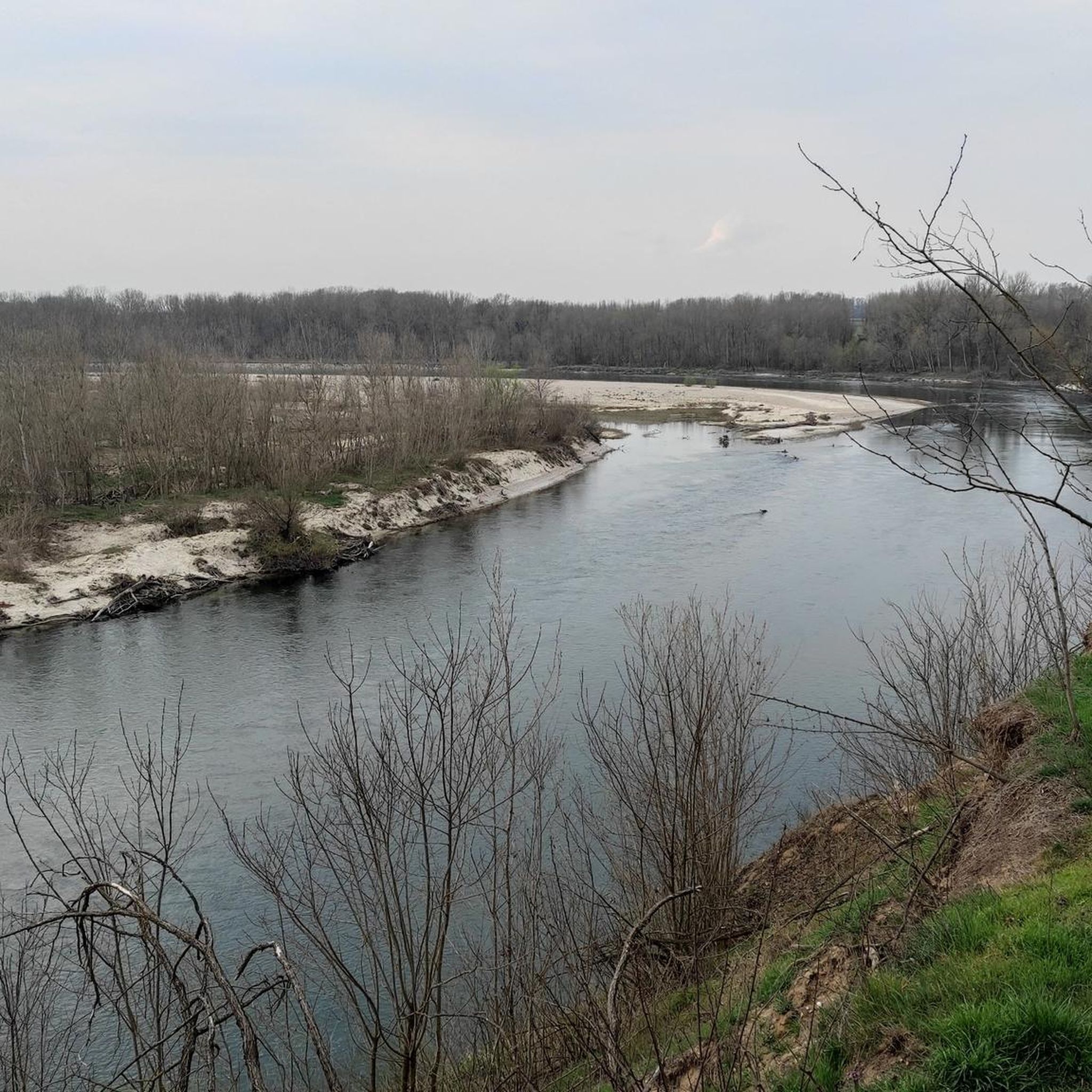
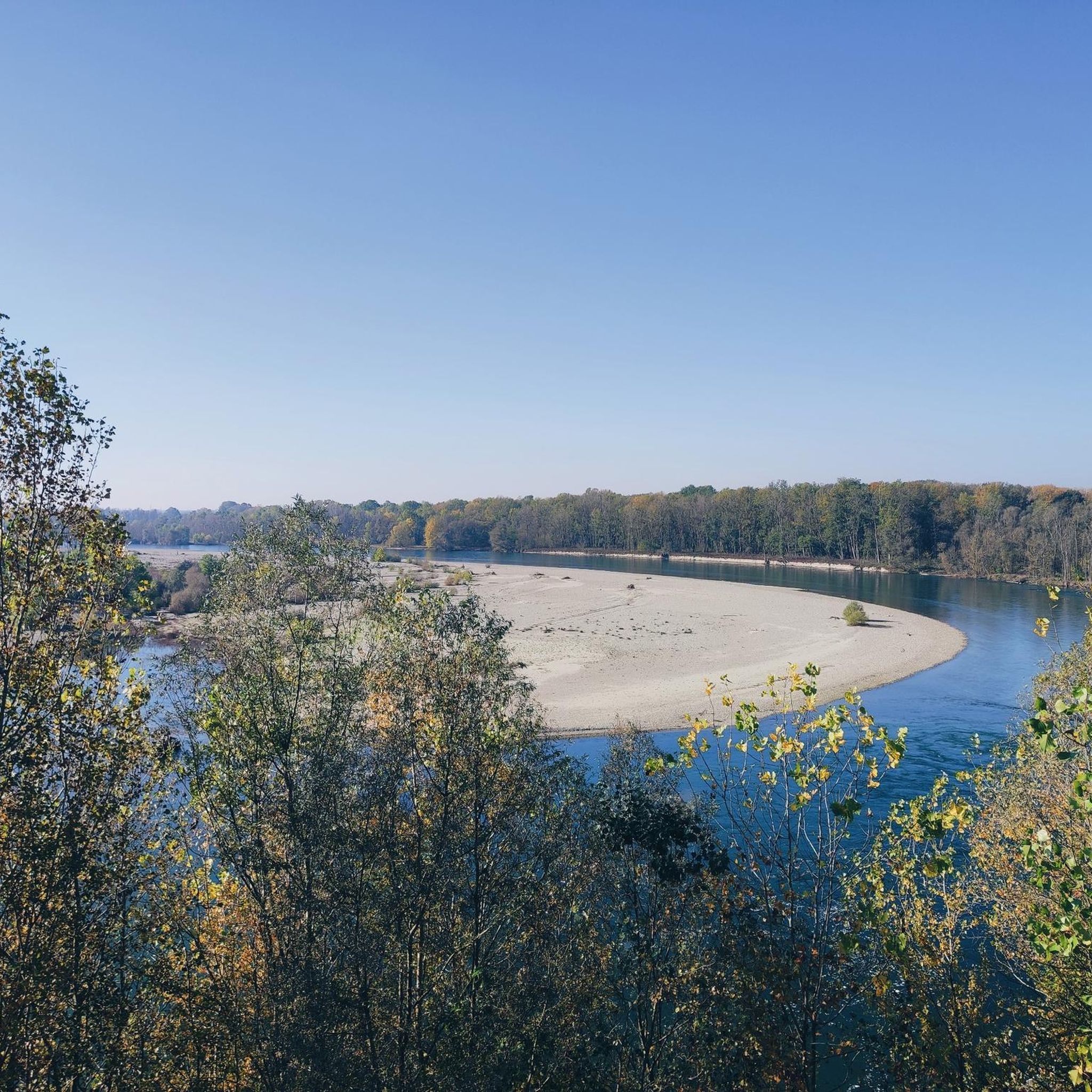
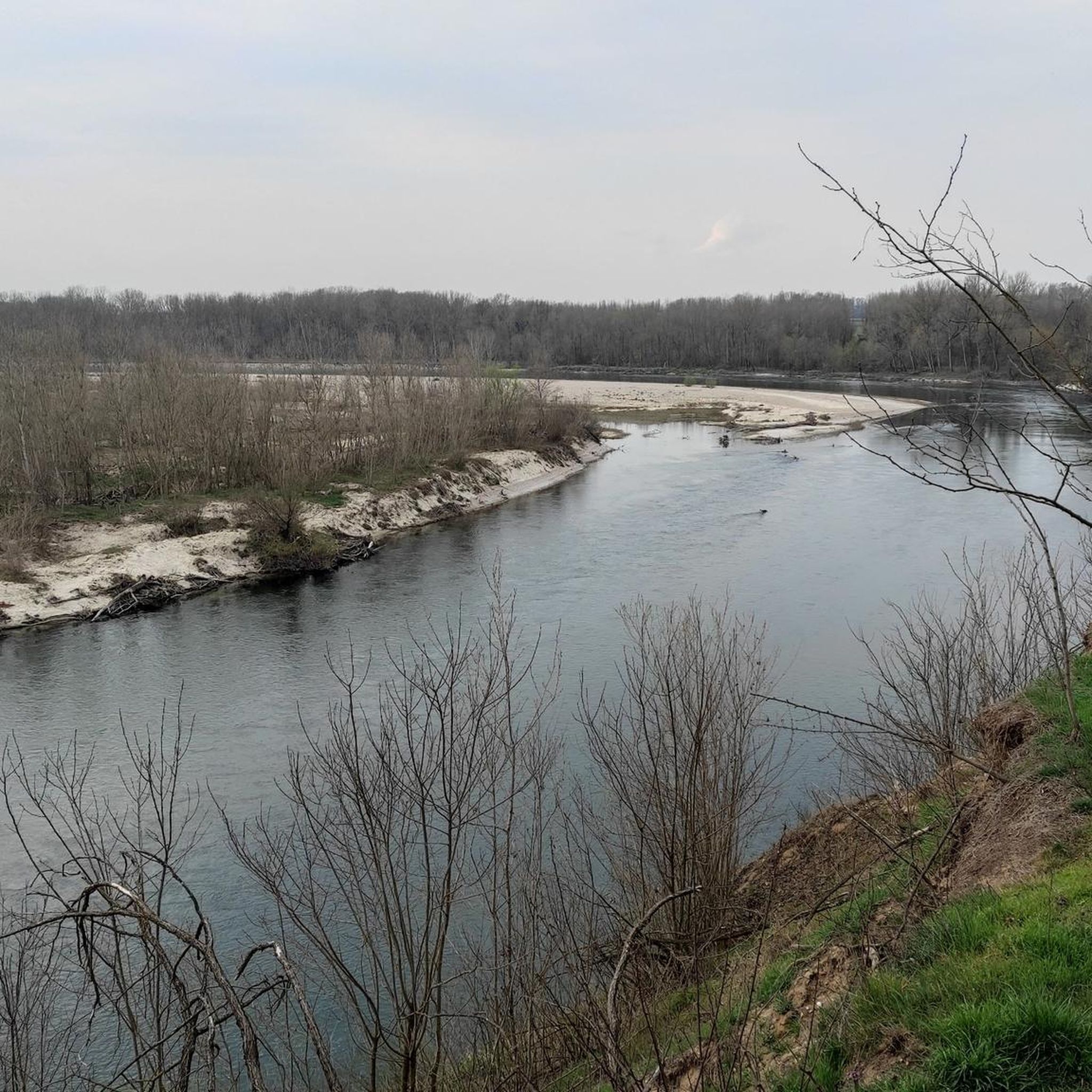
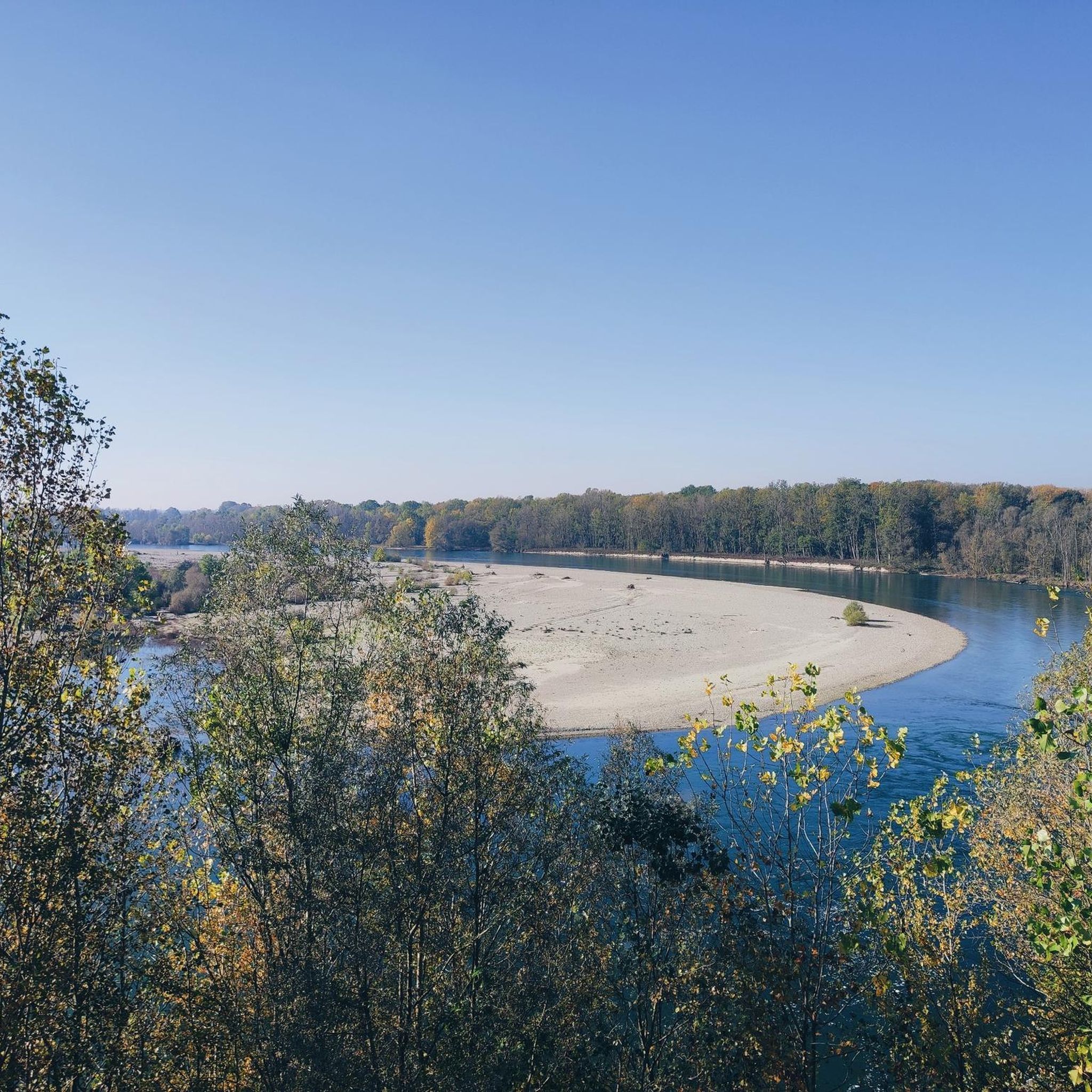
Tips from the Community

L'Alzaia del Naviglio di Bereguardo is the historic towpath, today transformed into a splendid cycle-pedestrian path of about 19 kilometers, which runs along the artificial canal of the same name. It connects Castelletto di Abbiategrasso (where the canal originates, branching off from the Naviglio Grande) to the municipality of Bereguardo, finally flowing into the Ticino river. Built in the 15th century at the behest of the Dukes of Milan (the Visconti first, then the Sforza), the canal served as a fundamental commercial route (particularly for salt and cheeses) to connect the city to the Po river and the sea.
1
0

The Naviglio di Bereguardo is a historic artificial canal in Lombardy, 18.85 kilometers long, which originates from the Naviglio Grande in Castelletto di Abbiategrasso and ends in Bereguardo, a short distance from the Ticino river.
1
0

A real surprise: a cycle path that is a straight stretch but is still nice to ride. Very wide, it allows you to cycle without problems with any type of bike
1
0

perfect asphalt BUT... 1. both in the underpass of Casarile and on arrival in Pavia, the final arrangements for the wooden bridge and the arrival at the stadium are delayed... how much longer??!! 2. "bike-friendly" signage is completely missing for the safety of bikers and cars/pedestrians, both on the crossings of the cycle path with roads used by traffic and for finding the cycle path from the Alzaia Pavese 3. once you are on the main road SS35 at Binasco to get back on the cycle path, YOU RISK YOUR LIFE!! accesses not signposted for either cars or cyclists and almost impossible to use in both directions ... DANGER to be fixed before an accident happens!
1
0

very beautiful and easy even for families! it has some stretches of white road and is completely flat! only note, it is completely in the sun so it is advisable to do it early in the morning!
0
0

30 km of cycle path that leads from Milan to Pavia. It crosses the Agricultural Park south of Milan and all the countryside before arriving at Ticino and the first hills of Oltrepo Pavese
2
0

According to legend, some pilgrims wanted to attend midnight mass in the city on Christmas Eve in 999, but due to the thick fog their boats could not cross the river. Suddenly, a man dressed in red arrived and promised that he would immediately build a bridge in exchange for the first soul to cross the bridge. The man in red was the devil, and only the Archangel Michael, who had come from the nearby church, recognized him. Michael pretended to agree to the deal, but once the bridge was built, a goat crossed it first. The bridge is therefore also known as the Ponte del Diavolo ("Devil's Bridge").
8
0
The covered bridge has its origins in Roman times. The current one was constructed in the 14th century and covered in 1583. Upstream of the bridge you can still see pillars of the original bridge, reconstructed after the Second World War. A memorial stone on the bridge tells that Albert Einstein stayed in Pavia for several months and loved the place.
8
0
Frequently Asked Questions
What historical and cultural sites can I visit around Marcignago?
The region offers rich historical and cultural experiences. A must-see is the Certosa of Pavia (Charterhouse of Pavia), a magnificent monumental complex with a monastery and sanctuary, known for its art and history. Another significant landmark is the Ponte Coperto (the Covered Bridge) in Pavia, a characteristic bridge with Roman origins connecting Pavia's historic center to Borgo Ticino.
Are there family-friendly attractions near Marcignago?
Yes, several attractions are suitable for families. Both the Certosa of Pavia and the Ponte Coperto in Pavia are considered family-friendly historical sites. Additionally, the Naviglio Pavese Cycle Path offers an easy and enjoyable route for cycling with children, providing scenic views of the canal and agricultural areas.
What outdoor activities can I do around Marcignago?
You can enjoy various outdoor activities, especially cycling and hiking. The Naviglio Pavese Cycle Path is an easy route connecting Pavia and Milan, perfect for a leisurely ride. For more extensive options, explore the cycling routes around Marcignago or discover hiking trails in the area, including easy and moderate options along the Ticino River.
Are there easy hiking trails suitable for beginners near Marcignago?
Yes, there are easy hiking options. For example, the 'Certosa of Pavia (Charterhouse of Pavia) – Certosa Mills loop from Certosa di Pavia' is an easy 3.7 km hike. Another easy option is the 'View of the bend in the Ticino River loop from Torre d'Isola', which is about 4.6 km. You can find more details and routes in the hiking guide for Marcignago.
Where can I go cycling around Marcignago?
The Naviglio Pavese Cycle Path is an excellent choice, offering an easy and scenic ride along the canal. For more varied cycling experiences, including routes of different lengths and difficulties, you can explore the cycling guide for Marcignago. Options range from easy loops like the 'Bike loop from Vellezzo Bellini' (15.5 km) to moderate routes like the 'Bereguardo Castle – Certosa of Pavia loop from Battuda' (57.5 km).
What are the opening hours for the Certosa of Pavia?
The Certosa of Pavia is generally open from Tuesday to Sunday, with a break in the middle of the day. It is closed on Mondays, except for holidays. Opening hours vary by season, for instance, from May to August it's typically 9:00-11:30 and 14:30-18:00. It's advisable to check the current schedule before your visit, as times can change.
Are there any natural landscapes or viewpoints to explore?
While the area is known for its historical sites and agricultural landscapes, you can find natural beauty along the Ticino River. The Wooden Bridge over the Ticino offers an impressive view of the river and surrounding forest. The Cascina Mandrugno and Rural Landscapes in Parco Agricolo Sud Milano highlight the characteristic irrigated plain with canals, hedges, and rows, offering aesthetic and natural values.
What is the best way to experience the rural landscapes around Marcignago?
To truly appreciate the rural landscapes, consider exploring the Cascina Mandrugno and Rural Landscapes in Parco Agricolo Sud Milano. This area showcases the traditional agricultural environment of the Milanese irrigated plain, with its complex irrigation networks, canals, and historic farmhouses. Cycling or walking along these paths offers a unique insight into the region's agricultural heritage and natural beauty.
Can I find mountain biking trails near Marcignago?
Yes, there are mountain biking opportunities. The MTB Trails around Marcignago guide lists several routes, including moderate trails like the 'View of the bend in the Ticino River – Trail Along the Ticino loop from Battuda' (51.5 km) and an easy 'Mountainbike loop from Trivolzio' (39.5 km). These trails often follow river bends and dirt roads, offering diverse terrain for mountain bikers.
What do visitors particularly enjoy about the attractions near Marcignago?
Visitors frequently praise the historical depth and scenic beauty of the area. The Certosa of Pavia is cherished as an 'unforgettable experience for anyone who loves art and history.' The Ponte Coperto is appreciated for its characteristic architecture and historical significance. Cyclists enjoy the 'beautiful and peaceful' final stretch of the Naviglio Pavese Cycle Path, especially towards the Certosa.
Are there any unique bridges to see in the area?
Beyond the famous Ponte Coperto in Pavia, which is a significant historical landmark, you can also discover the Wooden Bridge over the Ticino. This bridge, though a bit run down, is described as 'beautiful' and 'very impressive' by visitors, offering a different kind of charm and a connection to the E1 path.
What is the significance of the Naviglio Pavese?
The Naviglio Pavese is a historically important waterway that connects Pavia and Milan. It served as a crucial communication route for moving goods and people, comparable to modern railways. Along its path, especially visible from the Naviglio Pavese Cycle Path, you can still observe remains of its industrial past, such as mills and spinning mills, as well as evidence of the area's agricultural history like farmhouses.
Most popular routes around Marcignago
Most popular attractions around Marcignago

Get inspired with the komoot mobile app


Explore more
Still not found the Highlight you’re looking for? See guides of the top attractions in other regions:
