The best walks and hikes around Zerbolò
4.3
(655)
3,686
hikers
341
hikes
Hiking around Zerbolò offers diverse natural landscapes within the Ticino Valley Natural Park, an alluvial valley primarily shaped by the Ticino River. The terrain features a network of waterways, including irrigation canals and oxbow lakes, alongside extensive forests of oak and hornbeam. The surrounding area is characterized by an agricultural mosaic of rice and corn fields, providing varied scenery. With an average elevation of 68 meters, the region provides accessible trails rather than mountainous ascents.
Best hiking trails around Zerbolò
…Last updated: August 17, 2026
3.2
(25)
49
hikers
13.7km
03:28
30m
30m
Embark on the Vigevano-Pavia Ridge Trail, a moderate hiking route that guides you through the diverse Lombard countryside. You will encounter a mix of white unpaved roads and natural paths,…
5.0
(1)
2
hikers
11.9km
03:00
30m
30m
Hike the moderate 7.4-mile From Zerbolò to the Ticino – Venara loop through diverse landscapes and past the Cascina Venara stork center.

Sign up for free
5.0
(1)
2
hikers
11.7km
02:58
20m
20m
Hike the moderate 7.3-mile (11.7 km) Venara Forest Loop through Bosco Siro Negri, enjoying rural heritage and poplar groves near Zerbolò.
1
hikers
16.5km
04:13
60m
60m
Countryside loop through Lombard villages with Ticino River views and local food stops.
4.2
(12)
38
hikers
Easy hike. Great for any fitness level. Easily-accessible paths. Suitable for all skill levels.
Get access to more routes and recommendations from other explorers.
Sign up for free
Already have an account?
Our route recommendations are based on thousands of hikes, rides, and runs completed by other people on komoot.
Start today with a free account
Your next adventure awaits.
Login or Signup
Tips from the Community

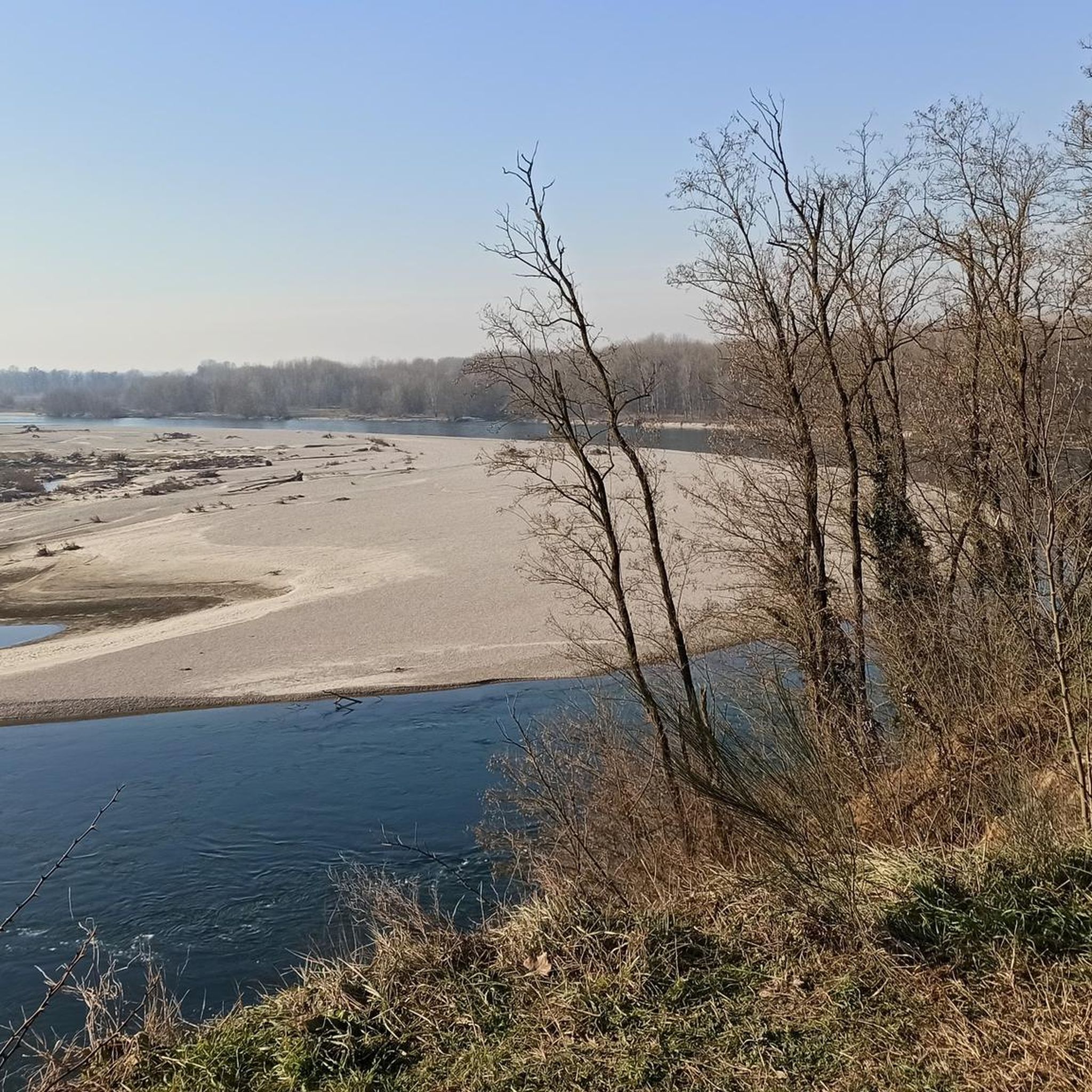
Unfortunately at km 7 the path ends, the river has swallowed up the route, you come across scrub and it is impossible to continue the circular tour, we had to go back by retracing the initial stretch
1
0

The Bereguardo Bridge was built in 1374 by the Visconti family. It was initially built to allow the nobles to cross the Ticino River and easily reach Lomellina, where there were large forests rich in game. In 1378, it was rebuilt, and watchtowers were placed at both ends. In 1449, the Sforza family built a more stable bridge on the remains of the previous bridge, which was finally used for the passage of people and carts. The boats were made of wood and were anchored on the river by weights placed under the water. In 1913, the wooden barges were replaced with concrete ones. Today, the bridge has been remodeled several times, and the barges replaced.
6
0

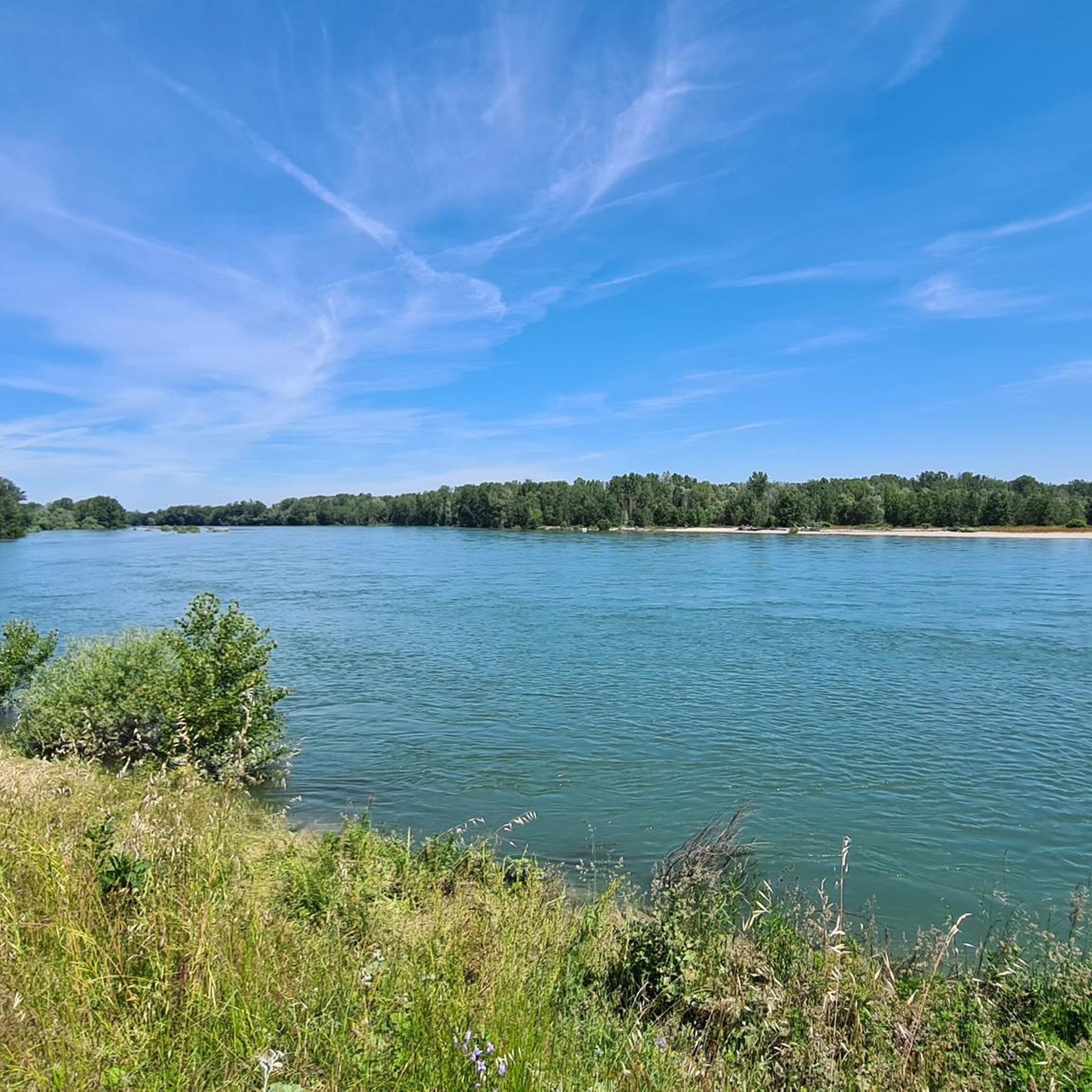
Here you walk on a secondary road with very little traffic, surrounded by nature.
2
0
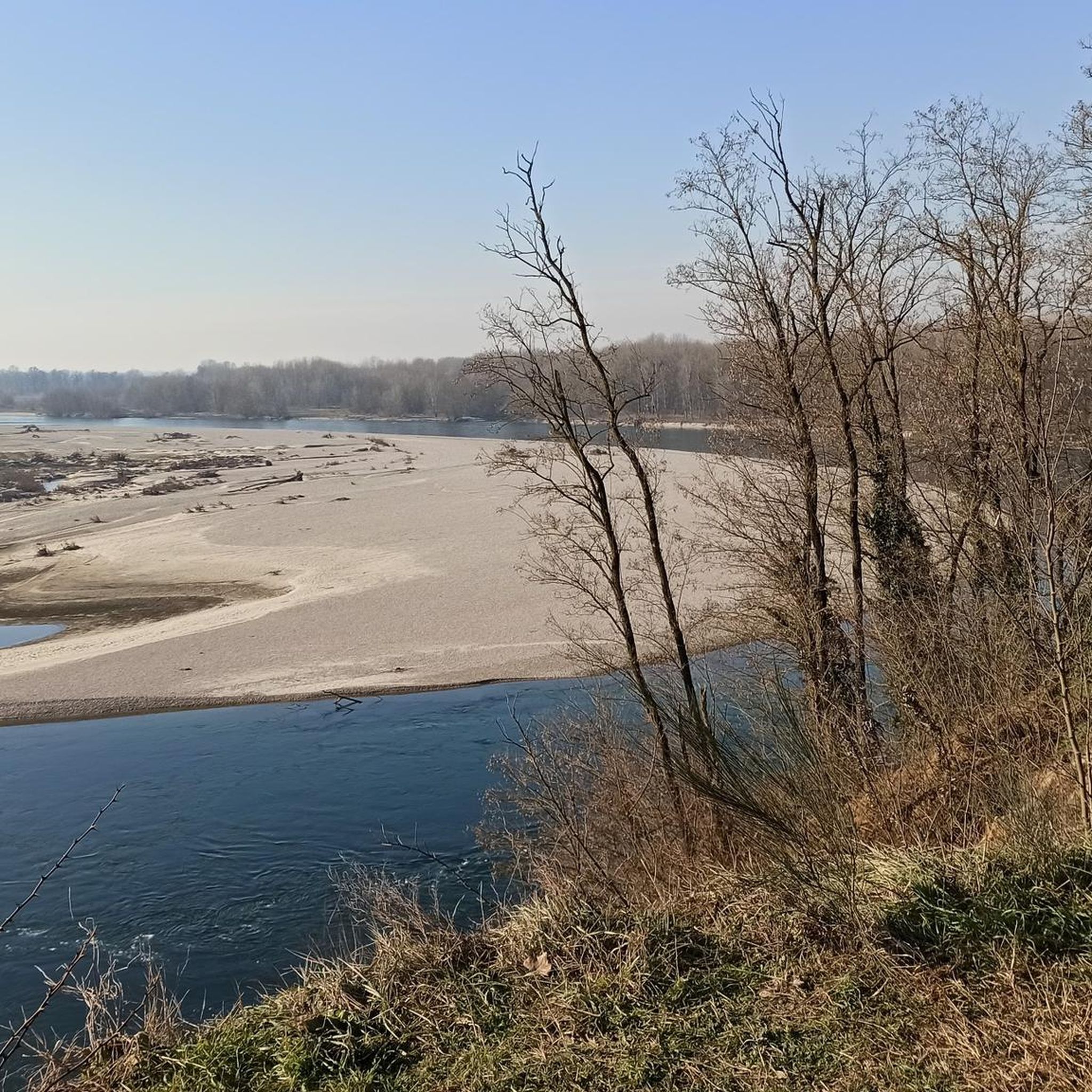
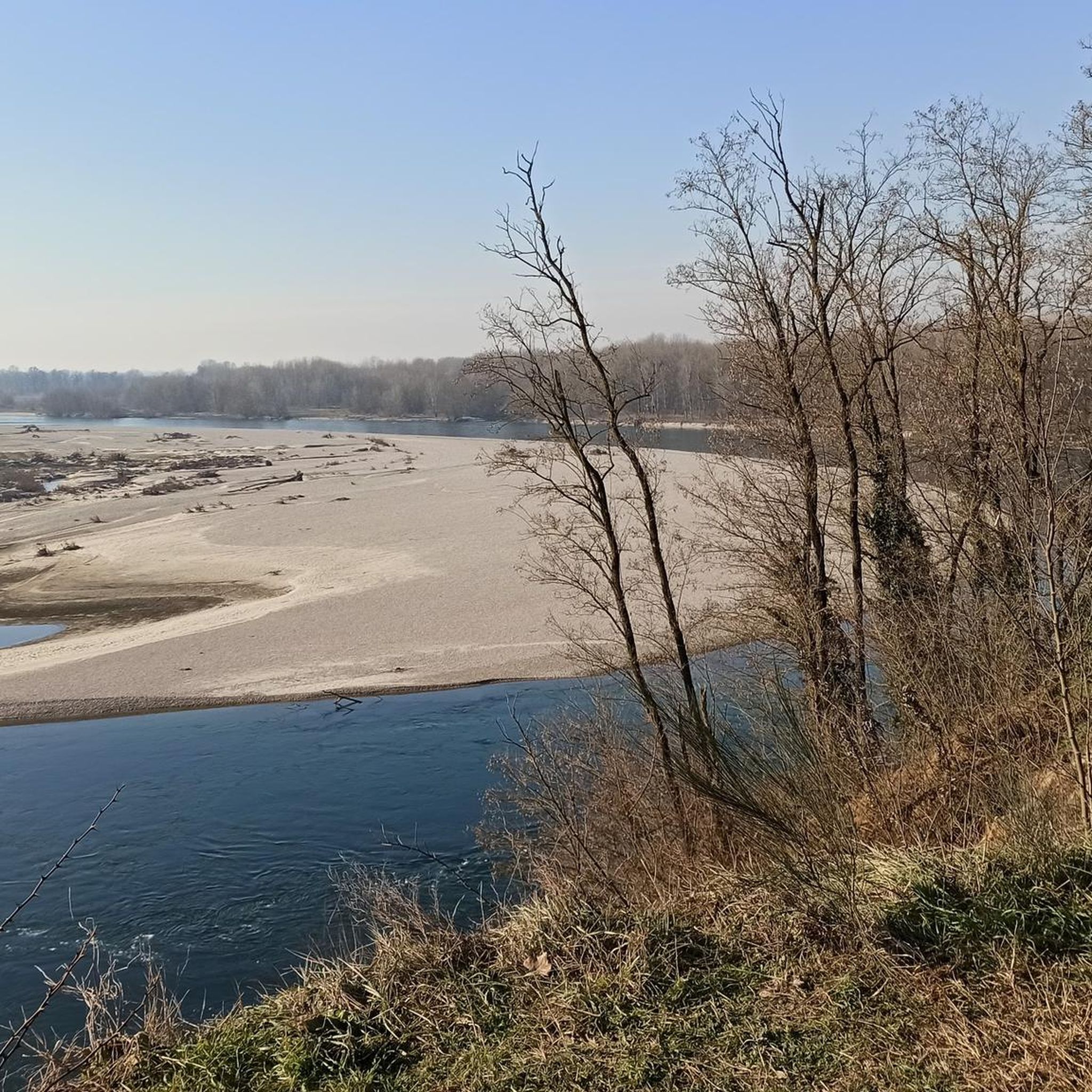
From here, along a beaten dirt path, you can admire a beautiful panorama of Ticino.
2
0

Cascina Venara has been recently renovated and houses a hostel. The farmhouse is located near a forest strip of great environmental value, a few steps from the river and the Venara Canal, a watercourse which contributes to attracting, together with the oxbows to which it gives shape, a large number of aquatic birds.
1
0

A beautiful observation point of Ticino on a beaten dirt path, without technicalities, worth a detour!
1
0
Passage walkway to enter the Bosco di Mezzanone, pay attention to some holes in the planks.
1
0

Beware of sand on the path and some fallen trees and branches
1
0
Frequently Asked Questions
How many hiking trails are available around Zerbolò?
Zerbolò and its surroundings offer a wide variety of hiking opportunities, with over 280 routes available. These trails cater to different preferences, including easy strolls, moderate hikes, and a few more challenging paths.
What kind of terrain can I expect on hikes in Zerbolò?
The terrain around Zerbolò is primarily characterized by the alluvial valley of the Ticino River. You'll find a mix of diverse forests, mainly oak and hornbeam, interspersed with a network of irrigation canals and oxbow lakes. The landscape also features extensive agricultural fields, particularly rice and corn, creating varied and picturesque views typical of the Po Valley. The average elevation is low, so expect accessible trails rather than mountainous ascents.
Are there any family-friendly hiking options in Zerbolò?
Yes, many of the trails in Zerbolò are suitable for families. With over 160 easy routes, you can find gentle paths through the forests and along the river that are perfect for a leisurely family outing. The region's low elevation also makes it less strenuous for younger hikers.
Can I bring my dog on the hiking trails in Zerbolò?
Zerbolò is located within the Ticino Valley Natural Park, which generally welcomes dogs on trails, often requiring them to be on a leash to protect local wildlife. It's always a good idea to check specific signage at trailheads for any particular regulations within certain sensitive areas of the park.
What natural features or wildlife can I expect to see while hiking?
The Ticino Valley Natural Park is renowned for its rich biodiversity. You can expect to see the Ticino River and its associated waterways, diverse forests, and oxbow lakes. A notable natural attraction is the resident colony of white storks, especially visible at Cascina Venara. The wetlands are home to various waterfowl, and you might spot amphibians like the Lataste's frog, as well as mammals such as squirrels and foxes.
Are there any historical landmarks or points of interest along the trails?
Yes, Zerbolò offers a blend of nature and history. A significant landmark is the historic Bereguardo Pontoon Bridge, an interesting structure built in 1913. You can also explore the village's ancient architecture, including the parish church of San Bartolomeo, the small castle of Parasacco, and Palazzo Bozzi Pietra. The Ring tour from Bereguardo bridge to Ticino Park is a great way to experience some of these historical elements.
Are there circular hiking routes available in Zerbolò?
Yes, circular routes are a popular option in Zerbolò. For example, the Ring tour from Bereguardo bridge to Ticino Park is a well-known circular itinerary that allows you to explore the river park and its features without retracing your steps. Another option is the From Zerbolò to the Ticino – Venara loop, which takes you through the Ticino river area.
What do other hikers enjoy most about hiking in Zerbolò?
The hiking trails around Zerbolò are highly rated by the komoot community, with an average score of 4.4 stars from over 400 reviews. Hikers often praise the tranquil natural environment, the diverse landscapes of the Ticino Valley Natural Park, and the opportunity to spot wildlife, especially the white storks. The well-maintained paths and the blend of riverine, forest, and agricultural scenery are also frequently highlighted.
Is there parking available near the trailheads?
Yes, parking is generally available near popular starting points for hikes in Zerbolò and the surrounding Ticino Valley Natural Park. For routes like the "Ring of Zerbolò" which starts near the Pontoon Bridge of Bereguardo, you can typically find parking facilities nearby. It's advisable to check specific trailhead information for the most convenient parking spots.
What is the best time of year to go hiking in Zerbolò?
Zerbolò offers pleasant hiking experiences throughout much of the year. Spring and autumn are particularly ideal, with mild temperatures and vibrant natural colors. Spring brings blooming flora and active wildlife, while autumn showcases beautiful foliage. Summer can be warm, but shaded forest paths provide relief. Winter offers a quieter, often misty landscape, though some paths might be muddy.
Are there any viewpoints along the hiking trails in Zerbolò?
While Zerbolò is in a low-elevation alluvial valley, there are still scenic spots offering beautiful views, particularly of the Ticino River. You can find viewpoints such as the View of the bend in the Ticino River and the Casottole Viewpoint on the Ticino River, which provide picturesque perspectives of the river's flow and the surrounding natural landscape.
Are there any permits required for hiking in the Ticino Valley Natural Park?
Generally, no specific permits are required for day hiking on the established trails within the Ticino Valley Natural Park around Zerbolò. However, it's always good practice to respect park regulations, stay on marked paths, and be mindful of the natural environment. For detailed information on park rules, you can refer to the official Ticino Valley Natural Park resources.
Most popular attractions around Zerbolò

Get inspired with the komoot mobile app


Explore more
Browse the best Hikes in other regions.
