Attractions and Places To See around Villa Biscossi - Top 20
Best attractions and places to see around Villa Biscossi include a blend of historical landmarks, cultural sites, and natural features. This locality, historically known as "Piperatorum," offers insights into Italian heritage, with the village potentially standing on the ruins of a former castle. Visitors can explore significant architectural structures and unique environmental areas. The region provides diverse points of interest for those seeking to discover its history and landscape.
Best attractions and places to see around Villa Biscossi
- The most…
Last updated: October 10, 2026
Sartirana Castle
Highlight • Castle
Translated by Google •
Tip by

Dosso of Lomellina
Highlight • Natural Monument
Translated by Google •
Tip by
Sign up now to discover places like this
Get recommendations on the best single tracks, peaks, & plenty of other exciting outdoor places.
Ponte della Gerola
Highlight • Bridge
Built in 1916 it …
Translated by Google •
Tip by
Scaldasole Castle
Highlight • Castle
It is composed of a …
Translated by Google •
Tip by
Campalestro Farmstead
Highlight • Historical Site
Campalestro was included in the list of lands of the Principality of …
Translated by Google •
Tip by
Sign up for free to discover even more attractions around Villa Biscossi.
Already have an account?
Start today with a free account
Your next adventure awaits.

Tips from the Community

Sartirana beautiful castle, a pity about the cars parked in front
0
0

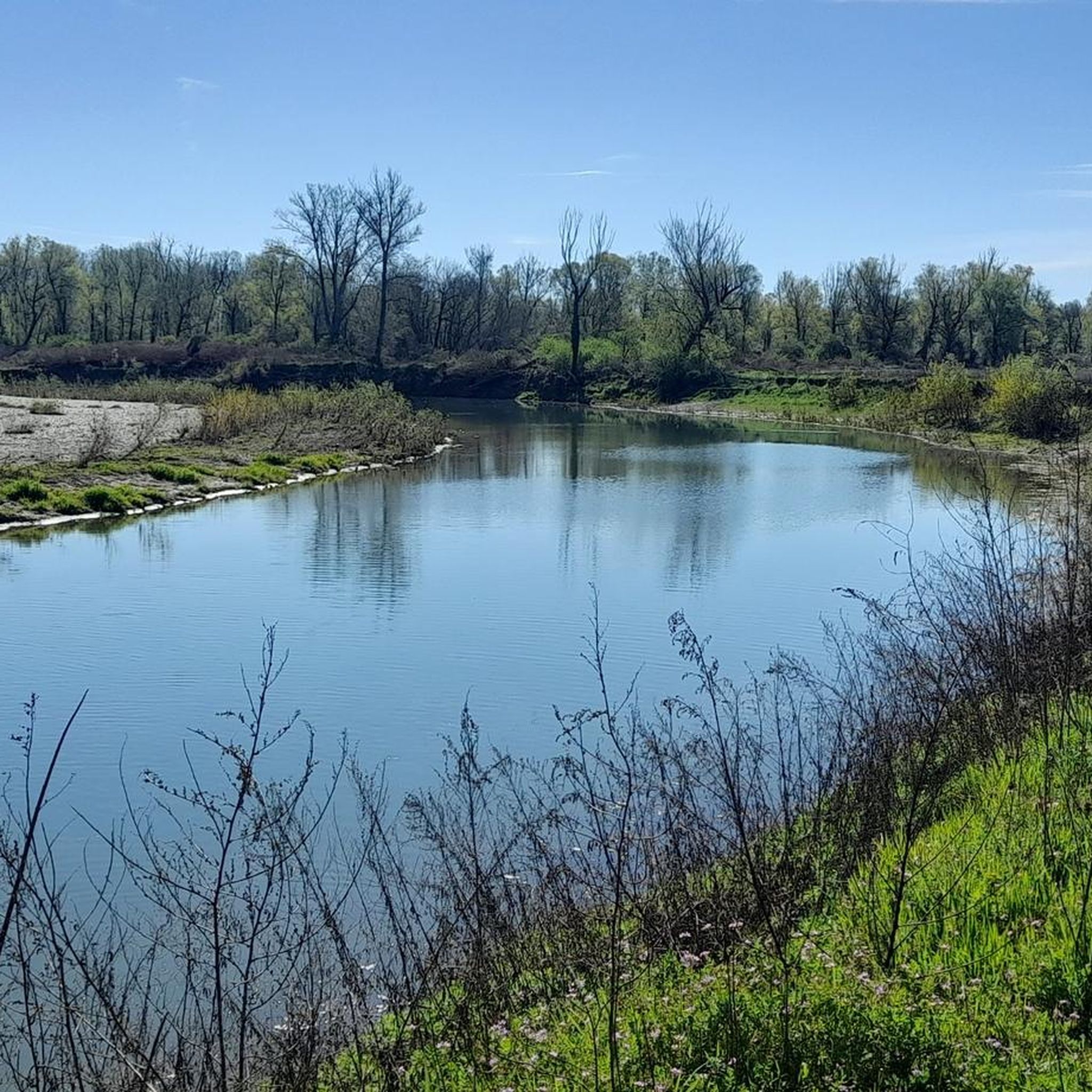
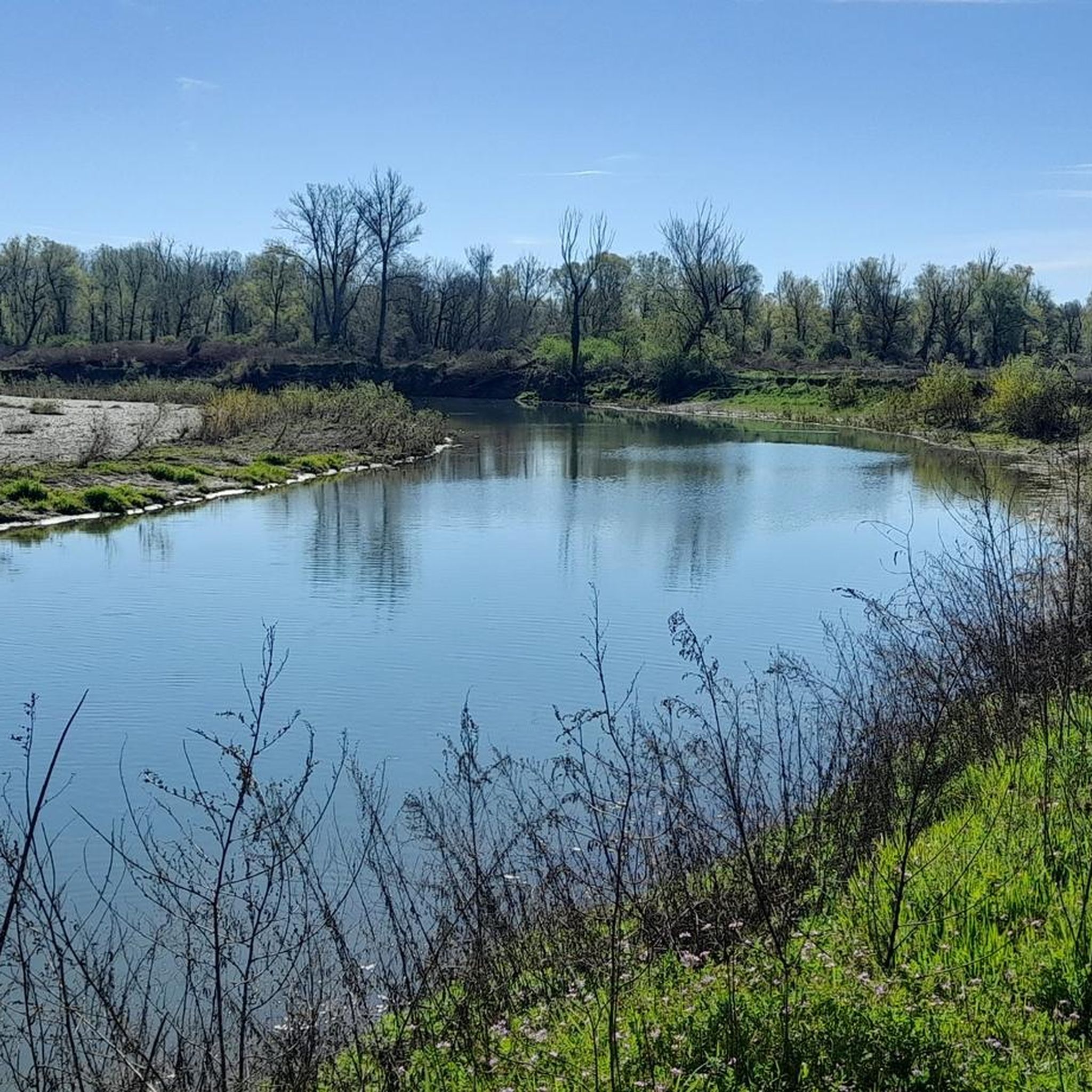
A lost place, like the ones you see in books. Whenever I see something like this, I always think it's a shame that the old mills are no longer in use.
3
2

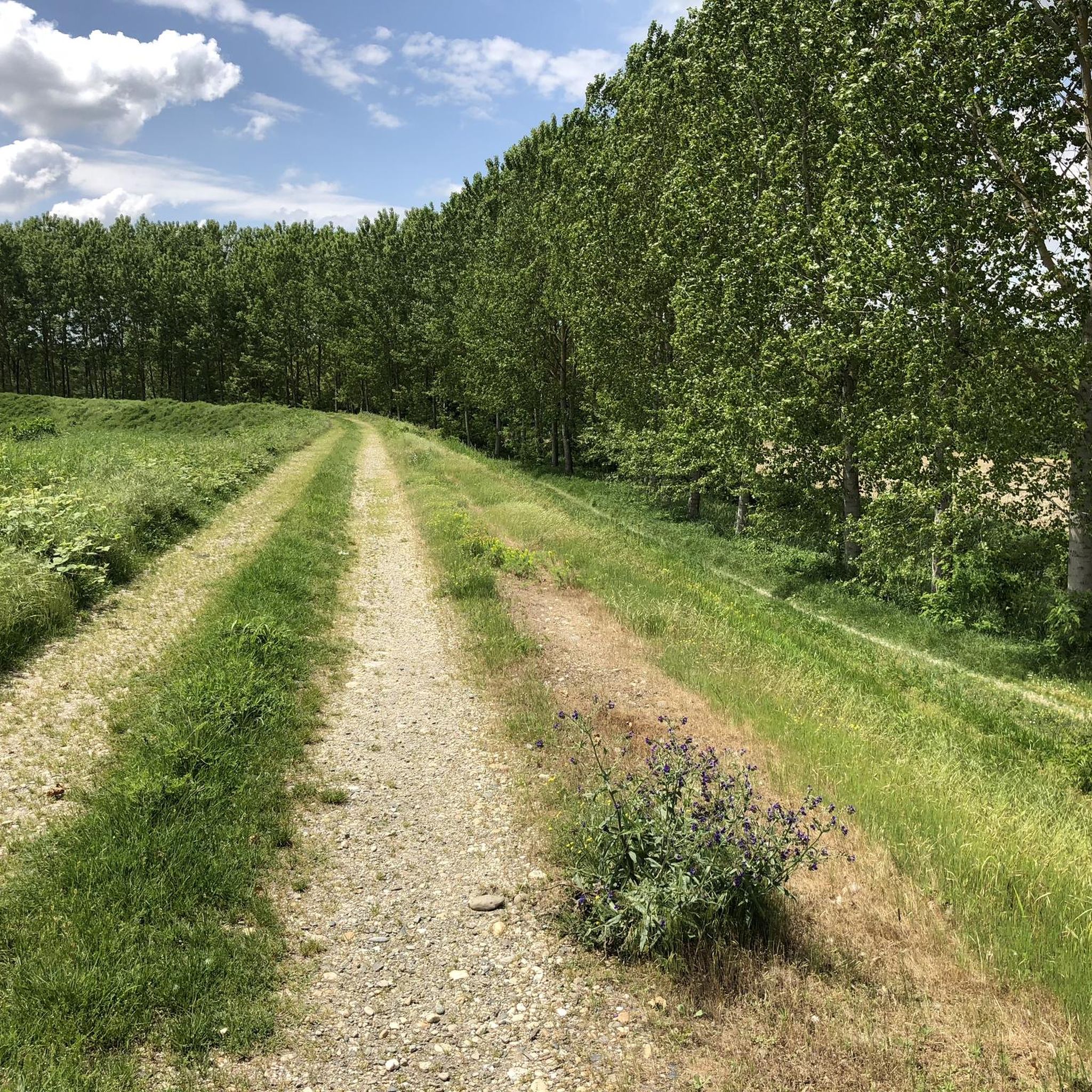
A classic passage in the great flat tours.
5
0
The classic iron bridge of Sannazzaro. Restored in 2000, the porphyry bottom is very damaged by vehicular traffic.
3
0

Asphalt redone all over the bridge, now it's great to ride on it.
23
0

In the middle of Scaldasole stands a mighty, well-fortified castle. It dates from the Middle Ages.
1
0
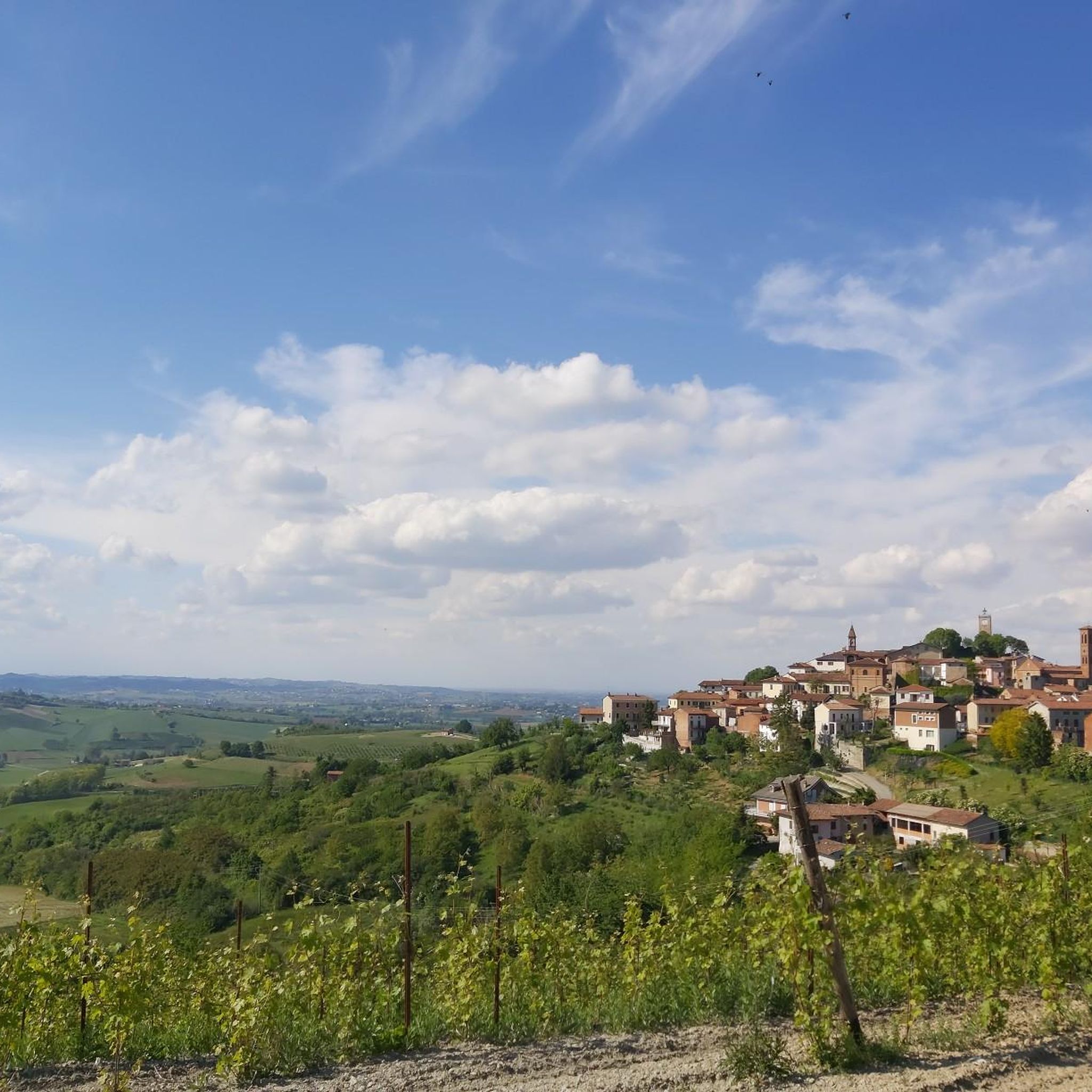
The bumps are tiny hills, generally sandy, which until a few decades ago characterized the landscape of our Lomelline countryside. Most of these very modest reliefs have been leveled to make way for poplar groves and rice fields and the only testimony that remains of them is, in many cases, the ups and downs of the country roads which gives those who walk them the amazement of finding some meters above the level of the cultivated countryside. In the area of the bumps, the alternation of hollows and ridges is visible which testifies to how the surface of our plain has been shaped by the continuous changes in the paths of the rivers, by the incessant work of streams, as well as by the erosion caused by atmospheric agents. Those who pass through Lomellina, after having crossed long stretches of very flat countryside, are pleasantly surprised to discover, in the heart of these centers, small hills flanked by old houses or ancient churches overlooking gently sloping churchyards.
51
0
Campalestro is part of the municipality of Velezzo Lomellina, in the province of Pavia, in the Lombardy region. Campalestro was included in the list of lands of the Principality of Pavia, registered for tax purposes by Ambrogio Opizzone, as belonging to Lomellina. Following the new census of the provinces of 15 September 1775 Campalestro is still confirmed in Lomellina. In the territorial subdivision of April 28, 1806, Campalestro falls within the Department of Agogna. Campalestro is today a hamlet of Vellezzo. Places out of this world and full of history.
74
0
Frequently Asked Questions
What historical landmarks can I explore within Villa Biscossi itself?
Within Villa Biscossi, you can visit the splendid Villa Biscossi (the Palace), a 17th-century structure featuring a grand colonnade and a large, fenced garden. Also prominent is the Parish Church of Santi Nazario e Celso, rebuilt in 1583 and located in the village square.
What is the history behind Sartirana Castle?
The Sartirana Castle was originally built towards the end of the 1300s by Gian Galeazzo Visconti and later strengthened by the Sforza family in the late 1400s. It features a typical quadrilateral layout with a moat, an inner courtyard, and four corner towers. In the 16th century, the Gattinara family transformed it into a comfortable residence. Today, it houses the 'Centro Studi e Documentazione della Lomellina' and the 'Fondazione Sartirana Arte', which organize international exhibitions and cultural events.
Are there other significant historical sites near Villa Biscossi?
Yes, beyond Villa Biscossi, you can explore the Scaldasole Castle, a monumental complex of medieval fortified architecture with its original nucleus dating back to the late 10th century. Another historical point of interest is the Campalestro Farmstead, a hamlet with a rich history dating back to the Napoleonic era.
Are there any natural attractions to visit near Villa Biscossi?
Absolutely. The 'garzaia' (heronry) of Villa Biscossi is a noteworthy natural feature, offering an environmental point of interest. Additionally, the Dosso of Lomellina offers unique small sandy hills, which are remnants of the region's natural landscape shaped by ancient rivers, providing pleasant views and a glimpse into the area's geological past.
What kind of outdoor activities can I do around Villa Biscossi?
The area around Villa Biscossi is excellent for various outdoor activities. You can find numerous routes for road cycling, running, and hiking. For detailed routes and guides, check out the Road Cycling Routes around Villa Biscossi, Running Trails around Villa Biscossi, and Hiking around Villa Biscossi guides.
Are there hiking trails suitable for different skill levels near Villa Biscossi?
Yes, the hiking trails around Villa Biscossi cater to various skill levels. You can find easy routes like the 'Hiking loop from Sannazzaro de' Burgondi' (7.7 km) or 'Cavo Magnaghi – The old hand pump loop from San Giorgio di Lomellina' (7.4 km). For a moderate challenge, consider the 'Loop tour in Lomellina' (11.2 km) or the 'Spacious Manor House loop from Galliavola' (10.4 km). All these and more are available in the Hiking around Villa Biscossi guide.
Can I go cycling near Villa Biscossi?
Absolutely! The flat terrain of Lomellina is ideal for cycling. There are several road cycling routes, including the 'Lomellina Castles Loop from Lomello' (40.8 km, easy) and the 'Rice fields – Sartirana Castle loop from Mede' (45.7 km, easy). For more options, explore the Road Cycling Routes around Villa Biscossi guide.
Are there family-friendly attractions in the area?
Yes, several attractions are suitable for families. Both Sartirana Castle and Scaldasole Castle are tagged as family-friendly, offering historical exploration. The Dosso of Lomellina, with its unique small hills, can also be an interesting natural spot for families to explore.
When is the best time to visit Villa Biscossi?
The best time to visit depends on your interests. For cultural experiences, consider visiting around the last Sunday of July to experience the annual Sagra dei Santi Nazario e Celso. For outdoor activities like hiking and cycling, spring and autumn offer pleasant temperatures, avoiding the summer heat and mosquitoes mentioned by visitors to the castles.
What is the Ponte della Gerola and why is it notable?
The Ponte della Gerola, also known as 'Ponte del Cornale', is an iron bridge with eight arched spans that crosses the Po river. Built in 1916, it is notable for being the only bridge over the Po with porphyry cubes flooring, making it a unique sight for cyclists and visitors.
Are there any cultural events in Villa Biscossi?
Yes, Villa Biscossi hosts an annual cultural event, the Sagra dei Santi Nazario e Celso. This traditional festival is celebrated on the last Sunday of July and offers a vibrant cultural experience for visitors.
Most popular attractions around Villa Biscossi

Get inspired with the komoot mobile app


Explore more
Still not found the Highlight you’re looking for? See guides of the top attractions in other regions:
