Attractions and Places To See around Corte Brugnatella - Top 20
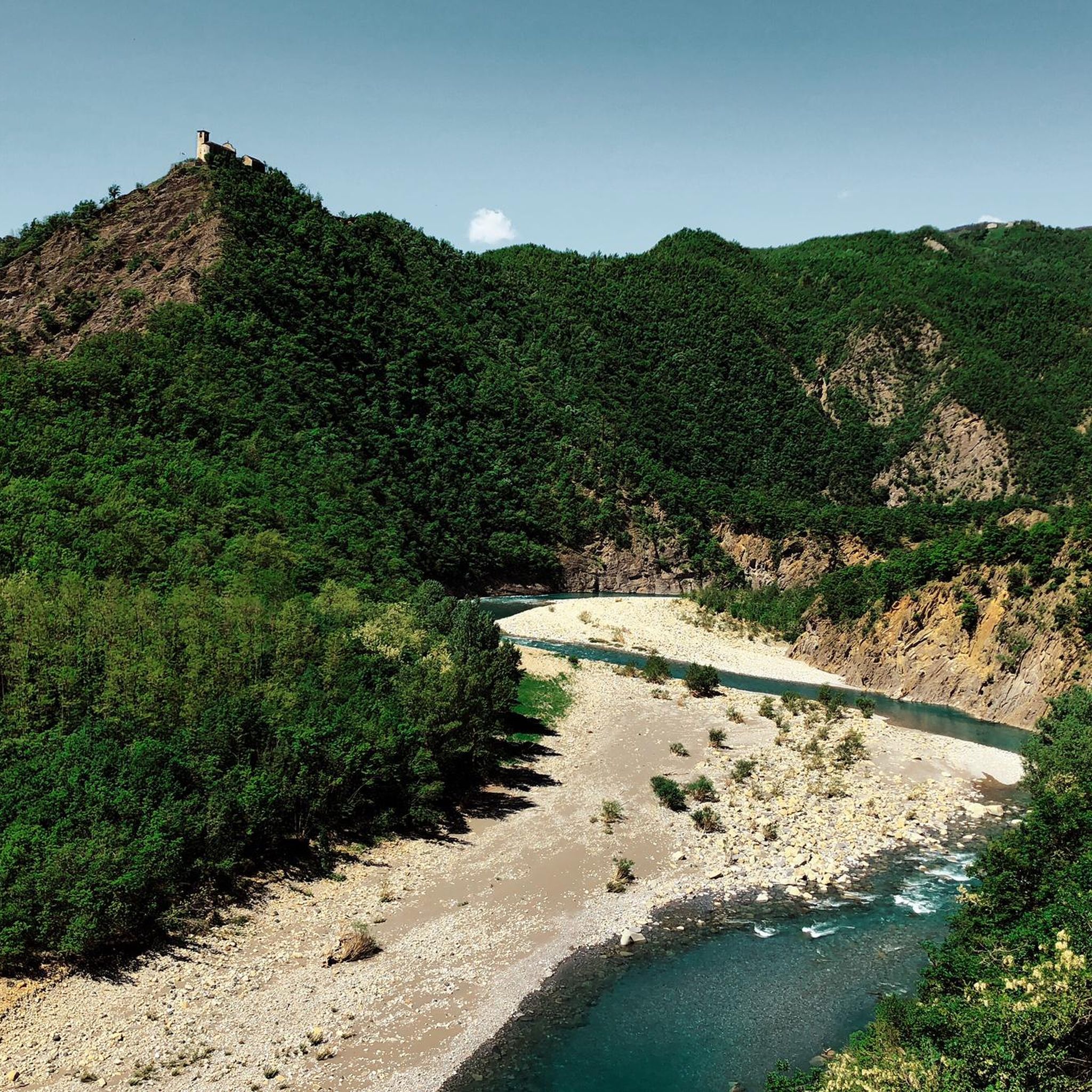
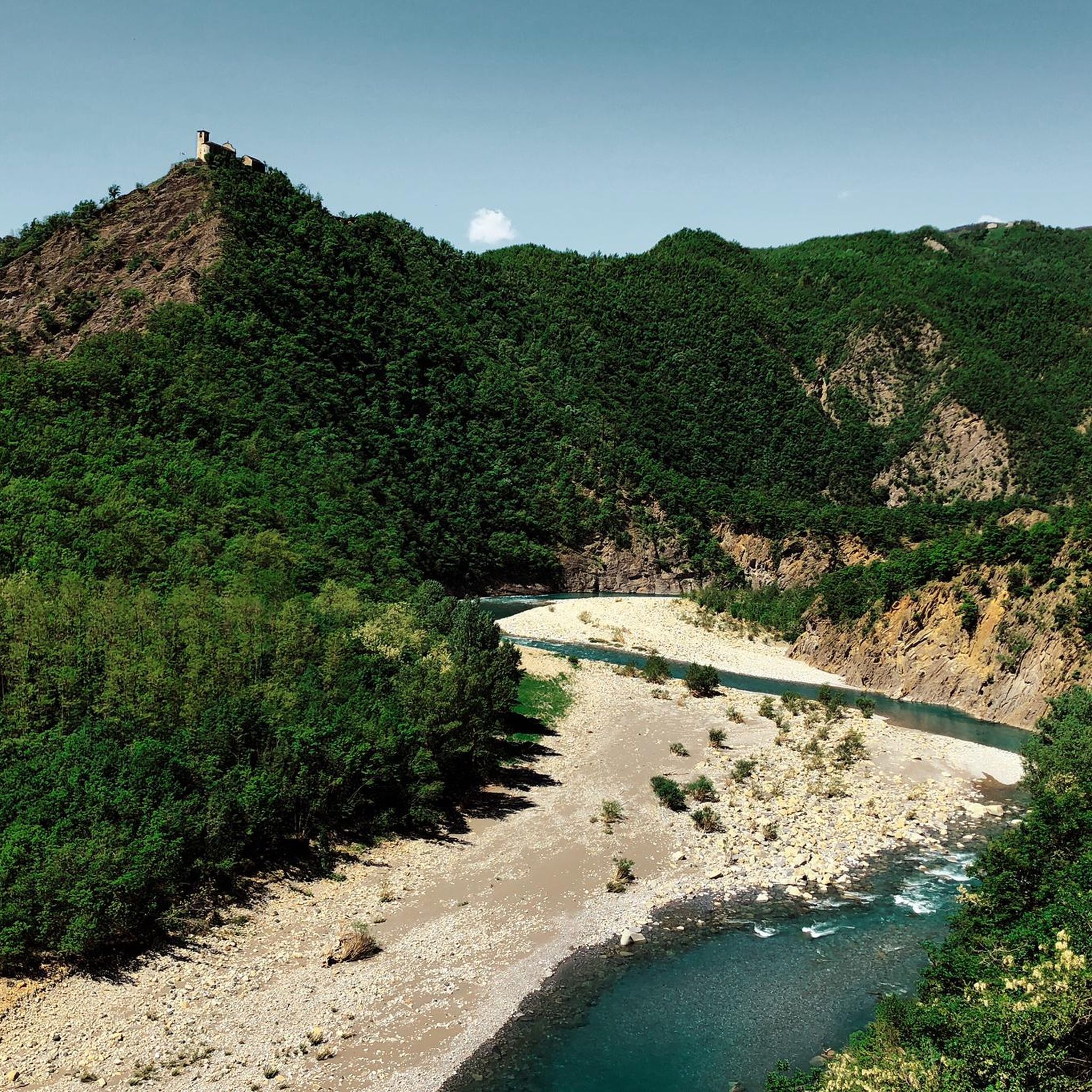
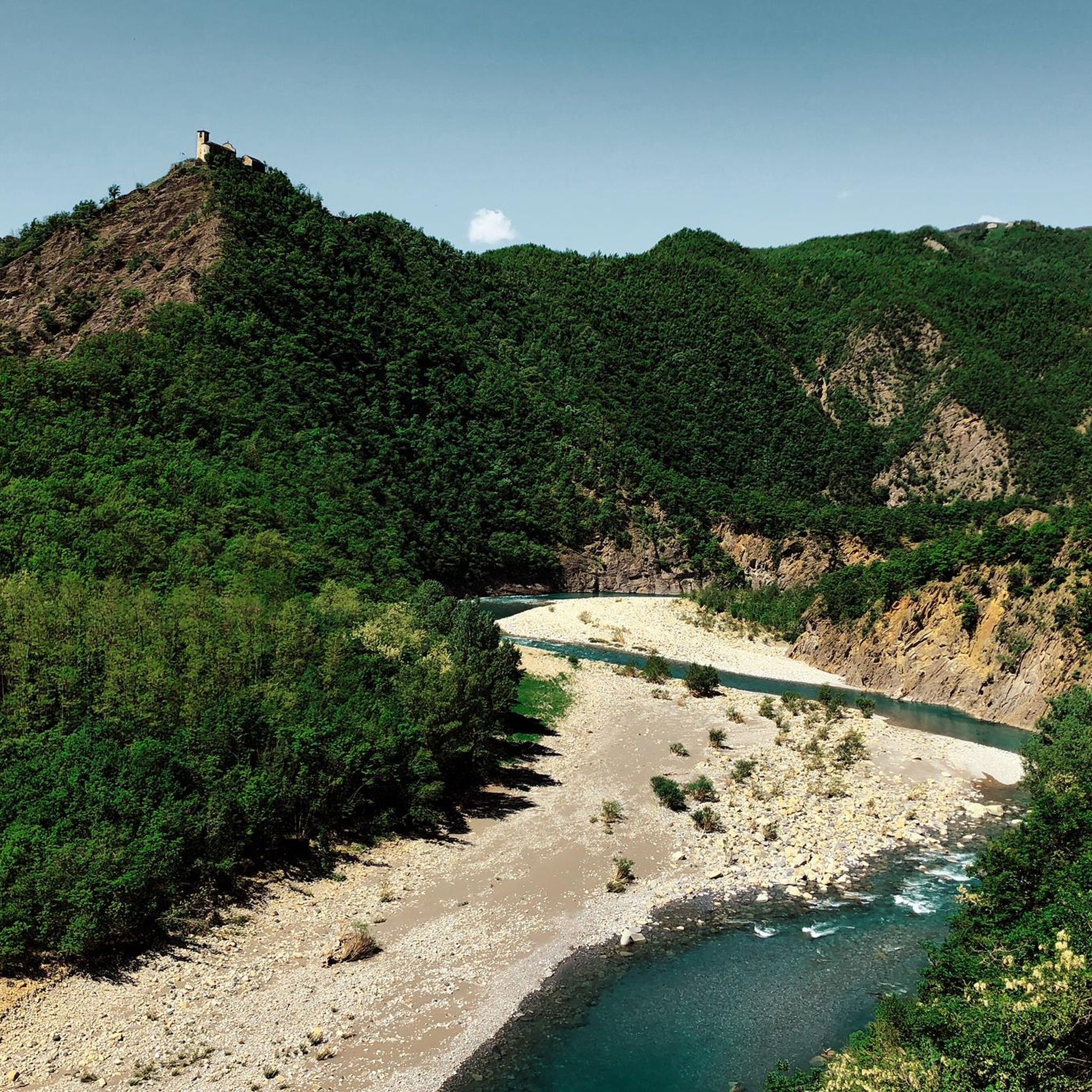
Best attractions and places to see around Corte Brugnatella are located in the Alta Val Trebbia, a region characterized by its natural beauty and historical sites. The area features the scenic Trebbia River with its distinctive meanders and charming villages. Visitors can explore a blend of cultural landmarks and diverse natural landscapes within the Ligurian Apennines. The municipality offers a variety of points of interest, from ancient bridges to mountain summits.
Best attractions and places to see around Corte Brugnatella
…Last updated: October 10, 2026
Monte Lesima and the ENAV radar
Highlight • Summit
Translated by Google •
Tip by

Ponte Gobbo (Devil's Bridge) of Bobbio
Highlight • Bridge
Translated by Google •
Tip by

Sign up now to discover places like this
Get recommendations on the best single tracks, peaks, & plenty of other exciting outdoor places.
Summit Cross of Monte Carevolo
Highlight • Summit
Translated by Google •
Tip by

Mulino di Riè
Highlight • Historical Site
Translated by Google •
Tip by
Church of Saint Lawrence the Martyr
Highlight • Religious Site
Translated by Google •
Tip by
Sign up for free to discover even more attractions around Corte Brugnatella.
Already have an account?
Start today with a free account
Your next adventure awaits.
Tips from the Community

Excellent view of the Piacenza valleys
0
0

very nice church with a nice bar restaurant next to it that offers many good things to eat, home cooking, from sandwiches to first courses with good prices
0
0

Great view between upper Nure valley and middle D'aveto valley
0
0

I arrive in Bobbio from a less busy road and with a beautiful view of Ponte
1
0


Saint Lawrence / "San LORENZO", to whom this church is dedicated, is one of the early Christian martyrs from a time when Christianity was still forbidden. He was the Pope's archdeacon and was asked by the pagan Emperor Valerian to hand over the church's treasure. Lawrence asked for three days, during which he distributed the church's assets among the poor inhabitants of Rome and, after the agreed time, came to the emperor with the poor to present them to him as the church's treasure. He was then tortured to death; legend has it that he was roasted alive on a grate - this attribute can be seen in many depictions of Saint Lawrence - over coals. This scene is also depicted above the entrance portal of the church. He is said to have been in good spirits and to have asked his executioner if he would like to turn him over. The feast day of San Lorenzo/Saint Laurentius in the calendar of saints is August 10th, and it is certainly no coincidence that the consecration of the church took place on this very day in A.D. 1672.
0
0
Frequently Asked Questions
What natural features can I explore around Corte Brugnatella?
The region is renowned for its natural beauty, particularly the Trebbia River, famous for its striking meanders, especially between Marsaglia and Bobbio. You can also visit Monte Lesima and the ENAV radar, a significant peak offering expansive views. The area around Pieve di Montarsolo features monumental oak woods, and the territory spans the diverse landscapes of Val Trebbia and Val d'Aveto.
Where can I find the most scenic viewpoints of the Trebbia River?
For breathtaking views of the Trebbia River's meanders, visit Brugnello Village, perched on a rocky spur. The church of Santi Cosma e Damiano there provides a natural balcony. Another excellent spot is from viewpoints like San Salvatore, where the river's bends are said to resemble a sleeping elephant, locally named Surus.
Are there opportunities for swimming or water sports in the area?
Yes, the Trebbia River offers several beautiful beaches within the municipality of Marsaglia, known for their crystal-clear waters and fine pebbles. Popular spots like 'spiaggia della Chiesetta' and 'spiaggia delle Rocce levigate' are ideal for relaxing, swimming, kayaking, and canyoning.
What historical sites can I visit in Corte Brugnatella?
Corte Brugnatella is rich in history. Explore Brugnello Village with its preserved medieval style, or visit Pieve di Montarsolo, an ancient monastic cell featuring the 9th-century Church of San Giacomo. In Ozzola, you'll find the 15th-century Church of Sant'Antonio. Don't miss the Mulino di Riè, a restored mill showcasing ancient local economic activities.
Are there any unique historical bridges in the region?
Absolutely. The Ponte Gobbo (Bobbio), also known as the Hunchbacked Bridge or Devil's Bridge, is a distinctive Roman structure located nearby in Bobbio. It's famous for its undulating shape, irregular arches, and the legends surrounding its construction.
What outdoor activities are popular around Corte Brugnatella?
The region is a haven for outdoor enthusiasts. Popular activities include hiking on numerous marked trails, cycling along less busy state roads and side valleys, and water sports like swimming, kayaking, and canyoning in the Trebbia River. During autumn, mushroom and chestnut foraging is also a favored pastime.
Are there hiking trails near these attractions?
Yes, there are many hiking opportunities. You can find trails leading to surrounding hamlets and paths along the Trebbia River. For a comprehensive list of routes, including the challenging 'Via del Sale to Monte Lesima Trail', explore the Running Trails around Corte Brugnatella guide, which also features routes suitable for hiking.
What is the best time to visit Corte Brugnatella?
The mild climate in autumn makes it an ideal time to visit, especially for enjoying the landscape and foraging for mushrooms and chestnuts. However, the summer months are perfect for water activities in the Trebbia River. Spring offers vibrant greenery and pleasant temperatures for hiking and exploring.
Are there any family-friendly activities in Corte Brugnatella?
The natural beauty of the Trebbia River with its beaches provides excellent opportunities for family fun, including swimming and picnicking. Exploring charming villages like Brugnello can also be an engaging experience for all ages. Gentle walks along the riverbanks are suitable for families.
What cultural events or festivals take place in Corte Brugnatella?
Corte Brugnatella celebrates several traditional festivals. These include Calendimaggio (May Day), a spring celebration with pagan origins, and the popular Festa del Salamino (Salami Festival) in Marsaglia. These events offer a chance to experience local traditions and gastronomy.
What kind of local cuisine can I expect in Corte Brugnatella?
The local cuisine features traditional Piacenza dishes. You can savor specialties like polenta with wild boar, tortelli, and various cured meats. Dishes made with local porcini mushrooms and truffles are also popular, often accompanied by local wines. The Festa del Salamino in Marsaglia is a great opportunity to taste regional delicacies.
Can I find cycling routes near Corte Brugnatella?
Yes, the less busy stretches of State Roads 45 and 586, along with side valleys, offer spectacular views for cyclists. For detailed routes, including challenging loops like 'Penice Pass (Bobbio) – Monte Penice Summit loop', consult the Road Cycling Routes around Corte Brugnatella guide.
What is special about Brugnello Village?
Brugnello Village is often called the 'village of artists' due to its preserved medieval style and the artistic contributions to its restoration. It's perched dramatically on a rocky spur, offering iconic views of the Trebbia River's meanders, making it a picturesque and culturally significant spot.
Most popular routes around Corte Brugnatella
Most popular attractions around Corte Brugnatella

Get inspired with the komoot mobile app


Explore more
Still not found the Highlight you’re looking for? See guides of the top attractions in other regions:
