The best MTB trails around Santa Giuletta
4.2
(162)
1,045
riders
132
rides
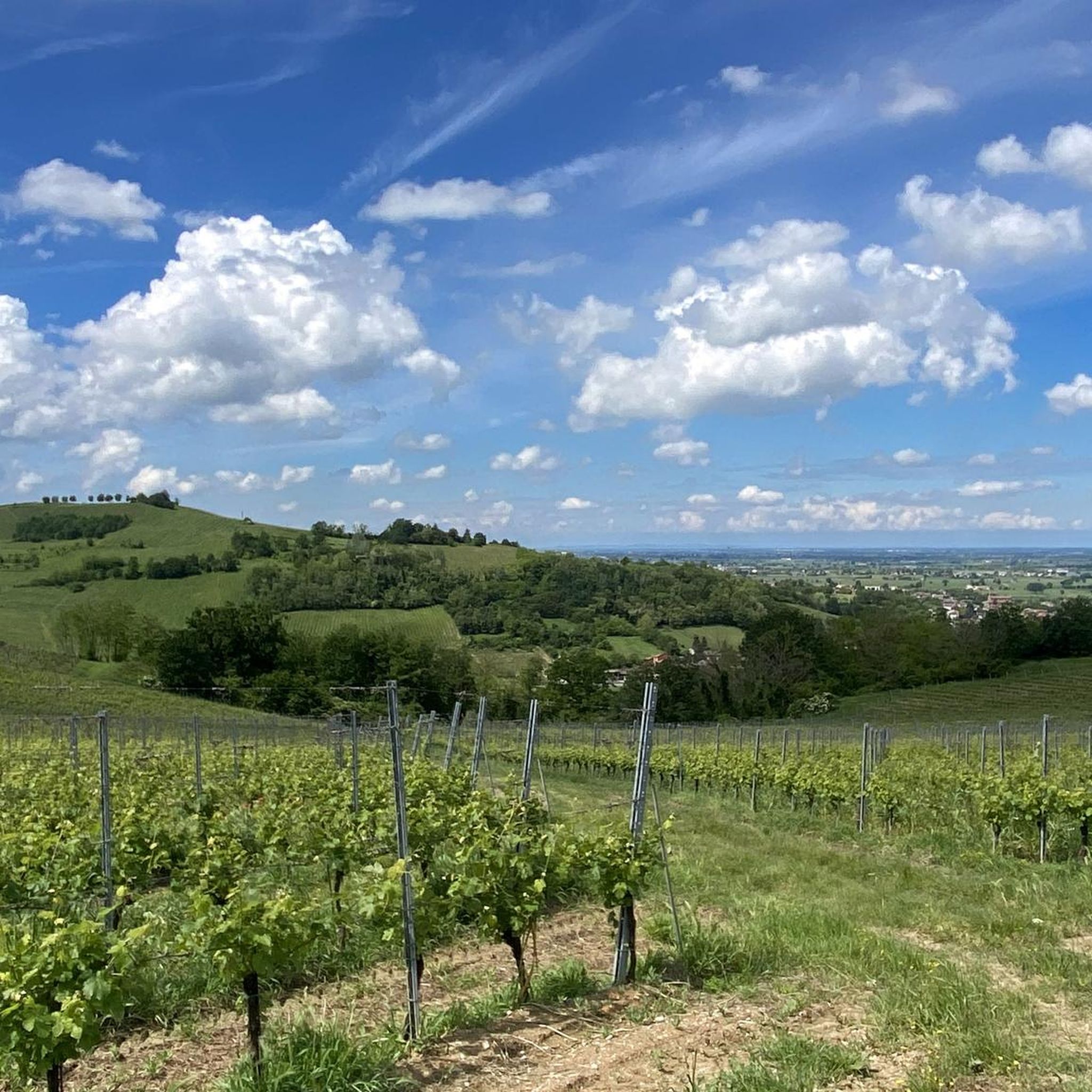
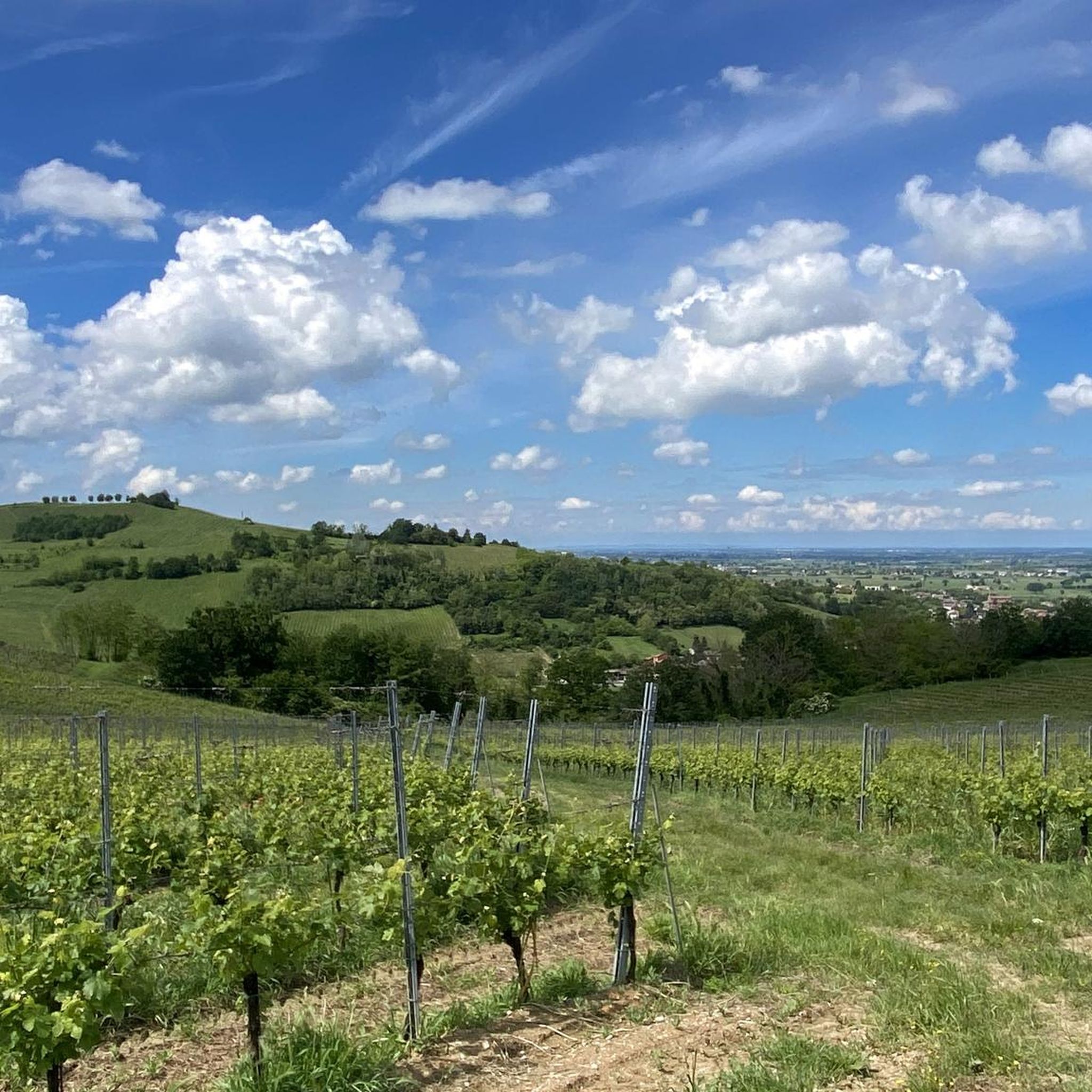
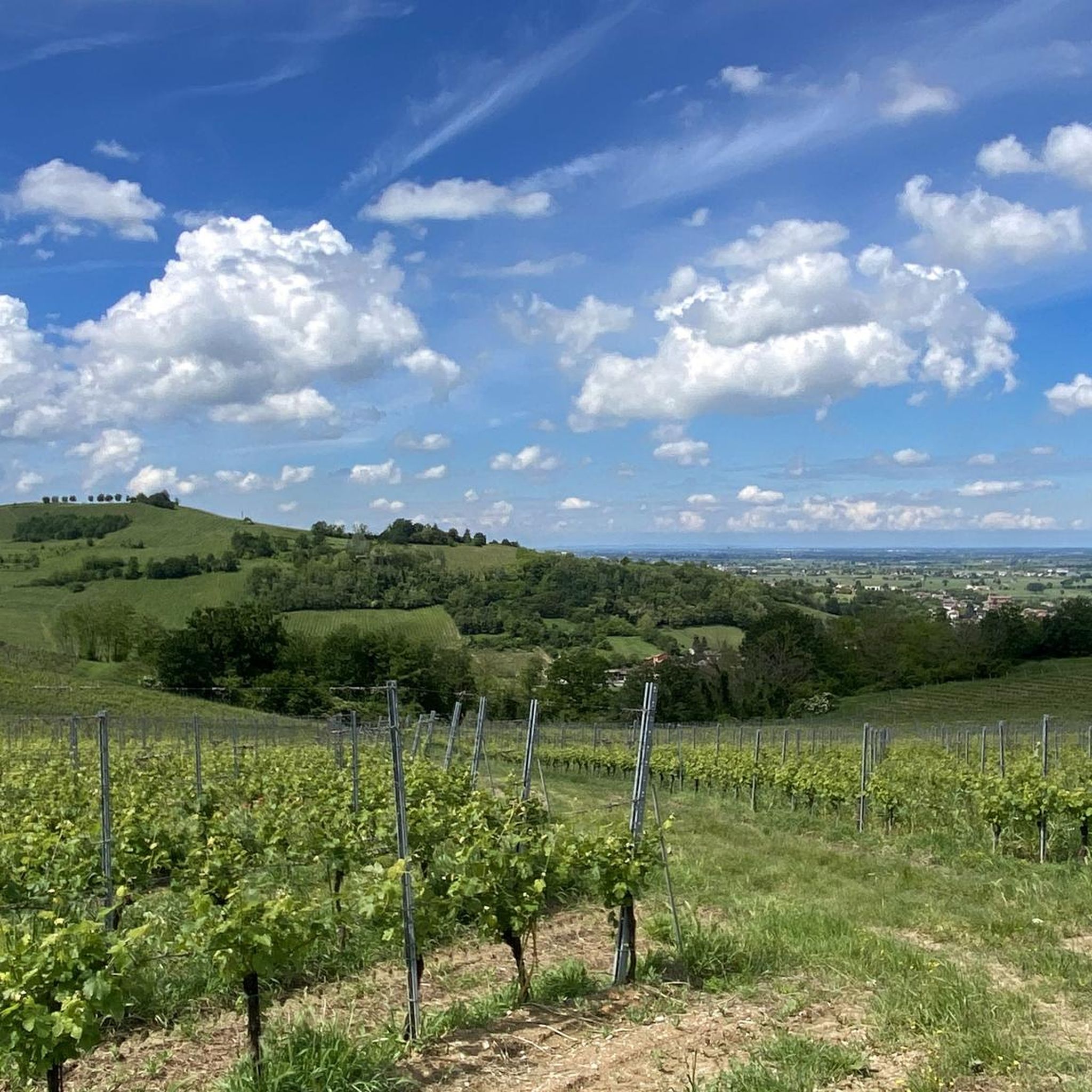
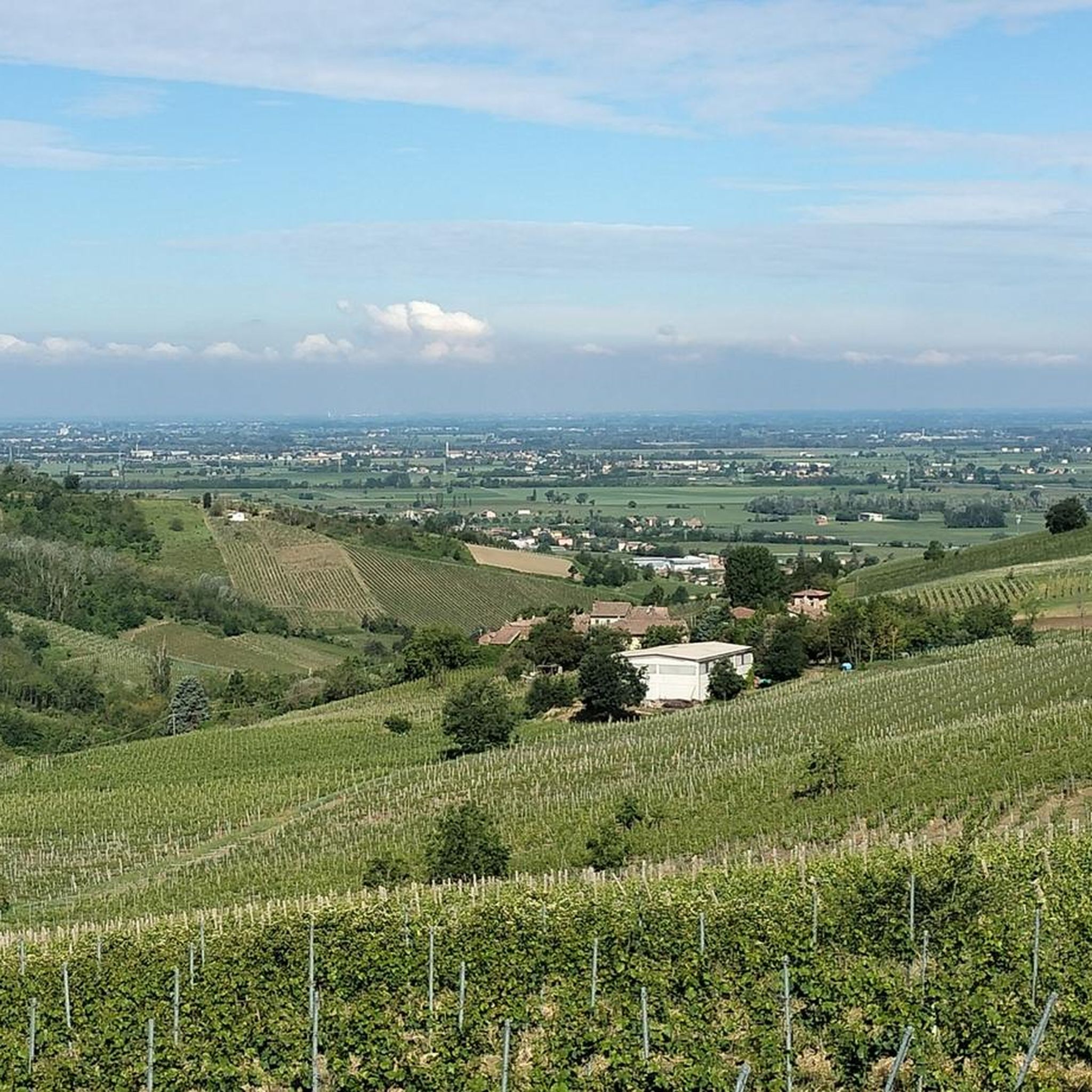
Mountain bike trails around Santa Giuletta traverse the varied landscapes of the Oltrepò Pavese region in Lombardy, Italy. The area is characterized by its hilly, vineyard-rich terrain, offering expansive views across the Po Valley to the north and the Apennine hills to the south. These routes often wind through ancient vineyards and past historical sites, providing a diverse backdrop for mountain biking. The region's topography includes significant elevation changes, making it suitable for different skill levels.
Best mountain bike trails…
Last updated: October 18, 2026
5.0
(3)
18
riders
58.5km
04:11
970m
970m
Hard mountain bike ride. Very good fitness required. Suitable for all skill levels.
4.0
(2)
15
riders
Moderate mountain bike ride. Good fitness required. Advanced riding skills necessary.

4.0
(1)
12
riders
49.5km
03:33
800m
800m
Moderate mountain bike ride. Good fitness required. Advanced riding skills necessary.
4.0
(1)
11
riders
50.1km
03:08
490m
490m
Moderate mountain bike ride. Good fitness required. Advanced riding skills necessary.
7
riders
61.6km
04:34
1,000m
1,000m
Hard mountain bike ride. Very good fitness required. Advanced riding skills necessary.
Get access to more routes and recommendations from other explorers.
Already have an account?
Our route recommendations are based on thousands of hikes, rides, and runs completed by other people on komoot.
Start today with a free account
Your next adventure awaits.

Tips from the Community

The Castello di Cigognola (often searched as Cicognola) and its famous Belvedere are one of the most iconic historical and scenic complexes in the Oltrepò Pavese. Located at an altitude of 309 meters in the municipality of Cigognola (Pavia), the complex strategically overlooks the outlet of the Valle Scuropasso into the plains. On clear days, the public Belvedere offers an extraordinary view that stretches from Pavia to Milan, even revealing the entire Alpine chain and Monte Rosa.
0
0
The Naviglio Pavese connects Milan to Pavia for 33.1 km and ends with its confluence into the Ticino river near Pavia, where the last hydraulic regulation lock (chiusa) is located. Main features Route and length: The canal is 33.1 km long and connects the Darsena in Milan to the dock/confluence of the Ticino in Pavia. Elevation gain and locks: The total elevation difference between Milan and the Ticino is 56.6 meters, overcome by twelve locks and the inclination of the bed. History: The works for the final completion were commissioned by Napoleon and finished in 1819, with the official inauguration on August 16, 1819, by Archduke Ranieri. Historical navigation: As early as 1820, the first steamships operated at the confluence with the Ticino, connecting Milan to the Po and the Adriatic.
0
0
The Sanctuary of Santa Maria del Novello (also known as Santuario del Novello) is a fascinating religious building located in Travacò Siccomario, in the province of Pavia. This small country church stands in a suggestive and isolated position within the floodplain area, just a few steps from the main left bank of the Po River. Origins: The original structure dates back to the late 1500s (or early 1600s according to some local sources). It was commissioned by the Bonacossa family and built over a previous country oratory, of which it still preserves the original fresco of the Madonna inside. Protection from floods: According to popular tradition, the building was erected at that precise spot to invoke divine protection against floods.
0
0

Fortunago is a charming Italian municipality of about 340 inhabitants located in the province of Pavia, in Lombardy. Immersed in the splendid hilly landscape of Oltrepò Pavese (in Val Coppa), the village is officially included in the prestigious circuit of the most beautiful villages in Italy (I Borghi più Belli d'Italia). This ancient medieval village is renowned for the careful architectural recovery of its exposed stone houses, the porphyry-paved streets, and an atmosphere of yesteryear that follows the slow rhythms of nature.
1
0
In Fortunago, a charming medieval village in the Oltrepò Pavese, the most famous fountain is the Fontana di San Ponzo. Located on the slopes of the village, it is linked to a legend in which the patron saint made a miraculous spring gush forth. In the center, you will also find the Fontana dei Dodici.
1
0

The “fontana di Fortunago” you are referring to is almost certainly the Fontana di San Ponzo, one of the most characteristic points of the village.
13
0

Excellent fountain on the descent below the village of Fortunago. To refill water, the fountain in the town square is not working (April 2026), while this one is cool and abundant.
3
0

Nice ride... challenging... you need to have some technique I used almost all the bike battery (500w) the first part of the forest downhill is to be done on foot because trees have fallen down... so studded shoes... But beautiful
1
0
Frequently Asked Questions
How many mountain bike trails are available around Santa Giuletta?
There are over 120 mountain bike trails around Santa Giuletta. These routes cater to various skill levels, with 10 easy, 69 moderate, and 47 difficult options to explore the diverse landscapes of the Oltrepò Pavese region.
What kind of terrain can I expect on mountain bike trails near Santa Giuletta?
The terrain around Santa Giuletta is predominantly hilly and rich in vineyards, offering significant elevation changes. You'll find scenic roads winding through historic vineyards and past charming villages. Some routes, like the Covered Bridge (Pavia) – Path Along the Ticino River loop from Pinarolo Po, offer a flatter experience along the Ticino River, providing a contrast to the more undulating trails.
Are there any easy mountain bike trails suitable for beginners or families in Santa Giuletta?
Yes, there are 10 easy mountain bike trails around Santa Giuletta, perfect for beginners or families looking for a more relaxed ride. These routes allow you to enjoy the scenic beauty of the region without overly challenging climbs or technical sections.
What are some notable landmarks or viewpoints I can see along the mountain bike trails?
Many trails offer breathtaking panoramic views of the Po Valley to the north and the Apennine hills to the south. You can also encounter historical sites such as the Cicognola Castle and Viewpoint, the charming settlement of Montalto Pavese, and the 45th Parallel Bench. The region's ancient vineyards also provide a picturesque backdrop for your ride.
What do other mountain bikers enjoy most about mountain biking in Santa Giuletta?
The mountain bike trails around Santa Giuletta are highly rated by the komoot community, with an average score of 4.3 stars from over 145 reviews. Riders often praise the diverse terrain, the stunning views of the Po Valley and Apennines, and the unique experience of cycling through ancient vineyards and past historical sites.
Are there any mountain bike routes that are loop trails?
Yes, many of the mountain bike routes around Santa Giuletta are designed as loops, allowing you to start and finish at the same point. Examples include the challenging Golferenzo loop from Santa Giuletta and the moderate Montalto Pavese – Entrance gate to Oliva Gessi loop from Barbianello, which takes you through vineyard-covered hills.
What is the best time of year for mountain biking in Santa Giuletta?
The Oltrepò Pavese region, including Santa Giuletta, is generally pleasant for outdoor activities for much of the year. Spring and autumn offer mild temperatures and vibrant landscapes, making them ideal for mountain biking. Summer can be warm, but early mornings or late afternoons are still enjoyable. Winter rides are possible, though some trails might be affected by weather conditions.
Are there specific trails that offer a unique experience of the region's vineyards?
Absolutely. The region is famously known for its ancient winemaking tradition, and many trails wind directly through these vineyard-rich hills. The Montalto Pavese – Entrance gate to Oliva Gessi loop from Barbianello is a great example, leading you through picturesque vineyard landscapes that define the area's charm.
Is there parking available at the trailheads for mountain bikers?
While specific designated mountain bike parking areas are not detailed in the guide data, Santa Giuletta and the surrounding villages typically offer public parking options. It's advisable to check local signage or use navigation apps to find suitable parking near your chosen trailhead.
Can I reach the mountain bike trails in Santa Giuletta using public transport?
Santa Giuletta is located in the Oltrepò Pavese region of Lombardy, Italy. While local bus services connect some towns, direct public transport access to specific trailheads might be limited. For detailed information on reaching Santa Giuletta by public transport, it's best to consult regional transport schedules or local tourist information resources like visitoltrepo.com.
Are there any permits required for mountain biking in the Santa Giuletta area?
There is no indication that specific permits are required for mountain biking on the general trails around Santa Giuletta. However, always respect private property, follow local regulations, and stay on marked paths to ensure a pleasant experience for everyone.
Are there any dog-friendly mountain biking trails in Santa Giuletta?
While specific regulations for dogs on mountain bike trails are not detailed, many outdoor areas in Italy are generally dog-friendly, especially on trails where dogs are kept on a leash. It's always recommended to keep your dog under control, clean up after them, and be mindful of other trail users and local wildlife.
Most popular routes around Santa Giuletta
Most popular attractions around Santa Giuletta

Get inspired with the komoot mobile app


Explore more
Browse the best MTB trails in other regions.
