Attractions and Places To See around Fossalta Di Portogruaro - Top 20
Best attractions and places to see around Fossalta Di Portogruaro include historical landmarks and natural features within the Metropolitan City of Venice. The area is characterized by its blend of ancient sites, such as the Parish Church of San Zenone, and significant natural areas like the Ancient Oak of Villanova. Visitors can explore a landscape that combines cultural heritage with green spaces and waterways. The region also offers scenic cycle paths connecting various points of interest.
Best attractions and places…
Last updated: October 23, 2026
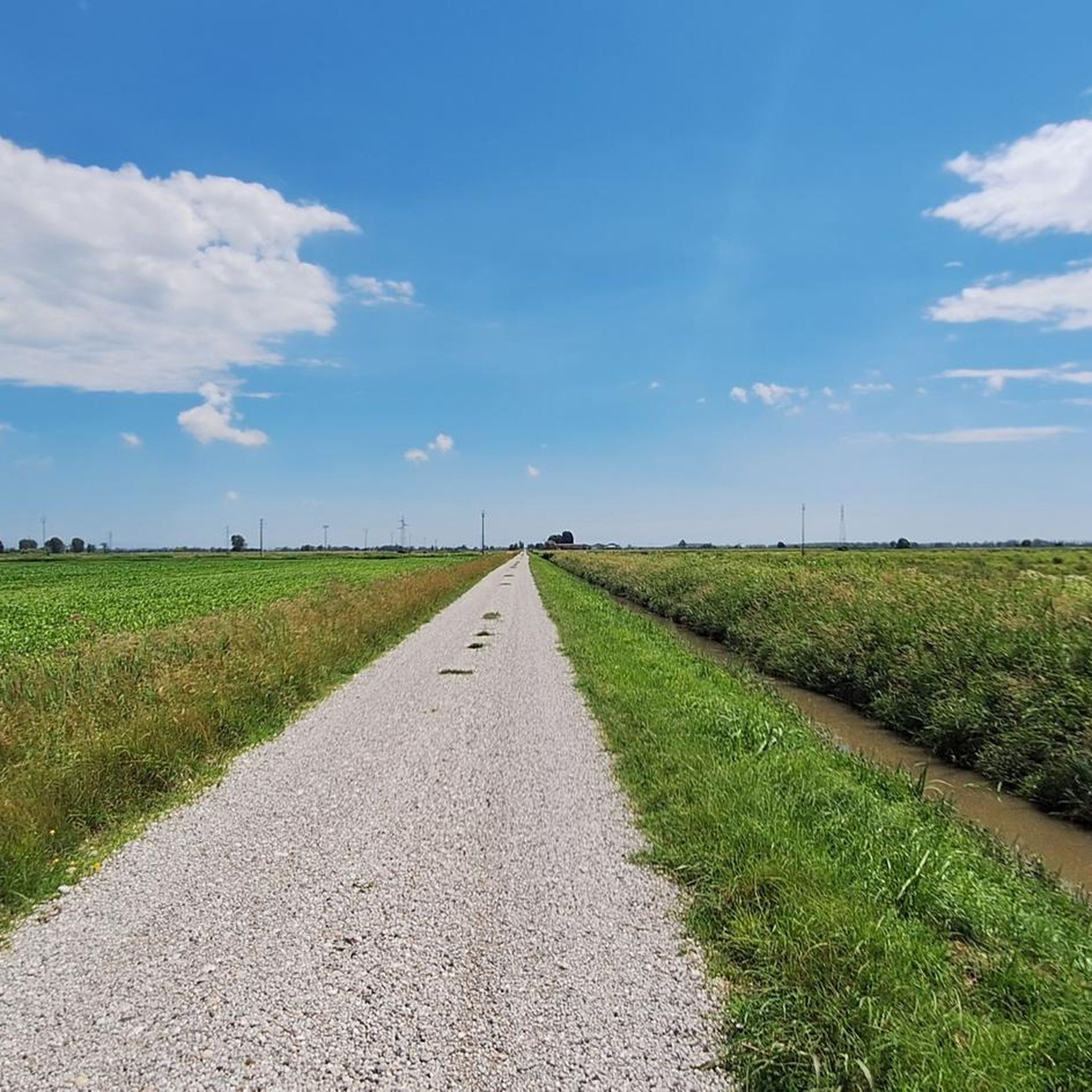
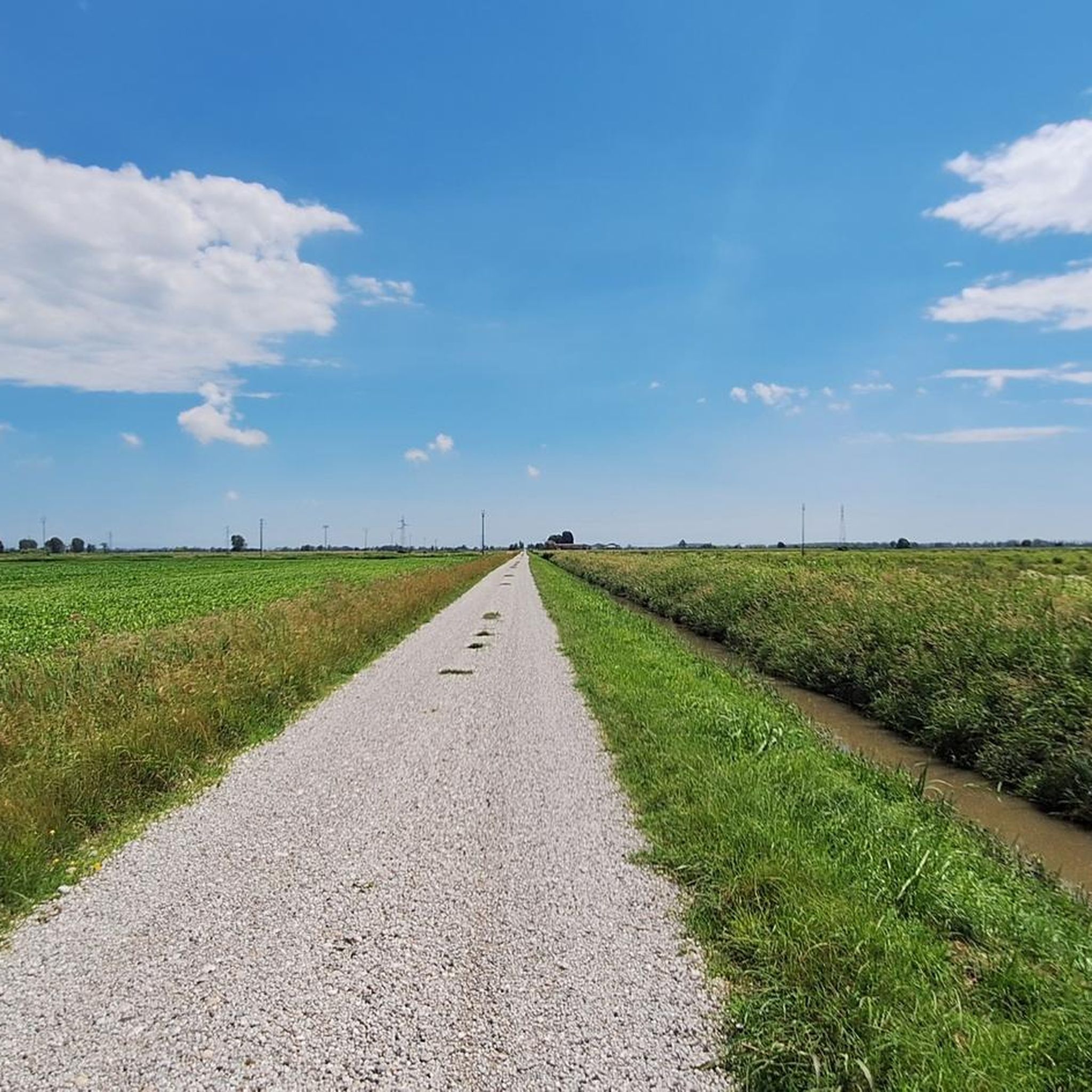
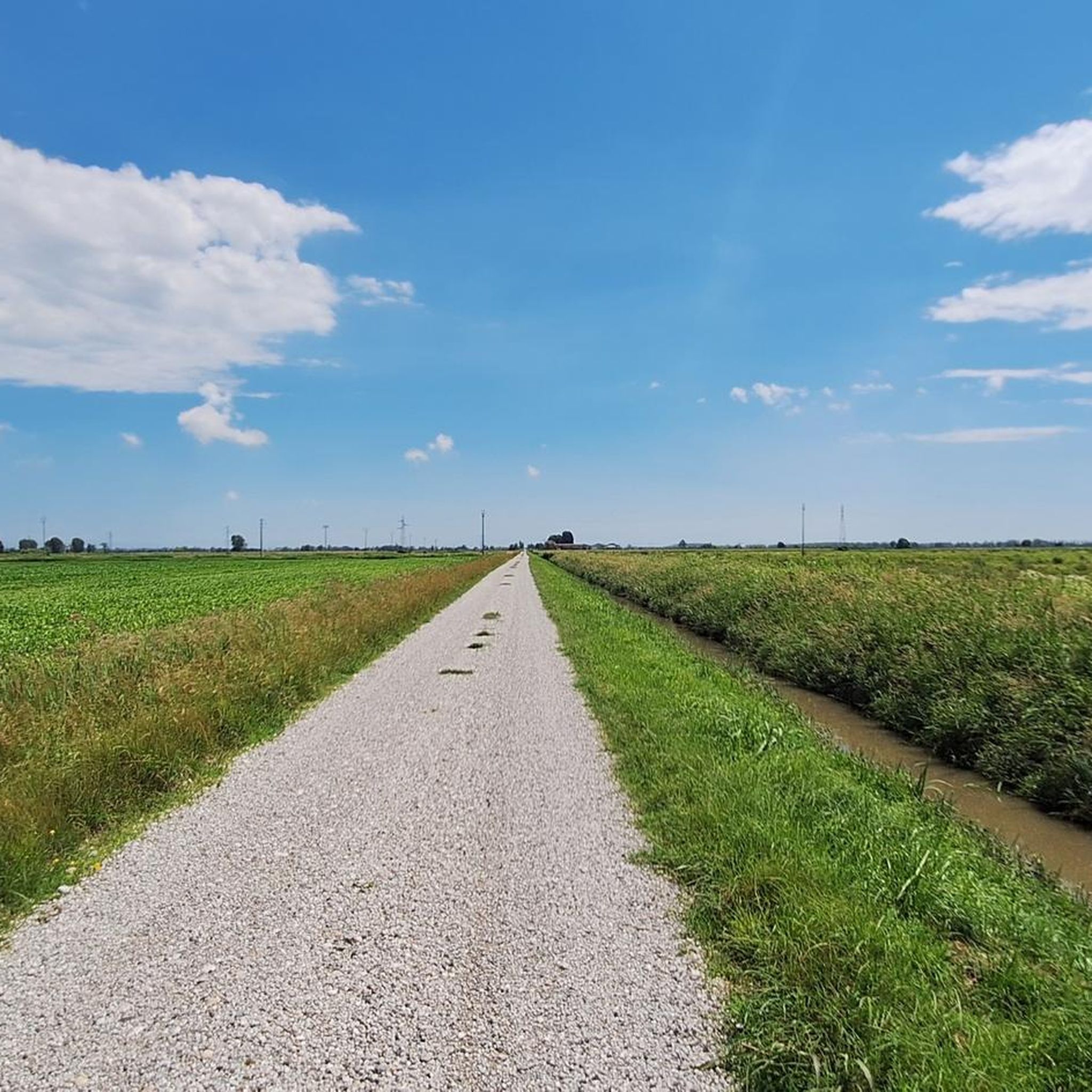
Tagliamento Cycle Path in Pertegada
Highlight • Cycleway
Tip by

Sanctuary of Titiano
Highlight • Religious Site
Translated by Google •
Tip by

Sign up now to discover places like this
Get recommendations on the best single tracks, peaks, & plenty of other exciting outdoor places.
Bosco delle Lame
Highlight • Forest
Translated by Google •
Tip by

Historic Center of Portogruaro
Highlight • Historical Site
Translated by Google •
Tip by

Gate of Sesto al Reghena
Highlight • Monument
it.m.wikipedia.org/wiki/Sesto_al_Reghena
Translated by Google •
Tip by
Sign up for free to discover even more attractions around Fossalta Di Portogruaro.
Already have an account?
Start today with a free account
Your next adventure awaits.

Tips from the Community

You cross the woods in the direction of Marango
0
0

Bosco delle Lame, a nature oasis close to the Caorle lagoon.
0
0

Pleasant, shady route through the forest and along the dam. Lots of pure nature while cycling is certain.
0
0

The historic center of Portogruaro, defined as the "little Venice of the mainland", develops elegantly along the banks of the Lemene river. The beating heart is Piazza della Repubblica, where the characteristic pillars of the Gothic brick Town Hall and the unusual leaning bell tower of the Cathedral of Sant'Andrea stand out. Strolling under the long medieval and Renaissance arcades, you can admire frescoed palaces in Venetian style that testify to the city's glorious commercial past. One of the most evocative views is offered by the Mulini di Sant'Andrea, located right in the city center, where the water wheels still turn above waters populated by swans. Here, wrought iron bridges and weeping willows create a romantic atmosphere that harmoniously combines monumental architecture with river vitality.
1
0

Beautiful places for a peaceful ride, to recharge your soul too
1
0
Portogruaro, a characteristic town of medieval origin, crossed by the Lemene river.
0
0

Abbey and village absolutely worth visiting for the historical importance and the charm of the small village.
15
0
Frequently Asked Questions
What natural attractions can I explore around Fossalta Di Portogruaro?
The area boasts several natural highlights. You can visit Bosco delle Lame, a significant lowland forest spanning 33 hectares, known for its diverse flora and fauna. Another remarkable natural landmark is the Ancient Oak of Villanova, a majestic English oak over 500 years old, located opposite the Chapel of Sant'Antonio di Villanova. The Roiatte Woods and the Garden of Mars and Flora also offer pleasant natural settings for exploration.
Are there good cycling routes in the area?
Yes, Fossalta Di Portogruaro is well-suited for cycling. The Tagliamento Cycle Path in Pertegada is a recently renovated route extending over 10 km along the Tagliamento river, suitable for all skill levels. Many attractions are connected by scenic cycle paths that traverse charming unpaved roads, making it easy to explore the region on two wheels. For more cycling options, check out the MTB Trails around Fossalta Di Portogruaro guide.
Where can I go for a walk or hike near Fossalta Di Portogruaro?
You'll find numerous opportunities for pleasant walks and hikes in the unspoiled nature around Fossalta Di Portogruaro. The Bosco delle Lame offers easy forest paths. For more structured routes, consider trails like the 'Boschetta Trail loop from Fossalta di Portogruaro' or the 'Basilica Apostolorum loop from Portogruaro'. You can find more details in the Hiking around Fossalta Di Portogruaro guide.
What historical landmarks should I visit in Fossalta Di Portogruaro?
The region is rich in history. Explore the historic center with its narrow streets and traditional houses. Significant landmarks include the Parish Church of San Zenone, dating back to 1034, and the Church of San Tommaso, known for its frescoes. Don't miss Villa Sidran, an 18th-century architectural sight, and the Chapel of Sant'Antonio di Villanova, notable for the ancient oak tree in front of it.
Are there any notable churches with historical significance?
Absolutely. The Parish Church of San Zenone, though rebuilt over centuries, has foundations from 1034 and contains invaluable artworks. The Church of San Tommaso is celebrated for its frescoes and artworks. In Gorgo, the Church of Santa Cristina, dating back to the 14th century, stands on foundations of an even older temple. Additionally, the Sanctuary of Titiano, built between the 13th and 15th centuries, is located in a beautiful natural setting by the Stella river.
Can I explore any ancient settlements or unique historical sites?
Yes, you can visit Alvisopoli, a town founded in the 19th century by Venetian nobleman Alvise Mocenigo, featuring the beautiful Church of Saint Louis and Villa Mocenigo, which includes a WWF conservation area. The neighboring fiefdom of Fratta, setting for Ippolito Nievo's novel, offers the site of its former castle and the 16th-century Casa del Cortino. Also, the Gate of Sesto al Reghena provides an entrance to a village known for its historical significance and architecture.
Are there family-friendly activities or attractions suitable for children?
Many attractions in the area are suitable for families. The Bosco delle Lame offers easy paths for walks and wildlife spotting, including squirrels, hares, and various bird species. The Tagliamento Cycle Path in Pertegada is also suitable for all skill levels, making it a great family cycling option. Exploring the historic center and visiting the Ethnographic Museum can also be engaging for older children.
What kind of local cuisine and wineries can I find?
The region is renowned for its gastronomy, featuring typical dishes like pasta, fish, and seafood. These are often paired with local wines, as Fossalta boasts many wineries and wine cellars, with 'Santa Margherita' being particularly prominent. The area's agricultural focus on vineyards plays a key role in the local economy, offering opportunities for wine tasting and culinary experiences.
What do visitors enjoy the most about Fossalta Di Portogruaro?
Visitors particularly appreciate the blend of natural beauty and rich history. The tranquil forest paths of Bosco delle Lame and the scenic Tagliamento Cycle Path are highly rated for their peaceful atmosphere and natural environment. The historical sites, such as the ancient churches and the charming historic center, also receive positive feedback for their cultural significance and architectural beauty.
Is there an Ethnographic Museum in Fossalta Di Portogruaro?
Yes, there is an Ethnographic Museum in Fossalta Di Portogruaro. It chronicles the history of the town from its origins through to more recent historical events, offering insights into the local culture and heritage.
Are there any protected natural areas or conservation sites?
Yes, the area is committed to preserving its natural environment. Bosco delle Lame is a significant example of a lowland forest and a protected area, home to over 300 nesting bird species. Additionally, Villa Mocenigo in Alvisopoli includes a WWF conservation area within its grounds, protecting its woods as a WWF oasis. The Ancient Oak of Villanova is also a national monument, constantly monitored and protected.
What is the legend of the underground labyrinth?
Local lore speaks of a legendary underground labyrinth beneath Fossalta Di Portogruaro. It is supposedly built in the Middle Ages and served as a refuge during wars and invasions, adding a mystical air to the town's history.
Most popular routes around Fossalta Di Portogruaro
Most popular attractions around Fossalta Di Portogruaro

Get inspired with the komoot mobile app


Explore more
Still not found the Highlight you’re looking for? See guides of the top attractions in other regions:
