Top 20 Castles around Buja
Best castles around Buja are found within the picturesque Friuli-Venezia Giulia region of Italy, nestled among morainic hills and offering views towards the Julian Alps. The area is characterized by its historical significance, with sites like the Castello di Buja showcasing ancient origins and a rich medieval past. Visitors can explore a landscape that blends cultural heritage with natural beauty. This region provides a tranquil setting for those interested in historical sites and expansive vistas.
Best castles around Buja
- The…
Last updated: July 1, 2026
Fagagna Castle
Highlight • Castle
Translated by Google •
Tip by

Villalta Castle
Highlight • Castle
Translated by Google •
Tip by

Sign up now to discover places like this
Get recommendations on the best single tracks, peaks, & plenty of other exciting outdoor places.
Sign up for free
Caporiacco Castle
Highlight • Castle
Translated by Google •
Tip by

Osoppo Fortress
Highlight • Historical Site
I strongly suggest taking a torch with you, to make the …
Tip by

Coia Castle
Highlight • Castle
Translated by Google •
Tip by

Sign up for free to discover even more castles around Buja.
Sign up for free
Already have an account?
Start today with a free account
Your next adventure awaits.
Login or Signup

Tips from the Community

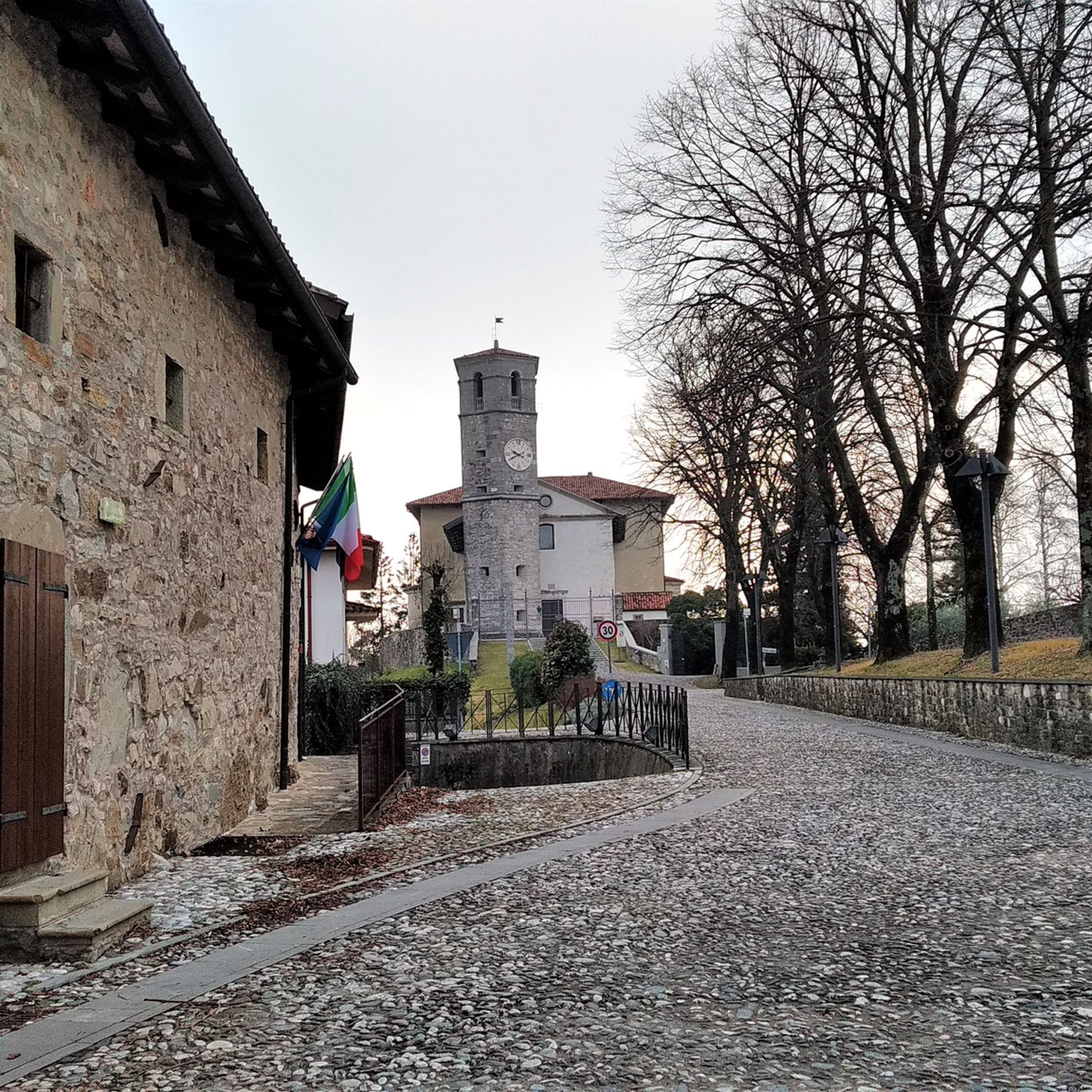
Caporiacco Castle, located in the village of the same name in the hills of Colloredo di Monte Albano, was built in the medieval period (1026-1045) as a residence-fortress for the nobles of Caporiacco. In its long history, the manor has suffered numerous damages: set on fire by enemies, looted by patriarchal troops, attacked by the population during the famous peasant revolt of Fat Thursday in 1511 and severely hit by the earthquake of the same year. But it was the 1976 earthquake that had devastating effects on the structure, leaving only the curtain wall of the facade standing. For decades it remained in a state of rubble, until the recovery work began in 1999 and concluded in 2013, with the reconstruction of the Torre Mastio, the oldest part of the site, the main body and the "casa del frate".
2
0

Among the hills of Colloredo di Monte Albano, the Caporiacco castle belonged to the family of the same name until 1278. It was then damaged and looted several times and also suffered damage from an earthquake in 1976. Restoration work was completed a few years ago.
1
0

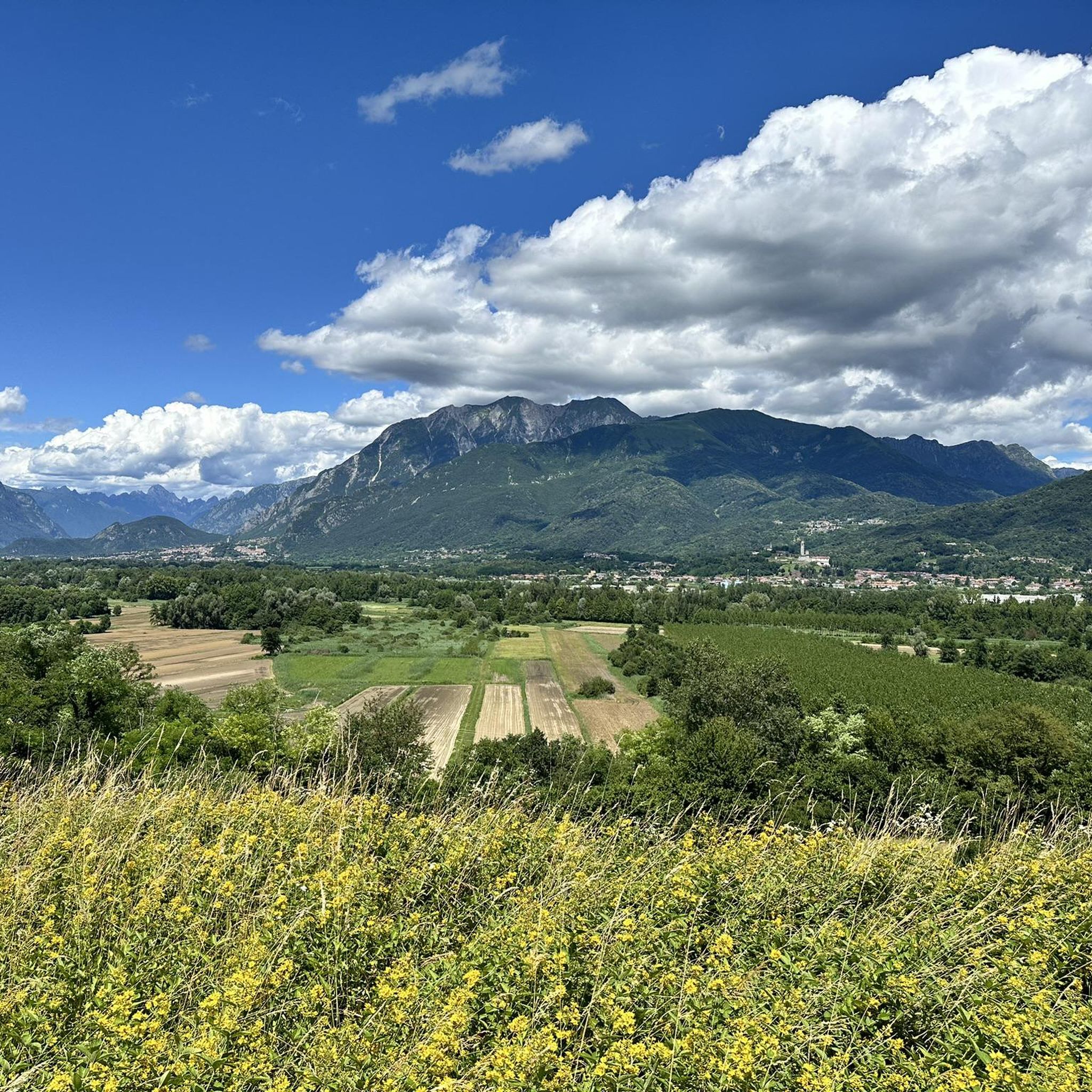
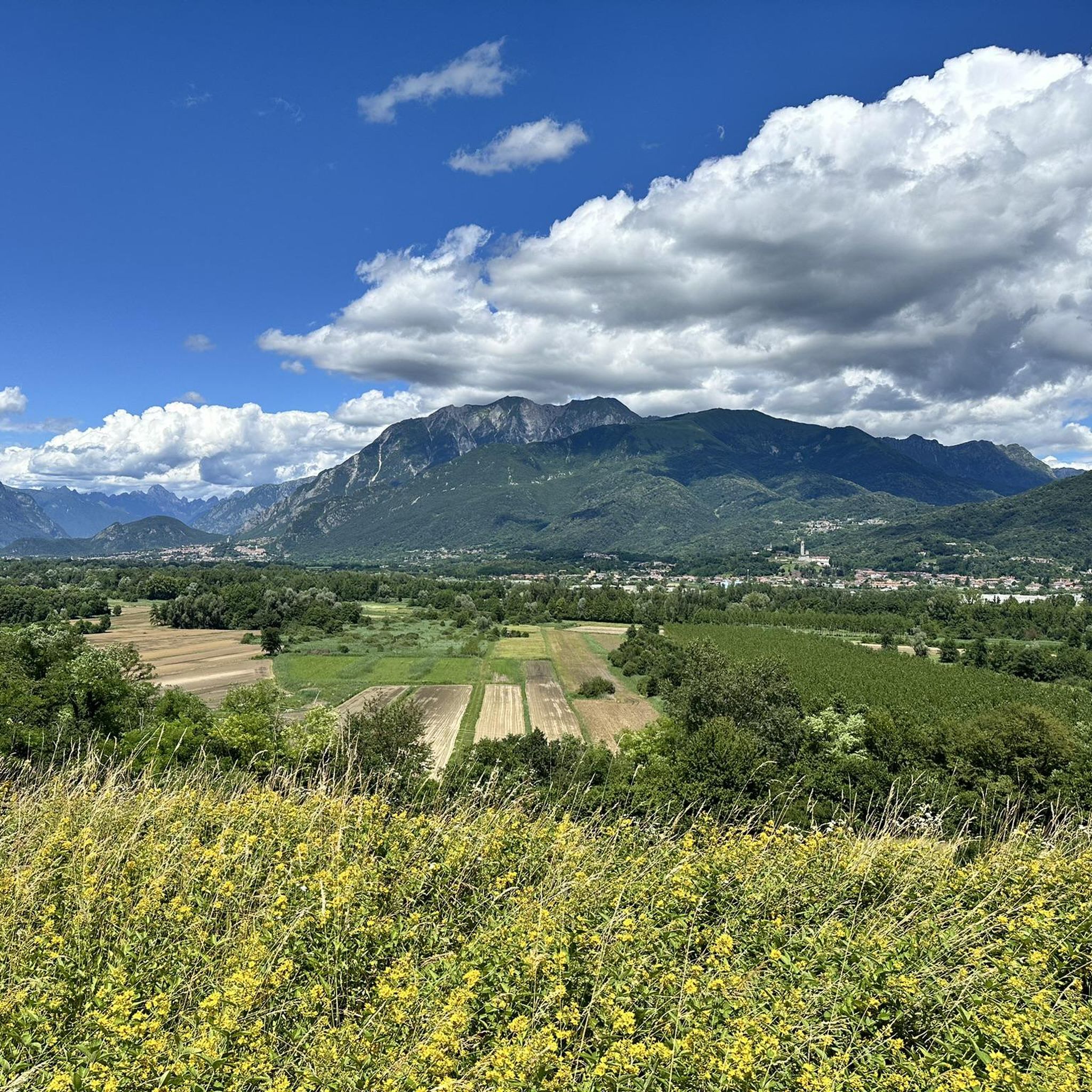
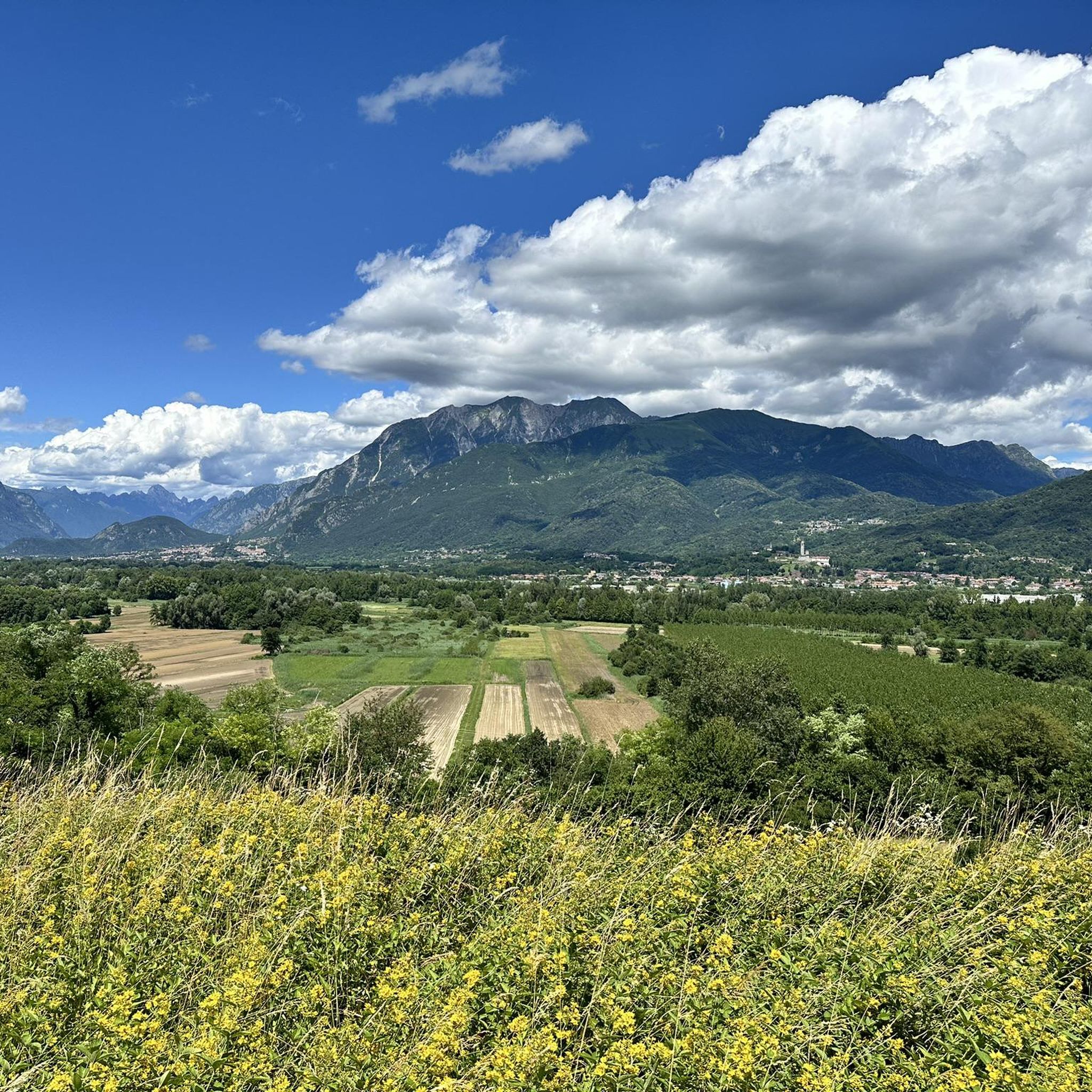
The drive up is worth it because from the top you can enjoy a beautiful, wide view of Friuli. The "place up there" is also very well maintained and invites you to linger. A restaurant completes the pleasant experience.
0
0


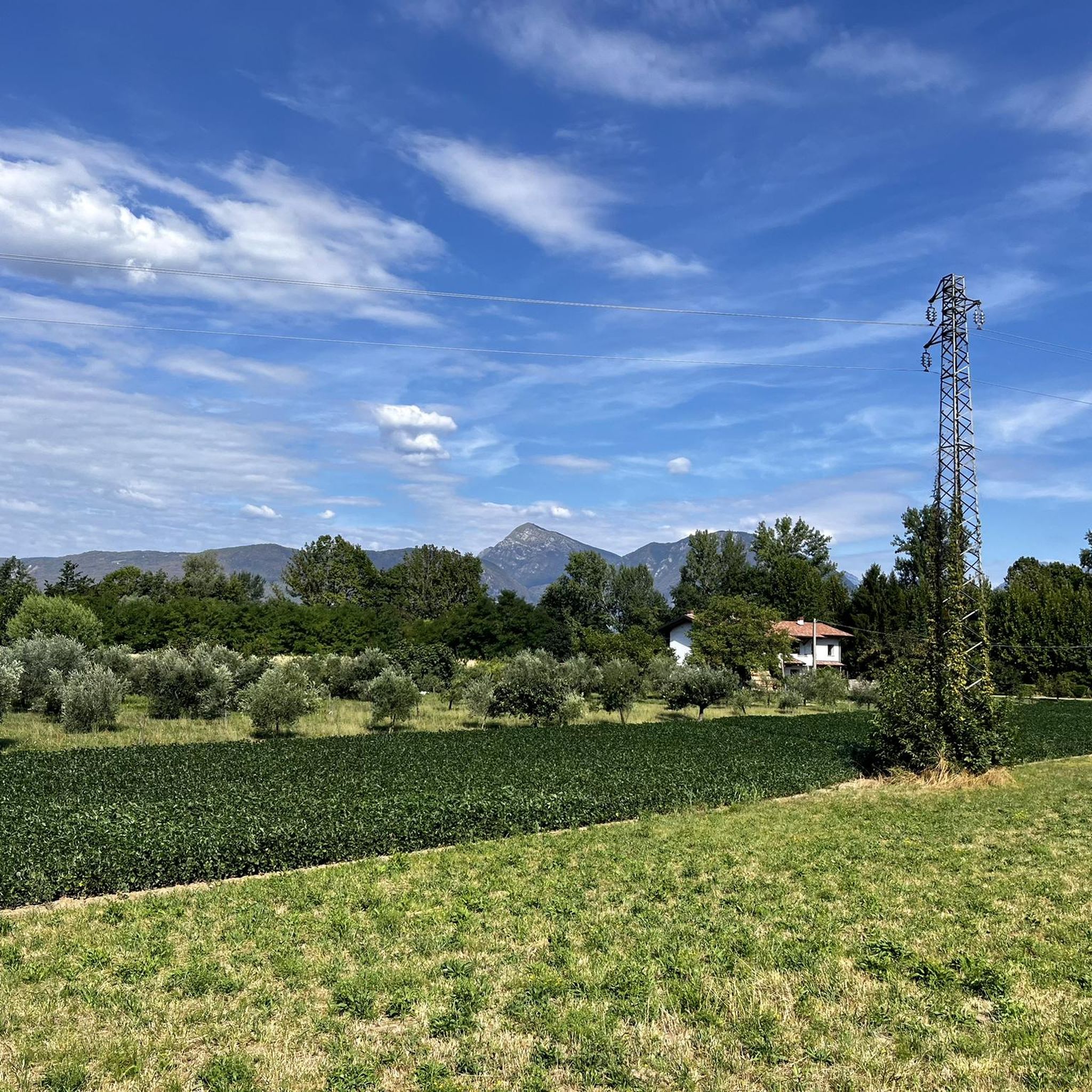
beautiful road surrounded by nature
0
1
beautiful cycle path in the hilly area
1
0

To be visited as a documentation of our past and as a panorama
0
0
beautiful road surrounded by Friulian nature
1
0
Frequently Asked Questions
What historical significance do the castles around Buja hold?
The castles in the Buja area, such as the ancient Castello di Buja, offer a deep dive into over a millennium of history. They trace their origins from probable Neolithic settlements and Roman 'Castrum' sites, through medieval feudal periods, witnessing numerous sieges and significant events like the 1511 earthquake. Sites like Villalta Castle and Caporiacco Castle are prime examples of this rich past, with histories dating back to at least the 11th and 12th centuries.
Which castles near Buja offer the best panoramic views?
Many castles in the region are strategically located to offer stunning vistas. Fagagna Castle, situated on an esplanade at 233 meters, provides excellent dominant views over the plain below. The ruins of Castello di Buja itself, atop Monte Buia, also offer breathtaking views of the surrounding morainic hills and the Julian Alps, especially beautiful around sunset. Osoppo Fortress is another highlight where the ascent is well worth it for the views of the plains.
Are there family-friendly castles to visit in the Buja area?
Yes, several castles are suitable for families. Villalta Castle and Caporiacco Castle are both categorized as family-friendly. The Osoppo Fortress is also noted as family-friendly, offering an engaging historical experience. These sites often provide space for exploration and can be combined with short walks, making them enjoyable for all ages.
Can I bring my dog to the castles around Buja?
Some historical sites in the area are dog-friendly. For instance, Colloredo di Montalbano and Osoppo Fortress are listed as dog-friendly, allowing you to explore with your canine companion. It's always a good idea to check specific site regulations before your visit, but many outdoor castle ruins and surrounding areas welcome dogs on a leash.
What kind of outdoor activities can I do near the castles in Buja?
The region around Buja offers a variety of outdoor activities, often combining historical exploration with nature. You can find numerous road cycling routes, such as the 'Old Cycle Bridge – View of Dogna loop' or the 'Castello Savorgnan – Bridge Over the Tagliamento loop'. For mountain biking, options include the 'Tagliamento River Loop' and the 'Osoppo Fortress – Ledra Canal loop'. There are also challenging mountain hikes like the 'Cuarnan – Zuc de Crôs loop'. You can explore more routes on the respective guides: Road Cycling Routes around Buja, MTB Trails around Buja, and Mountain Hikes around Buja.
Are there specific hiking trails that incorporate castles near Buja?
While specific trails directly incorporating castle interiors might be limited, many castles, like Fagagna Castle and the ruins of Castello di Buja, are located on hills accessible via scenic walks or climbs. These routes often provide beautiful views and a chance to experience the natural surroundings. The area's general landscape of morainic hills is ideal for combining historical visits with light hiking, offering a tranquil escape.
What is the best time of year to visit the castles and surrounding area?
The region around Buja is particularly beautiful in spring and autumn when the weather is mild, and the natural scenery is vibrant with blossoms or autumn colors. These seasons are ideal for exploring the castle ruins and enjoying outdoor activities like hiking and cycling. Summer can also be pleasant, though it might be warmer. Visiting in winter offers a different, tranquil atmosphere, but some facilities or access might be limited.
What are some lesser-known or 'hidden gem' castles worth exploring near Buja?
Beyond the more prominent sites, the broader Friuli-Venezia Giulia region around Buja is dotted with many historical remnants. While not explicitly listed as 'hidden gems' in the data, exploring the ruins of the ancient Castello di Buja itself offers a unique, tranquil experience away from larger crowds. Its historical depth and panoramic views make it a compelling, perhaps less-traveled, destination for those interested in the region's past.
What facilities or amenities can I expect near these castles, such as cafes or restrooms?
Amenities vary by location. For example, at the top of the way to Osoppo Fortress, you can find a cozy bar and public restrooms. In general, larger towns near the castles, such as Fagagna or Buja itself, will offer cafes, restaurants, and other services. For more remote castle ruins, it's advisable to bring your own refreshments and plan accordingly.
How accessible are the castles around Buja for visitors with mobility concerns?
Accessibility can vary significantly. Many castles, like Fagagna Castle and the Castello di Buja ruins, are located on hills and may involve climbs or uneven terrain, which could be challenging for visitors with mobility concerns. Some, like Villalta Castle, are noted as being reachable via both paved and unpaved roads. It's recommended to research specific castle sites for detailed accessibility information before planning your visit.
What makes the Castello di Buja unique compared to other castles in the region?
The Castello di Buja stands out for its ancient origins, with evidence suggesting it was a Neolithic village and a Roman 'Castrum' before becoming a medieval fortress. Its bell tower even utilizes one of the original castle's perimeter towers. While largely in ruins today, its strategic location on Monte Buia offers unparalleled panoramic views of the morainic hills and Julian Alps, providing a tangible link to over a millennium of history in a tranquil setting.
Are there any castles near Buja that have undergone significant restoration?
Yes, Caporiacco Castle is a notable example. After suffering extensive damage from historical events and particularly the 1976 earthquake, it underwent significant restoration work from 1999 to 2013. This included the reconstruction of its Torre Mastio, the main body, and the 'casa del frate', allowing visitors to appreciate its medieval architecture anew.
Most popular attractions around Buja

Get inspired with the komoot mobile app


Explore more
Looking for the best castles somewhere else? Discover other guides around Buja:
