The best walks and hikes around Rubigen
4.8
(75)
616
hikers
31
hikes
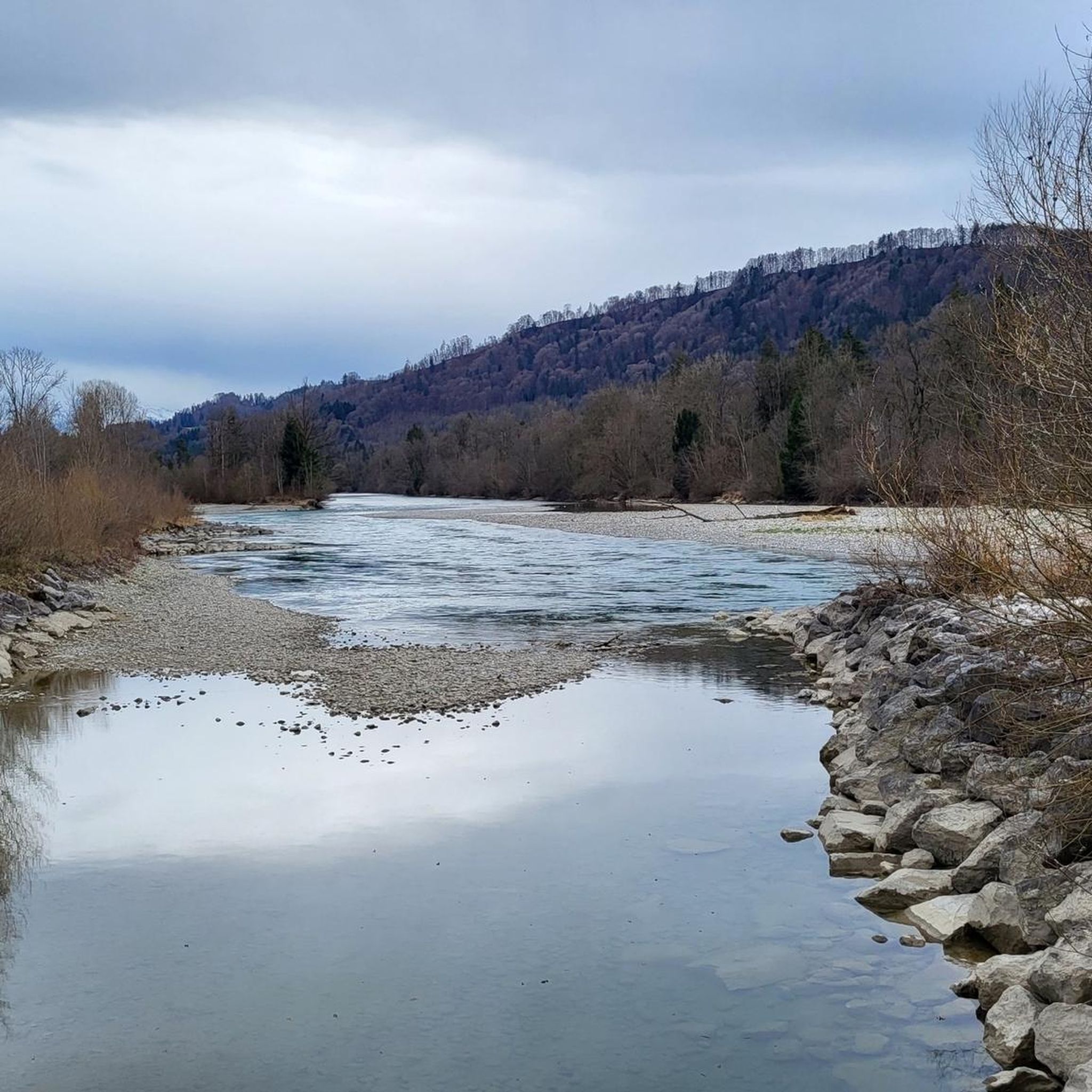
Hiking around Rubigen offers diverse landscapes for outdoor enthusiasts. The area is characterized by the Aare River and its floodplain, recognized as a nature reserve, providing varied hiking experiences. Trails also wind through dense forests and vibrant meadows, offering routes for different fitness levels. The region features gentle elevations and riverside paths, making it accessible for various hiking abilities.
Best hiking trails around Rubigen
- The most popular hiking route is Beaver Activity on the Aare – Kleinhöchstetten Church loop from Rubigen, an easy 4.6 miles (7.4 km) trail that takes 1 hour 59 minutes to complete, offering views of the Aare River.
- Another top favourite among local hikers is Elfenau Ferry – Auguet Bridge loop from Rubigen, a difficult 16.7 miles (26.8 km) path. This route explores the extensive floodplain landscape along the Aare.
- Local hikers also love the Hunzigebrücke – Wyderwasser Café loop from Rubigen, a 3.7 miles (6.0 km) trail leading through riverside areas, often completed in about 1 hour 32 minutes.
- Hiking around Rubigen is defined by the Aare River floodplain, dense forests, and open meadows. The network offers options for different ability levels, from easy riverside strolls to more demanding excursions.
- The routes in Rubigen are highly rated by the komoot community with an average score of 4.8 stars from around 25 reviews. More than 300 hikers have used komoot to explore Rubigen's varied terrain.
Last updated: June 27, 2026
4.4
(30)
238
hikers
10.9km
02:47
40m
40m
Moderate hike. Good fitness required. Easily-accessible paths. Suitable for all skill levels.
5.0
(4)
17
hikers
Easy hike. Great for any fitness level. Easily-accessible paths. Suitable for all skill levels.

Sign up for free
4.9
(21)
199
hikers
26.8km
07:08
280m
280m
Hard hike. Very good fitness required. Easily-accessible paths. Suitable for all skill levels.
5.0
(3)
19
hikers
4.35km
01:07
10m
10m
Easy hike. Great for any fitness level. Easily-accessible paths. Suitable for all skill levels.
4.3
(6)
51
hikers
5.62km
01:26
20m
20m
Easy hike. Great for any fitness level. Easily-accessible paths. Suitable for all skill levels.
Get access to more routes and recommendations from other explorers.
Sign up for free
Already have an account?
Our route recommendations are based on thousands of hikes, rides, and runs completed by other people on komoot.
Start today with a free account
Your next adventure awaits.
Login or Signup

Tips from the Community

Swimming in the Aare is a breathtaking and refreshing pleasure. For young and old.
0
0

The Hechtenloch is a nature reserve where entry is not permitted, but you can still see it.
0
0

Beautiful view of the Aare, the Marzilibad and the local mountain of Bern "Gurten"
0
0

Also beautiful in winter when it is very cold and icicles form.
0
0
Also very beautiful in winter when it is cold and icicles form.
0
0

Federal Palace Bern, history On April 1, 1902, the new building was ceremoniously handed over to the Swiss Confederation. Where a music hall and an old hospital once stood, parliament and government now meet. The Federal Palace in Bern has its task of uniting the country's inhabitants literally carved in stone. When the Federal Constitution came into force on September 12, 1848, the question of where the government and parliament should be located was not yet clear. It was not until November that the Federal Assembly decided on Bern as the seat of the authorities. Two years later, the Bern municipal council announced an architectural competition for the "Federal City Hall". In the meantime, the Federal Council met in the Erlacherhof, the current seat of the Bern government. With the total revision of the Federal Constitution in 1874, the federal government was suddenly given new areas of responsibility that had previously been the responsibility of the cantons. The administration soon reached its space limits and a new building was needed. The city therefore handed over its responsibility to the federal government two years later. In 1880, he bought the Inselspital building, which had to make way for the new Federal Palace seven years later. An architectural competition was held again, and Alfred Friedrich Bluntschli and Hans Wilhelm Auer were chosen as the winners. This is how today's Federal Palace East was created, a symmetrical counterpart to the existing "Federal City Hall" in the west. Eleven years later, the two architects Bluntschli and Auer were invited to another competition, this time for a parliament building between the two administrative wings. Although an international committee of architects was called upon to select the best design, in 1891 the Federal Council decided on its own authority to accept Hans Wilhelm Auer's proposal. This proposed a domed building in the style of the Capitol in Washington D.C. After several years of work, 30 types of Swiss stone were used with the help of 38 local artists to create a national monument with an impact on all cantons. The new building was ceremoniously handed over to the Swiss Confederation on April 1, 1902. The building cost 7.2 million Swiss francs – compared to today's conditions, this would be equivalent to around 700 million Swiss francs. Text / Source: SRF Swiss Radio and Television https://www.srf.ch/news/bundeshaus-und-parlament-geschichte-des-bundeshäuser
18
0

From the Federal Palace you have a beautiful view of the valley.
0
0
Frequently Asked Questions
How many hiking trails are available around Rubigen?
Rubigen offers a diverse network of over 30 hiking trails. These routes cater to various preferences, from easy riverside strolls to more demanding excursions through forests and meadows.
What kind of landscapes can I expect to see while hiking in Rubigen?
The hiking trails around Rubigen feature a variety of landscapes. You'll find paths winding along the Aare River and its protected floodplain, through dense forests, and across vibrant flower meadows. The region is known for its gentle elevations and refreshing natural areas.
Are there easy hiking options suitable for families or beginners in Rubigen?
Yes, Rubigen is very welcoming for families and beginners. Over 20 of the trails are rated as easy, offering accessible paths suitable for any fitness level. A great example is the Beaver Activity on the Aare – Kleinhöchstetten Church loop from Rubigen, an easy 4.6-mile route along the Aare River.
Are there any challenging hikes for experienced trekkers in Rubigen?
For experienced hikers seeking a challenge, Rubigen does offer more demanding routes. One such option is the Elfenau Ferry – Auguet Bridge loop from Rubigen, a difficult 16.7-mile path that explores the extensive floodplain landscape along the Aare, requiring good fitness and sure-footedness.
What interesting sights or landmarks can I see while hiking near Rubigen?
While hiking near Rubigen, you can discover several interesting sights. Consider visiting the Bantiger Observation Tower or enjoying the panoramic views from Gurten Viewpoint. The nearby Burgistein Castle Trail also offers breathtaking views after traversing forests and meadows.
Are there any circular hiking routes in Rubigen?
Yes, many of the trails around Rubigen are circular, allowing you to start and end at the same point. Popular loop options include the Hunzigebrücke – Wyderwasser Café loop from Rubigen, which leads through scenic riverside areas, and the View Over Rubigen loop from Rubigen.
What do other hikers enjoy most about the trails in Rubigen?
The trails in Rubigen are highly rated by the komoot community, with an average score of 4.8 stars. Hikers often praise the diverse landscapes, from the tranquil Aare River floodplain to the peaceful forests and vibrant meadows. The well-maintained paths and variety of routes for all skill levels are also frequently highlighted.
Can I combine hiking with a visit to a café or restaurant in Rubigen?
Yes, you can. Some routes, like the Hunzigebrücke – Wyderwasser Café loop from Rubigen, lead directly past local establishments. Along various routes, you can also find idyllic huts that offer opportunities for a break and to enjoy regional specialties.
Are there opportunities for wild swimming after a hike in Rubigen?
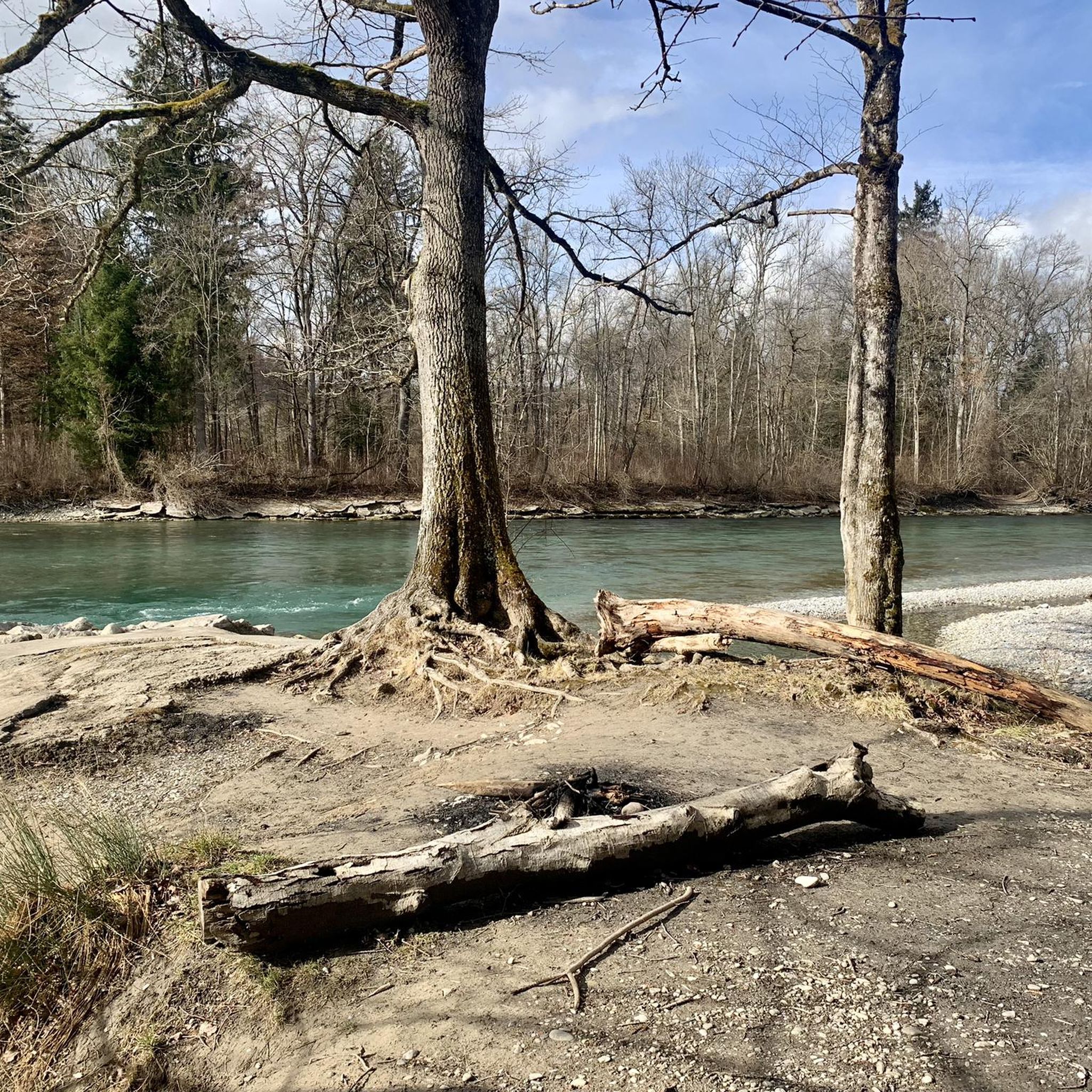
The Aare River is a significant feature of the Rubigen landscape, and its floodplain is recognized as a nature reserve. Hikers can encounter peaceful sand and stone slab spots along the river, which are ideal for breaks or even a refreshing swim during warmer months.
What is the best time of year to go hiking in Rubigen?
Rubigen offers enjoyable hiking experiences throughout much of the year. Spring brings vibrant flower meadows, while summer is perfect for riverside strolls and potential swims in the Aare. Autumn provides beautiful foliage, and even winter can offer serene walks, though conditions may vary.
Is Rubigen easily accessible by public transport for hikers?
Rubigen's proximity to Bern means that it is generally well-connected. While specific public transport details for trailheads are best checked locally, the region's accessibility allows for combining nature experiences with ease of travel.
Are there any trails that offer views of the Aare River?
Absolutely. The Aare River is a central feature of the Rubigen hiking experience. Many trails, such as the Beaver Activity on the Aare – Kleinhöchstetten Church loop from Rubigen, offer direct views and access to the river, allowing you to explore its unique floodplain landscape.
Most popular attractions around Rubigen

Get inspired with the komoot mobile app


Explore more
Browse the best Hikes in other regions.
