Top 18 Lakes around Polcenigo
Best lakes around Polcenigo are characterized by abundant and crystal-clear water sources, forming notable natural attractions rather than traditional large lakes. The region, located in Friuli-Venezia Giulia, Italy, is renowned for its unique hydrological features, including significant springs and wetlands. These water bodies contribute to the area's natural beauty and historical significance, offering diverse landscapes for exploration. The landscape provides a blend of naturalistic and archaeological sites, reflecting its ancient past and unique hydrology.
Best lakes around Polcenigo
- The most…
Last updated: June 24, 2026
Lake Santa Croce
Highlight • Lake
Translated by Google •
Tip by

Lake Morto
Highlight • Lake
Here is a picnic area where you can relax and enjoy a well-deserved break.
Translated by Google •
Tip by

Sign up now to discover places like this
Get recommendations on the best single tracks, peaks, & plenty of other exciting outdoor places.
Sign up for free
Lake Santa Croce
Highlight • Lake
More information: de.wikipedia.org/wiki/Lago_di_Santa_Croce
Translated by Google •
Tip by

Gorgazzo Spring
Highlight • Natural
Translated by Google •
Tip by

Picnic area by Lago Morto
Highlight • Rest Area
Translated by Google •
Tip by

Sign up for free to discover even more lakes around Polcenigo.
Sign up for free
Already have an account?
Start today with a free account
Your next adventure awaits.
Login or Signup


Other adventures around Polcenigo

Tips from the Community

Lago Morto is a striking body of water located in Val Lapisina, in the municipality of Vittorio Veneto, right at the foot of the Treviso side of the Sella di Fadalto pass. Its peculiar name derives from a unique geographical characteristic: it is a lake devoid of visible surface outlets and inlets, as it is fed and emptied exclusively through underground karst pathways. The basin, surrounded by steep wooded slopes and imposing rocky walls, is characterized by deep and cool waters. Today, the lake plays a fundamental role in hydroelectric power production, being connected to the valley's power plant system that utilizes the waters coming from the overlying Lago di Santa Croce. Despite the industrial footprint, the area is a popular destination for relaxing walks, picnics, and sport fishing.
0
0

Beautiful lake for water sports.
17
0


The Gorgazzo springs have the characteristic of collecting rainwater which, infiltrating the karst structure of the Cansiglio plateau, emerges at the base of the mountain with an already considerable flow rate.
0
0

A magical place, with an incredible scientific history. Always worth a stop.
0
0

So called because it has no tributaries and emissaries, Dead Lake is an intravalley lake formed through landslide accumulations that occurred at the end of the ice age. With its 55 m depth, and a reservoir of approximately 20 million square meters of water, it is the largest of the three lakes in the municipality of Vittorio Veneto. It is fed by underground infiltrations that come from Lake Santa Croce and by karst springs from the right side of Col Visentin. Like the underlying Restello and Negrisiola, arranged in succession, these semi-artificial basins were "built" on ancient basins left by the glacier that descended from the Lapisina Valley and in which mirrors of lake water had taken place. In fact, Val Lapisina is what remains of the branch of an ancient glacier that followed the current course of the Piave. The branch, in turn, divided, forming on one side what is today the Valley and on the other the morainic amphitheater located between Vittorio Veneto and Conegliano.
2
0

The Gorgazzo source is an underwater cave where the stream of the same name originates, a tributary of the Livenza river. Located near Polcenigo, its name derives from the Friulian gorc which means precisely abyss. The cave consists of a resurgence and near the mouth of the cavity, nine meters deep, the statue of a Christ was placed, which thanks to the clarity of the water and the bottom is visible from the outside from the shore on sunny days .
1
0

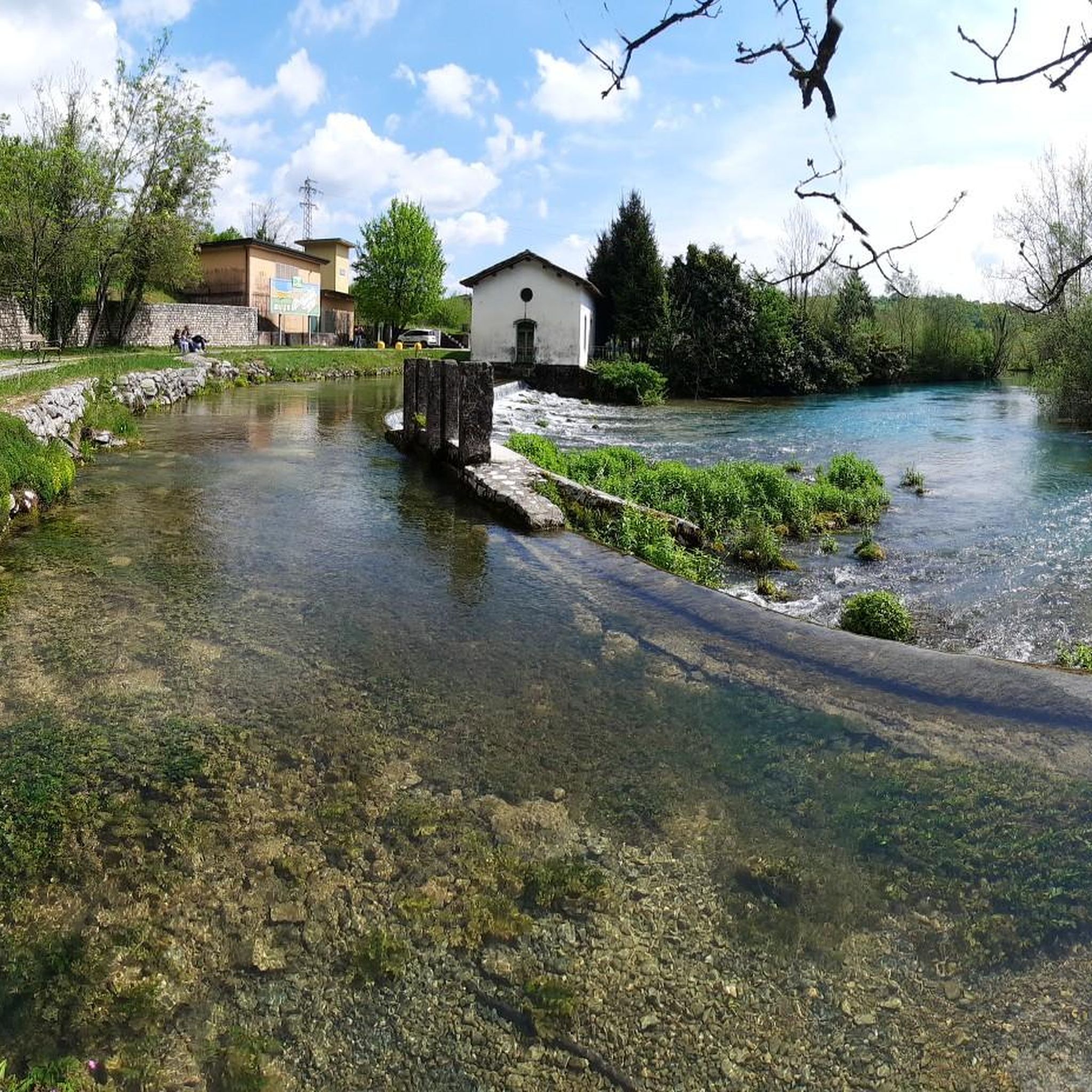
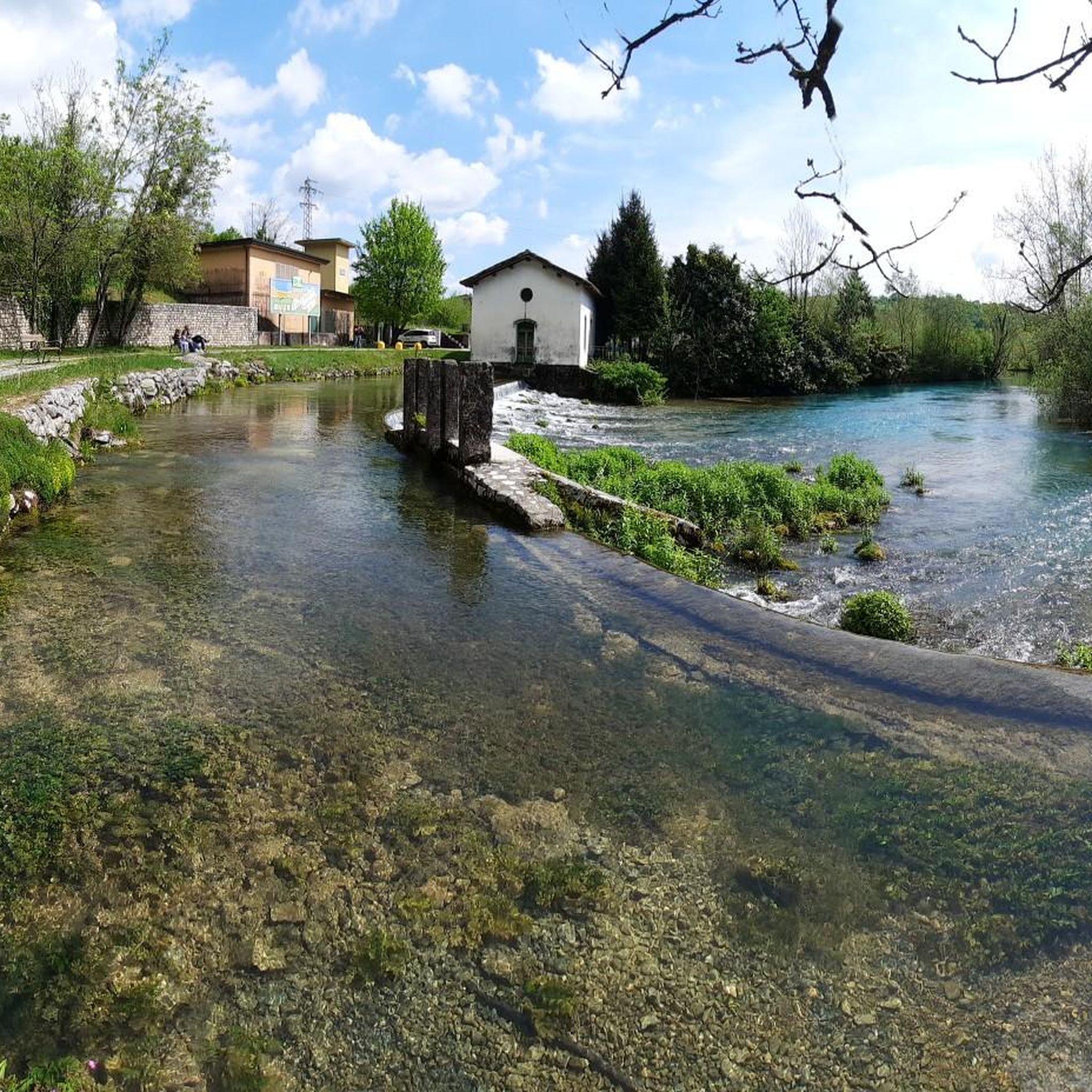
Gorgazzo source with adjoining restaurant and area with tables for shaded breaks
0
0
Frequently Asked Questions
What unique water features can I explore around Polcenigo?
Polcenigo is renowned for its abundant and crystal-clear water sources, which form notable natural attractions rather than traditional large lakes. Key features include the stunning Gorgazzo Spring, the Santissima Springs (source of the Livenza River), and the historically significant Palù del Livenza wetland, a UNESCO World Heritage site.
What makes the Gorgazzo Spring a must-see attraction?
The Gorgazzo Spring is a natural karst resurgence known for its exceptionally clear, deep blue waters with vibrant emerald green and turquoise reflections. It's one of the deepest explored springs globally, creating an almost mystical atmosphere. A statue of Christ is visible deep within the cavity due to the water's clarity.
Are there any historical or archaeological sites related to the water bodies?
Yes, the Palù del Livenza is a significant wetland area recognized as a UNESCO World Heritage site. It's one of the oldest pile-dwelling sites in Northern Italy, with archaeological findings dating back to the Paleolithic period. The Santissima Springs also have historical significance, with a nearby shrine and church commemorating an alleged appearance of the Holy Trinity.
What is special about Lake Morto?
Lake Morto is a beautiful Alpine body of water unique for having no visible tributaries or emissaries, with water recycling likely occurring through underground karst basins. It offers a scenic path for walking or mountain biking around its perimeter and features picnic areas for relaxation.
Where can I go for water sports like windsurfing or kitesurfing?
Lake Santa Croce is a popular hotspot for kite and windsurfers. Its unique location generates geothermal winds almost every afternoon, making it an ideal spot for these water activities.
Are there any artificial lakes with historical significance in the area?
Yes, Lake Restello (also known as San Floriano) is an artificial lake created by damming. It's one of three bodies of water in the Lapisina Valley, built on ancient glacial basins. On its shores stand the historic San Floriano Tower and church, and its name refers to historical health barriers established by the Republic of Venice.
Are there hiking or walking trails around the lakes near Polcenigo?
Absolutely. The region offers numerous opportunities for hiking and walking. You can explore trails around the springs and wetlands, or venture further to discover routes of varying difficulty. For more detailed options, check out the Hiking around Polcenigo guide.
Can I find routes for mountain biking near Polcenigo's water features?
Yes, there are several mountain biking trails in the vicinity of Polcenigo's natural water attractions. These routes often combine scenic views with challenging terrain. You can find a selection of routes in the MTB Trails around Polcenigo guide.
Are there running trails available around Polcenigo's water sources?
Yes, the area around Polcenigo provides diverse running trails, from moderate to difficult, often passing by or near the beautiful springs and natural landscapes. For specific routes and distances, refer to the Running Trails around Polcenigo guide.
Are the water features around Polcenigo suitable for families?
Many of the water features and surrounding areas are family-friendly. For instance, Lake Morto offers a path suitable for walking and picnic areas, and the Gorgazzo Spring provides a tranquil and accessible natural spectacle. The Palù del Livenza also offers an engaging outdoor experience for all ages.
What is the best time of year to visit the lakes and springs near Polcenigo?
The springs and wetlands around Polcenigo are beautiful year-round. Spring and autumn offer pleasant temperatures for outdoor activities and vibrant natural colors. Summer is ideal for water sports at Lake Santa Croce, while the Gorgazzo Spring even features a floating nativity scene during the Christmas holidays, making winter visits unique.
Are there picnic areas available near the lakes?
Yes, there are designated picnic areas. For example, Lake Morto has a nice vantage point with a picnic area where you can relax and enjoy a break. The Picnic area by Lago Morto is another equipped spot for visitors.
Can I bring my dog on walks around the lakes?
While specific regulations can vary, generally, many outdoor areas around Polcenigo's lakes and springs are dog-friendly, especially on trails. It's always recommended to keep dogs on a leash and clean up after them to ensure a pleasant experience for everyone and protect the natural environment.
Most popular routes around Polcenigo
Most popular attractions around Polcenigo

Get inspired with the komoot mobile app


Explore more
Still not found your perfect lake around Polcenigo? Check out the guides of these regions to see even more beautiful places.
