The best cycling routes around Zoppola
4.0
(43)
336
riders
66
rides
Touring cycling routes around Zoppola are primarily situated within the flat Friuli-Venezia Giulia plain, offering gentle rides through agricultural landscapes. The region is characterized by riverine environments, with routes often following the scenic banks of the Meduna and Tagliamento rivers. While the immediate area is largely flat, Zoppola's location provides access to terrains that gradually transition towards the Julian Alps and Carnic Pre-Alps, presenting varied elevation profiles. This blend of flat plains and proximity to more undulating areas caters to…
Last updated: October 11, 2026
5.0
(1)
24
riders
Hard bike ride. Good fitness required. You may need to push your bike for some segments of this route.
3.3
(3)
13
riders
55.6km
03:28
80m
80m
Moderate bike ride. Good fitness required. Mostly paved surfaces. Suitable for all skill levels.

2.5
(2)
18
riders
82.3km
04:54
360m
360m
Moderate bike ride. Good fitness required. Mostly paved surfaces. Suitable for all skill levels.
4.5
(2)
13
riders
30.2km
01:43
50m
50m
Easy bike ride. Great for any fitness level. Mostly paved surfaces. Suitable for all skill levels.
5.0
(2)
13
riders
57.5km
03:19
200m
200m
Moderate bike ride. Good fitness required. Mostly paved surfaces. Suitable for all skill levels.
Get access to more routes and recommendations from other explorers.
Already have an account?
Our route recommendations are based on thousands of hikes, rides, and runs completed by other people on komoot.
Start today with a free account
Your next adventure awaits.

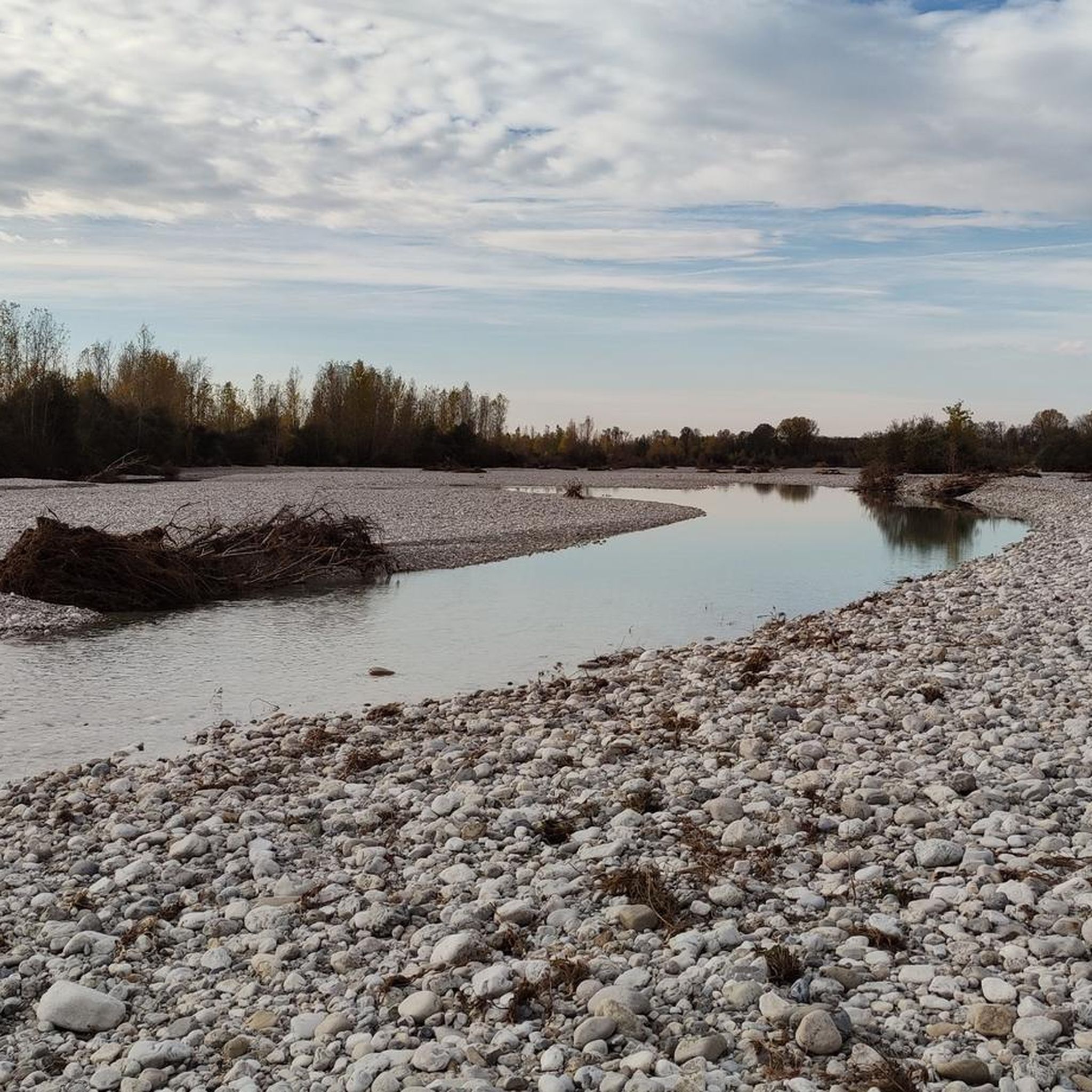
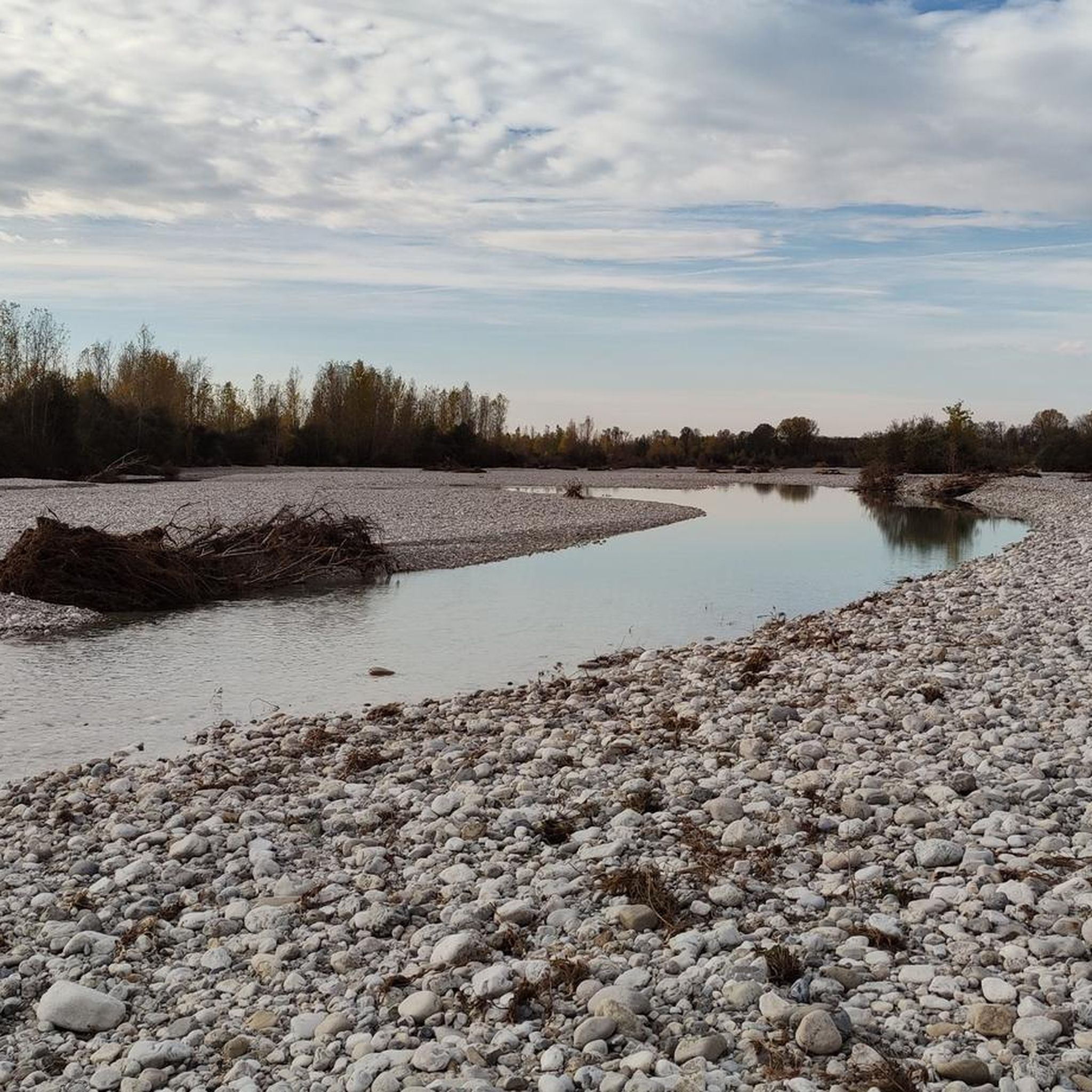

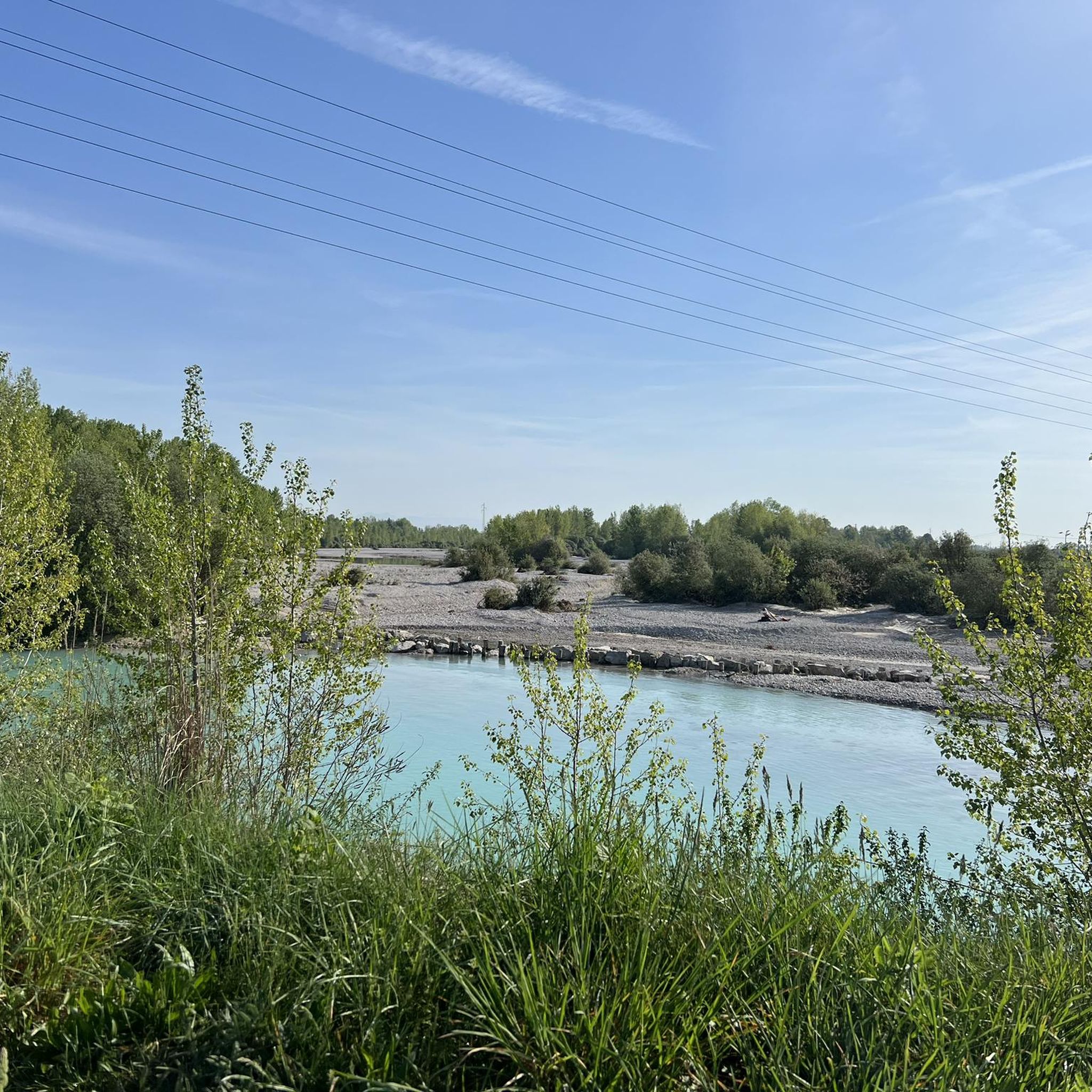
Tips from the Community

Villa Cattaneo, located in the heart of San Quirino, is one of the most elegant stately homes in the Pordenone area, a perfect expression of the tradition of Venetian villas in Friuli. Built and expanded during the 18th century by the noble merchant family Cattaneo, the structure is distinguished by its quadrangular layout, characterized by a raised central body with a tympanum and a scenic staircase leading to the piano nobile. The complex is enriched by the historic barchesse used for rural purposes and the famous "brolo," a vast park that represents a true green lung within the village. Now owned by the municipality, the villa and its outbuildings house the municipal offices and cultural events, harmoniously combining the historical memory of noble architecture with contemporary community life.
0
0

A historic place and a first-class building. Villa Manin was built in the 17th century in the style of a country villa of the Venetian nobility. It belonged to the Venetian Manin family. From 1789–1797 it was the residence of Ludovico Manin, the last Doge of Venice. When Napoléon Bonaparte conquered the Republic of Venice, Manin had to resign as Doge in August 1797. On October 17, 1797, the Peace of Campo Formio was concluded in Villa Manin between France, represented by Napoléon Bonaparte, and Emperor Francis II for Austria. Napoléon therefore established his headquarters in the villa for about two months. Source: https://de.wikipedia.org/wiki/Villa_Manin
0
0
A religious eye-catcher... looks like a small pilgrimage site. Next to the site, there is a memorial plaque for the fallen.
0
0

On the wall facing the street, next to the image of the Madonna, there is a slightly faded fresco dedicated to Saint Christopher, the bearer of the child Christ who is usually painted on his shoulder. The saint, protector of pilgrims, is greatly venerated in Friuli and there are many representations of him on the walls of churches, large and small, in this region. Here is the website of the path dedicated to him https://camminodisancristoforo.com/
0
0

The historic old town of Pordenone is worth seeing.
0
0
The Town Hall of Pordenone is the city's most famous civil symbol, a masterpiece of Gothic architecture that dominates the end of Corso Vittorio Emanuele II. Built between 1291 and 1395, the original palace displayed classic medieval forms with a lower loggia, once the seat of the market and city assemblies, and an upper hall for the council. The building was enhanced in the 16th century with the addition of the splendid and eclectic clock tower, designed by the Pordenone painter and architect Pomponio Amalteo. This tower is famous for its large astronomical dial and for the two bronze Moors who strike the hours on the bell. With its characteristic battlements and the striking contrast between stone and terracotta, the Town Hall represents a perfect blend of public function and the extraordinary artistic flourishing of western Friuli.
0
0
Spilimbergo is a charming medieval village nestled on the right bank of the Tagliamento river, in Friuli-Venezia Giulia. Internationally known as the "City of Mosaic", it preserves a prestigious artistic tradition that lives and is passed down in its famous Scuola Mosaicisti del Friuli, a world reference point founded in 1922. Strolling through the historic center, you breathe an atmosphere of yesteryear, amidst elegant frescoed palaces, ancient towers, and the suggestive Castle, embellished by the colorful Palazzo Dipinto. The Cathedral of Santa Maria Maggiore, a Gothic masterpiece, houses precious 14th-century fresco cycles. Spilimbergo wonderfully blends the solidity of Friulian culture with the refinement of art, offering a perfect combination of excellent craftsmanship, history, and a welcoming enogastronomic tradition.
0
0
Orcenico Superiore is a quiet hamlet of Zoppola located in the province of Pordenone, known above all for its strategic position along the Pontebbana state road. The village is characterized by the presence of the majestic Villa Ricchieri, a refined example of Venetian architecture that testifies to the noble past of the area. Another distinctive element of the town is the historic Caserma Leccis, which houses the 11th Bersaglieri Regiment and deeply links the local identity to Italian military tradition. From a religious and artistic point of view, the parish church of Sant'Ulderico stands out. Immersed in the Friulian plain among cultivated fields and springs, the locality represents a typical cross-section of the Pordenone territory, where the history of the great families of the past blends with today's daily life.
0
0
Frequently Asked Questions
How many touring cycling routes are available around Zoppola?
There are over 60 touring cycling routes around Zoppola, offering a diverse range of experiences. These include 27 easy routes, 39 moderate routes, and a few more challenging options for experienced cyclists.
What kind of landscapes can I expect to see on touring cycling routes around Zoppola?
The routes primarily traverse the flat Friuli-Venezia Giulia plain, featuring gentle rides through agricultural landscapes and scenic riverine environments. You'll often follow the banks of the Meduna and Tagliamento rivers. While the immediate area is flat, Zoppola's location also provides access to terrains that gradually transition towards the Julian Alps and Carnic Pre-Alps, offering varied elevation profiles.
Are there touring cycling routes suitable for beginners or families in Zoppola?
Yes, Zoppola offers many routes suitable for beginners and families. There are 27 easy routes with minimal elevation gain, perfect for a relaxed ride. An excellent option is the Valvasone Cathedral – Valvasone loop from Cusano, an easy 18.1-mile (29.1 km) path that explores the historic village of Valvasone.
What historical sites or cultural landmarks can I explore while cycling in Zoppola?
Many routes pass by significant historical and cultural landmarks. You can visit the 11th-century Zoppola Castle, or explore the medieval village of Valvasone with its cathedral and imposing Valvasone Castle. The Valvasone Cathedral – Valvasone loop from Cusano is a great route for this.
Are there any natural features or scenic viewpoints along the touring cycling routes?
Absolutely. The region is characterized by its riverine environments, with routes often following the scenic banks of the Meduna and Tagliamento rivers. The View of the Meduna riverbed – Murlis Ford loop from Zoppola / Çopule offers picturesque views of the Meduna riverbed. You can also find serene green spaces like Parco del Seminario, which is ideal for leisurely rides.
What do other touring cyclists enjoy about the routes in Zoppola?
The touring cycling routes in Zoppola are highly rated by the komoot community, with an average score of 4.1 stars from over 30 reviews. Cyclists often praise the blend of flat agricultural plains, scenic riverbanks, and the opportunity to discover historical villages. The variety of routes catering to different ability levels is also frequently highlighted.
Are there circular touring cycling routes available in Zoppola?
Yes, many of the touring cycling routes around Zoppola are circular, allowing you to start and end your journey in the same location. Examples include the popular View of the Meduna riverbed – Murlis Ford loop from Zoppola / Çopule and the San Lorenzo Church – Torrente Cosa Cycle Path loop from Cusano.
What is the best time of year for touring cycling in Zoppola?
The spring and autumn months generally offer the most pleasant conditions for touring cycling in Zoppola, with milder temperatures and beautiful scenery. Summer can be warm, but routes along the rivers provide a refreshing experience. Winter cycling is possible, but some unpaved sections might be less accessible.
Are there any longer touring cycling routes for experienced cyclists?
Yes, for more experienced cyclists looking for longer distances, Zoppola offers several moderate routes. The San Lorenzo Church – Torrente Cosa Cycle Path loop from Cusano is a substantial 49.8-mile (80.1 km) trail, often completed in about 4 hours 43 minutes, leading through varied terrain.
Can I find cafes or places to stop for refreshments along the routes?
Many routes pass through or near small towns and villages where you can find local cafes, restaurants, or shops to refuel and rest. Exploring historical villages like Valvasone or stopping in larger towns like Pordenone (accessible via routes like Vicolo Forni Vecchi, Pordenone – Town Hall of Pordenone loop from Cusano) provides opportunities for refreshments and cultural stops.
Are there specific routes that showcase the agricultural scenery of Zoppola?
Many routes around Zoppola naturally pass through the region's agricultural heartland. You'll cycle through cultivated lands and vineyards, especially in areas near historical sites like Porcia Castle, offering a picturesque view of the local farming landscape.
What makes the touring cycling experience in Zoppola unique?
Zoppola's unique appeal lies in its blend of historical richness and diverse natural landscapes. You can enjoy gentle rides through the flat Friuli-Venezia Giulia plain, explore medieval villages, and follow scenic riverbanks, all while having access to more challenging terrains towards the Julian Alps. This combination provides a varied and engaging cycling experience.
Most popular attractions around Zoppola

Get inspired with the komoot mobile app


Explore more
Browse the best Cycling routes in other regions.
