The best road cycling routes around Ragogna
4.6
(312)
7,241
riders
215
rides
Road cycling around Ragogna offers diverse landscapes within the Friuli Collinare area of Italy. The region features rolling morainic hills, the Tagliamento River, and the glacial Lago di Ragogna. Road cycling routes primarily utilize paved surfaces, traversing areas with varied elevation gains. The terrain includes both flat sections along riverbanks and climbs over the hills, providing options for different fitness levels.
Best road cycling routes around Ragogna
- The most popular road cycling route is Passo Rest – Passo Rest loop…
Last updated: October 11, 2026
4.5
(8)
358
riders
107km
06:21
2,700m
2,700m
Hard road ride. Very good fitness required. Mostly well-paved surfaces and easy to ride.
4.6
(13)
203
riders
Moderate road ride. Good fitness required. Mostly well-paved surfaces and easy to ride.

4.4
(13)
203
riders
63.2km
02:48
610m
610m
Moderate road ride. Good fitness required. Mostly well-paved surfaces and easy to ride.
4.9
(14)
134
riders
80.7km
03:34
700m
700m
Moderate road ride. Good fitness required. Some segments of this route may be unpaved and difficult to ride.
4.3
(3)
123
riders
44.7km
01:51
220m
220m
Easy road ride. Great for any fitness level. Mostly well-paved surfaces and easy to ride.
Get access to more routes and recommendations from other explorers.
Already have an account?
Our route recommendations are based on thousands of hikes, rides, and runs completed by other people on komoot.
Start today with a free account
Your next adventure awaits.

Tips from the Community

Quiet, mostly shady road without much traffic.
0
0

Bridge over the Arzino stream, the ideal place for a break to cool your feet on summer days
0
0

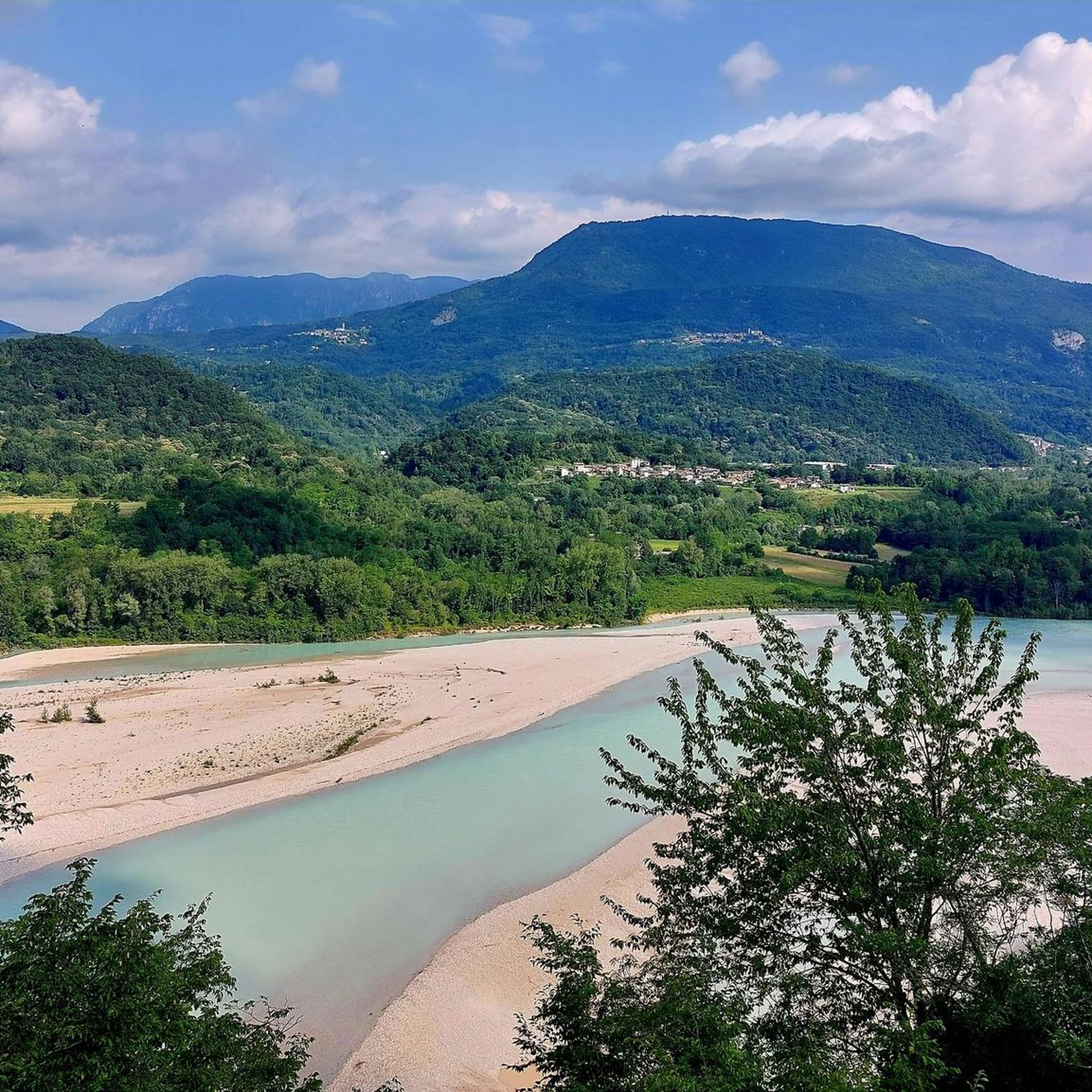
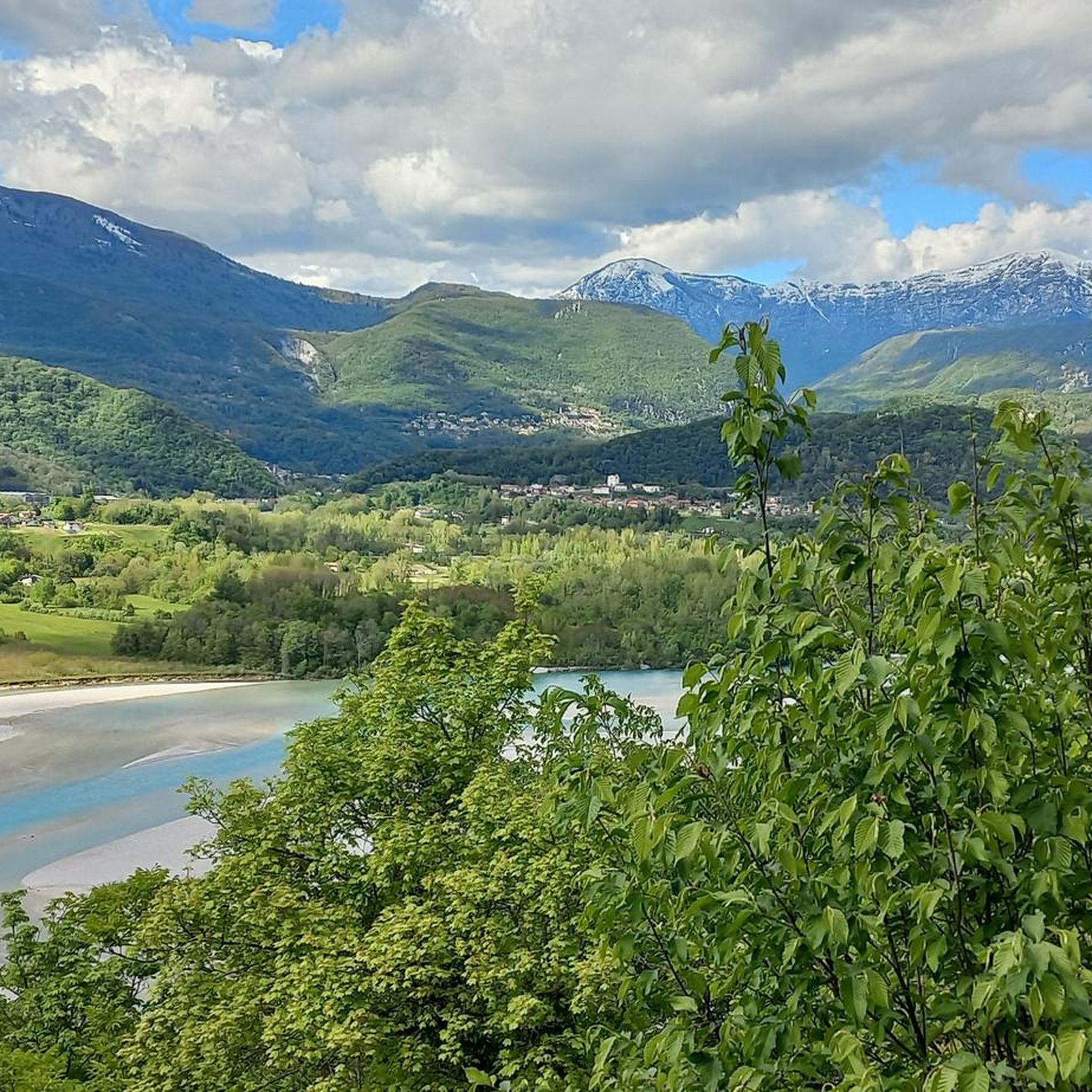
It's always beautiful to see the Tagliamento and observe such a large riverbed to understand what it once was and to think about the state of nature today!
0
0

A paved road leads through the valley with some very well-lit tunnels and galleries. In some places, there are beautiful views of the Arrzino watercourse with its crystal-clear water.
0
0
Anduins can be reached and traversed in various ways. In the village, some "panorama opportunities" with a wide view into Friuli towards the southeast and over the Tagliamento are available.
0
0

Beautiful river with a super nice water color
3
0
The bicycle may only be pushed here, cycling prohibited on the bridge
3
0
Super view of the bridge
3
0
Frequently Asked Questions
What kind of terrain can I expect when road cycling around Ragogna?
Road cycling around Ragogna primarily features paved surfaces, traversing a diverse landscape. You'll encounter rolling morainic hills, sections along the majestic Tagliamento River, and views of the glacial Lago di Ragogna. Routes offer varied elevation gains, from flatter stretches along riverbanks to challenging climbs over the hills, catering to different fitness levels.
How many road cycling routes are available in the Ragogna area?
There are over 240 road cycling routes available around Ragogna. This extensive network provides options for various skill levels and preferences, ensuring a diverse cycling experience.
What are the difficulty levels of road cycling routes in Ragogna?
The routes around Ragogna cater to a wide range of abilities. You can find over 45 easy routes, more than 140 moderate routes, and nearly 60 difficult routes, including challenging climbs through mountainous terrain. This variety allows cyclists to choose paths that match their fitness and experience.
Are there any circular road cycling routes around Ragogna?
Yes, many road cycling routes in Ragogna are designed as loops, offering scenic circular journeys. For example, the Lake Cavazzo – Lake Cornino loop from Pinzano is a popular moderate option, and the Lake Cornino – Tagliamento Bridge loop from Pinzano provides a challenging ride through varied landscapes.
What natural features can I see while cycling around Ragogna?
While cycling, you'll encounter several notable natural features. The glacial Lago di Ragogna is a natural paradise known for its biodiversity. You'll also ride alongside the Tagliamento River, particularly charming in this area, and enjoy panoramic views over the amphitheater of the morainic hills and Monte di Ragogna.
Are there any waterfalls accessible from the road cycling routes?
While directly on road cycling routes, you might not encounter waterfalls, the region around Ragogna does feature several. Notable waterfalls include Sflunc Waterfall, Acqua Caduta Waterfall, and Butines Waterfalls. These are often found in more rugged, off-road areas, but can be reached as short detours from some cycling paths.
What historical sites or cultural points of interest can I explore near the cycling routes?
Ragogna offers several historical and cultural points of interest. You can visit the Ragogna Castle in San Pietro, which offers panoramic views and hosts cultural events. The St. Peter's Parish Church, dating back to the 11th century, and an Ancient Jewish Cemetery near Lago di Ragogna are also significant. The area also holds historical importance from the First World War, with related routes and a museum in the town center.
What do other road cyclists enjoy most about cycling in Ragogna?
The road cycling experience in Ragogna is highly rated by the komoot community, with an average score of 4.7 stars from over 280 reviews. Cyclists often praise the diverse terrain, from challenging climbs to scenic loops around lakes and rivers, and the well-maintained paved surfaces. The blend of natural beauty and historical sites also contributes to a rewarding experience.
Is Ragogna suitable for family-friendly road cycling?
While many routes involve significant elevation, there are easy and moderate options that can be suitable for families, especially those with some cycling experience. Routes with less elevation gain, particularly those along the Tagliamento River or around Lago di Ragogna, might offer a more relaxed experience. Always check the route's difficulty and elevation profile before setting out with family.
Are there any specific routes that offer challenging climbs for advanced road cyclists?
Yes, Ragogna and the surrounding Friuli Collinare area provide excellent opportunities for advanced road cyclists seeking challenging climbs. Routes like the Passo Rest – Passo Rest loop from Forgaria - Bagni Anduins are classified as difficult, featuring significant elevation gain through mountainous terrain, perfect for those looking for a demanding ride.
Can I find parking near the starting points of road cycling routes in Ragogna?
While specific parking information for every route isn't provided, Ragogna and nearby towns like Pinzano generally offer public parking options. Many routes start from or pass through villages where you can typically find places to park your vehicle. It's advisable to check local parking availability for your chosen starting point.
What is the best time of year for road cycling in Ragogna?
The Friuli Venezia Giulia region, including Ragogna, is generally bike-friendly. Spring and autumn offer pleasant temperatures and beautiful scenery, making them ideal for road cycling. Summer can also be enjoyable, though it might be warmer, especially in the valleys. Winter cycling is possible but may require more preparation due to colder temperatures and potential for adverse weather in higher elevations.
Most popular attractions around Ragogna

Get inspired with the komoot mobile app


Explore more
Browse the best Road cycling routes in other regions.
