The best cycling routes around Moraro
4.4
(811)
7,119
riders
358
rides
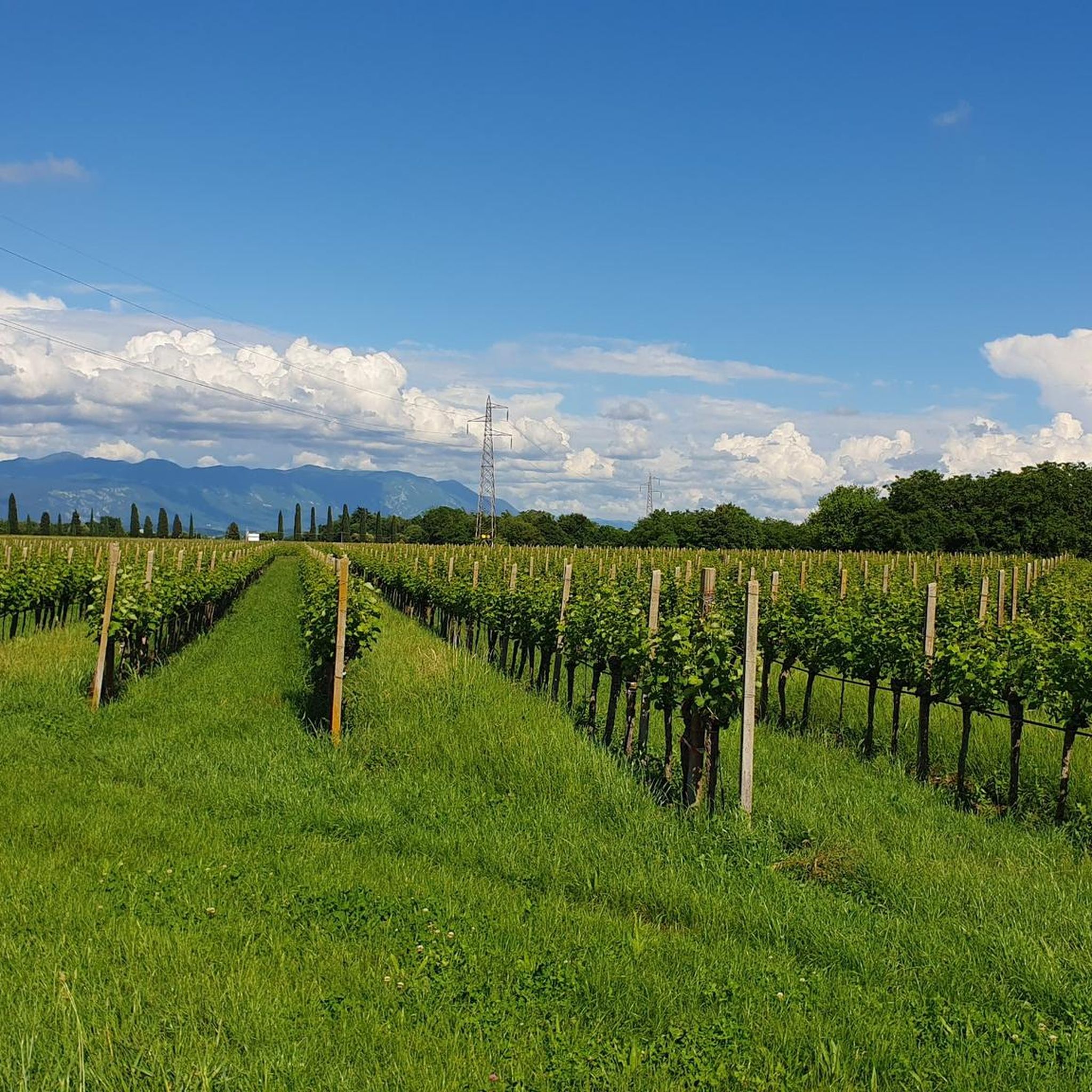
Touring cycling routes around Moraro traverse a region characterized by diverse landscapes, transitioning from rolling hills adorned with vineyards to river valleys and coastal plains. The area is part of Friuli Venezia Giulia, known for its extensive network of cycle paths. This terrain offers a mix of flat sections along rivers and lagoons, alongside more undulating routes through wine-growing areas. The landscape includes features such as the Isonzo and Tagliamento river valleys, contributing to varied cycling experiences.
Best touring cycling…
Last updated: April 30, 2026
4.9
(23)
136
riders
Moderate bike ride. Good fitness required. Mostly paved surfaces. Suitable for all skill levels.
4.0
(2)
25
riders
53.3km
03:27
510m
510m
Hard bike ride. Very good fitness required. Mostly paved surfaces. Suitable for all skill levels.

Sign up for free
4.0
(2)
42
riders
Moderate bike ride. Good fitness required. Mostly paved surfaces. Suitable for all skill levels.
3.0
(2)
31
riders
Hard bike ride. Very good fitness required. You may need to push your bike for some segments of this route.
4.3
(6)
16
riders
Moderate bike ride. Good fitness required. Mostly paved surfaces. Suitable for all skill levels.
Get access to more routes and recommendations from other explorers.
Sign up for free
Already have an account?
Our route recommendations are based on thousands of hikes, rides, and runs completed by other people on komoot.
Start today with a free account
Your next adventure awaits.
Login or Signup
Tips from the Community

The church of San Ulderico vescovo in Orsaria (a hamlet of Premariacco) is a monumental Neo-Romanesque building built at the beginning of the twentieth century. Characterized by a tripartite facade with three-light windows and a crypt, it stands in the center of the village.
0
0

Impressive church that stands out at the passage
0
0
Even in winter, this dirt road offers a truly extraordinary array of colors. At the foot of the hill where the Ara Pacis of Medea stands
0
0

A bridge that allows you to admire the peaceful Isonzo River with its incredible colors.
0
0

The medieval village of Šmartno is one of the most beautiful villages in the central Brda region. Built on Roman foundations, it is now considered an architectural gem and cultural monument. Behind its walls, it leads back to the rich and picturesque stories of the past and reveals the charm of Brda hospitality. The village of Šmartno is located in the geographical center of Brda, with views stretching from Nanos in the east to the Carnic Alps in the northwest, and from the vast Friuli region to the Adriatic Sea. The village, surrounded by walls and fortified with defensive towers, was first mentioned in 1317. In the first half of the 16th century, a medieval fortress was built on the remains of a Roman outpost around the church. The village served as a border fortress until the mid-18th century, when the Venetian threat was over. The houses in the center are grouped around the Church of St. Martin, the largest parish church in Brda, after which the village was named. The church's bell tower was originally a fortress tower. The bell, featuring the motif of the Three Kings, dates from 1857. The Baroque church features three marble altars, one of which is particularly rich. The presbytery and the Stations of the Cross were painted by Tone Kralj.
5
0

The Church of Orsaria, a beautiful building thanks to its steps leading up to it, is located on the road leading from the same village to Manzano.
0
0

An interesting bridge over the Soca River at the entrance to Gorizia. From the bridge, there are wonderful views of the Soca River and its emerald-green waters, as well as the Sabotino River, on both sides.
1
0
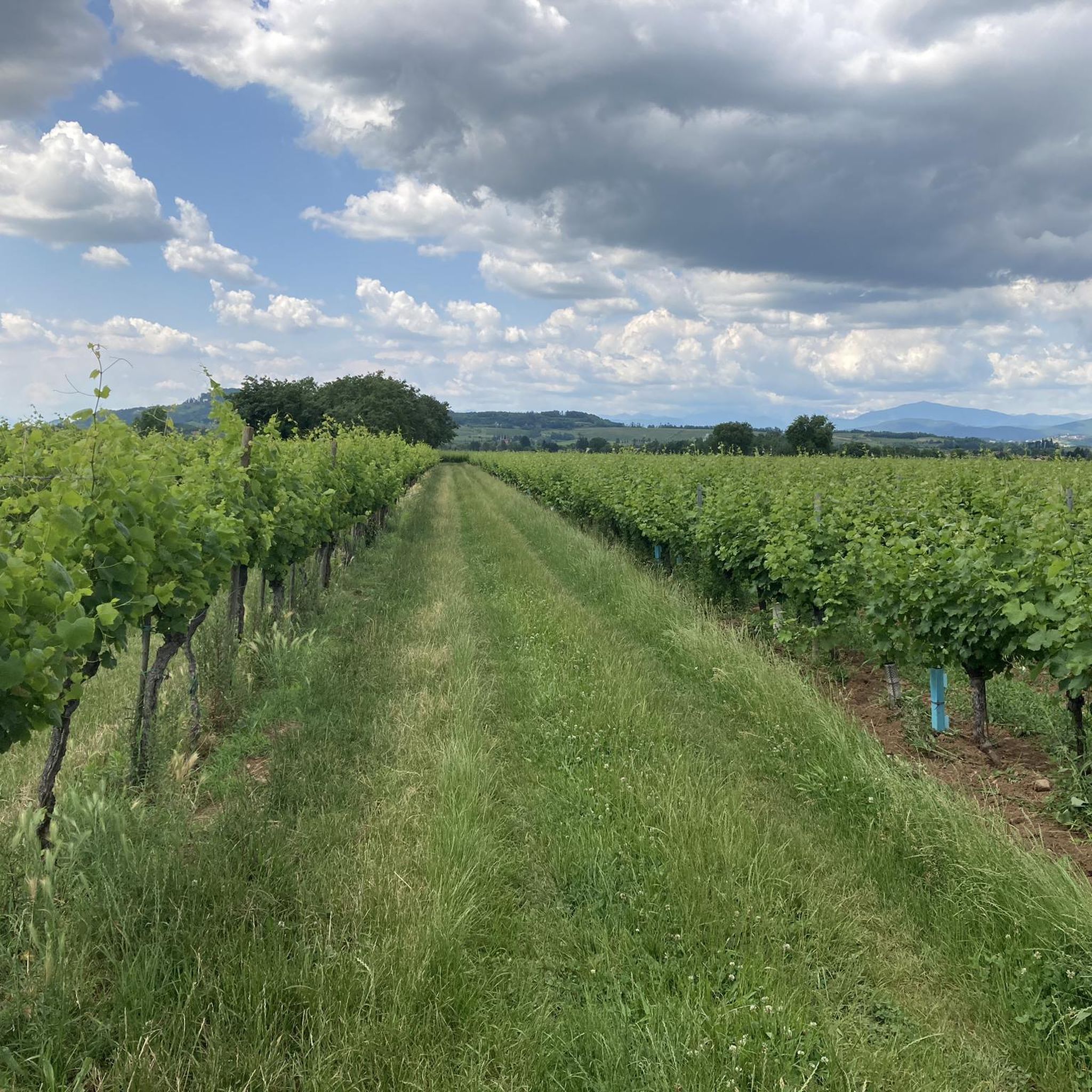
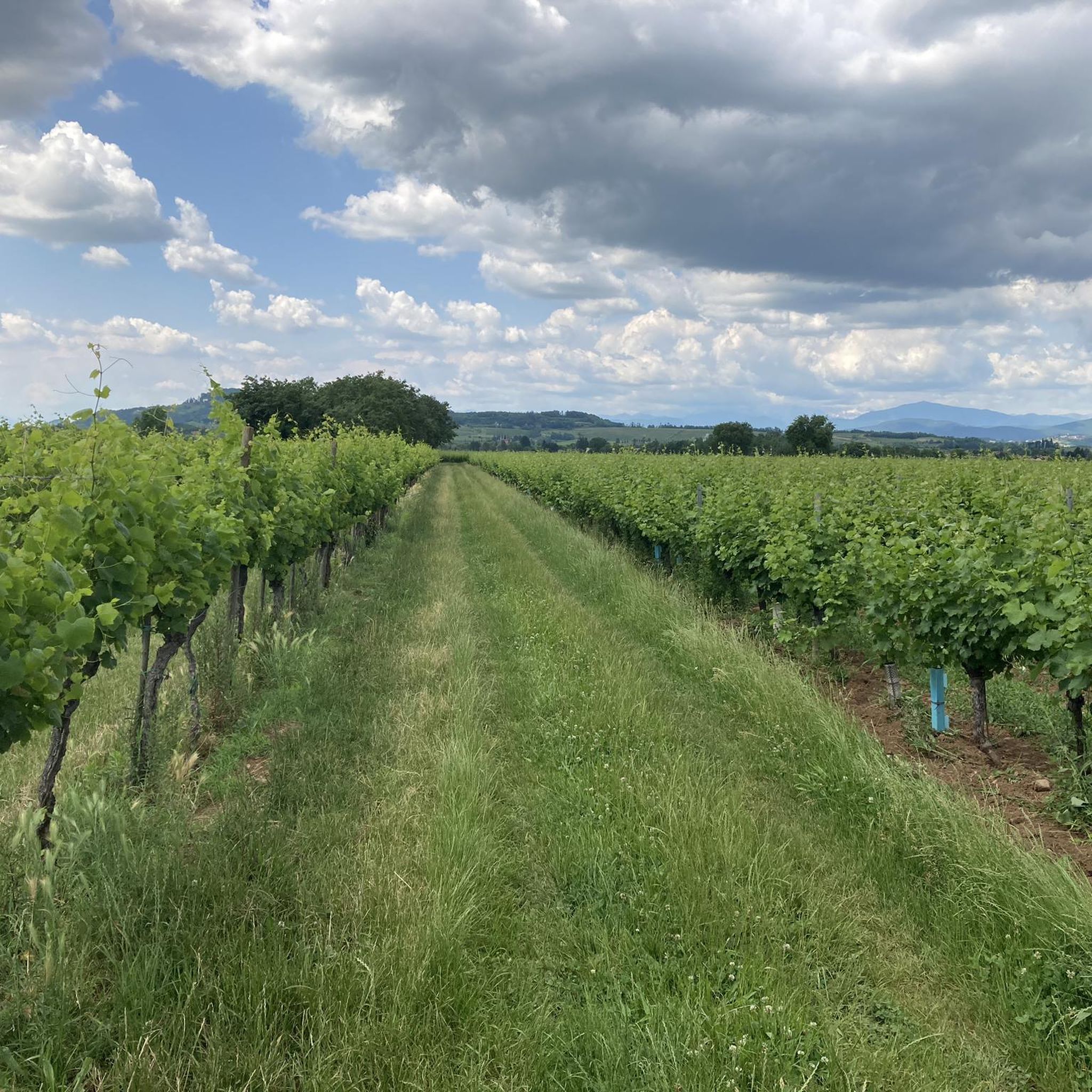
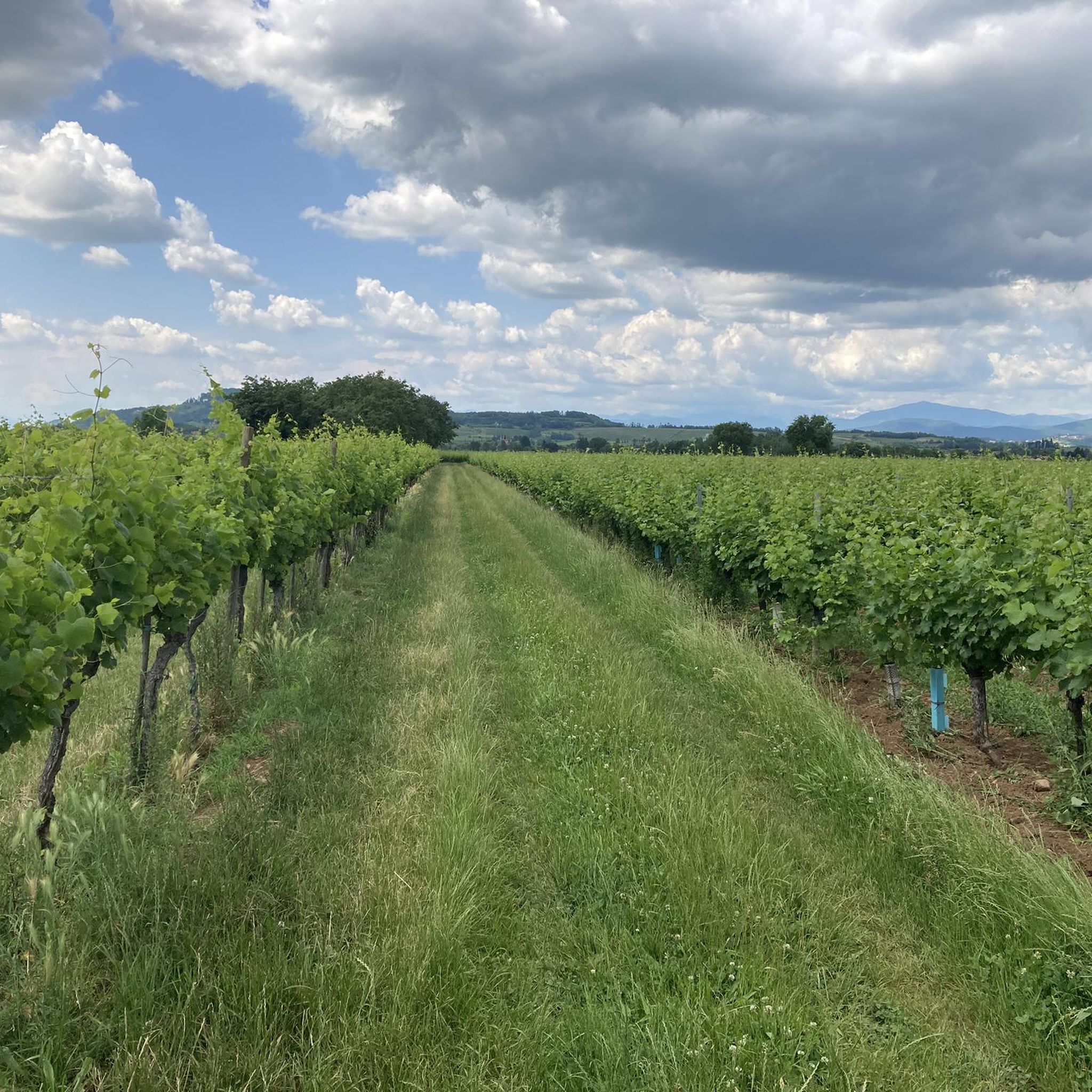
A fortified castle, standing very prominently on a hill next to the road. The castle was rebuilt after the previous one had fallen into disrepair. A real eye-catcher from all sides. The castle houses a restaurant, a wine shop, and an art collection. Cycling around it is worthwhile, and a view of the courtyard, as well as the vineyards and hills surrounding it, is also worthwhile.
0
0
Frequently Asked Questions
How many touring cycling routes are available around Moraro?
Moraro and its surroundings offer a wide selection of touring cycling routes, with over 350 options available. These routes cater to various preferences, including 84 easy, 147 moderate, and 120 difficult trails.
What kind of terrain can I expect on touring cycling routes near Moraro?
The terrain around Moraro is quite diverse, transitioning from rolling hills adorned with vineyards to river valleys and coastal plains. You'll find a mix of flat sections along rivers like the Isonzo and Tagliamento, and through lagoons, alongside more undulating routes through wine-growing areas like the Collio. The region is part of Friuli Venezia Giulia, known for its varied landscapes.
Are there any easy touring cycling routes suitable for beginners?
Yes, there are 84 easy touring cycling routes around Moraro. While specific easy routes aren't detailed in the top recommendations, the region's extensive network ensures options for less experienced cyclists, often found along river valleys or flatter coastal sections.
What are some of the more challenging touring cycling routes in the area?
For those seeking a challenge, there are 120 difficult touring cycling routes around Moraro. One such route is the Ponte del Torrione – Alpe Adria Cycle Route FVG3 loop from Capriva del Friuli, which covers 20.3 miles (32.6 km) with significant elevation changes. Another demanding option is the Spessa Castle and Vineyards – Šmartno loop from Capriva del Friuli, a 33.1-mile (53.3 km) trail featuring vineyards and historical points of interest.
Can I find circular touring cycling routes around Moraro?
Yes, many touring cycling routes around Moraro are designed as loops, allowing you to start and end in the same location. Examples include the Spessa Castle and Vineyards – Šmartno loop from Capriva del Friuli and the Ronco Severo Vineyards – View of the Collio Vineyards loop from Capriva del Friuli. These circular routes are popular for exploring the region's diverse landscapes.
What historical sites or landmarks can I explore while cycling near Moraro?
The region around Moraro is rich in history. You can cycle past sites like the Redipuglia Military Memorial, or visit the medieval village of Šmartno, which is part of the Spessa Castle and Vineyards – Šmartno loop from Capriva del Friuli route. Other notable landmarks include the Rosazzo Abbey and various World War I historical sites such as the Monte San Michele and World War I Open-Air Museum.
Are there scenic viewpoints along the cycling routes?
Absolutely. The area offers numerous panoramic viewpoints. For instance, the Cerje Peace Monument provides expansive views across the northern Adriatic Sea, the Friulian lands, the Dolomites, and the Julian Alps. Many routes, like the View of the Collio Vineyards – Rocca Bernarda loop from Capriva del Friuli, offer stunning vistas over the renowned Collio wine region.
What natural features will I encounter on a touring bike ride?
Cycling around Moraro allows you to experience a variety of natural features. You'll ride through picturesque vineyards, along the Isonzo and Tagliamento river valleys, and potentially near tranquil lagoons. The region's landscape transitions from rolling hills to coastal plains, offering diverse scenery including forests and wetlands, such as the Riserva Naturale Regionale Foce dell'Isonzo, known for its birdlife.
What is the best time of year for touring cycling in Moraro?
The Friuli Venezia Giulia region, where Moraro is located, is considered a top cycling destination year-round. However, for touring cycling, spring and autumn generally offer the most pleasant weather with moderate temperatures, ideal for exploring the vineyards and historical sites without extreme heat or cold. Summer can also be enjoyable, especially along coastal routes or in the early mornings.
How do other cyclists rate the touring routes around Moraro?
The touring cycling routes around Moraro are highly rated by the komoot community, with an average score of 4.4 stars from over 600 reviews. More than 6,000 touring cyclists have used komoot to explore the varied terrain, often praising the scenic vineyards, historical points of interest, and the diverse landscapes that transition from hills to river valleys.
Are there any long-distance cycle routes that pass through or near Moraro?
Yes, Moraro is situated within a region connected to several significant long-distance cycle routes. The acclaimed Alpe Adria Cycle Route (FVG1), connecting Salzburg to Grado, passes through the broader Friuli Venezia Giulia region, offering diverse scenery from mountains to lagoons. The Pedemontana FVG3 Cycle Route also stretches for about 180 kilometers along the Alps, providing scenic journeys through picturesque towns and wine-growing areas.
Are there options for parking or public transport access to the routes?
While specific parking areas for individual routes are not detailed, many cycling routes in the Friuli Venezia Giulia region are designed with accessibility in mind. Larger towns and starting points for popular routes often provide parking facilities. The region also has a comprehensive cycling strategy that integrates with public transport, making it possible to access various sections of the cycle paths.
Is Moraro a good destination for family-friendly cycling?
Moraro and the surrounding Friuli Venezia Giulia region offer a variety of cycling experiences, including easier, flatter paths that can be suitable for families. While specific family-friendly routes are not highlighted, the presence of 84 easy routes suggests options for less strenuous rides, particularly along river paths or in less hilly areas, allowing families to enjoy the scenic landscapes together.
Most popular attractions around Moraro

Get inspired with the komoot mobile app


Explore more
Browse the best Cycling routes in other regions.
