The best cycling routes around Penne
4.5
(109)
1,091
riders
16
rides
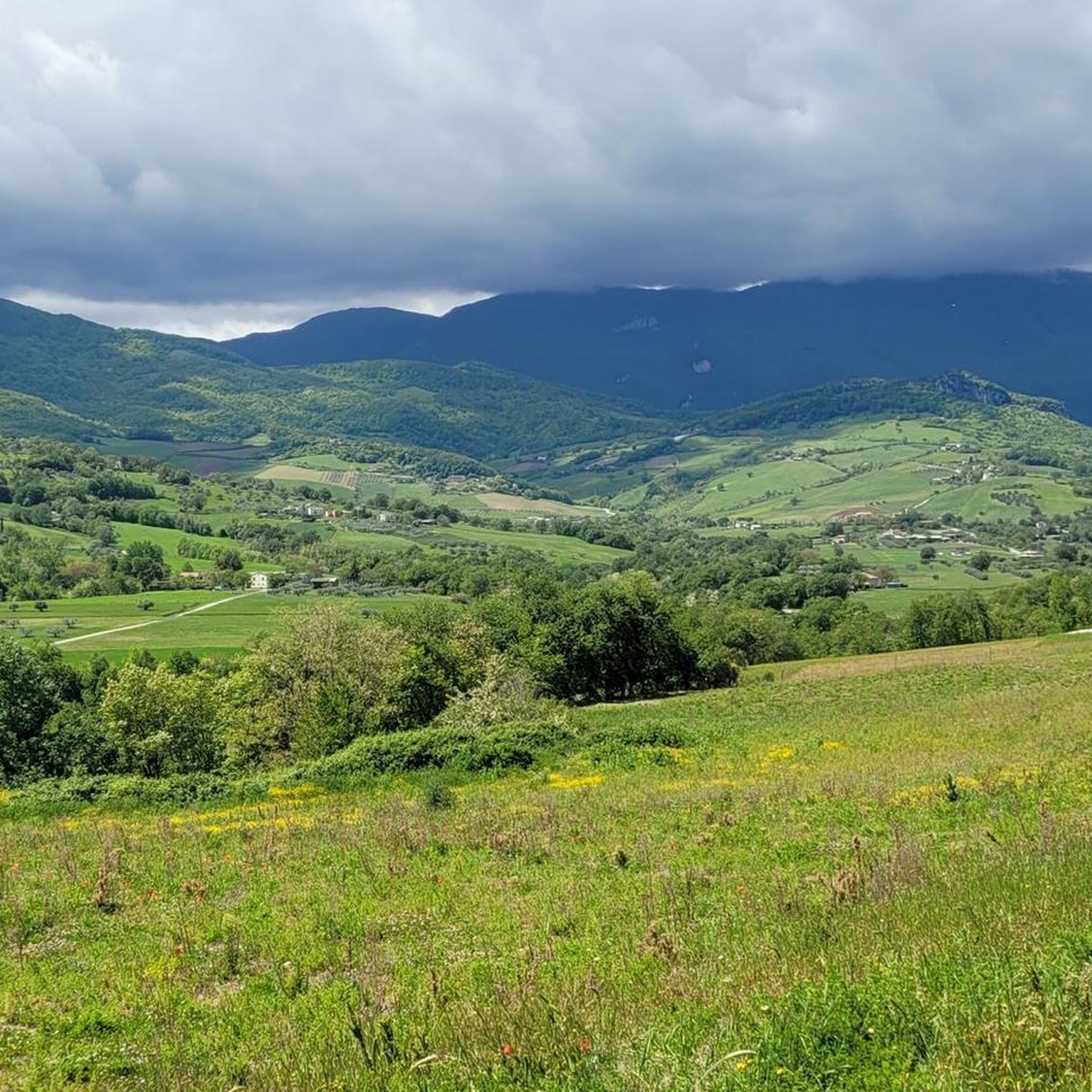
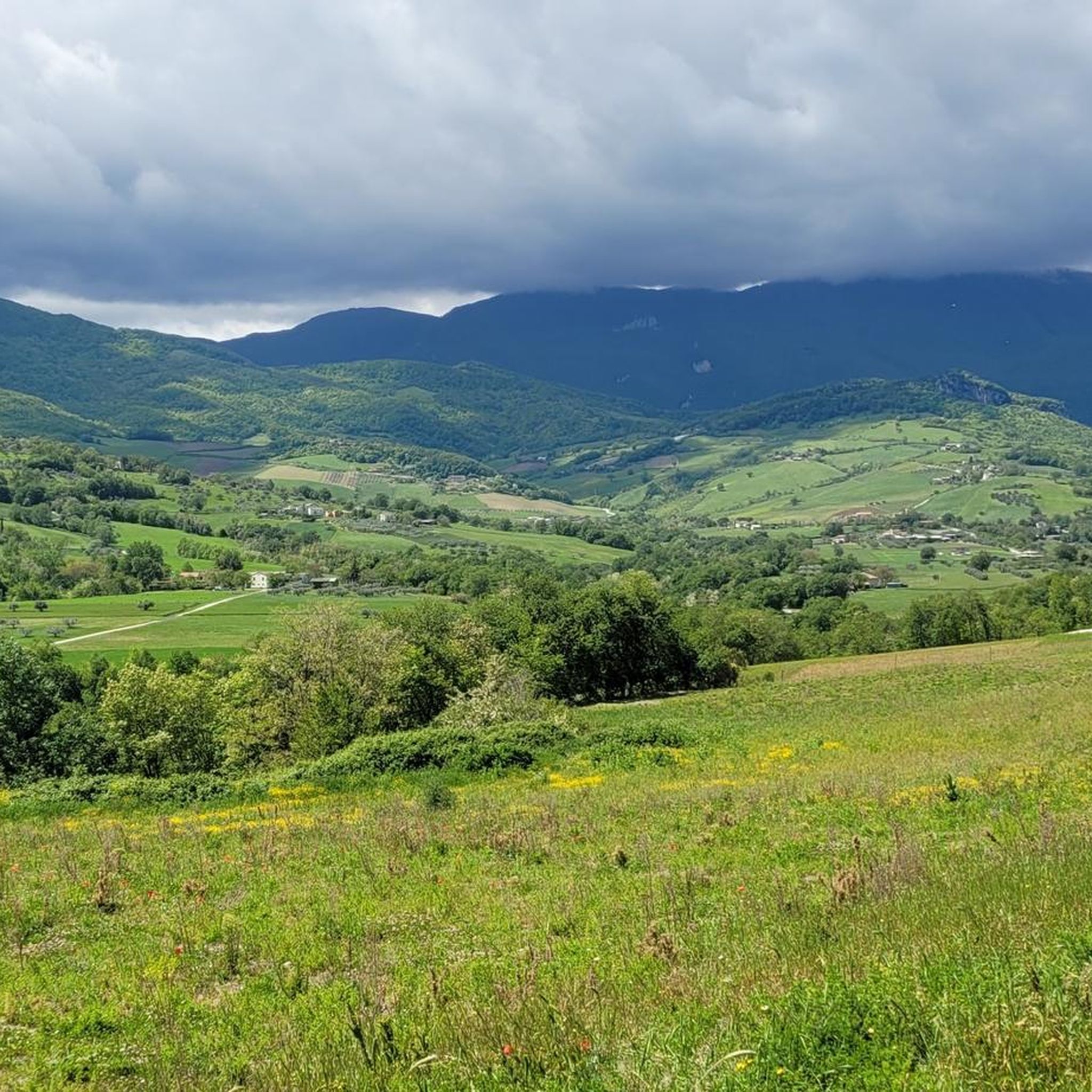
Touring cycling routes around Penne traverse a landscape characterized by rolling hills, expansive olive groves, and vineyards, situated between the Tavo River valley and the Gran Sasso mountain range. The region offers diverse terrain, from routes overlooking the Adriatic Sea to those venturing into the foothills of the Apennines. Cyclists can explore the serene environment of the Lake Penne Nature Reserve or find challenging ascents towards higher elevations. This area provides a varied backdrop for touring cycling, blending natural features…
Last updated: August 15, 2026
4.3
(6)
14
riders
56.2km
03:55
1,090m
1,090m
Hard bike ride. Very good fitness required. Mostly paved surfaces. Suitable for all skill levels.
4.0
(1)
11
riders
39.9km
02:43
690m
690m
Hard bike ride. Very good fitness required. Mostly paved surfaces. Suitable for all skill levels.

Sign up for free
12
riders
Hard bike ride. Very good fitness required. Mostly paved surfaces. Suitable for all skill levels.
4.0
(2)
9
riders
35.0km
02:43
910m
910m
Hard bike ride. Very good fitness required. Mostly paved surfaces. Suitable for all skill levels.
5.0
(1)
4
riders
15.9km
01:11
400m
390m
Moderate bike ride. Good fitness required. Mostly paved surfaces. Suitable for all skill levels.
Get access to more routes and recommendations from other explorers.
Sign up for free
Already have an account?
Our route recommendations are based on thousands of hikes, rides, and runs completed by other people on komoot.
Start today with a free account
Your next adventure awaits.
Login or Signup
Tips from the Community

Visit the alleged birthplace of Pontius Pilate In the heart of the historic center of Bisenti, you'll find a special place: the **Casa di Ponzio Pilato**, which, according to local tradition, is said to be the birthplace of Pontius Pilate. Whether the legend is historically accurate remains a mystery, but that makes a visit all the more interesting. The building has been remodeled several times over the centuries, but still shows characteristics of a classic Roman dwelling. Through a portico, you enter a small courtyard where remains of an ancient pebble pavement are visible. The geometric patterns are reminiscent of the mosaics that once adorned Roman villas. Adjacent is the atrium of the house. Beneath this area are two impressive Roman water reservoirs (cisterns), built in *opus caementicium* and partly finished with waterproof *opus signinum* plaster. These well-preserved remains offer a fascinating glimpse into Roman architecture. Whether you are interested in history, archaeology, or local legends, the Casa di Ponzio Pilato is a unique stop that will make your visit to Bisenti extra special.
6
0
Although the Cattedrale di San Massimo (the Duomo of Penne) is currently completely scaffolded for extensive restoration and earthquake-resistant reinforcement works, a visit to this historic site is absolutely worthwhile. Climb the hill and discover the monument's rich history. Even from the outside and in the accessible parts, you can sense the centuries-old atmosphere and get a glimpse into the archaeological treasures and stories this special cathedral has to offer. Some facts: the Duomo was built on pagan foundations. The cathedral stands on the Colle Sacro (the Sacred Hill). The early Christian church was founded even before the year 1000, directly on top of the remains of an old Roman temple. The road to the cathedral via the narrow, steep streets from Porta San Francesco is a historical experience in itself. The Duomo marks the highest point of Penne. Even with scaffolding around the facade, the square in front of the church offers a spectacular panoramic view over the roofs of the Città del Mattone and the surrounding Abruzzese hills.
4
0
The Chiesa della Santissima Annunziata (also known as the Chiesa dell'Annunciazione del Signore) in Penne is one of the most striking Baroque monuments in this historic city in the Abruzzo region. Byzantine roots: The current church is located in the Rione da Piedi district and is built on the foundations of a much older, Byzantine or 15th-century church. Baroque reconstruction: The building that stands today was extensively rebuilt in the late Baroque style starting in 1733. The renowned architect Carlo Cremonini was responsible for the construction. Special facade: The imposing brick facade on Corso Alessandrini stands out for its slightly undulating (concave) shape and two levels with stacked brick columns. This gives the building a dynamic, elegant effect. Facts: The Passion Story and Good FridayCenturies-old tradition: Since 1570, this church has been the official starting point of the solemn Good Friday procession in Penne.The golden shroud: The church houses the sacred wooden statue of the deceased Christ. During the Easter period, it is covered with a world-famous black velvet cloth (Covertone), richly decorated with embroidery of real gold and silver thread from a design by Salvatore Colapietro. 2009 Earthquake: The church was unfortunately heavily damaged during the devastating earthquake in the L'Aquila region on April 6, 2009. Since then, the building has been closed for regular religious services for safety reasons and for restoration work.
3
0
De Porta San Francesco is the most monumental and iconic city gate of the historic town of Penne, located on four hills. The gate forms the main entrance to the medieval center and is a striking example of local architecture. The gate owes its name to Francis of Assisi, who according to legend visited Penne on September 16, 1216. He came to the city at the time to establish peace between two violent, rival family clans. In memory of this historic visit, the original medieval city gate was later named after him. Although the origin of the gate is medieval, its current baroque appearance dates from 1780 (with later adjustments around 1870). The gate, to be renovated, came from the drawing board of architect Francesco Di Sio and was completely rebuilt, along with the adjacent buildings. Since then, they have formed a monumental, stylish entrance to 'the city of brick'. Bonus: if you stand in front of the gate and look closely, you will see the patron saint of Penne, San Massimo, at the top of the gate.
5
0
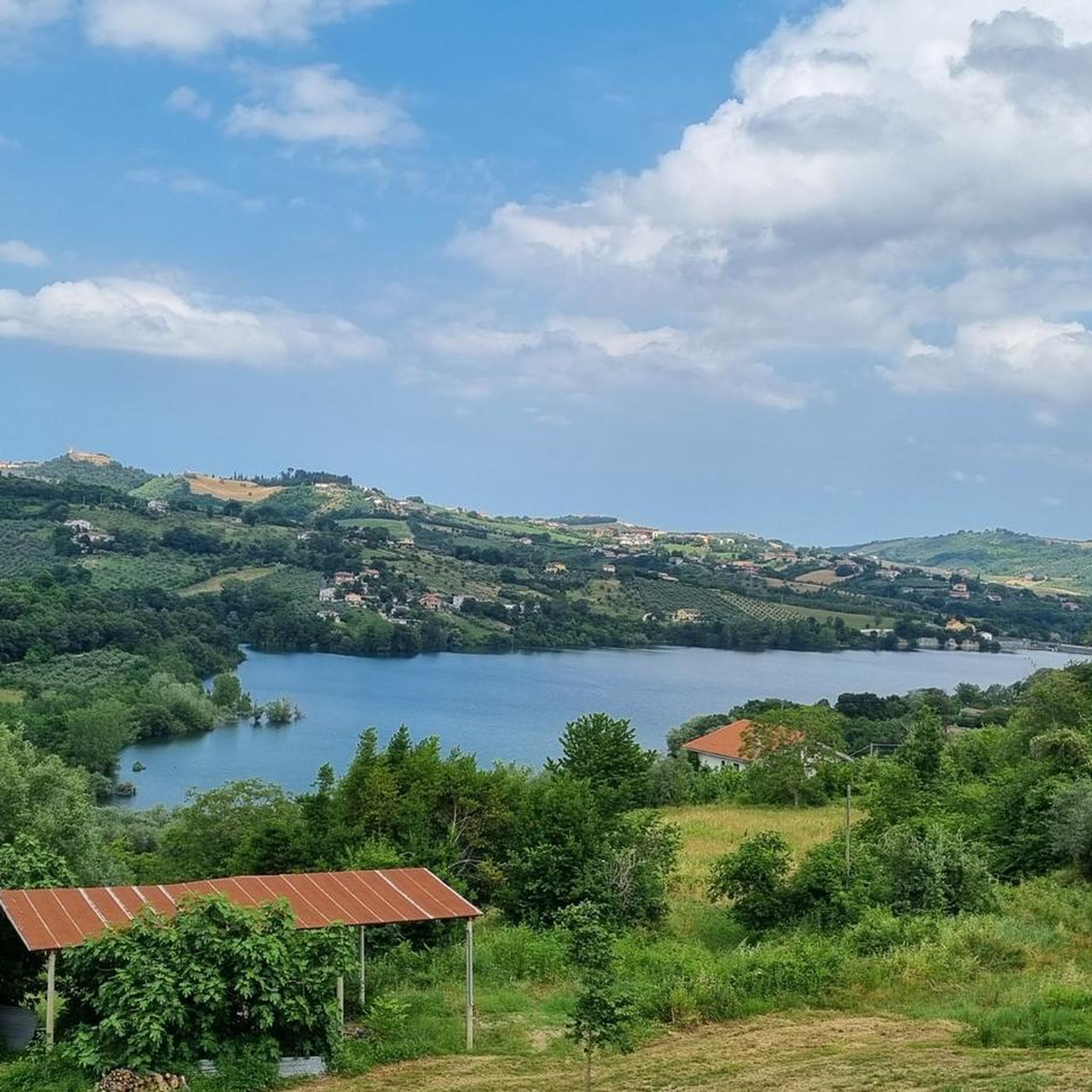
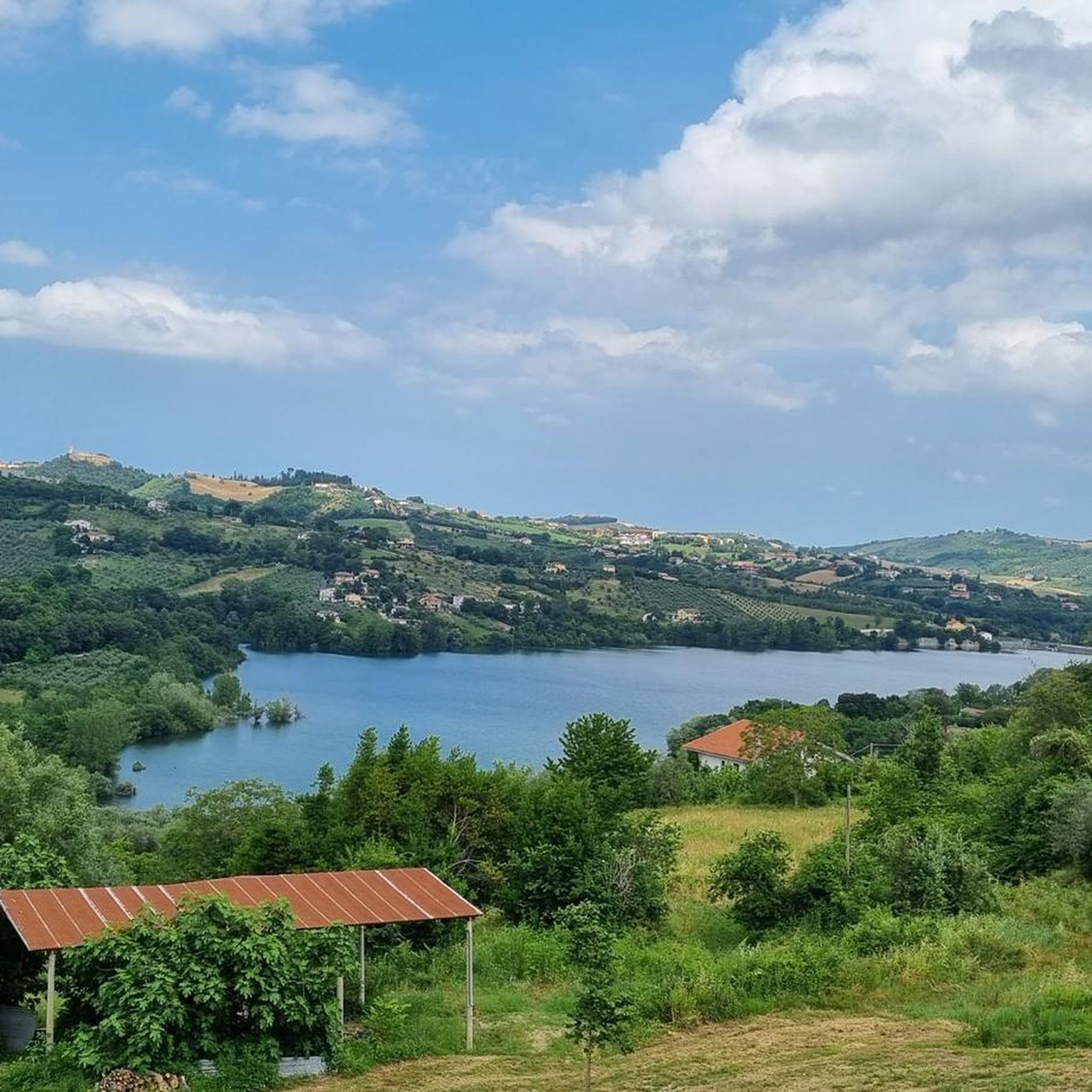
The dam of Lago di Penne (diga di Penne) is an important infrastructural work that formed the basis for the current nature reserve. Some technical data and brief history: The construction of the dam began in 1965 and was completed in the second half of the 1960s. The dam wall has a height of 30 meters. The dam blocks the Tavo river, which originates in the Gran Sasso massif. In addition, the basin collects water from the Gallero stream. The dam is owned and technically maintained by the Consorzio di Bonifica Centro
5
0
Ideal starting point to discover the nature reserve around Lago di Penne. Parking is located a stone's throw from the visitor center. There are also large bins at this location.
3
0
The round church of San Nicola was built in the 19th century to a design by engineer Dottorelli. From the outside, its unusual shape is immediately striking: a cylindrical building that, interrupted by pilasters, rises above the lower annexes of the church. On the side of Corso Alessandrini, the church has a simple brick facade, adorned with a small aedicule and a triangular tympanum. On the side of Largo San Francesco, the bell tower particularly catches the eye, with its double arched opening and tympanum-shaped crowning. Together, these elements give the church a restrained yet characteristic appearance.
3
0

The building, indicated by popular belief as the "house of Pontius Pilate", has inside a well connecting to a qanat, that is, an underground hydraulic system, with characteristics completely analogous to a water supply system that brings water from a spring from Etam to Jerusalem. Therefore, if we want to identify a historical basis for the legend, we can hypothesize that, after his dismissal, having returned to his Bisenti, Pontius Pilate, waiting to receive instructions from the Roman authorities regarding his future, still politically influential and "connected", before being sent into exile, had time to build an aqueduct very similar to the water infrastructure that a few years before he had built in Jerusalem, making sure that the main tunnel, before reaching the supply source in a public fountain, passed through his "domus" so as to draw water directly from the house. Source QR code signage in front of the entrance to the house.
1
0
Frequently Asked Questions
What kind of landscapes will I experience while touring cycling around Penne?
Touring cycling routes around Penne offer a diverse landscape. You'll traverse rolling hills, expansive olive groves, and vineyards, with views stretching from the Tavo River valley to the majestic Gran Sasso mountains and even the Adriatic coast. The area also features serene natural reserves and historic townscapes.
How many touring cycling routes are available in the Penne area?
There are 16 touring cycling routes available around Penne. These routes cater to various preferences, with 2 moderate and 14 difficult options to explore.
Are there any easier touring cycling routes in Penne?
While many routes in Penne are considered difficult, there are a couple of moderate options. One such route is the Lago di Penne – Porta di San Francesco loop from Lago di Penne, which covers 17.9 km with an elevation gain of about 350 meters.
What are some challenging touring cycling routes in the Penne area?
For those seeking a challenge, Penne offers several difficult routes. The Tavo loop from Penne is a demanding 34.4 km route with over 830 meters of elevation gain. Another option is the Penne Cathedral – Fonte Nuova of Penne loop from Penne, which is 39.3 km long with over 670 meters of ascent.
Are there any circular touring cycling routes around Penne?
Yes, many of the touring cycling routes around Penne are designed as loops, allowing you to start and end in the same location. Examples include the Lago di Penne – Porta di San Francesco loop from Cattedrale di San Massimo and the Porta di San Francesco loop from Penne.
What points of interest can I see along the touring cycling routes near Penne?
Many routes offer views of significant landmarks and natural features. You can cycle past the historic Penne Cathedral, explore the serene Lake Penne Nature Reserve, or pass through ancient town gates like Porta di San Francesco. Some routes also offer glimpses of the Monte Camicia summit and the Capo la Serra Pass.
Are there any natural attractions or reserves accessible by touring bike near Penne?
Absolutely. The Riserva Naturale Regionale Lago di Penne (Lake Penne Nature Reserve) is a significant natural highlight, offering scenic beauty and opportunities for birdwatching. Penne also serves as a gateway to the Gran Sasso and Monti della Laga National Park, and the Sirente-Velino Regional Natural Park is nearby, providing extensive outdoor exploration.
What is the best time of year for touring cycling in Penne?
The region's climate, with its position between the Adriatic Sea and the Gran Sasso mountains, generally offers pleasant conditions for cycling. Spring and autumn are often ideal, providing comfortable temperatures and vibrant landscapes. Summer can be warm, especially in the valleys, while winter might bring cooler temperatures, particularly at higher elevations.
What do other touring cyclists enjoy most about cycling in Penne?
The touring cycling routes in Penne are highly rated by the komoot community, with an average score of 4.4 stars from around 20 reviews. Cyclists often praise the varied terrain, from rolling hills and olive groves to views of the Gran Sasso mountains and the Adriatic coast, as well as the blend of natural beauty with historic townscapes.
Can I find places to eat or refresh along the touring cycling routes?
While specific cafes on every route are not detailed, the historic town of Penne itself offers various options. Additionally, some routes might pass near points of interest like the Mucciante Refreshment Stop, which can be a convenient place to refuel.
Are there any routes that offer particularly scenic views?
Many routes in Penne are known for their scenic beauty. Routes that climb into the hills or offer views towards the Adriatic coast or the Gran Sasso mountains provide stunning panoramas. The Lago di Penne – Porta di San Francesco loop from Cattedrale di San Massimo, for instance, offers beautiful views of Lake Penne and the surrounding countryside.
What historical sites can I visit while cycling in Penne?
Penne is recognized as one of 'I Borghi più belli d'Italia' (Italy's Most Beautiful Villages). Its historic center features narrow cobblestone streets, ancient walls, and medieval architecture. You can visit the Romanesque-Gothic Duomo of Penne (Cathedral of Santa Maria Assunta) and various historic palazzos, which provide interesting stops during your cycling tours.
Most popular attractions around Penne

Get inspired with the komoot mobile app


Explore more
Browse the best Cycling routes in other regions.
